




 30Apr
30Apr

Chronic joint stiffness and diminished daily mobility affect hundreds of millions of adults worldwide, predominantly driven by osteoarthritis (OA), rheumatoid arthritis (RA), and age-related tissue degeneration. While conventional pharmacotherapies like nonsteroidal anti-inflammatory drugs (NSAIDs) offer temporary relief, their long-term use is frequently constrained by gastrointestinal and cardiovascular toxicities. However, in 2026, emerging clinical science has cemented the endocannabinoid system (ECS) as a fundamental biological pathway for joint homeostasis. Full-spectrum hemp extracts—rich in cannabidiol (CBD), unheated cannabidiolic acid (CBDa), and functional terpenes—are now recognised as a powerful, multi-target approach to modulating inflammatory cascades, preserving cartilage, and restoring daily mobility.
What is the Endocannabinoid System’s Role in Joint Tissue?
The joint microenvironment possesses a functionally complete endocannabinoid system that acts as a master regulator of local inflammation and pain signaling. According to research published in the International Journal of Molecular Sciences, the synovial membrane contains a dense network of cannabinoid receptor type 2 (CB2) receptors, transient receptor potential vanilloid 1 (TRPV1) channels, and endocannabinoid metabolic enzymes.
Recent synovial tissue analyses have unveiled exactly why joints become chronically stiff. A milestone 2025 study in Cureus demonstrated an opposing synovial expression pattern in patients with osteoarthritic knees. Patients suffering from severe joint pain and histological synovitis displayed a significant depletion of CB2 receptors, alongside an overactive upregulation of nociceptive TRPV1 channels.
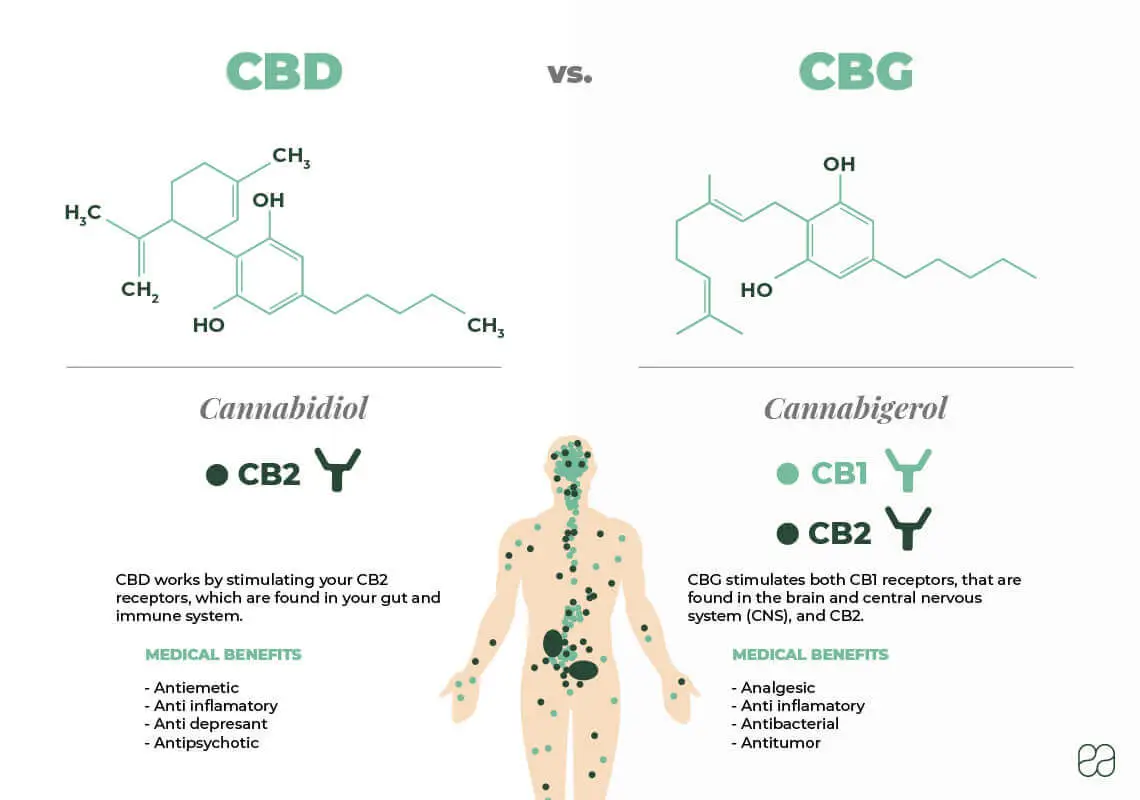
This dysregulation indicates that chronic joint stiffness stems from an exhaustion of local endocannabinoid tone. By therapeutically activating CB2 receptors, full-spectrum cannabinoids can suppress the nuclear factor kappa B (NF-κB) transcription pathway and halt the release of cartilage-degrading matrix metalloproteinases (MMP-3, MMP-9), effectively decelerating structural joint degradation and reducing pro-inflammatory cytokines like IL-1β, TNF-α, and IL-6.
How Full-Spectrum Phytocannabinoids Improve Daily Mobility
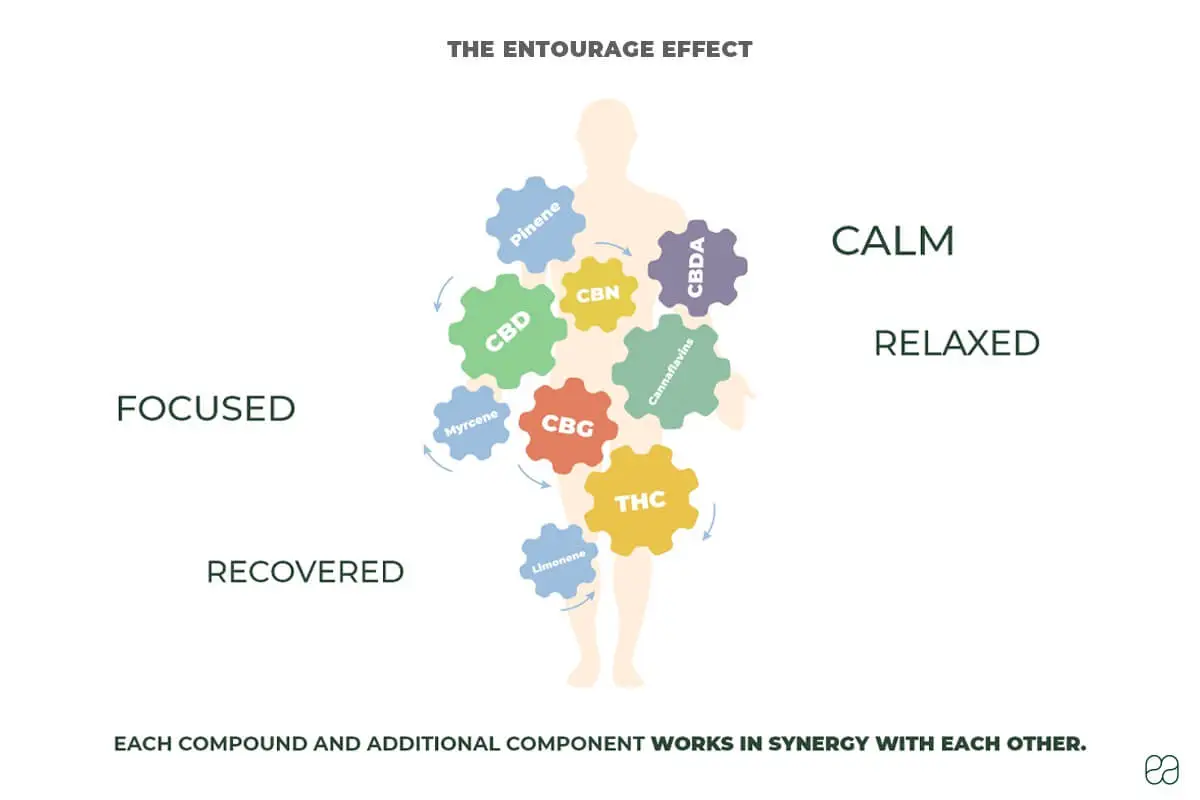
Full-spectrum hemp extract provides a linear, sustained dose-response profile due to the synergistic interaction between major cannabinoids, minor cannabinoids, and terpenes—a pharmacological phenomenon known as the entourage effect. Isolated CBD often loses its efficacy at higher doses, whereas whole-plant extracts maintain their therapeutic window.
The Power of Beta-Caryophyllene (BCP)
Beta-caryophyllene is a dietary sesquiterpene found abundantly in high-quality hemp extracts that functions as a selective full agonist of the CB2 receptor. First identified in the Proceedings of the National Academy of Sciences (PNAS), BCP binds directly to CB2 receptors without triggering central nervous system psychoactivity. Recent studies published in Pharmacological Research confirm that combining CBD with beta-caryophyllene produces synergistic anti-inflammatory action, drastically lowering joint neuroinflammation and elevating protective IL-13 levels.
Raw CBDa: Enzymatic Inhibition Without Gastrointestinal Damage
Preserving unheated, raw cannabinoids delivers distinct clinical advantages for joint care. Standard CBD extracts undergo high-temperature decarboxylation, which destroys native cannabidiolic acid (CBDa). However, unheated CBDa acts as a selective inhibitor of cyclooxygenase-2 (COX-2)—the exact pro-inflammatory enzyme targeted by pharmaceutical NSAIDs like celecoxib. Utilising unheated, raw full-spectrum extracts delivers dual-action joint support by engaging both enzymatic (COX-2) and receptor-mediated (CB2/TRPV1) anti-stiffness pathways without eroding the gastric lining.
Systemic vs Localised CBD: Choosing the Right Delivery Method
Choosing the appropriate administration route dictates how efficiently cannabinoids reach the target joint tissue. Clinical rheumatology insights increasingly support an “Inside-Out” dual protocol, combining both systemic ingestibles and localised topicals for maximum relief.
Systemic Delivery (Sublingual Tinctures)
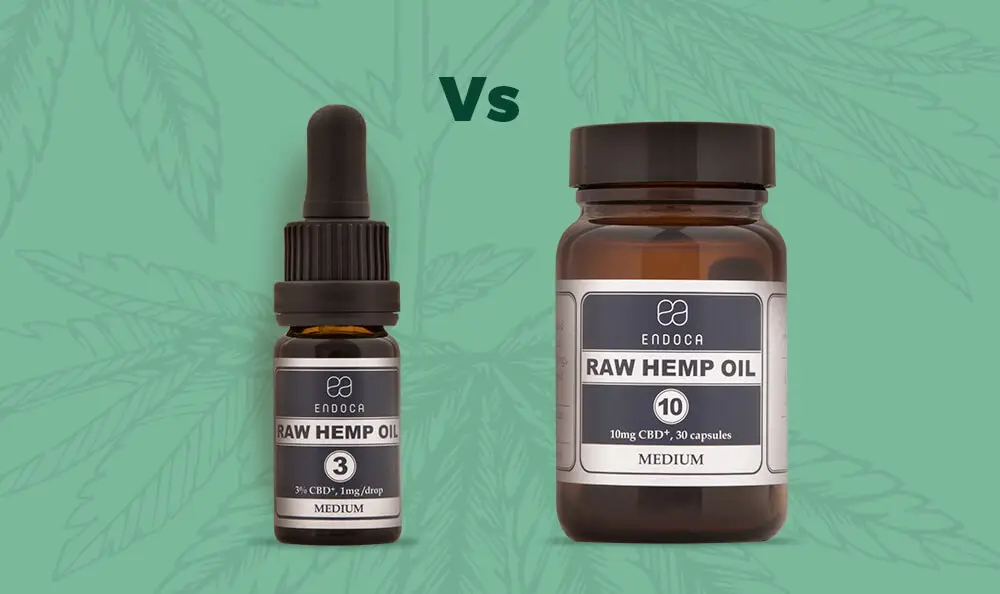
Systemic delivery through sublingual tinctures allows direct absorption into the mucosal vasculature, partially bypassing first-pass hepatic metabolism. With an onset of 20 to 45 minutes and a therapeutic duration of 6 to 8 hours, systemic ingestibles are ideal for multi-joint pathology, such as simultaneous hip, spine, and bilateral knee stiffness. Regular systemic dosing modulates whole-body immune tone, dramatically improving sleep quality and reducing early morning stiffness.
Localised Delivery (Topical Salves)
Localised topical application allows lipophilic cannabinoids and terpenes to penetrate the stratum corneum, accumulating directly in periarticular bursae and synovial tissues. This method is highly effective for superficial joints like knees, hands, and elbows. A human clinical trial published in Scientific Reports evaluated transdermal CBD gel in participants with hand osteoarthritis. Over a 4-week period, topical CBD produced a statistically significant increase in objective physical grip strength ($p < 0.0001$) and marked improvements in joint stiffness.
What is the Recommended Clinical Dosage Protocol?
Rigorous contemporary trials, including large-scale 2025 and 2026 data published in Frontiers in Pharmacology and The Lancet Regional Health – Europe, demonstrate that cannabinoid efficacy follows a dose-dependent titration curve. To achieve optimal daily mobility, a stepwise approach is recommended:
- Tier 1: Baseline Initiation (Days 1–7)
- Systemic Dose:15–20 mg of full-spectrum CBD/CBDa per day (split morning and evening).
- Topical Adjunct:Apply a pea-sized amount of full-spectrum salve (20–50 mg CBD per application) twice daily to affected joints.
- Objective:Establish baseline physiological receptor engagement and assess individual endocannabinoid tolerance.
- Tier 2: Active Titration (Days 8–14)
- Systemic Dose:30–45 mg of full-spectrum CBD/CBDa per day.
- Objective:Counterbalance systemic inflammatory markers and evaluate changes in morning joint stiffness duration and gait fluidity.
- Tier 3: Optimisation & Maintenance (Week 3+)
- Systemic Dose:45–90 mg daily for moderate chronic stiffness. (Doses can scale up to 150–300 mg daily under medical supervision for severe joint degradation).
- Objective:Maintain optimal synovial CB2 receptor tone, mitigate matrix metalloproteinase production, and sustain functional daily mobility.
Ensuring Purity: The Seed-to-Shelf Standard for Joint Care
To ensure therapeutic reproducibility in joint health applications, product purity, cannabinoid integrity, and extraction safety are paramount. Because the entourage effect relies on a delicate balance of fragile plant compounds, the manufacturing process dictates the clinical outcome.
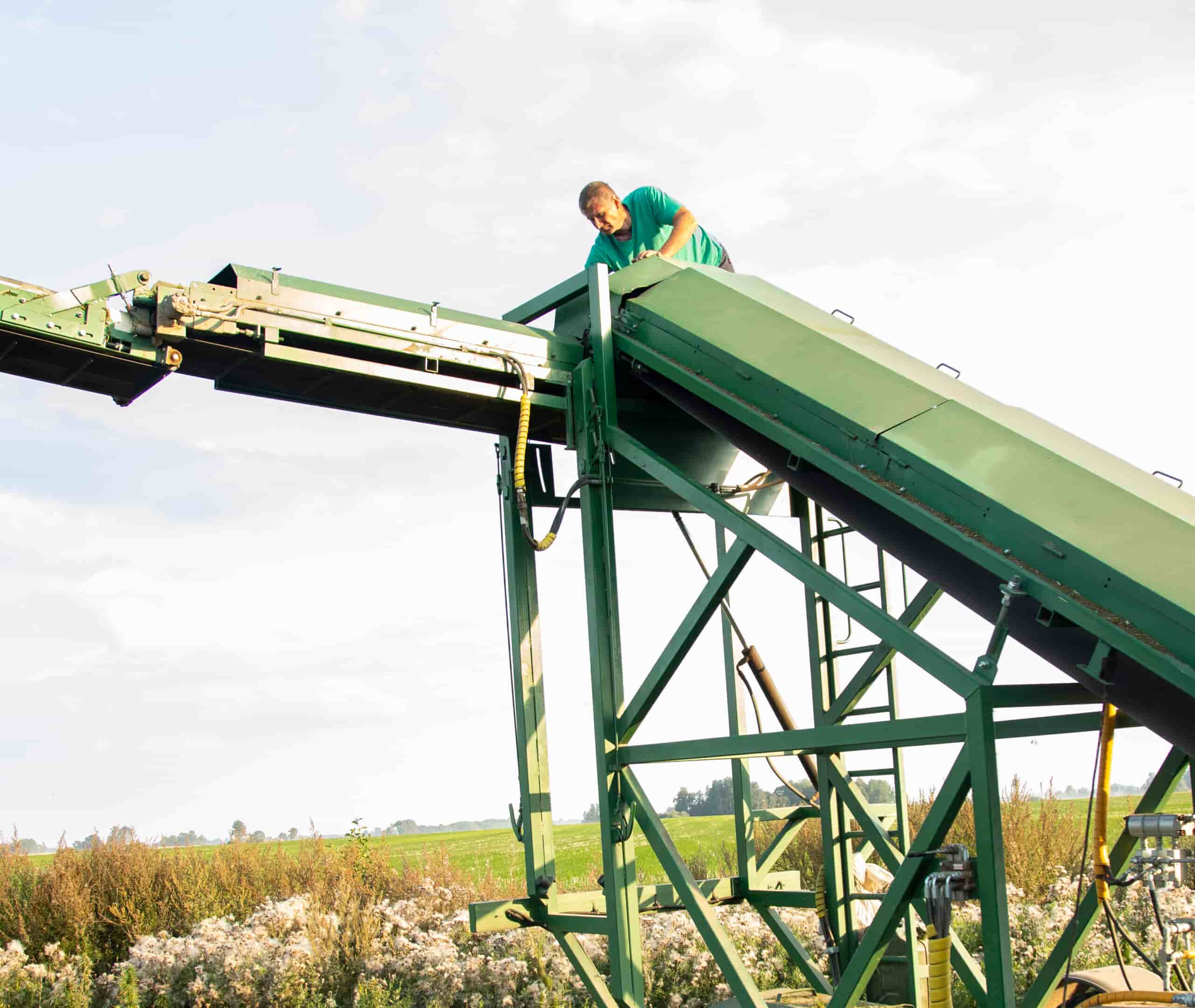
Pharmaceutical-grade manufacturers like Endoca have established the gold standard for clinical joint support by managing the entire product lifecycle from seed to shelf. Cultivated using European organic permaculture farming without synthetic pesticides, the hemp is extracted via state-of-the-art supercritical clean air CO2 technology. This guarantees the prevention of solvent residue contamination.
Crucially, Endoca’s signature unheated RAW full-spectrum formulations deliberately avoid destructive heating. This process retains both CBD and active CBDa in their native, balanced states, alongside high concentrations of beta-caryophyllene and myrcene. For those managing chronic stiffness, Endoca CBD Oil offers clean sublingual delivery to establish daily baseline ECS tone, while their targeted CBD body care and recovery formulations deliver concentrated topical relief directly to inflamed ligaments and tendons.
Industry Expertise & Commitment to Traceability
When treating chronic inflammatory conditions, transparency is non-negotiable. Endoca operates as a vertically integrated, pharmaceutical-grade hemp pioneer, ensuring every production lot undergoes rigorous high-performance liquid chromatography (HPLC) testing. Publicly available batch certificates confirm cannabinoid potency, verify non-detectable THC levels within legal safety limits, and prove the complete absence of heavy metals and mycotoxins. By bridging the gap between organic agriculture and advanced cannabinoid science, clinical-grade whole-plant extracts offer a highly effective, biologically aligned solution for maintaining lifelong joint mobility and daily comfort.