
- Shop
- About Us

Our Story
From humble beginnings to a global mission – we grow, harvest, and craft hemp with care for people and planet.
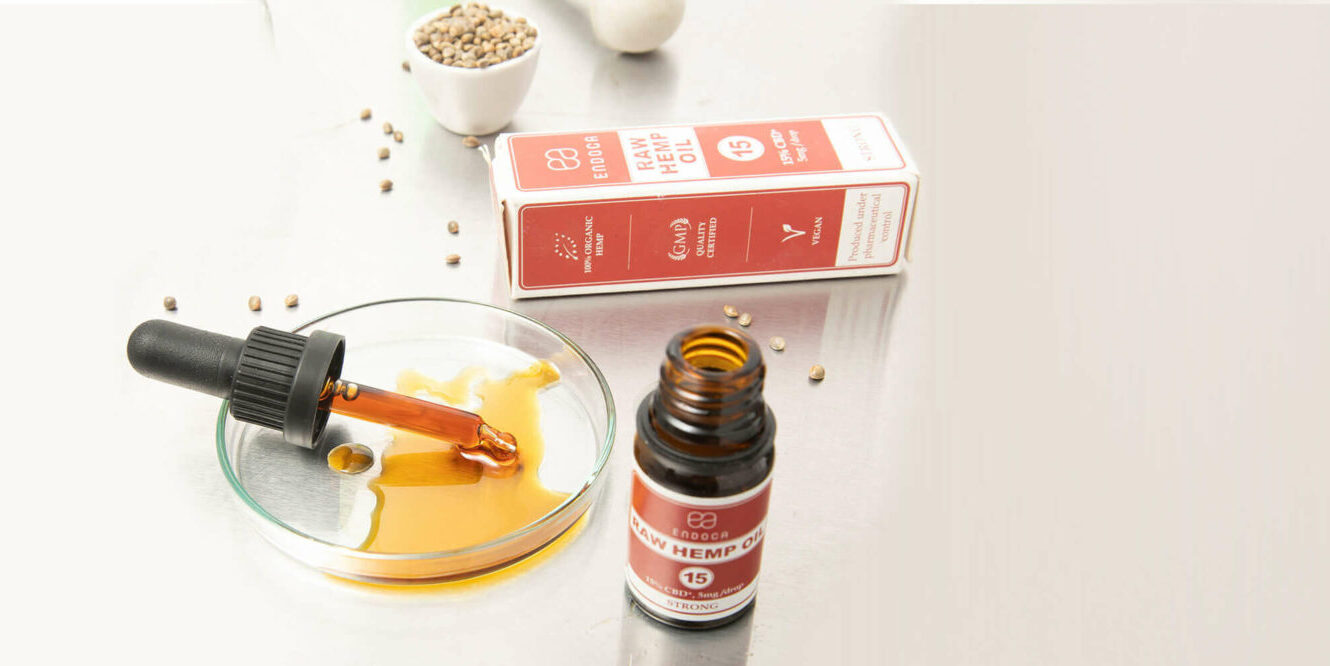
What Is CBD?
CBD is nature’s way to restore balance, calm, and overall well-being – naturally and without the high.

The Process
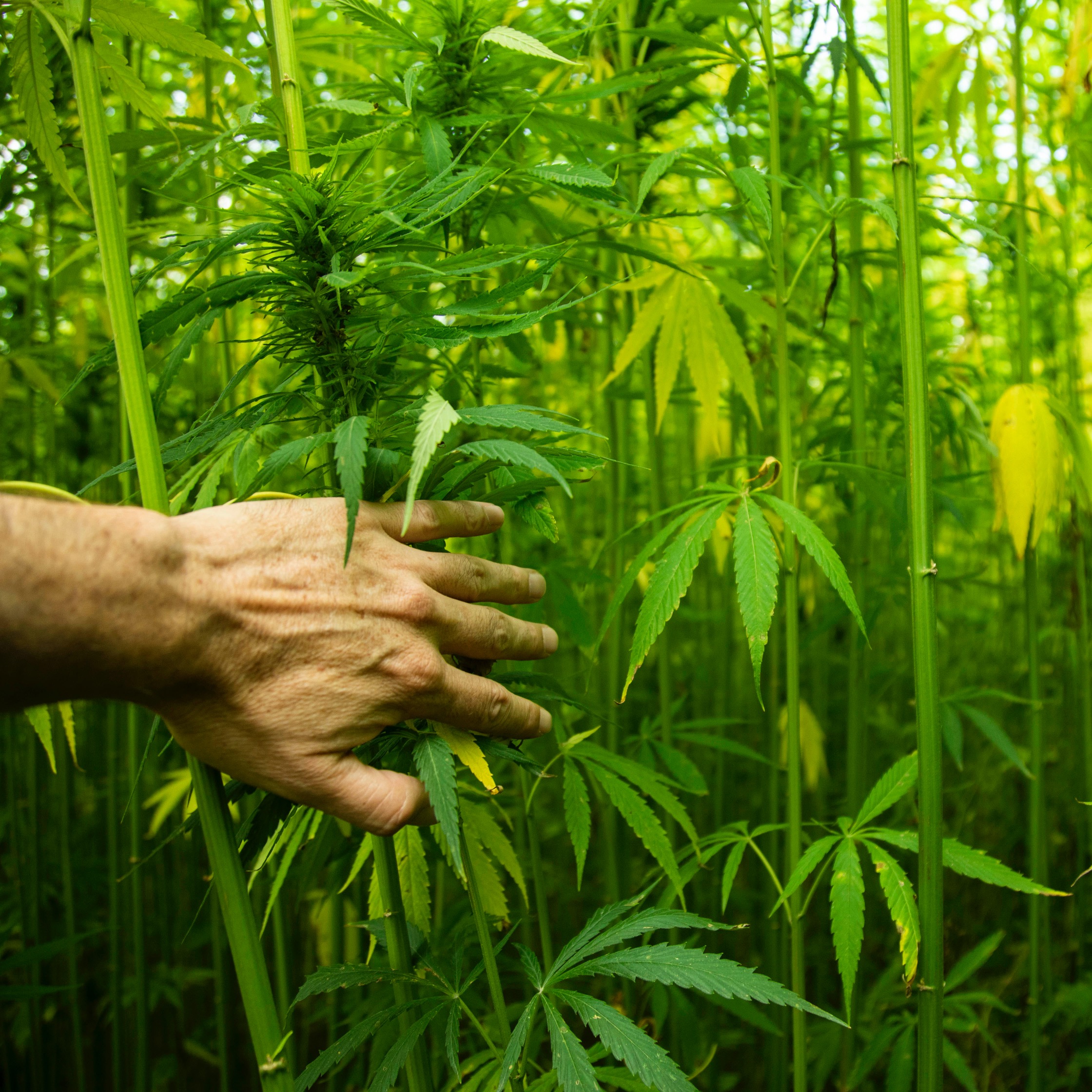
From seed to shelf, we grow organically, extract cleanly, and follow strict quality standards for purity.

Lab Testing
Every batch is third-party tested to ensure purity, safety, and the exact amount of CBD every time.
Our Values
Sustainability, transparency, and wellness guide every decision – for you and for the planet.
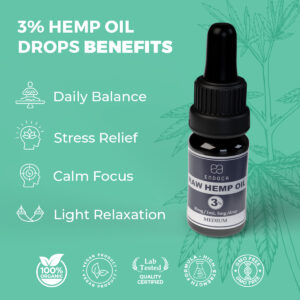
Raw CBD oil 30mg/ml (medium)
Price range: 28 € through 75 € This product has multiple variants. The options may be chosen on the product page
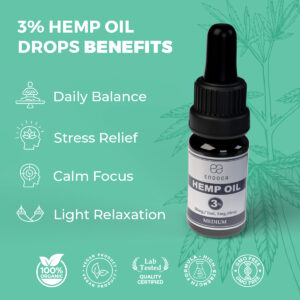
CBD oil 30mg/ml
Price range: 28 € through 75 € This product has multiple variants. The options may be chosen on the product page
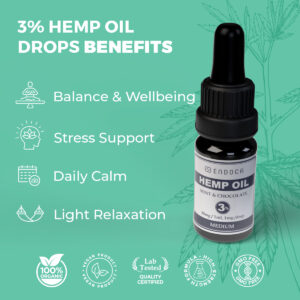
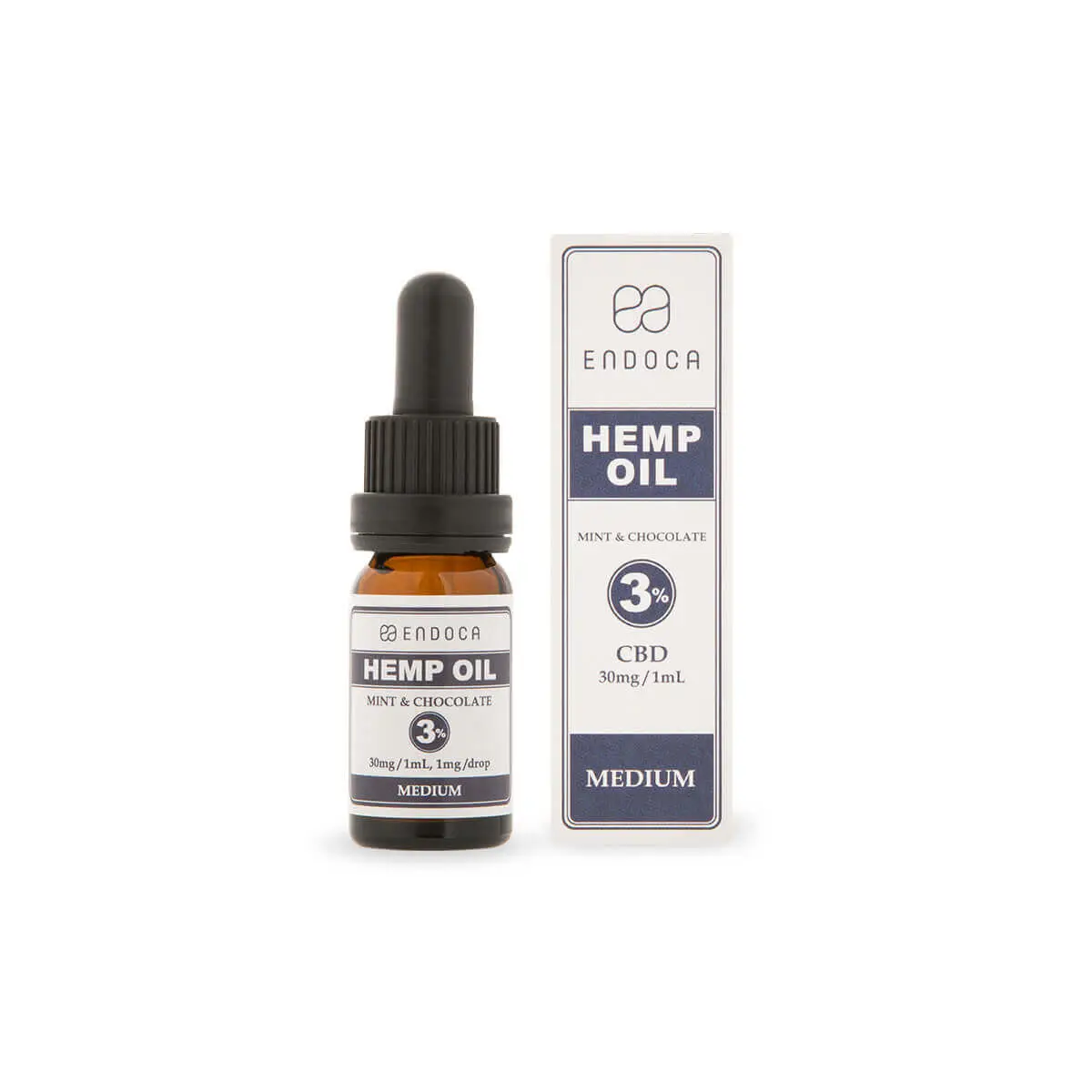
CBD oil 30mg/ml with chocolate mint
23 € This product has multiple variants. The options may be chosen on the product page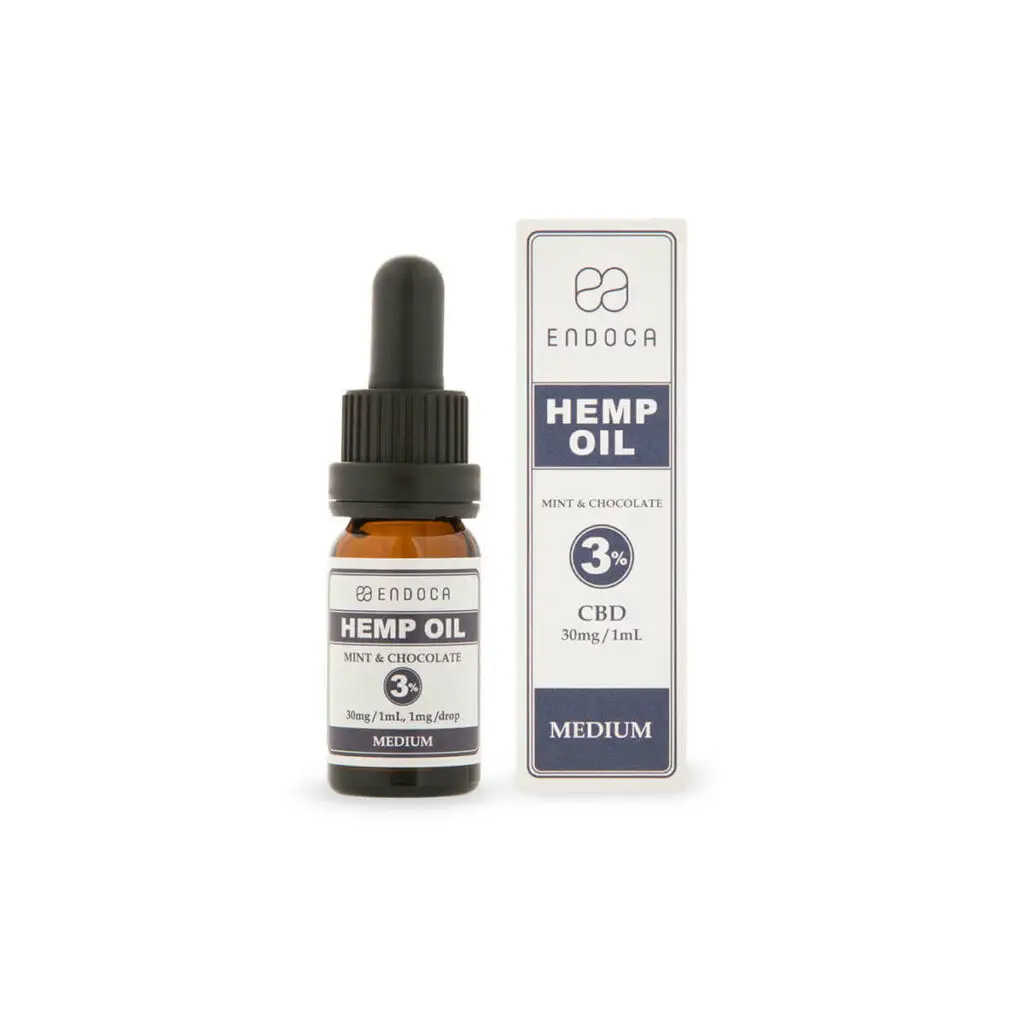
Not All 300mg CBD Oils Are Created Equal

100% Organic
Organically grown hemp without unnecessary pesticides

Third Party Tested
Every batch is independently tested for purity and cannabinoid content

Highest Quality
Produced in GMP-certified facilities with rigorous quality control

1mg per Drop
The Easiest Strength to Count

UK Delivery
Fast and Discreet
Compare Endoca 300mg CBD Oils
The three 3% oils, compared by extract, strength, who each suits and what is in the bottle.
| PRODUCT | EXTRACT TYPE | STRENGTH | BEST FOR | KEY COMPOUNDS |
|---|---|---|---|---|
| CBD oil 30mg/ml | Full spectrum, heat activated | 3%, about 1mg per drop | A first bottle | CBD, minor cannabinoids, natural terpenes |
| Raw CBD oil 30mg/ml (medium) | Full spectrum, raw, CBD plus CBDa | 3%, about 1mg per drop | Raw hemp at the gentlest strength | CBD and CBDa, terpenes, plant waxes |
| Chocolate mint CBD oil 30mg/ml | Flavoured | 3%, about 1mg per drop | Drops without the hemp taste | CBD, cocoa and mint |
Strength table
| Bottle | Total CBD | Per ml | Per drop (about) | Drops to reach the FSA's 10mg a day (about) |
|---|---|---|---|---|
| 10ml, 3% | 300mg | 30mg | 1mg | 10 |
| 30ml, 3% | 900mg | 30mg | 1mg | 10 |
What Is 300mg CBD Oil?
300mg CBD oil is a bottle holding 300mg of cannabidiol in total. Ours is 300mg in 10ml, so 3%, 30mg per millilitre and about 1mg a drop. The 30ml size holds 900mg at the same strength. The percentage and the milligrams per millilitre are two ways of writing one concentration. Ten millilitres at 3% and ten millilitres at 15% look identical on the shelf, yet one holds five times the cannabidiol of the other. Multiply concentration by volume and you arrive at the total printed on the front.
The extract is blended into hemp seed oil so it can be measured by the drop. The classic and raw oils are full spectrum, carrying the minor cannabinoids and terpenes that came out of the plant with the cannabidiol. Without a carrier, a CO2 extract is a thick paste that will not run through a dropper. The heated version has been decarboxylated, turning CBDa into CBD, while the raw version skips that step and keeps both. The chocolate mint oil adds cocoa and mint for anyone put off by the earthy flavour of hemp.
When you compare a CBD oil 300mg bottle from another brand, divide the mg by the ml first, then read the certificate. UK rules count controlled cannabinoids per container, so the certificate is the document that matters. A label can tell you the strength, but only the report tells you what else is in the bottle. Our guide to the different types of CBD explains how full spectrum, broad spectrum and isolate differ, which is worth knowing before you set two labels side by side.
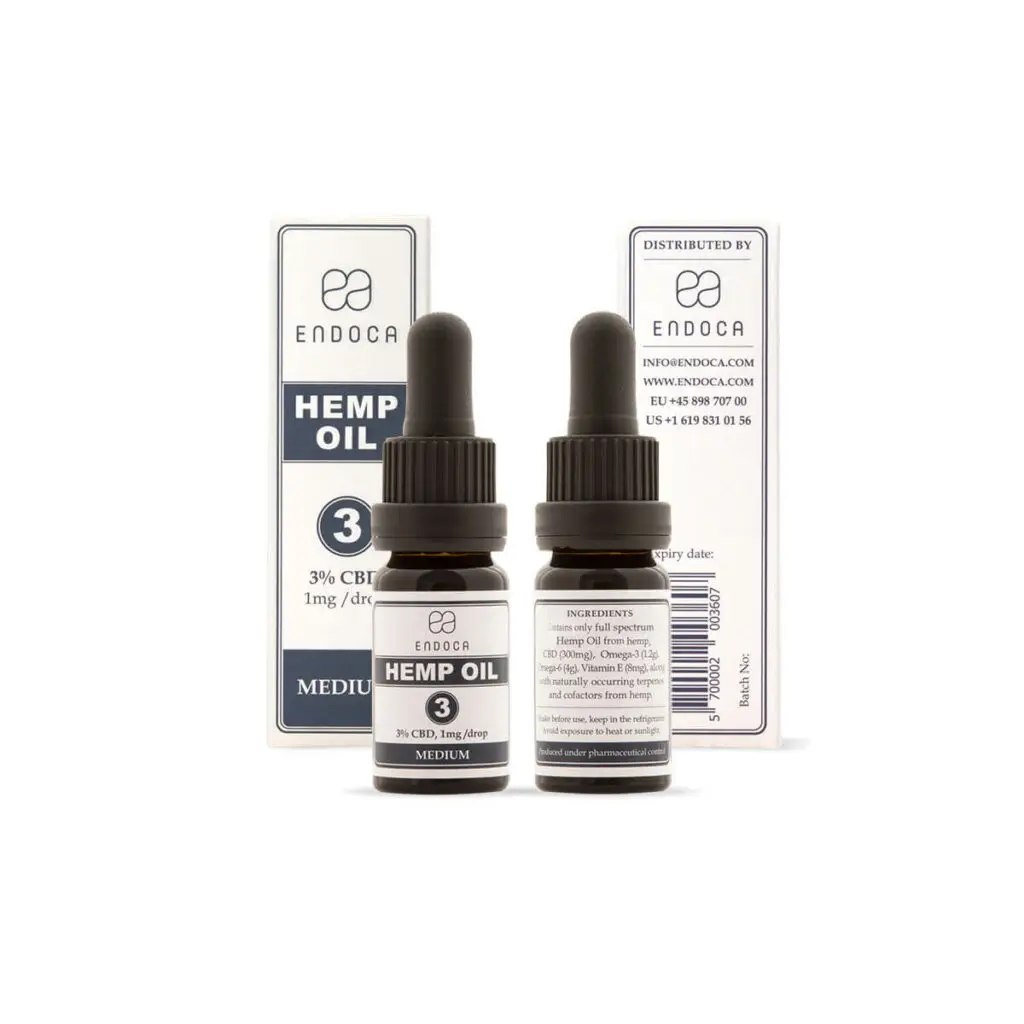
What Can 300mg CBD Oil Be Used For?
The 3% strength is where most people begin, because 1mg a drop is simple to keep count of. At about ten drops to the FSA’s daily figure, it is also the easiest strength to read against UK guidance.
We sort the three by preference, not by what they might do, because no CBD product sold in Britain may be presented as doing anything to your health.
Frequently Asked Questions
Ours is 3%: 300mg in 10ml, 30mg per ml, about 1mg per drop. It is the gentlest oil we make, and the per-drop figure matches the milligram count, which keeps the arithmetic simple.
About ten, because each drop holds about 1mg. The FSA advises healthy adults to take no more than 10mg a day, so this is the easiest oil in our range to read against the advised figure. It restates that advice rather than suggesting an amount.
No. It is the 30ml bottle of the same 3% oil. The strength per drop does not change, only the number of drops: about 900, against roughly 300 in the 10ml bottle.
No. That only holds for a 10ml bottle. Put the same 300mg into 30ml and it becomes a 1% oil, with a third as much in each drop. Check the millilitres beside the milligrams on any label before comparing brands.
It is where most people begin, because the drop count matches the milligram count and about ten drops reach the FSA’s daily figure. Our beginners page covers other first formats if drops do not appeal.
The raw oil is not heated after extraction, so it keeps CBDa. The classic oil has been decarboxylated, turning CBDa into CBD. Both begin as the same CO2 extract from the same crop, at the same 3% strength, and the only change is whether the heating step happens before bottling.
Cocoa and mint rather than hemp. It sits at the same 3% strength as the other two, so switching to it changes the flavour and nothing about how you count drops.
UK rules count controlled cannabinoids per container. The certificate for your batch gives the figures. The classic and raw oils are full spectrum and carry trace amounts from the plant, so match the batch number on your bottle to its report.
It is possible. A screen looks for THC metabolites, and the classic and raw oils are full spectrum. Anyone tested at work should read the batch certificate first and consider a THC free product instead of either of these two.
Not All 300mg CBD Oils Are Created Equal
100% Organic
Organically grown hemp without unnecessary pesticides
Third Party Tested
Every batch is independently tested for purity and cannabinoid content
Highest Quality
Produced in GMP-certified facilities with rigorous quality control
1mg per Drop
The Easiest Strength to Count
UK Delivery
Fast and Discreet
Compare Endoca 300mg CBD Oils
CBD oil 30mg/ml
Raw CBD oil 30mg/ml (medium)
Chocolate mint CBD oil 30mg/ml
Strength table
What Is 300mg CBD Oil?
300mg CBD oil is a bottle holding 300mg of cannabidiol in total. Ours is 300mg in 10ml, so 3%, 30mg per millilitre and about 1mg a drop. The 30ml size holds 900mg at the same strength. The percentage and the milligrams per millilitre are two ways of writing one concentration. Ten millilitres at 3% and ten millilitres at 15% look identical on the shelf, yet one holds five times the cannabidiol of the other. Multiply concentration by volume and you arrive at the total printed on the front.
The extract is blended into hemp seed oil so it can be measured by the drop. The classic and raw oils are full spectrum, carrying the minor cannabinoids and terpenes that came out of the plant with the cannabidiol. Without a carrier, a CO2 extract is a thick paste that will not run through a dropper. The heated version has been decarboxylated, turning CBDa into CBD, while the raw version skips that step and keeps both. The chocolate mint oil adds cocoa and mint for anyone put off by the earthy flavour of hemp.
When you compare a CBD oil 300mg bottle from another brand, divide the mg by the ml first, then read the certificate. UK rules count controlled cannabinoids per container, so the certificate is the document that matters. A label can tell you the strength, but only the report tells you what else is in the bottle. Our guide to the different types of CBD explains how full spectrum, broad spectrum and isolate differ, which is worth knowing before you set two labels side by side.
What Can 300mg CBD Oil Be Used For?
The 3% strength is where most people begin, because 1mg a drop is simple to keep count of. At about ten drops to the FSA’s daily figure, it is also the easiest strength to read against UK guidance.
We sort the three by preference, not by what they might do, because no CBD product sold in Britain may be presented as doing anything to your health.
CBD oil 30mg/ml gives about 1mg a drop. Our CBD for beginners page has more first-time options for anyone still deciding on a format.
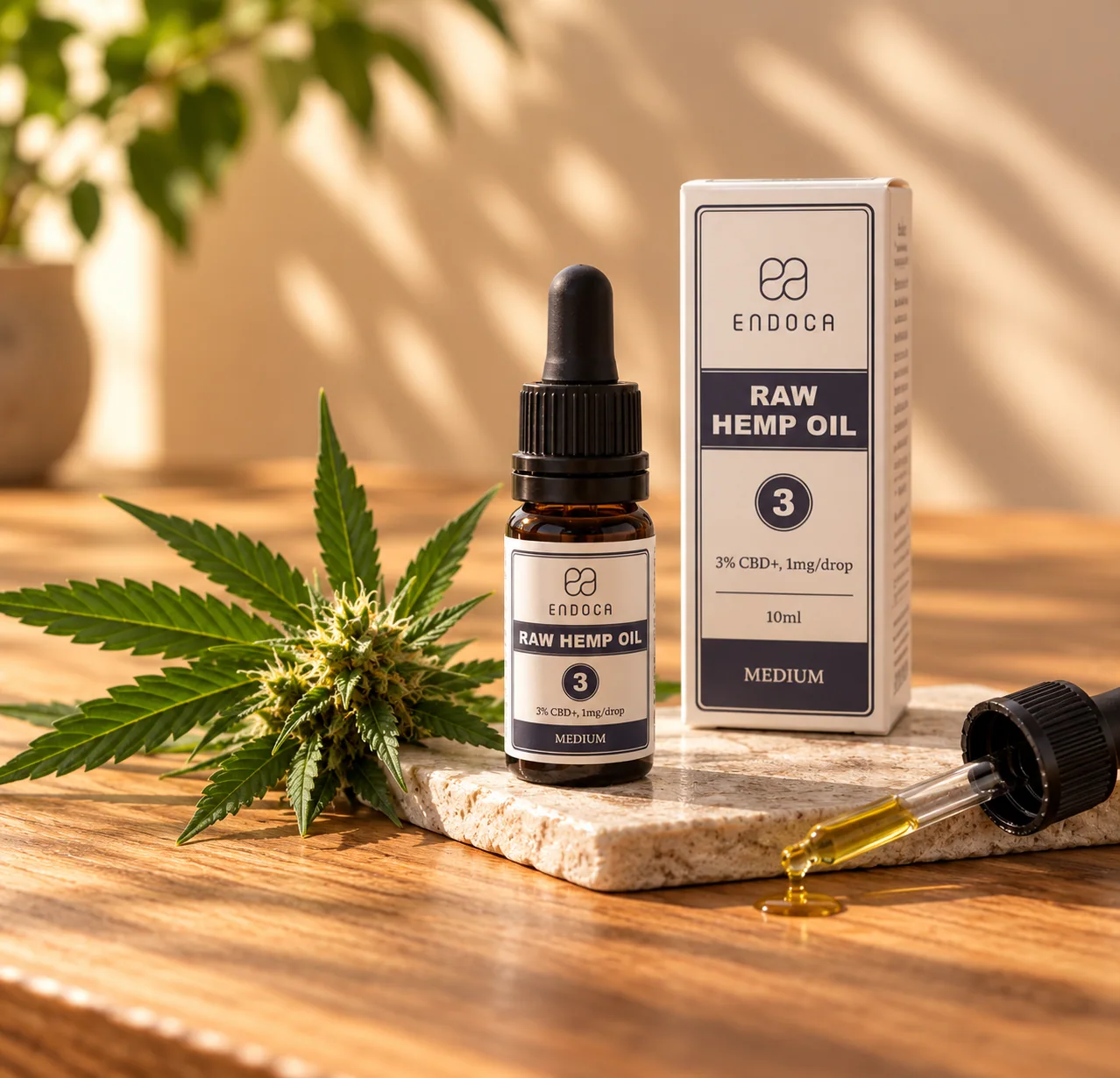
The raw 3% oil skips the heating step and keeps CBDa. Our raw CBD and CBDa range takes the same approach at higher strengths, for later on.
Chocolate mint 3% tastes of cocoa and mint. It is the version to choose if the earthy flavour of the classic oil is the only thing putting you off.
The 30ml size holds 900mg at the same strength. It contains about 900 drops, so it is worth choosing once you know which of the three versions you prefer.
Moving Up
The 1500mg CBD oil gives about 5mg a drop, for anyone who has settled on a higher figure. Two drops of it reach the FSA’s 10mg a day.
All of our strengths, from this one upwards, sit together on the CBD oils page.
Frequently Asked Questions
Ours is 3%: 300mg in 10ml, 30mg per ml, about 1mg per drop. It is the gentlest oil we make, and the per-drop figure matches the milligram count, which keeps the arithmetic simple.
About ten, because each drop holds about 1mg. The FSA advises healthy adults to take no more than 10mg a day, so this is the easiest oil in our range to read against the advised figure. It restates that advice rather than suggesting an amount.
No. It is the 30ml bottle of the same 3% oil. The strength per drop does not change, only the number of drops: about 900, against roughly 300 in the 10ml bottle.
No. That only holds for a 10ml bottle. Put the same 300mg into 30ml and it becomes a 1% oil, with a third as much in each drop. Check the millilitres beside the milligrams on any label before comparing brands.
It is where most people begin, because the drop count matches the milligram count and about ten drops reach the FSA’s daily figure. Our beginners page covers other first formats if drops do not appeal.
The raw oil is not heated after extraction, so it keeps CBDa. The classic oil has been decarboxylated, turning CBDa into CBD. Both begin as the same CO2 extract from the same crop, at the same 3% strength, and the only change is whether the heating step happens before bottling.
Cocoa and mint rather than hemp. It sits at the same 3% strength as the other two, so switching to it changes the flavour and nothing about how you count drops.
UK rules count controlled cannabinoids per container. The certificate for your batch gives the figures. The classic and raw oils are full spectrum and carry trace amounts from the plant, so match the batch number on your bottle to its report.
It is possible. A screen looks for THC metabolites, and the classic and raw oils are full spectrum. Anyone tested at work should read the batch certificate first and consider a THC free product instead of either of these two.