
- Shop
- About Us

Our Story
From humble beginnings to a global mission – we grow, harvest, and craft hemp with care for people and planet.
What Is CBD?
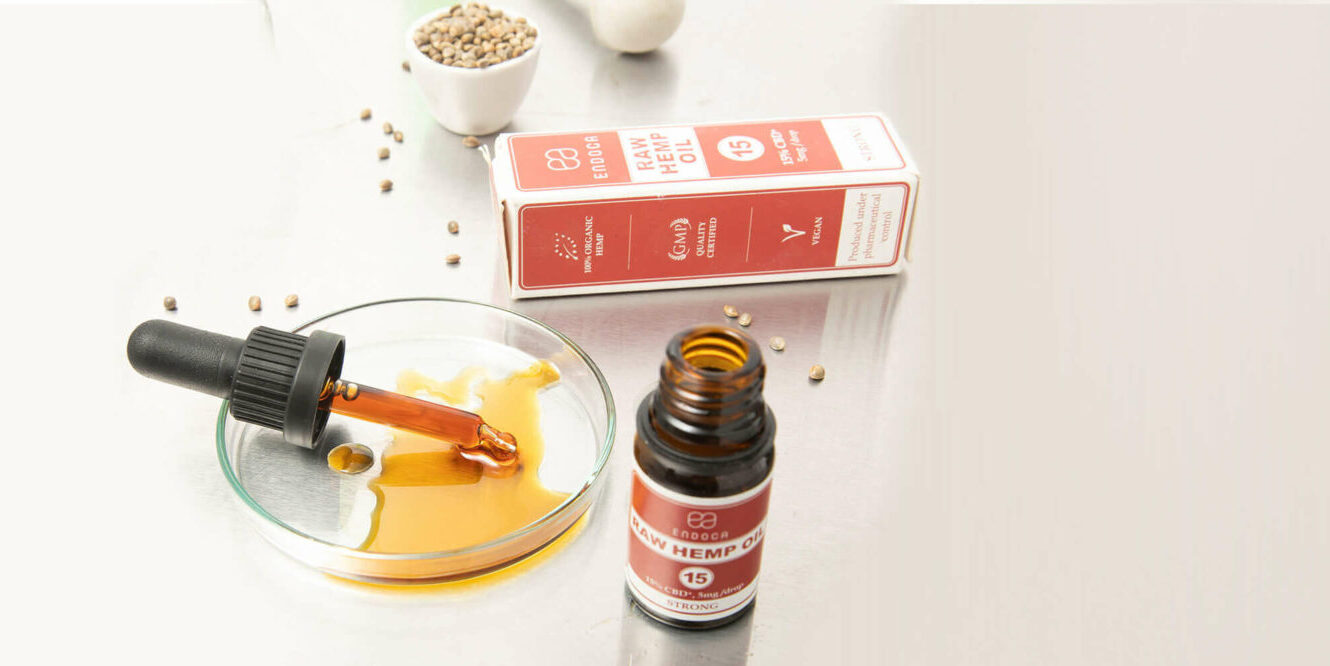
CBD is nature’s way to restore balance, calm, and overall well-being – naturally and without the high.

The Process
From seed to shelf, we grow organically, extract cleanly, and follow strict quality standards for purity.

Lab Testing
Every batch is third-party tested to ensure purity, safety, and the exact amount of CBD every time.

Our Values
Sustainability, transparency, and wellness guide every decision – for you and for the planet.

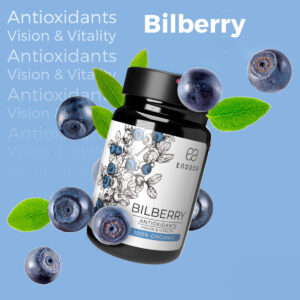
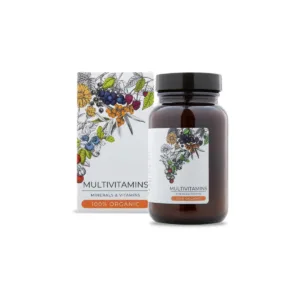
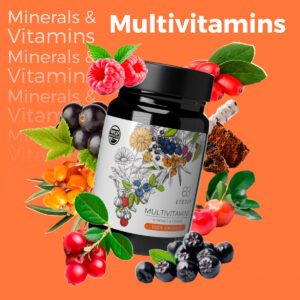
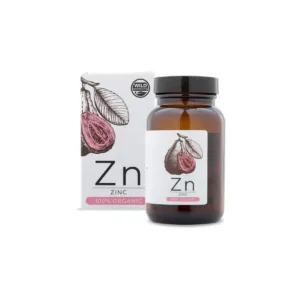
Not All Vitamins Are Created Equal
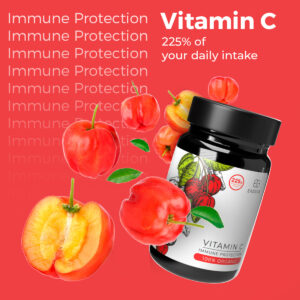
Most vitamins on most shelves are manufactured. Ascorbic acid is ascorbic acid whether it came out of a fermentation vessel or a fruit, and for a lot of purposes that is perfectly fine. Ours are drawn from organic plant material instead, which means the vitamin turns up with the polyphenols and co-factors that sat beside it in the plant rather than arriving on its own.
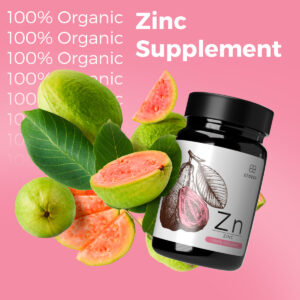
Because the source does the formulating, the ingredient lists look different from a synthetic. The zinc comes from organic guava leaf and brings calcium, phosphorus, magnesium and potassium with it as part of the leaf rather than as four things somebody blended in afterwards. The multivitamin was put together around the gaps that show up most often in plant-based diets, which is why B12, vitamin D, folic acid and the omega fatty acids sit in it together. Everything is free from gluten, wheat, yeast, milk and soy.
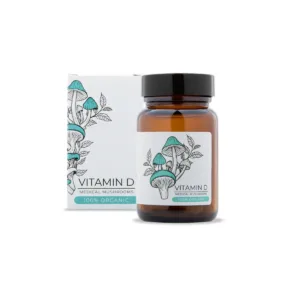
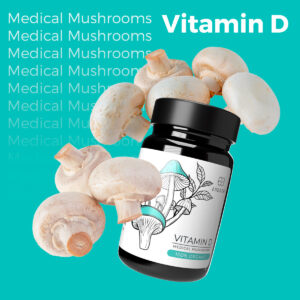
This is also the one collection on this site where we are permitted to tell you what a nutrient does, and we intend to be exact about it. Vitamin C contributes to the normal function of the immune system. Vitamin D contributes to the maintenance of normal bones. Those are registered claims with wording fixed by law. Everything else here, bilberry and Quina included, has no registered claim at all, and we are not going to invent one to fill the gap.

100% Organic
Vitamins from organic plant sources, not synthesised

Third Party Tested
Every batch is independently tested for purity and nutrient content

Highest Quality
Produced in GMP-certified facilities with rigorous quality control

Whole Food Sourced
Nutrients With Their Natural Co-Factors

UK Delivery
Fast and Discreet
Compare Endoca Vitamins
All six products, compared by source, the nutrient each delivers, who it suits and what else arrives with it from the plant.
| PRODUCT | FORMAT | KEY NUTRIENT | BEST FOR | ALSO CONTAINS |
|---|---|---|---|---|
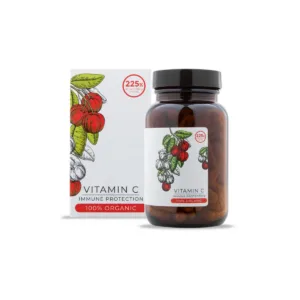
| Organic Vitamin C | Capsules | Vitamin C from an organic plant source | A daily vitamin C that is not synthesised | Polyphenols carried over from the source material |
| Organic Vitamin D | Capsules | Vitamin D | British winters and low sun exposure | Organic plant-source carrier |
| Organic Zinc | Capsules | Zinc from organic guava leaf | A plant-sourced mineral | Calcium, phosphorus, magnesium, potassium |
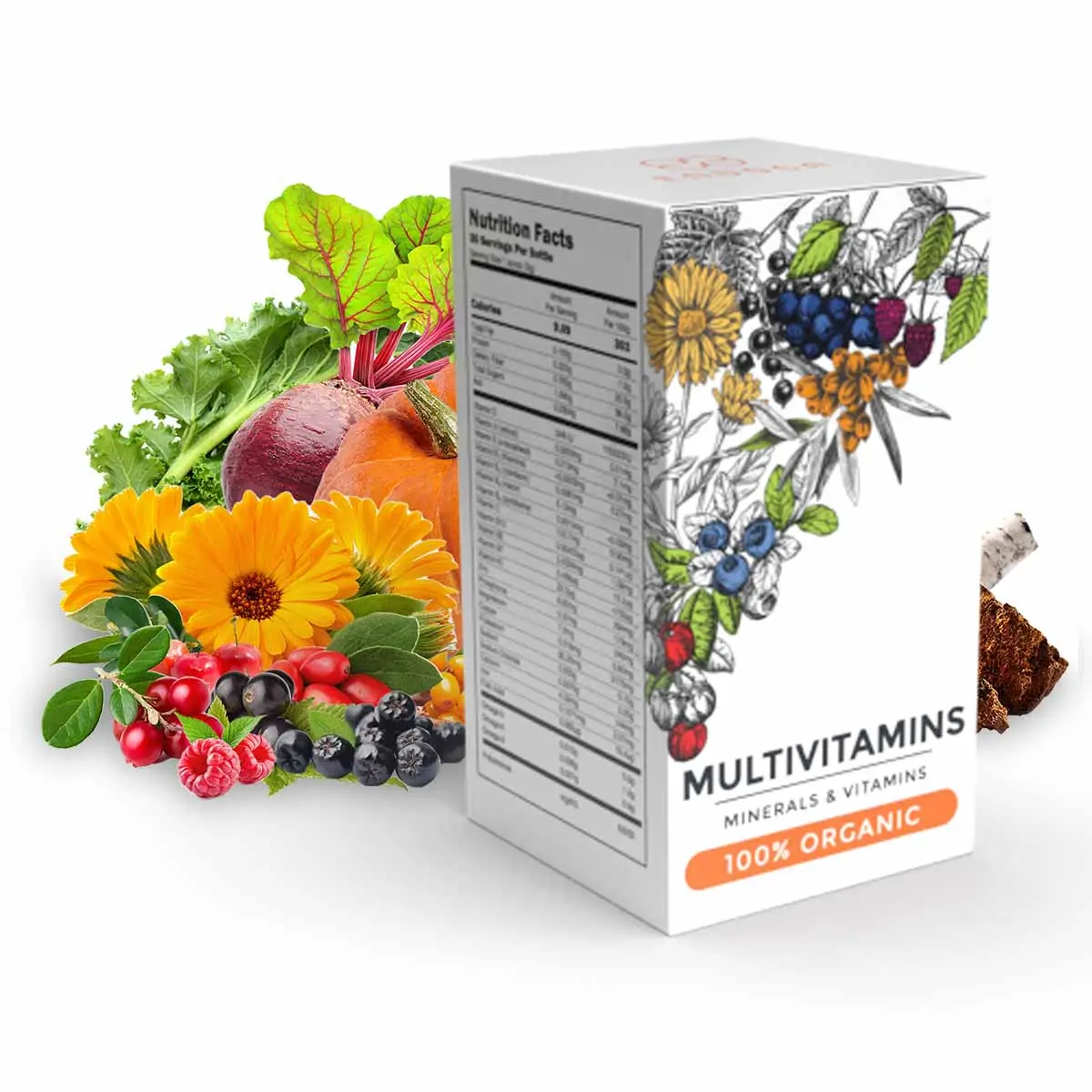
| Organic Multivitamin | Capsules | Vitamin D, folic acid, B12 | Vegan and plant-based diets | Omega-3 and omega-6, essential minerals |
| Organic Bilberry | Capsules | Bilberry, Vaccinium myrtillus | People adding bilberry deliberately | Naturally occurring anthocyanins |
What Are Natural Vitamins
A natural vitamin is one pulled from a food or plant rather than built in a laboratory. In many cases the molecule ends up identical, and anybody telling you a plant-derived vitamin is categorically better is going further than the evidence supports. What genuinely differs is the company it keeps. Vitamin C from a fruit source arrives with the polyphenols that were in the fruit. An isolated ascorbic acid tablet does not.
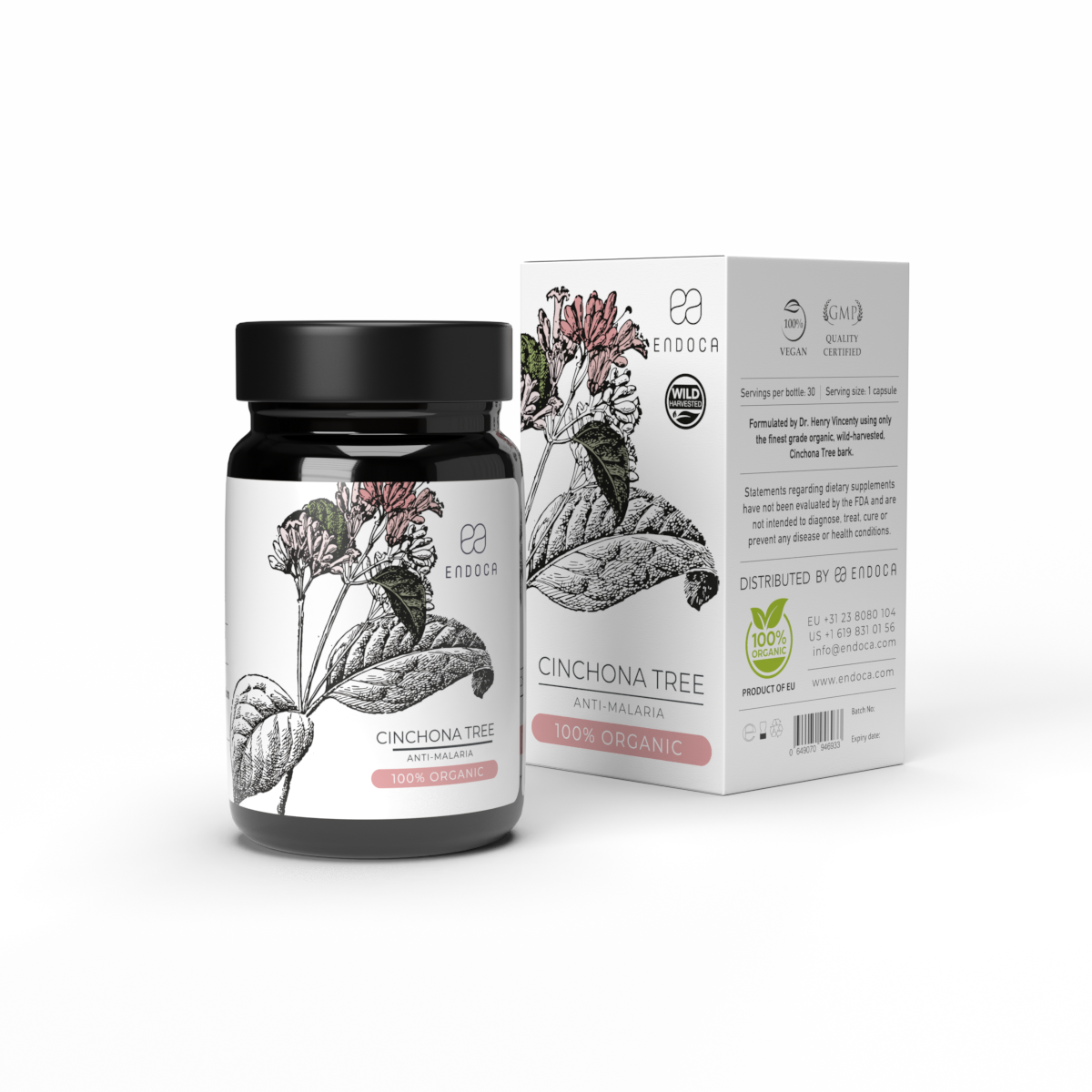
Ours are made from organic plant material, so the source is doing two jobs at once. The zinc comes from guava leaf and brings four other minerals with it from the same leaf. Quina Capsules are made from bark rather than fruit or leaf, wild-harvested rather than farmed, and they sit in this collection rather than under mushrooms because a bark is a botanical and not a fungus.
The number worth reading on any vitamin label is the nutrient reference value, shortened to NRV. It expresses a serving as a percentage of the reference intake, which makes two products directly comparable in a way that a milligram total on its own never does. That is presumably why so many labels lead with the milligrams.
What Can Natural Vitamins Be Used For?
This is the one collection where UK law lets us answer that question directly, so here it is, in the registered wording and no further than the registered wording goes.
Where a product carries no registered claim, and most botanicals do not, we have said what it is instead of what it does. That gap is deliberate and you should be suspicious of any seller who fills it.
- Immune Function: Vitamin C contributes to the normal function of the immune system. That is a registered claim, quoted here in the permitted form.
- Bones and Muscle: Vitamin D contributes to the maintenance of normal bones and to normal muscle function. Registered, and again in the permitted form.
- Cognitive Function: Zinc contributes to normal cognitive function and to normal macronutrient metabolism. Ours is drawn from organic guava leaf.
- Plant-Based Diets: Organic Multivitamin brings together B12, folic acid, vitamin D and the omega fatty acids, which are the nutrients a plant-based diet most often runs short of.
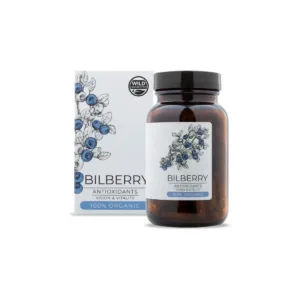
- Bilberry and Quina: Both are traditional botanicals with long histories of use and no registered claim in Britain, so we are listing them as what they are and leaving it there. For organic mushroom extracts, see our functional mushroom supplements.
Supplements work alongside a varied diet rather than in place of one, and if you take prescription medication it is worth a word with your doctor before adding anything.

Frequently Asked Questions
Where it came from. A natural vitamin is extracted from a food or plant, a synthetic one is manufactured. The molecule is frequently the same. What differs is the plant compounds that come across with it, and that is the honest case for the natural version.
Nutrient reference value. It states a serving as a percentage of the reference intake for that nutrient, which is the only figure on a vitamin label that lets you hold two products side by side and compare them properly.
Yes, the range is plant-sourced throughout. The multivitamin in particular was built around the nutrients plant-based diets tend to be short of, which is why B12, vitamin D and folic acid appear together in it.
Gluten, wheat, yeast, milk and soy, plus artificial colours and flavours. That covers the most common sensitivities and it is stated on each product page rather than buried in the ingredient list.
People do, and several of the Rituals bundles pair them. If you are on prescription medication, speak to your doctor before adding supplements. That is general advice rather than anything particular to this range.
For some nutrients there is a measurable difference and for others there is not, and the research is nutrient by nutrient rather than general. Vitamin E is the most studied case of a real gap. For vitamin C the evidence for a meaningful difference is thin, whatever the marketing suggests.
Plant compounds with antioxidant properties, present in the material our vitamin C is drawn from. They are there because of the source, not because anything was added. No registered claim exists for polyphenols in general, which is as far as this answer goes.
Because the leaf is naturally rich in it and brings calcium, phosphorus, magnesium and potassium along too. Taking a mineral from a plant means accepting the plant’s whole profile, and in this case that is a reasonable trade.
Yes. Every batch goes out to an independent laboratory for purity and nutrient content before it is released. On a vitamin the test is what stands behind the NRV figure, which is otherwise just the manufacturer describing its own work.
Because British law only permits claims that appear on the GB nutrition and health claims register. Vitamins C and D and zinc have entries with fixed wording. Botanicals like bilberry have none, their applications were never resolved, and they remain on hold. Saying nothing about bilberry is compliance rather than caution.
A statement about a nutrient assessed and entered on the register, with the exact permitted wording specified. Paraphrasing it is technically a breach even where the meaning survives, which is why the wording on this page looks slightly stiff.
The framework was retained into UK law rather than rewritten, so the substance is familiar, but Great Britain now maintains its own register and its own authorisation route. Northern Ireland follows different arrangements. A claim permitted in one market is not automatically permitted here.
Yes, and the CAP Code applies to a company’s own website too. The Advertising Standards Authority has upheld complaints over supplement claims that were far milder than the ones this page deliberately avoids.
Serving size and capsule count are stated on each product page, and most are formulated around a single daily serving. People on a repeat schedule generally set a monthly interval, which matches how the bottles are sized.
Yes. Several products can sit on one repeat schedule, which is how most people who take both actually order rather than running two separate arrangements.
Cool, dry, out of direct light and with the lid closed. Vitamin C in particular degrades faster with heat and light, so a cupboard beats a windowsill.
Yes, throughout the United Kingdom in plain packaging. Orders to Northern Ireland occasionally take longer where checks apply.