



 30Apr

Full spectrum CBD oil is a whole plant hemp extract. It keeps everything the plant produced rather than isolating one molecule: CBD, minor cannabinoids such as CBG, CBC and CBN, terpenes, flavonoids and a legal trace of THC. This is what is actually in the bottle, and how to check it on a lab report.
What is full spectrum CBD oil?
Full spectrum CBD oil is extracted from hemp and keeps the plant’s other naturally occurring compounds alongside the cannabidiol. Nothing is stripped out after extraction, which is why it is often called a whole plant oil.
That is the whole definition. An isolate is refined until only the CBD molecule remains. A full spectrum extract is deliberately left intact, so what is in the bottle is closer to the chemical profile of the crop it came from than to a single purified compound.
The trade-off is that a trace of THC comes along with everything else. In a compliant hemp extract that is a very small amount, and it is the main practical reason someone might choose a different type instead.
What is actually in a full spectrum extract
Hemp produces well over a hundred cannabinoids, and a full spectrum oil carries the ones present in that particular crop through into the finished product. Three families of compound are worth knowing about.
Cannabinoids
- CBD (cannabidiol), the most abundant cannabinoid in hemp and the one the product is named after.
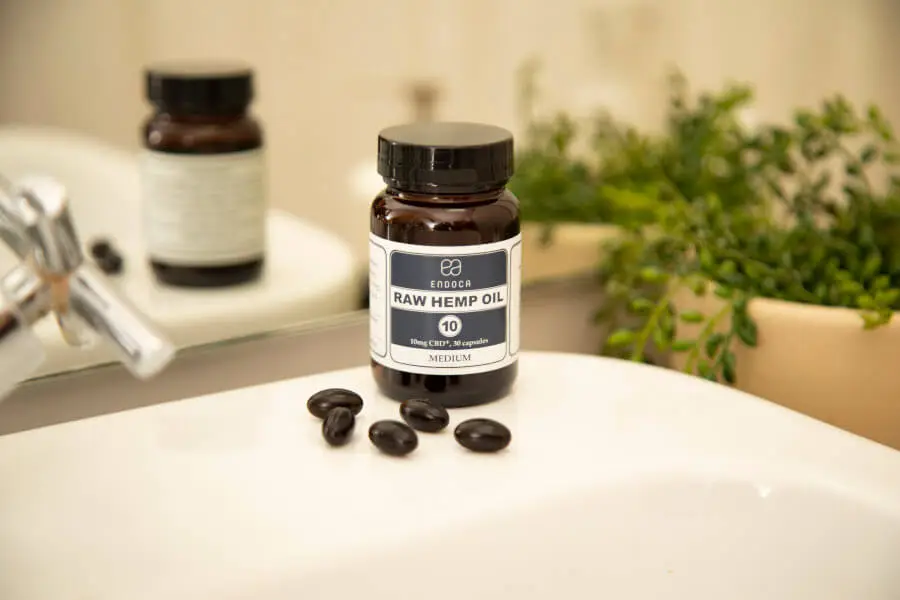
- CBDa (cannabidiolic acid), the raw acidic form of CBD that exists in the living plant before heat converts it. It survives only in extracts that are never heated, which is what Endoca’s RAW oils and pastes are built around.
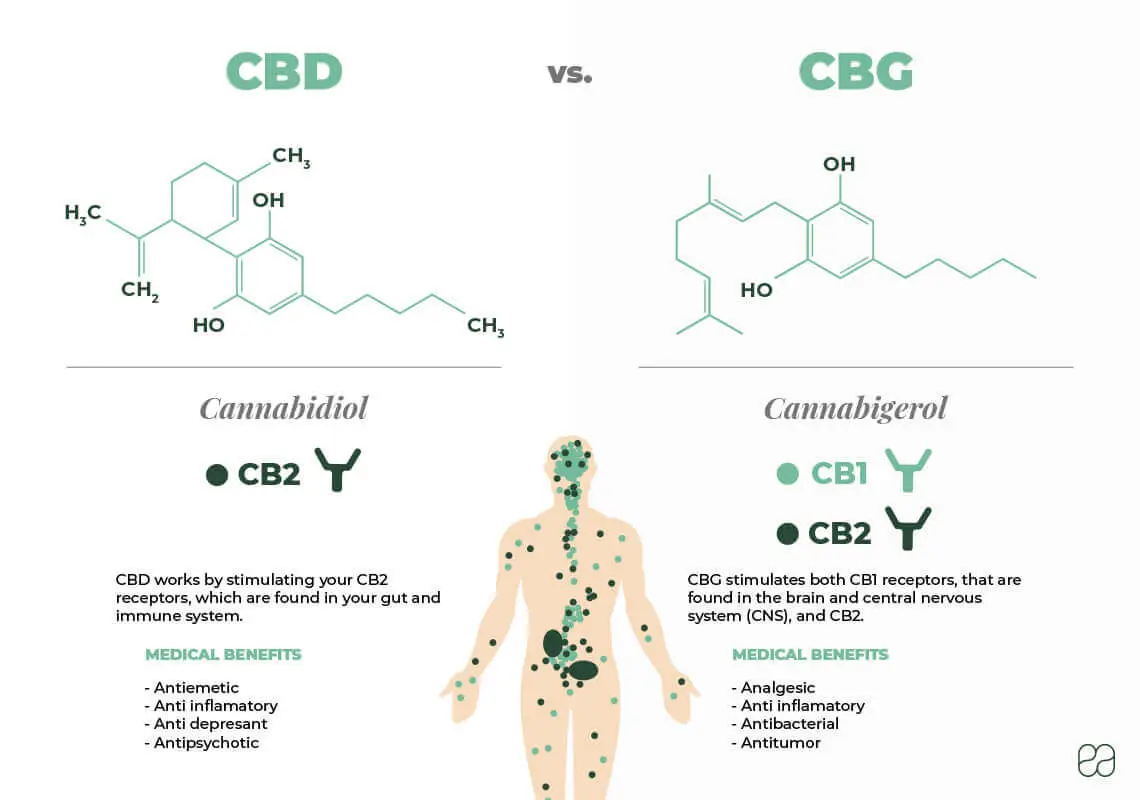
- CBG, CBC and CBN, present in much smaller quantities, each a distinct molecule rather than a variant of CBD.
- THC, in a trace only, kept within the very low ceiling UK rules allow per container.
Terpenes and flavonoids
Terpenes are the aromatic compounds that give hemp its smell. They are also the reason a genuine full spectrum oil tastes and smells like a plant rather than like nothing, and the reason two full spectrum oils from different harvests can smell noticeably different. Myrcene, limonene and pinene are among the ones usually present.
Flavonoids are a second family of plant compounds, the same group found throughout fruit, vegetables and herbs, and they contribute to colour and flavour. Both families are largely lost in heavily refined products and both are retained in a whole plant extract.
What else is carried through from the plant
Hemp is a food crop as well as a source of cannabinoids, so a whole plant extract brings part of that profile with it. Endoca’s full spectrum oils reference omega-3 and omega-6 fatty acids, vitamin E and vitamin D, vitamins A and C and the B group, around twenty amino acids and plant proteins.
Keep the scale in mind. The quantities in a few drops of oil are very small, so this is context about what a whole plant extract is, not a reason to treat CBD oil as a source of nutrition.

Raw or heated, and why CBDa matters
In the living plant almost all of the cannabidiol exists as CBDa, its acidic precursor. Heat drives off a carbon dioxide molecule and converts CBDa into CBD, a step called decarboxylation, and most extracts go through it at some point in processing.
Endoca’s RAW range is deliberately left unheated, so it holds CBDa alongside CBD. A heated full spectrum oil contains CBD and little or no CBDa. Both are full spectrum. They simply hold different versions of the same cannabinoid, and a lab report will show you which you have bought.
Why extraction decides what survives
How much of the above reaches the bottle depends almost entirely on how the extract was made.
Supercritical CO2 extraction uses pressurised carbon dioxide as the solvent. It runs at low temperature and leaves no solvent residue, so terpenes and acidic cannabinoids such as CBDa are still there afterwards. Hydrocarbon and alcohol methods are cheaper and can be effective, but they involve heat and a residual solvent step that has to be tested for. Distillation, at the far end, strips the extract down deliberately.
Endoca grows its own hemp, runs its own supercritical CO2 extraction and manufactures its own finished products under GMP conditions, which is why the oil in the bottle can be traced to a specific crop rather than to bulk material bought on the open market. Our extraction process goes through each stage.
The entourage effect, in brief
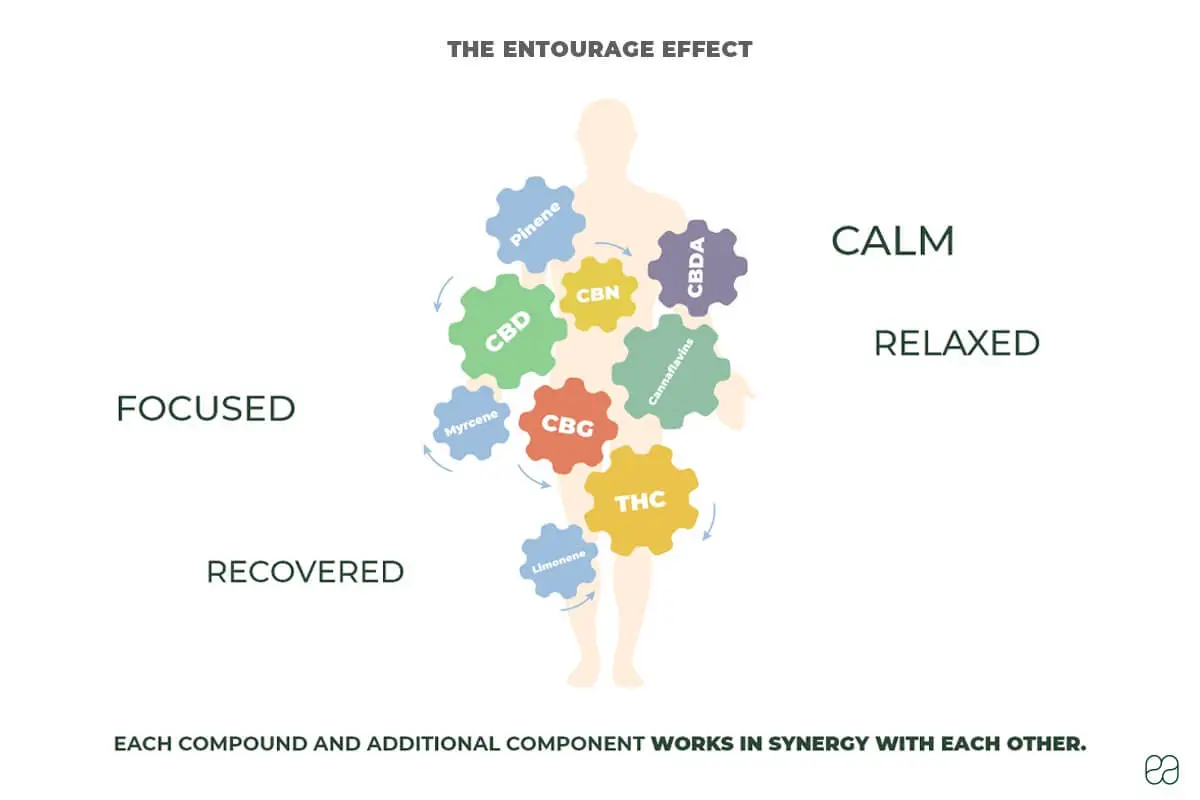
The entourage effect is the idea that cannabis compounds behave differently together than they do alone, and that the plant’s minor components influence what the major ones do. It is the main reason anyone bothers with a whole plant extract rather than a purified one.
The term was coined in 1998 by Shimon Ben-Shabat and colleagues, who were studying how compounds in cannabis interact with each other rather than treating each molecule in isolation. A 2015 animal study later compared a full spectrum hemp extract with purified CBD and reported that the two did not behave identically across a range of doses, attributing the difference to the other compounds present.
Be clear about what that is worth. It was preclinical work in animals, not people, so it does not tell us how the same comparison would run in humans. The entourage effect remains a plausible and much-discussed hypothesis rather than a settled fact. Our article on what the entourage effect is goes through the evidence properly.
Full spectrum, broad spectrum and isolate at a glance
The three terms describe how much of the original plant is left in the product. Everything else follows from that.
| Full spectrum | Broad spectrum | Isolate | |
|---|---|---|---|
| What it contains | CBD plus the plant’s other cannabinoids, terpenes and flavonoids | The same range with the THC removed | CBD only, around 99.9% pure |
| THC | A legal trace | Not detectable | None |
| Taste and smell | Distinctly earthy and herbal | Milder | None |
| Suits | People who want the whole plant | People who want the plant compounds but no THC | People who want a single compound and no flavour |
None of the three is better in the abstract. The full comparison, including how each is made and how to choose between them, is in full spectrum vs broad spectrum vs isolate.
What UK rules mean for a full spectrum product
Two UK-specific things apply, and both are worth checking before you buy.
First, ingestible CBD is a novel food here. A full spectrum oil, capsule or paste intended to be swallowed must appear on the Food Standards Agency public list to be sold legally in England and Wales. Checking that list is the fastest way to see whether a UK seller has done the regulatory work, and it applies to whole plant extracts exactly as it does to isolates.
Second, UK rules cap controlled substances, including THC, at a very low level per container rather than as a percentage of the plant material. That per-container principle is the reason a compliant full spectrum oil holds a trace of THC and no more, and it is why the figure that matters on a lab report is the quantity in the bottle, not a percentage quoted from another jurisdiction. If you are shopping across borders, do not assume a threshold from elsewhere applies here.
A full spectrum cream or balm is a different category again. Topicals are cosmetics under UK rules rather than foods, so they are not covered by the novel food list.
How to read a full spectrum lab report
A certificate of analysis is the only way to confirm that a product labelled full spectrum really is one. Here is what to look at, in order.
- Batch number and date. It should match the batch printed on your bottle, and it should be recent. A generic sample from two years ago tells you nothing about the oil in your hand.
- The cannabinoid panel, not just the CBD line. A genuine full spectrum extract shows several cannabinoids quantified: CBD, CBG, CBC, CBN and usually CBDa. If the panel shows CBD and nothing else, you have an isolate in a carrier oil, whatever the front label says.
- CBD plus CBDa, if it is a raw oil. Reports often give a total CBD figure that combines the two, because CBDa converts to CBD at a fixed ratio. Read both lines rather than the headline number, so you know which form you are actually buying.
- The THC line. It should be quantified rather than left blank, and you should be able to work out the quantity per container from it. “ND” means not detected at the laboratory’s limit of quantification, which is a lower bound, not an absolute zero.
- The contaminant panels. Pesticides, heavy metals, mycotoxins and residual solvents should each have their own result. Hemp draws heavy metals out of soil efficiently, which makes this section more than a formality. Endoca screens every batch for more than 200 pesticides as well as heavy metals and mycotoxins, using HPLC and NMR analysis.
- Who signed it. An independent laboratory, named, with its own accreditation stated.
Every Endoca batch is published on our lab testing page, so you can work through the above before buying rather than after.
Choosing a full spectrum strength
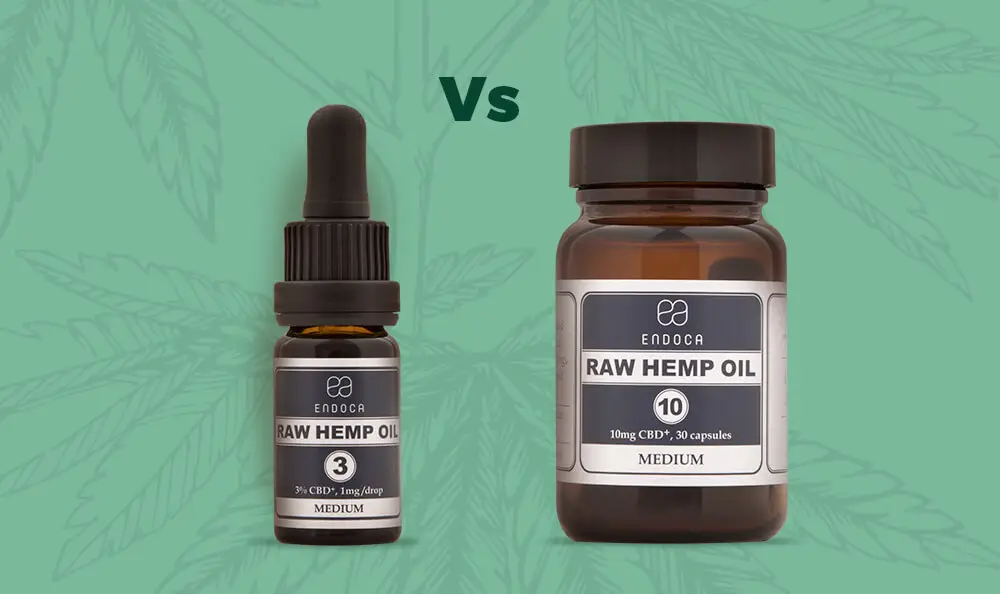
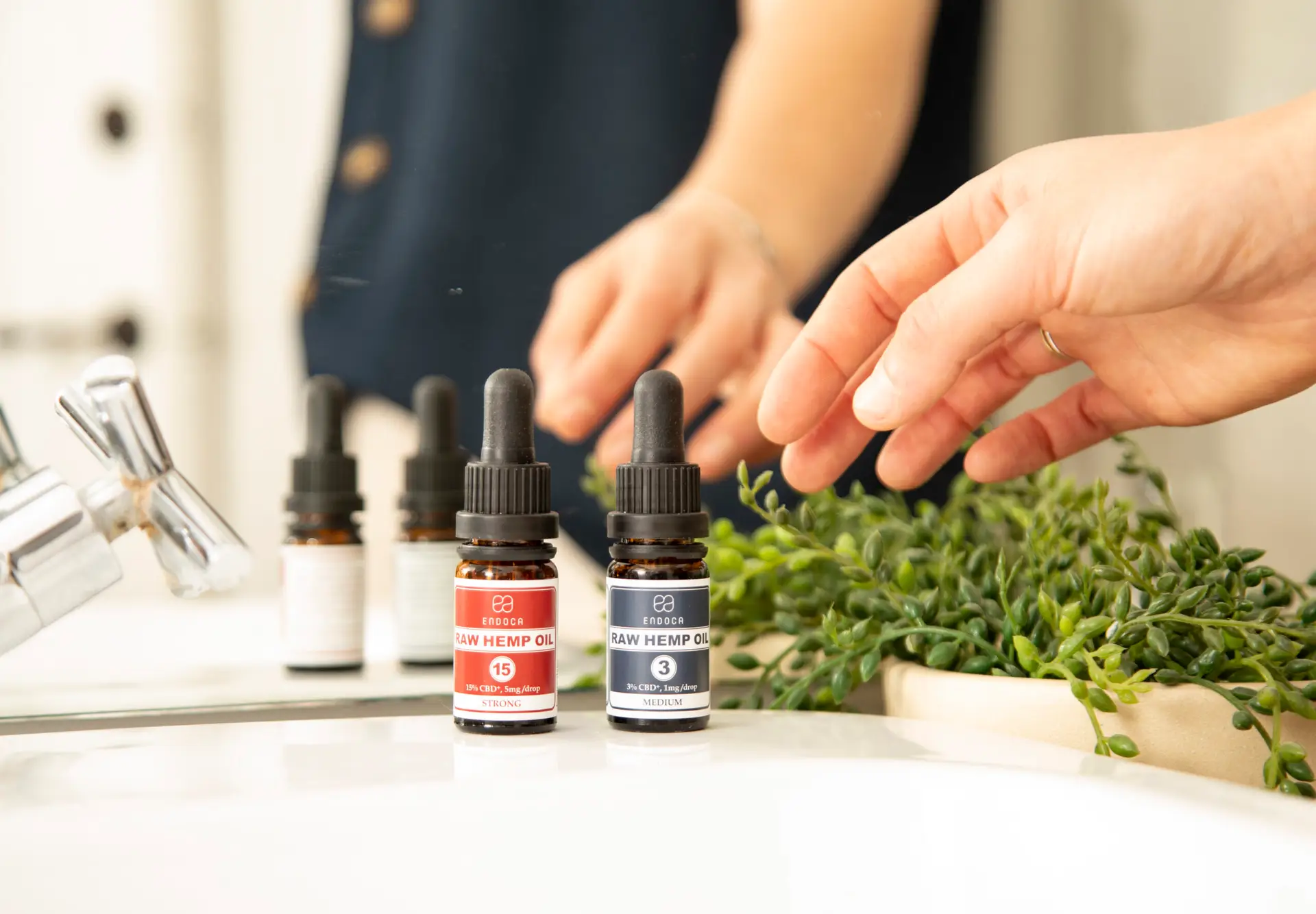
Once you have settled on a whole plant extract, the remaining decision is concentration rather than category. Endoca oils run from 3% to 15% CBD, which is roughly 300mg to 1,500mg per 10ml bottle. Most people new to CBD start at the lower end, hold it steady for a couple of weeks and adjust from there rather than starting strong.
Our CBD oil strength guide sets out how percentages, milligrams and drops line up. If you want the same whole plant material in a more concentrated form, our CBD extracts and pastes are the undiluted version of it.
Frequently asked questions about full spectrum CBD oil
What does full spectrum CBD oil mean?
It means the extract keeps the full range of compounds from the hemp plant rather than CBD alone. That includes minor cannabinoids such as CBG, CBC and CBN, terpenes, flavonoids and a trace of THC within the low ceiling UK rules allow. It is often described as a whole plant extract.
Does full spectrum CBD oil contain THC?
Yes, in a trace. UK rules cap controlled substances at a very low level per container, so a compliant full spectrum oil holds a small quantity rather than none. The exact figure for your batch is on the certificate of analysis, and it is worth reading it rather than relying on the label.
Does full spectrum CBD oil get you high?
No. The THC quantity in a compliant product is far too small to be intoxicating at a normal serving. Cannabis grown for recreational use contains THC in a completely different order of magnitude. CBD itself is not intoxicating, which is why a whole plant hemp extract is nothing like cannabis despite technically holding the same compound.
Is full spectrum better than broad spectrum?
Not automatically. Full spectrum keeps the complete plant profile including trace THC, while broad spectrum keeps the other compounds and removes the THC. If you would rather avoid THC altogether, broad spectrum or isolate is the more sensible choice. Neither is stronger than the other in milligrams of CBD.
How can I tell if an oil is genuinely full spectrum?
Read the cannabinoid panel on the batch certificate. A real whole plant extract quantifies several cannabinoids, typically CBD, CBDa, CBG, CBC and CBN, plus a THC line. A report showing only CBD points to an isolate dissolved in a carrier oil, regardless of what the front of the bottle says.
Is full spectrum CBD oil legal in the UK?
Ingestible CBD is sold here as a novel food, which means the product must appear on the Food Standards Agency public list to be sold legally in England and Wales, and it must stay within the very low per-container limit for controlled substances. Check both before buying from an unfamiliar seller.
If a whole plant extract is what you want, the practical next step is to open a batch certificate and read the cannabinoid panel before you choose a strength. Every batch behind our full spectrum CBD oils is grown, extracted and tested in house, so the report and the bottle come from the same place. If you take prescription medication, speak to your GP or pharmacist before starting.