
- Shop
- About Us
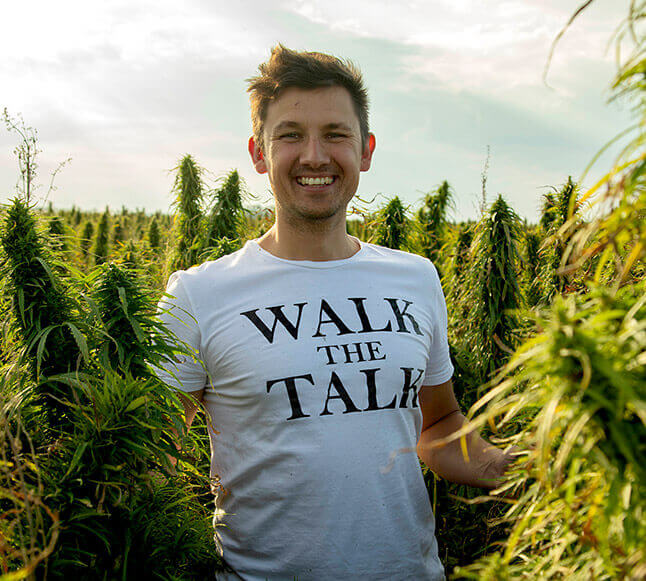
Our Story
From humble beginnings to a global mission – we grow, harvest, and craft hemp with care for people and planet.
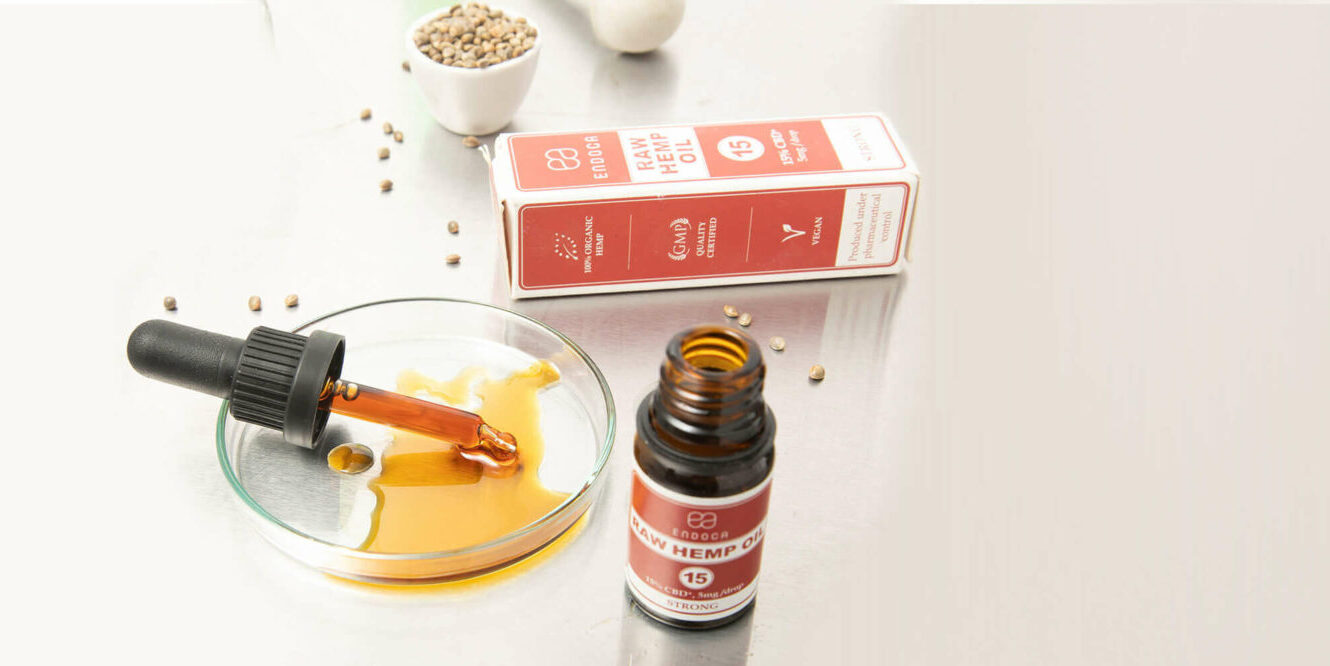
What Is CBD?
CBD is nature’s way to restore balance, calm, and overall well-being – naturally and without the high.
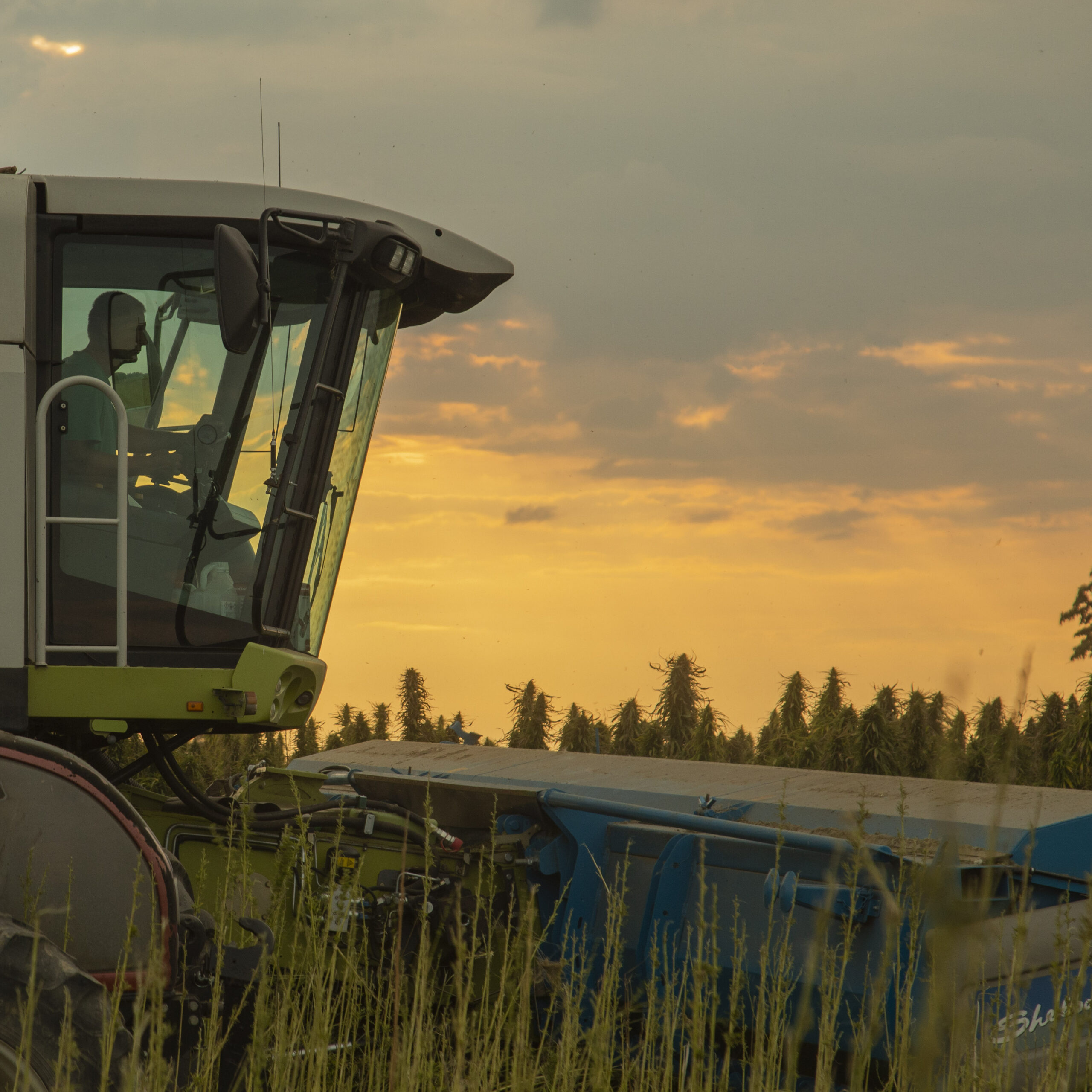
The Process
From seed to shelf, we grow organically, extract cleanly, and follow strict quality standards for purity.

Lab Testing
Every batch is third-party tested to ensure purity, safety, and the exact amount of CBD every time.
Our Values
Sustainability, transparency, and wellness guide every decision – for you and for the planet.
Cannabinoid Comparison Hub: Pharmacology and the EU Position
There are over a hundred cannabinoids in cannabis and around ten of them are sold to consumers. They act at different receptors, in different directions, and their evidence bases differ enormously, from three regulatory-grade trials at one end to zero human studies at the other.
What actually separates these compounds.
Three things separate these compounds, and none of them is a flavour preference. Read them before you read any comparison, because they decide what a claim is worth.
CBD does not activate CB1 at all. THC is a partial agonist at it. CBC prefers CB2. The target decides the effect.
Two cannabinoids can meet the same receptor and pull opposite ways. THCV blocks CB1 at low doses and activates it at high ones.
From three regulatory-grade trials at one end to zero human studies at the other. Most minor cannabinoid data is in vitro or rodent.
Start with the question you actually have.
Most comparison content treats cannabinoids as a menu of wellness options. They are not that. They act at different receptors, in different directions, and their evidence bases differ enormously.
No comparison matches that search.
The honest summary.
Every claim on this table is sourced on the individual pages. Binding affinity numbers for the minor cannabinoids are genuinely inconsistent between labs, so assay context matters.
Important context: Human trials showing effects for CBD used 100 to 1,600 mg a day. Consumer products typically deliver 10 to 50 mg. No trial evidence supports scaling those findings down.
Eight cannabinoids, eight evidence bases.
Receptor figures are in vitro and vary between laboratories. The evidence bar counts human trials, not cell studies.
One precursor. Several directions.
Understanding the biosynthesis makes the table easier to read. Cannabis makes one precursor, CBGA. Three enzymes compete for it. THCA synthase produces THCA. CBDA synthase produces CBDA. CBCA synthase produces CBCA. Whatever CBGA is left becomes CBG.
Heat and time then strip a carbon dioxide group from each acid, giving THC, CBD, CBC and CBG.
CBN has no synthase; it is what THC becomes when it oxidises. Delta-8 THC is barely present in natural hemp and is generally manufactured by acid conversion from CBD.
Built from a shorter starting molecule, it produces CBDV and THCV. That branch is genetically segregated, which is why varin content is rare in ordinary hemp.
Three things worth knowing first.
Each one changes what a claim on the pages ahead is actually worth.
Human trials showing effects for CBD used 100 to 1,600 mg a day. Consumer products typically deliver 10 to 50 mg, and EFSA’s provisional safe level sits at around 2 mg. No trial evidence supports scaling those findings down.
CBC, CBDa and THCa have essentially no controlled human data at all. Binding affinity numbers are also genuinely inconsistent between labs, and any single figure quoted without its assay context is misleading.
Two studies designed specifically to test whether cannabis terpenes modulate cannabinoid receptor activity found they do not. A 2024 scoping review concluded there is limited evidence for it as a stable and predictable phenomenon.
CBD and all cannabinoid-containing extracts are unauthorised novel foods. No CBD novel food has been authorised anywhere in the EU. Hemp seeds, hemp seed oil and hemp seed protein are not novel and are unaffected.
EFSA published a provisional safe level of 0.0275 mg per kilogram of body weight per day, roughly 2 mg for a 70 kg adult, for CBD isolate of at least 98 percent purity. Safety could not be established for anyone under 25, for pregnant or breastfeeding women, or for people taking medication. National finished-product limits diverge sharply, which is why every page in this hub carries a review date.
A one-month delay had passed the Senate but not the House as of 1 September 2026, and FDA had not published the cannabinoid lists the new rules depend on, more than six months past its deadline.
Every page in this hub carries a review date for that reason.
The rules are moving too.
The legal position across the EU and UK rests on food law rather than narcotics law, and it differs from one member state to the next.
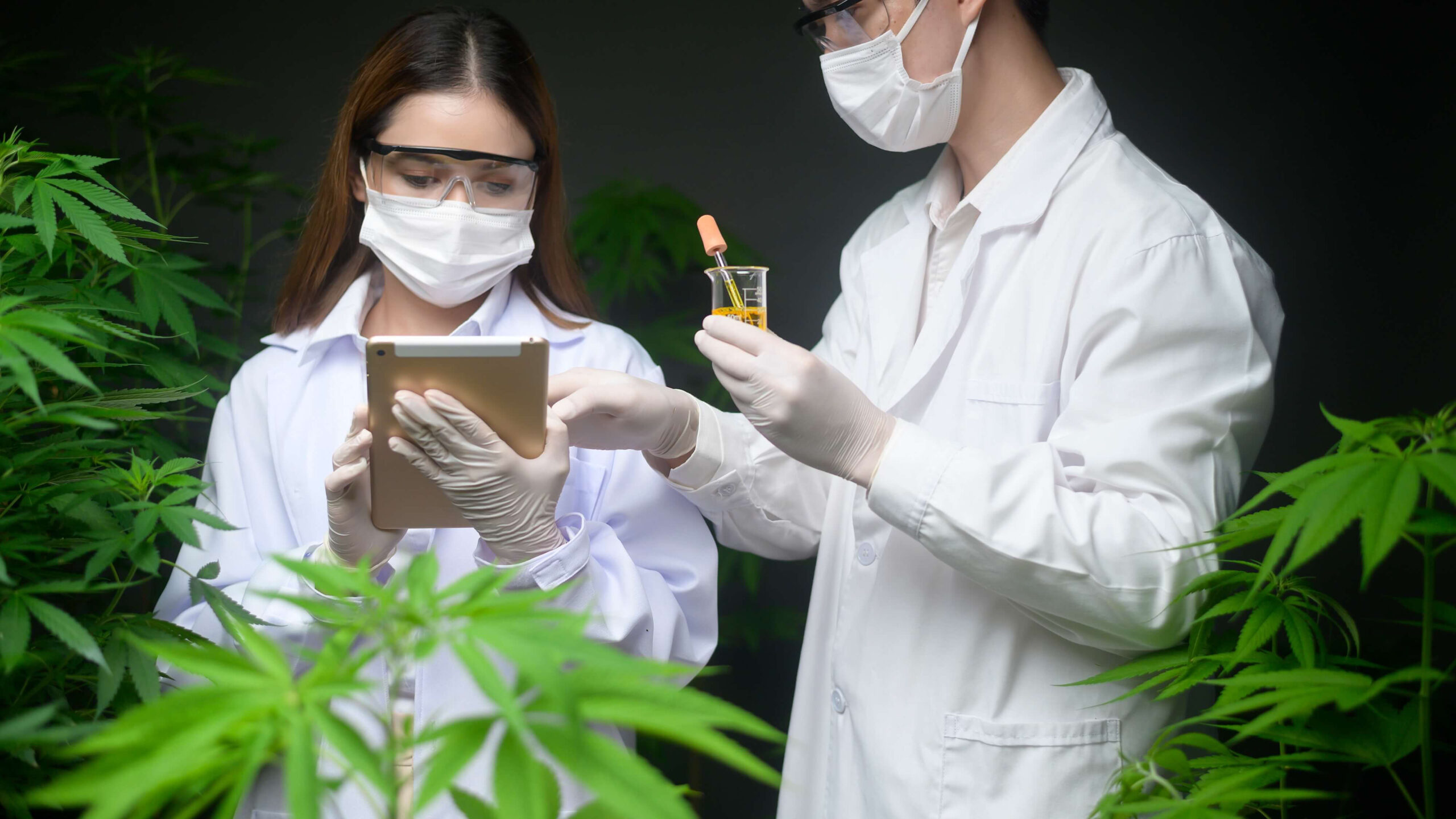
Why we publish it this way
We grow our own hemp in Europe, run our own supercritical CO2 extraction and publish a third-party certificate of analysis for every batch. Under EU rules, that measured laboratory data is close to the entirety of what we are lawfully permitted to tell you about a cannabinoid product.
It is also, in our view, the most useful thing we could tell you. A company selling these compounds has an obvious incentive to overstate what they do. We would rather publish the trials that failed alongside the ones that succeeded.
What European law permits anyone to say
This is the section most CBD sites omit, and its absence is usually how you can tell a page has not been written carefully.
Under Regulation (EC) No 1924/2006, a health claim may only be made if it appears on the Union list of authorised claims. No health claim for CBD, cannabidiol, hemp extract or any cannabinoid is authorised. None.
Article 10(3) reaches further than most people realise. References to general, non-specific benefits are permitted only alongside a specific authorised claim. Because no cannabinoid claim exists, phrases such as “supports wellbeing”, “helps you relax”, “for balance” or “supports the endocannabinoid system” are not lawful on a cannabinoid product in the EU either.
Regulation (EU) No 1169/2011, Article 7(3), separately prohibits attributing to any food the property of preventing, treating or curing a human disease. Under Directive 2001/83/EC, a product presented as having therapeutic properties can be reclassified as an unauthorised medicinal product, which is a considerably more serious outcome than a labelling breach.
Enforcement authorities treat implied claims as claims: product names, category names such as a “sleep range”, imagery, testimonials, influencer content, meta descriptions and links to clinical studies about effects.
What remains lawful is factual information: botanical origin, extraction method, measured cannabinoid content, purity, third-party laboratory analysis, allergen and ingredient declarations, and instructions for use.
Every page in this hub is built from that narrow palette. It is why they describe receptors and trials rather than benefits.
The EU regulatory position, in short
CBD and all cannabinoid-containing extracts are unauthorised novel foods under Regulation (EU) 2015/2283. No CBD novel food has been authorised anywhere in the EU. Hemp seeds, hemp seed oil and hemp seed protein are not novel and are unaffected.
EFSA published a provisional safe level in February 2026: 0.0275 mg per kilogram of body weight per day, roughly 2 mg for a 70 kg adult, for CBD isolate of at least 98 percent purity. Safety could not be established for anyone under 25, for pregnant or breastfeeding women, or for people taking medication.
The Kanavape judgment, stated correctly. In Case C-663/18 the Court of Justice held that CBD lawfully produced from the whole plant is not a narcotic drug, and that member states cannot ban lawfully produced CBD on narcotics grounds alone without justification. It did not authorise CBD as a food. Novel food, food information and medicines rules apply independently. The frequently repeated line that the EU Court made CBD legal across Europe conflates narcotics law with food law.
THC limits are three separate things. The 0.3 percent figure is a cultivation eligibility criterion for hemp varieties, raised from 0.2 percent in January 2023. Regulation (EU) 2022/1393 sets THC maxima only for hemp seed products, at 3.0 mg/kg and 7.5 mg/kg for the oil. Finished-product limits for extracts are national and diverge sharply.
Member states differ substantially. Germany’s BVL considers CBD food supplements not marketable. Denmark requires novel food authorisation and publishes THC action limits. Sweden combines novel food classification with a narcotics ruling covering THC-containing extracts. Spain’s enforcement has channelled the category into external-use products. The Netherlands operates an informal tolerance conferring no legal certainty.
References
Each comparison page carries its own reference list. The primary sources behind the master table are: