
- Shop
- About Us

Our Story
From humble beginnings to a global mission – we grow, harvest, and craft hemp with care for people and planet.
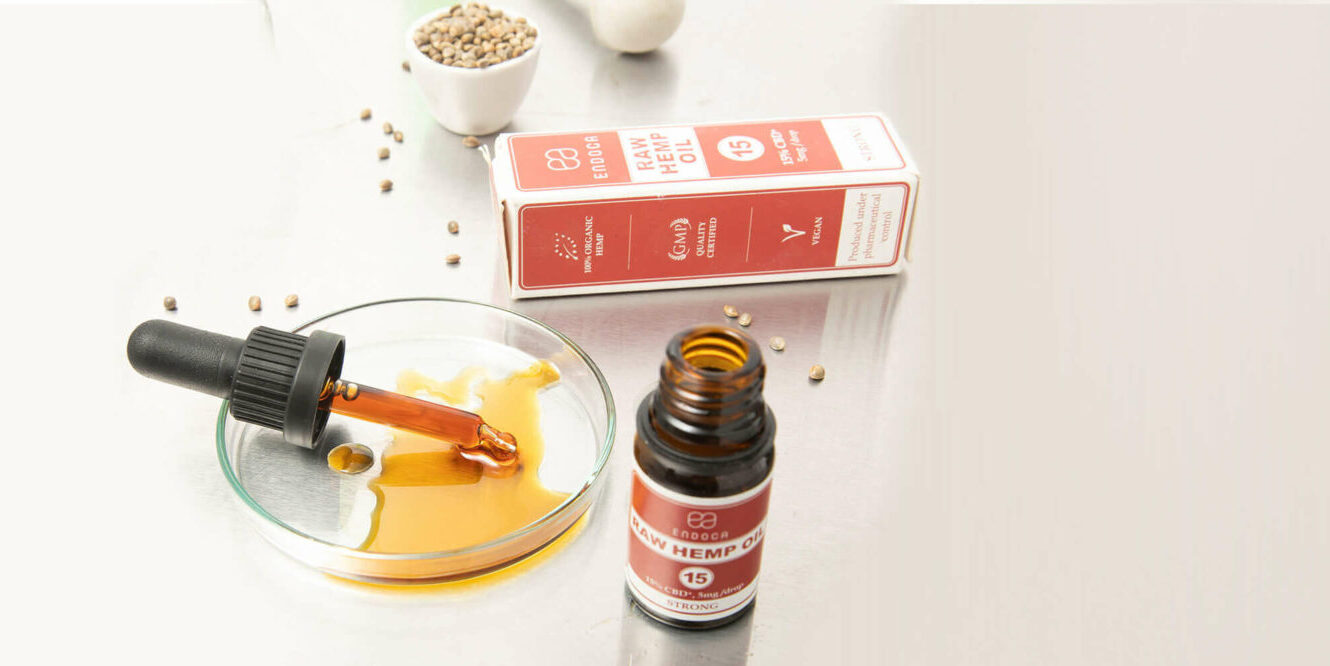
What Is CBD?
CBD is nature’s way to restore balance, calm, and overall well-being – naturally and without the high.
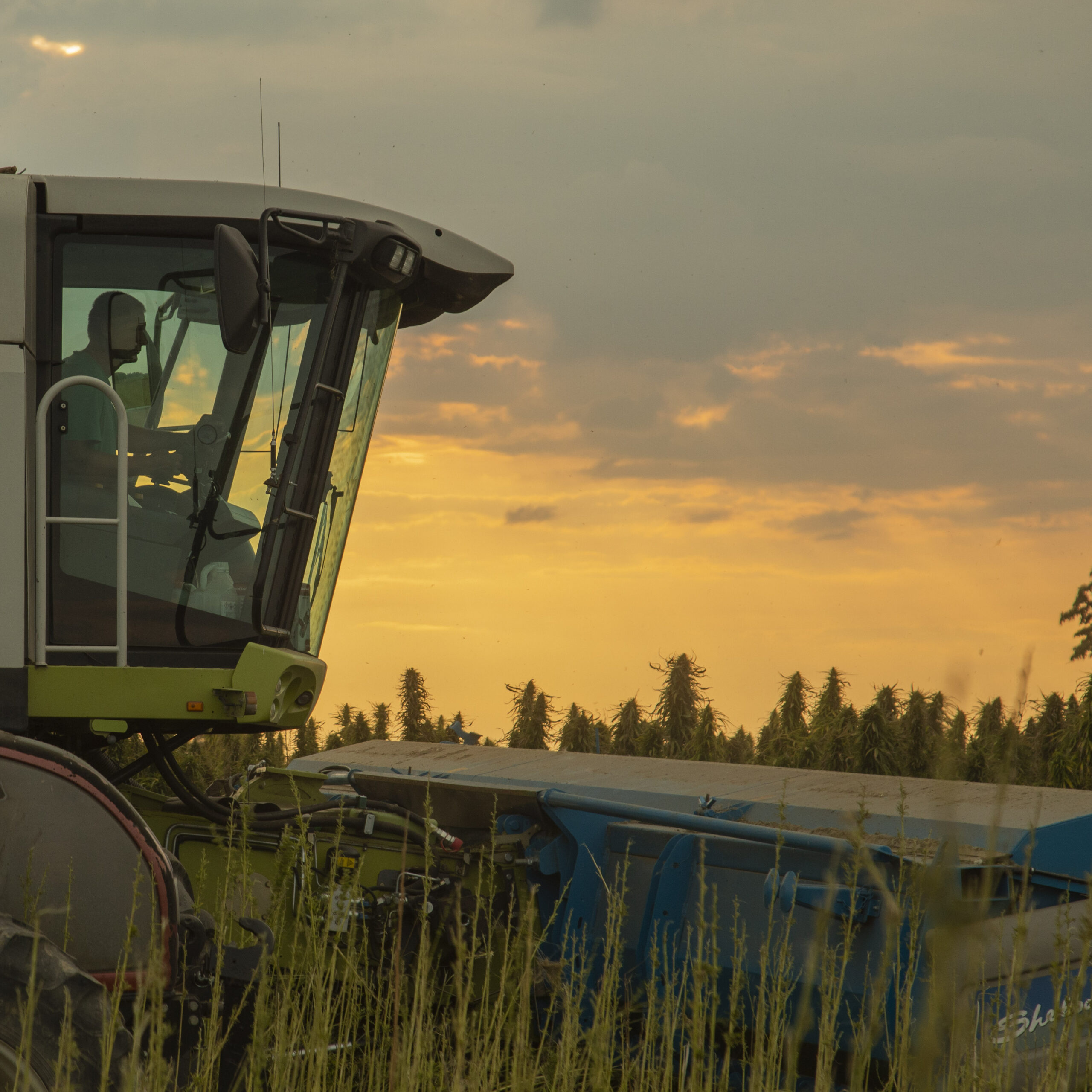
The Process
From seed to shelf, we grow organically, extract cleanly, and follow strict quality standards for purity.
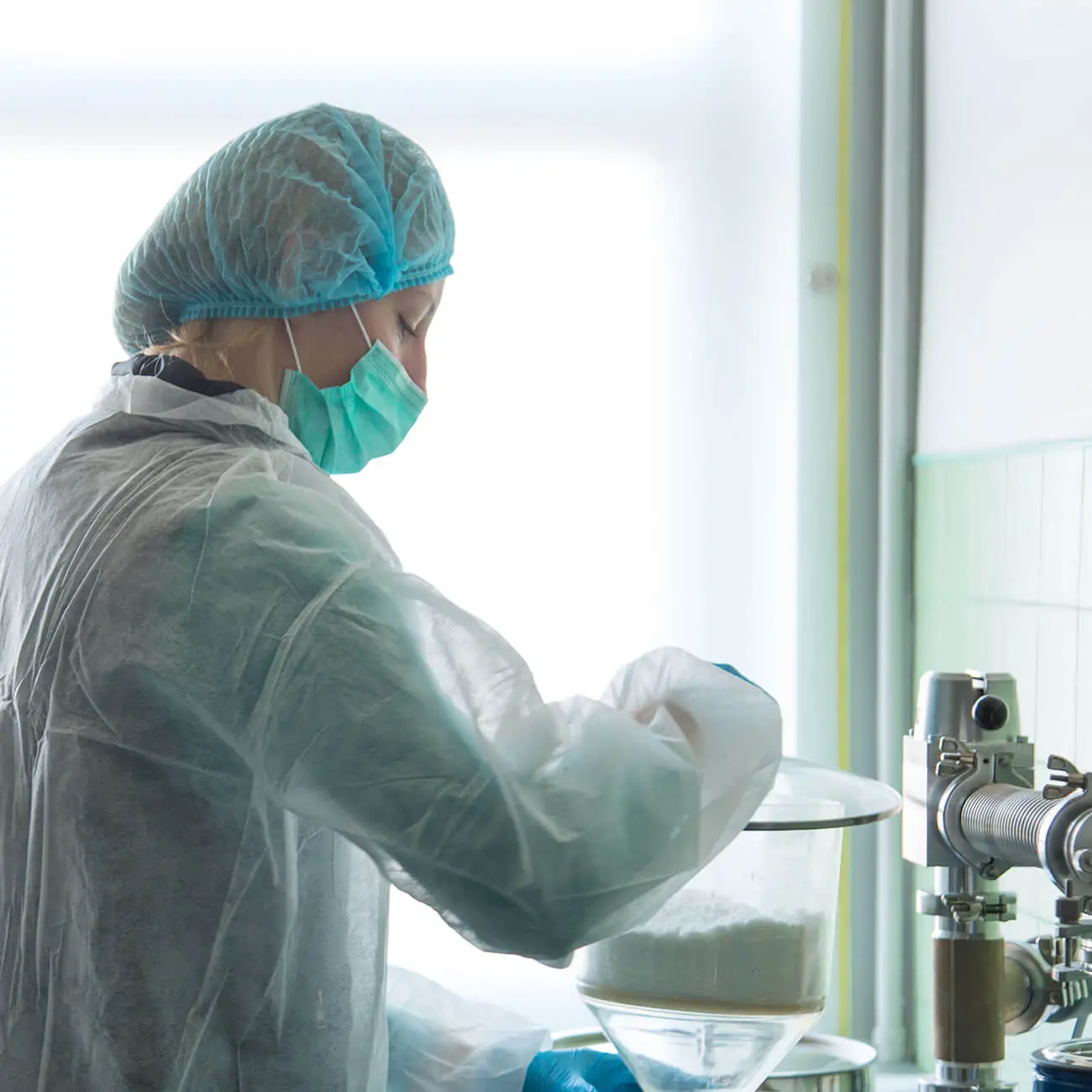
Lab Testing
Every batch is third-party tested to ensure purity, safety, and the exact amount of CBD every time.
Our Values
Sustainability, transparency, and wellness guide every decision – for you and for the planet.
At a glance
Delta-8 is manufactured, not harvested
This matters more than it sounds.
Delta-8 THC is a structural isomer of delta-9 THC with the double bond in a different position, and it is the more thermodynamically stable of the two. It is not a decarboxylation product, so unlike THC there is no acid precursor the plant produces in quantity.
EFSA’s 2025 assessment records that delta-8 is undetected in the majority of natural hemp samples and appears only sporadically, plausibly as an analytical artefact or from processing.
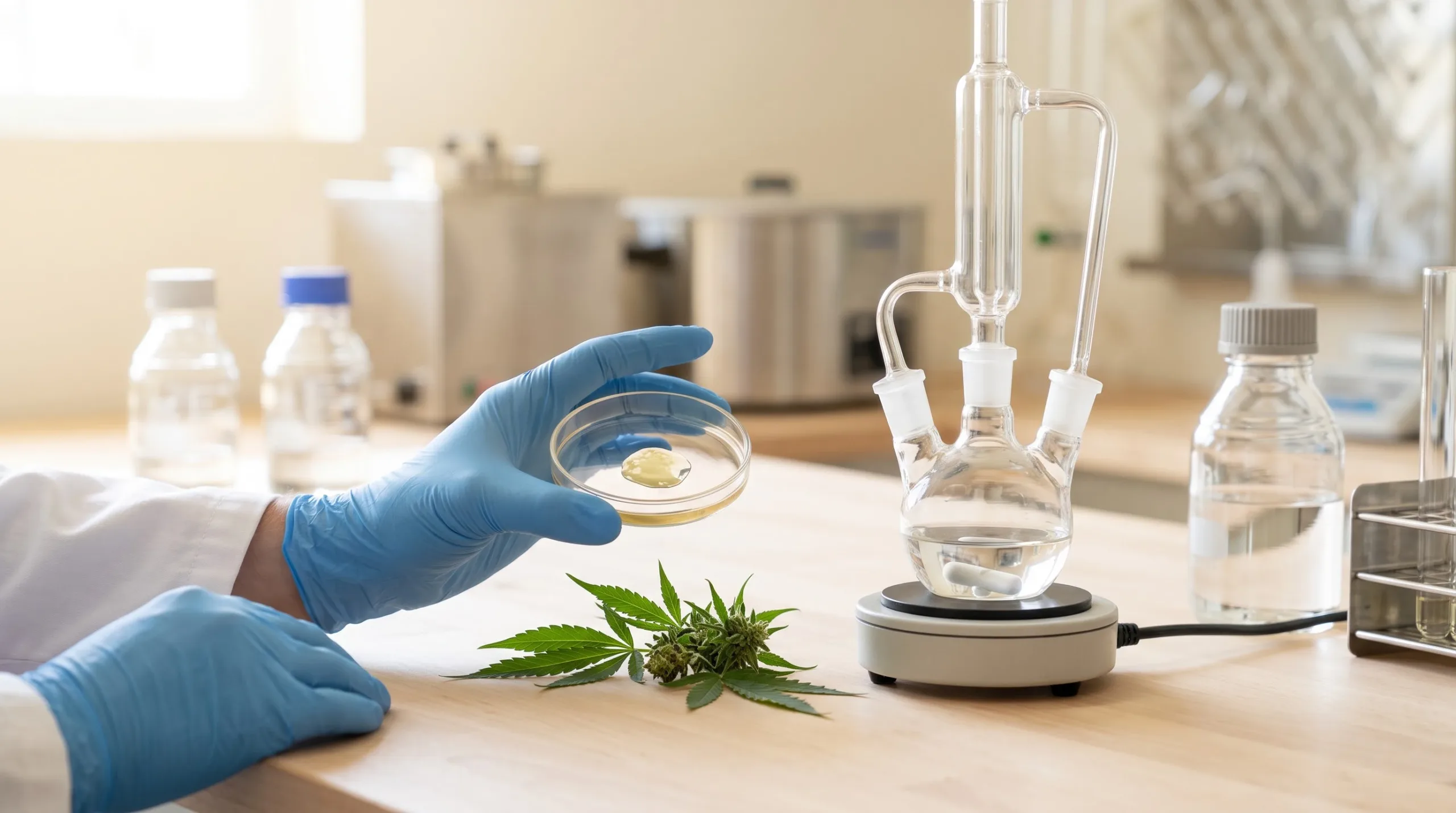
Commercially, delta-8 is made by treating CBD with acid, which cyclises it. A 1981 study showed acid treatment of pure delta-9 THC produced 97 percent delta-8 and 3 percent delta-9. That is a chemical conversion carried out in a facility, not an extraction.
The quality consequence is documented. A 2022 analysis of ten commercial delta-8 products found impurities at concentrations far beyond what the accompanying certificates of analysis declared. The acid-catalysed conversion generates by-products whose toxicology has not been studied.
CBD is extracted rather than converted. It is present in hemp in quantity as CBDA, and the process removes it from the plant rather than building it in a reactor.
The potency claim, tested properly
The marketing position is that delta-8 is roughly half-strength THC and therefore a milder experience. The pharmacology gives that partial support and then takes most of it back.
A 2025 study in Drug and Alcohol Dependence tested them head to head: 19 healthy adults with no recent cannabinoid exposure, double-blind crossover, with 10, 20 or 40 mg delta-8, 20 mg delta-9, or placebo.
That is the most authoritative European statement available, and it treats the two as equivalent for risk assessment purposes.
Delta-8 also has higher oral bioavailability than delta-9, around 9 percent against 6 percent, with higher peak concentration and total exposure at the same dose.
The trial authors flagged why this matters: people who use these products generally perceive delta-8 as less harmful and less intoxicating than delta-9.
The two are not alternatives to each other. One is an intoxicant and one is not.
Legal status and safety
Delta-8’s position in Europe is considerably clearer than in some other markets, and it is unfavourable.
It falls within the EU Novel Food Catalogue entry covering cannabinoids, which explicitly extends to synthetically obtained cannabinoids. No authorisation exists.
Separately, EFSA’s 2025 assessment brings delta-8 within the group acute reference dose for THC. Member states applying THC limits to finished products therefore have a basis for counting delta-8 alongside delta-9.
National narcotics law adds a further layer. The Netherlands operates a zero-tolerance Opium Act. Sweden’s Supreme Administrative Court has held that CBD oil containing THC falls within its Narcotic Drugs Act because Swedish law has no de minimis exemption for extracts. Neither position accommodates an intoxicating THC isomer.
The Kanavape judgment does not assist here. It held that CBD lawfully produced from the whole plant is not a narcotic drug because, on the current state of scientific knowledge, it has no psychotropic effect. Delta-8 does have a psychotropic effect, which is the precise fact the judgment turned on.
How Endoca tests for this
We do not make delta-8 products, and this page is the explanation rather than a competitive remark. Delta-8 requires converting CBD in an acid reaction, and published analysis shows commercial products carrying undeclared by-products. We extract cannabinoids the plant produces and publish what the laboratory finds.
Frequently asked questions
They are not comparable in that way. Delta-8 is intoxicating and CBD is not.
At equal doses it produces weaker effects. Double the dose and the difference disappears, and EFSA treats them as equipotent for risk assessment.
It is an unauthorised novel food, it falls within EFSA’s group reference dose for THC, and it engages national narcotics rules. There is no basis for describing it as lawful.
It is barely present in natural hemp. Commercial delta-8 is manufactured from CBD.
No. That judgment turned on CBD having no psychotropic effect.
References
Zamarripa CA et al. Drug Alcohol Depend 2025;272:112676.
EFSA CONTAM Panel. EFSA Journal 2025;23(11):e9735.
Tagen M, Klumpers LE. Br J Pharmacol 2022;179:3915-3933.
Ray SD et al. Molecules 2022;27:6924.
Court of Justice of the European Union, Case C-663/18, 19 November 2020.
European Commission. Novel Food Catalogue, cannabinoids entry.
Last reviewed 1 September 2026.
Educational information about published research and European regulation. Not a health claim.