
- Shop
- About Us

Our Story
From humble beginnings to a global mission – we grow, harvest, and craft hemp with care for people and planet.
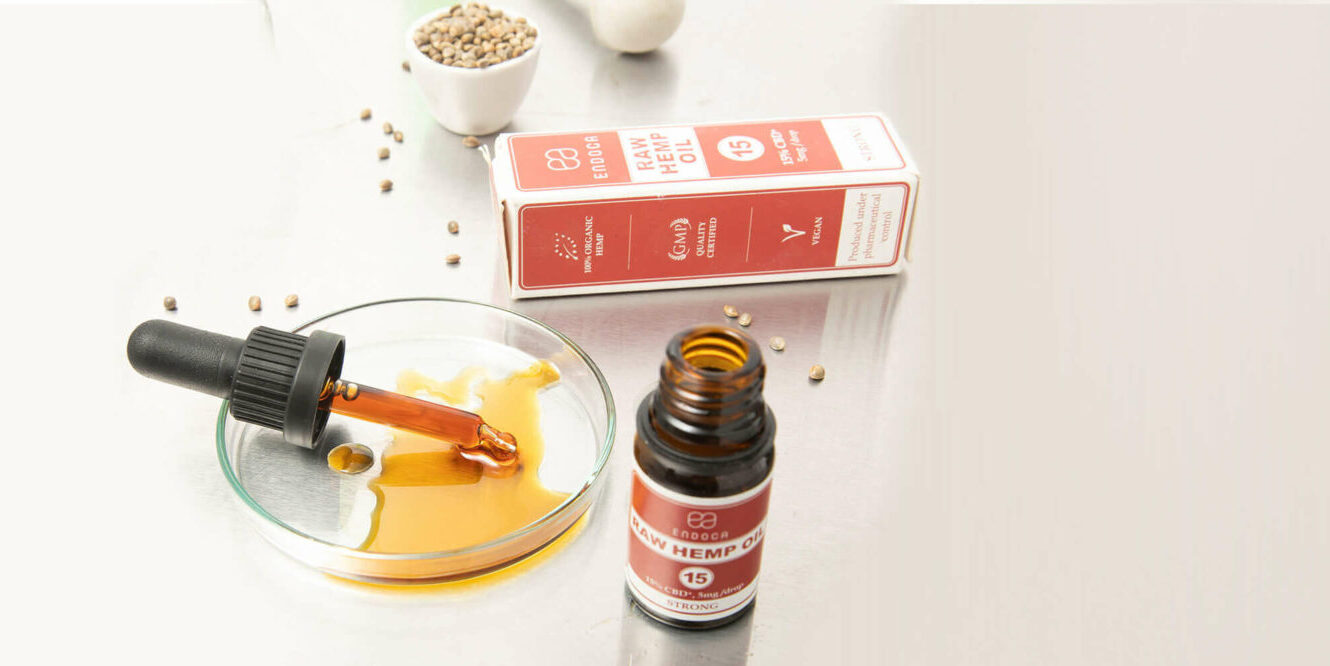
What Is CBD?
CBD is nature’s way to restore balance, calm, and overall well-being – naturally and without the high.
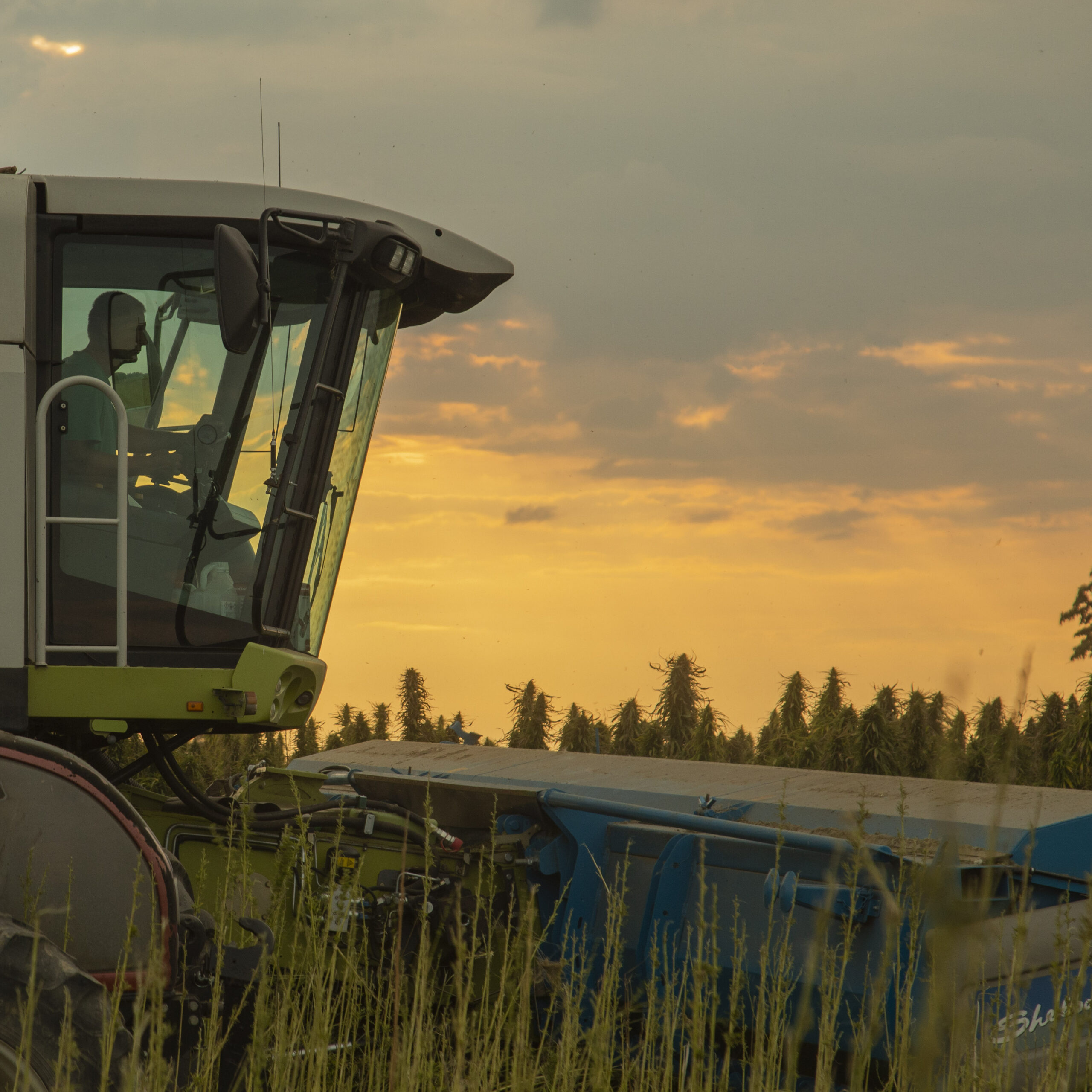
The Process
From seed to shelf, we grow organically, extract cleanly, and follow strict quality standards for purity.

Lab Testing
Every batch is third-party tested to ensure purity, safety, and the exact amount of CBD every time.
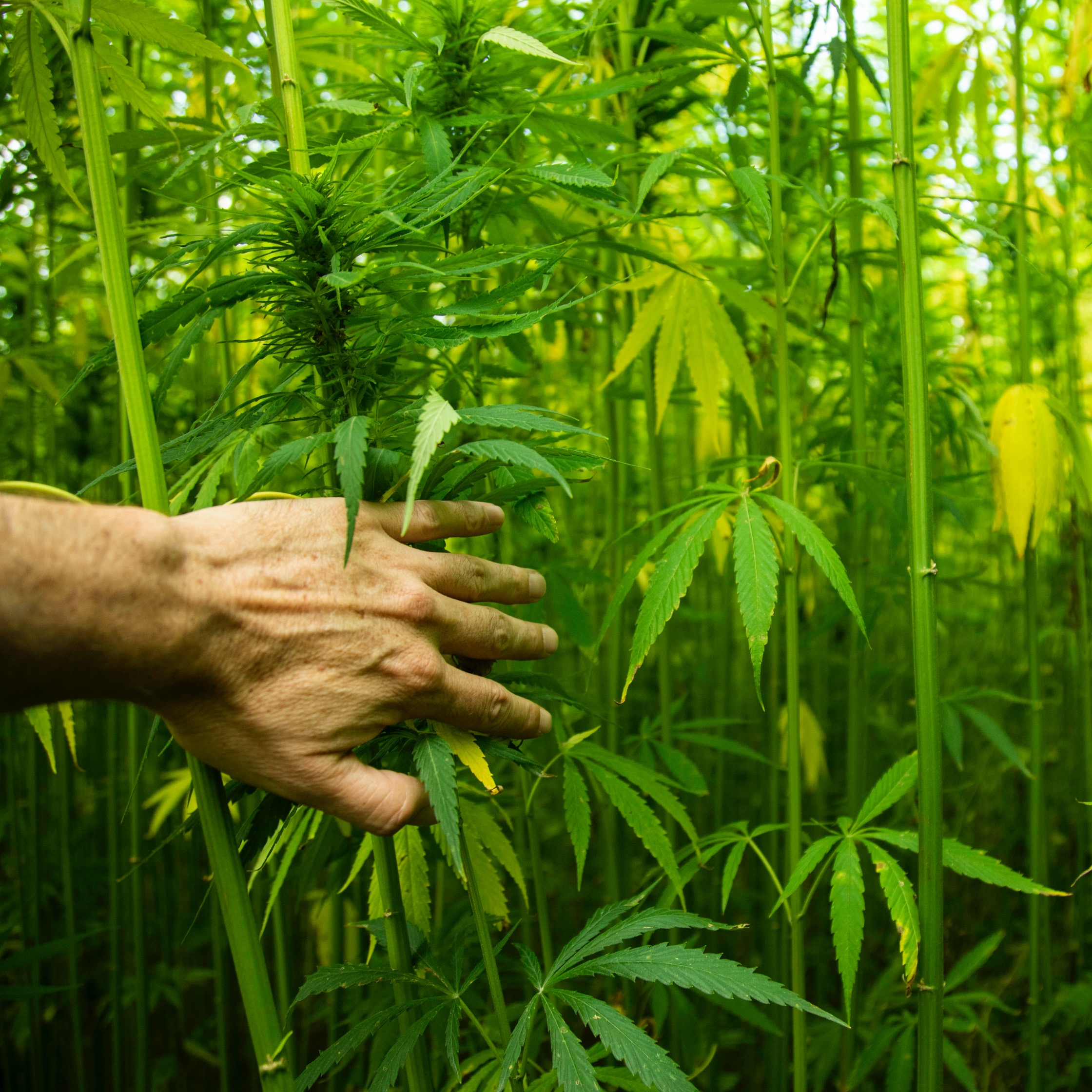
Our Values
Sustainability, transparency, and wellness guide every decision – for you and for the planet.
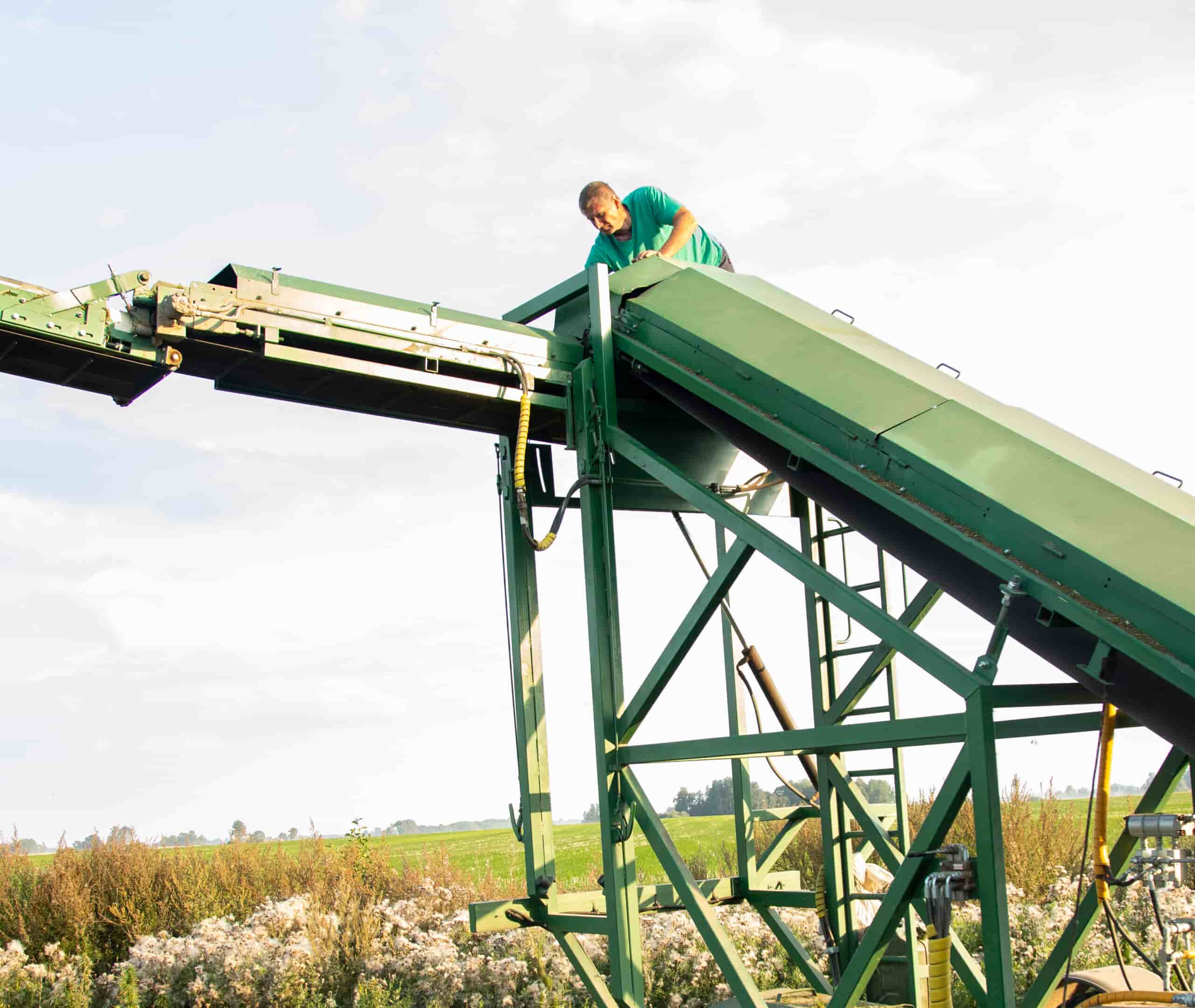
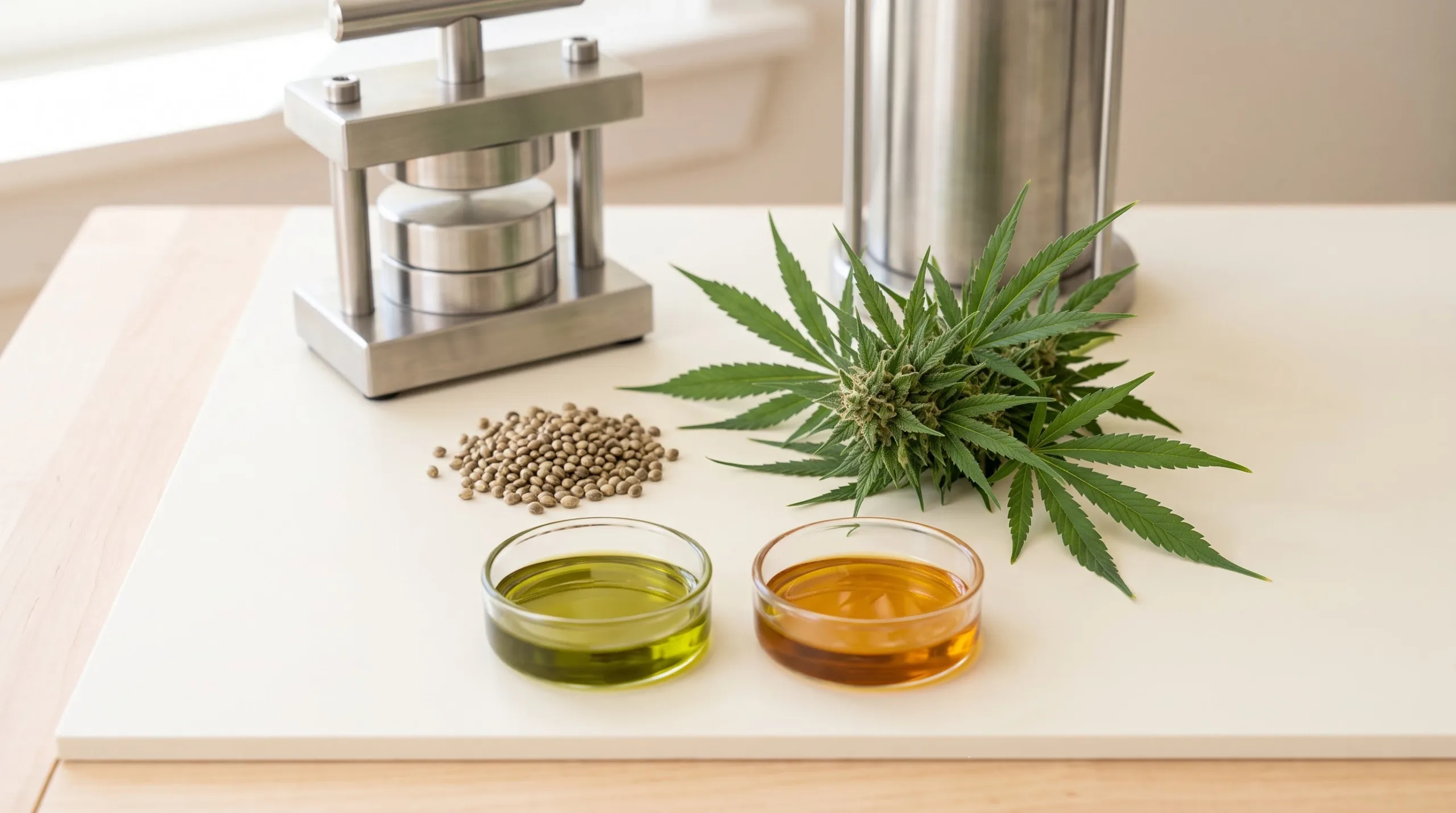
At a glance
The legal distinction is the sharpest one
In most markets the hemp oil versus CBD oil question is about value for money. In the EU it is also about which body of law applies.
The European Commission’s Novel Food Catalogue records that hemp seeds, hemp seed oil, hemp seed protein and defatted hemp seed are not novel foods, because they have a demonstrated history of consumption in the Union before May 1997. They are ordinary foods.
The same catalogue records that extracts of Cannabis sativa L. and derived products containing cannabinoids are novel foods, whether sold as such or added as an ingredient, and that this extends to synthetically obtained cannabinoids. No CBD novel food has been authorised anywhere in the EU. Applications have been terminated, withdrawn or rejected in large numbers, including twelve in the first months of 2026.
So the two products sit in genuinely different legal categories. That is a more consequential difference than the price.
Where the confusion comes from
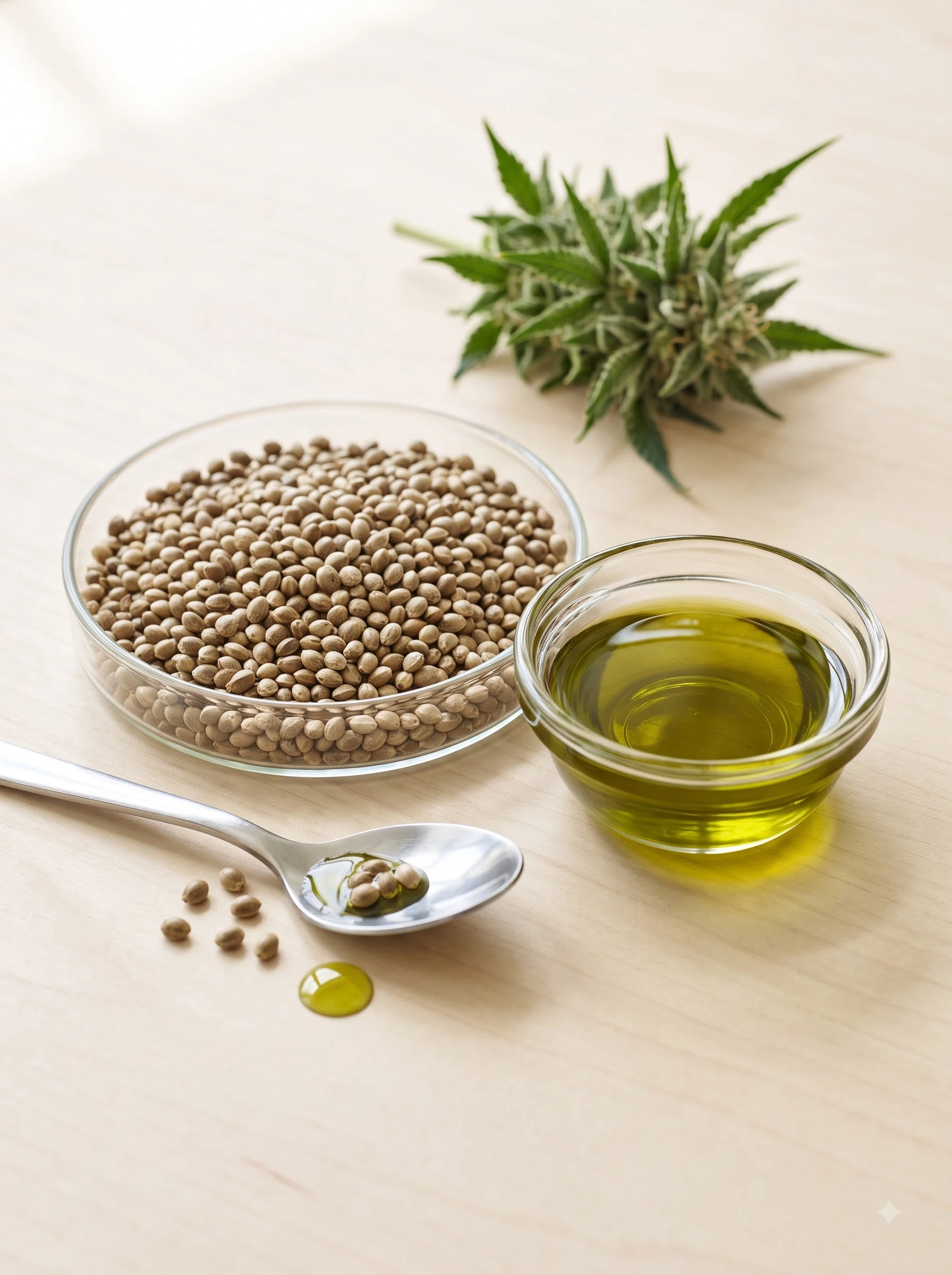
“Hemp oil” is genuinely ambiguous. Some brands use it to mean hemp seed oil. Others use it as a softer synonym for CBD oil, sometimes because marketplace or advertising rules restrict the word CBD, sometimes because a vaguer term avoids committing to a number. A third group uses it because hemp seed oil is far cheaper than cannabinoid extract and the ambiguity is commercially convenient.
You will also see “hemp extract”, which usually does mean a cannabinoid-containing extract, and “full-spectrum hemp extract”, which almost always does. Neither tells you how much of anything is in the bottle.
How to tell them apart in ten seconds
Look for a milligram figure for cannabinoid content and for a batch-specific certificate of analysis.
A genuine cannabinoid product will state something like 1,500 mg CBD per 30 ml, and will link to a third-party laboratory report matching the batch code printed on the label. A hemp seed oil product will give a volume and perhaps a fatty acid profile, because there is nothing else to give.
Check the ingredients list. Hemp seed oil frequently appears as a carrier in genuine CBD products, which is entirely legitimate. The question is whether cannabidiol or hemp extract also appears, with a quantity attached.
If a listing shows a large number such as 1,000 mg but the ingredients name only hemp seed oil, that figure describes the oil, not any cannabinoid in it.
A claim to be sceptical of
Full spectrum is frequently described as more effective than isolate because of the entourage effect. That has not held up.
Two studies designed specifically to test whether cannabis terpenes modulate cannabinoid receptor activity found that they do not. A 2024 scoping review concluded the literature provides limited evidence for the entourage effect as a stable and predictable phenomenon and advised regulators, industry and healthcare providers against promoting it as proven.
A narrow version is real. Cannabinoids interact pharmacokinetically: a 2023 trial found high-dose CBD raised THC blood levels by inhibiting the enzymes that clear it. That is a genuine difference between full spectrum and isolate. It is not the one the marketing describes.
What hemp seed oil actually is
That distinction matters more in Europe than elsewhere, because EFSA’s February 2026 provisional safe level of roughly 2 mg daily for a 70 kg adult applies specifically to CBD isolate of at least 98 percent purity, from a production process considered safe. No equivalent assessment covers full-spectrum extracts.
Legal status and safety
No health claim for CBD, hemp extract or any cannabinoid is authorised under Regulation (EC) No 1924/2006, and Article 10(3) excludes general wellbeing language in the absence of an authorised claim. Regulation (EU) No 1169/2011 prohibits attributing disease-related properties to any food.
Hemp seed oil is in the same position for practical purposes. Although it is an ordinary food rather than a novel one, no health claim specific to hemp seed oil appears on the Union list either.
What remains lawful for both is factual information: botanical origin, extraction or pressing method, measured composition, purity, laboratory analysis, allergens, ingredients and instructions for use.
How Endoca tests for this
A batch certificate for a cannabinoid product should report CBD, CBDA, CBG, CBC, CBN, THC and THCA as separate measured figures from a third-party laboratory, with the batch code matching your product.
The acid forms matter. Raw and cold-processed extracts retain CBDA and THCA, and a total THC figure calculated as THC plus 0.877 times THCA is larger than the delta-9 figure alone. Several member states apply thresholds to which that calculation is relevant.
Endoca grows its own hemp in Europe, presses and extracts in house, and publishes a certificate for every batch. That laboratory data is close to the whole of what EU rules permit us to tell you.
Frequently asked questions
No, beyond possible trace contamination from plant material during processing.
Usually not. The term is ambiguous. Look for a milligram figure.
It is an extract from a low-yield part of the plant requiring extraction equipment and laboratory testing, rather than a pressed seed oil.
Yes. It is not a novel food and is widely sold as an ordinary food.
CBD is not a narcotic drug following the Kanavape judgment, but cannabinoid extracts are unauthorised novel foods and national enforcement differs.
References
European Commission. Novel Food Catalogue, cannabinoids entry.
Commission Regulation (EU) 2022/1393, THC maximum levels in hemp seed products.
EFSA. Provisional safe level for cannabidiol as a novel food. EFSA Journal 2026;24:9862.
Court of Justice of the European Union, Case C-663/18, 19 November 2020.
Finlay DB et al. Front Pharmacol 2020;11:359.
Santiago M et al. Cannabis Cannabinoid Res 2019;4:165-176.
Simei JLQ et al. Cannabis Cannabinoid Res 2024;9:1202-1216.
Zamarripa CA et al. JAMA Netw Open 2023;6:e2254752.
Last reviewed 1 September 2026.
Educational information about published research and European regulation. Not a health claim.