
- Shop
- About Us
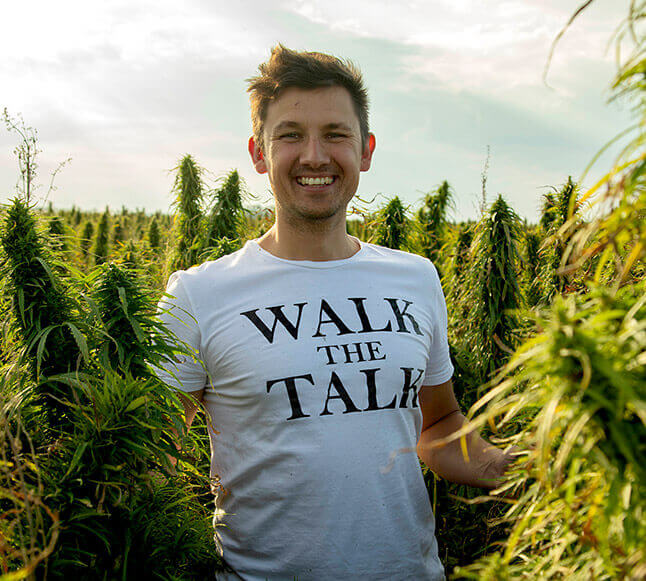
Our Story
From humble beginnings to a global mission – we grow, harvest, and craft hemp with care for people and planet.
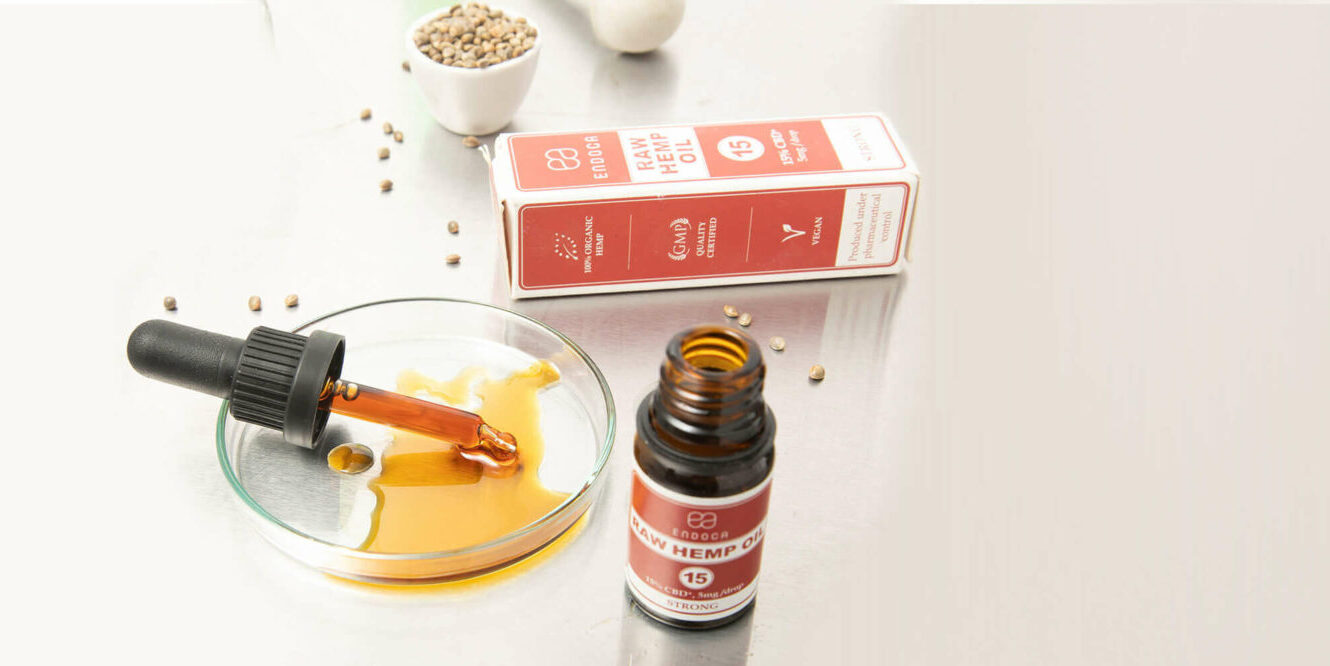
What Is CBD?
CBD is nature’s way to restore balance, calm, and overall well-being – naturally and without the high.
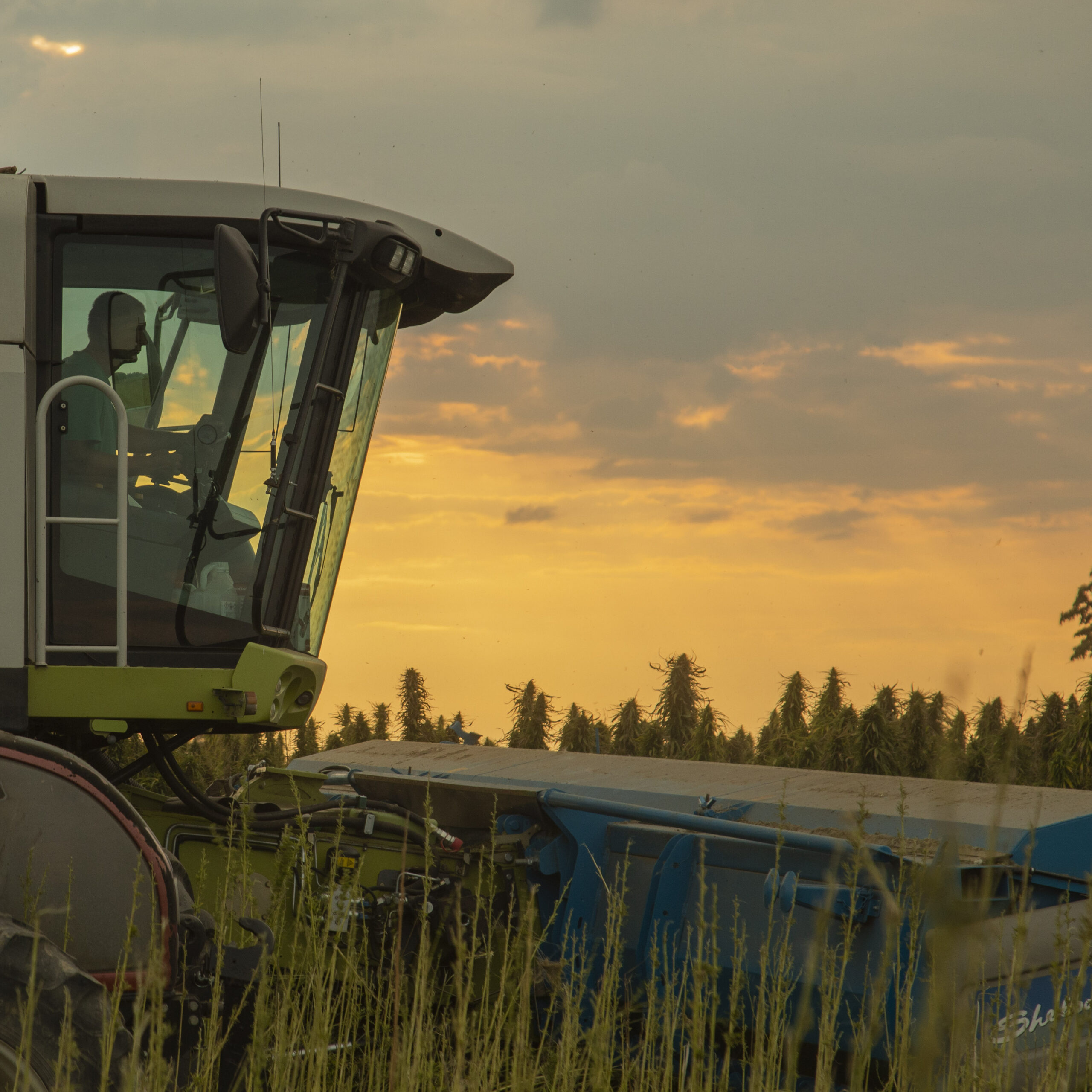
The Process
From seed to shelf, we grow organically, extract cleanly, and follow strict quality standards for purity.

Lab Testing
Every batch is third-party tested to ensure purity, safety, and the exact amount of CBD every time.
Our Values
Sustainability, transparency, and wellness guide every decision – for you and for the planet.
At a glance
The evidence on stress, weighed honestly
Under EU law neither of us may present either of those as a benefit of a product, and we are not doing so. We are describing published research.
What people get wrong
Legal status and safety
Neither substance has an authorised health claim under Regulation (EC) No 1924/2006.
Ashwagandha has ten claims sitting on the transitional on-hold list under Article 28(5), a mechanism that has remained open since 2010 and that the European Parliament has pushed to close. On hold is not the same as authorised, and a product built on on-hold claims carries regulatory risk.
CBD has nothing at all, not even on-hold wordings, and Article 10(3) additionally prevents general wellbeing language.
Note also that the EMA’s Committee on Herbal Medicinal Products concluded in 2013 that the requirements of Directive 2001/83/EC were not fulfilled for ashwagandha, so no EU herbal monograph could be established.
We are not going to soften this.
The NIH LiverTox database assigns ashwagandha a likelihood score of B, its second-highest category, indicating a highly likely cause of clinically apparent liver injury. Its assessment records that injury typically appears two to twelve weeks after starting, usually with a cholestatic or mixed pattern involving jaundice and itching, and that rare instances of fatal liver injury or need for emergency liver transplantation have been reported, particularly in people with pre-existing liver disease. It advises avoiding use in patients with cirrhosis or advanced chronic liver disease.
The case series are specific. A 2020 series in Liver International covered five cases from Iceland and the US Drug-Induced Liver Injury Network. All five developed jaundice after a latency of two to twelve weeks. Chemical analysis confirmed ashwagandha in the products with no other toxic compounds identified, so this is not an adulteration story.
A 2023 series from India is more severe. Of 23 patients with ashwagandha-associated liver injury, eight involving single-ingredient products were reported in detail. Five had underlying chronic liver disease. Three presented with acute-on-chronic liver failure and all three died on follow-up. Chemical analysis again found only natural phytochemicals, without adulteration.
There is also a thyroid signal, including a published case of laboratory-confirmed thyrotoxicosis that resolved on discontinuation.
How Endoca tests for this
We do not put ashwagandha in our products. Given the liver injury case series, the NIH likelihood score, and the position taken by several European regulators, we are not comfortable adding it to a supplement. In at least one of the markets we sell into, we could not lawfully do so in any case.
We would rather explain that than quietly leave it out.
Frequently asked questions
There is no harmonised position. Denmark has banned it in food supplements. Poland caps the dose. Several member states have issued avoidance advice for specific groups. It remains on sale in others.
On the basis of a national risk assessment citing liver damage cases, effects on sex and thyroid hormones, and the conclusion that no safe intake could be determined.
Ashwagandha, and that has to be weighed against its safety profile.
No trial has tested it, and both are metabolised in the liver.
No. Ashwagandha has claims on hold, which is not authorisation. CBD has none.
References
NIH LiverTox. Ashwagandha. NIDDK, updated 3 December 2024.
Bjornsson HK et al. Liver Int 2020;40:825-829.
Philips CA et al. Hepatol Commun 2023;7:e0270.
Akhgarjand C et al. Meta-analysis of 12 RCTs on ashwagandha, stress and anxiety, 2022.
Han B et al. Psychiatry Res 2024;339:116049.
Brendler T et al. Ashwagandha: Is It Safe? Part 1: A Regulatory Review. Phytother Res 2026;40:4845-4857.
Williamson EM, Brendler T. Ashwagandha: Is It Safe? Part 2. Phytother Res 2026;40:4792-4801.
EFSA Journal 2026;24:9862.
Last reviewed 1 September 2026.
Educational information about published research and European regulation. Not a health claim.