
- Shop
- About Us

Our Story
From humble beginnings to a global mission – we grow, harvest, and craft hemp with care for people and planet.
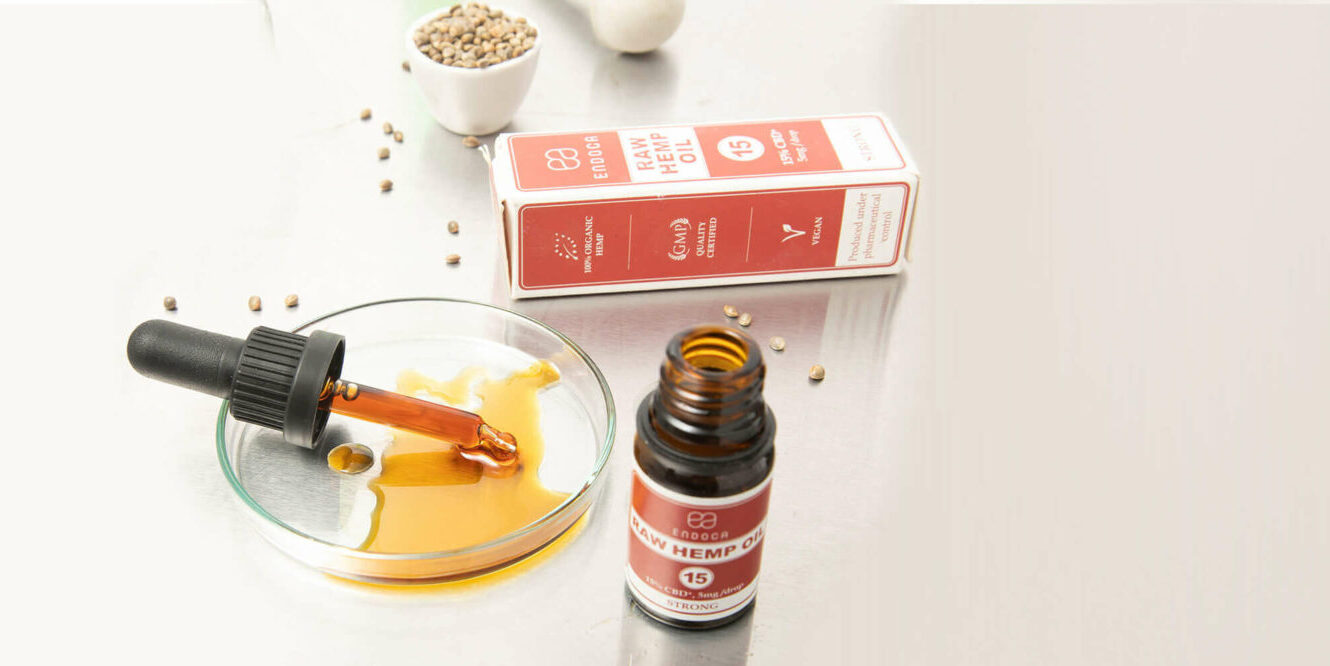
What Is CBD?
CBD is nature’s way to restore balance, calm, and overall well-being – naturally and without the high.
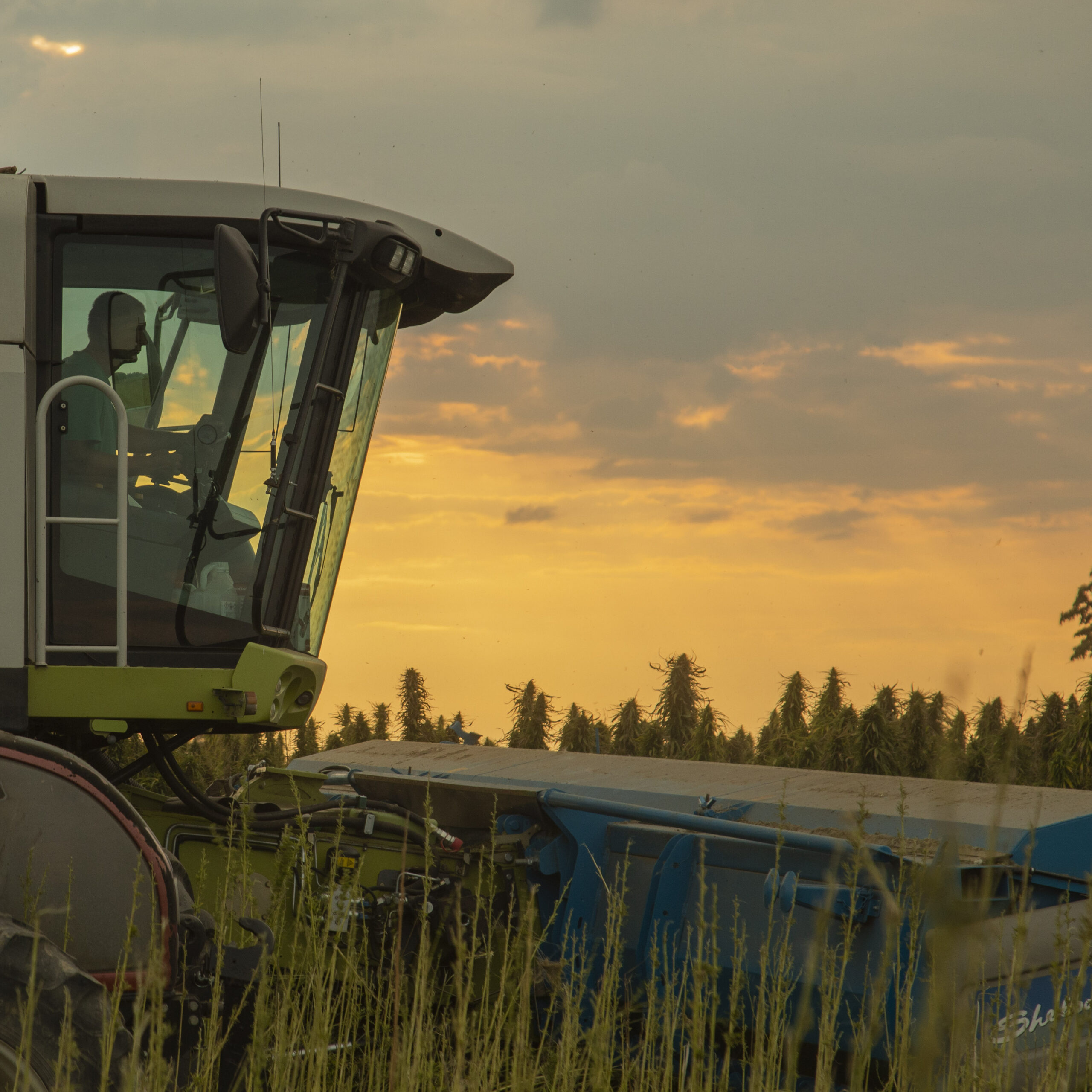
The Process
From seed to shelf, we grow organically, extract cleanly, and follow strict quality standards for purity.
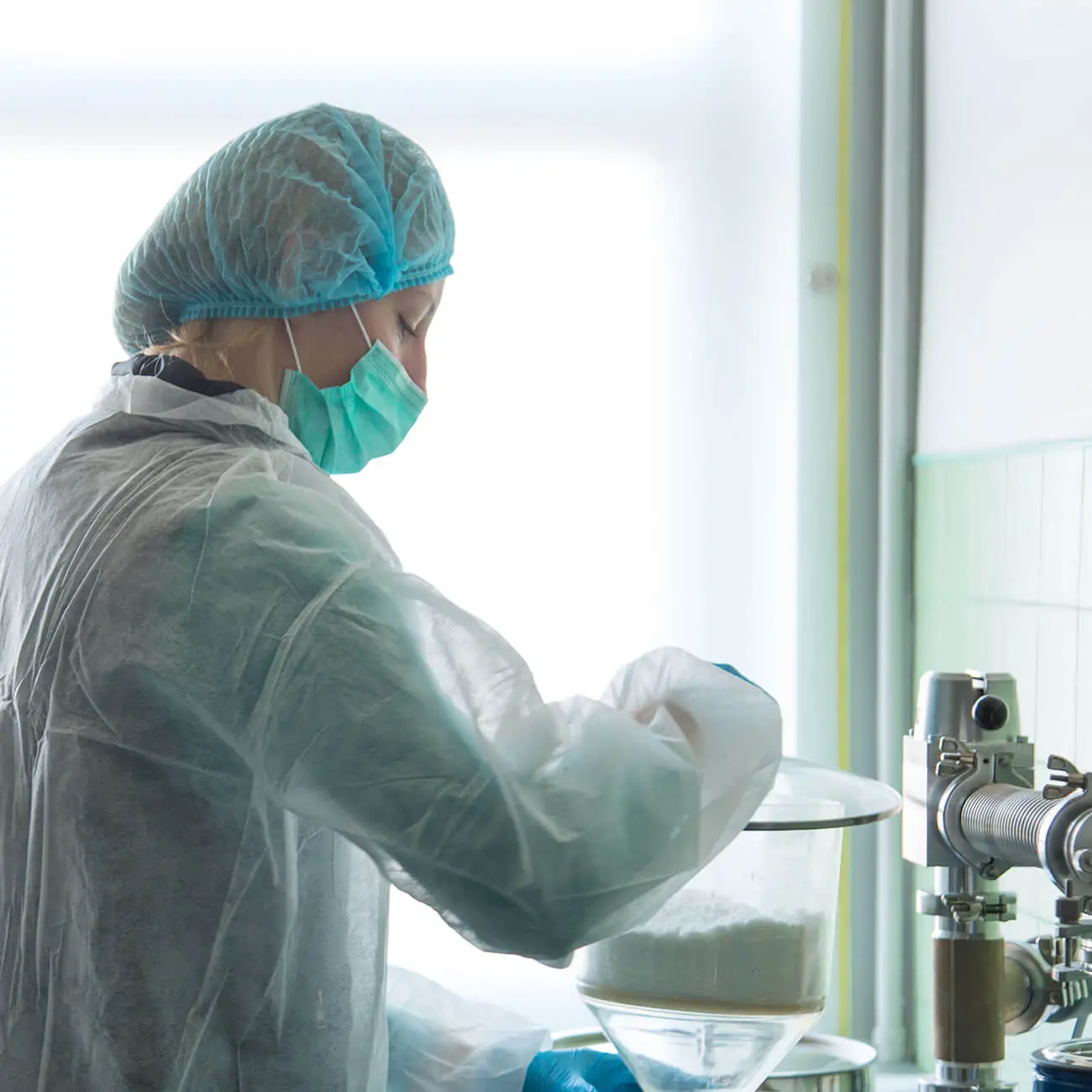
Lab Testing
Every batch is third-party tested to ensure purity, safety, and the exact amount of CBD every time.
Our Values
Sustainability, transparency, and wellness guide every decision – for you and for the planet.
At a glance
Why this matters specifically in Europe
Three different THC limits circulate in European discussion and they are constantly conflated.
The cultivation limit. Under the CAP Strategic Plans Regulation, hemp grown with support must be of a variety with a THC content not exceeding 0.3 percent, raised from 0.2 percent with effect from January 2023. This is an agricultural eligibility criterion applied to the growing crop and to the variety. It says nothing about finished products.
The EU-wide finished-food limit. Commission Regulation (EU) 2022/1393 sets maximum delta-9 THC levels, expressed as the sum of THC and THCA using the 0.877 factor, only for hemp seed products: 3.0 mg/kg for seeds and 7.5 mg/kg for hemp seed oil. Note that this rule already counts the acid form.
Finished-product limits for extracts are national. There is no EU-wide maximum for CBD extracts, because they are unauthorised novel foods in the first place. Member states diverge sharply. The Netherlands operates a zero-tolerance Opium Act with an informal, unpublished tolerance that confers no legal certainty. Denmark publishes action limits that count total THC including the acid form explicitly. Switzerland, outside the EU, operates a 1.0 percent threshold entirely out of step with its neighbours.
The practical point for anyone buying or making raw and cold-processed extracts in Europe: these retain acid-form cannabinoids, so their total THC figure is higher than their delta-9 figure. If a certificate of analysis reports only delta-9 THC, it is reporting the smaller and less relevant number.
What THCa does pharmacologically
Setting the regulatory question aside, THCa is not inert.
Its most notable target is PPAR-gamma, a nuclear receptor involved in metabolism and inflammation. A 2017 study in the British Journal of Pharmacology found the cannabinoid acids bind and activate PPAR-gamma more potently than their decarboxylated counterparts, and that THCa was neuroprotective in Huntington’s disease models through a PPAR-gamma dependent pathway. In mice.
It also shows anti-inflammatory effects in colon epithelium that were blocked by a GPR55 antagonist rather than by CB1 or CB2 antagonists.
One reported CB2 binding figure of 1.3 nanomolar looks dramatic. It sits alongside other studies reporting THCa as inactive above 10 micromolar in a different assay. The striking number should not be quoted without the conflict.
There is no controlled human trial of isolated THCa. The metabolic work is in diet-induced obese mice; the anti-nausea work is in rats and shrews.
Why THCa is not intoxicating, and why that is conditional
This is the reason cannabis analysis uses a total THC calculation: delta-9 THC plus 0.877 times THCa. The 0.877 accounts for the mass of the carbon dioxide lost during decarboxylation.
What people get wrong
Legal status and safety
No health claim for THCa, CBD or any cannabinoid is authorised under Regulation (EC) No 1924/2006, and Article 10(3) excludes general wellbeing language. Regulation (EU) No 1169/2011 prohibits attributing disease-related properties to food.
CBD and THCa both fall within the EU Novel Food Catalogue entry covering cannabinoid-containing extracts, and neither is authorised.
THCa additionally engages national narcotics rules because of its conversion to THC. Sweden’s Supreme Administrative Court has held that CBD oil containing THC falls within its Narcotic Drugs Act, since Swedish law has no de minimis THC exemption for extracts. That reasoning bears directly on acid-form content.
EFSA’s February 2026 provisional safe level applies to CBD isolate of at least 98 percent purity and does not cover acid forms or raw extracts.
How Endoca tests for this
Every Endoca certificate reports THC and THCA as separate measured figures. Total THC, calculated as delta-9 THC plus 0.877 times THCA, is the number that matters under the hemp seed regulation and under several national regimes.
We publish both so the calculation can be done independently rather than taken on trust. A certificate that reports only delta-9 THC leaves you unable to do it at all.
Frequently asked questions
Not as it is. Heating converts it to THC, which does.
Yes, in small amounts. Check the certificate of analysis.
The mass ratio used to convert THCA into its THC equivalent, accounting for the carbon dioxide lost during decarboxylation.
No. THCa is the plant’s natural acid precursor. Delta-8 is an isomer usually manufactured from CBD.
Because several member state limits and the EU hemp seed regulation count total THC, which includes the acid form.
References
Nadal X et al. Br J Pharmacol 2017;174:4263-4276.
Anderson LL et al. Pharmacokinetics of phytocannabinoid acids and anticonvulsant effect of cannabidiolic acid in a mouse model of Dravet syndrome. J Nat Prod 2019;82:3047-3055.
Zagzoog A et al. Sci Rep 2020;10:20405.
Commission Regulation (EU) 2022/1393.
Regulation (EU) 2021/2115, CAP Strategic Plans.
EFSA CONTAM Panel. EFSA Journal 2025;23(11):e9735.
Last reviewed 1 September 2026.
Educational information about published research and European regulation. Not a health claim.