

 24Sep
24Sep
The three types differ by how much of the hemp plant survives extraction. Full spectrum keeps every naturally occurring compound, including trace THC below the legal limit. Broad spectrum keeps the other compounds but has the THC stripped out. Isolate is purified CBD on its own, typically 99% or higher, with nothing else left.
The single difference behind all three names
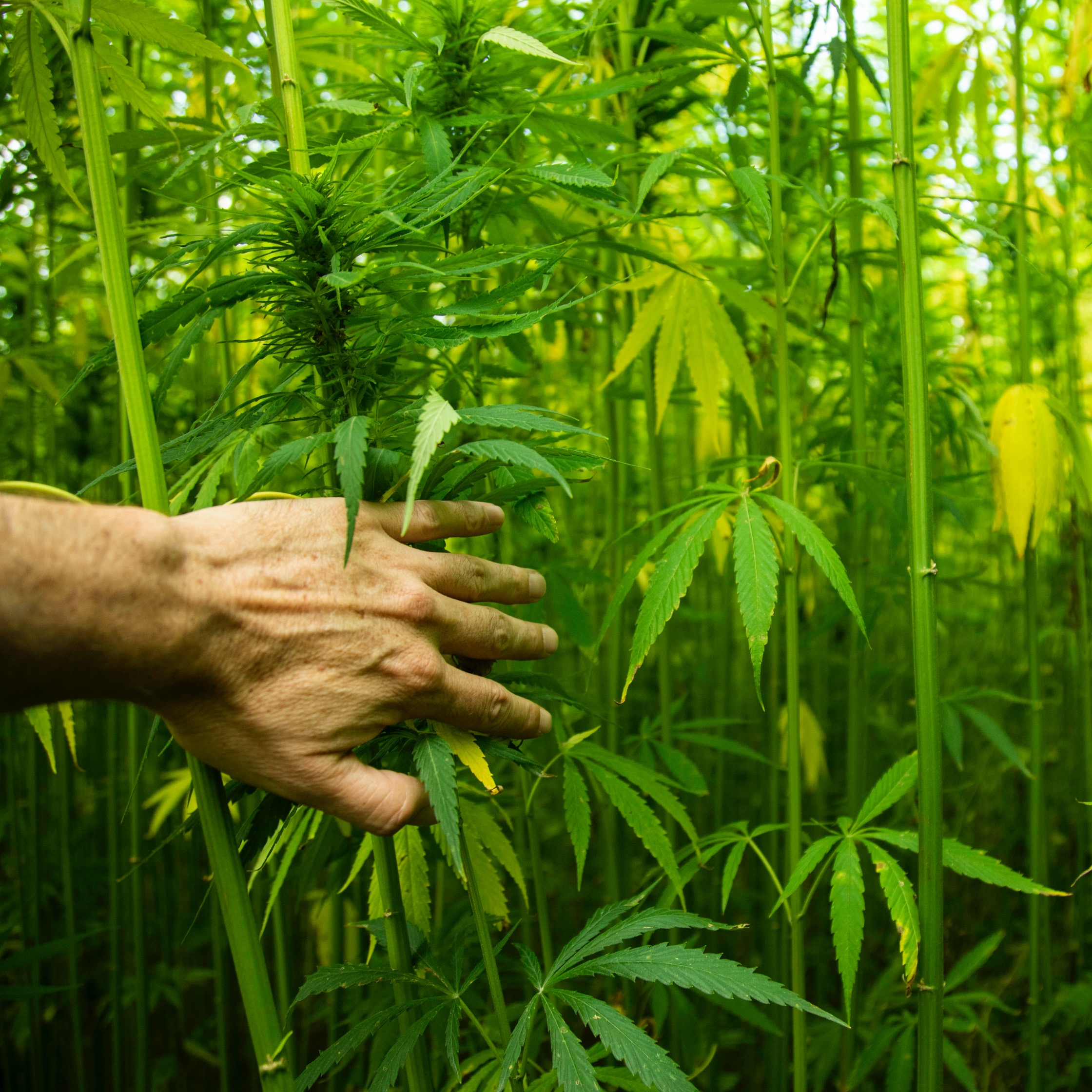
Hemp contains hundreds of compounds: cannabinoids such as CBD, CBDa, CBG and CBN, plus terpenes, flavonoids and plant waxes. What separates the three product types is simply how many of those compounds are still in the bottle when it reaches you.
Everything else you read about these categories follows from that one fact.
Full spectrum CBD
Full spectrum extract contains the complete cannabinoid and terpene profile of the hemp it came from, including the naturally occurring trace of THC. Hemp grown legally has to stay under 0.3% THC in the United States and 0.2% in most of Europe, so the amounts are small, but they are not zero.
Because nothing has been removed, full spectrum oils taste and smell distinctly of hemp. That earthy character is the terpenes, and it is a reasonable sign the extract has not been over-processed.
Broad spectrum CBD
Broad spectrum starts as a full spectrum extract, then goes through an extra refining step that removes the THC while leaving the other cannabinoids and terpenes in place. It is the middle option: more of the plant than isolate, no detectable THC.
The trade-off is that the extra processing also tends to strip some terpenes, so broad spectrum products are usually milder in flavour and slightly less complete than the extract they started from.
CBD isolate
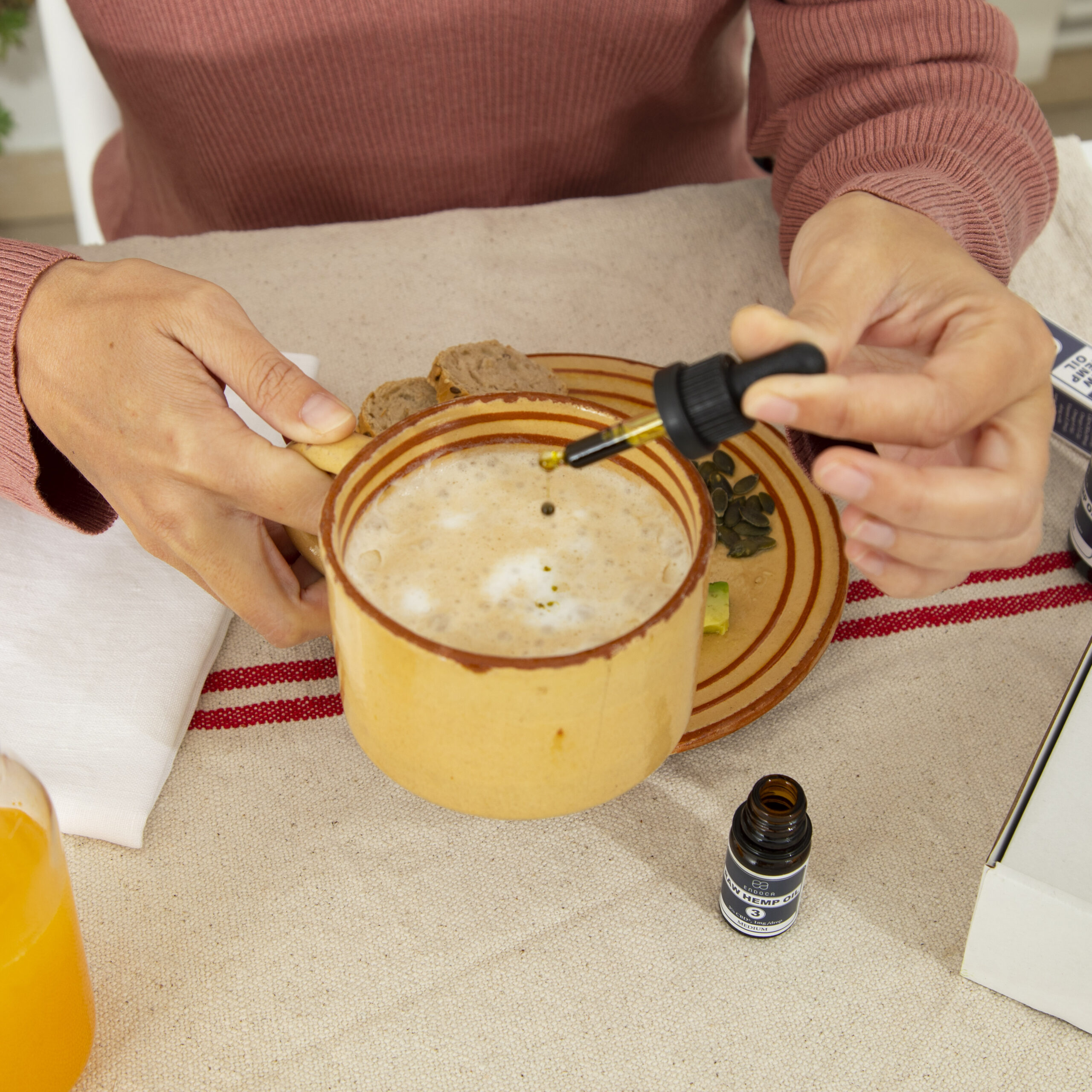
Isolate is CBD refined until it is a white crystalline powder, 99% pure or better. No THC, no CBDa, no terpenes, no hemp flavour at all. It dissolves into food and drinks without changing the taste, and it makes serving sizes very easy to calculate because a milligram of isolate is a milligram of CBD.
How each type is actually made
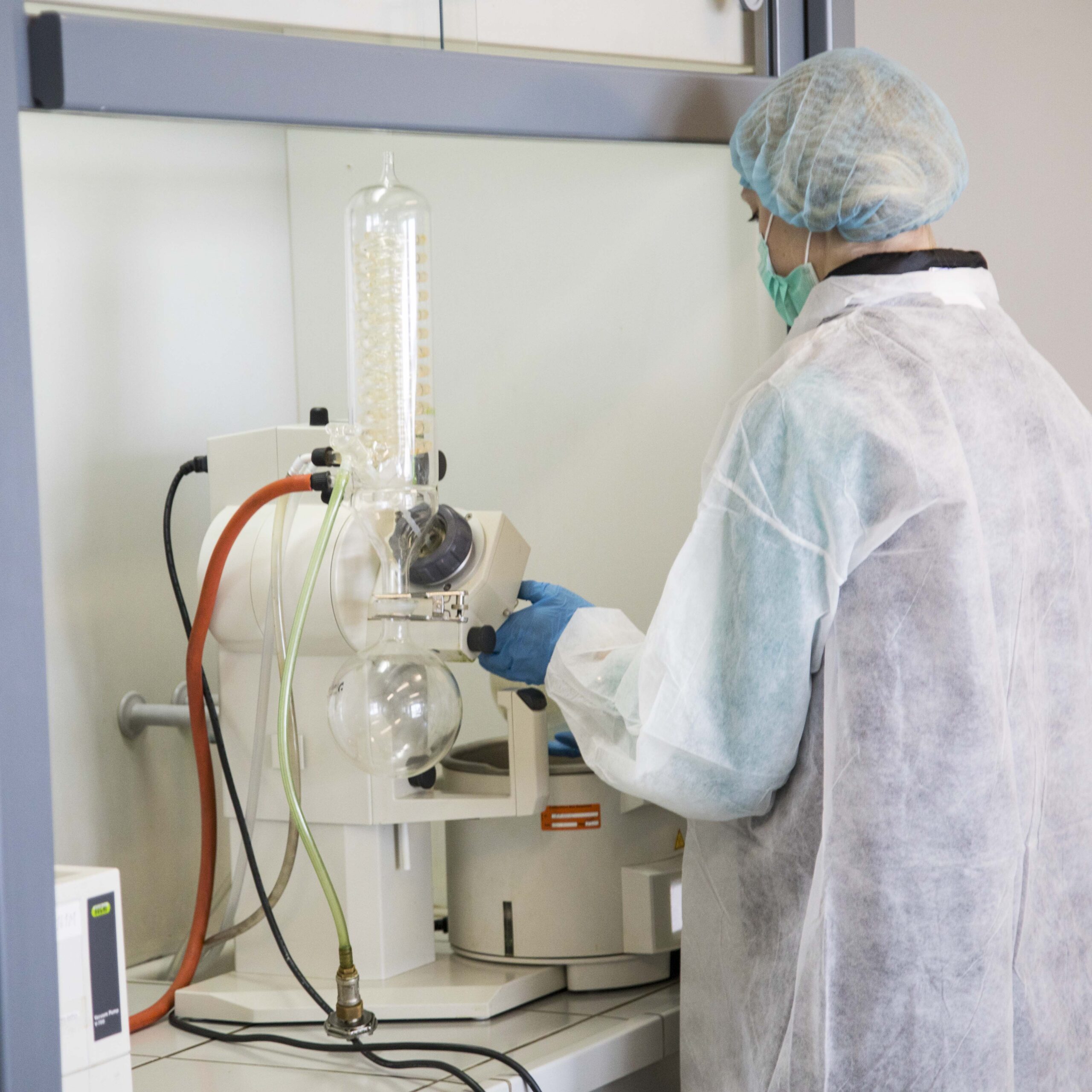
All three start identically. Hemp is harvested, then the cannabinoids are pulled out of the plant material, in our case with CO2 rather than a chemical solvent. What happens next decides the category.
Full spectrum stops early. The crude extract is cleaned up, winterised to remove waxes and fats, then blended into a carrier oil at a set strength.
Broad spectrum goes a step further. The extract passes through chromatography, which separates compounds by how quickly they travel through a column, and the THC fraction is taken out.
Isolate goes all the way. The extract is distilled and then crystallised until nothing but cannabidiol is left.
Every additional step costs yield and removes something that was in the plant. That is the trade being made as you move down the list, and it is also why isolate is not automatically the premium option despite being the purest.
Side by side
| Full spectrum | Broad spectrum | Isolate | |
| Other cannabinoids | Yes | Yes | No |
| Terpenes and flavonoids | Yes | Some | No |
| THC | Trace, under legal limit | None detectable | None |
| Entourage effect | Full | Partial | None |
| Hemp taste | Strong | Mild | None |
| Drug test risk | Small but real | Very low | Very low |
| Best suited to | People who want the whole plant | THC-sensitive users who still want plant compounds | Precise servings, no taste, tested workplaces |
Raw or heated, the fourth thing to check
There is a second axis the three-way comparison misses entirely. In the living plant, most cannabidiol exists as CBDa, its acidic precursor. Heat converts CBDa into CBD in a reaction called decarboxylation.
Our raw oils are unheated and contain both CBD and CBDa. The heated oils have been warmed gently so that conversion is complete. Both are full spectrum, and neither is a downgrade of the other.
Which you prefer is a separate decision from full versus broad versus isolate, and one worth making on purpose rather than by accident.
The entourage effect, and what the evidence actually shows
The argument for full spectrum is the entourage effect: the idea that hemp’s compounds work better together than any one of them does alone. The most cited support comes from a 2015 Israeli study in which a whole-plant extract produced a steadier dose response in mice than purified CBD did.
That is genuine evidence, but it is preclinical. Controlled human trials comparing the three types head to head are still thin. Treating the entourage effect as a plausible, partly supported mechanism rather than settled science is the honest position, and it is the one we take.
How to choose
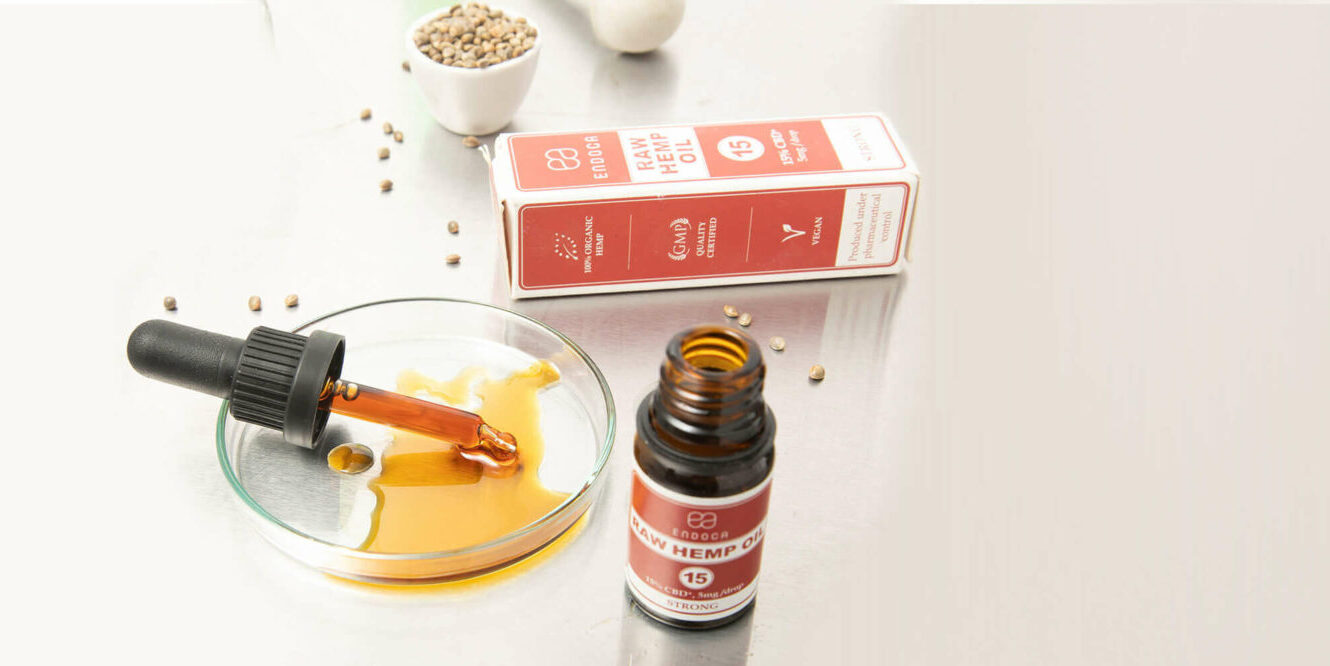
full spectrum if you want the extract closest to the plant and trace THC is not a problem for you. This is what Endoca makes: CO2 extracted, nothing added, the natural profile left intact.
broad spectrum if you want the plant compounds but need to avoid THC entirely, whether for personal reasons or workplace policy.
isolate if you need exact servings, want no hemp flavour, or are making your own preparations. Endoca’s 99% pure CBD crystals exist for precisely those uses.
What to check before you buy
The label word matters less than the lab report behind it. A current certificate of analysis should show the cannabinoid breakdown, the THC figure, and screening for pesticides, solvents and heavy metals. If a brand describes a product as broad spectrum but cannot show you a THC result at the detection limit, the claim is a word on a box.
Check the extraction method too. Solvent-based extraction is cheaper and can leave residue behind, which is why we use supercritical CO2 and publish batch results for every run.
Frequently asked questions
Will full spectrum CBD get me high?
No. The trace THC in legal hemp extract is far too low to cause intoxication at normal serving sizes.
Is the full spectrum stronger than the isolate?
Not in milligrams of CBD. The argument is about the additional plant compounds, not concentration.
Can broad spectrum CBD fail a drug test?
It is unlikely, though no CBD product carries zero risk unless the manufacturer publishes THC results at the limit of detection.
Which type is best for beginners?
Full spectrum suits most people. Start with a low strength oil and adjust from there.
Is CBDa the same as CBD?
No. CBDa is the acidic form found in the raw plant, and heat converts it into CBD. Raw oils keep both compounds.
Does isolate produce an entourage effect?
No. With every other compound removed, there is nothing left for CBD to interact with.