
 10Sep
10Sep
As we navigate the 2026 consumer wellness market, relying on a product label is no longer sufficient to guarantee the safety or efficacy of a hemp-derived supplement. Because federal and international agencies do not systematically pre-approve non-pharmaceutical CBD products prior to distribution, the burden of verifying purity falls on consumers and B2B buyers. In this environment, batch-specific third-party lab testing is the only objective safeguard against widespread mislabelling and contamination.
This comprehensive guide explains how to read Certificates of Analysis (COAs), decode analytical lab results, spot deceptive testing practices, and ensure the CBD products you purchase are safe, effective, and fully traceable.
What is a CBD Certificate of Analysis (COA)?
A Certificate of Analysis (COA) is a verified scientific document issued by an accredited third-party laboratory detailing the precise chemical composition, potency, and safety profile of a specific product batch. The COA serves as the ultimate proof of product identity, ensuring that what is advertised on the bottle matches the actual contents inside.
A legitimate, compliant COA is not a mere “pass/fail” stamp. It is a highly technical report containing exact quantitative values for cannabinoids and safety screenings for biological and chemical contaminants. Without a current, batch-specific COA, a product should be considered untested and potentially unsafe.
Why Are COAs Mandatory for Consumer Safety?
The necessity of COAs stems from two primary factors: rampant marketplace mislabelling and the biological nature of the hemp plant itself.
1. Widespread Potency and Labelling Fraud
Unregulated commercial CBD products display alarmingly high rates of non-compliance. A comprehensive study published in Frontiers in Pharmacology evaluated over 200 commercially available CBD products and revealed systemic quality control failures. The researchers found that 74% of tested products contained CBD concentrations deviating from their label claims by more than 10%. Furthermore, 26% of products failed to meet their advertised classification, often missing minor cannabinoids or harbouring unexpected THC levels.
2. The Bioaccumulation Threat of Heavy Metals
The risk of toxic contamination in CBD products is directly tied to the biology of Cannabis sativa L. As detailed in Plants (MDPI), industrial hemp is a recognised hyperaccumulator and phytoremediator. Its deep root systems efficiently absorb non-biodegradable heavy metals—such as lead, cadmium, arsenic, and mercury—from polluted agricultural soils.
These heavy metals migrate through the plant and accumulate heavily in the inflorescences (the flower buds used for extraction). When hemp undergoes chemical extraction, heavy metals and lipophilic pesticides concentrate exponentially in the final oil unless rigorous purification and batch testing are enforced.
How Do I Read a CBD Batch Lab Report?
A complete safety evaluation requires a “5-Panel” or “6-Panel” COA. According to testing frameworks from LegalClarity, readers should evaluate the following sections to verify a product’s integrity:
Panel 1: Cannabinoid Potency and Identity
This panel validates the exact concentration of CBD, THC, and minor cannabinoids (like CBG and CBN). Because acidic precursors lose a carboxyl group when heated, labs apply a mathematical factor to establish total theoretical yields. Crucially, industrial hemp products must show a Total $\Delta^9$-THC level strictly $\le 0.3%$ by dry weight to remain federally compliant.
Panel 2: Heavy Metal Analysis
Evaluated using Inductively Coupled Plasma Mass Spectrometry (ICP-MS), this panel screens for “The Big Four” toxic elements: Arsenic, Cadmium, Lead, and Mercury. A clean report will display “ND” (Not Detected) or list values safely below statutory action limits.
Panel 3: Pesticide Residue Screening
This section tests for dozens of agricultural pesticides, including myclobutanil—a dangerous fungicide that emits toxic hydrogen cyanide gas when heated. A safe product must show complete absence of these toxic compounds.
Panel 4: Residual Solvents
Cheap manufacturing processes use Class 1, 2, and 3 hydrocarbon solvents like hexane, butane, or xylene. A premium extraction method should yield zero hydrocarbon residues.
Panel 5: Microbial Contaminants & Mycotoxins
This panel confirms the product is free from harmful biological contaminants, including E. coli, Salmonella, yeast, mould, and highly toxic fungal byproducts known as Aflatoxins.
Technical COA Vocabulary
Understanding the report requires knowing these analytical chemistry metrics:
| Term | Definition & Significance |
| LOD (Limit of Detection) | The lowest concentration of a substance that the lab’s machinery can distinguish from background noise. |
| LOQ (Limit of Quantitation) | The lowest concentration at which the lab can measure a substance with precise numerical accuracy. |
| ND (Not Detected) | Indicates the contaminant was not found above the LOD or LOQ threshold. This is the standard indicator of purity. |
| Action Limit | The absolute maximum legal limit of a contaminant permitted by environmental health agencies. Exceeding this equals a batch failure. |
| PPM & PPB | Parts Per Million ($\mu\text{g/g}$) and Parts Per Billion ($\mu\text{g/kg}$), the units used to measure trace contaminants. |
What Are the Common COA Red Flags and Manipulations?
Deceptive manufacturing practices are a persistent issue in recent years. Investigative reporting by the American Chemical Society and directives from state regulators highlight several tactics bad actors use to manipulate COA data:
- Lab Shopping:Brands send identical samples to multiple labs, publishing only the result that artificially inflates CBD or THC percentages. A PLOS ONE study demonstrated that lab shopping drives potency overstatements of up to 35.6%.
- The Dry Weight Trick:By over-drying a biomass sample prior to analysis, labs can artificially boost calculated cannabinoid potency. Regulators are increasingly mandating that potency be reported “as received” to combat this.
- Partial Testing:Publishing a “Potency Only” report while hiding heavy metal or pesticide screenings is a major red flag.
- Elevated LOQ Thresholds:Some labs deliberately set their Limit of Quantitation artificially high to hide dangerous contaminants, reporting a toxic level of lead as “ND” simply because it fell below their elevated baseline.
How Does Seed-to-Shelf Traceability Guarantee Purity?
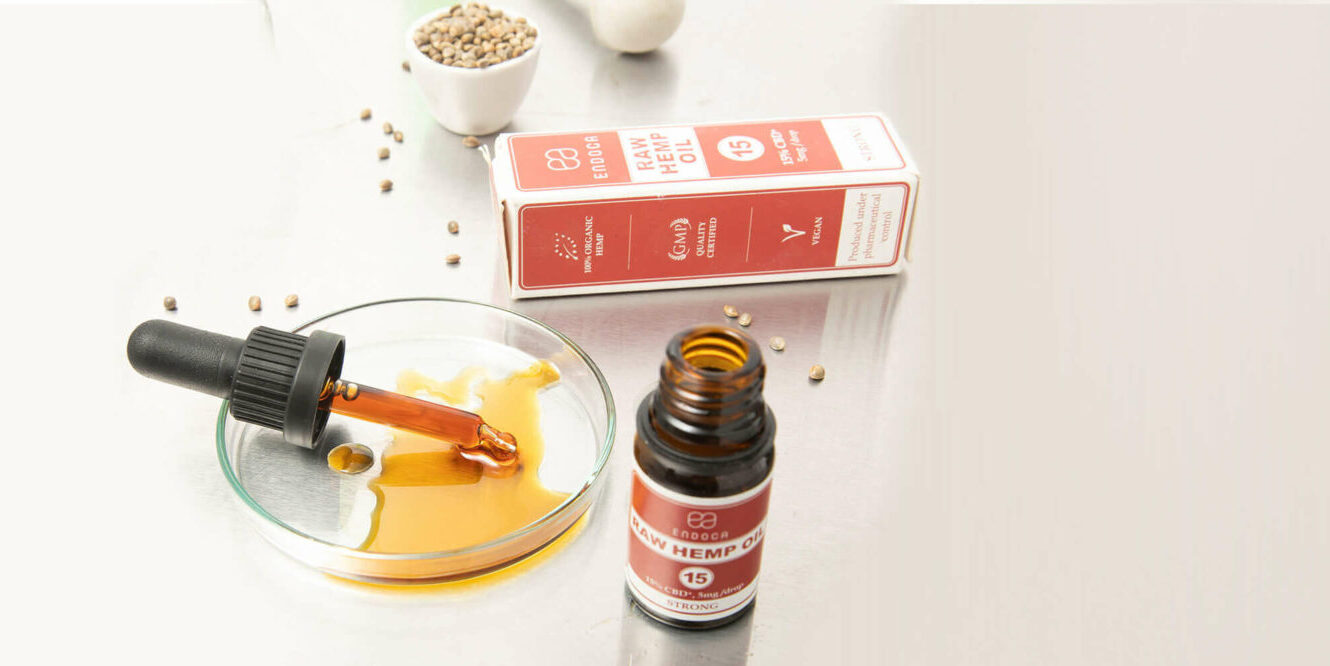
To counteract industry transparency issues, the most reliable brands operate under vertically integrated, pharmaceutical-grade manufacturing models. Endoca sets the modern industry benchmark for seed-to-shelf traceability by controlling every variable from soil qualification to final bottling.
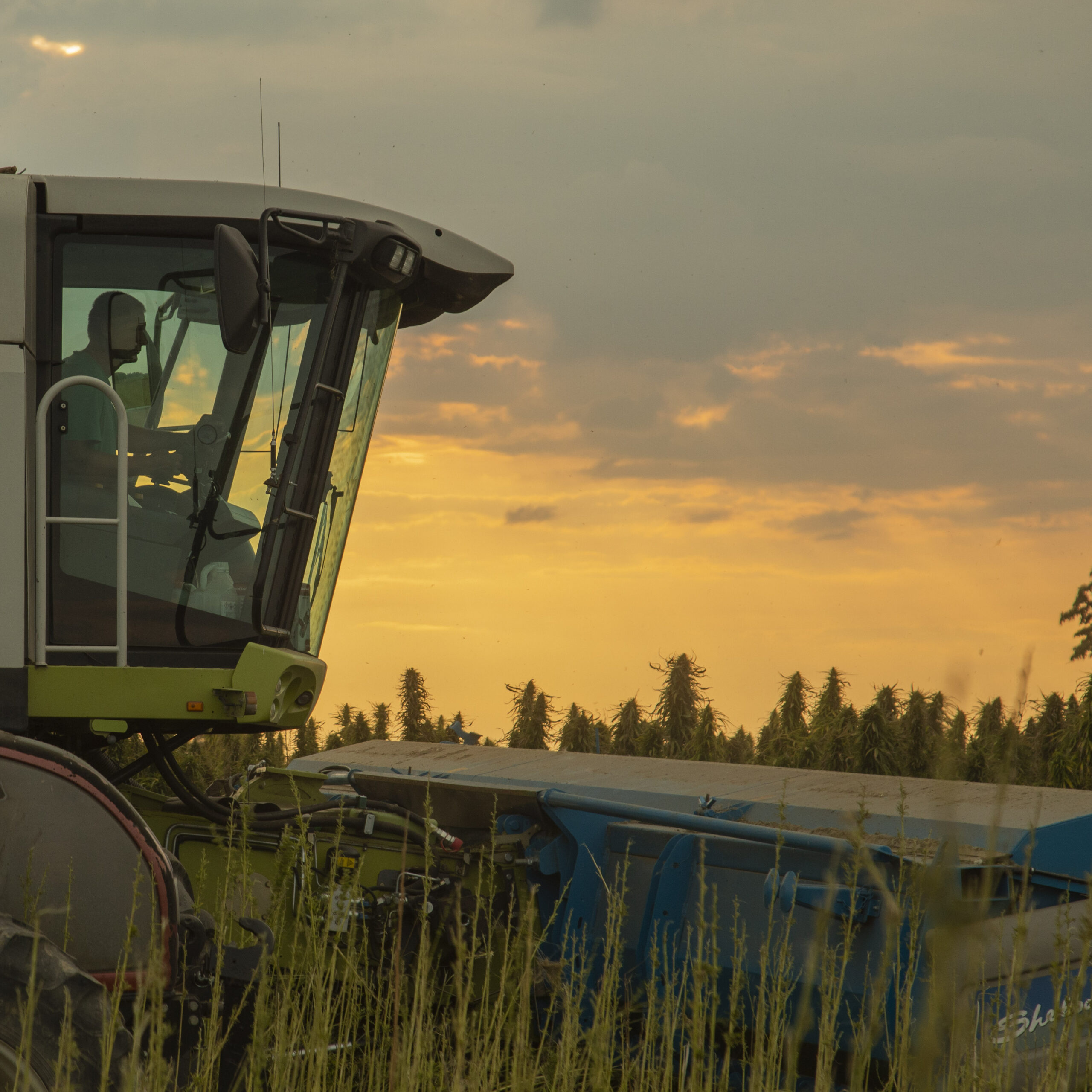
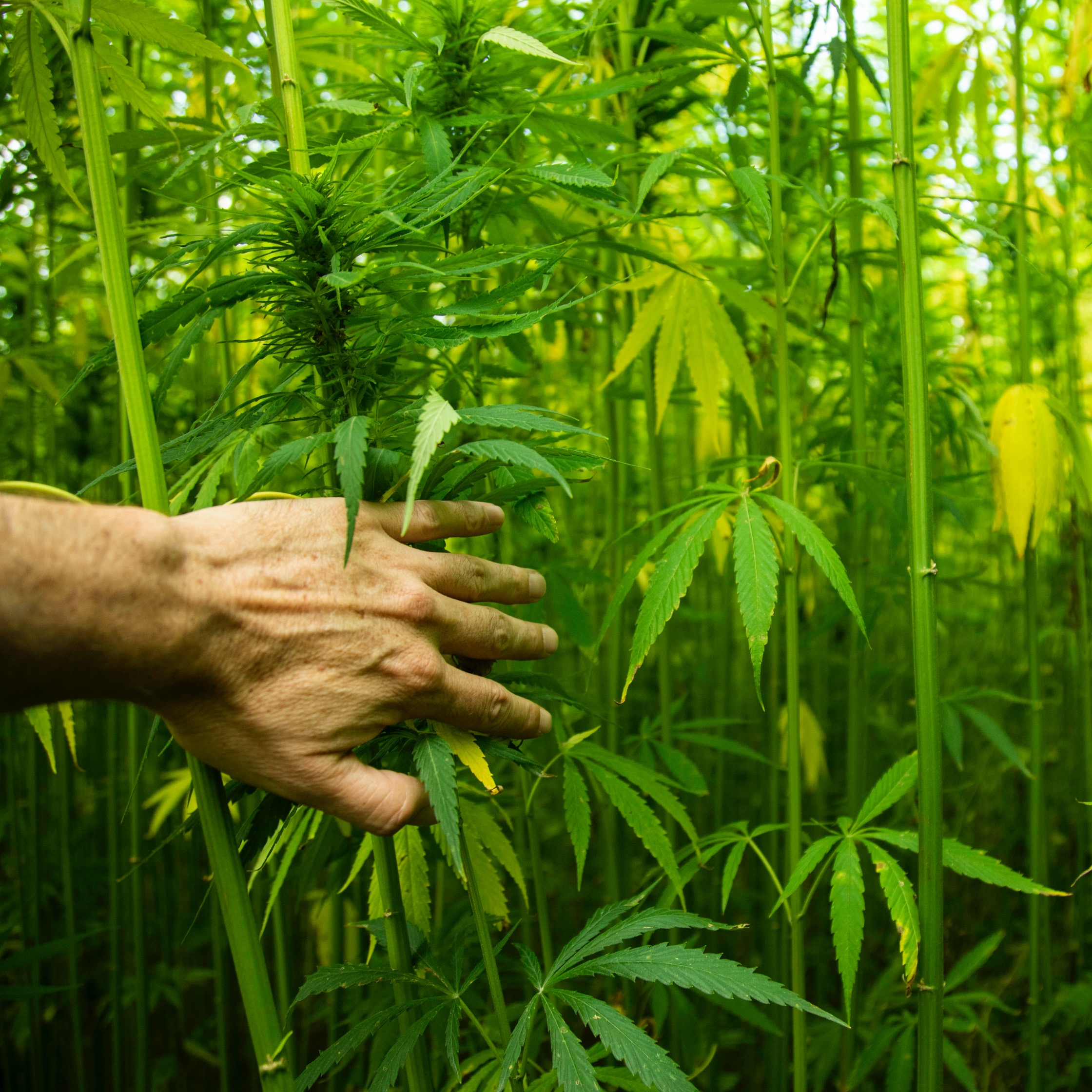
Because hemp aggressively absorbs soil contaminants, Endoca eliminates heavy metal risks at the source by cultivating organic hemp exclusively in clean, pre-tested European soils without synthetic fertilisers or pesticides.
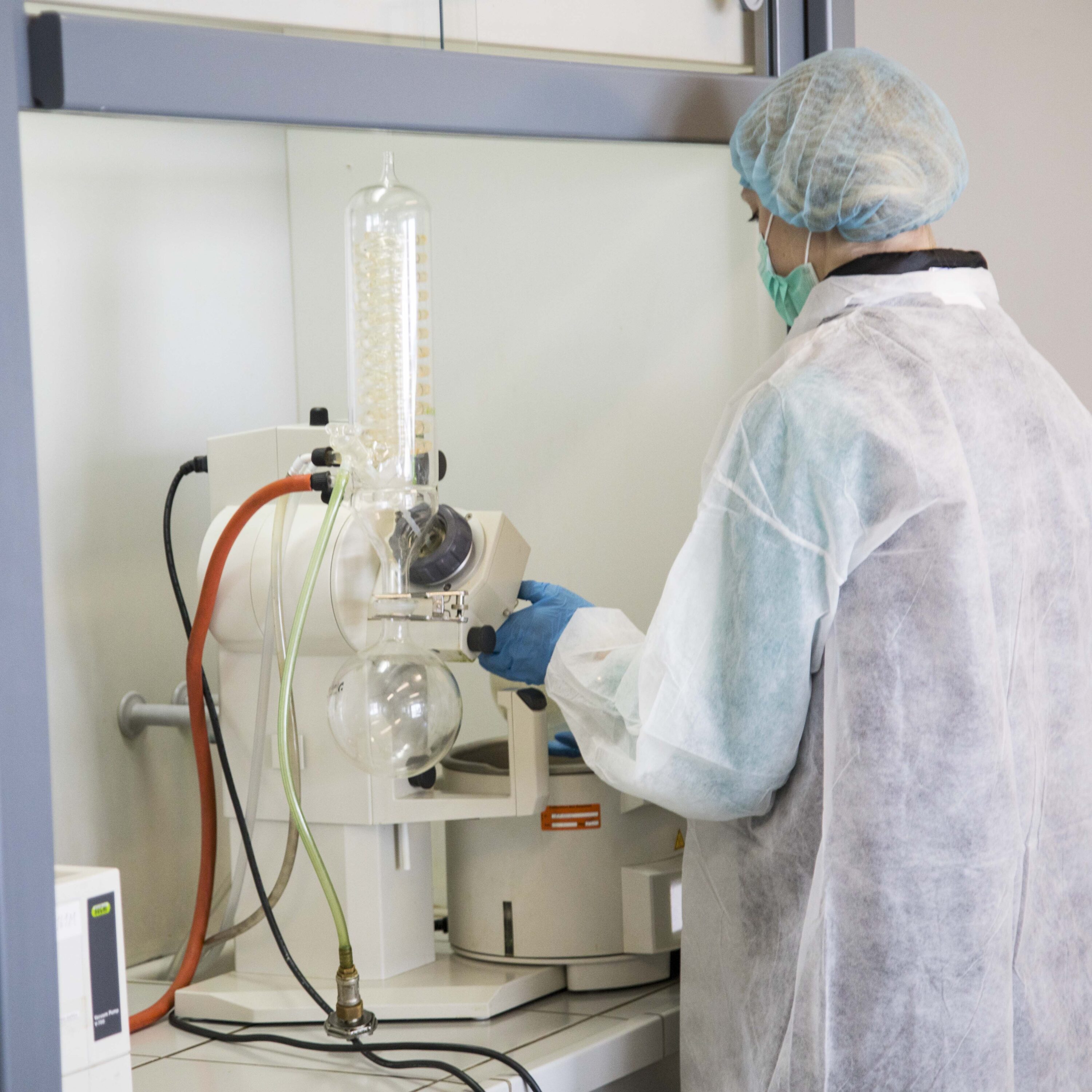
Furthermore, Endoca Extraction Services utilise ambient, closed-loop supercritical $\text{CO}_2$ extraction. Operating at low temperatures, this method eliminates the need for toxic hydrocarbon solvents entirely while preserving delicate, thermolabile terpenes and native plant decarboxylation profiles.
This is reinforced through a dual-tier analytical validation model. Every formulation undergoes in-house testing under cGMP and ISO 22000 certified conditions, followed by mandatory third-party verification from ISO/IEC 17025 accredited facilities. Consumers can scan a QR code on any product to access the Endoca Public Lab Database and verify the original 5-panel lab reports for themselves.
Step-by-Step Guide: How to Verify Your CBD COA
Before consuming any hemp-derived wellness supplement, follow this straightforward 5-step protocol to authenticate its safety and potency:
- Scan and Match the Batch Number:Locate the alphanumeric Lot/Batch number printed on your product’s bottle or outer box. Cross-reference this exactly with the batch number listed at the top of the COA.
- Verify Laboratory Accreditation:Ensure the document was produced by an independent facility listing a valid ISO/IEC 17025 accreditation number.
- Audit the Potency:Compare the total CBD milligrams per millilitre (or per serving) on the report to the advertised label claim. Ensure the Total THC level is strictly below the 0.3% legal threshold.
- Inspect the Contaminant Panels:Review the heavy metal, pesticide, and residual solvent panels. You should see “ND” (Not Detected) next to dangerous compounds like lead, arsenic, hexane, and myclobutanil.
- Confirm Completeness:Reject any product backed by a “partial COA.” If the report is missing microbial screenings, mycotoxin data, or pesticide analysis, the product has not been fully cleared for biological safety.
By prioritising products with fully transparent, complete batch lab reports and insisting on seed-to-shelf traceability, you can confidently navigate the hemp wellness market and secure supplements that are both safe and effective.