

 10Sep
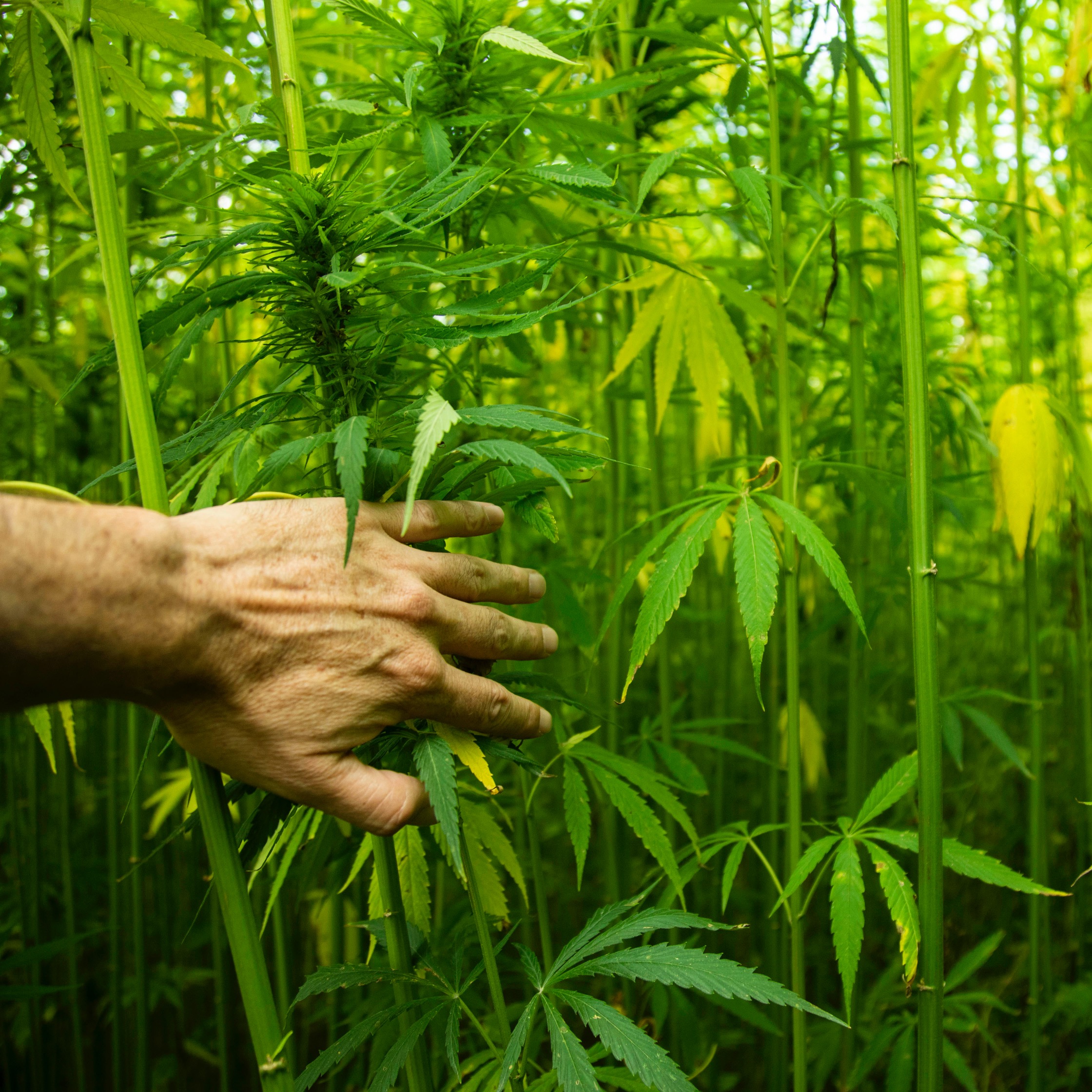
Raw CBDa is the acid form of CBD found in the living hemp plant. Heated CBD is what you get after the plant extract is warmed, which strips a carboxyl group from CBDa and turns it into CBD. So the difference is one chemical step. Whether that step matters to you is a separate question, and the research on it is still early.
What is raw CBDa oil, and how is it different from regular heated CBD?
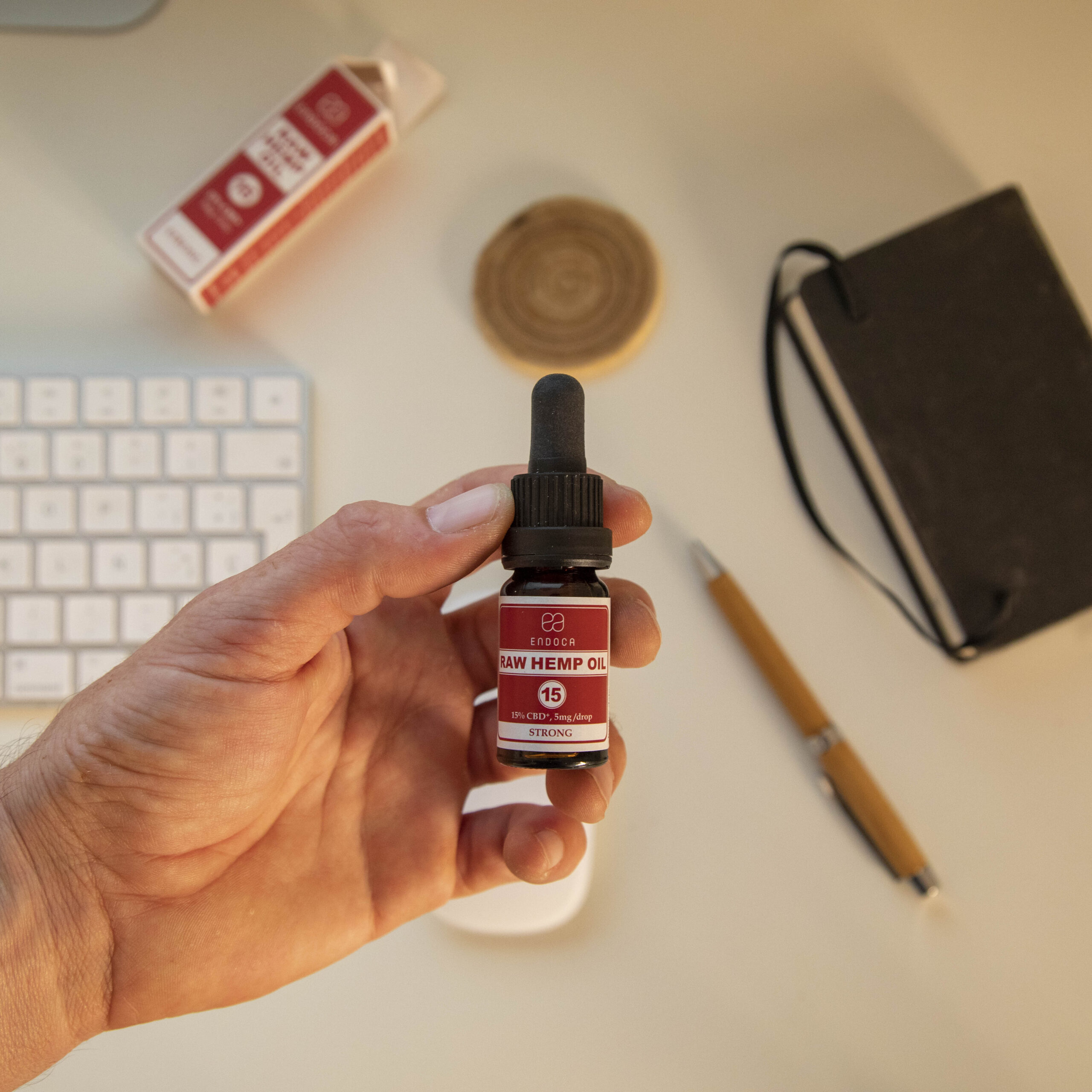
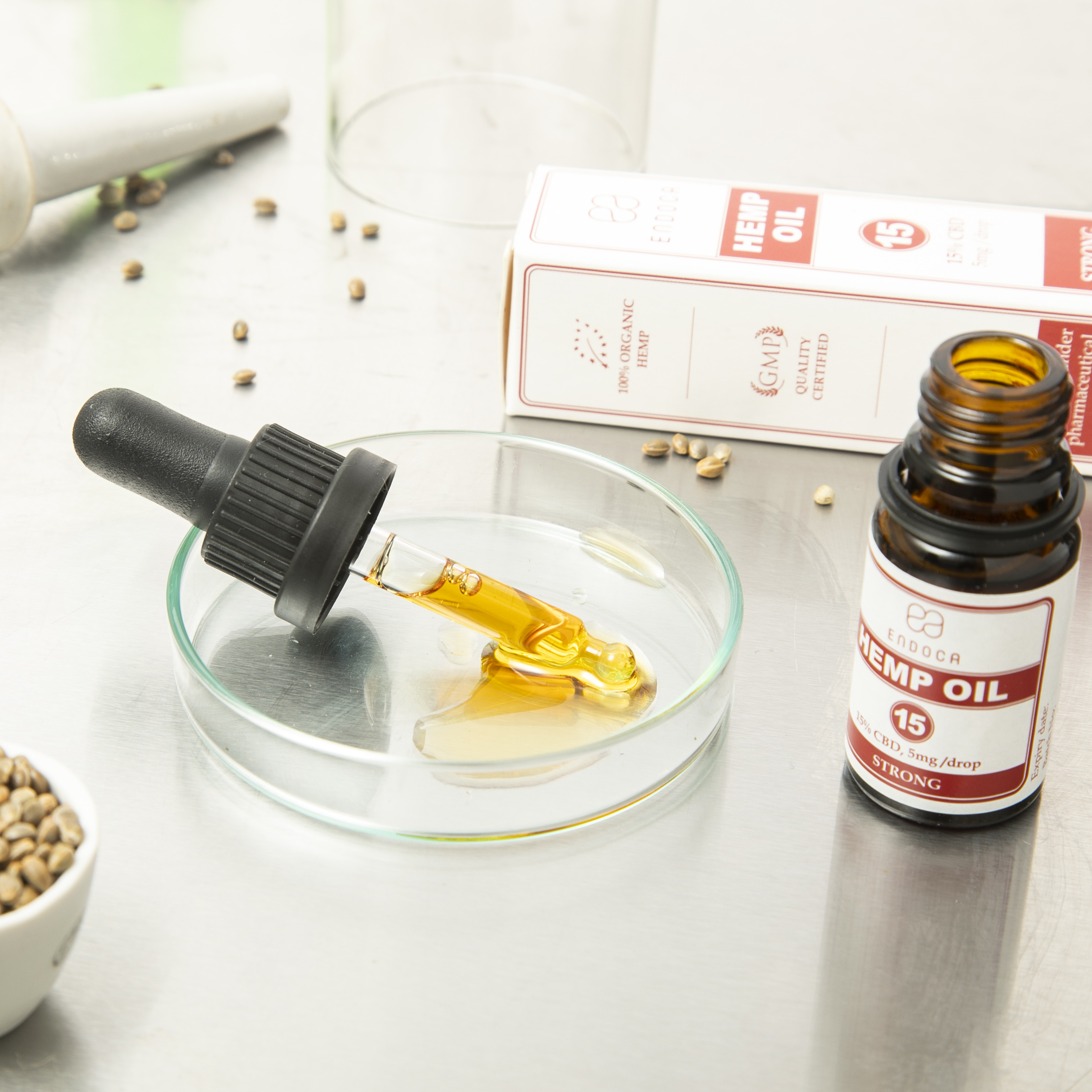
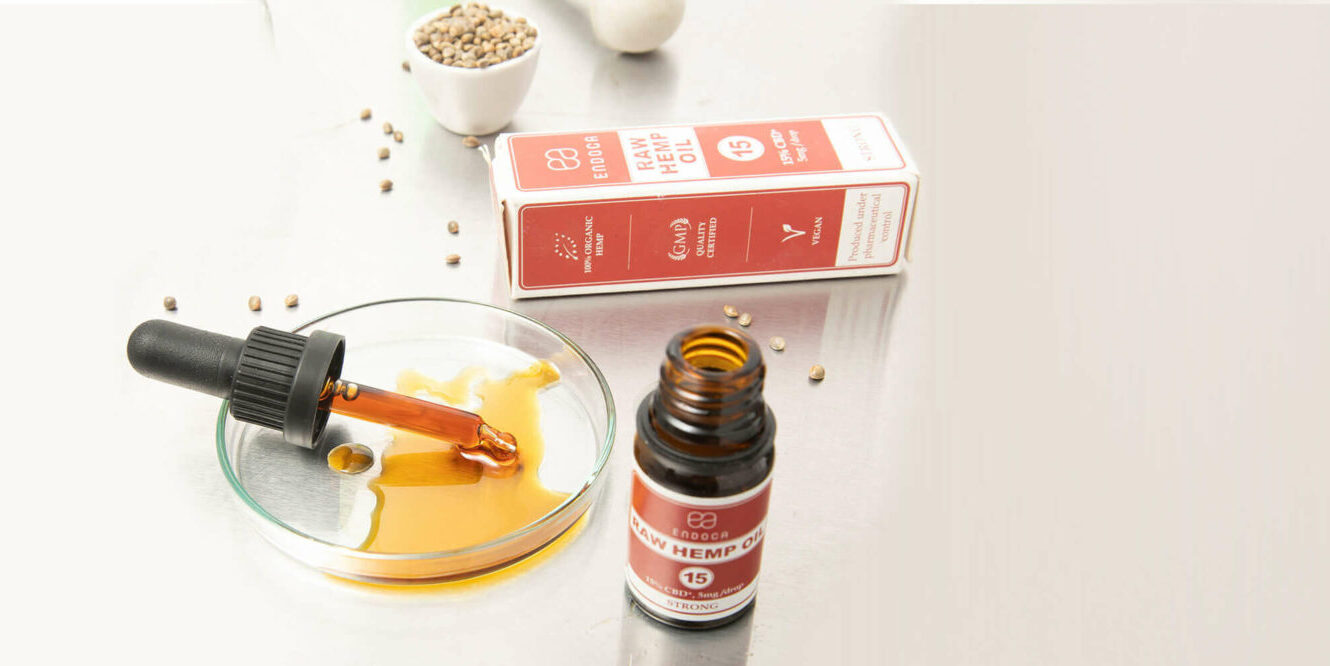
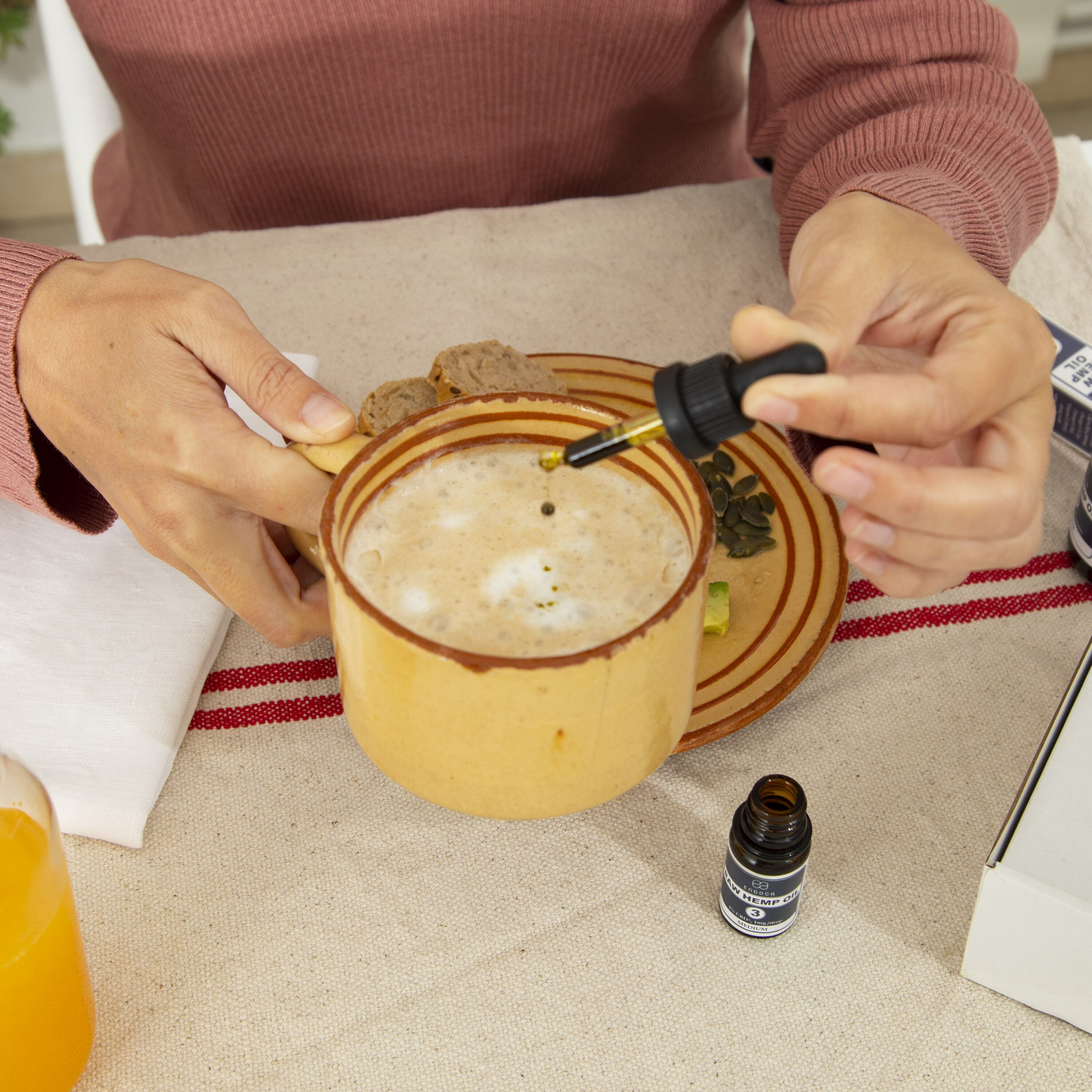
Raw CBDa oil is made without the heating step, called decarboxylation, so most of its cannabinoid content stays as CBDa. Regular CBD oil has been heated, so most of it is CBD. On a raw oil label you’ll usually see a combined figure, such as 30mg CBD+CBDa per ml. On a heated oil you’ll see CBD alone. Compare both types in our raw CBD and CBDa range and our CBD oil range.
Is CBDa absorbed better than CBD?
Possibly, but the evidence is thin. A few small studies, mostly in animals plus a handful of human pharmacokinetic studies, have found higher blood levels of CBDa than CBD after similar doses. That suggests CBDa may be absorbed differently. It doesn’t show that it does anything more for you. And absorption isn’t the same thing as effect.
What does the research on CBDa actually show?
Most CBDa research is in cell cultures and animals. It’s interesting laboratory science, but it hasn’t been confirmed in controlled human trials, and no CBDa product in the UK can carry a health claim. So treat any article promising a specific benefit from CBDa as getting ahead of the evidence. We go into the chemistry in more depth in our guide to raw CBD oil and CBDa.
Does heating destroy anything else?
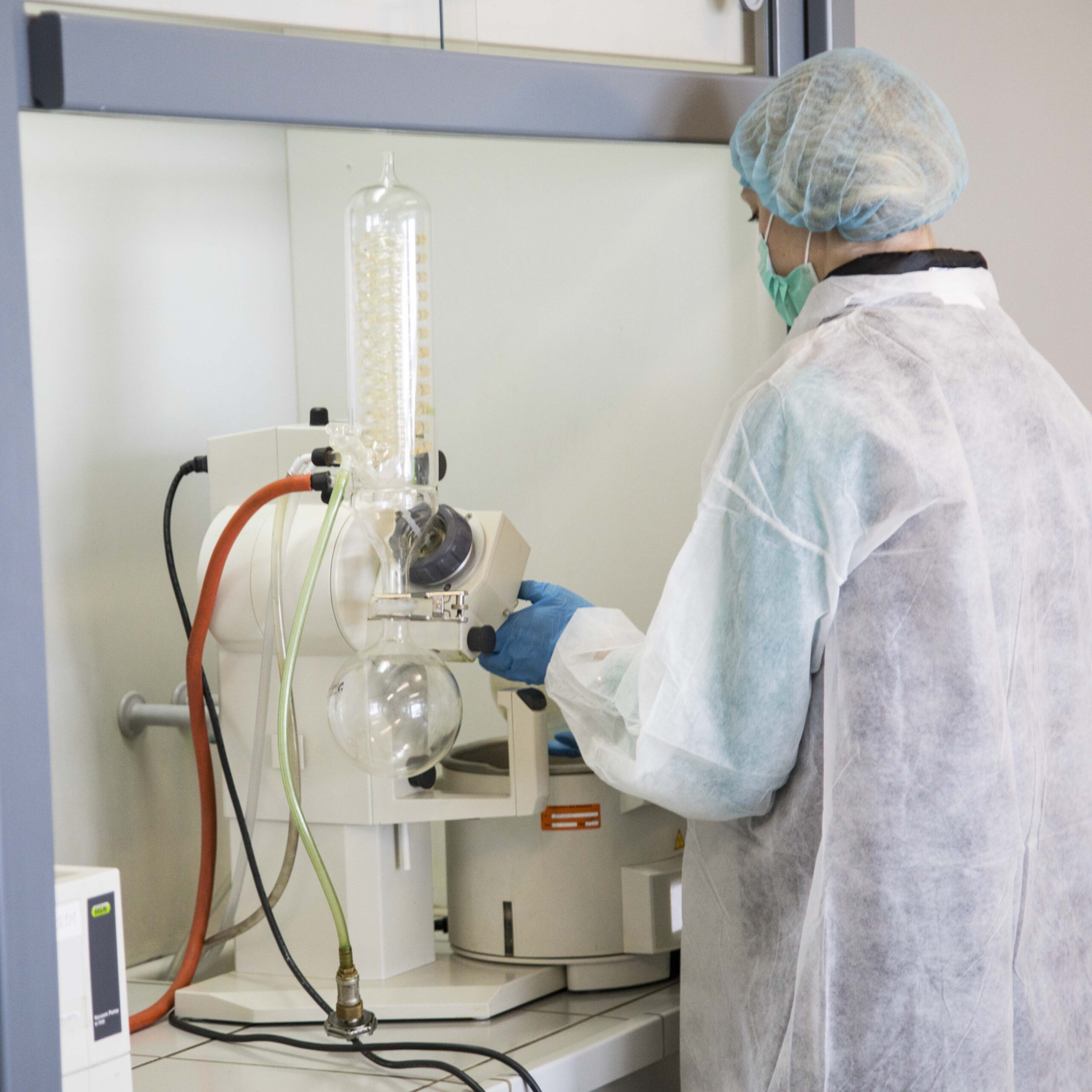
Heat also drives off some of the lighter terpenes, which is partly why raw oils often taste stronger and more “green”. Heated oils can taste milder. Neither is purer by default. Purity depends on the extraction method and what the lab finds, which you can check on the batch certificate. Our guide to how CBD is extracted explains where heat enters the process.
Raw CBDa vs heated CBD: which should you choose?
Choose raw if you want the cannabinoids closer to their natural form and don’t mind a stronger taste. Choose heated if you want the most-studied form, CBD, and a milder flavour. If you can’t decide, start with one, keep notes for two weeks, then try the other. Responses vary.
How to read a raw oil label
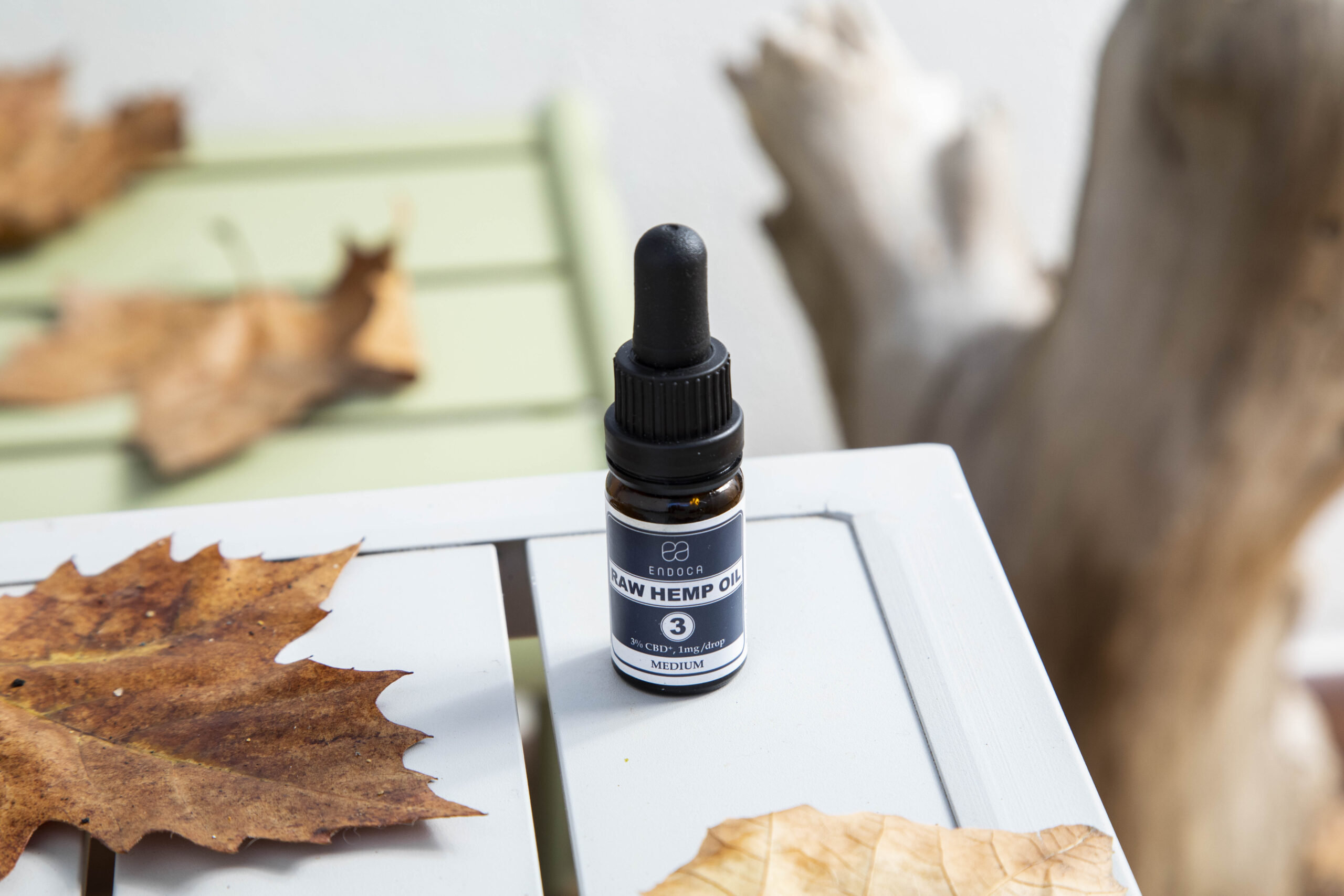
Check the CBD and CBDa figures separately on the certificate, then add them to get the total. For example, a raw 3% oil might list 18mg CBDa and 12mg CBD per ml, 30mg in total. In the UK, the FSA’s 10mg a day guidance refers to CBD, and it’s sensible to count CBDa towards that too until the guidance says otherwise. Our guide to reading a CBD COA shows where each line sits.
Frequently Asked Questions
Is CBDa stronger than CBD?
There’s no proof that it is. A few small studies suggest CBDa may reach higher blood levels than CBD after a similar dose, but that says nothing about effects. Compare products by CBD plus CBDa per ml on the certificate.
Can you take raw CBDa and heated CBD together?
Yes, many raw oils already contain both, because some CBDa converts naturally over time. There’s no evidence that combining them works better than either alone.
Does raw CBDa have psychoactive effects?
No. CBDa isn’t intoxicating, just like CBD. Full spectrum raw oils can contain trace THC, so check the batch certificate if you’re drug tested.
Why do most CBD products only contain heated CBD?
Heated CBD is the most-studied form, it’s simpler to standardise, and many extraction processes include heat anyway. Raw oils are a smaller category.
This article is for general information and isn’t medical advice. CBD products sold by Endoca in the UK are food supplements and aren’t intended to diagnose, treat, cure or prevent any disease. The FSA advises healthy adults to take no more than 10mg of CBD a day, and advises against CBD during pregnancy, while breastfeeding or alongside prescribed medication unless a doctor agrees.