

 10Sep
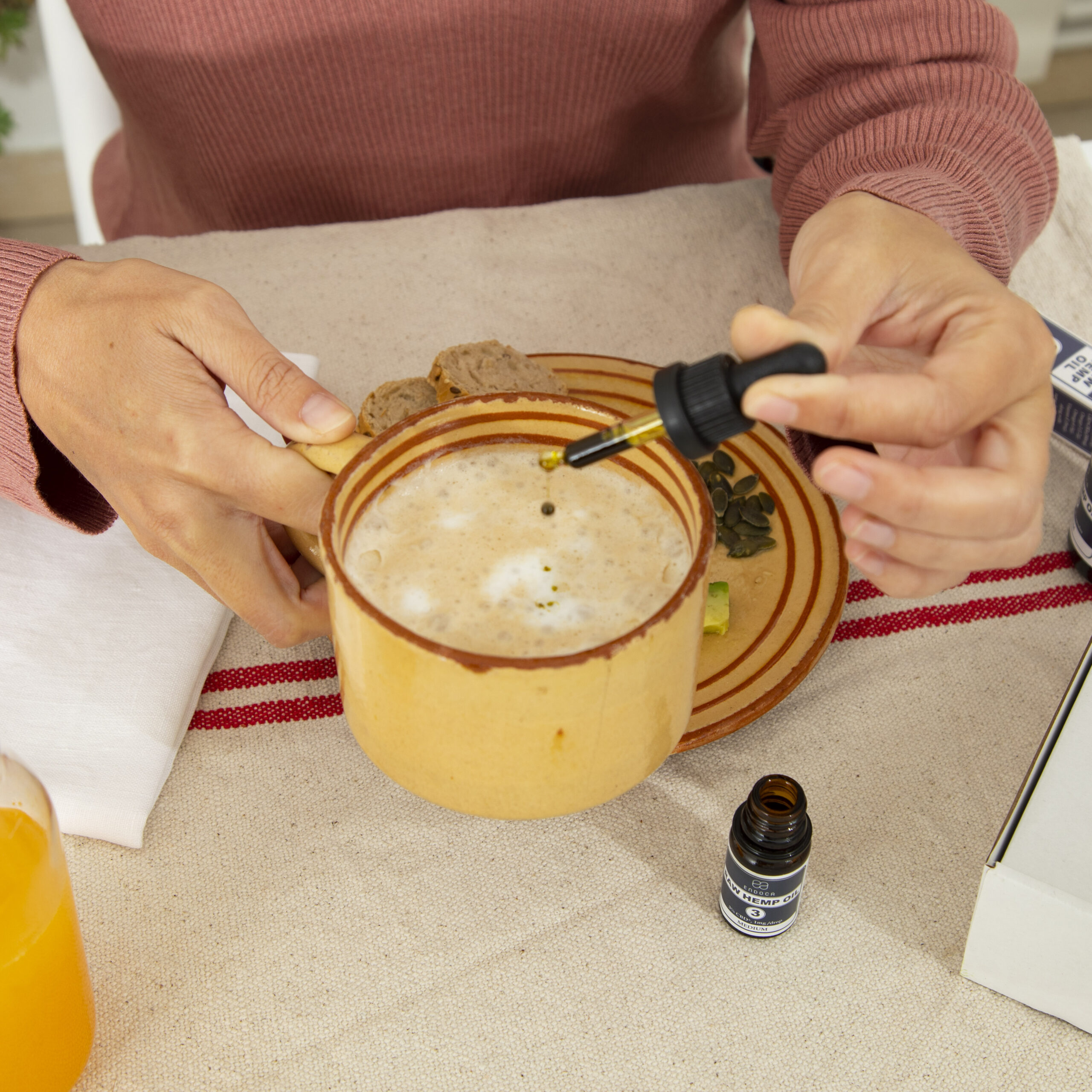
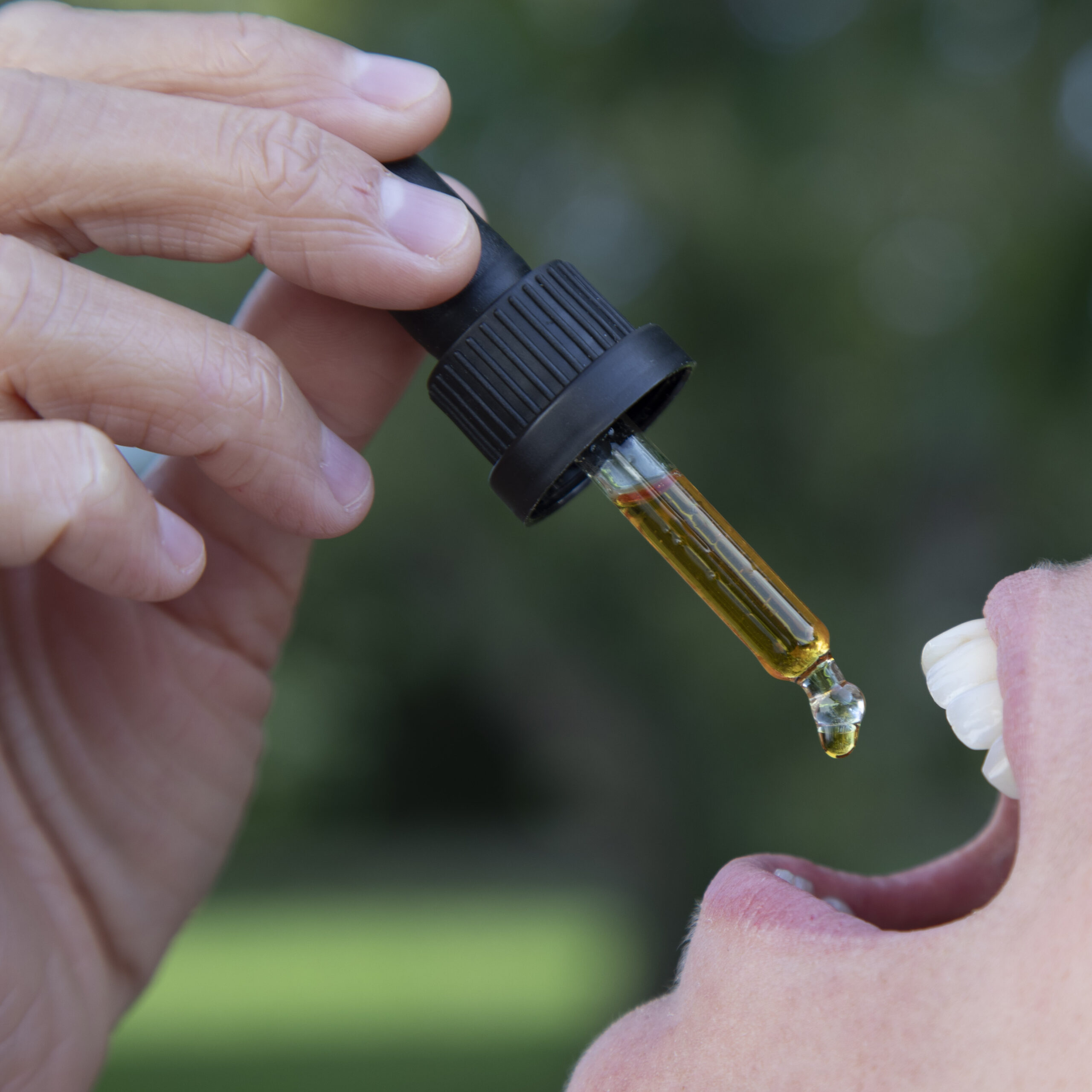
CBD on its own isn’t intoxicating, so the first thing most people feel is less than they expected. That’s normal. The amounts involved are small too: the Food Standards Agency advises healthy adults to limit CBD from food to 10 mg a day, which the FSA reckons is roughly four or five drops of oil at 5% strength.
Some people describe a faint change they struggle to name. Many feel nothing in particular. Below we cover why that happens, what the side effects are, who shouldn’t take CBD at all, and how to read a label before your first try. Our range of UK CBD oils is where most first-time buyers start comparing strengths.
Quick Answer
- CBD won’t make you high. THC is the controlled cannabinoid that does that.
- Feeling very little on your first try is the most common experience.
- Nobody can say in advance how CBD will feel for you; reports differ widely.
- The FSA’s 10 mg a day figure for healthy adults covers all CBD from food in a day.
- If you take medication, are pregnant or under 18, the FSA advises against CBD unless under medical direction.
Will CBD Get You High?
No. When the WHO’s expert committee reviewed CBD on its own in 2018, it reported that the substance was not found to have psychoactive properties. It doesn’t produce the high that THC does.
The law draws the same line. The Home Office drug licensing factsheet says CBD “as an isolated substance, in its pure form” falls outside the controls of the 1971 Misuse of Drugs Act. THC is different: it’s a controlled Class B cannabinoid.
There’s a practical twist. The same factsheet says it’s “highly likely” that CBD products will contain controlled cannabinoids such as THC, because extracts carry traces from the plant. So the certificate of analysis matters more than the front label. Our guide to reading a hemp lab report shows where the THC line sits.
Your First Time Taking CBD: What’s Typical
Expect a quiet first week. CBD doesn’t announce itself the way caffeine or a glass of wine does, and on a normal day a subtle change is easy to overlook.
Expectation does a lot of the work. If you’ve read that CBD brings a wave of something, an ordinary afternoon can feel like a let-down. But an ordinary afternoon is the usual result, and it tells you nothing is wrong with the product.
Your first few tries are rarely like for like, either. Drops on Monday and a capsule on Thursday, with lunch one day and without it the next: each of those changes what reaches your bloodstream. Our guide to the best time to take CBD oil covers the food side.
How Does CBD Make You Feel? The Range of Reports
There isn’t one answer. People who notice something tend to reach for gentle words, such as unhurried or steadier. Others report nothing, or only the taste of the oil. Responses vary, and we’re not going to promise you a particular result.
Several things shift it:
- How many milligrams you actually took, worked out from the label
- Whether it was drops, a capsule or a gummy
- Food in your stomach at the time
- Any medicines you take, and alcohol
- How closely you were watching for a change
Timing affects when anything shows up and how long CBD stays around. Our page on how long CBD stays in your system covers the half-life research.
How the FSA’s 10 mg Advice Shapes What You Notice
It keeps the amounts modest, and that’s partly why many people feel so little. The Food Standards Agency advises healthy adults to limit CBD from food to 10 mg a day. It’s precautionary advice from the regulator rather than a legal cap. It isn’t ours to change.
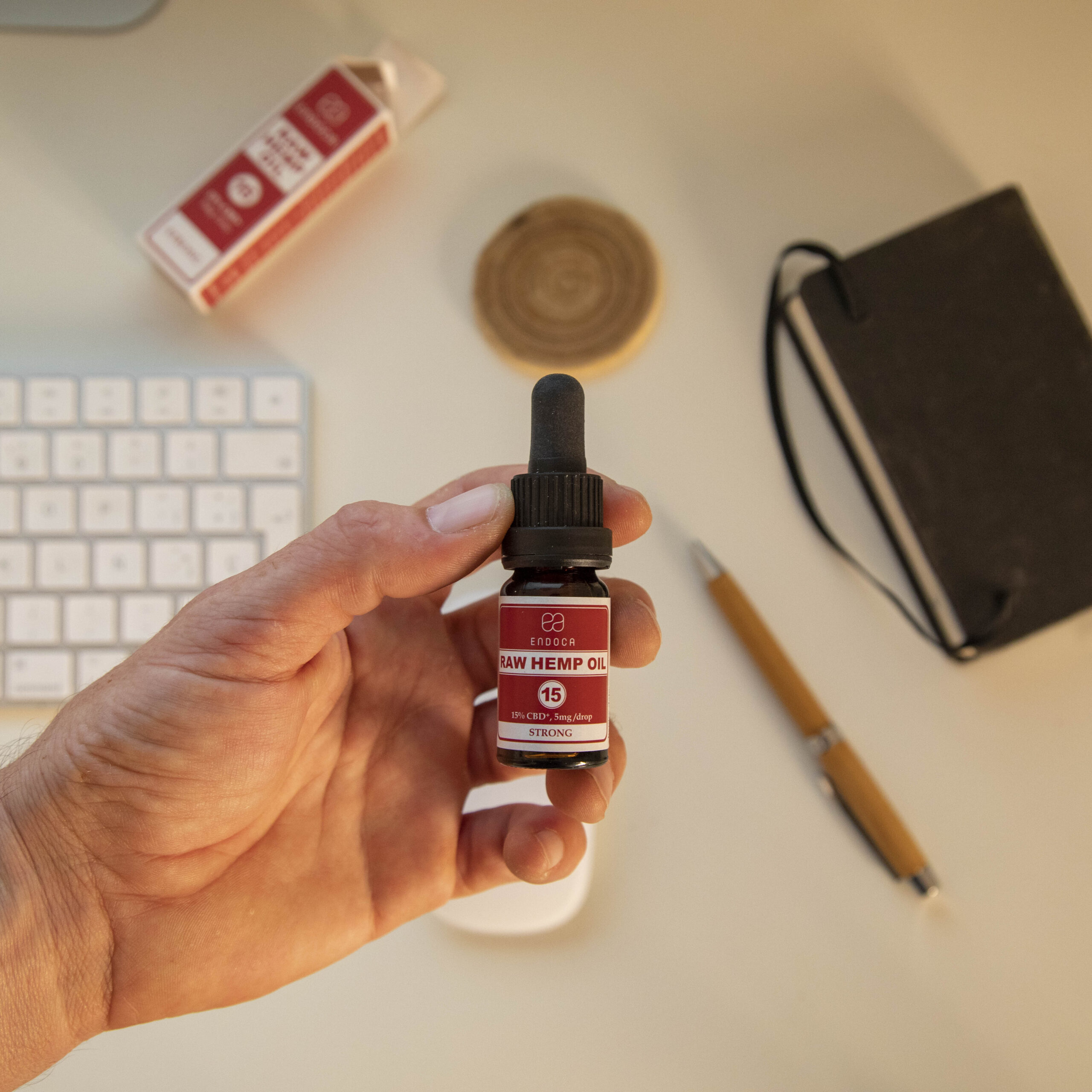
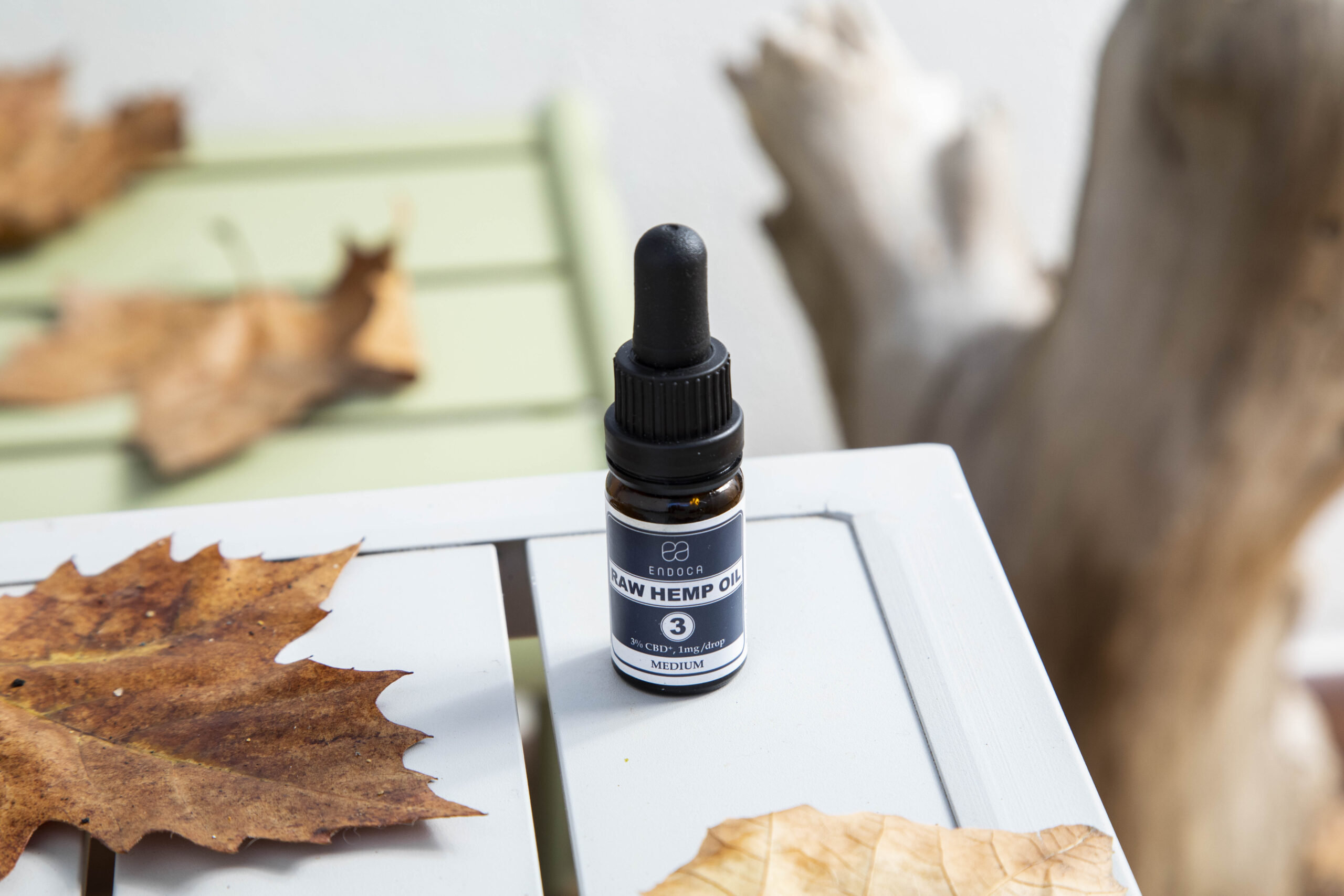
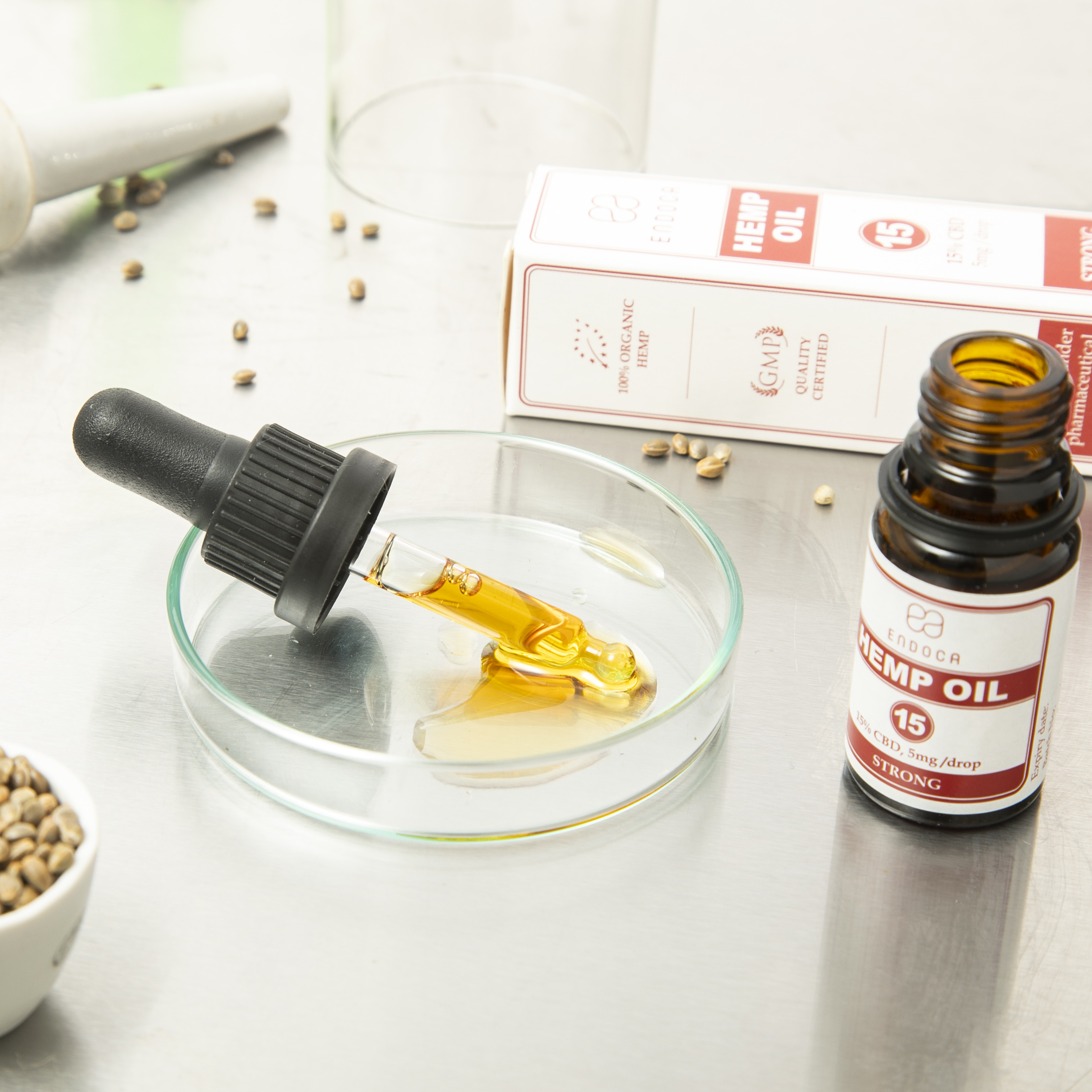
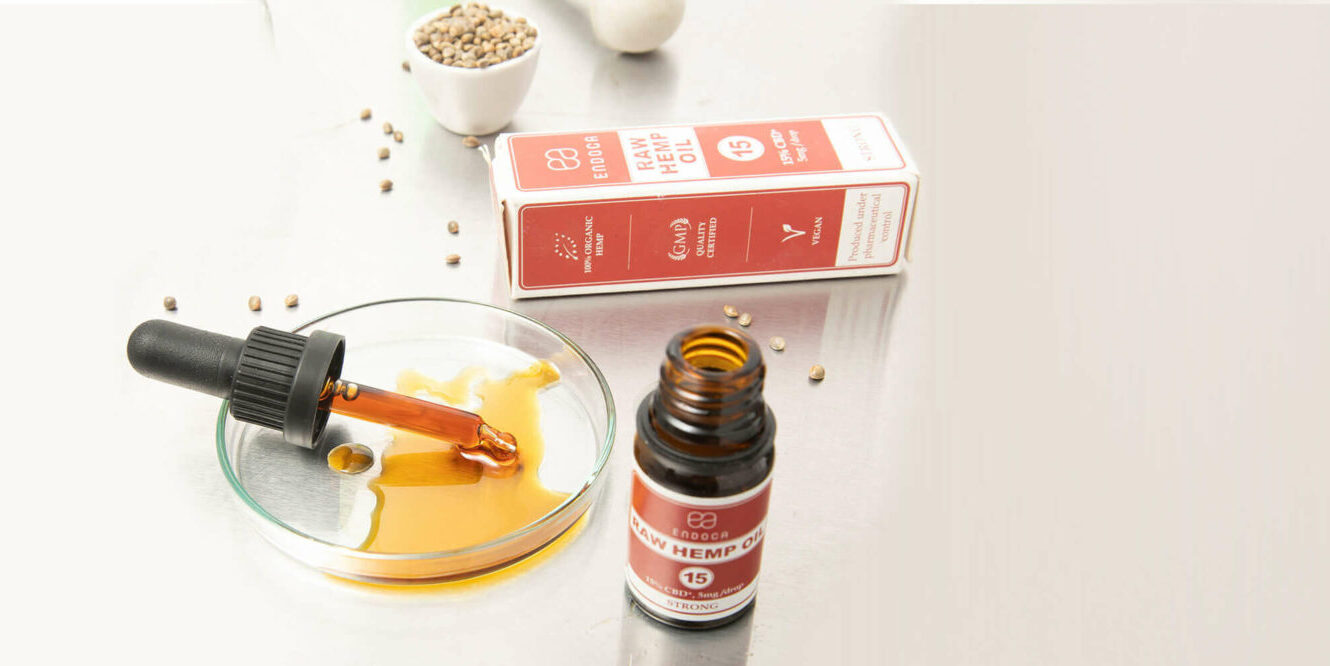
Here’s the label arithmetic with two hypothetical bottles. A 10 ml bottle of 5% oil holds 500 mg of CBD, or 50 mg per ml. A 10 ml bottle of 15% oil holds 1,500 mg, or 150 mg per ml.
On the FSA’s numbers, a 5% oil reaches 10 mg in four or five drops. A 15% oil is three times as strong, so a single drop or two of it reaches the same figure. Two bottles that look identical can sit on very different sides of the FSA’s advice.
Drops, Capsules and Topicals: Which Feels Different?
Format mostly changes the first thing you notice, which is taste or texture, rather than any feeling.
| Format | First impression | Counts towards the FSA’s food figure? | Drawback |
|---|---|---|---|
| Oil drops | Grassy, nutty taste under the tongue | Yes | Easy to miscount drops |
| Capsules | No taste at all | Yes | One capsule is a fixed amount you can’t halve |
| Topicals | The scent of the balm or cream | No, they aren’t eaten | Not comparable with anything you swallow |
If the taste of hemp oil is the obstacle, our capsule collection removes it. The 30-capsule, 300mg pot is linked to a validated novel food application on the FSA public list, filed as RP-251. That’s not authorisation, though. Listing simply lets us keep selling it until the FSA finishes assessing the application.
Side Effects, Medicines and Who Should Avoid CBD
CBD has side effects, and they’re worth knowing before you buy. The WHO’s 2018 critical review found CBD was usually well tolerated, with a good safety record. It also suggested that some of the reported problems could stem from CBD mixing with other prescribed drugs.
One controlled trial in the review gave 171 people either a prescription CBD medicine, at doses far above food levels, or a placebo. Diarrhoea was reported by 13% on CBD against 4% on placebo, and sleepiness by 14% against 8%. Liver test results rose sharply in 20 people on CBD and 1 on placebo.
The FSA’s concern is long-term. It points to evidence of adverse effects on the liver and thyroid, which underpins its 10 mg advice. It says these groups should avoid CBD unless a doctor directs its use:
- Anyone under 18
- People taking any medication
- People trying to conceive
- Anyone pregnant or breastfeeding
If you’re in any of those groups, speak to your GP or pharmacist before buying. And don’t drive until you know whether CBD makes you drowsy.
Judging Your First Few Weeks Fairly
- Choose one product and work out the mg per drop or capsule from the label.
- Check the batch number against its certificate of analysis.
- Add up the day’s total and set it against the FSA’s advice before you start.
- Keep the product, time and meal the same for a fortnight.
- Note one line a day, and “nothing” is a perfectly good entry.
What This Guide Can’t Promise You
No one can predict your own experience, and the research isn’t able to yet. Studies tend to measure blood levels and side effects rather than the everyday sensations people ask about.
The safety data have gaps too. The trial figures above come from people taking far larger amounts than any UK food product provides, alongside other medicines. And the FSA’s 10 mg figure is precautionary, set in October 2023 while the evidence on long-term use was still incomplete.
Frequently Asked Questions
Does CBD Feel Different the First Time?
Often it feels like very little. That’s the usual first experience, not a sign the product is faulty. Check the mg per drop on the label before you change anything.
Can CBD Make You Feel Sleepy?
It can. Sleepiness is among the side effects recorded in CBD trials. Keep your first try for an evening with no driving ahead, and skip alcohol with it.
Why Don’t I Feel Anything From CBD?
Partly because the amounts in food products are small, and partly because any change tends to be subtle. Responses vary, and feeling nothing is a common report.
Can I Take CBD With My Medication?
Speak to your GP or pharmacist first. CBD can interact with some medicines, and the FSA’s advice is that anyone on medication avoids CBD unless a doctor is directing its use.
How Much CBD Is in One Drop?
It depends on the strength. By the FSA’s count, 10 mg is four or five drops of a 5% oil. Stronger oils hold more per drop, so read the percentage first.
Before your first drop, read the percentage on the bottle, work out the mg per drop and add up the day against the FSA’s advice. Then give one product a fortnight before you decide anything.
This article is general information, not medical or legal advice. CBD food products are not intended to diagnose, treat, cure or prevent any disease. The Food Standards Agency advises healthy adults to limit CBD from food to 10 mg a day, and advises people who are pregnant, breastfeeding, trying to conceive, under 18 or taking medication not to take CBD unless under medical direction.