

 30Apr
30Apr
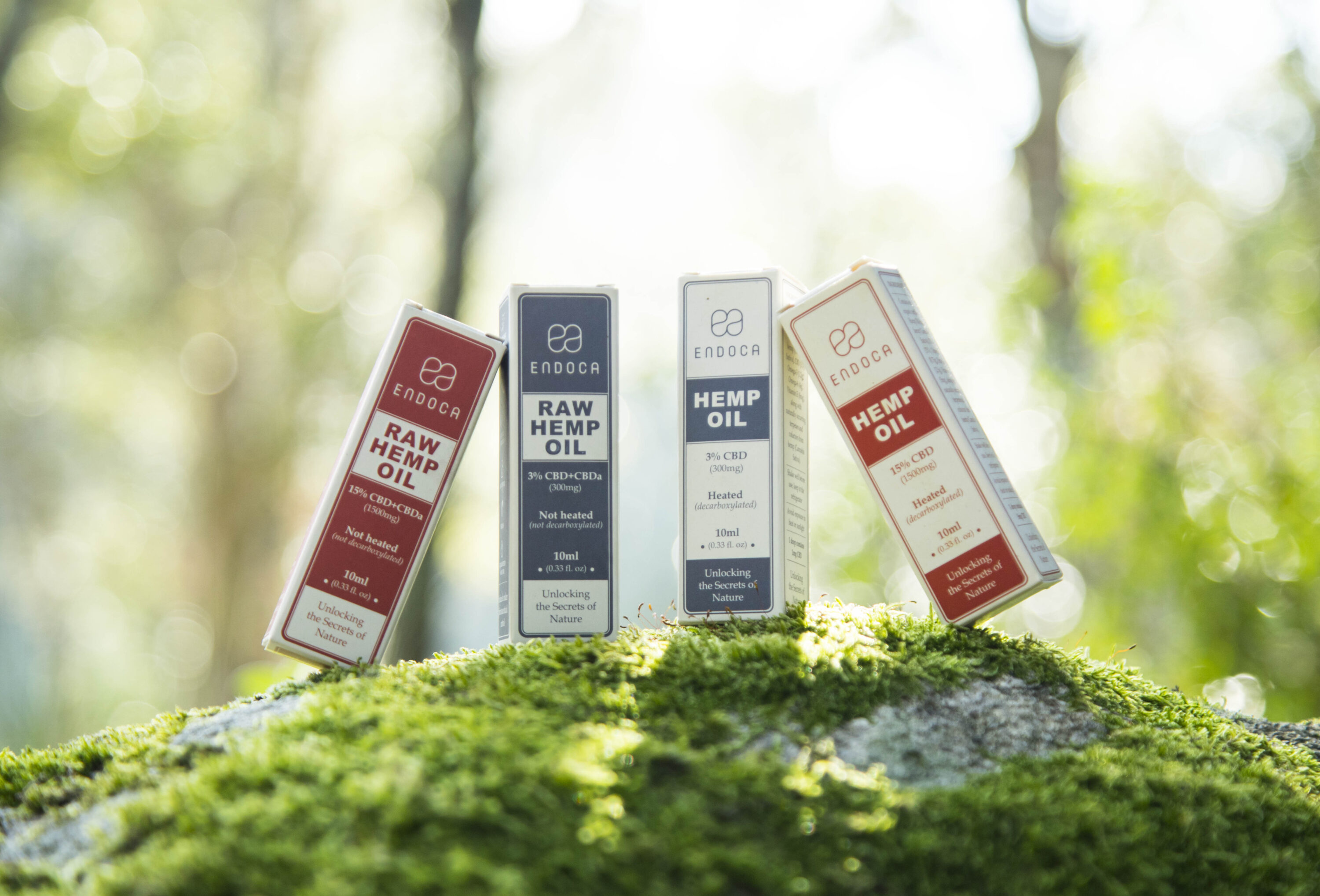
Hemp seed oil is cold pressed from hemp seeds and contains virtually no CBD. CBD oil is extracted from the flowers and leaves, where the cannabinoids actually are. Both come from the same plant and often sit in the same bottle, but they do completely different jobs and cost very different amounts.
Same plant, different part of it
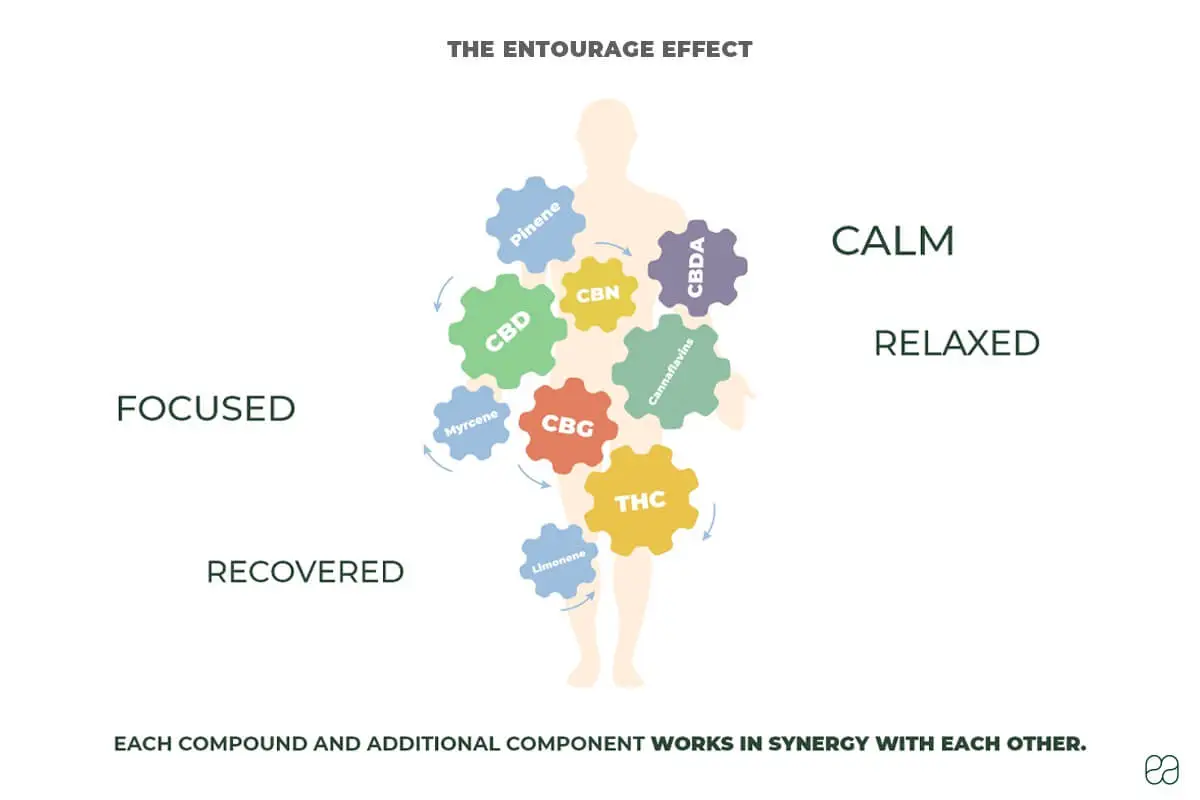
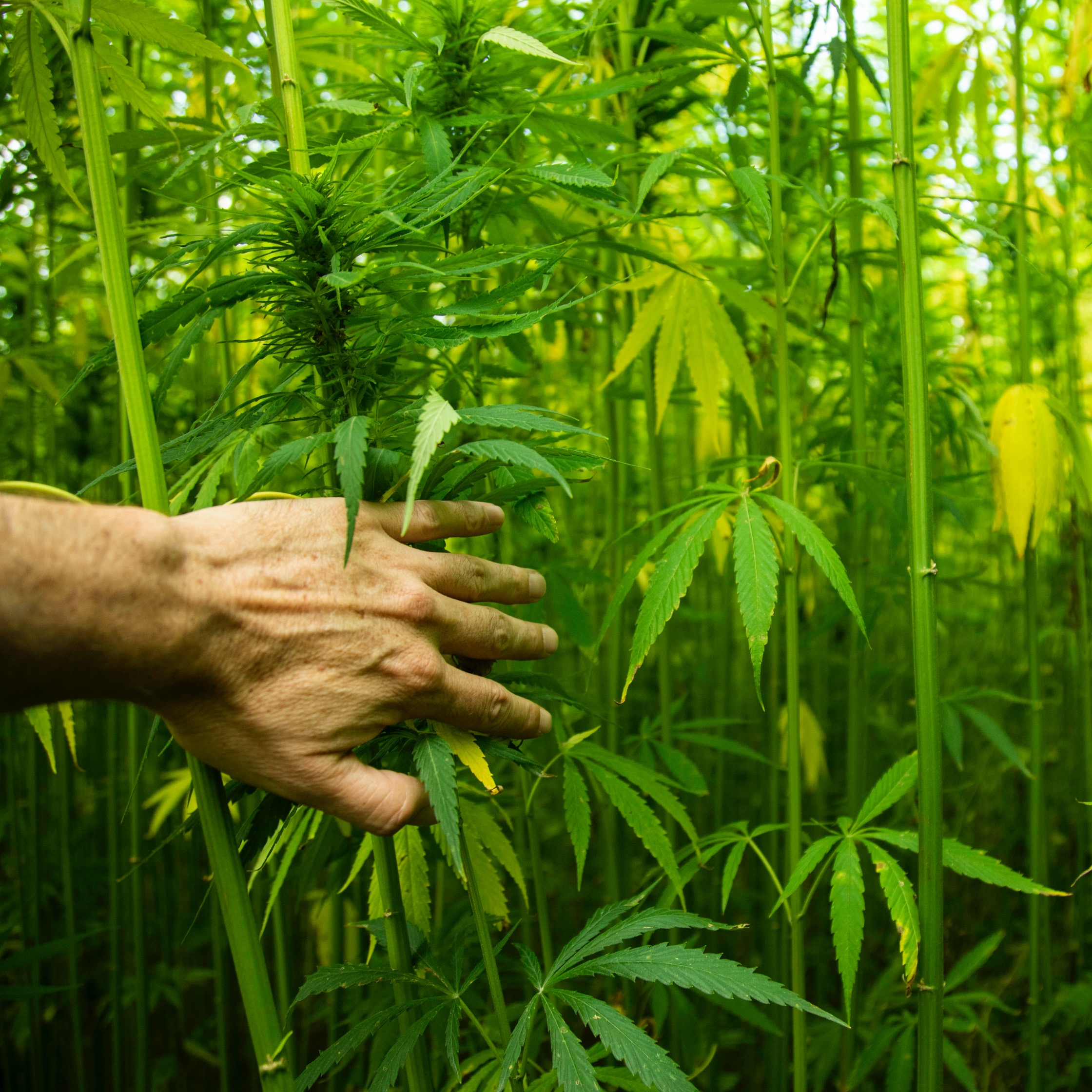
Hemp seeds contain no meaningful cannabinoid content. The CBD, CBDa, CBG and terpenes are concentrated in the flowers and upper leaves. So the part of the plant a product is made from decides what is in it. Press the seeds and you get nutritional oil. Extract the flowering tops and you get a cannabinoid extract. The plant on the label is identical either way, which is exactly why the two get mixed up.
What hemp seed oil is for
Hemp seed oil is a food and a skincare ingredient. It is rich in polyunsaturated fats with an omega-6 to omega-3 ratio of roughly 3:1, one of the more balanced ratios among culinary oils, and it contains gamma-linolenic acid and vitamin E. That makes it a good salad oil, a finishing oil for cold dishes, and a light, non-greasy facial oil. What it will not do is anything a cannabinoid does, because there is no meaningful cannabinoid content in it to begin with. Heat degrades it, so it is not a frying oil.
What CBD oil is for
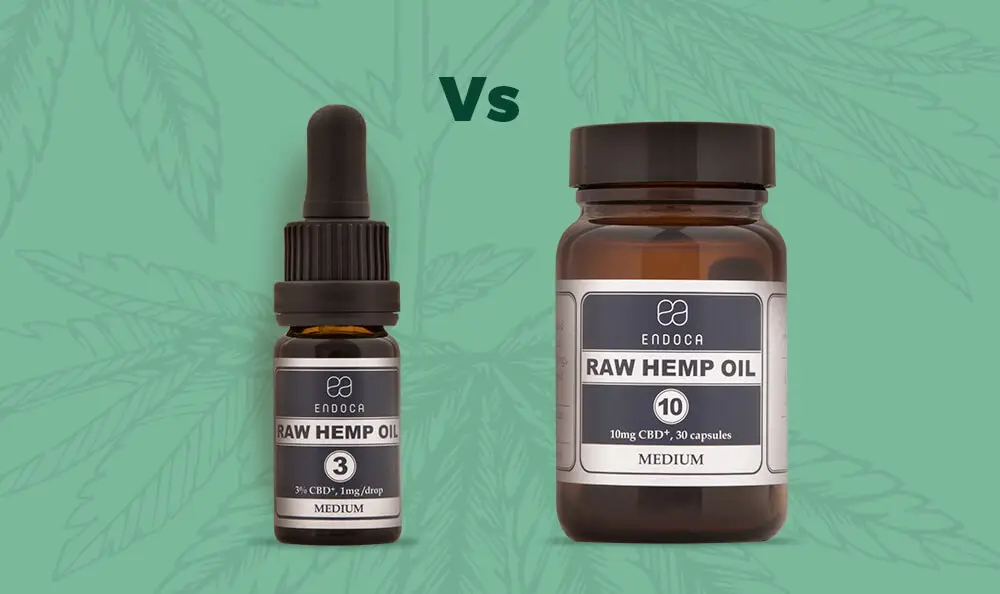
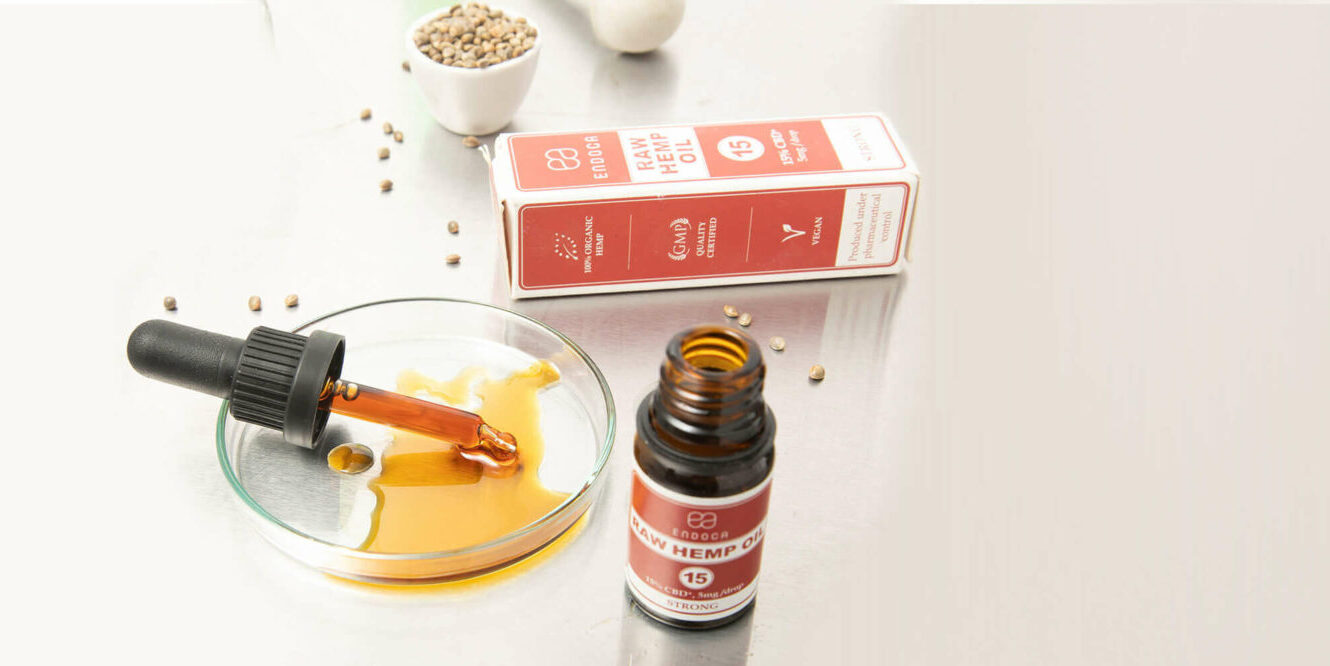
CBD oil is a hemp extract diluted into a carrier oil to a known strength. At Endoca that extract is drawn out with supercritical CO2, which uses no chemical solvents, then blended so that each bottle has a stated concentration such as 30mg/ml or 150mg/ml. The value is in the cannabinoids, so CBD oil is priced by milligram of CBD rather than by volume. It comes in small bottles for the same reason: a 10ml bottle of 15% oil holds 1,500mg of CBD, which is a lot of servings even though it looks tiny next to a litre of cooking oil.
The overlap that confuses almost everyone
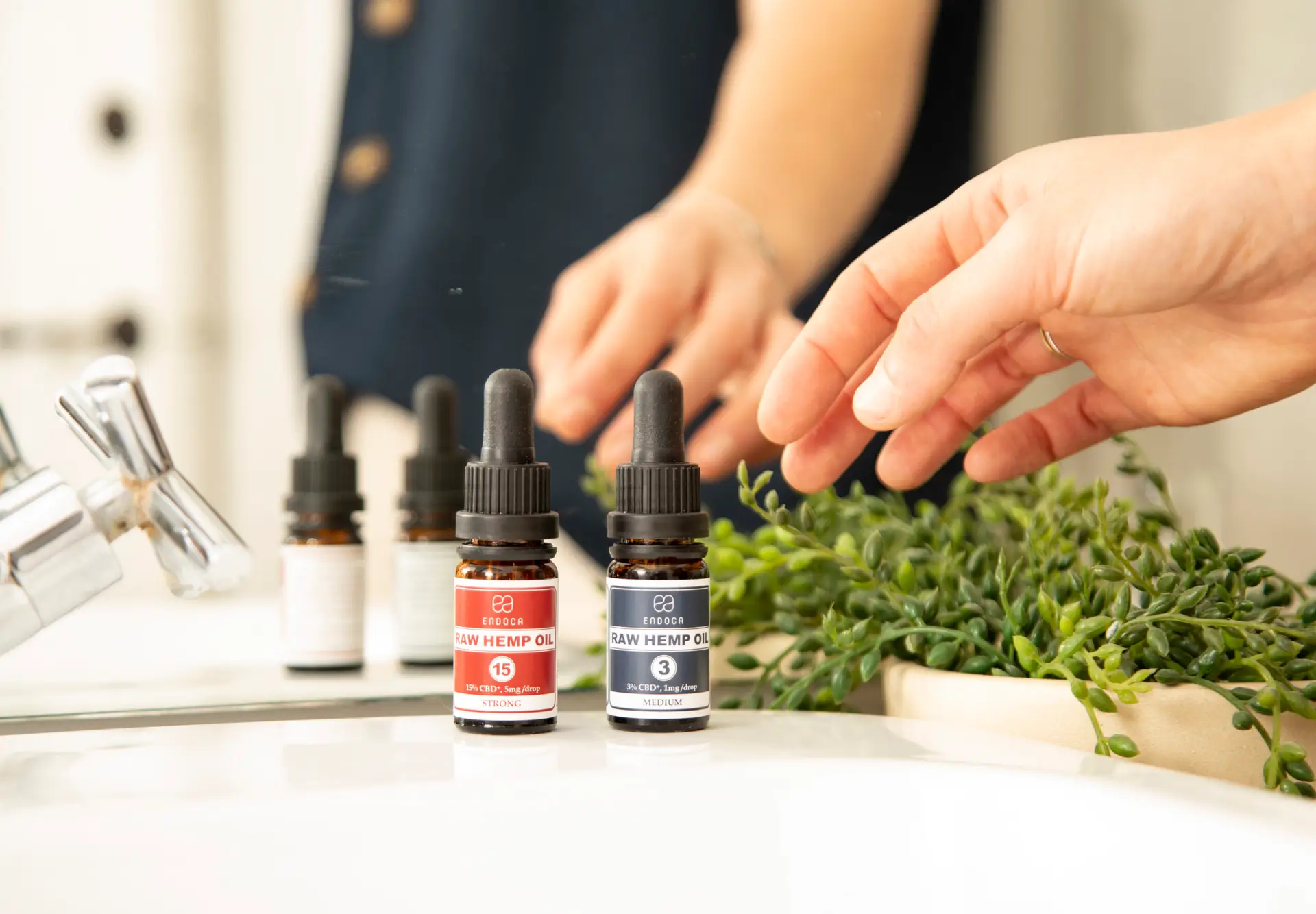
Here is the part most comparison articles miss: the carrier oil in a CBD product is very often hemp seed oil. Our own 15% drops are hemp extract blended into hemp seed oil. So a bottle can legitimately contain both. That is not a trick. The question is never “does it contain hemp seed oil”, it is “how much CBD is in it”.
Reading the label in thirty seconds
| Check | Hemp seed oil | CBD oil |
| Ingredient name | Cannabis sativa seed oil | Hemp extract, cannabidiol, CBD |
| CBD content stated | None, or “trace” | A specific mg or % figure |
| Made from | Seeds | Flowers and leaves |
| Typical bottle | 250ml to 500ml | 10ml to 30ml |
| Typical price | Low, sold by volume | Higher, priced per mg of CBD |
| Certificate of analysis | Rarely offered | Should be published per batch |
If the ingredients list says only Cannabis sativa seed oil and no milligram figure appears anywhere, you are holding a nutritional oil. That is fine if it is what you wanted.
Why the confusion exists at all
Two reasons, and neither is your fault. The first is regulatory. Large marketplaces have restricted cannabinoid sales for years, so sellers learned to describe these products in vaguer terms. “Hemp oil” became the phrase that got a listing approved. The second is that the phrase is genuinely ambiguous in ordinary use. A food producer saying hemp oil means seed oil. A supplement brand saying hemp oil usually means CBD extract. Both are using the words correctly, which is exactly why the ingredients panel settles the question and the front of the pack does not.
The “1000mg hemp oil” trap
On marketplaces that do not permit CBD sales, you will find large bottles advertised as “1000mg hemp oil” at a fraction of what CBD oil costs. In most cases that number describes the total weight of oil in the bottle, not cannabinoid content. Two quick tests. Work out the price per millilitre: genuine CBD extract is not cheap, and a 30ml bottle at supermarket-oil prices is not full of it. Then look for a batch lab report. If nobody will show you a cannabinoid breakdown, assume there is nothing to show.
Which one do you need
Buy hemp seed oil if you want a nutritious cooking oil or a light facial oil, and you are not looking for cannabinoids. Buy CBD oil if you want cannabidiol as part of a daily routine. Choose a strength you can serve in a few drops, decide whether you want full spectrum, broad spectrum or isolate, and check that an independent lab has confirmed the label. Plenty of people use both. They are complementary products, not competitors.
A thirty second checklist before you buy
- Find the ingredients list, not the marketing copy.
- Look for a cannabinoid figure in mg or a percentage. No figure means no CBD worth counting.
- Check the bottle size against the price and work out the cost per millilitre.
- Find the batch lab report and match its batch number to the one on your bottle.
- If seed oil is what you wanted, steps 2 to 4 do not apply. Buy on freshness, pressing method and how it has been stored instead.
Frequently asked questions
Is hemp oil the same as CBD oil?
Not necessarily. “Hemp oil” is used loosely for both hemp seed oil and CBD oil, which is the root of the confusion. Look for a stated CBD figure to know which one you have.
Does hemp seed oil contain CBD?
Only trace amounts, usually from flower matter picked up during harvesting. It is far too little to matter.
Is hemp seed oil cheaper than CBD oil?
Considerably. Seeds are pressed; cannabinoids have to be extracted and refined from a much smaller yield.
Will hemp seed oil show up on a drug test?
No. It contains no meaningful THC.
Can I get CBD by eating hemp seeds?
No. Hemp seeds are a good source of protein and essential fats, but they carry no meaningful cannabidiol.
Which one is better for cooking?
Hemp seed oil, and only cold. Heat damages its fatty acids, so keep it for dressings rather than frying. CBD oil is not a cooking oil at all.
Can I use hemp seed oil on my skin?
Yes. It absorbs quickly, does not clog pores for most skin types, and is a common base in natural skincare, including several of ours.