
 26Apr
26Apr
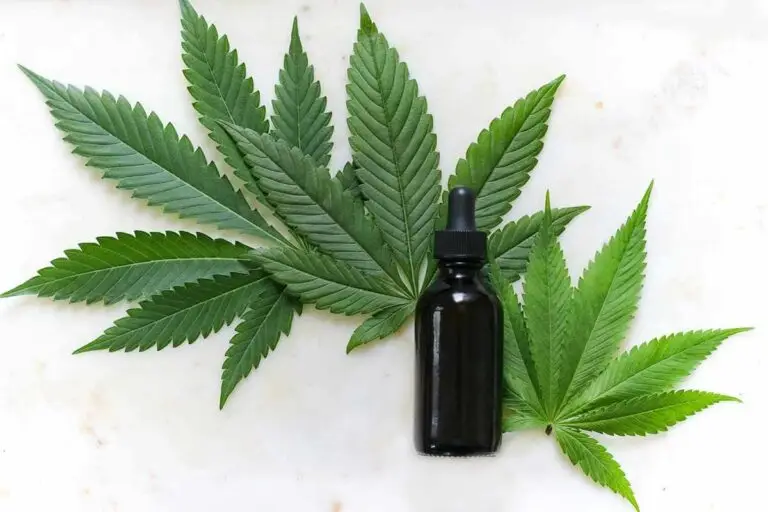
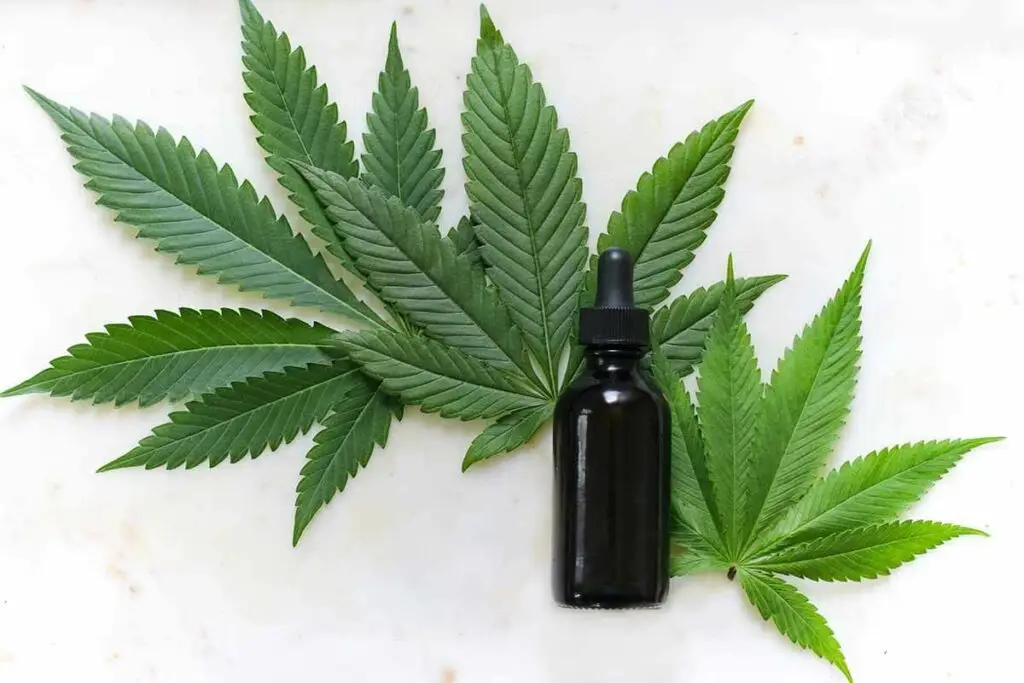
Raw CBD oil is hemp extract that has never been heated, so it still contains CBDa, the acidic form of cannabidiol that the living plant actually produces, alongside CBD. Heated oils have had that CBDa converted into CBD. Both come from the same plant and the same extraction, and the difference between them is one processing step.
This is a guide to what that step changes, what CBDa is, what the research does and does not show about it, and how to decide which of the two suits you.
What raw CBD oil and raw hemp extract mean
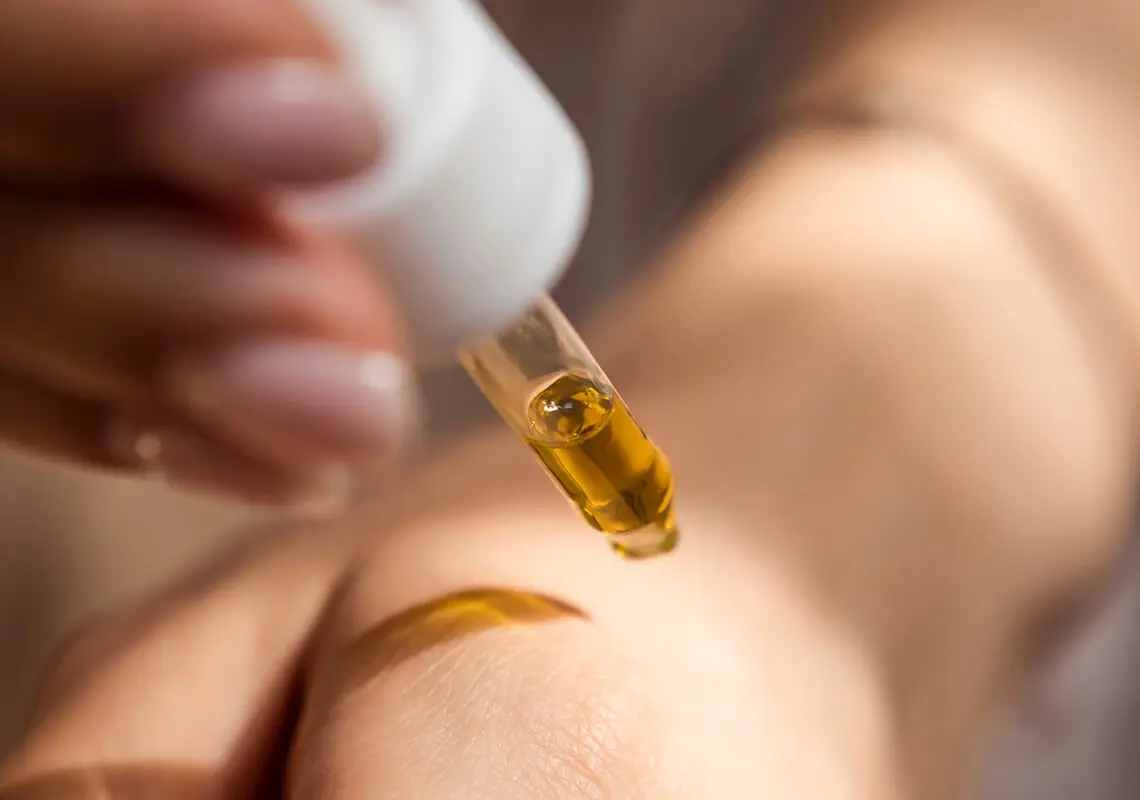
Raw CBD oil, sometimes sold as raw hemp oil, raw hemp extract or CBDa oil, is an extract taken from the hemp plant and then left alone. It is filtered, but it is not heated and not decarboxylated. Nothing is added and nothing is converted.
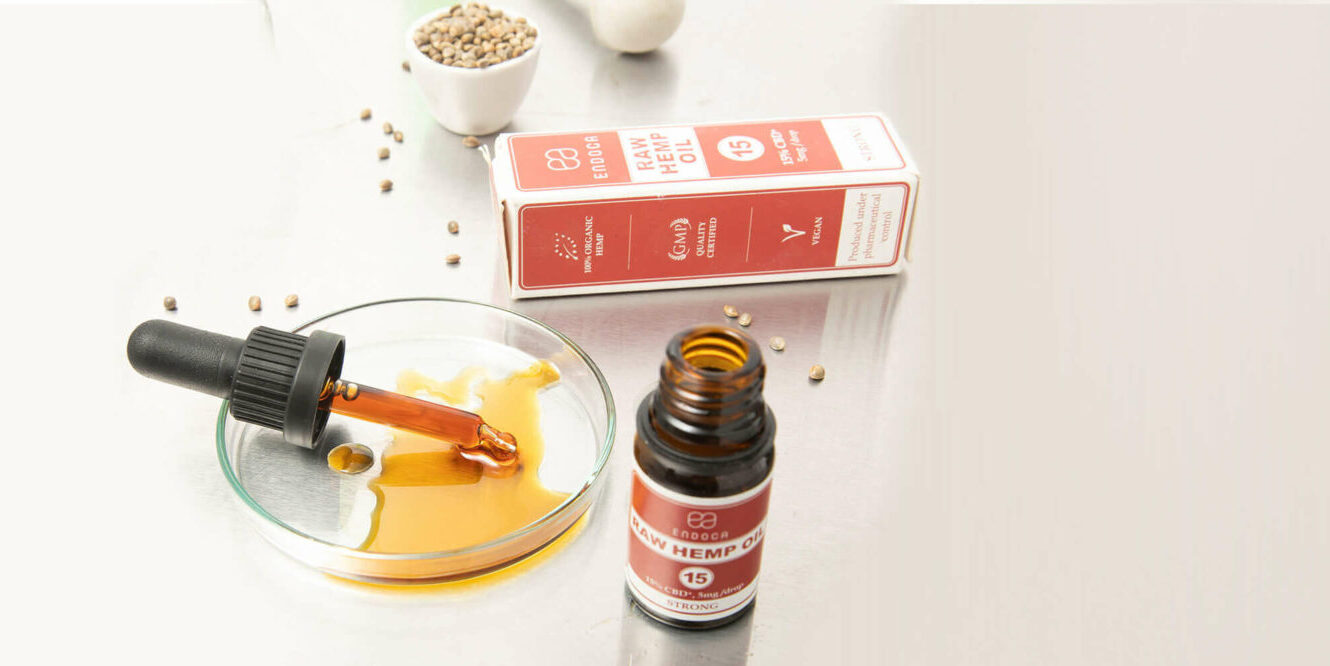
You can usually tell one by looking at it. Raw extracts are darker, greener and thicker than heated oils, because the plant waxes, chlorophyll and other whole-plant material are still present, and they taste stronger and more vegetal for the same reason. Endoca’s RAW oil also carries flavonoids such as quercetin and apigenin, terpenes including myrcene, limonene and beta-caryophyllene, and omega-3, omega-6 and vitamin E from the hemp seed oil base.
A raw label is a statement about processing, not about strength. Endoca’s RAW CBD Oil 30mg is 3% total cannabinoids, listed on the label as CBD+CBDa, which works out at around 1mg of CBD+CBDa per drop and 300mg in a 10ml bottle.
CBDa vs CBD: what the acid form actually is
Here is the part most CBD pages skip: the hemp plant does not produce CBD. It produces CBDa.
Inside the living plant, an enzyme pathway builds cannabigerolic acid (CBGa), the precursor compound, and further enzymes convert it into three acids: cannabidiolic acid (CBDa), tetrahydrocannabinolic acid (THCa) and cannabichromenic acid (CBCa). Every cannabinoid you have heard of exists in the fresh plant in this acidic form.
CBDa is CBD with an extra carboxyl group attached to the molecule. Apply heat and that group leaves as carbon dioxide, and what remains is CBD. That reaction is called decarboxylation, and it is the only chemical difference between the two compounds.
The clearest illustration is THC. Fresh cannabis contains THCa, which is not intoxicating. Eating raw cannabis leaf does nothing, because the THCa has not yet become THC. Heating it converts THCa to THC and produces the effect. The same conversion happens with CBDa and CBD, without intoxication in either state, since neither CBDa nor CBD is intoxicating.
| CBDa | CBD | |
|---|---|---|
| What it is | Cannabidiolic acid, the acidic form with a carboxyl group attached | Cannabidiol, the same molecule after that group is removed |
| Where it comes from | Made by the living plant from CBGa | Produced when CBDa loses its carboxyl group |
| How it is produced | Extraction without heat, then no further processing | Extraction followed by controlled heating |
| What heat does to it | Converts it into CBD and releases carbon dioxide | Nothing further, as it is already the decarboxylated form |
| Research base | Limited, and mostly cell and animal studies | Much larger, including human clinical trials |
| On a lab report | Listed as its own line, often the larger figure in a raw extract | Listed separately, and the dominant figure in a heated oil |
What the research on CBDa actually shows
This is where the category tends to overclaim, so it is worth being precise.
CBD has been studied extensively in people, including the clinical trial programme behind a licensed prescription medicine. CBDa has not. Most published work on CBDa is preclinical, meaning cell cultures and animal models rather than human subjects. A 2012 paper in the British Journal of Pharmacology reported that CBDa acted on 5-HT1A serotonin receptors in animal models, and did so at lower concentrations than CBD in the same tests. That is a finding about receptor activity in animals. It does not tell you what CBDa does in a person.
You will also see claims that CBDa is better absorbed than CBD. Comparisons of that kind have been published in animals, not in people, and there is no established human bioavailability comparison between the two. Anyone telling you CBDa is several times stronger than CBD is going well beyond the evidence.
The honest position is this. CBDa is the form the plant makes, raw extracts preserve it, and the research on it is genuinely early. Wanting the extract closer to the plant is a reasonable preference. It is not the same thing as a proven advantage.
What decarboxylation does
Decarboxylation is the heat-driven reaction that turns the acid form into the neutral form by removing a carboxyl group as carbon dioxide. CBDa becomes CBD, and THCa becomes THC.
It happens quickly with heat and slowly on its own. Time, light and air will decarboxylate a cannabinoid gradually, which is one reason raw products are best kept cool and dark.
Producers decarboxylate for practical reasons. It gives a higher CBD figure on the label, since the CBDa is counted as CBD once converted, it produces a lighter, milder extract, and it matches what most customers expect when they read the word CBD. The trade is that it removes the acidic cannabinoids and some of the most volatile aromatic compounds. Done carelessly at high heat, it degrades more than it converts, which is why the temperature and the duration matter as much as the fact of doing it at all.
Why Endoca makes both raw and decarboxylated hemp extract
Endoca produces both, and neither range is presented as the upgrade. They are two versions of the same extract, taken to different points. The raw range is for people who want the extract as close as possible to what came out of the plant, acidic cannabinoids included. The decarboxylated range is for people who want a higher CBD number, a lighter taste and a more familiar product. Both are made from the same hemp, on the same farms, through the same extraction.
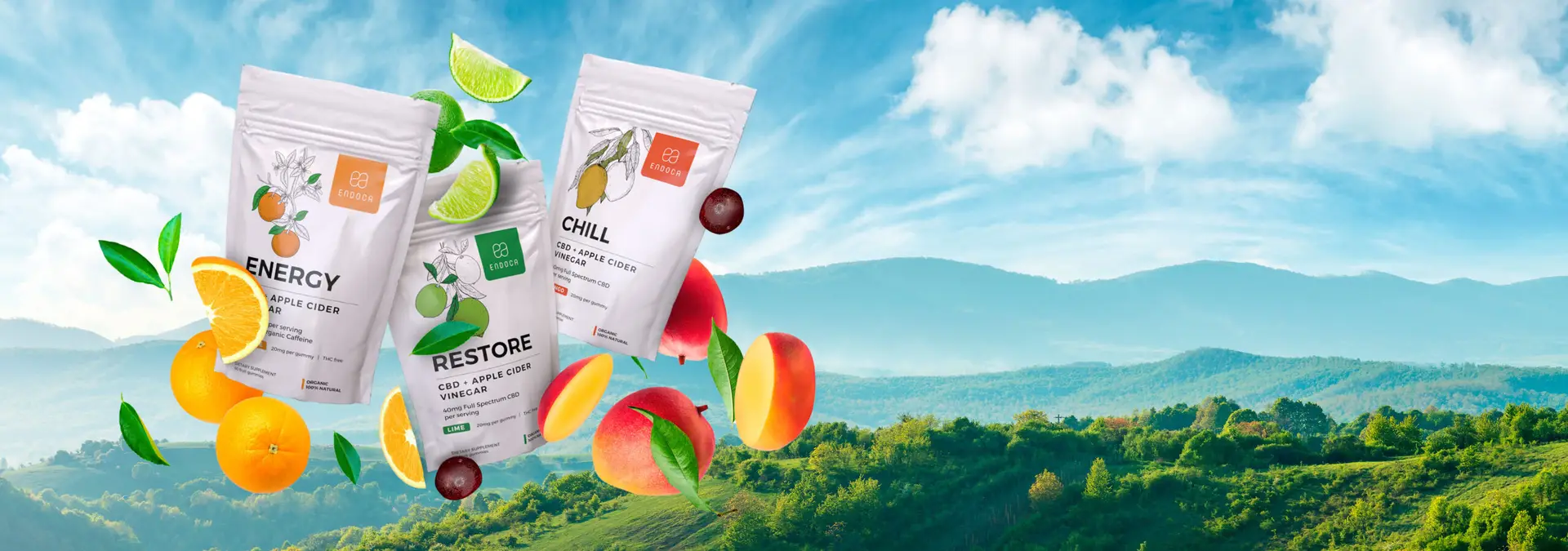
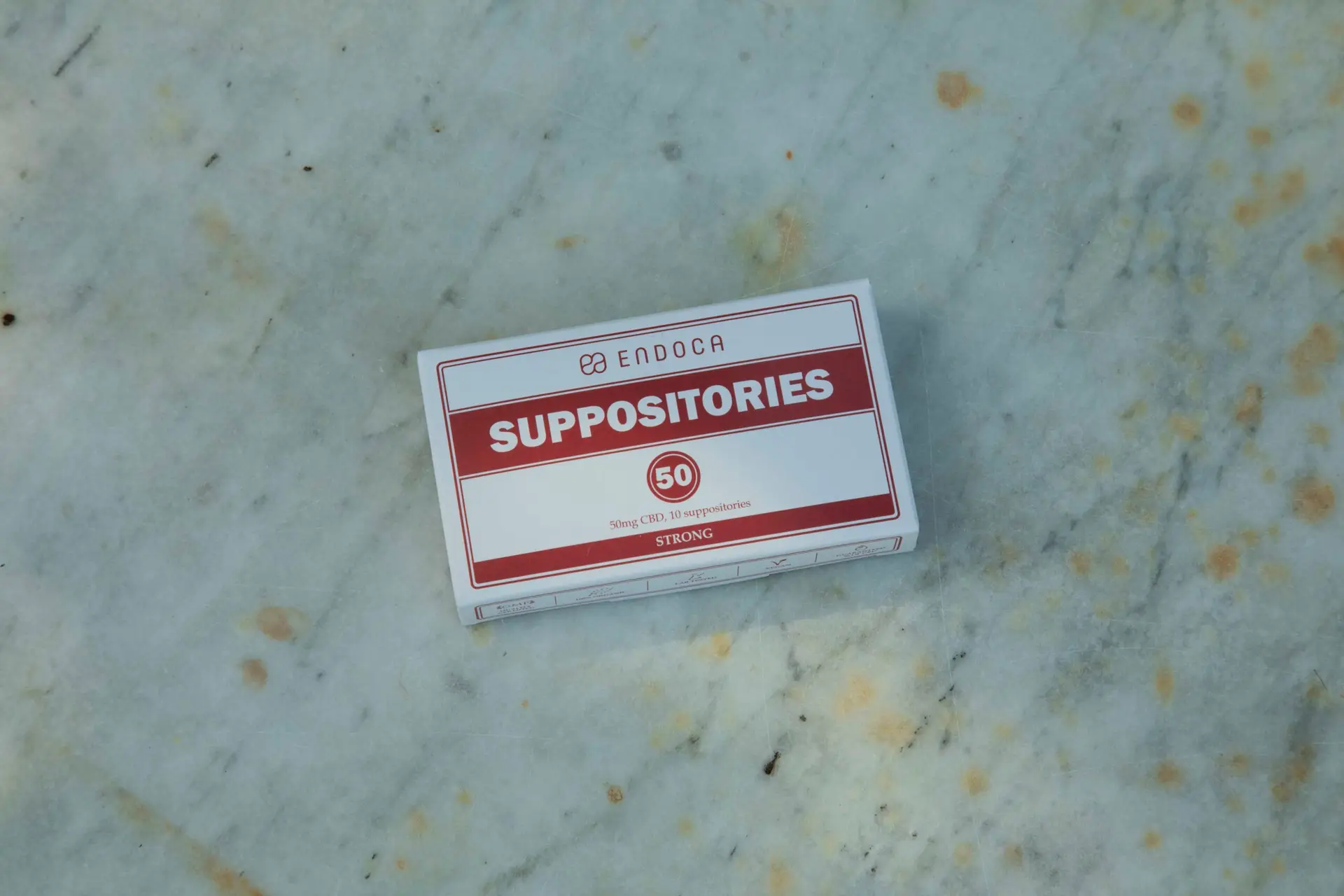
The same logic runs through the wider range, which covers drops in several strengths, capsules, extracts and pastes, and skincare, with raw and heated versions wherever the format allows. If you prefer a concentrated format over drops, the hemp extracts and pastes include raw options at much higher concentrations than the oils. Our overview of the different types of CBD covers how raw and heated sit inside the wider full spectrum category.
How Endoca’s hemp extract is made
Endoca was founded by Henry Vincenty in 2010, combining a scientific background with a family history of hemp cultivation. It is still family owned, with no external shareholders, which is why profits go back into research and production rather than out to investors. The production chain is controlled end to end:
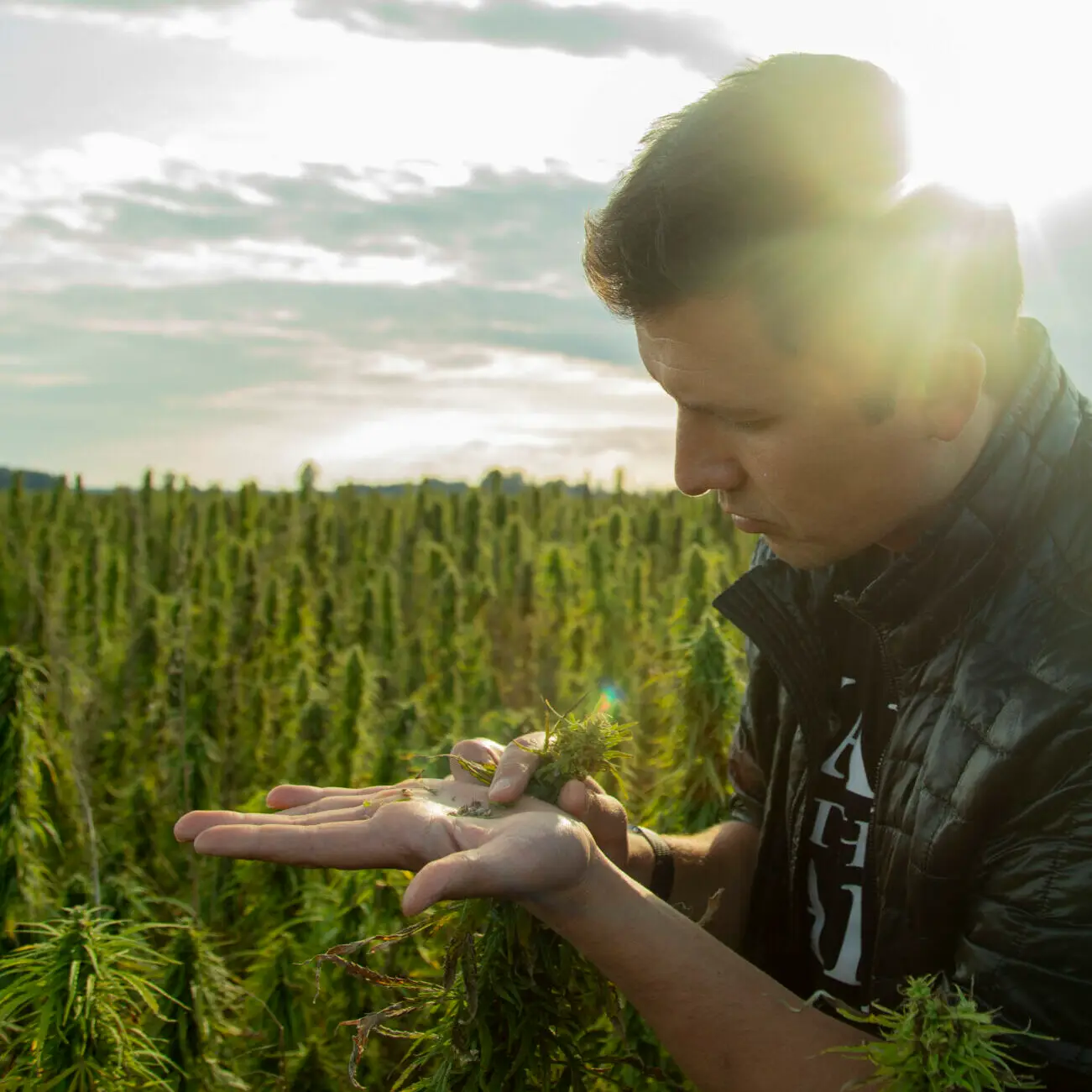
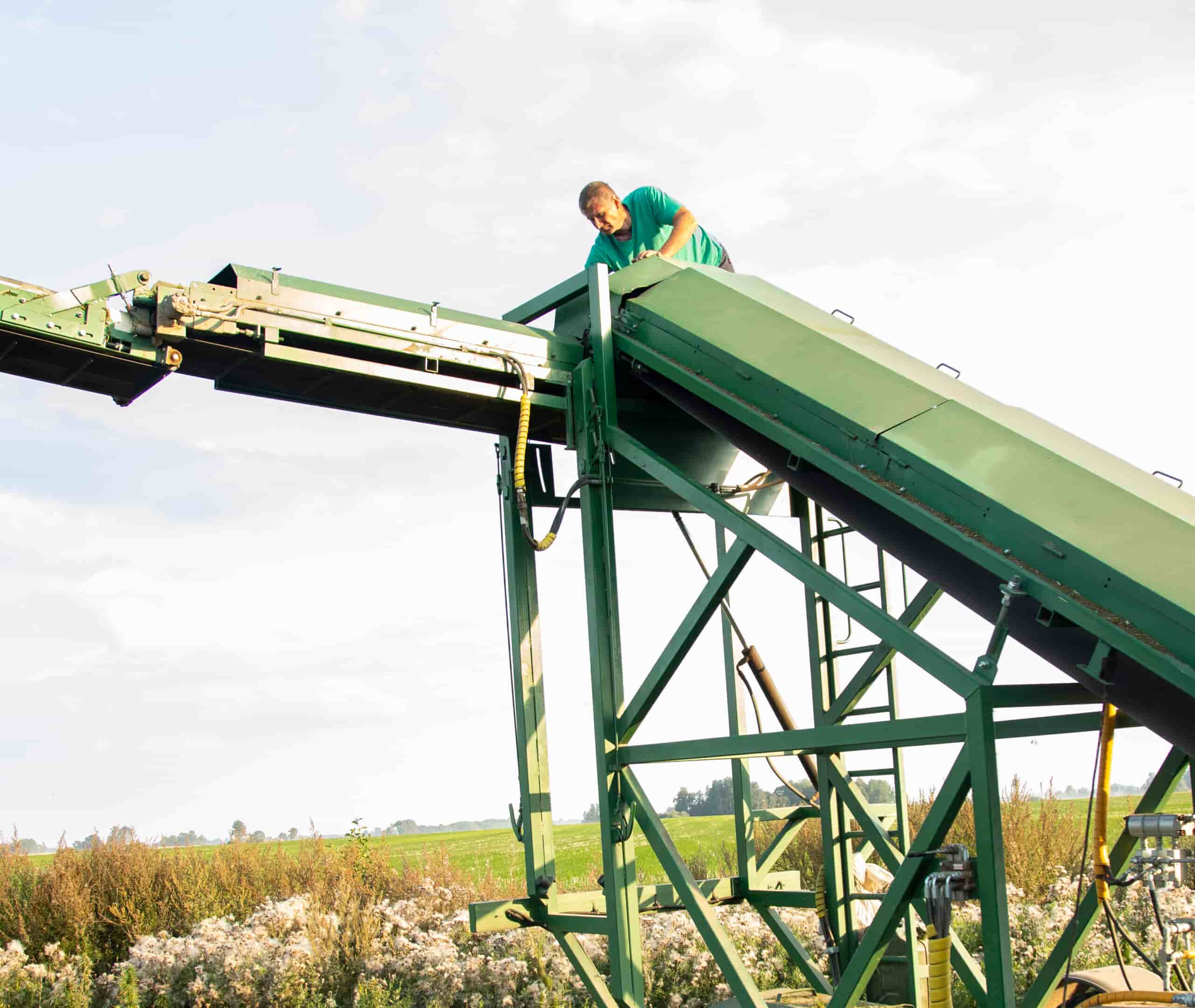
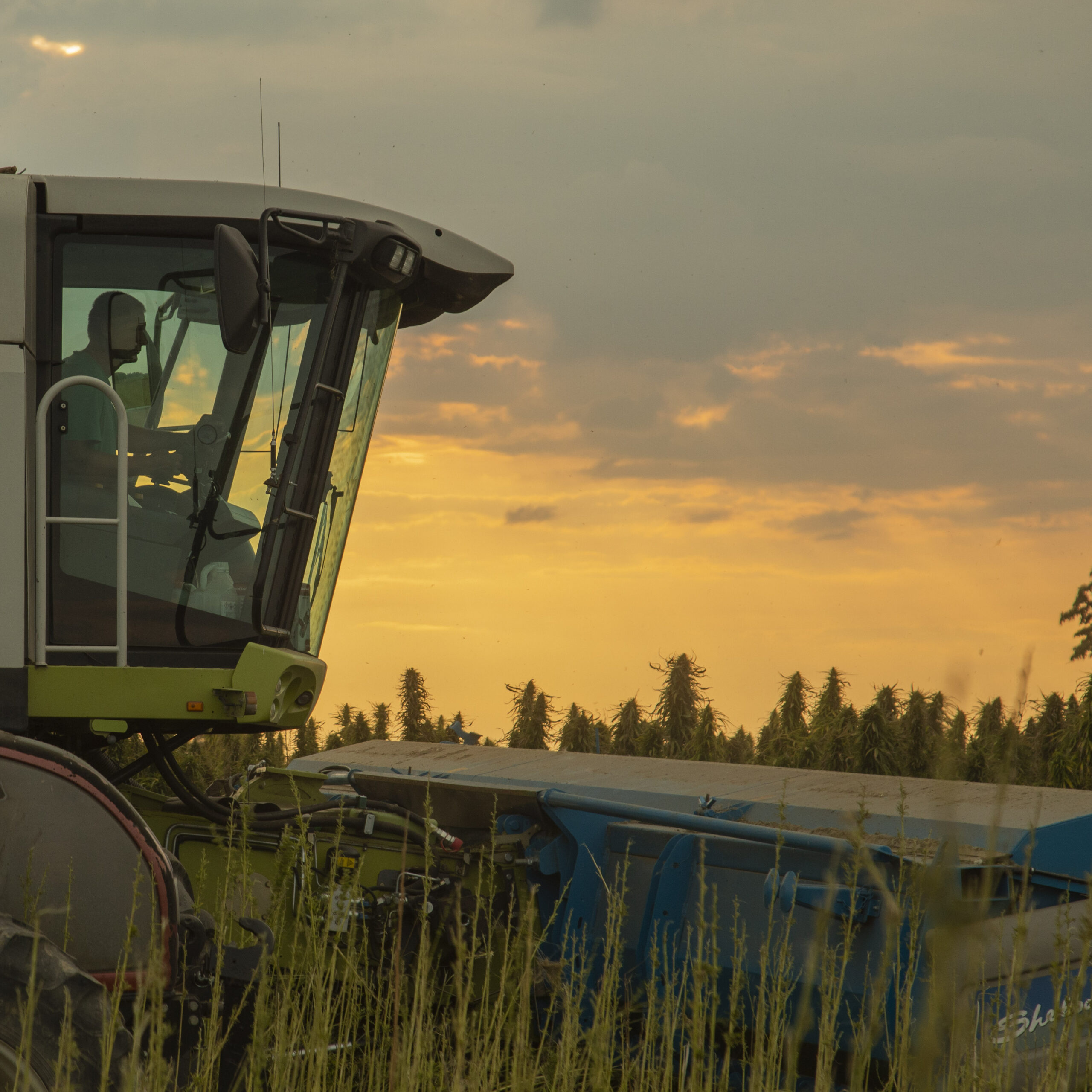
- Own farms. Hemp is grown organically in Northern Europe, on clean soil and in a climate suited to the crop, without pesticides or chemical treatments. Growing it rather than buying biomass on the open market means the input to extraction is known.
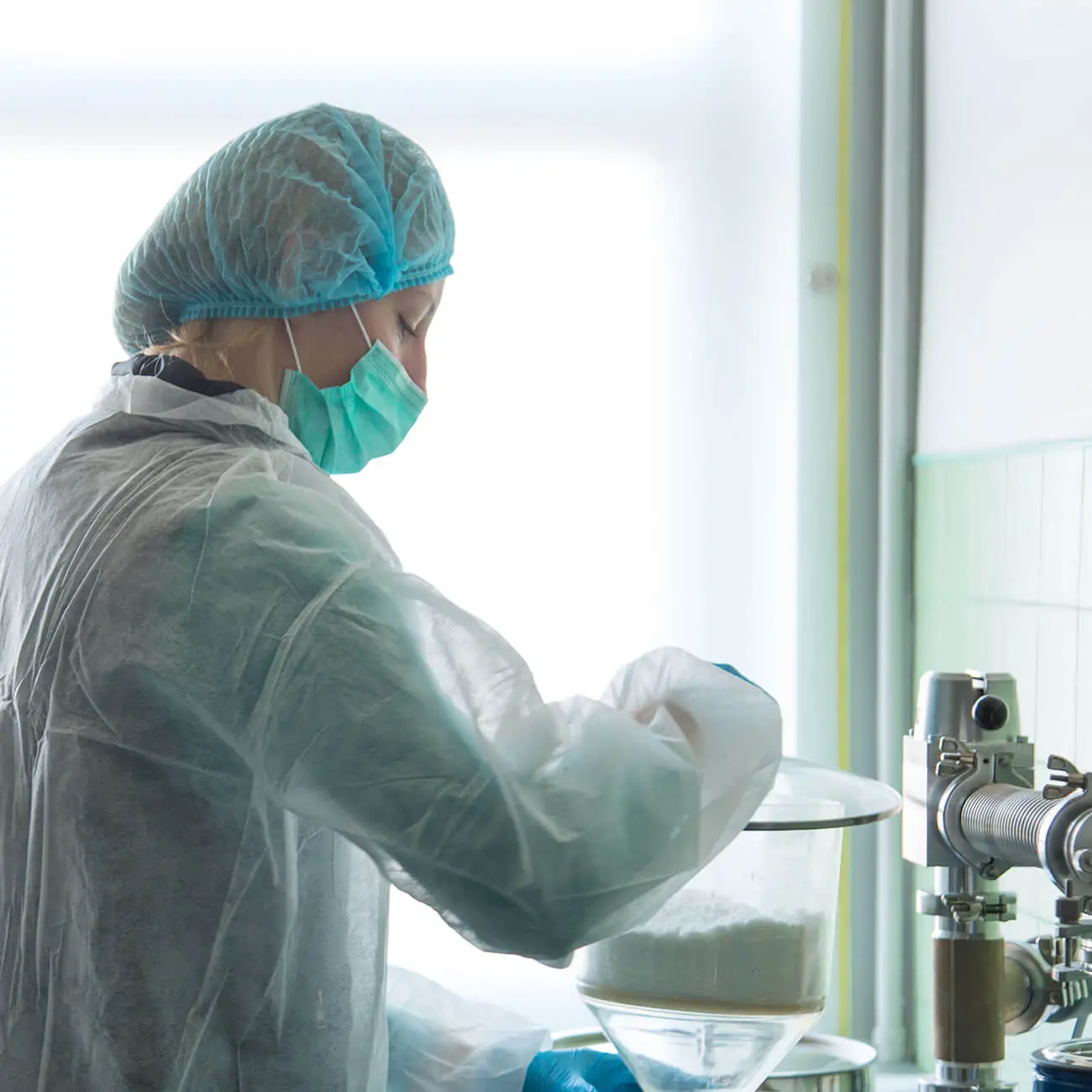
- Supercritical CO2 extraction, performed in-house. Carbon dioxide under pressure acts as the solvent and then evaporates away completely, so no chemical solvent is introduced at any stage and none can remain in the finished extract.
- Whole-plant extraction. Cannabinoids, terpenes and flavonoids are carried through together rather than stripped back to a single isolated compound.
- GMP-certified manufacturing. Documented, repeatable procedures and batch traceability rather than ad hoc production runs.
- Testing on every batch. Screening for more than 200 pesticides plus heavy metals and mycotoxins, with HPLC and NMR analysis to confirm the cannabinoid profile.
Because the analysis separates the cannabinoids, a certificate of analysis lists CBDa and CBD as their own lines. In a raw extract the CBDa figure will be the larger of the two, and in a decarboxylated oil the CBD figure will be. You can follow the full production chain on our process page and read the batch certificates on our lab testing page.
Raw hemp extract and the UK rules
Raw and heated products sit under the same UK regime. An ingestible hemp extract, whether it is an oil, a capsule or a paste, is regulated as a novel food and must appear on the Food Standards Agency public list to be sold legally in England and Wales. UK rules also cap controlled substances, including THC, at a very low level per container, and in a raw extract the THC is present as THCa rather than THC. Topical products are treated as cosmetics instead, so the novel food list does not apply to them.
Raw or decarboxylated: which should you choose?
There is no correct answer here, only a preference. A few practical pointers:
- Choose raw if you want the extract closest to the plant, you specifically want CBDa in the bottle, and a stronger, more herbal taste does not put you off.
- Choose decarboxylated if you want the highest CBD figure per drop, a milder taste, and a product that matches what most CBD information is written about.
- Read the label carefully. A raw oil listing 300mg of CBD+CBDa and a heated oil listing 300mg of CBD carry a comparable total quantity of cannabinoid, split differently between the two forms.
- Store raw extract cool and dark. Heat, light and time will slowly convert CBDa to CBD in the bottle.
- Try both if you are undecided. They taste noticeably different, and taste is the thing most likely to decide whether you keep taking it.
If CBD itself is new to you, our plain explanation of what CBD is is a better starting point than either bottle. And if you take prescription medication, or you are pregnant or breastfeeding, speak to your GP or pharmacist before starting any CBD product, raw or otherwise.
Frequently asked questions about raw CBD oil and CBDa
What is the difference between CBDa and CBD?
CBDa is the acidic form the living plant produces, and CBD is what remains after heat removes its carboxyl group. Raw extracts contain mostly CBDa, and heated oils mostly CBD. CBD has been studied far more extensively in people, while research on CBDa is still largely preclinical.
Is raw CBD oil stronger than regular CBD oil?
No. Strength is set by the total cannabinoid content, not by whether the extract was heated. A raw 3% oil and a decarboxylated 3% oil carry a comparable total, split differently between CBDa and CBD. Raw describes the processing, not the potency.
Does raw CBD oil get you high?
No. Neither CBDa nor CBD is intoxicating. Raw hemp extract also contains THCa rather than THC, and THCa is not intoxicating either. Endoca’s extracts are made from hemp that keeps controlled substances within UK limits, and every batch figure is published on the lab report.
Why is raw hemp extract so dark and thick?
Because nothing has been heated out of it. The colour comes from chlorophyll and plant waxes that heating and further filtering would remove, and the thicker texture and stronger herbal taste come from the same whole-plant material. It is a sign of minimal processing rather than a fault.
Can I convert CBDa into CBD myself?
Heating would do it, but there is no practical way to control the temperature or the duration at home, and overheating degrades cannabinoids and terpenes rather than converting them cleanly. If you want CBD rather than CBDa, buy a decarboxylated extract where that step has been done under controlled conditions.
Will a lab report show CBDa separately?
Yes. HPLC analysis separates the acidic and neutral forms, so a certificate of analysis lists CBDa and CBD as distinct lines with their own figures. In a raw extract, CBDa is usually the larger of the two. If a raw product’s certificate shows no CBDa at all, it has been heated somewhere in the process.
If you want to try the unheated version, the RAW oils sit alongside the decarboxylated ones in Endoca’s CBD oil range, and the certificate for your batch will show you exactly how much CBDa and CBD are in the bottle.