
- Shop
- About Us

Our Story
From humble beginnings to a global mission – we grow, harvest, and craft hemp with care for people and planet.
What Is CBD?
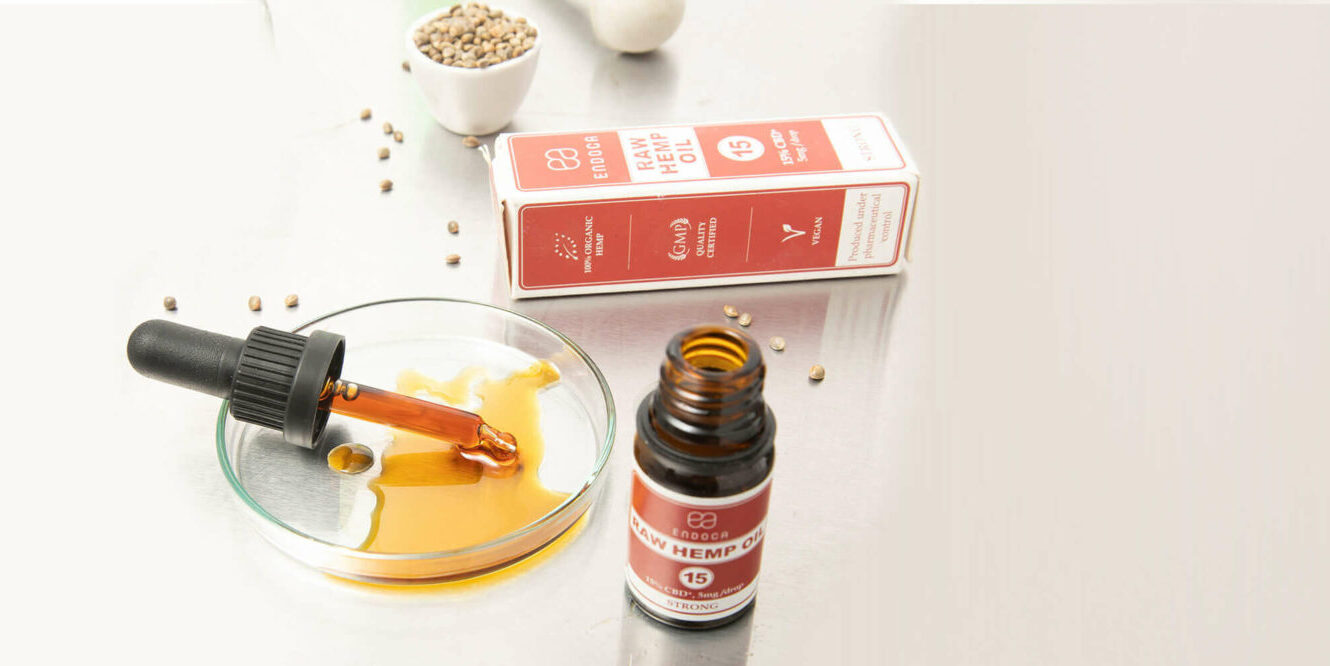
CBD is nature’s way to restore balance, calm, and overall well-being – naturally and without the high.

The Process
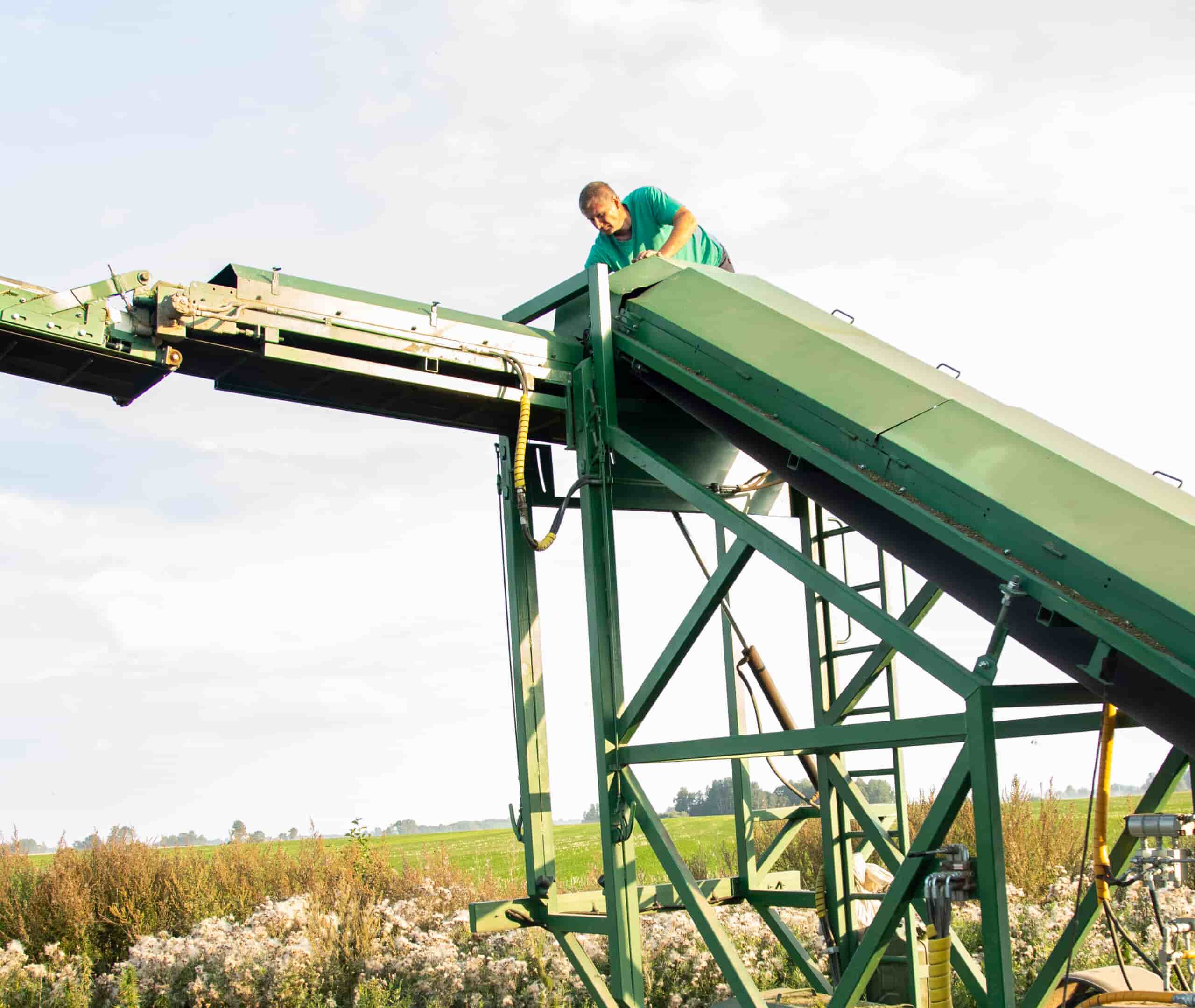
From seed to shelf, we grow organically, extract cleanly, and follow strict quality standards for purity.

Lab Testing
Every batch is third-party tested to ensure purity, safety, and the exact amount of CBD every time.
Our Values
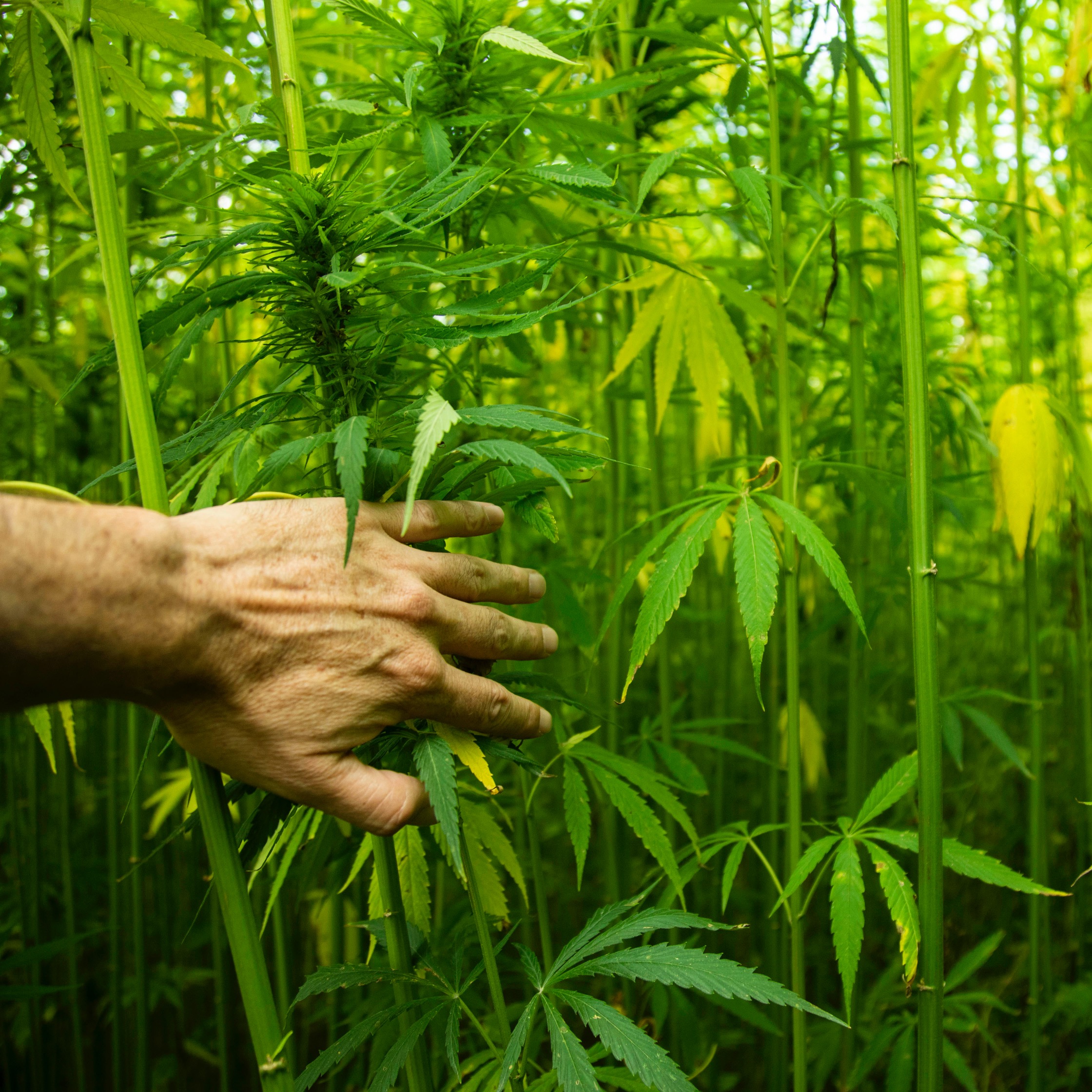
Sustainability, transparency, and wellness guide every decision – for you and for the planet.


Not All Lion's Mane Supplements Are Created Equal
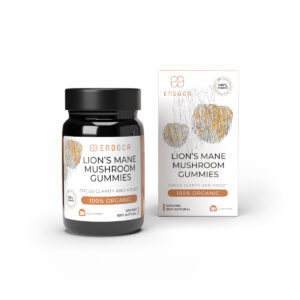
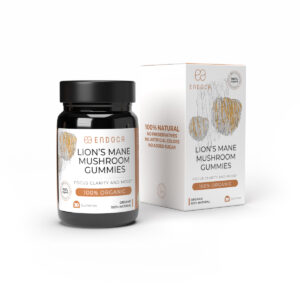
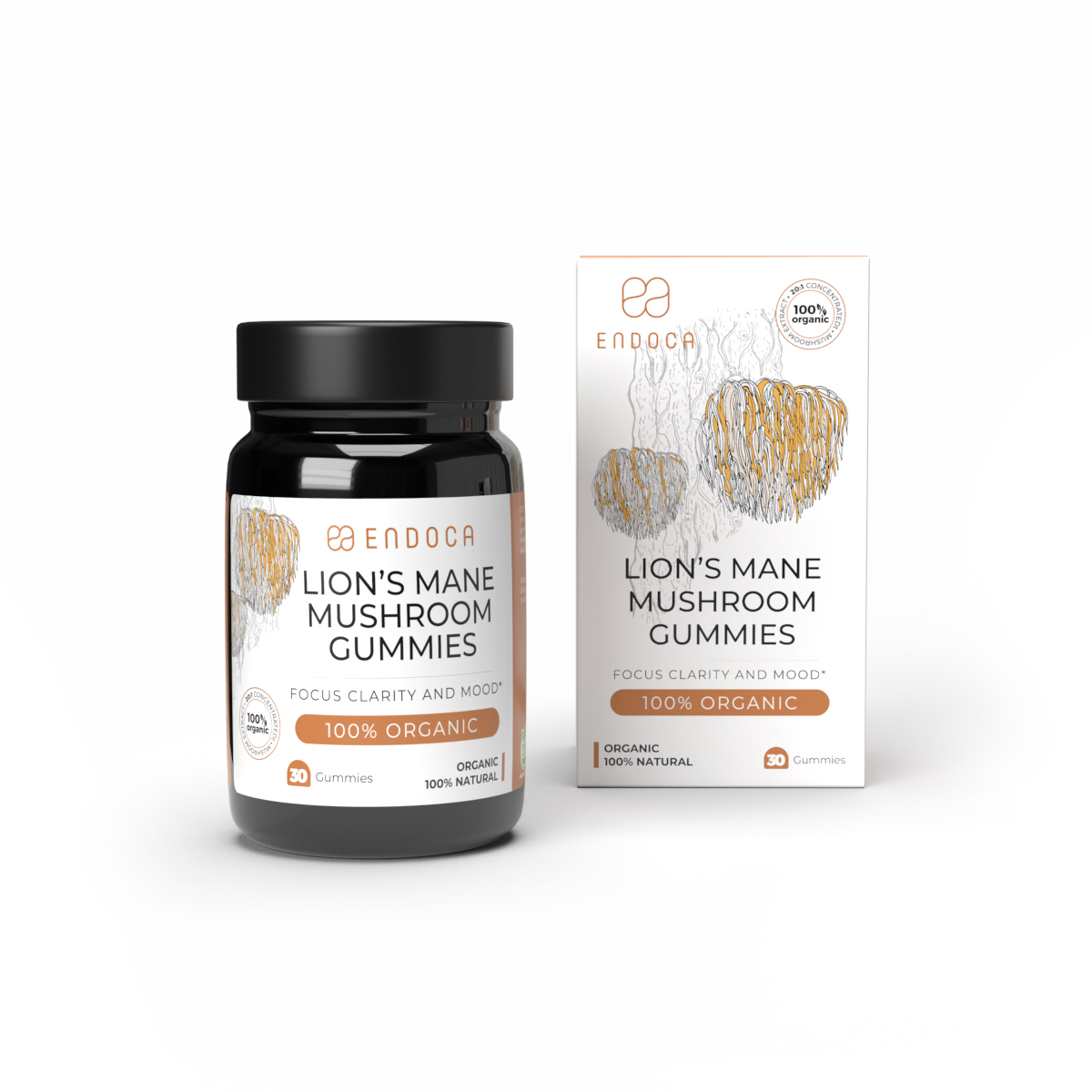
Plenty of lion’s mane supplements sold in the UK are mycelium grown on grain and milled with the grain still in it, so part of each serving is starch. Ours are made from lion’s mane extract, so the figure on the label is the extract itself. It is worth turning the pack round before you buy. An ingredient list that mentions mycelium or a grain is telling you the weight includes the growing medium. Ours names the extract and the method, and the extract is taken from the fruiting body, the spined mushroom rather than the root-like network beneath it.
That extract is made by hot water extraction, which opens the chitin cell walls human digestion cannot break down, before the liquid is concentrated and dried. The gummies state a polysaccharide content of 50% of the extract, and that percentage is the fairest number to compare with another brand. A weight on its own says how much powder is in a serving. A percentage says how much of that powder is the compound group most often measured in mushroom extracts. Where another label gives only the weight, you are left guessing, and that is a fair thing to hold against it.
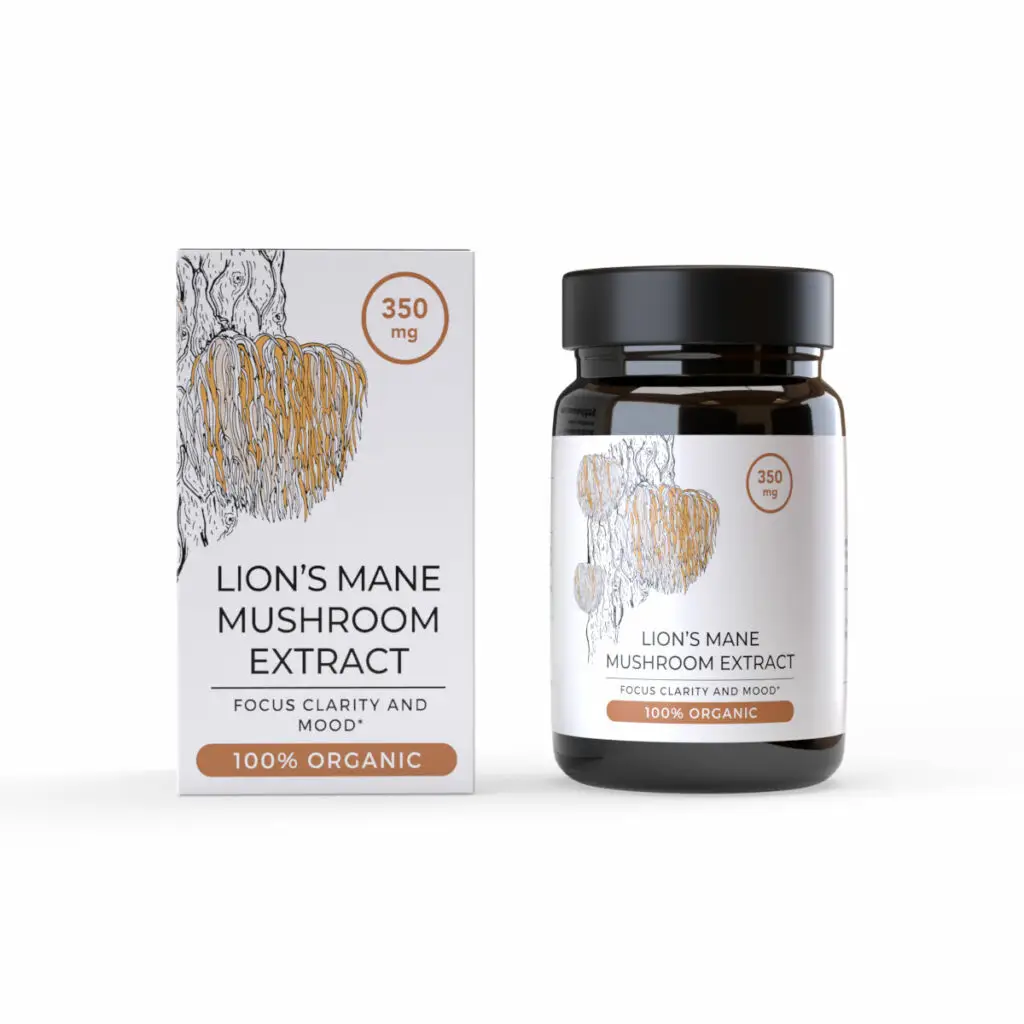
Two formats sit here because people take lion’s mane two ways. A capsule holds more extract by weight and tastes of nothing. A gummy is simpler to keep up. Both are vegan and organic, and each batch is tested before release. The trade is plain enough: 350mg of extract in one capsule against 100mg in a two-gummy serving. The gummy gives back an apple and lime flavour and no added sugar. For now the capsules are restocking, so the gummies are the one to order if you would like to begin straight away.

100% Organic
Certified organic lion's mane extract without unnecessary additives

Third Party Tested
Every batch is independently tested for purity and active compound content

Highest Quality
Produced in GMP-certified facilities with rigorous quality control

Extract, Not Powder
Hot Water Extracted Fruiting Body

UK Delivery
Fast and Discreet
Compare Endoca Lion's Mane Supplements
Both formats, compared by what is in each serving, who each suits and how they differ.
| PRODUCT | FORMAT | PER SERVING | BEST FOR | WHAT THE LABEL STATES |
|---|---|---|---|---|
| Lion's Mane Mushroom Gummies | Gummy, apple and lime | 100mg extract per 2 gummies | A daily chew with no added sugar | 50% polysaccharides, 30 gummies (15 servings), vegan |
| Lion's Mane Extract | Vegan capsule | 350mg extract powder per capsule | The most extract per serving (restocking) | Hericium erinaceus extract, hot water extracted |
What Are Lion's Mane Supplements?
ion’s mane is Hericium erinaceus, an edible mushroom named for its long, hanging spines. It grows on hardwood and has a long history as a food in East Asia. A lion’s mane supplement turns that mushroom into a measured daily format. The point of that format is consistency. Cooking a fresh lion’s mane gives you a meal. A supplement gives you a set weight of extract each time, printed on the label, so you can see exactly what you took and buy the same again.
The usual formats are lion’s mane capsules and lion’s mane gummies. A capsule holds dried extract and nothing else. A gummy carries less extract in a chewable base, which in ours is flavoured with apple, lime and organic apple cider vinegar rather than sugar. Our capsules come in a vegan shell with 350mg of extract powder in each. A jar of our gummies holds 30, enough for 15 servings of two, with the extract standardised to 50% polysaccharides. Both are made from organic lion’s mane extract.
Lion’s mane is not psychoactive and has nothing to do with psilocybin mushrooms. It is a culinary species sold here as a food supplement, and every label states the extract per serving. For background on the species itself, our lion’s mane guide covers its history and what the research is looking at. No health claim is authorised for lion’s mane in Britain, so this page sticks to how the product is made and what the label states.
What Can Lion's Mane Supplements Be Used For?
Most people arrive looking for lion’s mane by name. The real decision is format.
We set out formats and habits here, not effects, because no health claim is authorised for lion’s mane in Britain.
- A Daily Chew: Lion’s mane gummies give 100mg of extract per two-gummy serving, with no added sugar. They are flavoured with apple, lime and organic apple cider vinegar, and each jar holds 15 servings.
- The Most Extract per Serving: Lion’s mane capsules hold 350mg of extract each, more than three times what a gummy serving carries. Stock is being replenished at the moment, so check the product page before ordering.
- Nothing to Taste: A capsule has no flavour or sweetener at all, which makes it the tidier choice if you already take a handful of supplements each day and want nothing else sweet in the mix.
- Adding Other Species: Our mushroom extract capsules page holds chaga, red reishi, maitake, cordyceps and turkey tail in the same format, so capsules of different species line up on the shelf and read the same way on the label.
- Comparing Formats: The full mushroom gummies range has its own page, with lion’s mane sitting alongside other species in the same chewable base, if you would rather chew than swallow everything.
If you are new to functional mushrooms, one species at a time is the simplest way to start, and the wider functional mushrooms range is there when you want to compare.
Frequently Asked Questions
A measured daily format of lion’s mane mushroom, Hericium erinaceus. Endoca sells gummies and extract capsules, both made from organic hot water extract. The label on each states the extract per serving, which is the figure worth reading first.
Capsules hold more lion’s mane extract, 350mg each, with no taste. Gummies hold 100mg per two-gummy serving and are easier to keep up. Choose on habit: the format you will actually remember is the better one for you.
Three things. Whether it says extract or powder. Whether mycelium or a grain appears in the ingredients. Whether a polysaccharide percentage is stated. Our gummies give 50% polysaccharides, and both formats state the extract weight per serving.
Powder is dried, ground mushroom or mycelium, sometimes with its grain. Extract has been hot water extracted to concentrate the compounds inside the cell walls. Gram for gram, an extract label tells you far more about what you are getting than a powder label does.
Half the extract by weight is polysaccharides. It is the figure most worth comparing between brands, because polysaccharides are the compound group most often measured in mushroom extracts, and a brand that leaves the percentage off gives you nothing to compare.
The fruiting body is the spined mushroom you would recognise on hardwood. Mycelium is often grown on grain and milled with it, so its weight includes starch. Extracting the fruiting body keeps the label figure to mushroom extract alone.
Yes, certified organic extract in both formats, and both are vegan. The capsules use a vegan shell, and the gummies are flavoured with apple, lime and organic apple cider vinegar, with no added sugar. Both are made in GMP-certified facilities, every batch is independently tested before release, and our lab testing page explains how.
No. It is an edible culinary mushroom, unrelated to psilocybin species. It has a long history as a food in East Asia, and extracting it with hot water concentrates the mushroom without turning it into anything else.
This page holds lion’s mane alone, as capsules and gummies. The mushroom extract capsules page sets chaga, red reishi, maitake, cordyceps and turkey tail in the same capsule format, and the gummies page puts lion’s mane alongside other species in one chewable base.
Not All Lion's Mane Supplements Are Created Equal
100% Organic
Certified organic lion's mane extract without unnecessary additives
Third Party Tested
Every batch is independently tested for purity and active compound content
Highest Quality
Produced in GMP-certified facilities with rigorous quality control
Extract, Not Powder
Hot Water Extracted Fruiting Body
UK Delivery
Fast and Discreet
Compare Endoca Lion's Mane Supplements
What Are Lion's Mane Supplements?
ion’s mane is Hericium erinaceus, an edible mushroom named for its long, hanging spines. It grows on hardwood and has a long history as a food in East Asia. A lion’s mane supplement turns that mushroom into a measured daily format. The point of that format is consistency. Cooking a fresh lion’s mane gives you a meal. A supplement gives you a set weight of extract each time, printed on the label, so you can see exactly what you took and buy the same again.
The usual formats are lion’s mane capsules and lion’s mane gummies. A capsule holds dried extract and nothing else. A gummy carries less extract in a chewable base, which in ours is flavoured with apple, lime and organic apple cider vinegar rather than sugar. Our capsules come in a vegan shell with 350mg of extract powder in each. A jar of our gummies holds 30, enough for 15 servings of two, with the extract standardised to 50% polysaccharides. Both are made from organic lion’s mane extract.
Lion’s mane is not psychoactive and has nothing to do with psilocybin mushrooms. It is a culinary species sold here as a food supplement, and every label states the extract per serving. For background on the species itself, our lion’s mane guide covers its history and what the research is looking at. No health claim is authorised for lion’s mane in Britain, so this page sticks to how the product is made and what the label states.
What Can Lion's Mane Supplements Be Used For?
Most people arrive looking for lion’s mane by name. The real decision is format.
We set out formats and habits here, not effects, because no health claim is authorised for lion’s mane in Britain.
If you are new to functional mushrooms, one species at a time is the simplest way to start, and the wider functional mushrooms range is there when you want to compare.
Frequently Asked Questions
A measured daily format of lion’s mane mushroom, Hericium erinaceus. Endoca sells gummies and extract capsules, both made from organic hot water extract. The label on each states the extract per serving, which is the figure worth reading first.
Capsules hold more lion’s mane extract, 350mg each, with no taste. Gummies hold 100mg per two-gummy serving and are easier to keep up. Choose on habit: the format you will actually remember is the better one for you.
Three things. Whether it says extract or powder. Whether mycelium or a grain appears in the ingredients. Whether a polysaccharide percentage is stated. Our gummies give 50% polysaccharides, and both formats state the extract weight per serving.
Powder is dried, ground mushroom or mycelium, sometimes with its grain. Extract has been hot water extracted to concentrate the compounds inside the cell walls. Gram for gram, an extract label tells you far more about what you are getting than a powder label does.
Half the extract by weight is polysaccharides. It is the figure most worth comparing between brands, because polysaccharides are the compound group most often measured in mushroom extracts, and a brand that leaves the percentage off gives you nothing to compare.
The fruiting body is the spined mushroom you would recognise on hardwood. Mycelium is often grown on grain and milled with it, so its weight includes starch. Extracting the fruiting body keeps the label figure to mushroom extract alone.
Yes, certified organic extract in both formats, and both are vegan. The capsules use a vegan shell, and the gummies are flavoured with apple, lime and organic apple cider vinegar, with no added sugar. Both are made in GMP-certified facilities, every batch is independently tested before release, and our lab testing page explains how.
No. It is an edible culinary mushroom, unrelated to psilocybin species. It has a long history as a food in East Asia, and extracting it with hot water concentrates the mushroom without turning it into anything else.
This page holds lion’s mane alone, as capsules and gummies. The mushroom extract capsules page sets chaga, red reishi, maitake, cordyceps and turkey tail in the same capsule format, and the gummies page puts lion’s mane alongside other species in one chewable base.