




 26Apr
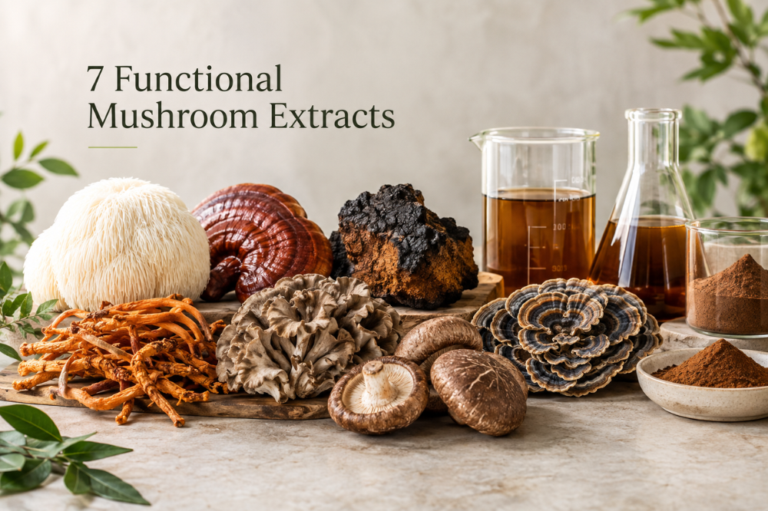
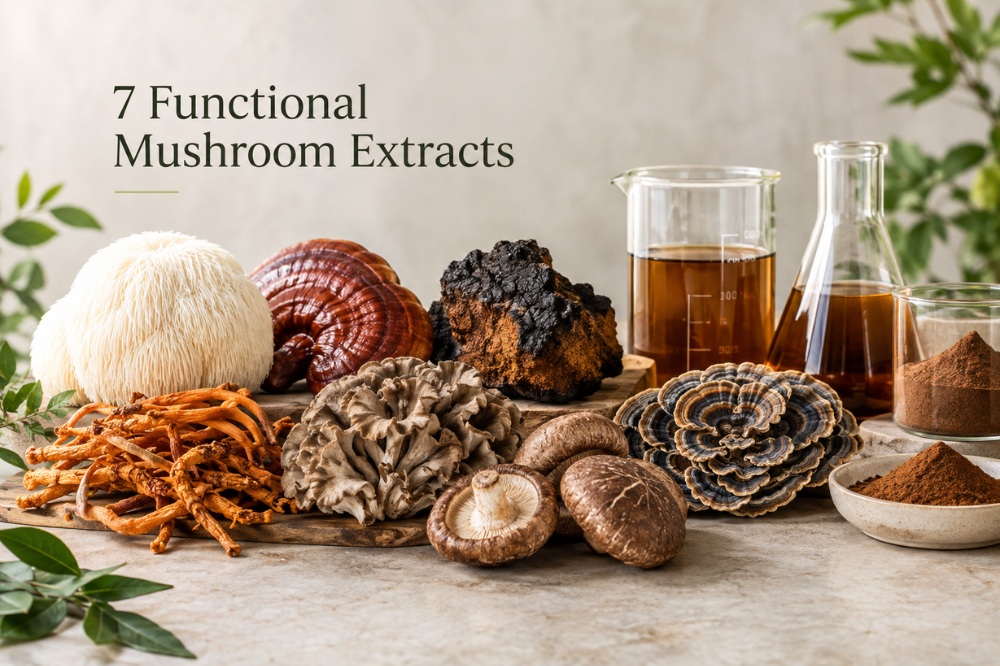
Endoca’s mushroom gummy line runs to eight species on the US site, but the UK/EU catalogue currently carries six of them. Rather than pad this out with products that aren’t actually for sale here, this article covers the six real ones: what distinguishes each beyond just the name on the jar.
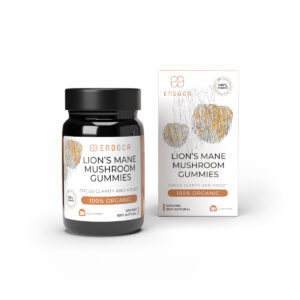
1. Lion’s Mane (Hericium erinaceus), the one with a stated extract weight
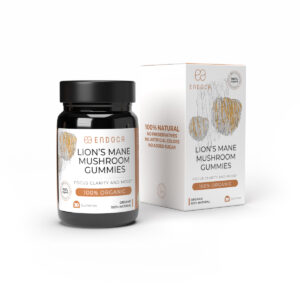
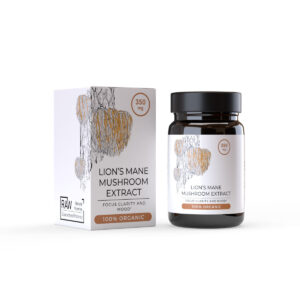
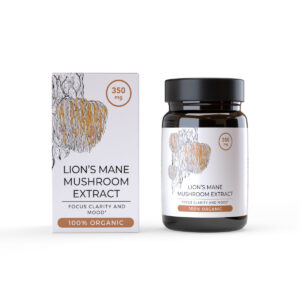
Lion’s Mane is the flagship of Endoca’s mushroom gummy line, and it’s the one species here with a fully stated standardisation: organic Hericium erinaceus extract standardised to 50% polysaccharides, made by hot water extraction. Lion’s mane has a long culinary and traditional history in East Asian cooking, prized as much for its texture as anything else, and it’s the species most people specifically go looking for when they arrive at this collection. Because the standardisation figure is on the label, it’s also the one product here you can compare most honestly against a competitor’s lion’s mane gummy.
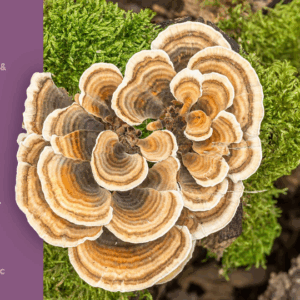
2. Chaga (Inonotus obliquus), the everyday-use option
Chaga grows as a dark, clinker-like mass on birch trees across cold northern climates, and it’s been part of traditional preparations in those regions for generations, usually as a steeped tea rather than a gummy. Endoca’s Chaga Mushroom Gummies are positioned as the species for everyday use, made from organic chaga extract with the same sugar-free, plant-based formula running across the whole range. It doesn’t carry the loud, earthy flavour some chaga teas do once it’s in gummy form, which is part of the appeal if you’ve tried chaga before and found the traditional preparation harder to stick with than the mushroom itself warranted.
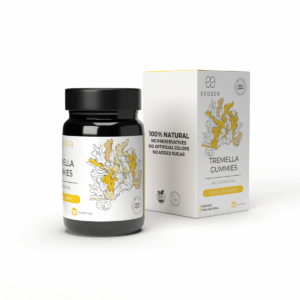
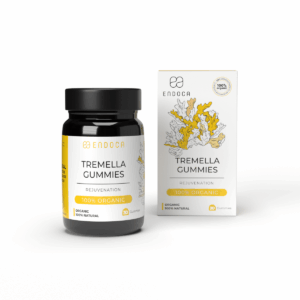
3. Tremella (Tremella fuciformis), for people who came looking for it specifically
Tremella is the pale, almost translucent “snow mushroom” used for centuries in Chinese cooking and traditional beauty preparations, prized for a gelatinous texture unlike the other species here. Endoca’s listing is blunt about who this one is for: people adding tremella specifically, rather than someone browsing the category generally. The gummy is built on organic tremella extract with a clean botanical base, keeping the same sugar-free, vegan formula as the rest of the line. If lion’s mane feels like the obvious starting point, tremella is more of a considered, specific choice.
4. Poria Cocos (Wolfiporia extensa), the mild, low-aroma option
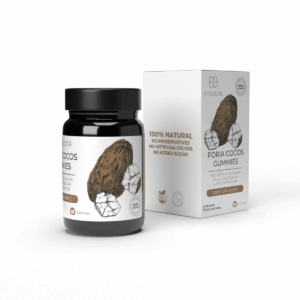
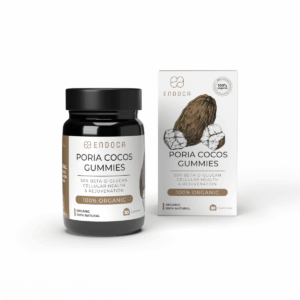
Poria cocos grows underground on the roots of pine trees and has a long history in traditional Chinese preparations, typically as a peeled, dried, and powdered ingredient. Endoca describes its gummy as a mild, low-aroma option, made from organic poria cocos extract with no artificial additives. That mildness is the main reason to pick it over a more assertive species like chaga: if you’ve found other mushroom extracts too earthy or too strong-tasting even inside a gummy, poria cocos is built to be the least noticeable of the six on your palate.
5. Oyster (Pleurotus ostreatus), the familiar culinary species
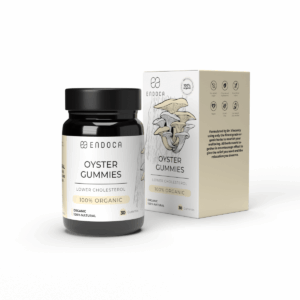
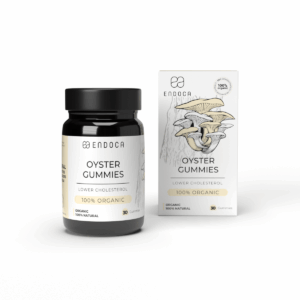
Oyster mushrooms are one of the most commonly eaten culinary mushrooms worldwide, and Endoca’s gummy version keeps that familiarity front and centre: organic Pleurotus ostreatus extract in a clean, plant-based formula with a mild natural aroma and a soft texture. There’s nothing exotic being asked of you here, which is part of the point. If the idea of a mushroom gummy still feels slightly unusual, starting with the species you’ve probably already cooked with is a reasonable way to ease into the category before trying something like tremella.
6. Golden Oyster (Pleurotus citrinopileatus), the brighter relative
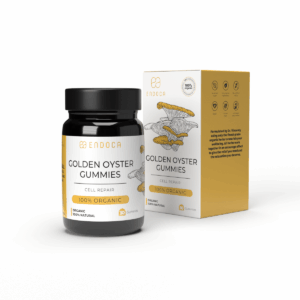
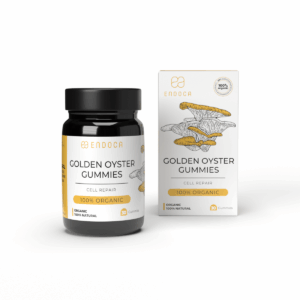
Golden oyster is a close relative of the common oyster mushroom, distinguished by its bright yellow colour and slightly more delicate flavour when eaten fresh. Endoca’s Golden Oyster Gummies are made from organic Pleurotus citrinopileatus extract in the same clean, plant-based formulation as the rest of the line, with no artificial colours, flavours, or preservatives. Choosing this one over the standard oyster gummy is largely a matter of wanting the specific species rather than a meaningfully different format or serving experience, since the two share most of their profile.
Final Thoughts
None of these six is positioned as better than the others, and Endoca doesn’t attach an authorised health claim to any of them, so this list describes what each species traditionally is and how it’s formulated, not what it will do for you. If you’re new to the category, oyster or lion’s mane are the most familiar places to start. If you already know which species you’re after, the extract is standardised the same way across the range, and every batch is independently tested before release.
Mushroom gummies or mushroom capsules?
Gummies are easier to remember and pleasant to take, but they usually carry less extract per serving than a capsule, plus some sugar. Capsules suit people who want the most extract for the fewest additives. We compare the two formats for one species in lion’s mane gummies vs capsules, and you can browse our mushroom extract capsules for the other side.
Frequently Asked Questions
Do mushroom gummies work?
It depends on the species and how much extract each gummy holds. Human research on functional mushrooms is early and mostly small, and no mushroom gummy in the UK can carry a health claim. Check the extract weight per gummy before you buy. Responses vary.
Are mushroom gummies good for you?
Functional mushroom gummies are generally well tolerated as food supplements, but they often contain added sugar and less extract than a capsule. Avoid them if you’re allergic to mushrooms, and speak to your GP if you take medication.
Do mushroom gummies help you lose weight?
There’s no good evidence that they do, and none can claim it in the UK. Treat any weight-loss promise on a mushroom gummy as a red flag.
Are mushroom gummies legal in the UK?
Yes. Functional mushroom gummies made from species such as lion’s mane, chaga or oyster are sold in the UK as food supplements. They contain no psilocybin and aren’t controlled substances.
What are the best mushroom gummies in the UK?
There’s no single best. Compare the species, the part used, the extract weight per gummy and whether there’s a batch certificate. Our checklist on how to choose a mushroom supplement covers each point.
Does Endoca’s UK/EU site sell all eight mushroom gummy species from the US site?
No. As of this article, Shiitake and Phellinus (Mesima) Mushroom Gummies are on the US catalogue but not on endoca.com/en-gb. The other six species, lion’s mane, chaga, tremella, poria cocos, oyster, and golden oyster, are confirmed live on both.
Which mushroom gummy should a beginner start with?
Oyster is the most familiar species from ordinary cooking, and Lion’s Mane is the only one with a fully stated standardisation figure on the label, which makes it easier to compare against other brands. Either is a reasonable starting point.
Can I take more than one type of mushroom gummy at once?
Endoca doesn’t publish specific guidance on combining species, and this article isn’t a substitute for that. If you’re considering stacking more than one, it’s worth starting with one species at a time so you know what, if anything, you’re noticing from each.
Are these mushroom gummies vegan?
Yes, all six are made without gelatin or other animal-derived ingredients, consistent with the plant-based formula Endoca uses across its full gummy range.
Do mushroom gummies contain any CBD?
No. The species covered here, lion’s mane, chaga, tremella, poria cocos, oyster, and golden oyster, are functional mushroom extracts without CBD in the formula, a separate category from Endoca’s hemp-derived gummies.
How are these different from a mushroom coffee or powder blend?
These are single-species extracts standardised and delivered in gummy form, rather than a blended powder mixed into coffee or a drink. Each jar carries one mushroom species rather than a proprietary multi-species blend.