



No products in the cart.

The short answer on CBG vs CBD is abundance and origin. CBD is the cannabinoid hemp produces in large amounts, while CBG is the small amount left over from CBGA, the acid the plant uses to build every other cannabinoid. Both are non-intoxicating, and both come from the same plant.
That single difference explains most of what follows: why CBG products cost more, why the two are studied differently, and why so many people end up taking them together. This guide is for anyone comparing a CBD oil against a CBG oil and trying to work out which one is worth their money.
What is CBG?
CBG stands for cannabigerol. It is one of more than 120 cannabinoids identified in cannabis and hemp, and it was first isolated in 1964. Like CBD, it is non-intoxicating, so it does not produce the “high” associated with THC.
Research on CBG is still at an early stage compared with CBD, and most of it has been done in cells or in animals rather than in people. That is worth keeping in mind whenever you read a confident claim about what CBG does.
CBGA: the mother cannabinoid
CBG is unusual because of where it sits in the plant’s chemistry. Hemp does not build CBD, THC and CBC separately. It builds one acid first, cannabigerolic acid (CBGA), and then enzymes convert that acid into THCA, CBDA and CBCA.
This is why CBGA is often called the mother cannabinoid or the stem cell cannabinoid. Everything else in the plant descends from it.
The consequence is straightforward. By the time a hemp plant is mature and ready to harvest, most of its CBGA has already been converted into other acids, and very little is left. Mature hemp typically contains under 1% CBG, sometimes a fraction of that, while the same plant may contain 10% to 20% CBD.
How CBGA becomes CBG
The CBGA that survives to harvest is still in its acidic form. It becomes CBG through decarboxylation, a reaction in which heat removes a carboxyl group from the molecule and releases it as carbon dioxide. The same reaction turns CBDA into CBD and THCA into THC.
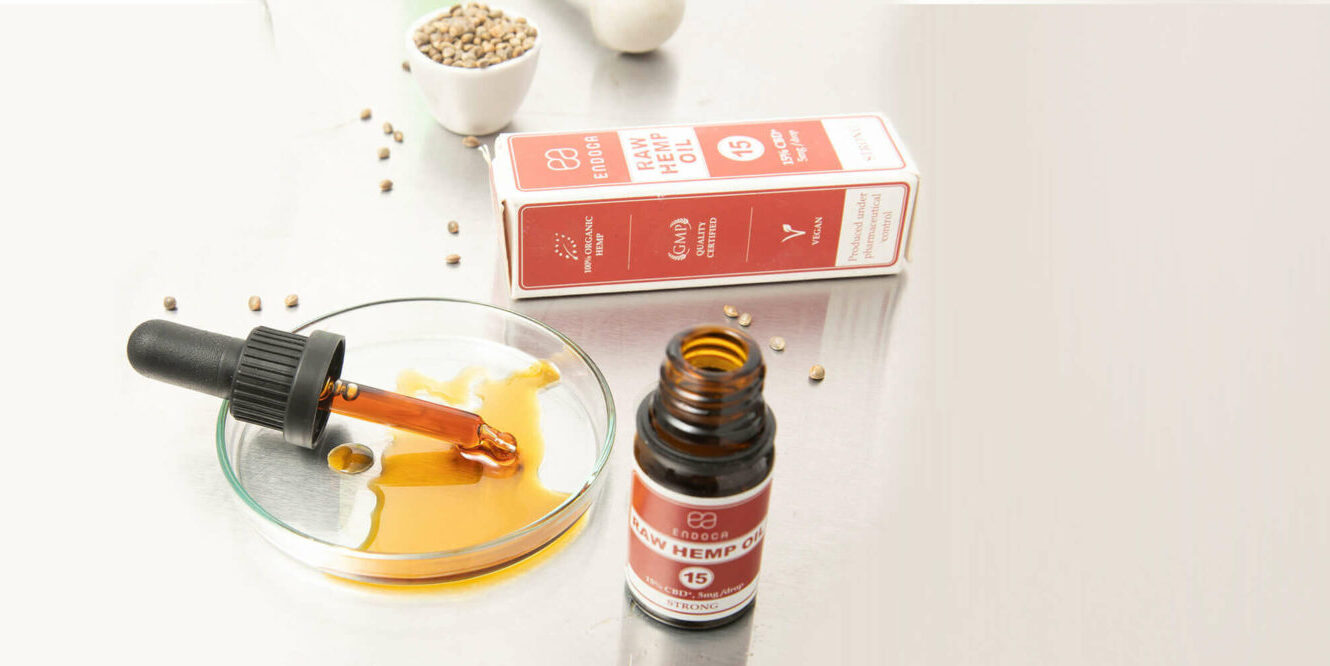
Decarboxylation happens slowly with time and light, and quickly with heat. It is the reason a raw hemp flower and a heated hemp extract have very different cannabinoid profiles on paper. Endoca’s RAW hemp extracts are deliberately left unheated so the acidic forms, including CBDA, stay intact.
Why CBG costs more
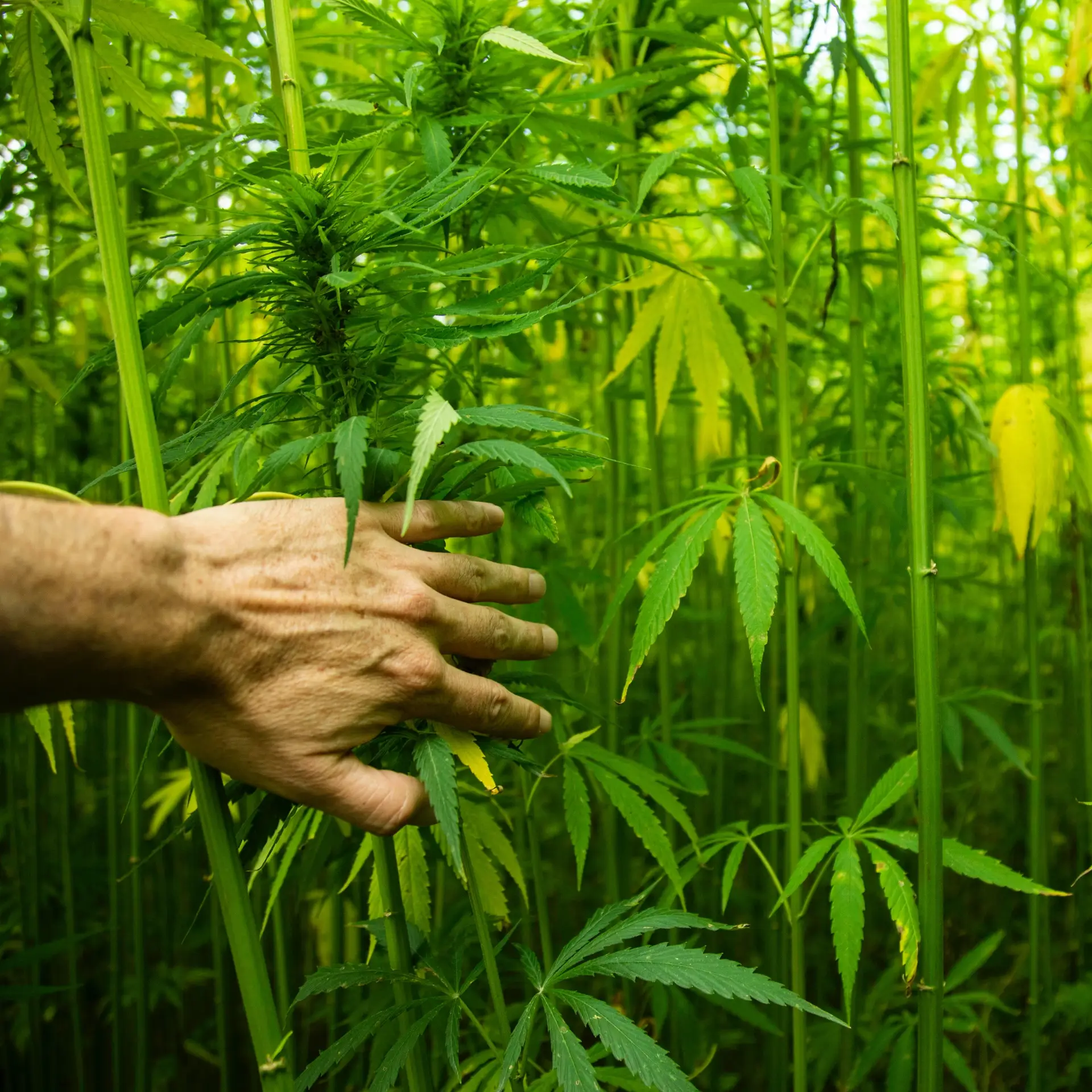
Because mature hemp holds so little CBG, producers have two options. They can process a very large volume of ordinary hemp to recover a small amount of CBG, or they can grow CBG-rich hemp varieties bred to hold onto their CBGA, and harvest them early before conversion is complete.
Both routes are expensive. Early harvesting sacrifices yield, and high-volume processing costs more per gram recovered. That is the honest reason a CBG oil usually carries a higher price per milligram than a comparable CBD oil, and it has nothing to do with CBG being a stronger or better cannabinoid.
What is CBD?
CBD stands for cannabidiol and is the second most prevalent active compound in the cannabis plant after THC. In hemp, it is usually the most abundant cannabinoid by a wide margin. It comes from the hemp plant, a close relative of marijuana, and unlike THC it does not cause a high. You can read more in our guide to CBD vs THC.
The World Health Organization’s 2018 critical review reported no evidence at that time of public health problems associated with the use of pure CBD, and concluded it is not associated with abuse potential. CBD has also been studied enough to reach prescription medicine status in one narrow context: a purified CBD medicine was approved by the FDA in 2018 for two rare seizure disorders. That approval applies to a specific prescription drug, not to CBD supplements.
CBD acts on the endocannabinoid system, though the full picture of how it does so is still not completely understood. Most people encounter it as CBD oil, capsules, topicals or gummies.
CBD and CBDA
CBD follows the same acid-to-neutral pattern as CBG. In the living plant the cannabinoid is CBDA, and it becomes CBD when heat is applied. Raw and heated CBD products are therefore not interchangeable, and a certificate of analysis will list them as separate line items.
CBG vs CBD: the key differences at a glance
This table summarizes the practical differences between the two cannabinoids.
| CBG | CBD | |
|---|---|---|
| What it is | Cannabigerol, a non-intoxicating cannabinoid | Cannabidiol, a non-intoxicating cannabinoid |
| Where it comes from in the plant | The CBGA left over after the plant has converted the rest into other acids | CBDA, which the plant synthesizes from CBGA |
| Abundance in mature hemp | Typically under 1%, often far less | Commonly 10% to 20% of dry flower weight |
| How it interacts with the body | Binds directly to both CB1 and CB2 receptors | Very low direct affinity for CB1 and CB2; acts mainly through other pathways |
| Typical products | CBG isolate, CBG oil, CBG:CBD blends, full spectrum oils containing trace CBG | Oils, capsules, gummies, topicals, extracts, isolate crystals, suppositories |
| Cost | Higher per milligram, because of low yield and early harvesting | Lower per milligram, because hemp produces it in bulk |
| Legal status (US) | Hemp-derived CBG is federally legal under the 2018 Farm Bill at up to 0.3% THC; state rules vary | Hemp-derived CBD is federally legal under the same rule; state rules vary |
Beyond that, the two molecules simply differ in shape. Cannabidiol and cannabigerol are built from the same three elements, hydrogen, carbon and oxygen, but arranged differently. That different arrangement is what causes them to interact with the body’s cannabinoid receptors in different ways.
How CBG and CBD work in the body
Both cannabinoids interact with the endocannabinoid system, a signaling network involved in keeping other systems in balance. Its two best-described receptors are CB1, concentrated in the brain and central nervous system, and CB2, found more in immune tissue and the periphery.
Researchers have found that CBG has an affinity for both the CB1 and CB2 receptors, meaning it binds to them fairly directly. It has also been reported to interact with receptors involved in heat sensitivity, pain signaling and inflammation, though this work is largely preclinical.
CBD behaves differently. It has very little direct affinity for CB1 or CB2. Research suggests it works more indirectly, influencing how the system behaves rather than switching receptors on, and interacting with several non-cannabinoid receptors as well. This indirect action is part of why CBD does not produce intoxication even at high intakes.
The entourage effect
Cannabinoids do not appear alone in the plant, and there is a long-standing hypothesis that they work better in company. The entourage effect describes the idea that cannabinoids, terpenes and flavonoids produce a greater combined effect than any of them would in isolation. A 2011 review in the British Journal of Pharmacology set out the case for this kind of phytocannabinoid and terpene synergy, and it remains a hypothesis rather than settled science.
CBG vs CBD for specific uses
This is where honesty matters more than marketing. Neither cannabinoid is approved to treat any condition outside the narrow prescription context mentioned above, and the research base for CBG in particular is thin. What follows is what people commonly reach for each one for, and what researchers have actually looked at.
- Daily wellness routines. CBD is the default here simply because it is affordable, widely available and better studied. Most people building a routine start with a full spectrum CBD oil and adjust from there.
- Appetite research. This is the clearest documented divergence between the two. Rat studies have reported that CBG increased food intake substantially in pre-satiated animals, while other rodent work has reported that CBD reduced total food intake. These are animal findings and have not been established in people.
- Topical and skincare formulas. CBG has become popular in CBD skincare and topical blends, usually alongside CBD rather than instead of it.
- Evening routines. CBD is the more common choice for people building a wind-down ritual, which is why we cover it separately in our guide to CBD and sleep.
- Focus and daytime use. CBG products are often marketed for daytime use, but this is based on user reports rather than clinical evidence, and individual responses vary.
If you take prescription medication, speak to your doctor before adding either cannabinoid, since both can interact with the liver enzymes that process many common drugs.
Can you take CBD and CBG together?
Yes. You can take CBD and CBG together, and there is a reasonable argument for doing so. Taking them together is the practical way to test the entourage effect, where cannabinoids work alongside each other rather than in isolation.
It is also worth knowing that if you already take a full spectrum hemp extract, you are almost certainly taking some CBG already. Full spectrum products retain the plant’s minor cannabinoids, so trace CBG, CBC and CBN come along with the CBD. A certificate of analysis will show you exactly how much.
There are three common ways to combine them:
- Use a full spectrum product. The simplest route. You get CBD as the dominant cannabinoid with naturally occurring CBG and other minors alongside it, in the ratio the plant produced.
- Add a separate CBG product to an existing CBD routine. This gives you control over the ratio, and lets you tell whether the CBG is making any difference to you.
- Buy a pre-blended CBG:CBD formula. Convenient, but check the label for the actual milligram content of each, not just the ratio.
No serious interaction between CBD and CBG has been established, and both are non-intoxicating, so combining them will not make you high. As with any supplement, start low, keep the rest of your routine unchanged so you can tell what is doing what, and check with a doctor if you are on medication or pregnant.
How to choose between a CBD and a CBG product
For most people the decision is not really CBG vs CBD. It is whether CBG is worth adding to a routine that CBD is already anchoring. A few things are worth checking before you spend.
- Start with CBD if you are new. It is cheaper per milligram, better researched, and gives you a baseline to judge anything you add later.
- Read the certificate of analysis, not the front label. A product marketed as a CBG oil should show meaningful CBG on its lab report. Some show only a few milligrams. Every Endoca batch is third-party tested and the results are published on our lab testing page.
- Compare cost per milligram, not per bottle. CBG will always cost more, but the gap between honest producers and opportunistic ones is large.
- Decide between raw and heated. Raw products retain the acidic forms such as CBDA and CBGA. Heated products convert them to CBD and CBG. Neither is better, but they are different, and the label should say which you are buying.
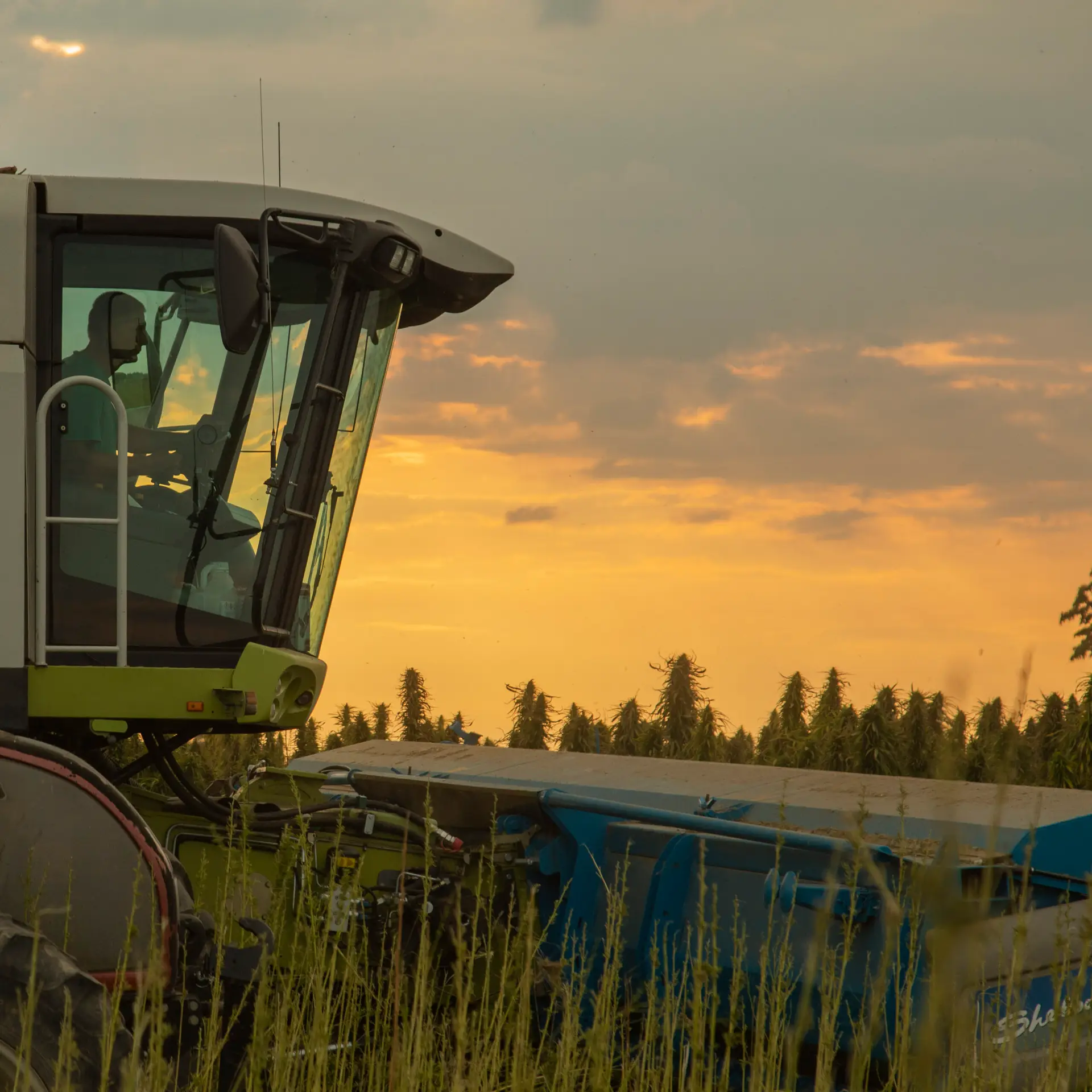
- Check who grew and extracted it. Endoca grows its own hemp and runs its own supercritical CO2 extraction, which is why the cannabinoid profile on the label matches what is in the bottle.
Frequently asked questions about CBG and CBD
What does CBG stand for?
CBG stands for cannabigerol. It is one of more than 120 cannabinoids identified in cannabis and hemp, and was first isolated in 1964. Its acidic precursor, cannabigerolic acid or CBGA, is the compound the plant uses to build every other cannabinoid, which is why CBGA is nicknamed the mother cannabinoid.
Is CBG stronger than CBD?
Not in any meaningful sense. CBG binds more directly to the CB1 and CB2 receptors than CBD does, but binding affinity is not the same as strength or effect. CBG is also far less studied. Higher price reflects how little of it hemp produces, not greater potency.
Does CBG make you high?
No. Like CBD, CBG is non-intoxicating and does not produce the euphoric effects associated with THC. Hemp-derived CBG products sold legally in the US must contain no more than 0.3% THC, the same threshold that applies to CBD products.
Why is CBG more expensive than CBD?
Because mature hemp contains very little of it. The plant converts most of its CBGA into other cannabinoid acids as it grows, so producers must either process large volumes of biomass or harvest CBG-rich plants early, sacrificing yield. Both approaches raise the cost per milligram considerably.
Can you take CBD and CBG together every day?
Many people do, and no established interaction between the two rules it out. A full spectrum hemp extract already contains both. Keep your total intake consistent so you can judge the effect, and speak to your doctor first if you take prescription medication.
Does a full spectrum CBD oil already contain CBG?
Usually yes, in small amounts. Full spectrum extracts retain the plant’s minor cannabinoids, including CBG, CBC and CBN, alongside terpenes. The exact quantity varies by batch and by harvest, so check the certificate of analysis for that specific batch rather than assuming a fixed figure.
If you are starting from scratch, begin with a full spectrum CBD oil, give it a few consistent weeks, and only then decide whether adding CBG is worth the extra cost. For more background on individual cannabinoids, see our guide to what CBG is or our overview of what CBD is.


Comments are closed