No products in the cart.

- Shop
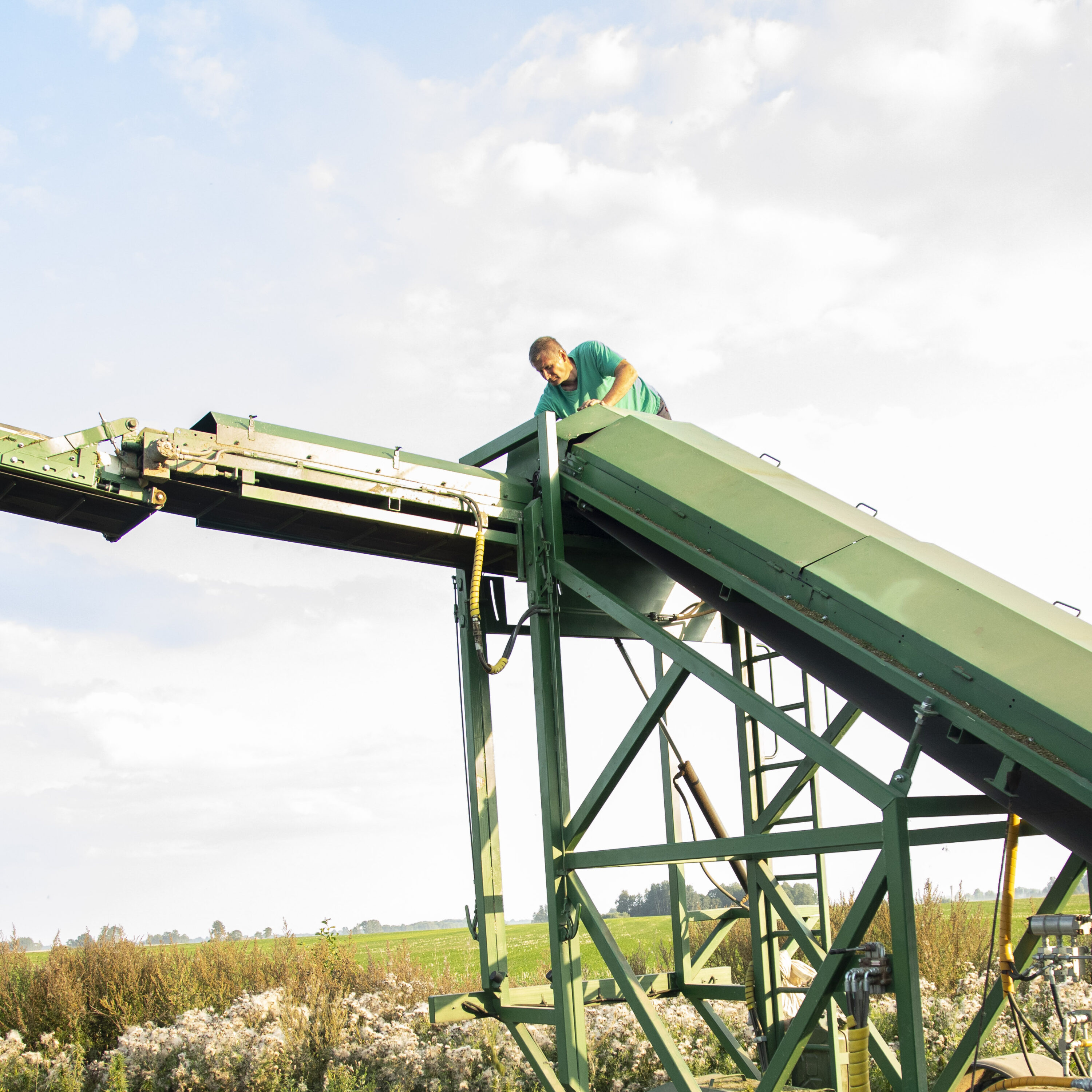
- About Us
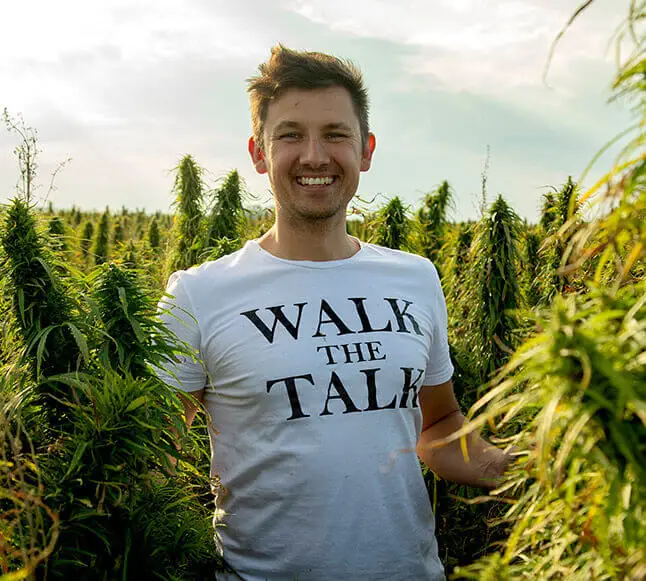
Our Story
From humble beginnings to a global mission – we grow, harvest, and craft hemp with care for people and planet.
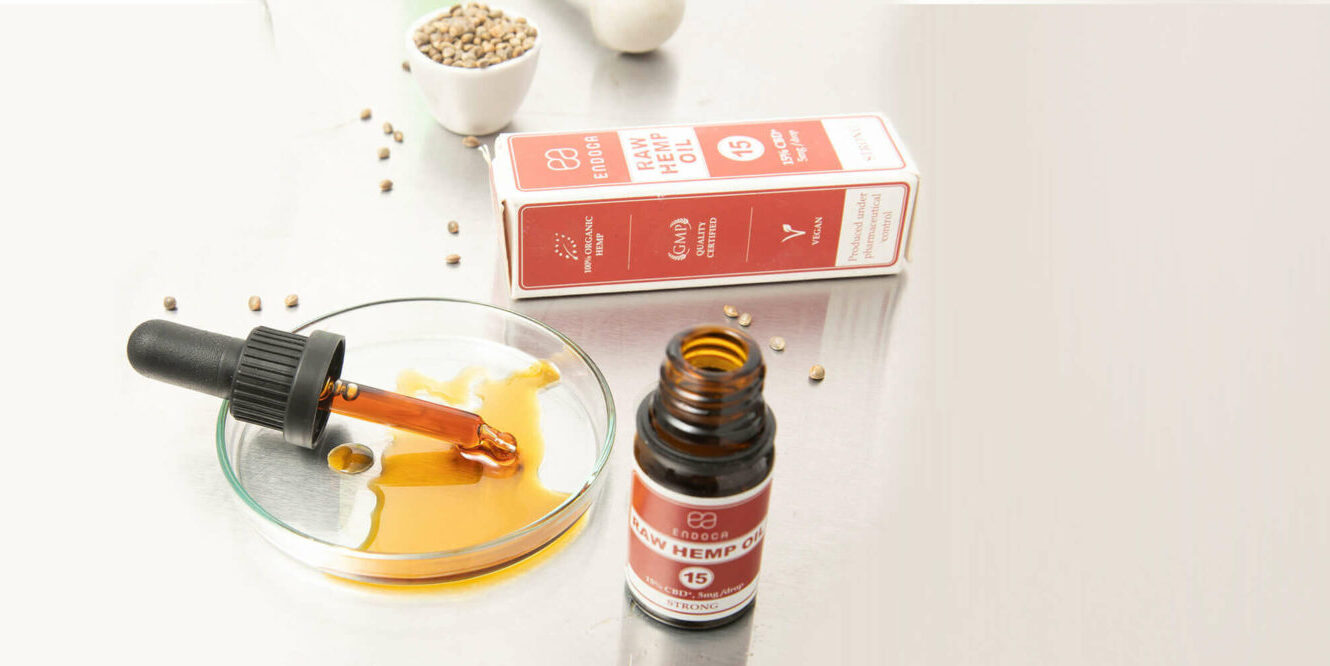
What Is CBD?
CBD is nature’s way to restore balance, calm, and overall well-being – naturally and without the high.
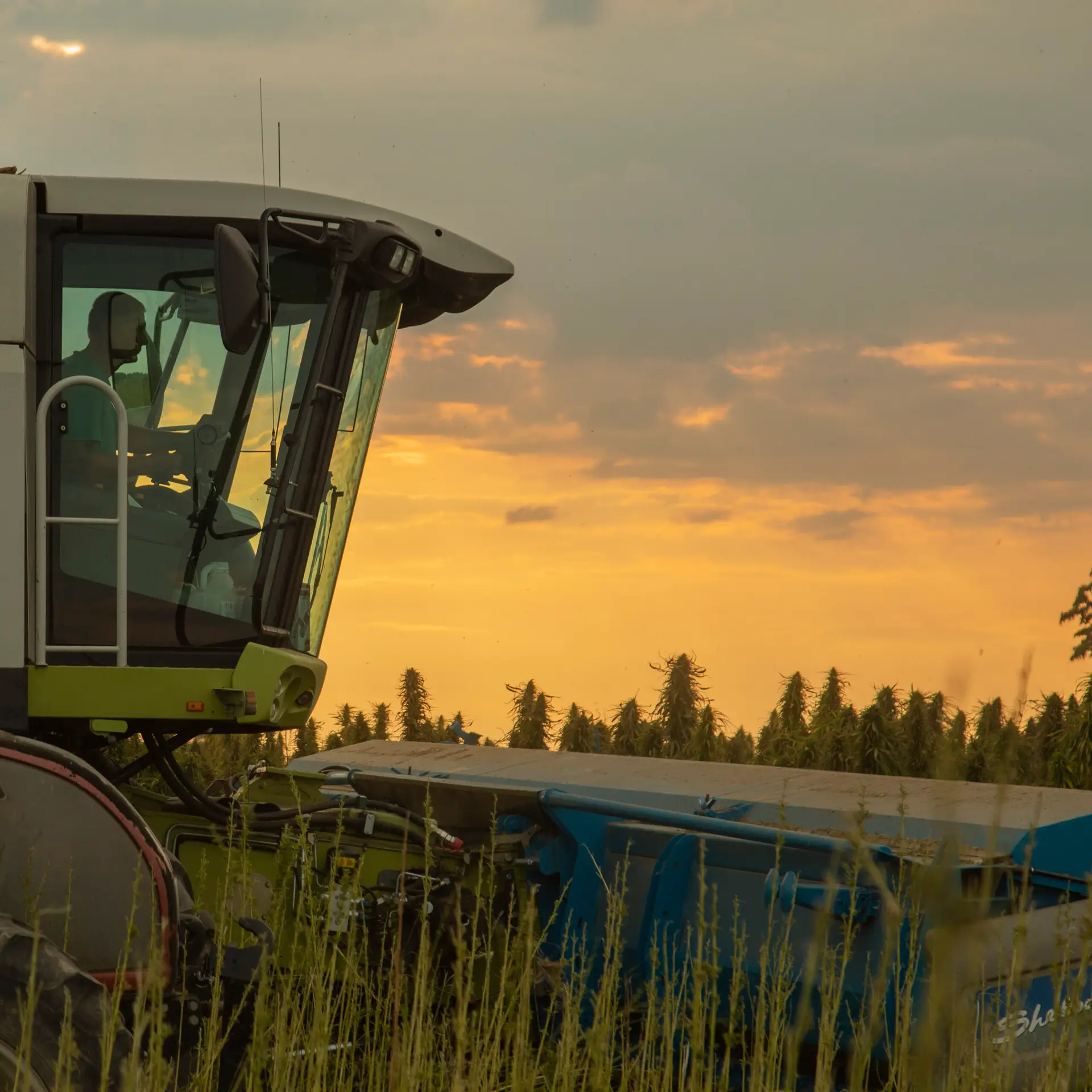
The Process
From seed to shelf, we grow organically, extract cleanly, and follow strict quality standards for purity.
Lab Testing
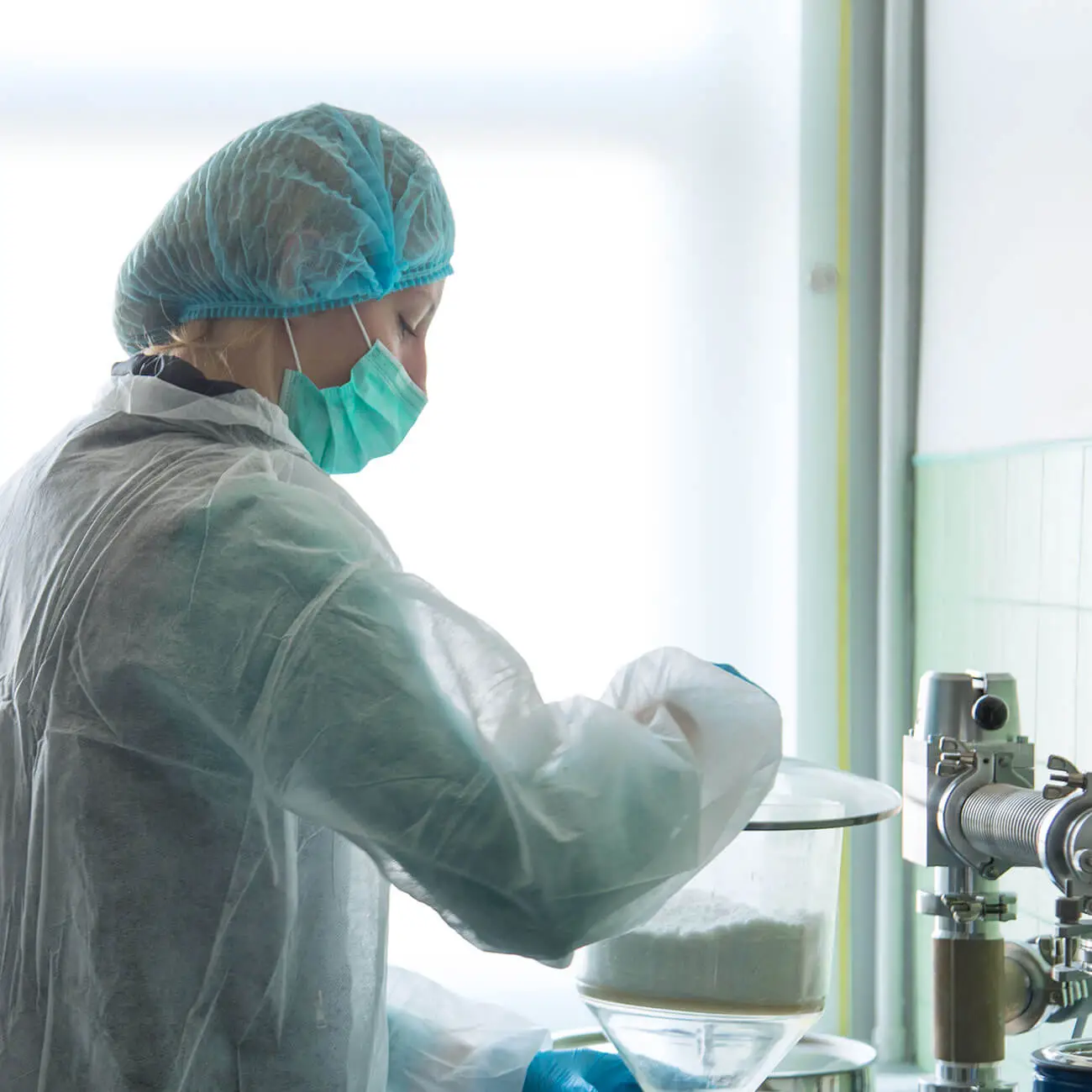
Every batch is third-party tested to ensure purity, safety, and the exact amount of CBD every time.
Our Values
Sustainability, transparency, and wellness guide every decision – for you and for the planet.
Every cannabinoid pair, side by side.
There are over a hundred cannabinoids in cannabis and around ten of them are sold to consumers. They act at different receptors, in different directions, and their evidence bases differ enormously, from three regulatory-grade trials at one end to zero human studies at the other.
FDA structure and function languageNo disease claims
What actually separates these compounds.
Three things separate these compounds, and none of them is a flavour preference. Read them before you read any comparison, because they decide what a claim is worth.
Different receptors
CBD does not activate CB1 at all. THC is a partial agonist at it. CBC prefers CB2. The target decides the effect.
Different directions
Two cannabinoids can meet the same receptor and pull opposite ways. THCV blocks CB1 at low doses and activates it at high ones.
Different evidence
From three regulatory-grade trials at one end to zero human studies at the other. Most minor cannabinoid data is in vitro or rodent.
Start with the question you actually have.
Most comparison content treats cannabinoids as a menu of wellness options. They are not that. They act at different receptors, in different directions, and their evidence bases differ enormously.
No comparison matches that search.
The honest summary.
Every claim on this table is sourced on the individual pages. Binding affinity numbers for the minor cannabinoids are genuinely inconsistent between labs, so assay context matters.
Important context: Human trials showing effects for CBD used 100 to 1,600 mg a day. Consumer products typically deliver 10 to 50 mg. No trial evidence supports scaling those findings down.
Eight cannabinoids, eight evidence bases.
Receptor figures are in vitro and vary between laboratories. The evidence bar counts human trials, not cell studies.
CBDNon-intoxicating
Cannabidiol
CB1No activation
CB2Ki 240 nM
OriginCBDA, decarboxylated
Human evidenceDozens of trials
THCIntoxicating
Delta-9-tetrahydrocannabinol
CB1Partial agonist, 20 to 36 nM
CB2Ki 31 to 52 nM
OriginTHCA, decarboxylated
Human evidenceExtensive
CBGNon-intoxicating
Cannabigerol
CB1Weak, Ki 1.3 μM
CB2Weak partial, 490 nM
OriginCBGA, the precursor
Human evidenceOne trial
CBNIntoxicating
Cannabinol
CB1Weak partial, 29 percent
CB2Negligible
OriginOxidation of THC
Human evidenceOne sleep trial
CBCNon-intoxicating
Cannabichromene
CB1Disputed
CB2CB2-preferring, 27 nM
OriginCBCA, decarboxylated
Human evidenceNone
CBDaNon-intoxicating
Cannabidiolic acid
CB1Inactive above 10 μM
CB2Ki 12 nM, low efficacy
OriginNative plant product
Human evidenceNone controlled
CBDVNon-intoxicating
Cannabidivarin
CB1Inactive
CB2Ki 140 nM
OriginCBDVA, propyl series
Human evidenceTwo, both negative
THCVIntoxicating
Tetrahydrocannabivarin
CB1Antagonist low, agonist high
CB2Partial, 47 to 63 nM
OriginTHCVA, propyl series
Human evidenceLimited
One precursor. Several directions.
Understanding the biosynthesis makes the table easier to read. Cannabis makes one precursor, CBGA. Three enzymes compete for it. THCA synthase produces THCA. CBDA synthase produces CBDA. CBCA synthase produces CBCA. Whatever CBGA is left becomes CBG.
Heat and time then strip a carbon dioxide group from each acid, giving THC, CBD, CBC and CBG.
Two compounds sit outside that scheme
CBN has no synthase; it is what THC becomes when it oxidises. Delta-8 THC is barely present in natural hemp and is generally manufactured by acid conversion from CBD.
And a separate branch makes the varins
Built from a shorter starting molecule, it produces CBDV and THCV. That branch is genetically segregated, which is why varin content is rare in ordinary hemp.
Three things worth knowing first.
Each one changes what a claim on the pages ahead is actually worth.
01
The dose gap
Human trials showing effects for CBD used 100 to 1,600 mg a day. Consumer products typically deliver 10 to 50 mg. No trial evidence supports scaling those findings down.
02
Most minor cannabinoid data is preclinical
CBC, CBDa and THCa have essentially no controlled human data at all. Binding affinity numbers are also genuinely inconsistent between labs, and any single figure quoted without its assay context is misleading.
03
The entourage effect is not established
Two studies designed specifically to test whether cannabis terpenes modulate cannabinoid receptor activity found they do not. A 2024 scoping review concluded there is limited evidence for it as a stable and predictable phenomenon.
In force now2018 Farm Bill
As of September 2026 the 2018 Farm Bill governs: hemp means no more than 0.3 percent delta-9 THC by dry weight, and hemp derivatives are excluded from the Controlled Substances Act.
From 12 November 2026Public Law 119-37, Section 781
The test changes to total THC including THCA, cannabinoids synthesized or manufactured outside the plant are excluded, and finished products are capped at 0.4 mg total THC per container.
A one-month delay had passed the Senate but not the House as of 1 September 2026, and FDA had not published the cannabinoid lists the new rules depend on, more than six months past its deadline.
Every page in this hub carries a review date for that reason.
The rules are moving too.
The legal position in the United States has one date running through it, and it falls this November.
Why we publish the numbers, not the claims.
Explore EndocaWe grow our own hemp, run our own extraction and publish a third-party certificate of analysis for every batch, so we can tell you the measured cannabinoid content tied to the batch code on the bottle.
A company selling these compounds has an obvious incentive to overstate them. We would rather publish the trials that failed alongside the ones that worked.
01
Our own fieldsOrganically grown hemp, cultivated by us rather than bought in.
02
Our own extractionCO2 extraction in our own labs, so the process is ours end to end.
03
A COA per batchMeasured cannabinoid content published against the code on your bottle.
04
Negative results tooWe publish the trials that failed alongside the ones that worked.
References
Each comparison page carries its own reference list. These are the primary sources underpinning the master table.
01Zagzoog A et al. In vitro and in vivo pharmacological activity of minor phytocannabinoids. Sci Rep 2020;10:20405.
02Walsh KB, McKinney AE, Holmes AE. Minor Cannabinoids. Front Pharmacol 2021;12:777804.
03De Petrocellis L et al. Effects of cannabinoids on TRP channels. Br J Pharmacol 2011;163:1479-1494.
04Pertwee RG. Br J Pharmacol 2008;153:199-215.
05Ibeas Bih C et al. Molecular Targets of Cannabidiol. Neurotherapeutics 2015;12:699-730.
06EFSA CONTAM Panel. EFSA Journal 2025;23(11):e9735.
07Congressional Research Service. Legal Sidebar LSB11381, 22 December 2025.