
- Shop
- About Us

Our Story
From humble beginnings to a global mission – we grow, harvest, and craft hemp with care for people and planet.
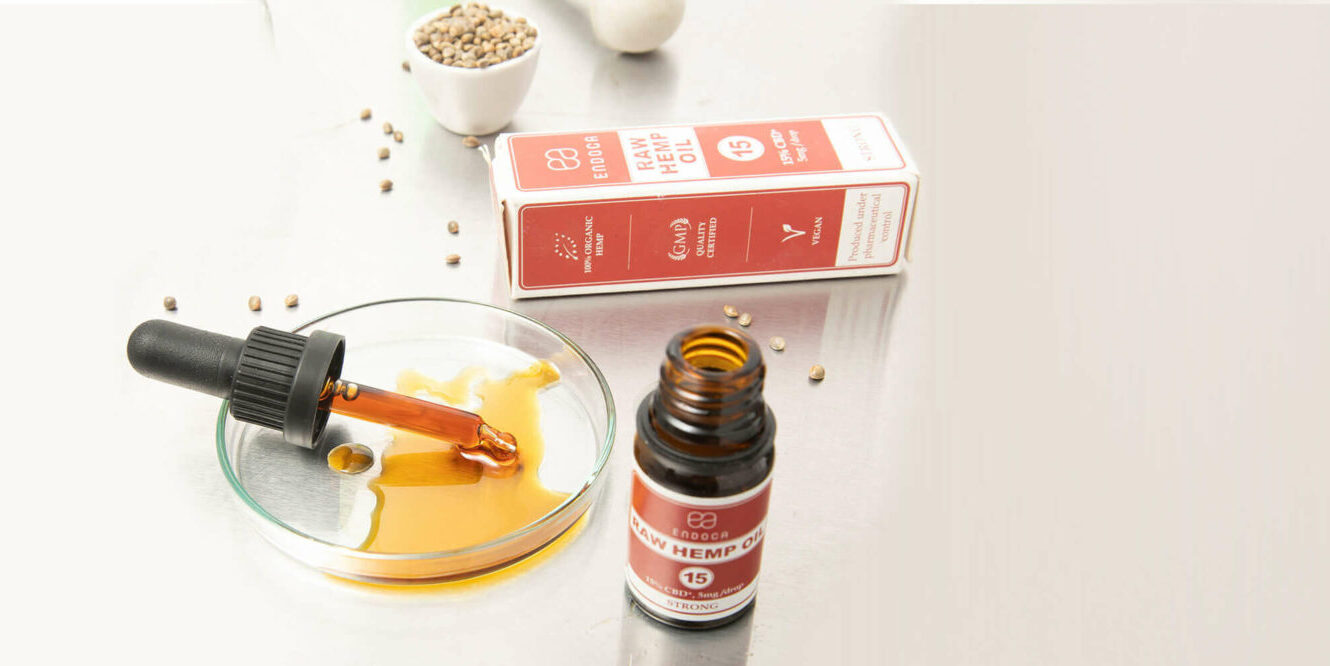
What Is CBD?
CBD is nature’s way to restore balance, calm, and overall well-being – naturally and without the high.

The Process
From seed to shelf, we grow organically, extract cleanly, and follow strict quality standards for purity.

Lab Testing
Every batch is third-party tested to ensure purity, safety, and the exact amount of CBD every time.

Our Values
Sustainability, transparency, and wellness guide every decision – for you and for the planet.

Not All Vitamins Are Created Equal

100% Organic
Vitamins from organic plant sources, not synthesised

Third Party Tested
Every batch is independently tested for purity and nutrient content

Highest Quality
Produced in GMP-certified facilities with rigorous quality control

Whole Food Sourced
Nutrients With Their Natural Co-Factors

UK Delivery
Fast and Discreet
Compare Endoca Vitamin C, D and Zinc
All three products, compared by source, nutrient, who each suits and what else comes from the plant.
| PRODUCT | FORMAT | KEY NUTRIENT | BEST FOR | ALSO CONTAINS |
|---|---|---|---|---|
| Organic Vitamin C | Capsules | Vitamin C from an organic plant source | A daily vitamin C that is not synthesised | Polyphenols from the source material |
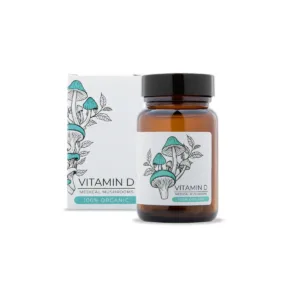
| Organic Vitamin D | Capsules | Vitamin D | British winters and low sun exposure | Organic plant-source carrier |
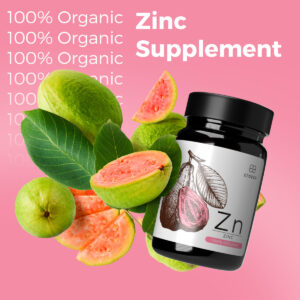
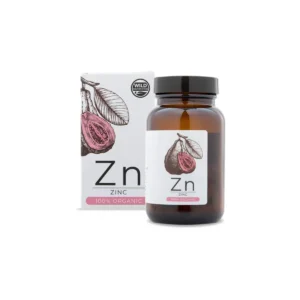
| Organic Zinc | Capsules | Zinc from organic guava leaf | A plant-sourced mineral | Calcium, phosphorus, magnesium, potassium |
What Are the Vitamins for the Immune System?
In Great Britain, a handful of nutrients carry registered claims about the immune system, and vitamin C, vitamin D and zinc are three of them. The registered wording for each is that it contributes to the normal function of the immune system. Most products sold as vitamins for the immune system lean on these same three nutrients. Ours keep them in separate capsules, so you can take only the one you want rather than a fixed combination of all three.
Ours are natural vitamins, taken from organic plants rather than built in a laboratory. The molecule is often identical, and we will not tell you a plant source is always better. What differs is the company it keeps: polyphenols with the vitamin C, four further minerals with the zinc. On vitamin C specifically, the research on whether the source makes a meaningful difference is thin, and we would rather say so than dress it up. A plant source is about what comes alongside the vitamin.
The figure to read on any vitamin label is the nutrient reference value, or NRV. It states a serving as a share of the reference intake, so two products can be compared fairly. A figure over 100% means one serving provides more than the reference intake. Look at the serving size as well, since one product’s serving may be two capsules and another’s just one. Ours list the serving size and capsule count on each product page, and most are a single daily serving.

What Can Vitamin C, D and Zinc Be Used For?
UK law lets us answer this directly for these three, in the registered wording.
For everything else here, we describe formats and situations rather than results. Supplements work alongside a varied diet, not in place of one. If you take prescription medication, have a word with your doctor before adding anything.

Frequently Asked Questions
Vitamin C, vitamin D and zinc each contribute to the normal function of the immune system. Those are registered claims in Great Britain, and Endoca makes all three from organic plant sources.
Not necessarily. Many people take only the one their diet is short of. Vitamin D is the one most often low in a British winter. Your GP or pharmacist can tell you whether you need any of them.
Nutrient reference value: a serving shown as a percentage of the reference intake. It is the fairest way to compare two vitamin labels. Read the serving size alongside it, because a serving can be one capsule or two depending on the product.
Yes. All three are plant-sourced and free from gluten, wheat, yeast, milk and soy. Nothing artificial is added, and the full ingredient list for each product is on its own page if you want to check.
Check the NRV percentage per serving, the serving size, and whether the claim on the pack matches the registered wording. In Great Britain only certain nutrients may carry an immune claim, so a product promising more than the register allows is worth questioning.
They are taken from organic plants rather than built in a laboratory. The vitamin molecule is often identical, so the difference is what comes with it: polyphenols with the vitamin C, and calcium, phosphorus, magnesium and potassium with the guava leaf zinc.
The leaf is naturally rich in zinc and brings calcium, phosphorus, magnesium and potassium too. Those minerals come as part of the leaf rather than being blended in separately, which is the point of using a whole plant source.
Yes. Every batch goes to an independent laboratory for purity and nutrient content before release. Reports are listed by batch number on our lab testing page, so you can find the one for your pot.
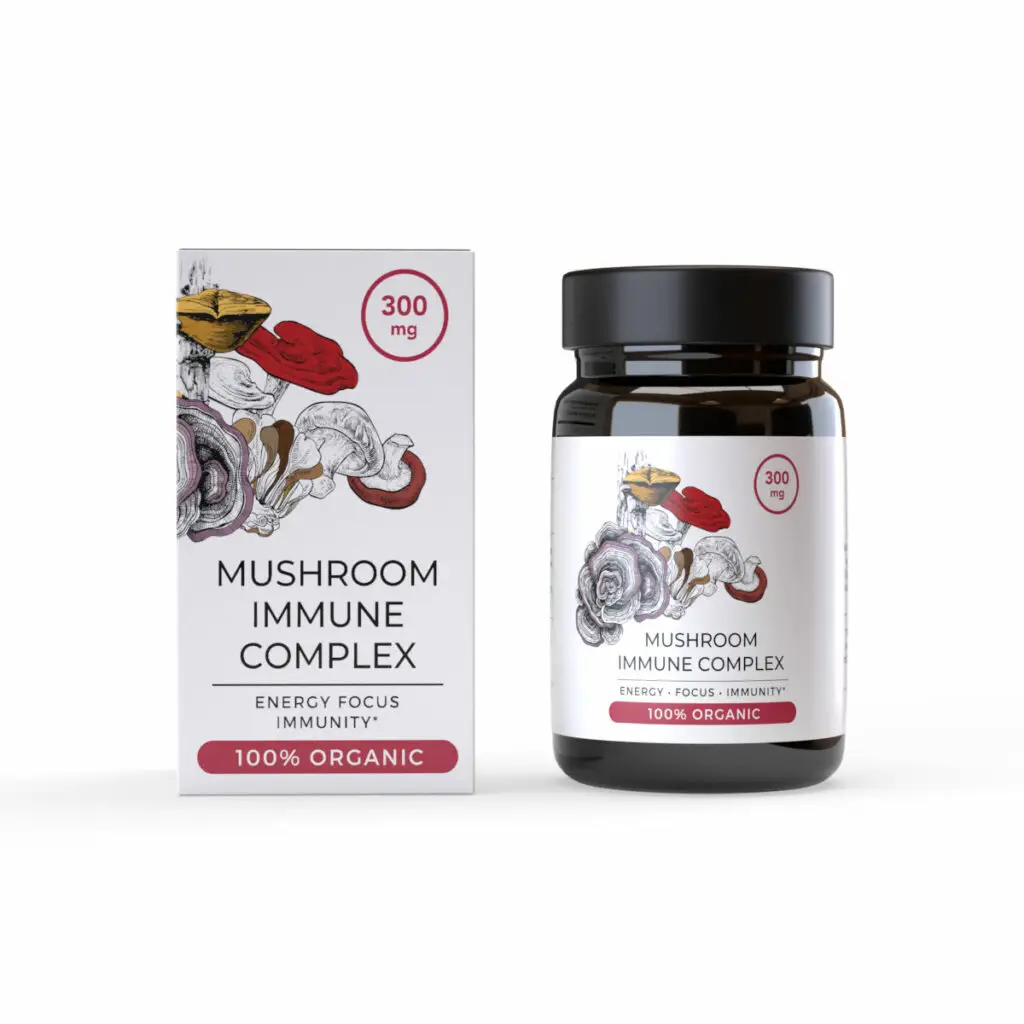
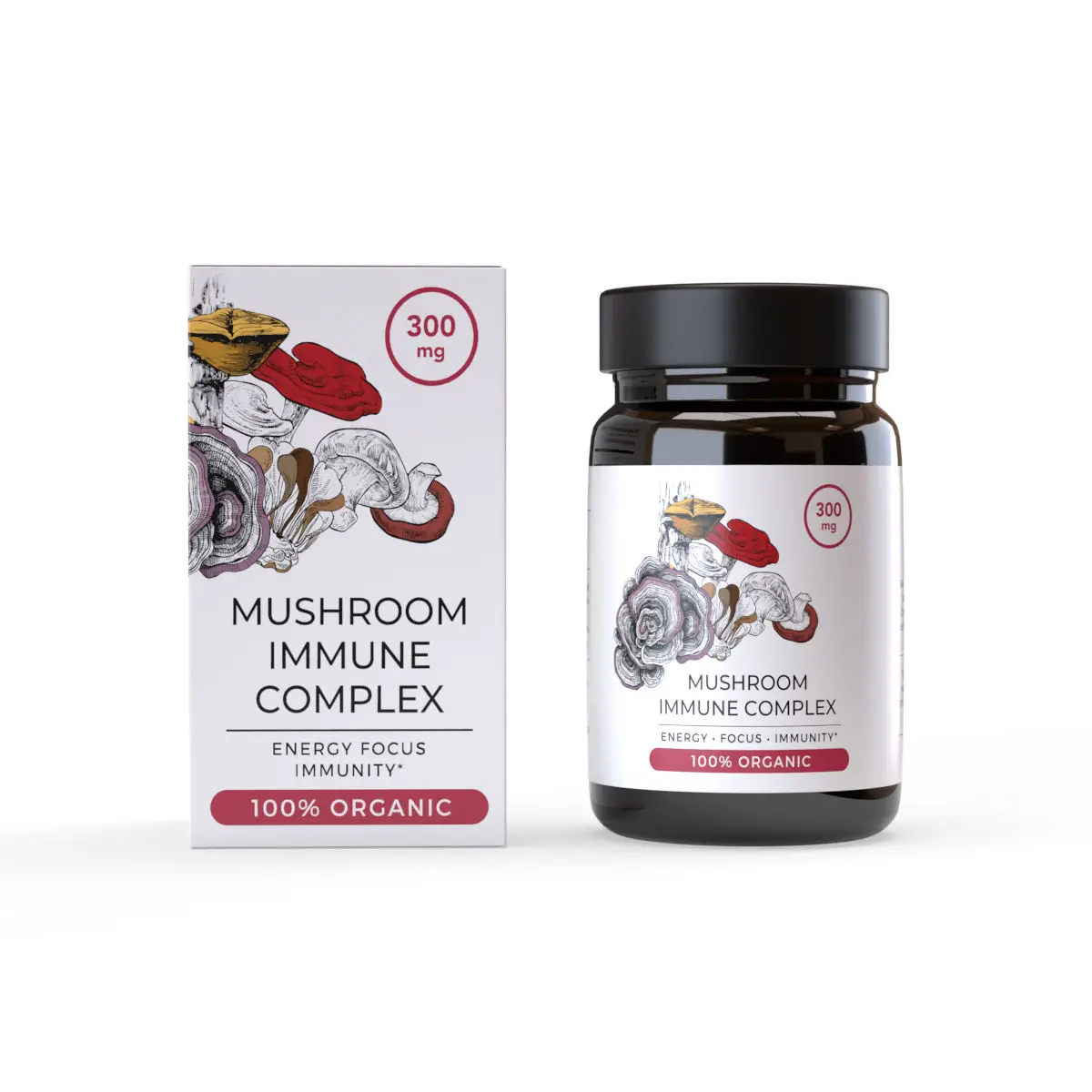
Because only registered claims may be made in Great Britain. Vitamin C, vitamin D and zinc have them for the immune system. Mushrooms and botanicals do not, so they are not listed here.
Not All Vitamins Are Created Equal
100% Organic
Vitamins from organic plant sources, not synthesised
Third Party Tested
Every batch is independently tested for purity and nutrient content
Highest Quality
Produced in GMP-certified facilities with rigorous quality control
Whole Food Sourced
Nutrients With Their Natural Co-Factors
UK Delivery
Fast and Discreet
Compare Endoca Vitamin C, D and Zinc
 Organic Vitamin C
 Organic Vitamin D
 Organic Zinc
What Are the Vitamins for the Immune System?
In Great Britain, a handful of nutrients carry registered claims about the immune system, and vitamin C, vitamin D and zinc are three of them. The registered wording for each is that it contributes to the normal function of the immune system. Most products sold as vitamins for the immune system lean on these same three nutrients. Ours keep them in separate capsules, so you can take only the one you want rather than a fixed combination of all three.
Ours are natural vitamins, taken from organic plants rather than built in a laboratory. The molecule is often identical, and we will not tell you a plant source is always better. What differs is the company it keeps: polyphenols with the vitamin C, four further minerals with the zinc. On vitamin C specifically, the research on whether the source makes a meaningful difference is thin, and we would rather say so than dress it up. A plant source is about what comes alongside the vitamin.
The figure to read on any vitamin label is the nutrient reference value, or NRV. It states a serving as a share of the reference intake, so two products can be compared fairly. A figure over 100% means one serving provides more than the reference intake. Look at the serving size as well, since one product’s serving may be two capsules and another’s just one. Ours list the serving size and capsule count on each product page, and most are a single daily serving.
What Can Vitamin C, D and Zinc Be Used For?
UK law lets us answer this directly for these three, in the registered wording.
For everything else here, we describe formats and situations rather than results. Supplements work alongside a varied diet, not in place of one. If you take prescription medication, have a word with your doctor before adding anything.
Contributes to the normal function of the immune system. Ours is drawn from an organic plant source and arrives with polyphenols from that source material, with nothing artificial added.
Contributes to the normal function of the immune system and to the maintenance of normal bones. It is made from organic plant sources rather than synthesised.
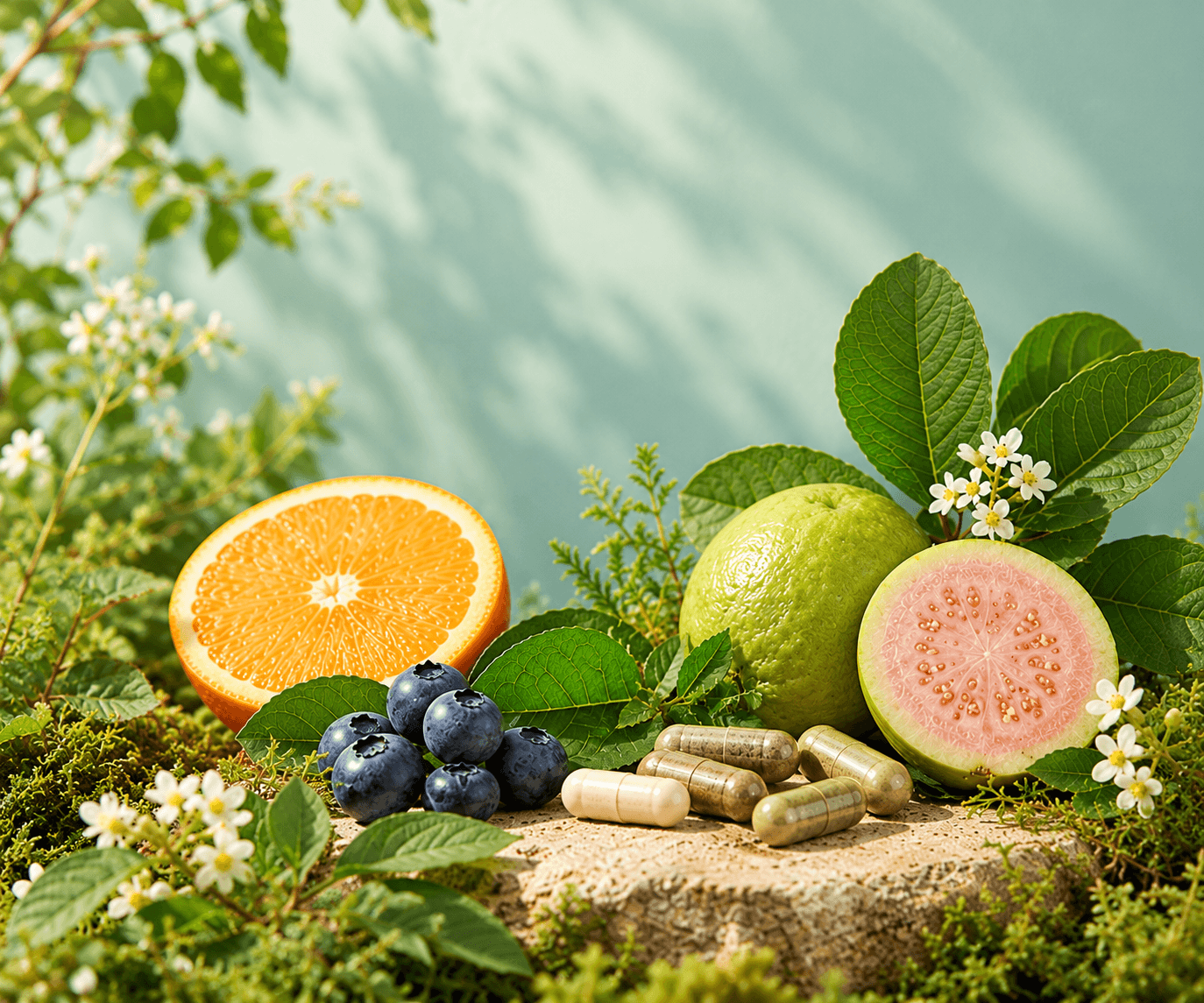
Contributes to the normal function of the immune system. Ours is drawn from organic guava leaf, which carries calcium, phosphorus, magnesium and potassium as part of the leaf.
Vitamin D is the nutrient people most often add in the darker months, when the body makes less from sunlight.
The Full Range
For a multivitamin, bilberry or Quina, see all our natural vitamins, which come from organic sources in the same way and can share a repeat delivery with these three.
Anyone already taking CBD can add our CBD capsules or CBD oil to the same repeat order, so everything turns up in one parcel.
Frequently Asked Questions
Vitamin C, vitamin D and zinc each contribute to the normal function of the immune system. Those are registered claims in Great Britain, and Endoca makes all three from organic plant sources.
Not necessarily. Many people take only the one their diet is short of. Vitamin D is the one most often low in a British winter. Your GP or pharmacist can tell you whether you need any of them.
Nutrient reference value: a serving shown as a percentage of the reference intake. It is the fairest way to compare two vitamin labels. Read the serving size alongside it, because a serving can be one capsule or two depending on the product.
Yes. All three are plant-sourced and free from gluten, wheat, yeast, milk and soy. Nothing artificial is added, and the full ingredient list for each product is on its own page if you want to check.
Check the NRV percentage per serving, the serving size, and whether the claim on the pack matches the registered wording. In Great Britain only certain nutrients may carry an immune claim, so a product promising more than the register allows is worth questioning.
They are taken from organic plants rather than built in a laboratory. The vitamin molecule is often identical, so the difference is what comes with it: polyphenols with the vitamin C, and calcium, phosphorus, magnesium and potassium with the guava leaf zinc.
The leaf is naturally rich in zinc and brings calcium, phosphorus, magnesium and potassium too. Those minerals come as part of the leaf rather than being blended in separately, which is the point of using a whole plant source.
Yes. Every batch goes to an independent laboratory for purity and nutrient content before release. Reports are listed by batch number on our lab testing page, so you can find the one for your pot.
Because only registered claims may be made in Great Britain. Vitamin C, vitamin D and zinc have them for the immune system. Mushrooms and botanicals do not, so they are not listed here.