
- Shop
- About Us

Our Story
From humble beginnings to a global mission – we grow, harvest, and craft hemp with care for people and planet.
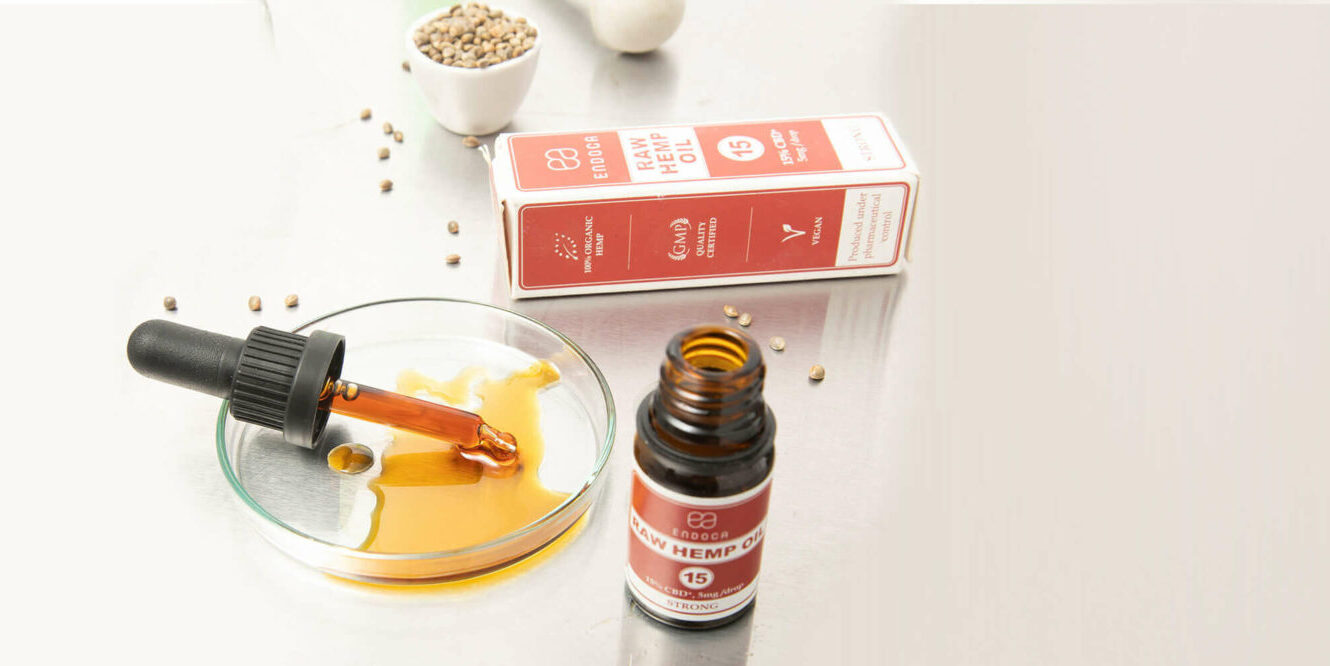
What Is CBD?
CBD is nature’s way to restore balance, calm, and overall well-being – naturally and without the high.
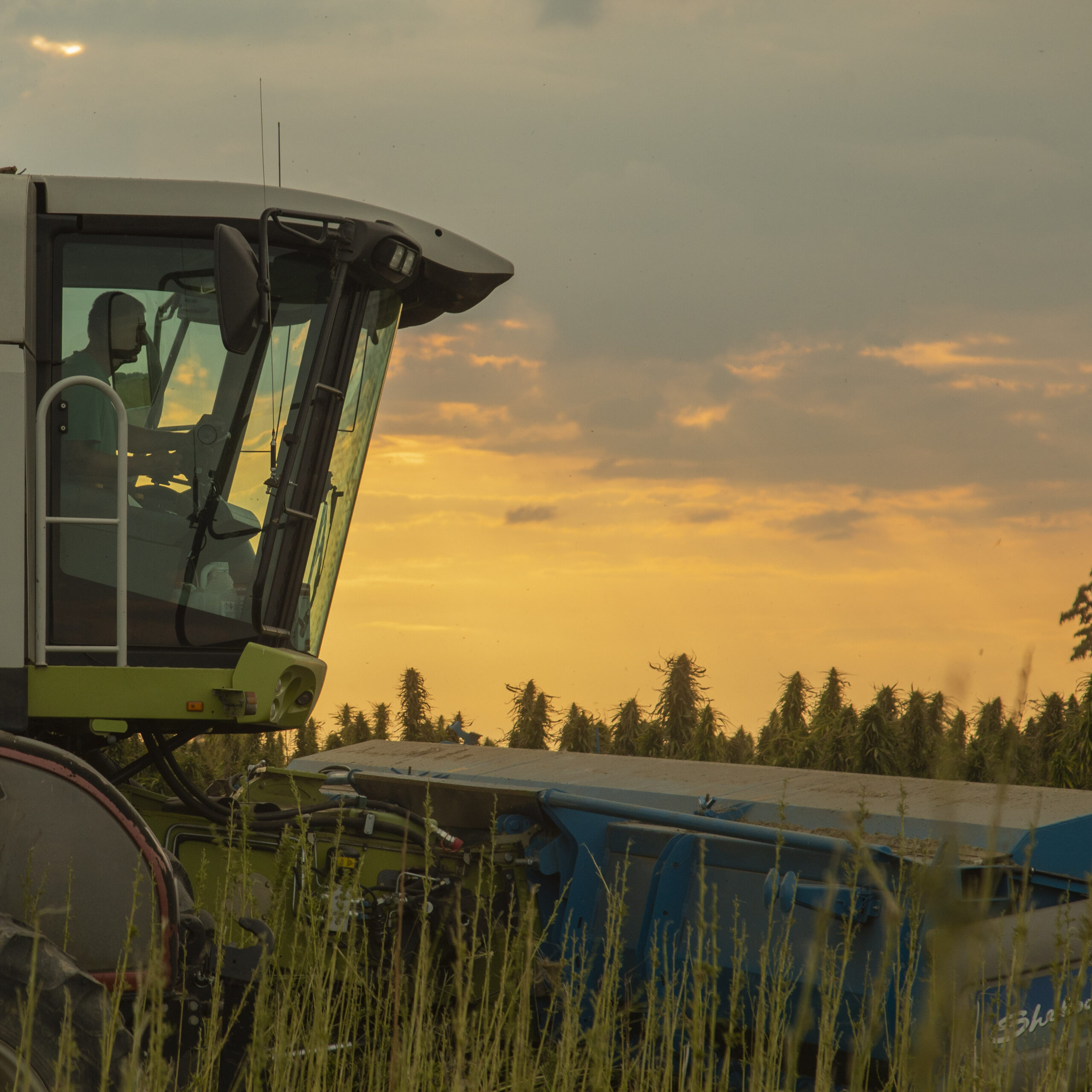
The Process
From seed to shelf, we grow organically, extract cleanly, and follow strict quality standards for purity.
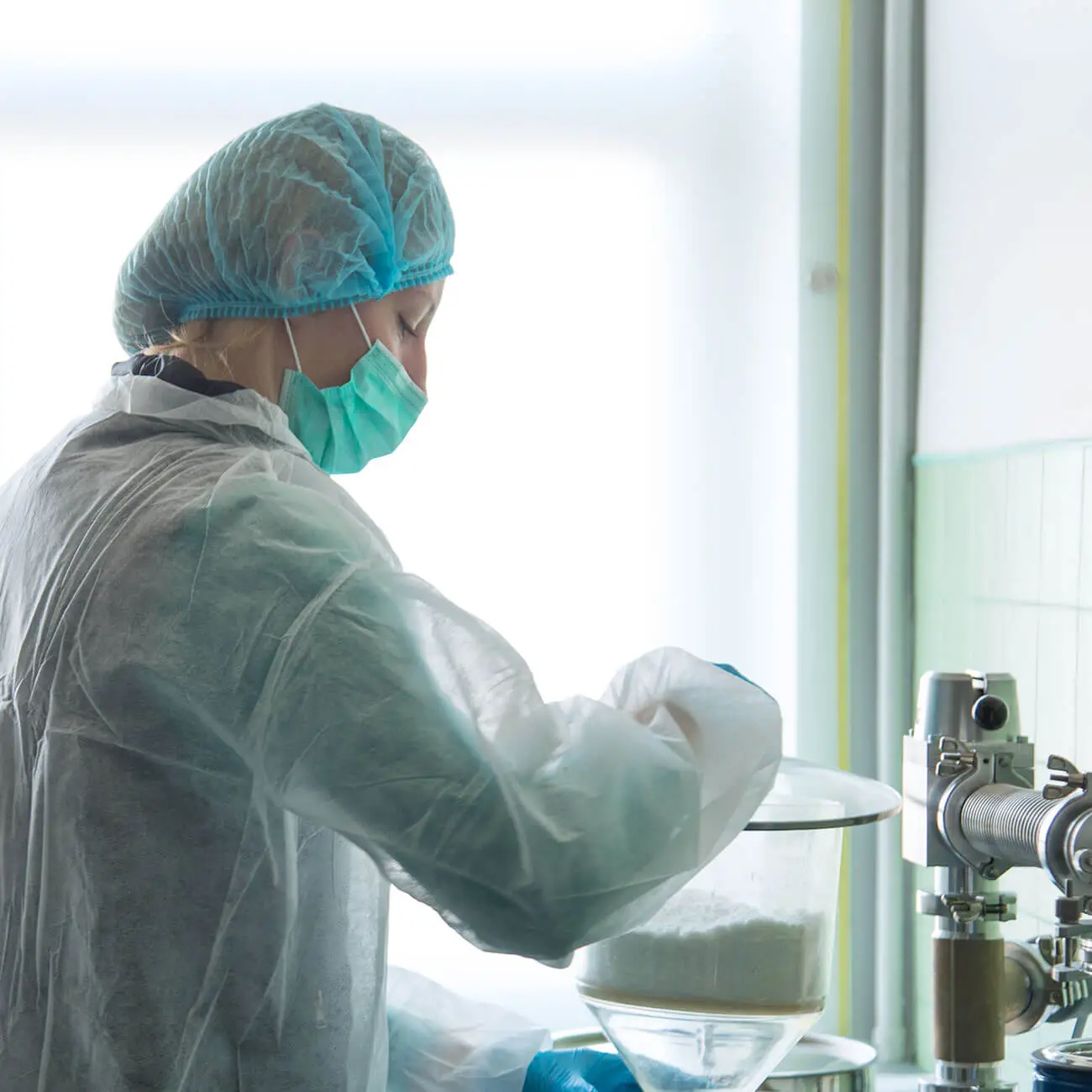
Lab Testing
Every batch is third-party tested to ensure purity, safety, and the exact amount of CBD every time.
Our Values
Sustainability, transparency, and wellness guide every decision – for you and for the planet.
At a glance
What these two actually are
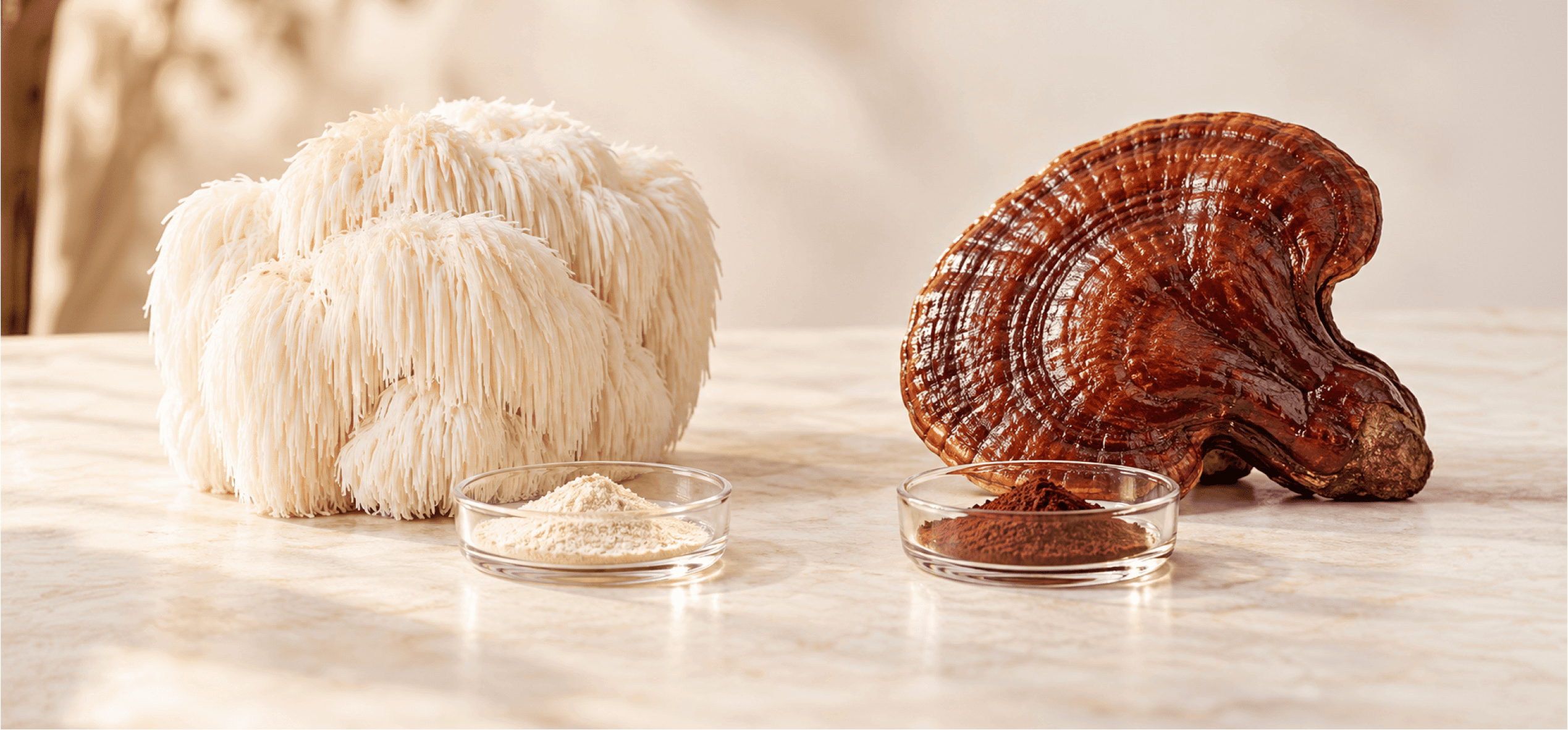
One of these names is reliable and the other is a convention. Hericium erinaceus is a wood-rotting fungus with long white spines, grown on hardwood sawdust and long eaten as a vegetable in Japan and China. Reishi labels read Ganoderma lucidum, a name fixed to an 1881 collection. In 2023 Du and colleagues re-examined the Ganoderma sichuanense holotype, placed Chinese cultivated lingzhi in that species, and treated Ganoderma lingzhi as a later synonym.
The sharper division is anatomical. Hericenones C to H came out of lion’s mane fruiting bodies and erinacines A to I out of its mycelia, which means those two parts of one fungus do not carry the same chemistry. Reishi divides instead by solubility, cell wall beta-glucans on one side and ganoderic acids on the other, and its mycelium has no food history behind it.
None of this is beyond a laboratory. Beta-glucan can be reported apart from starch, and hericenones, hericenes, erinacine A and ergosterol all separate in one validated chromatographic run. The methods are published and in use. What is rare is a label reporting what they found.
Beta-glucans, and why the number on the label may not mean what you think
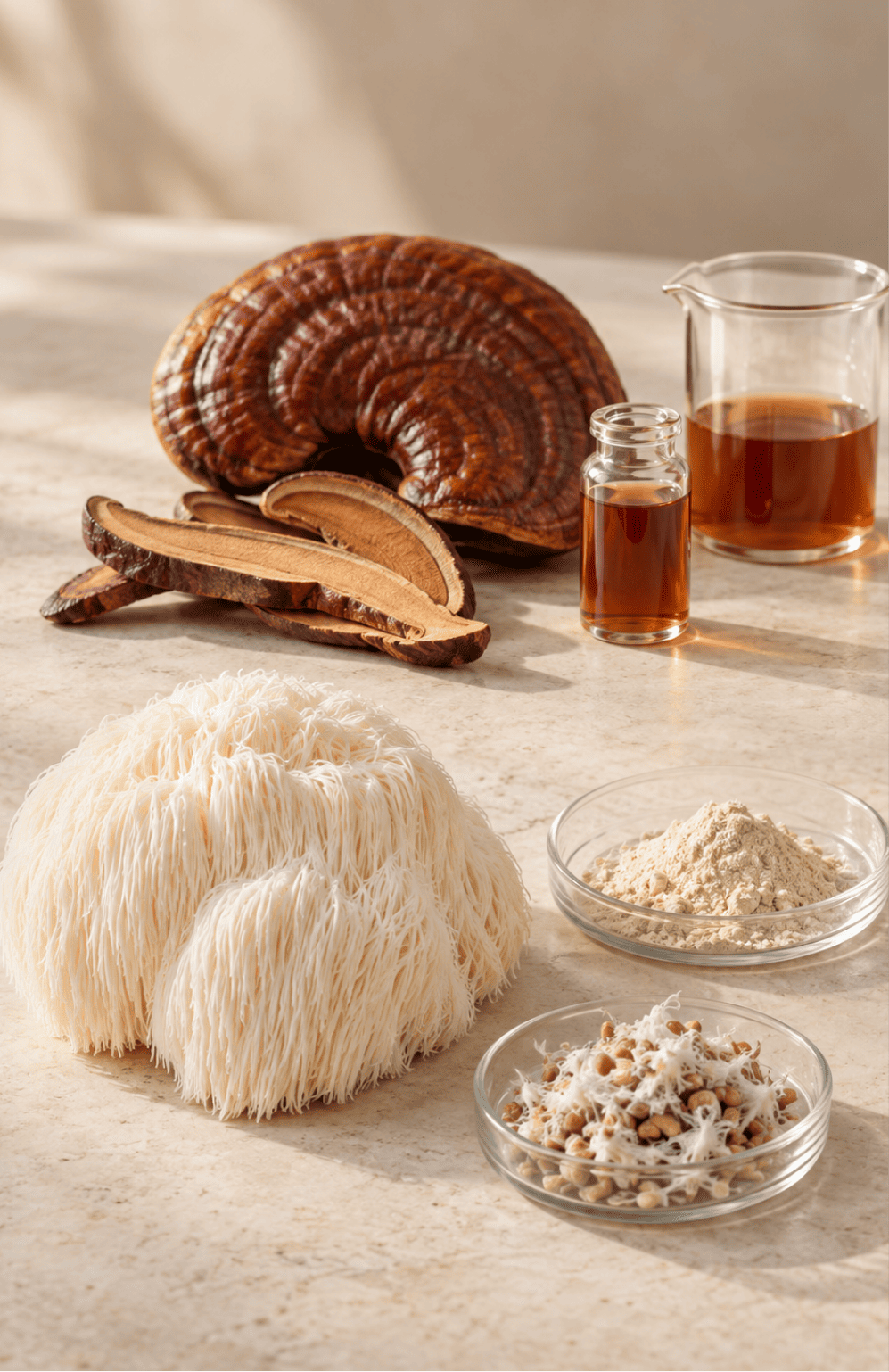
A polysaccharide percentage and a beta-glucan percentage are not the same measurement, and grain is the reason. Mycelium is commonly cultivated on sterilised cereal and sold without being separated from it. McCleary and Draga put a number on the consequence: in mycelial products the bulk of the grain starch stays intact and ends up by far the major glucan in the finished goods. A crude polysaccharide assay cannot tell that starch from fungus. A beta-glucan assay can: it releases total glucan with acid, measures alpha-glucan on its own, and reports the remainder.
To see the scale, look at species screened properly. Across 39 species, turkey tail fruiting bodies came in at 60.79 g beta-glucan per 100 g dry matter with only 0.41 g alpha-glucan, and maitake at 25.99 g with 5.04 g. Neither lion’s mane nor reishi was in that work.
And the assay changes the answer. Enzyme-only hydrolysis gave markedly lower results than the sulphuric acid procedure, and Ganoderma read significantly higher with sulphuric acid than with hydrochloric, so two reishi percentages mean little side by side unless both name their method. Our own lion’s mane gummy extract is standardised to 50 percent polysaccharides, not to beta-glucan.
What the human evidence shows
Read down the two columns and the asymmetry is the point. Lion’s mane carries small positive results, none above 41 participants and none testing part used. Reishi has had the larger trials, and they returned nothing. A longer tradition is not a bigger dataset.
What people get wrong
Choosing between them
Work backwards from the compound you came for, then look at the part used. Hericenones or erinacines point to lion’s mane, and there you need to know whether the material is fruiting body or mycelium, since neither family occurs in both. Ganoderic acids point to reishi, and that extract needs an alcohol step, because hot water will not lift triterpenoids. Where beta-glucans are the only interest, either species carries them and water alone will do. A polysaccharide percentage printed on the front of the jar should carry no weight in the decision.
Legal status and safety
No health claim for lion’s mane or for reishi is authorised under Regulation (EC) 1924/2006. Nobody, ourselves included, may state or imply that either acts on the body. Every number on this page is a measurement or a published trial result, stated and left there.
Whether the material may be sold as a food at all is a separate question. Under Regulation (EU) 2015/2283 as retained in UK law, an ingredient needs a history of significant human consumption before 15 May 1997, or it needs authorisation.
Extract powder from the Hericium erinaceus fruiting body was found not novel in a published status consultation. Dehydrated mycelium of Hericium erinaceus, and of Ganoderma lucidum, were each assessed as novel foods in October 2019, because a consumption history belonging to the fruiting body does not pass to the mycelium.
On safety, reishi is the one with a documented signal. Fatal fulminant hepatitis was reported in a patient who had taken boiled lingzhi for some time without incident, then moved to lingzhi powder for one to two months while also taking other medicines. Neither species has human safety data for pregnancy, breastfeeding or childhood.
How Endoca tests for this
There is a gap here and it is ours to close. The mushroom range is tested for identity and for the contaminants that matter, heavy metals, pesticides and microbes, and the hemp side of the business has published batch certificates since 2010 from our own farm, our own land and our own extraction. What those certificates do not yet state is a beta-glucan value measured as beta-glucan instead of as crude polysaccharide.
Frequently asked questions
The evidence cannot answer that. Lion’s mane has three small randomised trials, the largest 41 participants. Reishi has been tested in larger groups, and 3 g a day for 16 weeks in 84 adults shifted nothing recorded. The two carry different compound families, so ask which compound you want.
Whether the jar holds mushroom or cereal. Crude polysaccharide assays count starch from the grain that mycelium is grown on, and McCleary and Draga found that starch is usually the major glucan in a mycelial product. The beta-glucan method measures it separately and removes it.
Not without authorisation. Dehydrated mycelium of Hericium erinaceus and of Ganoderma lucidum were each assessed as novel foods in October 2019, because the pre-1997 consumption history attaches to the fruiting body rather than the mycelium. An unauthorised novel food may not be marketed.
Not the cultivated material. Re-examination of the Ganoderma sichuanense holotype in 2023 placed Chinese cultivated lingzhi in that species and reduced Ganoderma lingzhi, described in 2012, to a later synonym. Ganoderma lucidum, named in 1881, carries on as a trade name.
References
Mori K, Inatomi S, Ouchi K, Azumi Y, Tuchida T. Improving effects of the mushroom Yamabushitake (Hericium erinaceus) on mild cognitive impairment: a double-blind placebo-controlled clinical trial. Phytother Res. 2009;23(3):367-372.
Nagano M, Shimizu K, Kondo R, et al. Reduction of depression and anxiety by 4 weeks Hericium erinaceus intake. Biomed Res (Tokyo). 2010;31(4):231-237.
Docherty S, Doughty FL, Smith EF. The acute and chronic effects of lion’s mane mushroom supplementation on cognitive function, stress and mood in young adults: a double-blind, parallel groups, pilot study. Nutrients. 2023;15(22):4842.
Wang J, Wu J, Yamaguchi R, et al. Uncovering hericenones from the fruiting bodies of Hericium erinaceus through interdisciplinary collaboration. J Nat Prod. 2025;88(1):80-85.
McCleary BV, Draga A. Measurement of beta-glucan in mushrooms and mycelial products. J AOAC Int. 2016;99(2):364-373.
Sari M, Prange A, Lelley JI, Hambitzer R. Screening of beta-glucan contents in commercially cultivated and wild growing mushrooms. Food Chem. 2017;216:45-51.
Du Z, Li Y, Wang XC, Wang K, Yao YJ. Re-examination of the holotype of Ganoderma sichuanense (Ganodermataceae, Polyporales) and a clarification of the identity of Chinese cultivated lingzhi. J Fungi (Basel). 2023;9(3):323.
Klupp NL, Chang D, Hawke F, et al. Ganoderma lucidum mushroom for the treatment of cardiovascular risk factors. Cochrane Database Syst Rev. 2015;(2):CD007259.
Klupp NL, Kiat H, Bensoussan A, Steiner GZ, Chang DH. A double-blind, randomised, placebo-controlled trial of Ganoderma lucidum for the treatment of cardiovascular risk factors of metabolic syndrome. Sci Rep. 2016;6:29540.
Wanmuang H, Leopairut J, Kositchaiwat C, Wananukul W, Bunyaratvej S. Fatal fulminant hepatitis associated with Ganoderma lucidum (lingzhi) mushroom powder. J Med Assoc Thai. 2007;90(1):179-181.
Novel food status consultations: Hericium erinaceus and Ganoderma lucidum dehydrated mycelium powders, AESAN assessments, 29 October 2019; extract powder from the fruiting body of lion’s mane, Finnish Food Authority.
Last reviewed 1 October 2026.
These statements have not been evaluated by the Food and Drug Administration. This product is not intended to diagnose, treat, cure, or prevent any disease.