
- Shop
- About Us
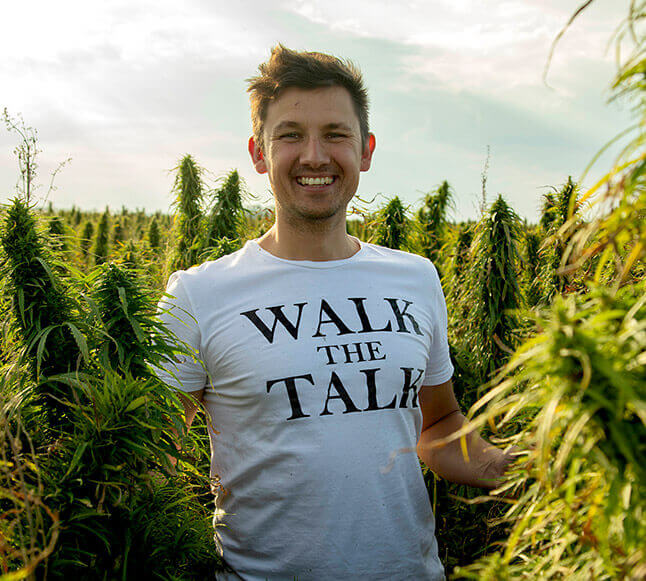
Our Story
From humble beginnings to a global mission – we grow, harvest, and craft hemp with care for people and planet.
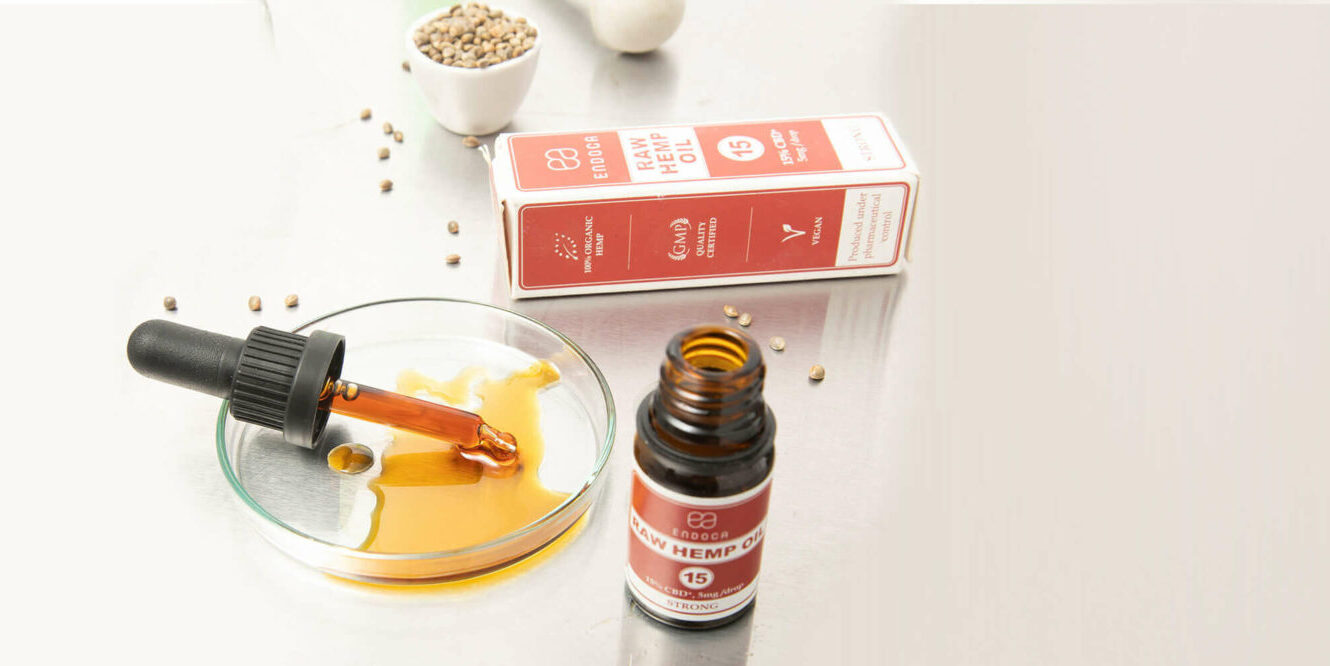
What Is CBD?
CBD is nature’s way to restore balance, calm, and overall well-being – naturally and without the high.
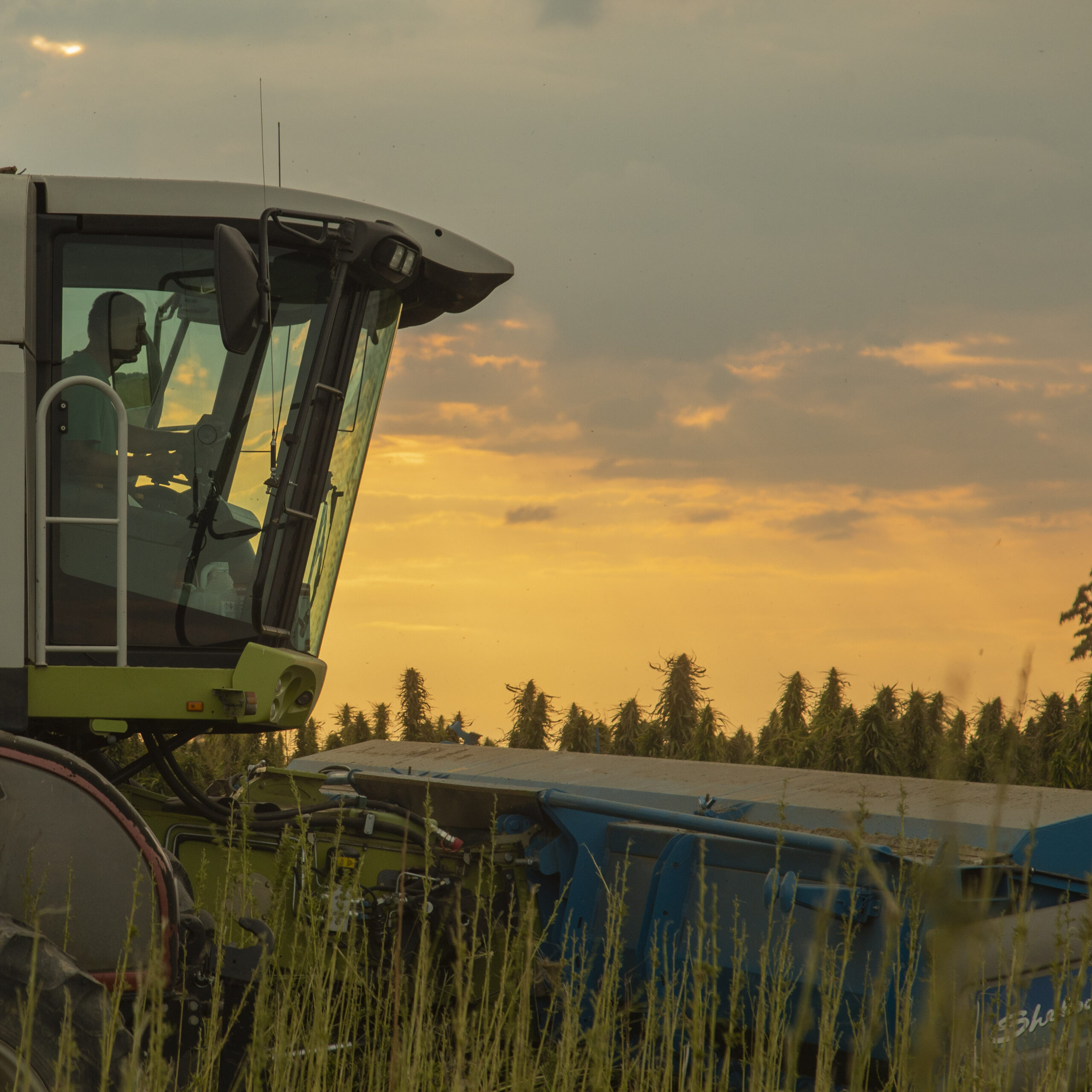
The Process
From seed to shelf, we grow organically, extract cleanly, and follow strict quality standards for purity.

Lab Testing
Every batch is third-party tested to ensure purity, safety, and the exact amount of CBD every time.
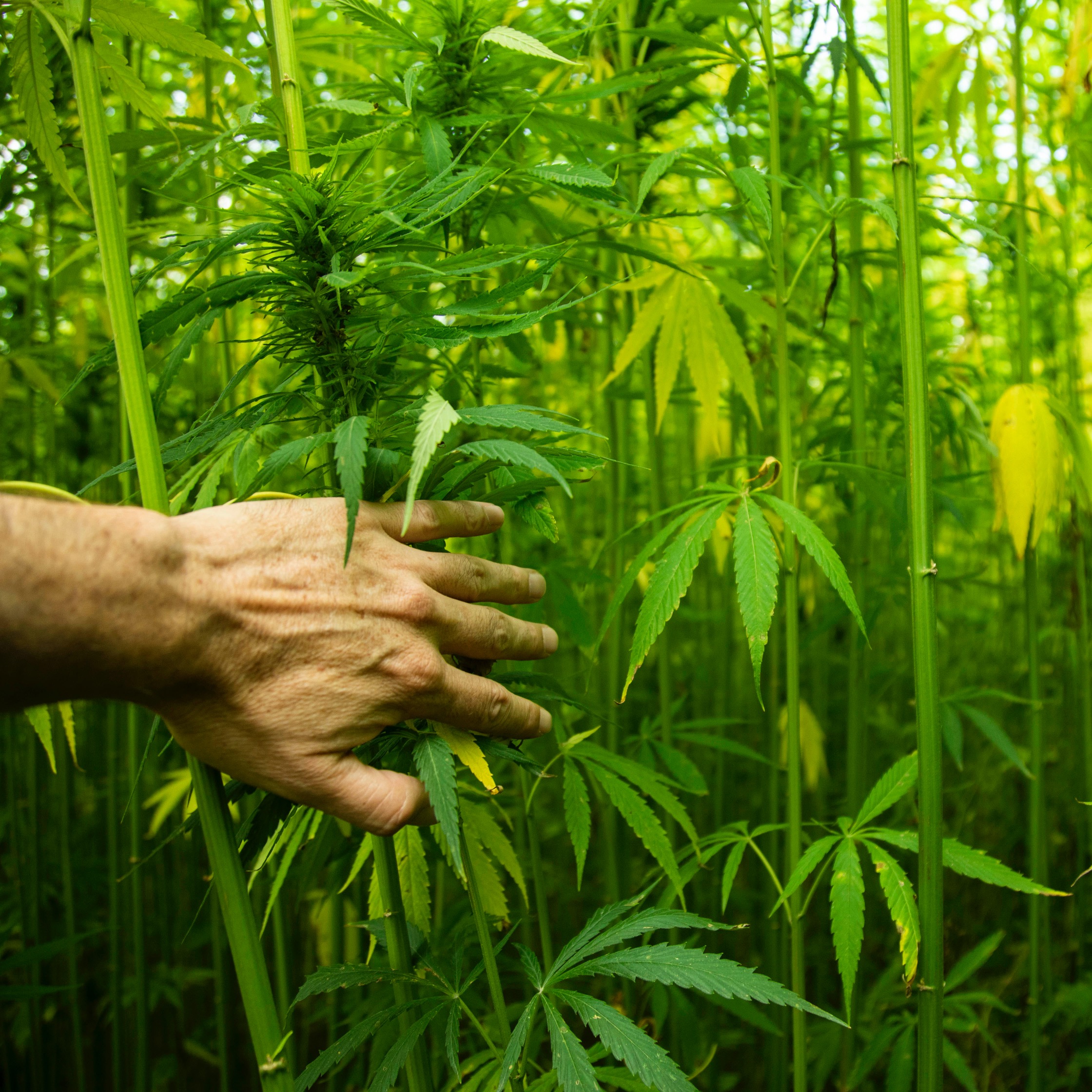
Our Values
Sustainability, transparency, and wellness guide every decision – for you and for the planet.
At a glance
Two potent figures, and two reasons to read them carefully
CBG’s reputation rests on one number: agonism at the alpha-2 adrenoceptor with an EC50 of 0.2 nanomolar, measured by GTP binding in mouse brain membranes. The same 2010 investigation tested whether that carried through to a tissue response, and in isolated mouse vas deferens the alpha-2 mediated effect required an EC50 of 72.8 nanomolar. The authors closed by naming that gap as the thing still to be explained.
THCV’s complication is direction rather than size. In binding and GTP assays it behaves as a competitive antagonist at CB1 and CB2. In a cAMP assay on cells expressing human CB1 it behaves as a partial agonist reaching 59 percent of a reference agonist’s effect, and mice dosed at 3 to 10 mg per kilogram showed the full set of cannabis-like responses. These findings are not in conflict. They describe one compound at different concentrations, and the concentration at which the switch happens in a person has never been identified.
The two uncertainties are therefore different in kind. For CBG the question is whether a potent membrane interaction produces anything in a body. For THCV it is which of two opposite behaviours a given dose delivers.
Where each one has been shown to be potent
Beyond the cannabinoid receptors, CBG has a second well-characterised interaction: antagonism at 5-HT1A with an apparent KB of 51.9 nanomolar. At the cannabinoid receptors themselves it is weak, with a Ki of 1,300 nanomolar at human CB1 and 490 nanomolar at human CB2, reaching 68 percent and 39 percent of reference effect in a cAMP readout. It also activates and desensitises TRPV1, and a CBG-rich extract ranked among the most potent TRPM8 antagonists in a screen of 11 cannabinoids.
THCV’s most potent single measurement is an antagonist one. In mouse vas deferens, apparent KB values of 1.2, 1.5, 4.6 and 10.3 nanomolar were recorded against anandamide, WIN55212, methanandamide and CP55940 in turn. Against CP55940 in mouse brain membranes the figure was around 93 nanomolar, so THCV is more potent in the intact tissue than in the membrane preparation, which is the reverse of the CBG pattern.
One further difference matters for provenance. Because the varin pathway is uncommon in ordinary hemp cultivars, a large share of commercial THCV is produced by conversion rather than extracted from plant material, which is rarely stated on a label.
The evidence, side by side
Both are presented with more confidence than their evidence carries, in opposite ways. CBG’s single trial was positive and small, and its mechanism story depends on a figure measured in a membrane preparation. THCV’s one substantial trial produced a genuine glucose result while failing its primary endpoint.
What people get wrong
Choosing between them
On evidence in people CBG is marginally ahead: one small positive trial against one larger trial that missed what it set out to measure. On pharmacological characterisation THCV is ahead, because its receptor behaviour has been mapped across several assay types by independent groups.
The practical difference is predictability. CBG does nothing meaningful at CB1 at any concentration a person would reach, so a larger dose means more of the same. THCV changes behaviour as the dose rises. Nothing here is a recommendation, because no health claim is authorised for either.
Legal status and safety
Nothing about a health effect. Under Regulation (EC) 1924/2006 a nutrition or health claim may only be made where it sits on the authorised list, and no claim for CBG or THCV appears there. A UK page cannot say either compound supports, eases, aids or improves anything, however many assays are cited.
What a page may do is report what was measured: the assay, the preparation, the concentration and the result. CBG antagonised 5-HT1A with an apparent KB of 51.9 nanomolar in mouse brain membranes describes an experiment. Rewritten as CBG calms the nervous system, the same sentence becomes an unauthorised claim about a food.
CBD and CBG extracts sold as food supplements are novel foods under Regulation (EU) 2015/2283. Products tied to validated applications sit on the Food Standards Agency public list while assessment continues, and as of the FSA board paper of September 2026 no authorisation had been granted. The FSA’s provisional acceptable daily intake is 10 mg of CBD a day for a healthy adult.
THCV sits in a harder place. It has dose-dependent CB1 agonist activity, no published pharmacokinetic data in its delta-9 form, and any product must stay within the 1 mg per container limit for controlled cannabinoids. The mechanism THCV is marketed on, CB1 blockade, is also that of rimonabant, a licensed medicine withdrawn after psychiatric adverse effects.
How Endoca tests for this
CBG appears on every batch certificate of analysis, quantified by HPLC next to CBGa, so a reader can see how much precursor the plant left unconverted. THCV is different. We do not sell it, our cultivars are not varin types, and where THCV falls below the limit of quantification the certificate records that rather than a trace figure. A threshold nobody has measured in a person is not something we will label.
Frequently asked questions
It depends entirely on the target. CBG’s best figure is 0.2 nanomolar at the alpha-2 adrenoceptor in brain membranes. THCV’s is an apparent KB of 1.2 nanomolar as a CB1 antagonist in mouse vas deferens. At the cannabinoid receptors, THCV binds far more tightly.
At low concentrations it blocks CB1, the receptor behind intoxication, and at higher concentrations it activates it, reaching 59 percent of a reference agonist’s effect in one assay. Mice given 3 to 10 mg per kilogram showed catalepsy and reduced movement.
CBG comes from unconverted CBGa, which an early harvest or a cultivar with a defective synthase leaves in quantity. THCV comes from the varin branch of the pathway, uncommon in ordinary hemp, so it is either grown from scarce genetics or produced by conversion.
No. CBG has no published pharmacokinetic study in people at all. For THCV, the only such work used the delta-8 isomer across doses of 12.5 to 200 mg, and detected delta-9-THCV in plasma although the product given contained none. Dosing figures are inference.
References
Cascio MG et al. Evidence that the plant cannabinoid cannabigerol is a highly potent alpha2-adrenoceptor agonist and moderately potent 5HT1A receptor antagonist. Br J Pharmacol 2010;159:129-141.
Thomas A et al. Evidence that the plant cannabinoid Delta9-tetrahydrocannabivarin is a cannabinoid CB1 and CB2 receptor antagonist. Br J Pharmacol 2005;146:917-926.
Zagzoog A et al. In vitro and in vivo pharmacological activity of minor cannabinoids isolated from Cannabis sativa. Sci Rep 2020;10:20405.
Cuttler C et al. Acute effects of cannabigerol on anxiety, stress, and mood: a double-blind, placebo-controlled, crossover, field trial. Sci Rep 2024;14:16163.
Jadoon KA et al. Efficacy and safety of cannabidiol and tetrahydrocannabivarin on glycaemic and lipid parameters in patients with type 2 diabetes. Diabetes Care 2016;39:1777-1786.
Russo EB et al. Survey of patients employing cannabigerol-predominant cannabis preparations. Cannabis Cannabinoid Res 2022;7:706-716.
Sempio C et al. Pharmacokinetics of oral cannabinoid delta-8-tetrahydrocannabivarin and its main metabolites in healthy participants. Pharmaceuticals 2024;17:1603.
De Petrocellis L et al. Effects of cannabinoids and cannabinoid-enriched Cannabis extracts on TRP channels and endocannabinoid metabolic enzymes. Br J Pharmacol 2011;163:1479-1494.
Englund A et al. The effect of five day dosing with THCV on THC-induced effects in healthy volunteers. J Psychopharmacol 2016;30:140-151.
Food Standards Agency. CBD novel food applications: recommendations to ministers on first authorisations. FSA Board paper, September 2026.
Last reviewed 6 October 2026.
These statements have not been evaluated by the Food and Drug Administration. This product is not intended to diagnose, treat, cure, or prevent any disease.