
- Shop
- About Us
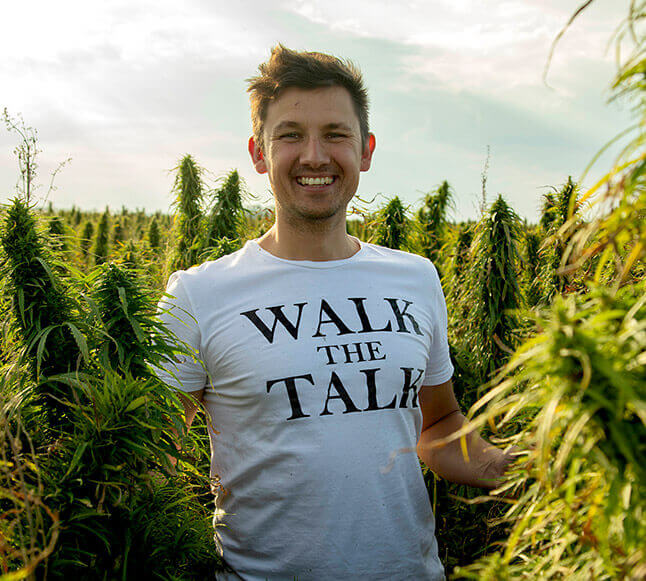
Our Story
From humble beginnings to a global mission – we grow, harvest, and craft hemp with care for people and planet.
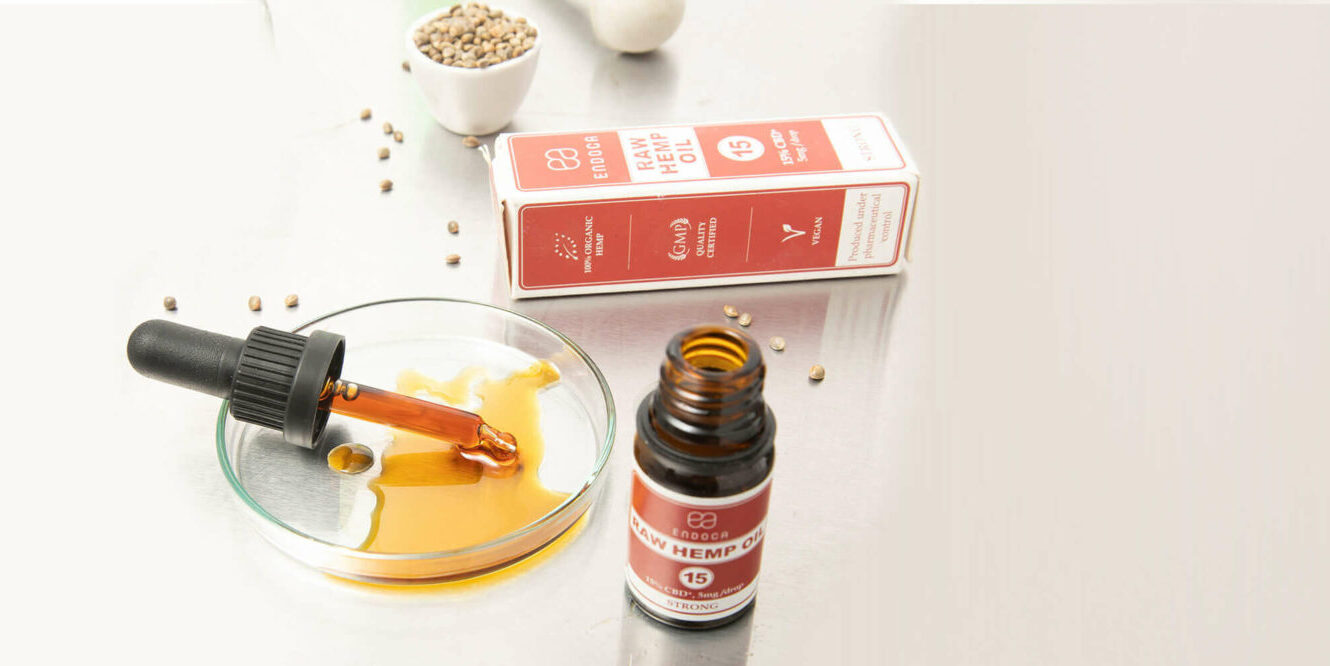
What Is CBD?
CBD is nature’s way to restore balance, calm, and overall well-being – naturally and without the high.
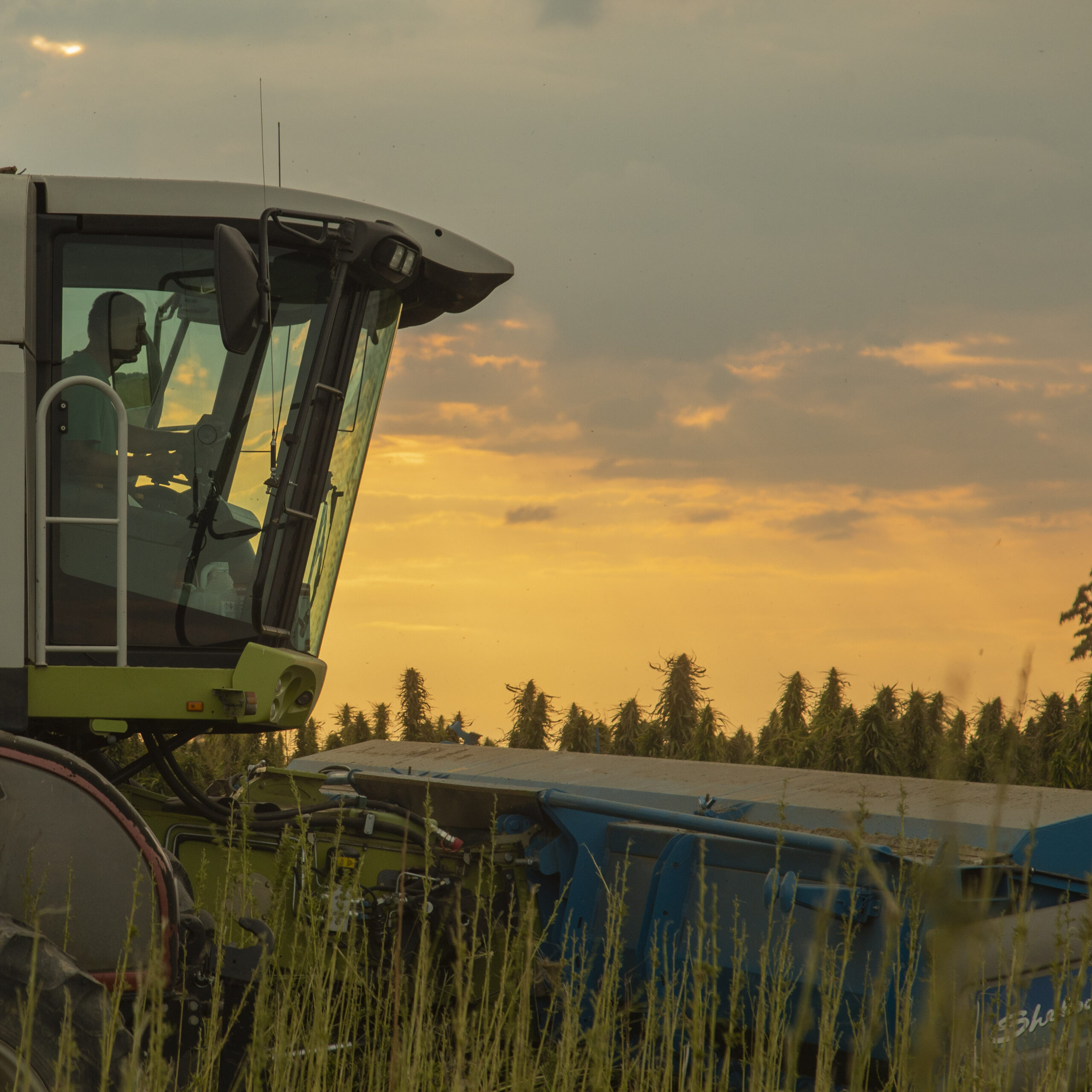
The Process
From seed to shelf, we grow organically, extract cleanly, and follow strict quality standards for purity.
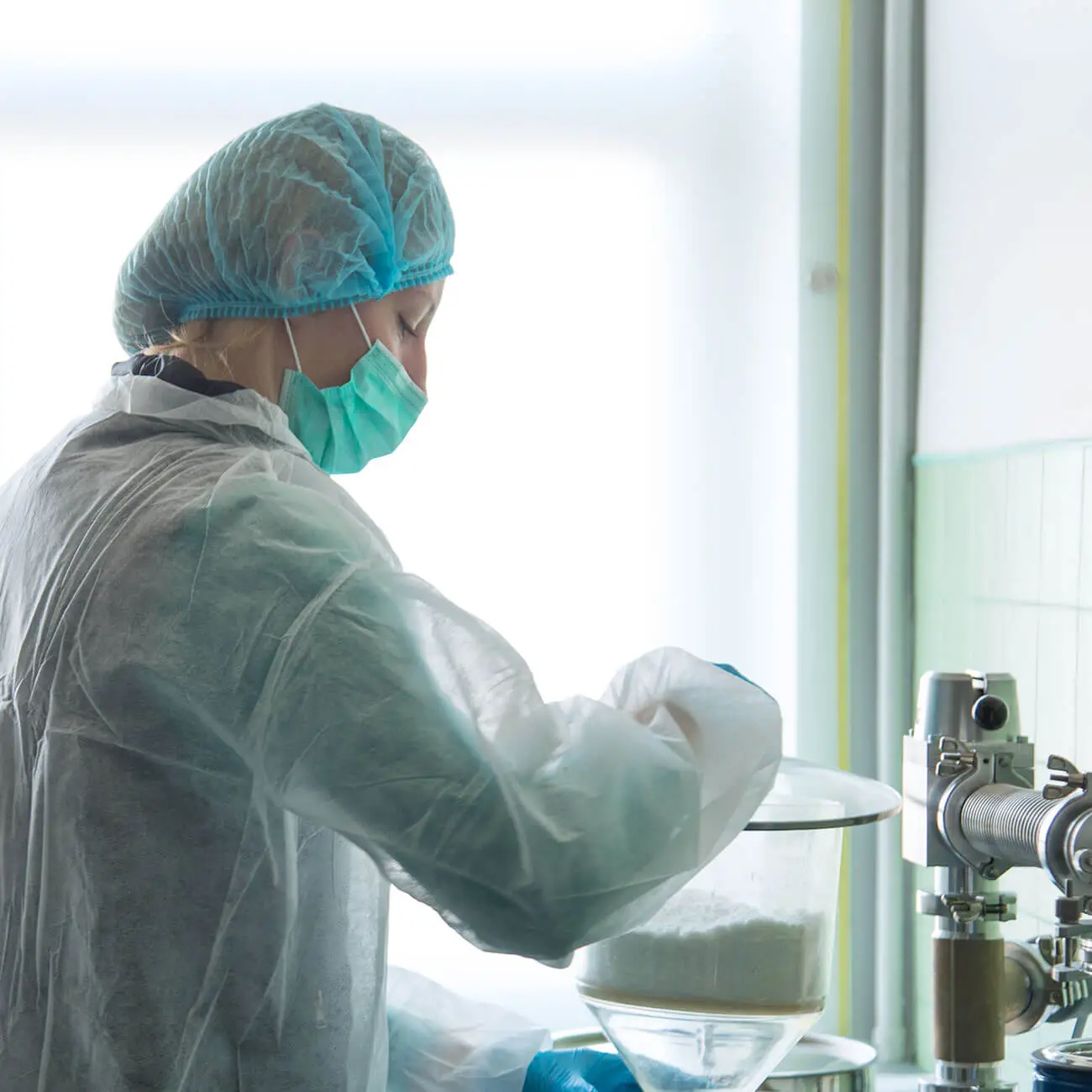
Lab Testing
Every batch is third-party tested to ensure purity, safety, and the exact amount of CBD every time.
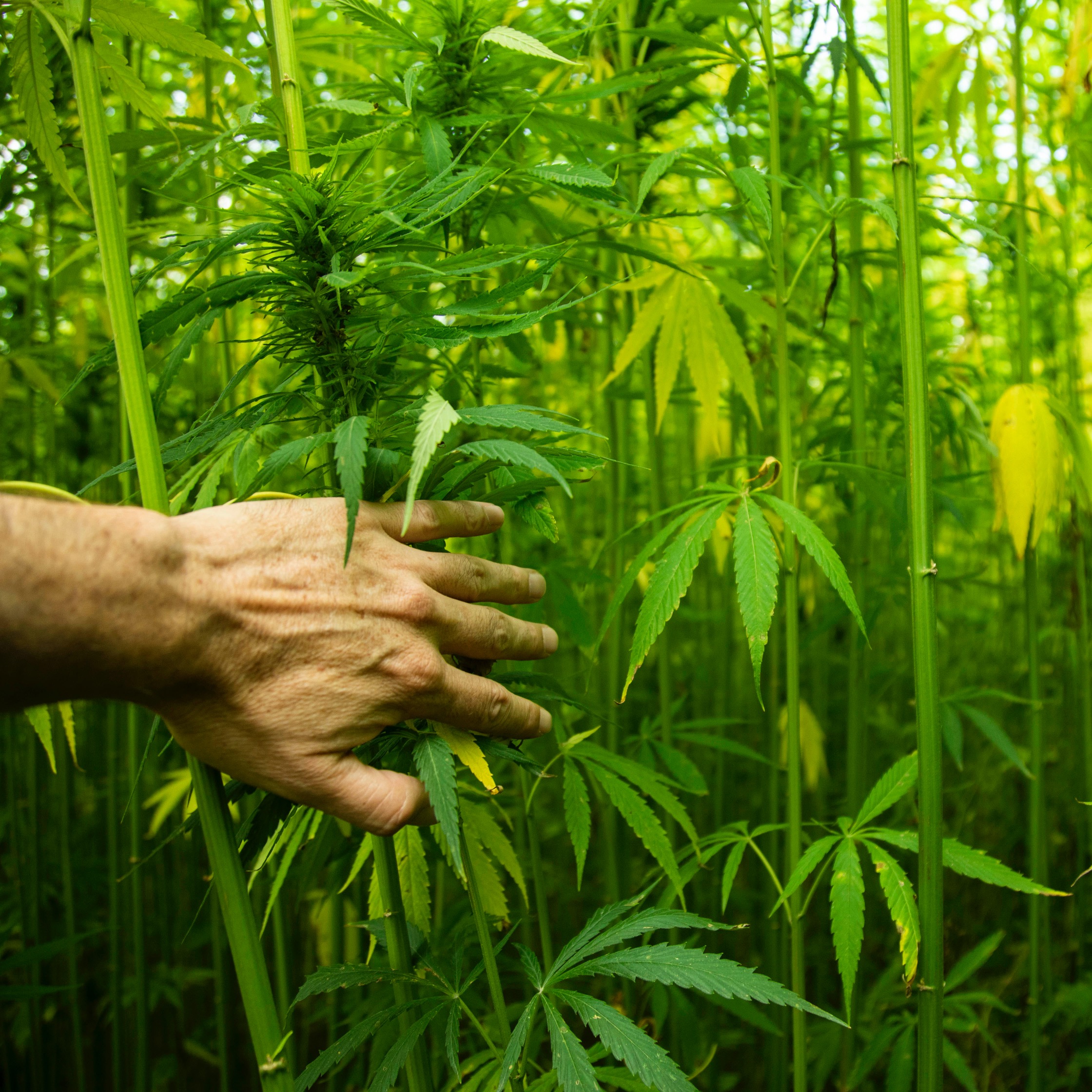
Our Values
Sustainability, transparency, and wellness guide every decision – for you and for the planet.
At a glance
The disagreement worth knowing about: decarboxylation is slower than people think
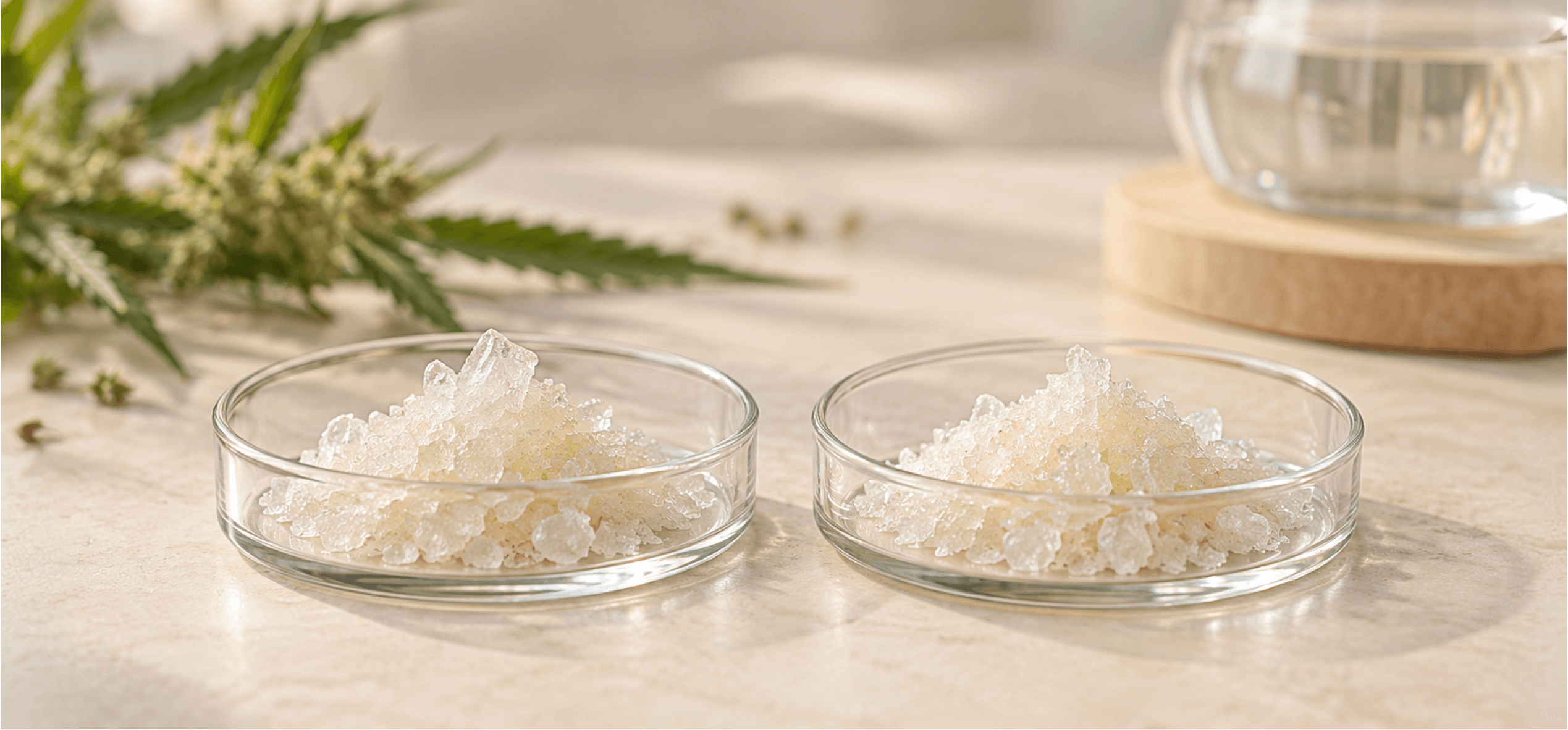
Both compounds are one chemical step from the cannabinoids everyone talks about. Each carries a carboxyl group, and losing it as carbon dioxide turns CBDa into CBD and THCa into delta-9 THC. That step is usually described as a switch. It is a reaction with a rate.
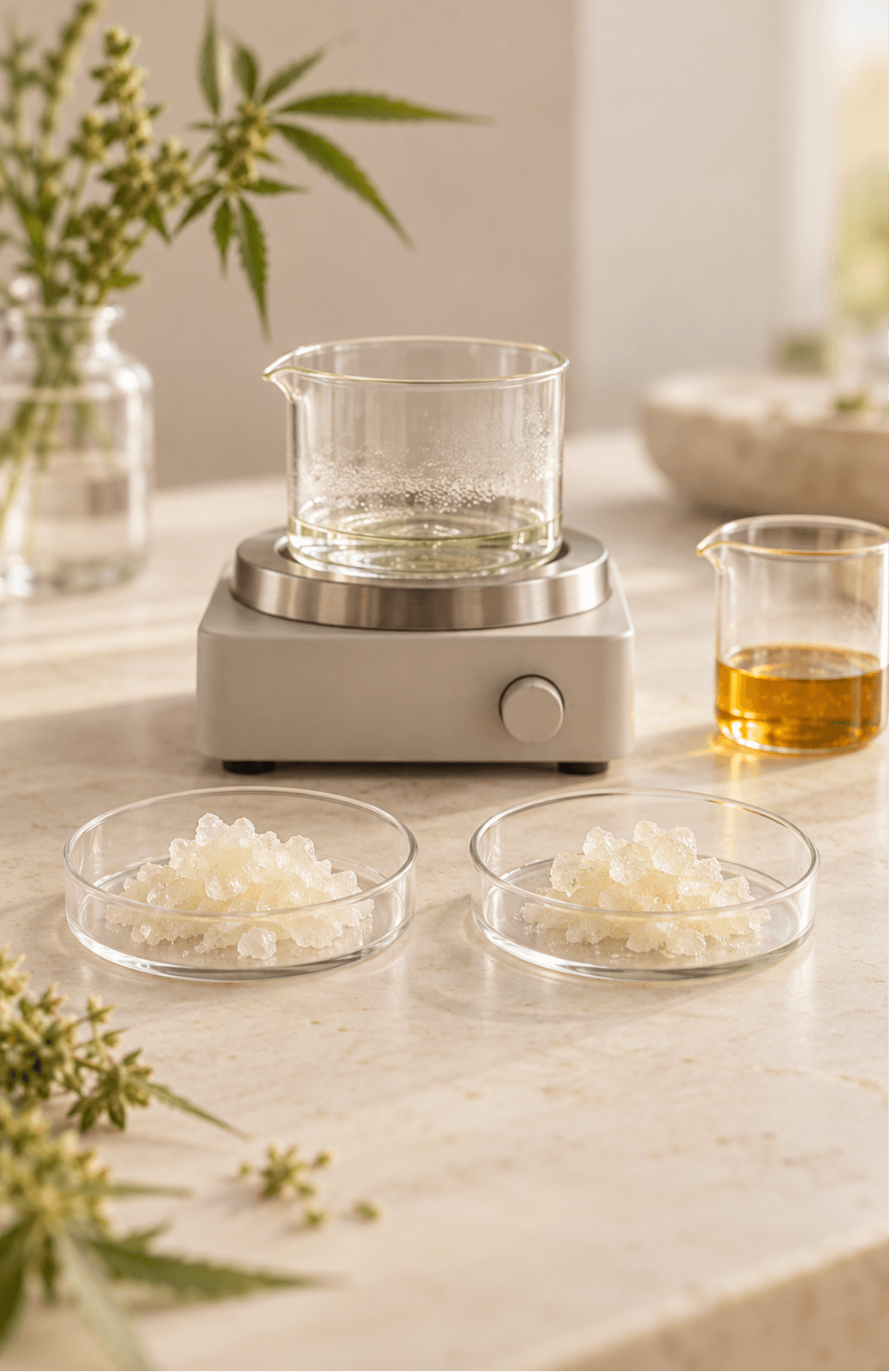
A 2016 study at the University of Mississippi ran cannabis extracts in a vacuum oven at 80, 95, 110, 130 and 145 degrees Celsius for intervals up to 60 minutes, measuring acids and neutral products by supercritical fluid chromatography with mass spectrometry. Conversion followed first order or pseudo first order kinetics, depending on temperature and on how long material is held there. Rate constants for THCa were about twice those of CBDa.
The same study found something summaries drop. THCa decarboxylation was clean, with no side reactions or by-products. CBDa was not, showing an unexplained loss of reactants or products. A cold processed raw extract is therefore a point on a curve, not a fixed composition, and a certificate reporting CBD and CBDa separately is the only way to know where a bottle sits.
Where each acid is genuinely potent, and where that stops meaning anything
CBDa has two non-cannabinoid targets with real numbers. A 2008 enzyme assay put COX-2 inhibition at an IC50 around 2 micromolar with 9-fold selectivity over COX-1. The second is 5-HT1A: in rat brainstem membranes CBDa at 0.1 to 100 nanomolar increased the Emax of the agonist 8-OH-DPAT, and in rats 0.01 and 0.1 mg/kg intraperitoneally suppressed conditioned gaping, blocked by the 5-HT1A antagonist WAY100635.
THCa’s characterised target is different: a 2017 study reported that cannabinoid acids bind and activate PPAR gamma more potently than their decarboxylated products, that THCa increased mitochondrial mass in Neuro-2a cells, and that it was neuroprotective in mice given 3-nitropropionic acid.
Now the limitation: all of those results are an enzyme assay, a cell line or a rodent. A 2019 mouse study measured brain and plasma pharmacokinetics for six phytocannabinoid acids including these two: all were absorbed quickly, with plasma tmax between 15 and 45 minutes and half lives under 4 hours, but brain to plasma ratios were 0.04 or lower. A compound reaching 4 percent of its blood concentration in brain cannot be assumed to act in a person as in a membrane.
What the research shows, and does not
The grid is mostly crosses, which is the correct picture, not a gap in our research. The only human data is one 2025 study of 15 adults given a 1:1 CBD to CBDa and THC to THCa soft gel, measuring plasma concentrations and no outcome.
What people get wrong
Choosing between them
This is not a choice between two products. THCa is not something a consumer hemp product is formulated to deliver; it appears as a residue of incomplete decarboxylation and must stay inside the controlled drug limits for THC. The decision is whether you want a raw extract that retains CBDa or a heated one that has converted it.
If you want CBDa, buy a cold processed raw oil and read the certificate for the CBD to CBDa split. If you would rather keep THC as low as possible, a heated extract or an isolate is more predictable.
Legal status and safety
CBD extracts, including raw extracts containing CBDa, are novel foods in the UK under Regulation (EU) 2015/2283 as retained in UK law. The Food Standards Agency keeps a public list of CBD products that may legally be sold while authorisation applications are assessed; a product not on that list, or marked as removed, must be withdrawn.
No health claim for CBD is authorised under Regulation (EC) 1924/2006. The preclinical literature on these acids is suggestive and easy to read too much into. Everything above describes what was measured, in what, at what concentration.
The FSA advises that healthy adults take no more than 10 mg of CBD a day, from a joint position of the Advisory Committee on Novel Foods and Processes and the Committee on Toxicity. It is not recommended for under 18s, anyone on medication or people pregnant or breastfeeding, unless under medical direction.
THC is a controlled drug under the Misuse of Drugs Act 1971, and consumer CBD products must meet the exempt product criteria in the Misuse of Drugs Regulations 2001: no more than 1 mg per container. The FSA gives a safe upper intake of 70 micrograms of delta-9 THC a day. A raw extract is the hardest case, because it retains THCa by design. There is no equivalent intake advice for either acid.
How Endoca tests for this
Our hemp is grown on our own farm and extracted by us, as it has been since 2010. Our certificates report CBD and CBDa as separate lines, and THC and THCa as separate lines, the only way to see how far decarboxylation went and to check against the 1 mg per container limit.
RAW CBD+CBDa Oil 150mg is cold processed and retains CBDa. We report the measured numbers and build nothing on them.
Frequently asked questions
Not in its acid form. THCa is not an appreciable CB1 agonist, which is why unheated cannabis is not intoxicating. Heat converts it to delta-9 THC, which is intoxicating, so the answer depends on whether the material has been decarboxylated.
Decarboxylation is a thermal reaction rather than a metabolic one, and no study has shown meaningful conversion of CBDa to CBD in humans. In the one human study that measured both, they were tracked as separate compounds with their own curves.
Because the raw oil was never heated enough to drive the reaction. Decarboxylation follows first order kinetics, so a cold processed extract retains most of its CBDa while a heated extract has converted most of it. The certificate reports both lines.
Neither has any. No controlled human trial of isolated CBDa or isolated THCa has been published. The only human data is one 15 person pharmacokinetic study measuring plasma concentrations of both acids alongside CBD and THC, absorption rather than any outcome.
References
Bolognini D, Rock EM, Cluny NL, et al. Cannabidiolic acid prevents vomiting in Suncus murinus and nausea-induced behaviour in rats by enhancing 5-HT1A receptor activation. Br J Pharmacol 2013;168(6):1456-1470.
Takeda S, Misawa K, Yamamoto I, Watanabe K. Cannabidiolic acid as a selective cyclooxygenase-2 inhibitory component in cannabis. Drug Metab Dispos 2008;36(9):1917-1921.
Nadal X, Del Rio C, Casano S, et al. Tetrahydrocannabinolic acid is a potent PPAR-gamma agonist with neuroprotective activity. Br J Pharmacol 2017;174(23):4263-4276.
Anderson LL, Low IK, Banister SD, McGregor IS, Arnold JC. Pharmacokinetics of Phytocannabinoid Acids and Anticonvulsant Effect of Cannabidiolic Acid in a Mouse Model of Dravet Syndrome. J Nat Prod 2019;82(11):3047-3055.
Wang M, Wang YH, Avula B, et al. Decarboxylation Study of Acidic Cannabinoids: A Novel Approach Using Ultra-High-Performance Supercritical Fluid Chromatography/Photodiode Array-Mass Spectrometry. Cannabis Cannabinoid Res 2016;1(1):262-271.
Elder HJ, Zamarripa CA, Klausner M, et al. The Pharmacokinetics and Pharmacodynamics of a Hemp-Derived Full-Spectrum Oral Cannabinoid Product with a 1:1 Ratio of Cannabidiol to Cannabidiolic Acid and Delta-9-Tetrahydrocannabinol to Delta-9-Tetrahydrocannabinolic Acid. Cannabis Cannabinoid Res 2025;10(2):e299-e313.
De Petrocellis L, Ligresti A, Moriello AS, et al. Effects of cannabinoids and cannabinoid-enriched Cannabis extracts on TRP channels and endocannabinoid metabolic enzymes. Br J Pharmacol 2011;163(7):1479-1494.
Zagzoog A, Mohamed KA, Kim HJJ, et al. In vitro and in vivo pharmacological activity of minor cannabinoids isolated from Cannabis sativa. Sci Rep 2020;10:20405.
Food Standards Agency. Cannabidiol (CBD) guidance, including the public list of CBD products and the 10 mg a day advice for healthy adults. Updated 28 August 2026.
Last reviewed 6 October 2026.
These statements have not been evaluated by the Food and Drug Administration. This product is not intended to diagnose, treat, cure, or prevent any disease.