
- Shop
- About Us

Our Story
From humble beginnings to a global mission – we grow, harvest, and craft hemp with care for people and planet.
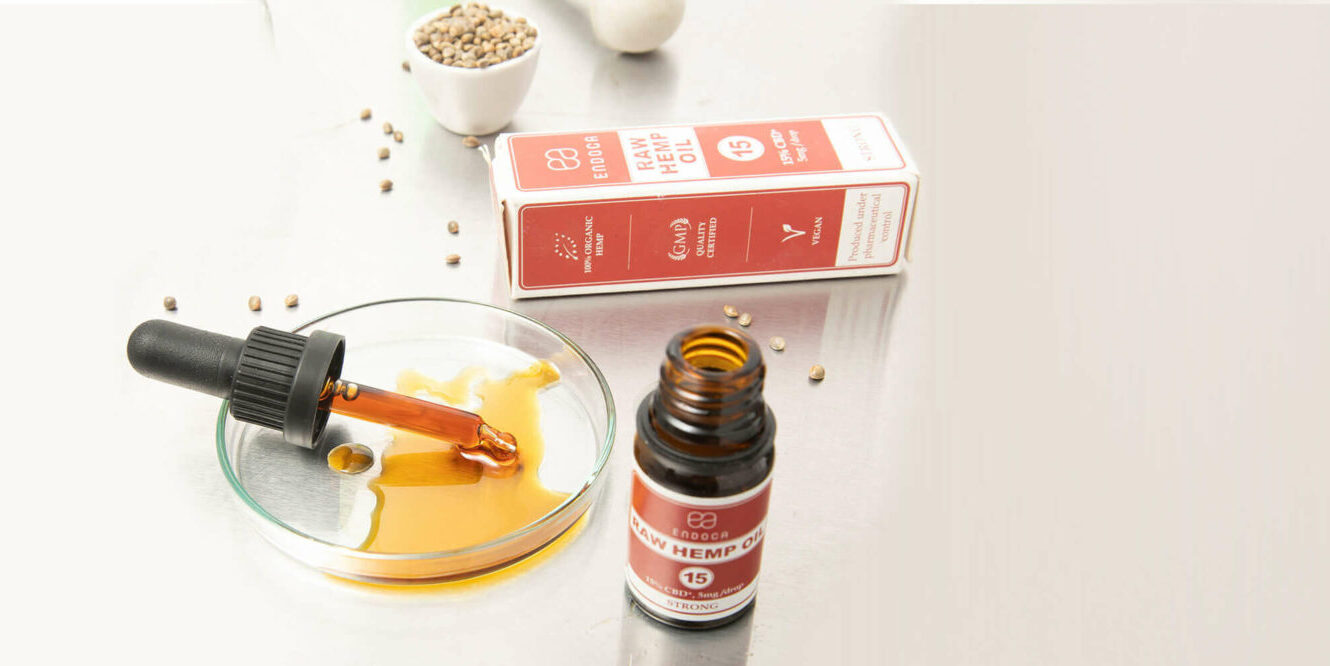
What Is CBD?
CBD is nature’s way to restore balance, calm, and overall well-being – naturally and without the high.
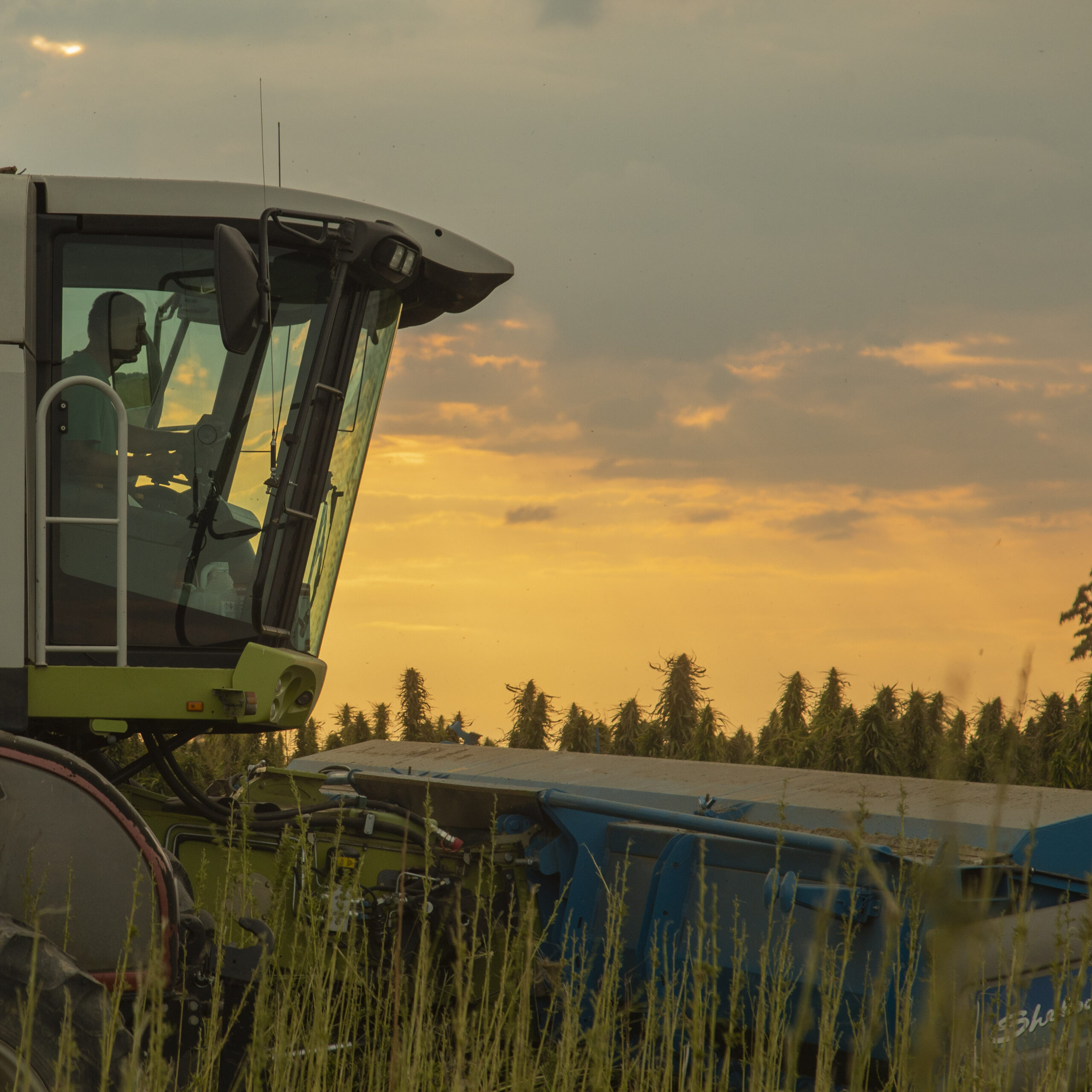
The Process
From seed to shelf, we grow organically, extract cleanly, and follow strict quality standards for purity.

Lab Testing
Every batch is third-party tested to ensure purity, safety, and the exact amount of CBD every time.
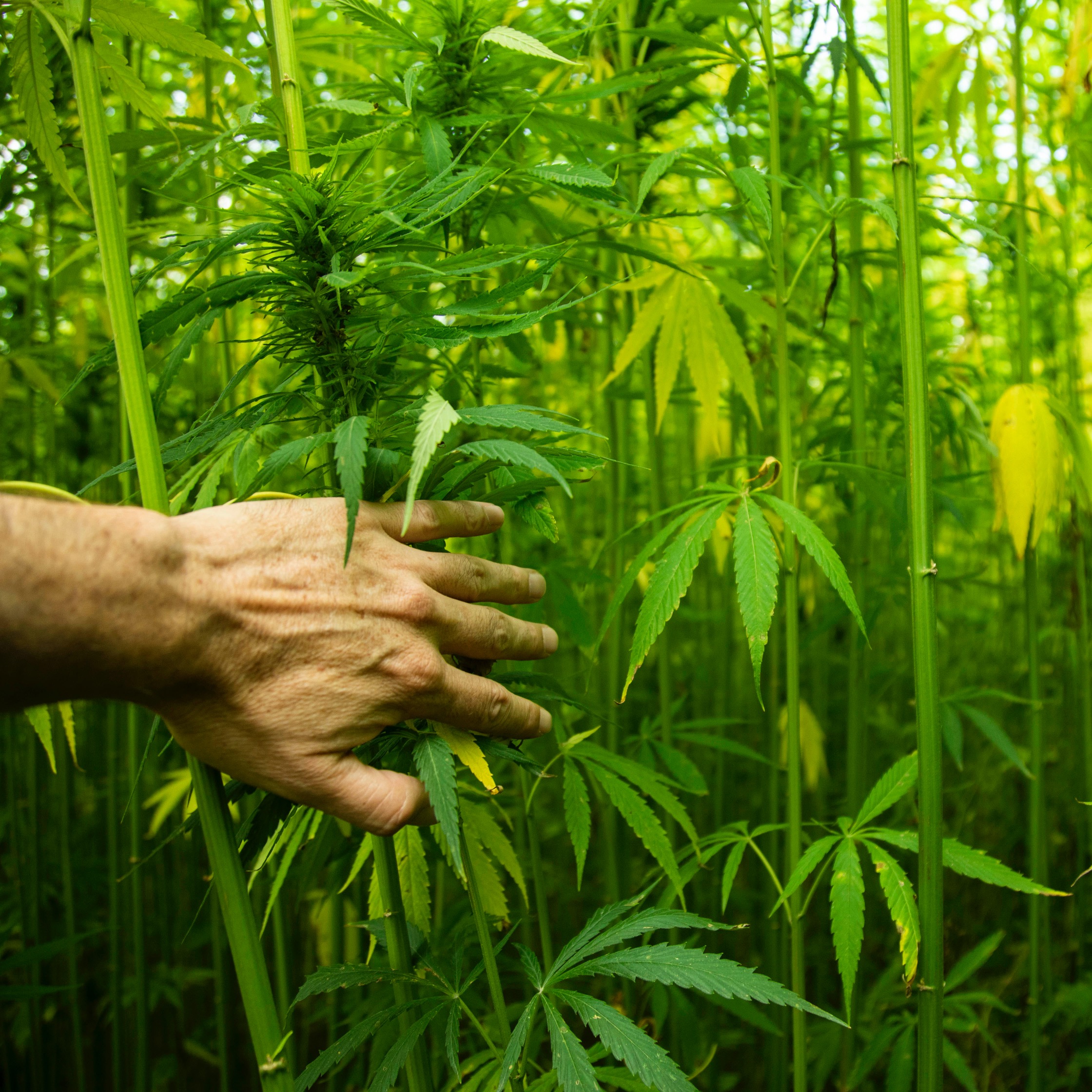
Our Values
Sustainability, transparency, and wellness guide every decision – for you and for the planet.

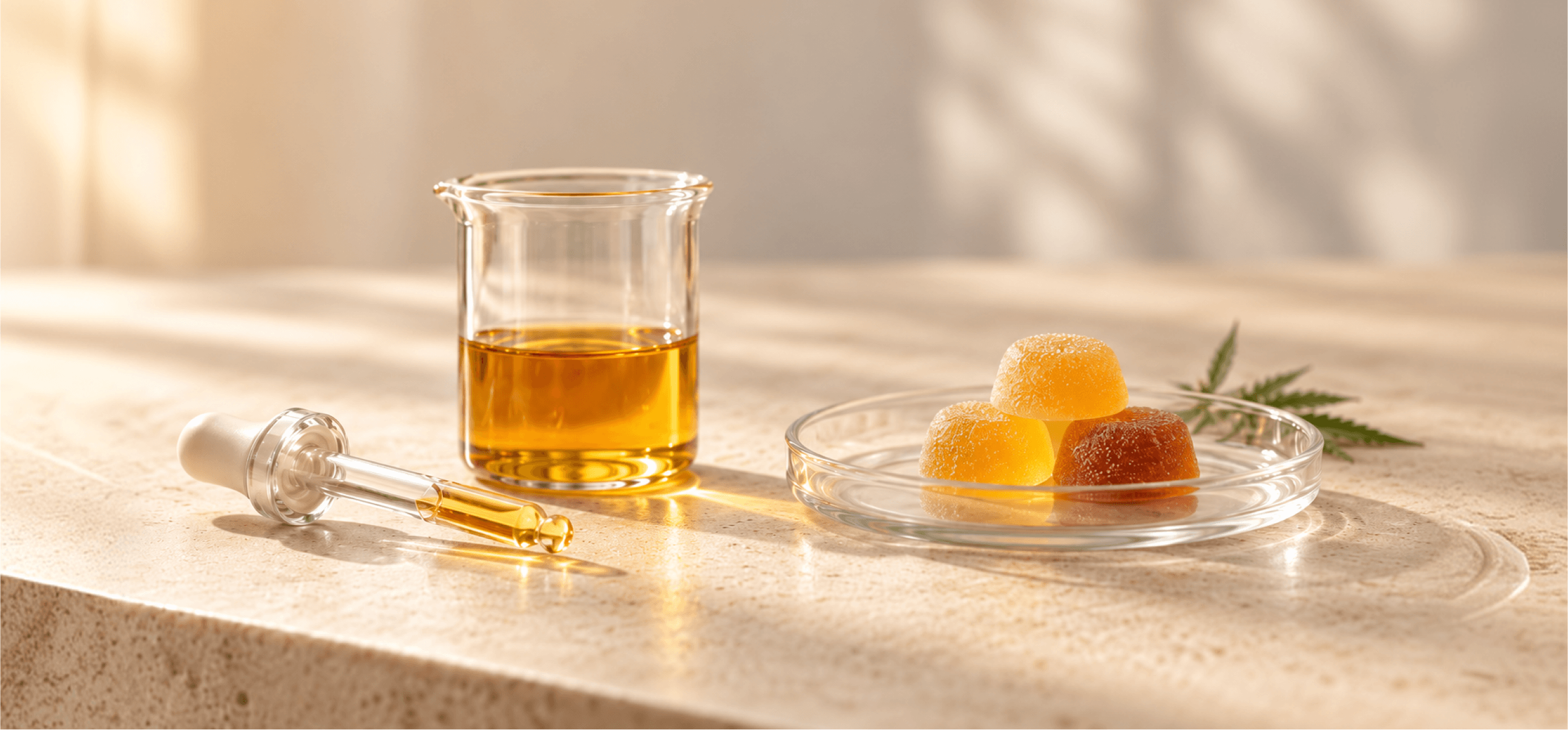
At a glance
What actually differs
Both are swallowed, and the sublingual habit does not change that. In a participant-blinded randomised crossover, 8 healthy men took the same hemp oil as sublingual drops on one occasion and inside gelatin capsules on another. Peak plasma cannabidiol was 24.0 ng/mL from the drops and 28.0 ng/mL from the capsules, both peaking at 4 hours, with no difference in exposure across 6 hours. The authors reported comparable plasma profiles, and that shared 4-hour peak points to gut absorption, not the oral mucosa. A gummy is chewed and swallowed, so the route it takes through the gut is the same one.
That route passes through the liver before anything reaches the circulation. Phase I metabolism is handled by CYP2C19 and CYP3A4 and phase II by UGT1A7, UGT1A9 and UGT2B7. How much survives depends on what else is in the stomach. A high-fat, high-calorie meal increased peak concentration 5-fold and total exposure 4-fold at 750 and 1,500 mg doses, and in 8 adults with refractory epilepsy taking cannabidiol capsules a high-fat meal of 840 to 860 calories raised peak concentration 14-fold against fasting.
Where the difference actually shows up
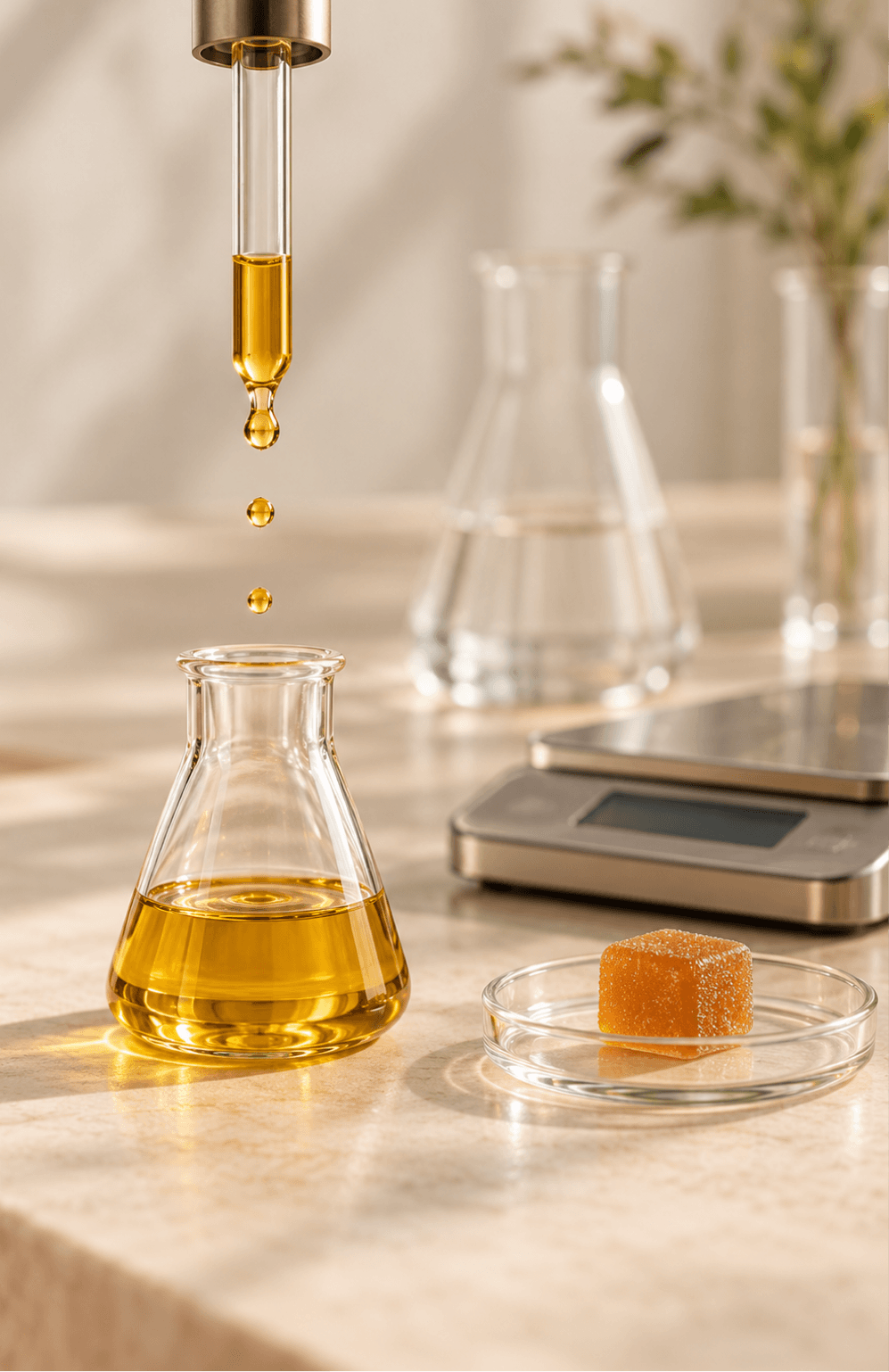
Dose precision is the genuine split, and in the UK it has a number attached. The FSA advises healthy adults to consume no more than 10 mg of CBD a day. Endoca’s 15 percent raw oil declares 5 mg of CBD+CBDa per drop, so that advice is two drops and the arithmetic is simple. A gummy is harder to place against the same figure: the Mountain High piece declares 300 mg of full spectrum hemp extract, which is extract weight rather than cannabinoid weight, and the Chill and Restore jars declare 1,200 mg per jar.
What is in the piece has been analysed, just not by its makers. LC-MS/MS testing of 56 CBD gummy products from national brands found a mean of 21.38 mg of cannabidiol per gummy across a range of 5.70 to 59.99 mg, 70 percent of products more than 10 percent away from the labelled dose, and content varying between gummies from one bottle. Those were not Endoca products. They describe the category, and they are why a per-drop figure is easier to reason about than a per-piece one.
What human data exists for each format
The oil column holds thin but real human pharmacokinetic data. The gummy column holds none. What exists for gummies is analytical chemistry on jar contents, which is a different question and an uncomfortable answer. Neither format has a measured bioavailability, a measured onset or a measured duration.
What people get wrong
Choosing between them
Choose the oil if you want the number under your control. At 5 mg per drop you can set a daily amount, keep it steady and change it in small steps without switching product, and the FSA 10 mg a day figure is easy to count against. Choose gummies if the dropper is the reason the bottle sits unused, or if the taste of hemp is the obstacle. Both are swallowed and both meet the same first pass. If you want no THC in the product at all, the broad spectrum gummies are the option in the range.
Legal status and safety
Nothing on this page is a health claim, because no health claim for cannabidiol is authorised in the UK. Regulation (EC) 1924/2006 permits a claim that a food benefits health only where that claim sits on the authorised list, and none does for CBD. So this page reports what was measured in named studies and stops there. Both oils and gummies are CBD food supplements, and CBD food products are novel foods under Regulation (EU) 2015/2283 as retained in UK law, requiring authorisation before being placed on the market. The FSA publishes a public list of products linked to credible applications. Being on that list is not an authorisation and is no guarantee of one.
The FSA advised in October 2023 that healthy adults should consume no more than 10 mg of CBD a day, which it describes as about 4 to 5 drops of a 5 percent oil, and it advises against CBD for anyone under 18, anyone taking medication, anyone trying to conceive and anyone pregnant or breastfeeding. Separately, the exempt product definition in the Misuse of Drugs Regulations 2001 requires that no one component part of a product contains more than 1 mg of a controlled drug, and Government Chemist guidance confirms that the 1 mg applies per container rather than per dose.
How Endoca tests for this
We grow on our own land, run our own supercritical CO2 extraction and have published batch analysis since 2010. Cannabinoid content is quantified by HPLC and confirmed by NMR, and every batch is screened for more than 200 pesticides plus heavy metals and mycotoxins by third party laboratories, with reports at lab.endoca.com. The limit is worth stating plainly: a certificate of analysis measures what is in the drop and in the gummy. It cannot measure bioavailability, onset or duration, because nobody can.
Frequently asked questions
No study has compared them, so the question has no measured answer. Both are swallowed and both face the same hepatic first pass. The absolute oral bioavailability of cannabidiol has never been established in a human, so a percentage comparison between the two formats cannot be made honestly.
No human pharmacokinetic study of a CBD gummy has been published, so there is no figure. Across human studies of swallowed cannabidiol, plasma concentrations peak between roughly 0.7 and 5 hours depending on dose and on food. Time to a felt effect has not been measured.
Two drops of Endoca’s 15 percent raw oil, which declares 5 mg of CBD+CBDa per drop. For gummies the answer sits on the batch certificate, because the Mountain High piece declares hemp extract weight rather than cannabinoid weight and the Chill and Restore jars declare per jar.
It matters more than the format does. A high-fat, high-calorie meal increased peak plasma cannabidiol 5-fold and total exposure 4-fold in the pharmacokinetic work behind Epidyolex, and a study in adults with refractory epilepsy found a 14-fold higher peak with a high-fat meal.
References
Johnson DA, Funnell MP, Heaney LM, Cable TG, Wheeler PC, Bailey SJ, Clifford T, James LJ. Cannabidiol Oil Ingested as Sublingual Drops or Within Gelatin Capsules Shows Similar Pharmacokinetic Profiles in Healthy Males. Cannabis Cannabinoid Res 2024;9:e1423-e1432.
Williams NNB, Ewell TR, Abbotts KSS, Harms KJ, Woelfel KA, Dooley GP, Weir TL, Bell C. Comparison of Five Oral Cannabidiol Preparations in Adult Humans. Pharmaceuticals 2021;14:35.
Johnson ED, Kilgore MW, Stafford M, Randolph M, Glover M, Babalonis S. Cannabidiol Gummy Products: LC-MS/MS Assessment of Cannabinoid Concentrations. Cannabis Cannabinoid Res 2025;10:710-718.
Millar SA, Stone NL, Yates AS, O’Sullivan SE. A Systematic Review on the Pharmacokinetics of Cannabidiol in Humans. Front Pharmacol 2018;9:1365.
Birnbaum AK, Karanam A, Marino SE, Barkley CM, Remmel RP, Roslawski M, Gramling-Aden M, Leppik IE. Food effect on pharmacokinetics of cannabidiol oral capsules in adult patients with refractory epilepsy. Epilepsia 2019;60:1586-1592.
Epidyolex 100 mg/ml oral solution. Summary of product characteristics, section 5.2, 2025.
Food Standards Agency. Cannabidiol (CBD): consumer advice and the public list of CBD food products. Updated 2026.
Government Chemist. Guidance on Analytical Limits for Controlled Cannabinoids in Specified Products Containing Cannabidiol (CBD). January 2021.
Last reviewed 1 October 2026.
These statements have not been evaluated by the Food and Drug Administration. This product is not intended to diagnose, treat, cure, or prevent any disease.