
- Shop
- About Us

Our Story
From humble beginnings to a global mission – we grow, harvest, and craft hemp with care for people and planet.
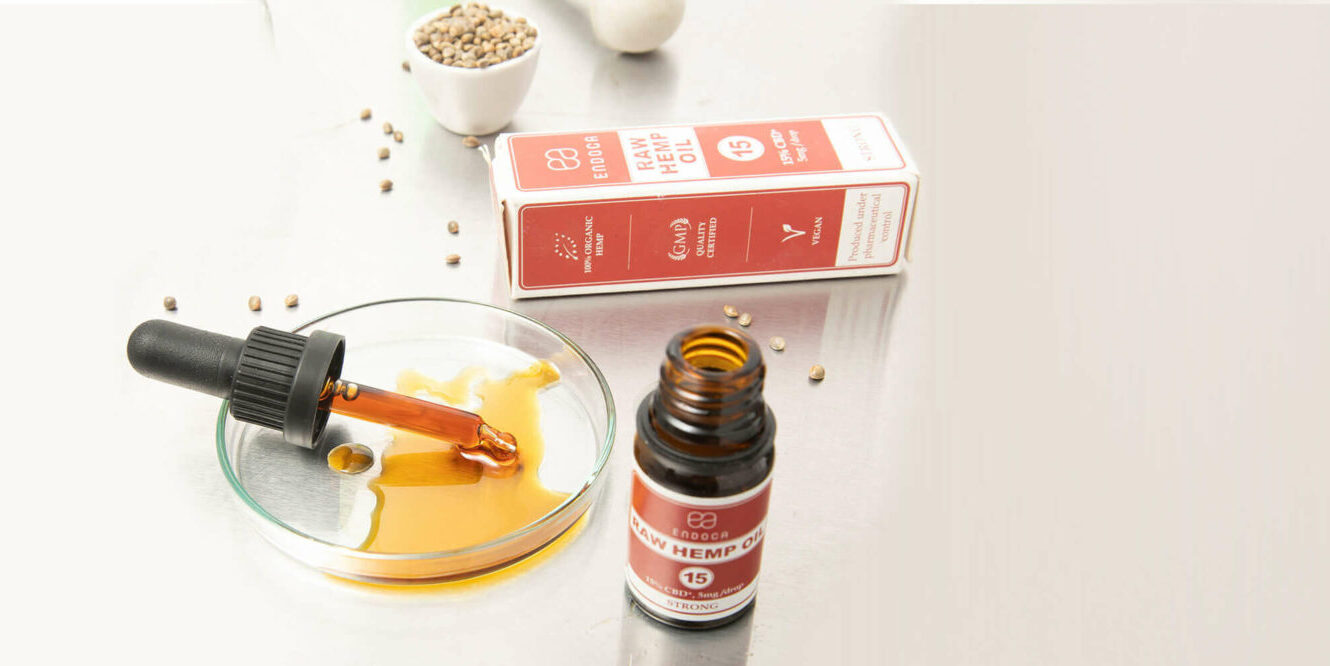
What Is CBD?
CBD is nature’s way to restore balance, calm, and overall well-being – naturally and without the high.
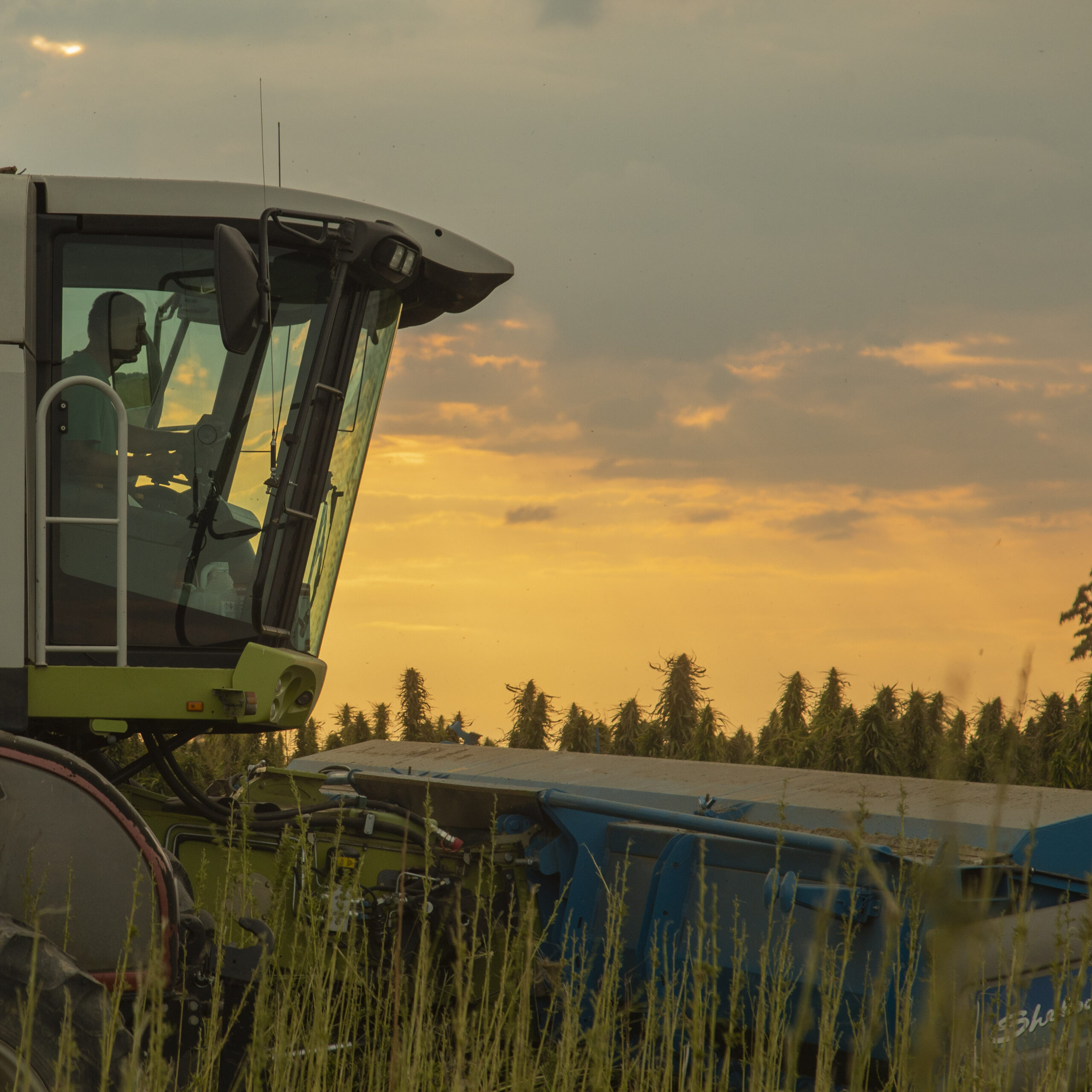
The Process
From seed to shelf, we grow organically, extract cleanly, and follow strict quality standards for purity.

Lab Testing
Every batch is third-party tested to ensure purity, safety, and the exact amount of CBD every time.
Our Values
Sustainability, transparency, and wellness guide every decision – for you and for the planet.
At a glance
What these two actually are
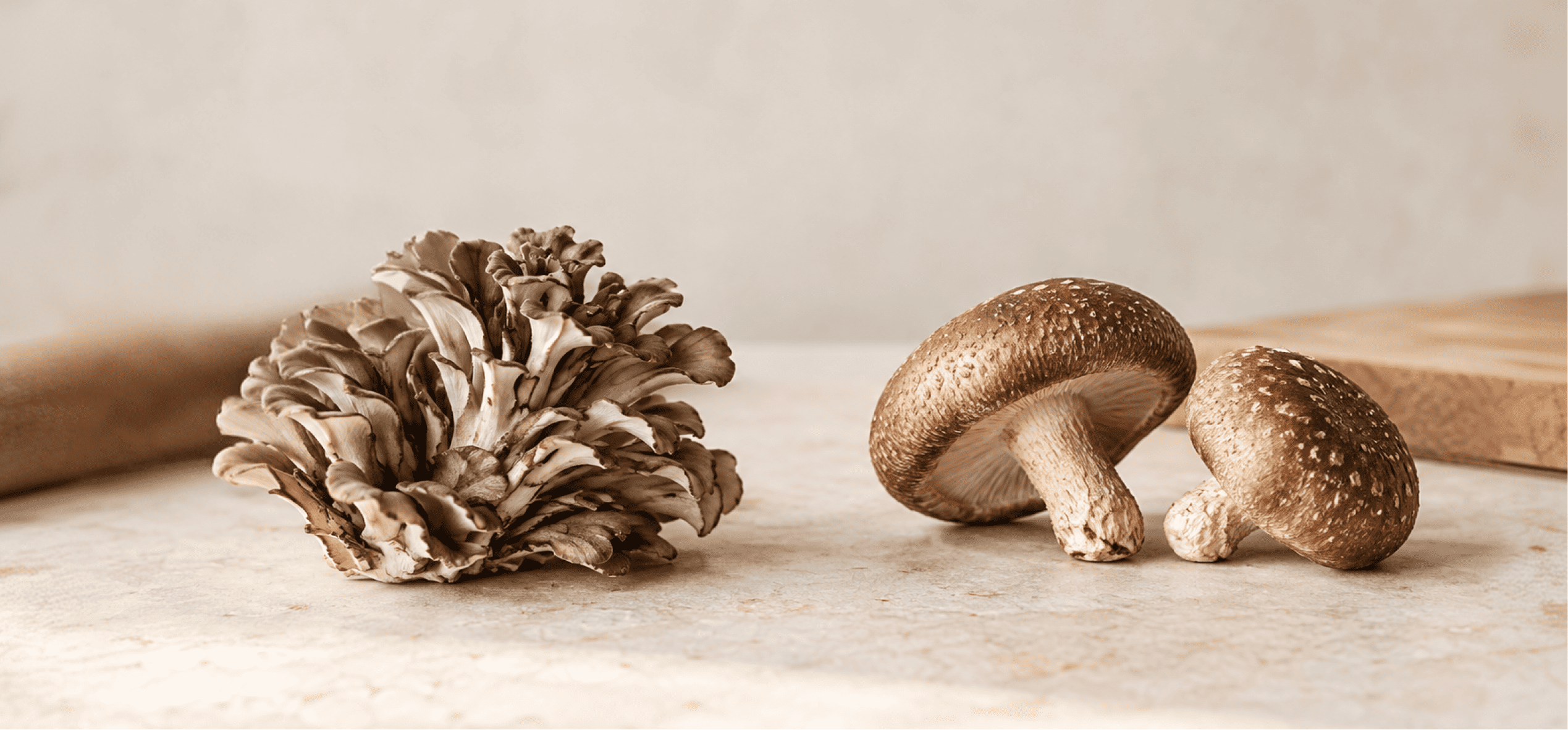
These are groceries. That distinguishes them from reishi, chaga and turkey tail, which are tough brackets nobody puts in a pan, so every human study of those used a manufactured preparation. Maitake and shiitake are different: the shiitake trial described below simply fed people dried mushrooms, which is the closest thing in this category to evidence about a food.
Maitake fruits in overlapping tiers at the base of oaks. Shiitake fruits as a single capped mushroom, commercially on hardwood logs or on supplemented sawdust. On a supplement label the variable that still decides quality is fruiting body against mycelium grown on a grain substrate, because the grain brings starch, starch is an alpha-glucan, and alpha-glucan is counted inside any figure printed as total polysaccharide. Both species reach the Endoca range as fruiting body extracts.
Once a mushroom is dried and milled, the species cannot be confirmed visually, and DNA barcoding of the internal transcribed spacer region is the technique that confirms it. Shiitake has also moved genus, so Lentinus and Lentinula printed on two different labels may describe the same organism.
Beta-glucans, and why the number on the label may not mean what you think
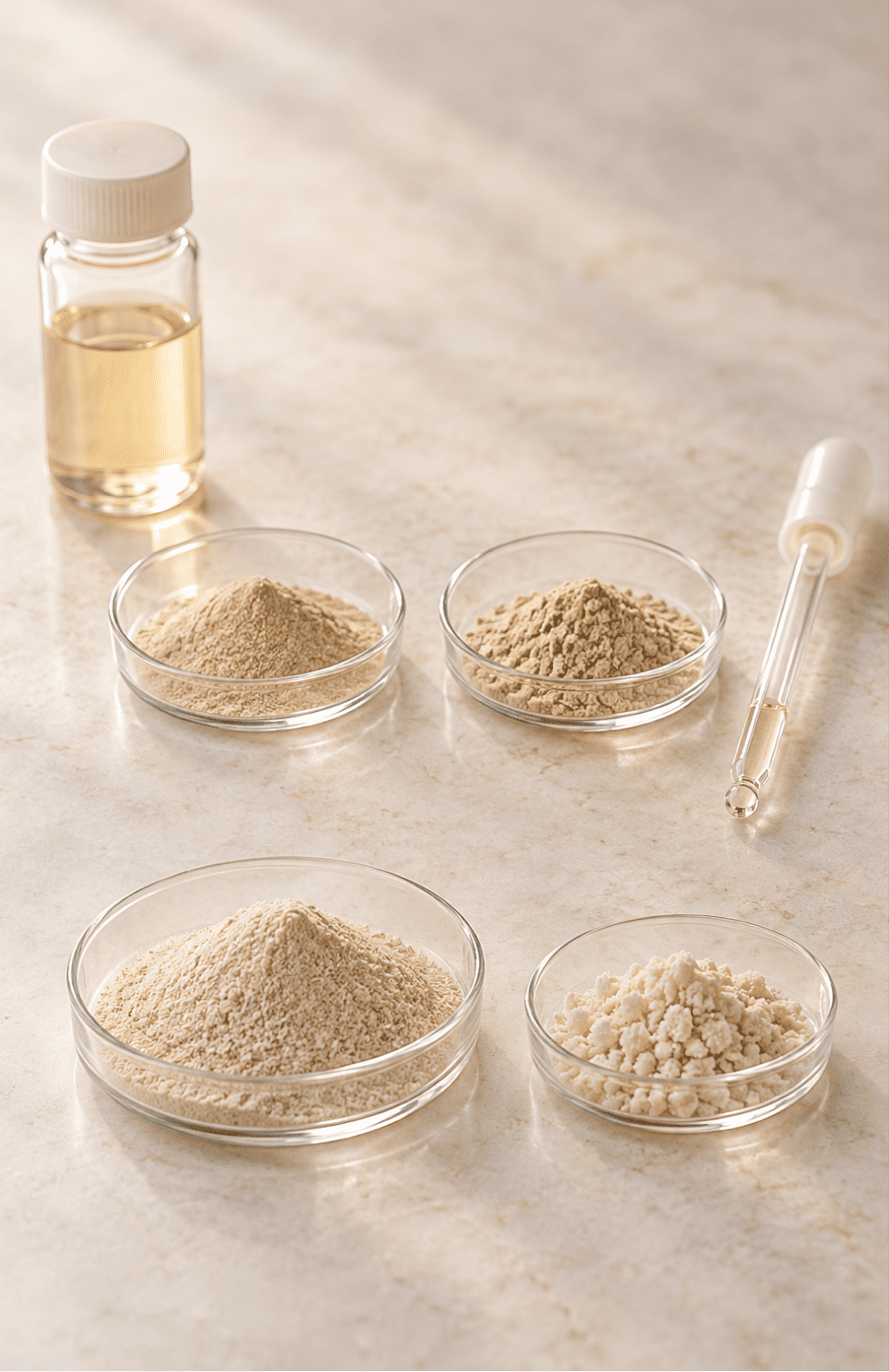
The beta-glucan figure is a difference between two other figures. Total glucan is released by sulfuric acid hydrolysis and quantified as glucose; alpha-glucan is quantified separately after glucoamylase digests starch and glycogen; beta-glucan is the remainder. A powder carrying substrate starch therefore posts a large total and a much smaller beta-glucan, so a total-polysaccharide claim on its own carries no information.
Maitake adds a wrinkle that has nothing to do with grain. An alpha-glucan has been isolated from the Grifola frondosa fruiting body itself, so maitake holds alpha-glucan naturally. An honest fruiting-body maitake extract will still shed part of its total glucan in the subtraction, and that is chemistry rather than adulteration.
Shiitake is the species most sensitive to the detection reagent. An alkaline-extracted glucan fraction from Lentinula edodes responded more strongly to a recombinant glucan recognition protein than to a polyclonal antibody, so the reagent itself moves the number, not only the extraction. Published reviews of mushroom glucans say outright that two values are comparable only when one method produced both, which is why a figure without its method is not a figure.
What the human evidence shows
Fewer than 90 people appear across both oral trials, which ran for a month or less. The maitake result is the more instructive because it refused to behave: higher was not better. The only survival figure belongs to lentinan given by injection within cancer treatment.
What people get wrong
Choosing between them
As food, cook both, and cook shiitake properly, since the compound behind the rash is destroyed by heat. As a supplement, look for the Latin name, for fruiting body stated explicitly, and for a glucan figure that names its extraction and assay. Any product leaning on the lentinan gastric cancer figures is describing an injectable it does not contain. Maitake has the better characterised oral extract, though its one trial reads as a warning as much as a finding. Anyone receiving chemotherapy or immunosuppressive treatment should discuss that non-monotonic result with their clinician first.
Legal status and safety
Nothing about an effect. No health claim for either species is authorised under Regulation (EC) No 1924/2006 as retained in Great Britain law, so a seller may not say or imply that either one does anything for immunity, resilience or any bodily function.
Statements of composition are permitted: species, part used, extraction solvent, milligrams per serving, batch analysis. Placing lentinan survival figures beside a shiitake gummy is a claim by implication, quite apart from misrepresenting what was given and by which route.
Both mushrooms have a long history of consumption as food in Great Britain and elsewhere, so the whole dried mushroom raises none of the questions under Regulation (EU) 2015/2283 on novel foods that concentrated extracts of non-food fungi can raise. A heavily concentrated extract is a separate assessment from the mushroom it came from.
The specific documented hazard is shiitake dermatitis. The mechanism is thought to involve lentinan, a heat-labile polysaccharide, by either a partial toxic effect or a Th1-type hypersensitivity response, and raw or undercooked shiitake can produce whip-like itchy streaks over the trunk and limbs. Poison centre data from France covering 2014 to 2019 recorded 59 cases among 125 shiitake exposures, onset 1 to 168 hours after eating with a median of 48, and duration 1 to 40 days with a median of 10. Corticosteroids or antihistamines were given to 38 patients with no demonstrated benefit, and everyone recovered. A 2026 report describes the same eruption after mushroom coffee, so powders are not exempt.
How Endoca tests for this
Both species sit inside the Organic Mushroom Immune Complex, 300 mg of blended fruiting body extract per serving across 30 capsules, and shiitake also appears as Shiitake Mushroom Gummies. Batches are tested by a third-party laboratory and the certificate of analysis is published through the lab portal, covering identity, heavy metals, pesticide residues and microbial load. The gummy publishes no milligram figure per serving. Endoca has worked from its own farm, own land and own extraction since 2010.
Frequently asked questions
Neither has much. Maitake rests on one phase 1/2 trial in 34 patients over 3 weeks, shiitake on one 4-week trial in 52 healthy adults. Both measured immune markers rather than illness. The bigger shiitake dataset describes injected lentinan, not the mushroom or its extract.
A whip-like, intensely itchy eruption on the trunk and limbs following raw or undercooked shiitake, attributed to lentinan, which heat destroys. French poison centre records logged 59 cases among 125 exposures. Median duration was 10 days and everyone recovered fully.
The only oral dose-escalation trial says not reliably. Some immunologic parameters rose with dose and others fell, and the curves were non-monotonic, meaning middle doses sometimes exceeded high ones. The investigators specifically warned that botanicals may suppress immune function as well as stimulate it.
Because the figure is a subtraction and depends on both extraction and assay. Beta-glucan equals total glucan minus alpha-glucan, and in one study an alkaline-extracted Lentinula edodes fraction read higher on a recombinant glucan recognition protein than on a polyclonal antibody. Reviews state that values compare only within a single method.
References
Deng G, Lin H, Seidman A, et al. A phase I/II trial of a polysaccharide extract from Grifola frondosa (Maitake mushroom) in breast cancer patients: immunological effects. J Cancer Res Clin Oncol. 2009;135(9):1215-1221.
Dai X, Stanilka JM, Rowe CA, et al. Consuming Lentinula edodes (shiitake) mushrooms daily improves human immunity: a randomised dietary intervention in healthy young adults. J Am Coll Nutr. 2015;34(6):478-487.
Oba K, Kobayashi M, Matsui T, et al. Individual patient based meta-analysis of lentinan for unresectable/recurrent gastric cancer. Anticancer Res. 2009;29(7):2739-2745.
Boels D, Greillet C, Langrand J, et al. Shiitake dermatitis: experience of the Poison Control Centre Network in France from 2014 to 2019. Clin Toxicol (Phila). 2022;60(8):954-959.
Eubanks BN, Linabury JF, Kumetz EA. Shiitake dermatitis and potential implications for military readiness. Mil Med. 2023;188(9-10):3285-3288.
Mijares J, Ramachandran V. Flagellate erythema from mushroom coffee: a novel exposure route for shiitake dermatitis. Int J Dermatol. 2026; doi:10.1111/ijd.70497.
McCleary BV, Draga A. Measurement of beta-glucan in mushrooms and mycelial products. J AOAC Int. 2016;99(2):364-373.
Kanno T, Adachi Y, Ishibashi KI, et al. Quantification of beta-glucan from culinary-medicinal mushrooms using novel artificial beta-glucan recognition protein. Int J Med Mushrooms. 2020;22(3):269-276.
Vetter J. The mushroom glucans: molecules of high biological and medicinal importance. Foods. 2023;12(5):1009.
Lei H, Zhang M, Wang Q, et al. MT-alpha-glucan from the fruit body of the maitake medicinal mushroom Grifola frondosa shows protective effects for hypoglycaemic pancreatic beta-cells. Int J Med Mushrooms. 2013;15(4):373-381.
Regulation (EC) No 1924/2006 on nutrition and health claims made on foods, and Regulation (EU) 2015/2283 on novel foods, both as retained in Great Britain law.
Last reviewed 1 October 2026.
These statements have not been evaluated by the Food and Drug Administration. This product is not intended to diagnose, treat, cure, or prevent any disease.