
- Shop
- About Us
Our Story
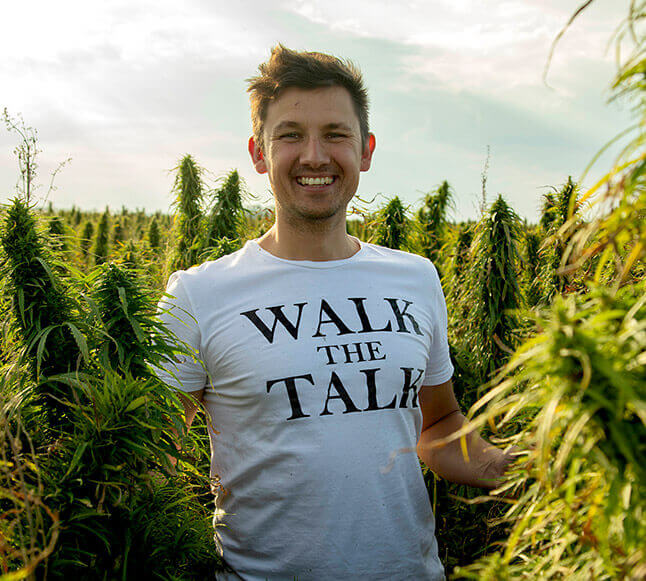
From humble beginnings to a global mission – we grow, harvest, and craft hemp with care for people and planet.
What Is CBD?
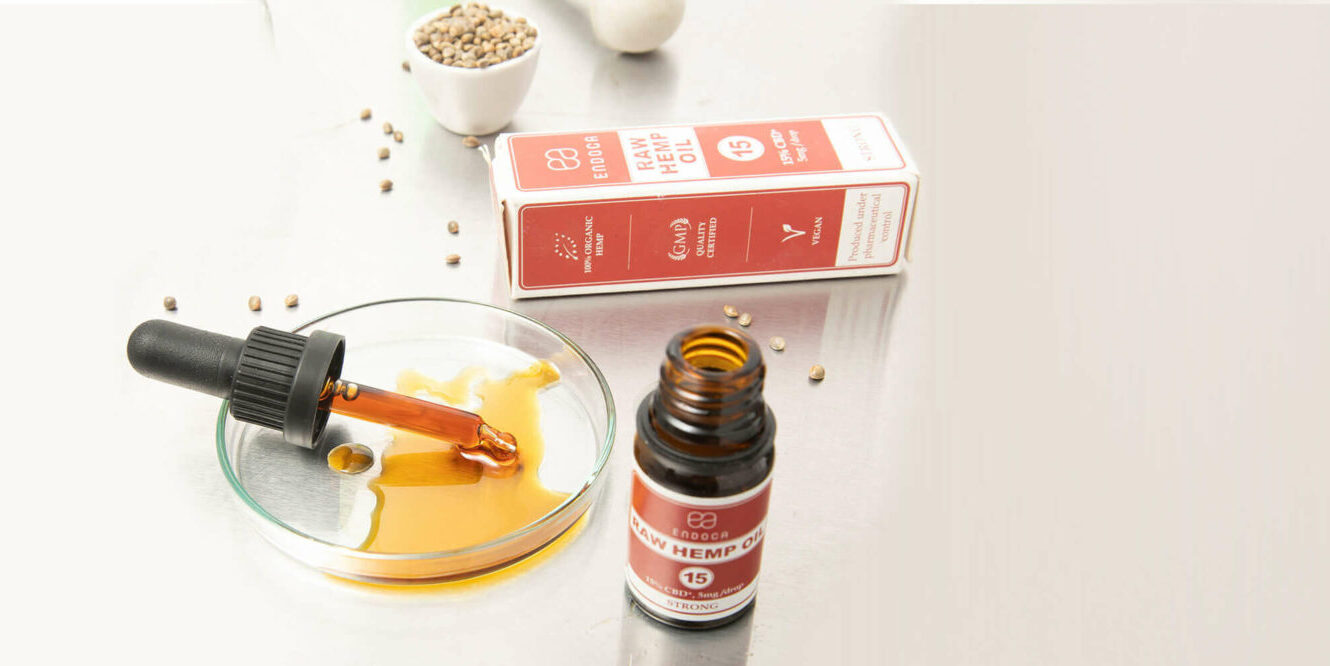
CBD is nature’s way to restore balance, calm, and overall well-being – naturally and without the high.
The Process
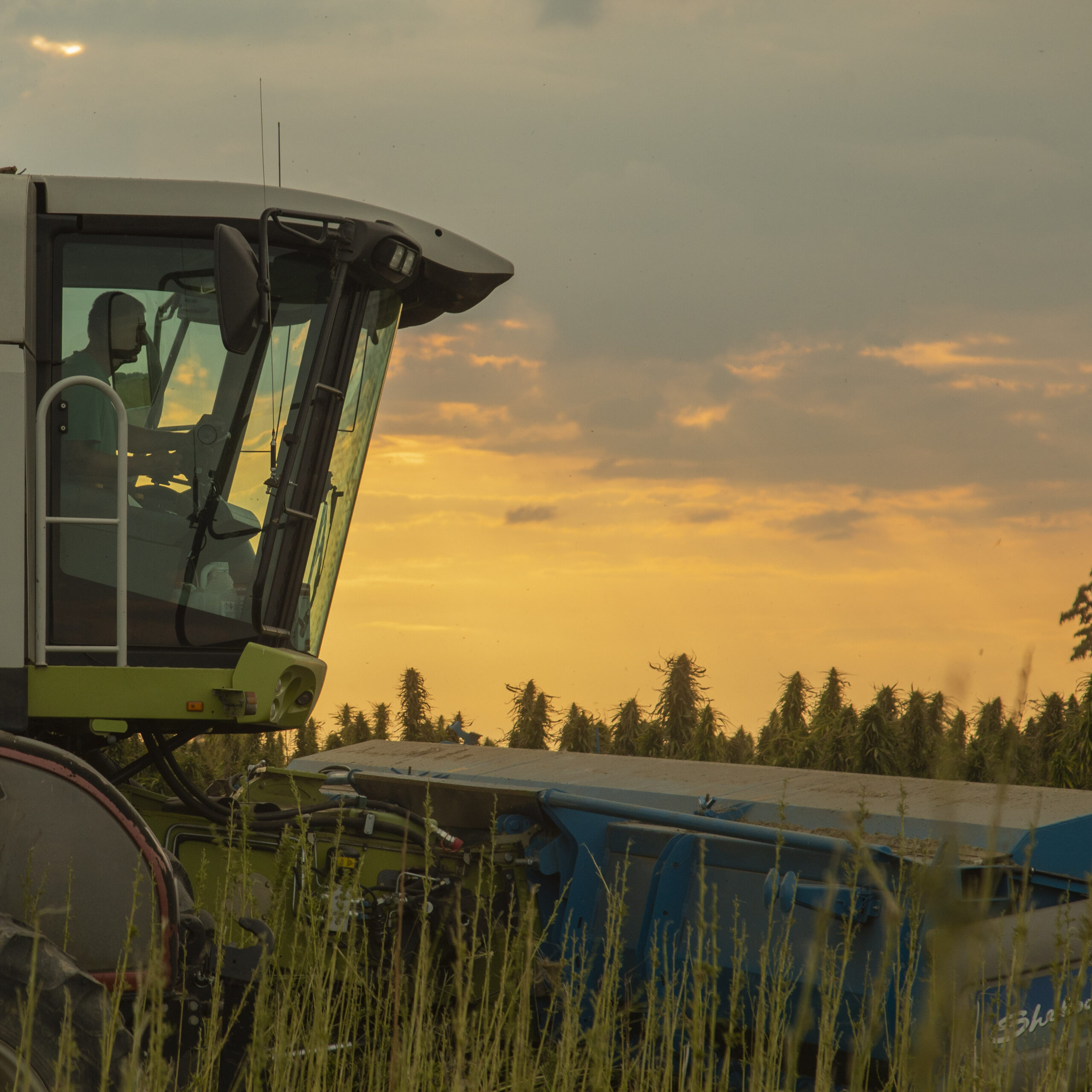
From seed to shelf, we grow organically, extract cleanly, and follow strict quality standards for purity.
Lab Testing
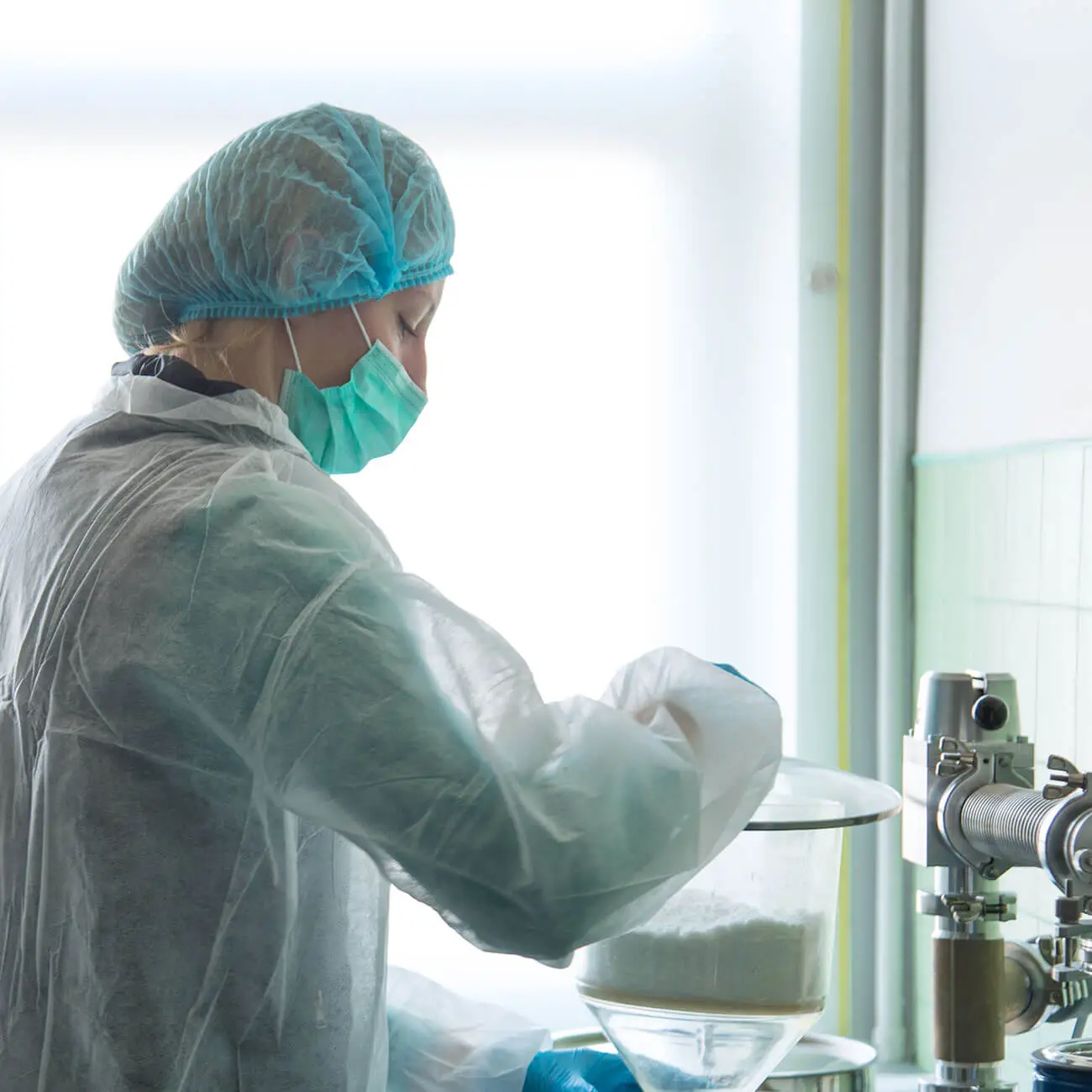
Every batch is third-party tested to ensure purity, safety, and the exact amount of CBD every time.
Our Values
Sustainability, transparency, and wellness guide every decision – for you and for the planet.
At a glance
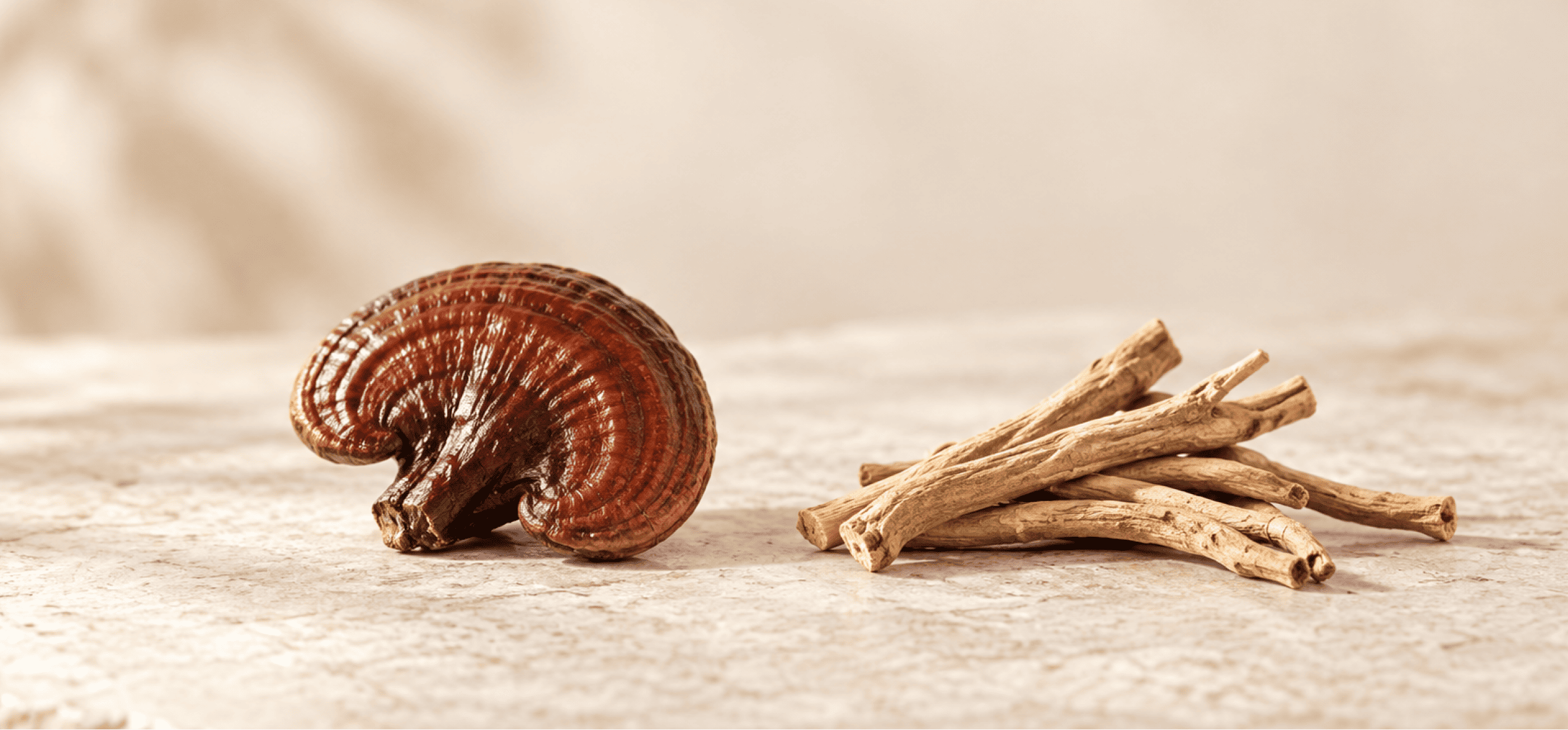
What these two actually are
A fungus and a flowering plant, brought together only by how they are marketed. Reishi is a hard varnished bracket from a tree trunk, far too tough to eat, so every reishi product sold is a preparation of one kind or another. Ashwagandha is a farmed shrub related to the tomato and to deadly nightshade, and what is traded is its root. There is no marker compound in common, no shared assay and no shared monograph, which means a sentence ranking one above the other is ranking nothing at all.
Reishi’s quality turns on part used and on solvent. Fruiting body against mycelium grown on a grain substrate determines how much of a glucan figure is genuinely fungal, since grain brings starch and starch is an alpha-glucan. And because reishi carries two useful compound classes of opposite solubility, a single-solvent extract is incomplete by construction.
Ashwagandha’s quality turns on withanolide load instead. Nine marketed Withania somnifera formulations assayed by chromatography varied widely in total withanolide content, so two capsules of equal stated weight need not contain comparable material at all.
Beta-glucans, and why the number on the label may not mean what you think
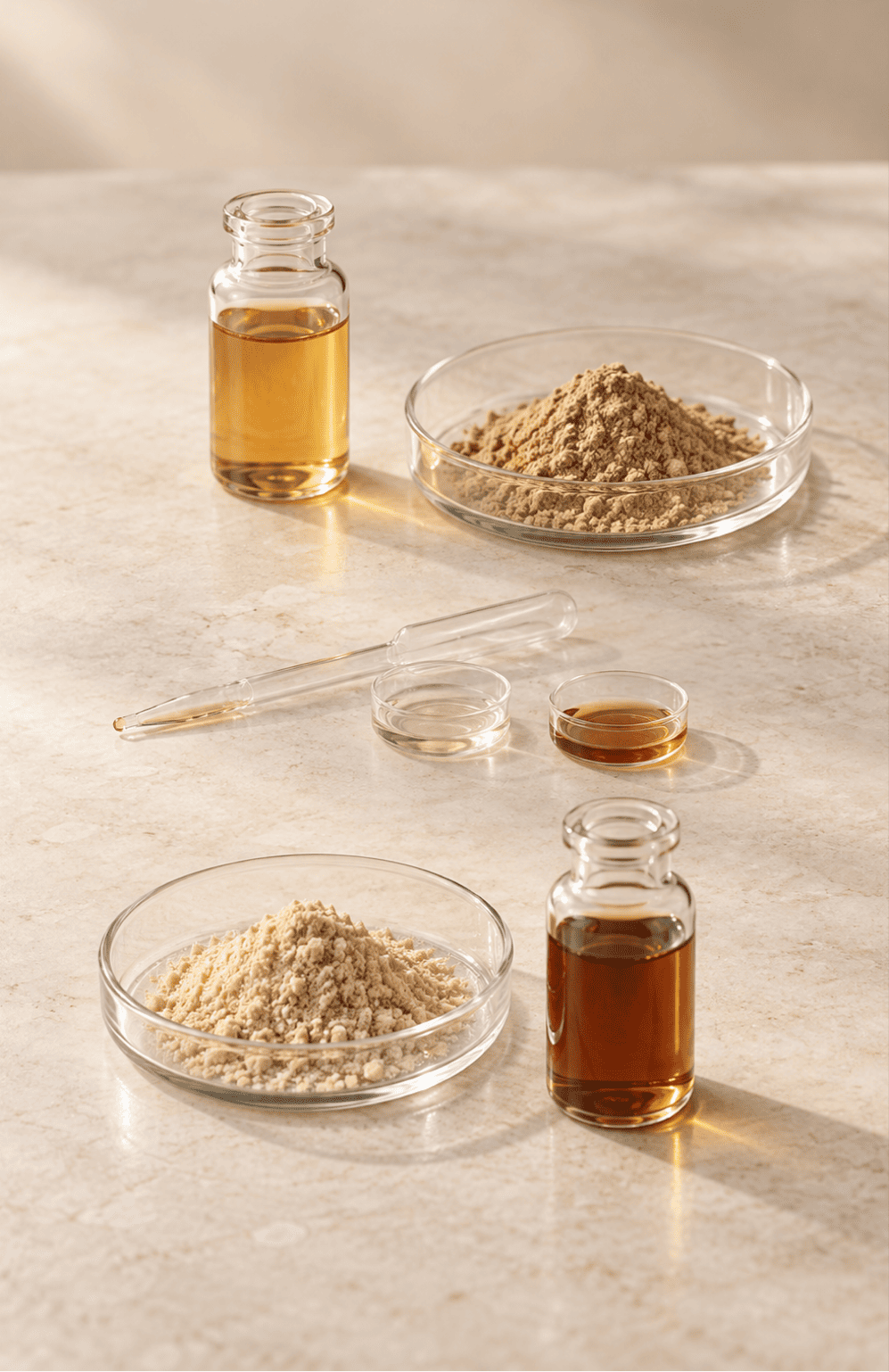
Reishi’s beta-glucan percentage is a subtraction and it is unusually method-dependent. Total glucan is released by acid hydrolysis and read as glucose, alpha-glucan from starch and glycogen is measured separately using glucoamylase, and beta-glucan is the gap between them. In the validation study behind that method, Ganoderma lucidum was one of only two species in which sulfuric acid produced significantly higher values than hydrochloric. Two careful laboratories can publish two different reishi percentages from one batch.
Solvent costs reishi half its chemistry if chosen badly. Beta-glucans dissolve in hot water, ganoderic acids require alcohol, so a water-only reishi extract can hold a perfectly honest glucan figure and no triterpenoids whatsoever.
Ashwagandha has no beta-glucan figure because there is no fungal cell wall in a root. Its equivalent measure is withanolide content, and solvent dictates that just as firmly: method development on the root found aqueous alcohol mixtures gave the highest total withanolide content. The conclusion holds on both sides. A percentage quoted without its method and solvent cannot be verified, and a milligram weight describes how much powder sits in the capsule.
What the human evidence shows
Each of these columns shows a different way of being unproven. Reishi’s cleanest endpoints came back flatly null. Ashwagandha’s mostly came back positive, but the component trials contradicted one another so badly that the pooled number means very little indeed.
What people get wrong
Choosing between them
Safety settles this ahead of the evidence. Ashwagandha is contraindicated in pregnancy and advised against for under-18s and for anyone with liver disease, a thyroid disorder or a heart condition, which removes it from consideration for a large number of people. Reishi has hepatic case reports of its own, both tied to powdered preparations rather than traditional decoctions, which is an argument for buying where batch testing is published rather than against the species itself. If triterpenoids are the reason for choosing reishi, confirm that a dual extraction was used.
Legal status and safety
Nothing that amounts to a benefit. Both are sold as food supplements and no health claim for either has been authorised under Regulation (EC) No 1924/2006 as retained in Great Britain law. A measured trial outcome can be reported as what it is; the same figure rephrased as something the ingredient will do for the reader becomes a claim.
Composition statements remain open: species, part used, extraction solvent, milligrams per serving, batch results. Reporting a null trial result is equally permitted, and on these two ingredients there is a good deal of null to report.
The ashwagandha liver evidence is the decisive item here. The first published series described 5 patients, 3 collected in Iceland and 2 from the United States Drug-Induced Liver Injury Network, all jaundiced after 2 to 12 weeks with cholestatic or mixed injury. A review to December 2025 collected 25 patients: 80 percent recovered, one received a transplant and three died, all with pre-existing cirrhosis. Germany’s risk institute advises that children, anyone pregnant or breastfeeding and anyone with liver disease should avoid it.
Both may still be sold here, but ashwagandha is under review. The Food Standards Agency ran a call for evidence closing 2 September 2024 to inform a Committee on Toxicity assessment, having identified possible thyroid toxicity, hypoglycaemic effects and potential liver toxicity. Denmark prohibited it in food supplements in 2023 after a 2020 assessment could not identify a safe intake level. Sweden has stopped short of a prohibition, but its food agency has required companies to demonstrate that ashwagandha products are safe. Reishi’s own record is one fatal fulminant hepatitis reported with Ganoderma lucidum powder.
How Endoca tests for this
Only one of the pair is an Endoca product. The Red Reishi Mushroom Extract gives 280 mg per serving in organic capsules, and reishi also features in the Organic Mushroom Immune Complex at 300 mg per serving. Batches go to a third-party laboratory and the certificate of analysis is published through the lab portal, covering identity, heavy metals, pesticide residues and microbial load. No ashwagandha is stocked. Endoca has worked from its own farm, own land and own extraction since 2010.
Frequently asked questions
Ashwagandha only. Five trials in 400 adults produced a standardised mean difference of 0.59 on sleep measures, with no significant change in quality of life. Reishi has no sleep trials. Against that, ashwagandha carries liver case reports and is contraindicated in pregnancy.
In isolated reports, yes. A fatal fulminant hepatitis was described in a patient taking Ganoderma lucidum as a powder, with an earlier case reported alongside it, both patients having taken boiled lingzhi beforehand without trouble. No hepatological toxicity appeared across its randomised trials.
A 2020 national risk assessment found no intake level for the root or its extracts below which consumption would be without risk of harm. Denmark acted on that finding in 2023, and Sweden has not prohibited it, but has required companies to show that their ashwagandha products are safe.
Nothing measurable. Five trials were eligible and three supplied usable data, all in type 2 diabetes at 1.4 to 3 grams daily over 12 to 16 weeks. HbA1c showed no change across 130 participants, and neither did total cholesterol, LDL cholesterol or body mass index across 107.
References
Jin X, Ruiz Beguerie J, Sze DM, Chan GC. Ganoderma lucidum (Reishi mushroom) for cancer treatment. Cochrane Database Syst Rev. 2016;4(4):CD007731.
Klupp NL, Chang D, Hawke F, et al. Ganoderma lucidum mushroom for the treatment of cardiovascular risk factors. Cochrane Database Syst Rev. 2015;2015(2):CD007259.
Wanmuang H, Leopairut J, Kositchaiwat C, et al. Fatal fulminant hepatitis associated with Ganoderma lucidum (Lingzhi) mushroom powder. J Med Assoc Thai. 2007;90(1):179-181.
Bjornsson HK, Bjornsson ES, Avula B, et al. Ashwagandha-induced liver injury: a case series from Iceland and the US Drug-Induced Liver Injury Network. Liver Int. 2020;40(4):825-829.
McIntyre D, Nguyen P, Kim Y, et al. Ashwagandha (Withania somnifera)-associated liver injury: a scoping review of clinical characteristics and safety considerations. Cureus. 2026;18(5):e109764.
Fatima K, Malik J, Muskan F, et al. Safety and efficacy of Withania somnifera for anxiety and insomnia: systematic review and meta-analysis. Hum Psychopharmacol. 2024;39(6):e2911.
Cheah KL, Norhayati MN, Husniati Yaacob L, Abdul Rahman R. Effect of Ashwagandha (Withania somnifera) extract on sleep: a systematic review and meta-analysis. PLoS One. 2021;16(9):e0257843.
Kumar S, Singh R, Gajbhiye N, Dhanani T. Extraction optimisation for phenolic- and withanolide-rich fractions from Withania somnifera roots. J AOAC Int. 2018;101(6):1773-1780.
McCleary BV, Draga A. Measurement of beta-glucan in mushrooms and mycelial products. J AOAC Int. 2016;99(2):364-373.
Bundesinstitut fuer Risikobewertung. Ashwagandha: food supplements with potential health risks. BfR Communication 39/2024, 10 September 2024.
Food Standards Agency. Call for evidence on the use of ashwagandha in food supplements, closed 2 September 2024; and Regulation (EC) No 1924/2006 as retained in Great Britain law.
DTU National Food Institute, Technical University of Denmark. Risk assessment of ashwagandha (Withania somnifera) in food supplements, 2020; and Danish Veterinary and Food Administration measure prohibiting ashwagandha in food supplements, 2023.
Last reviewed 1 October 2026.
These statements have not been evaluated by the Food and Drug Administration. This product is not intended to diagnose, treat, cure, or prevent any disease.