
- Shop
- About Us
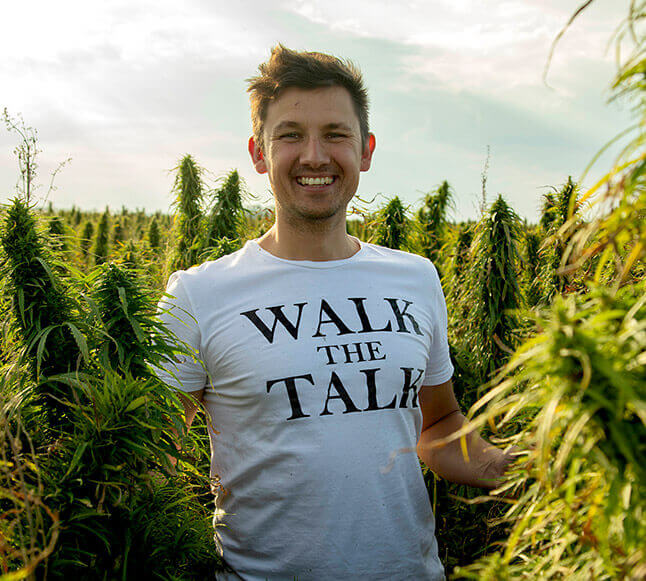
Our Story
From humble beginnings to a global mission – we grow, harvest, and craft hemp with care for people and planet.
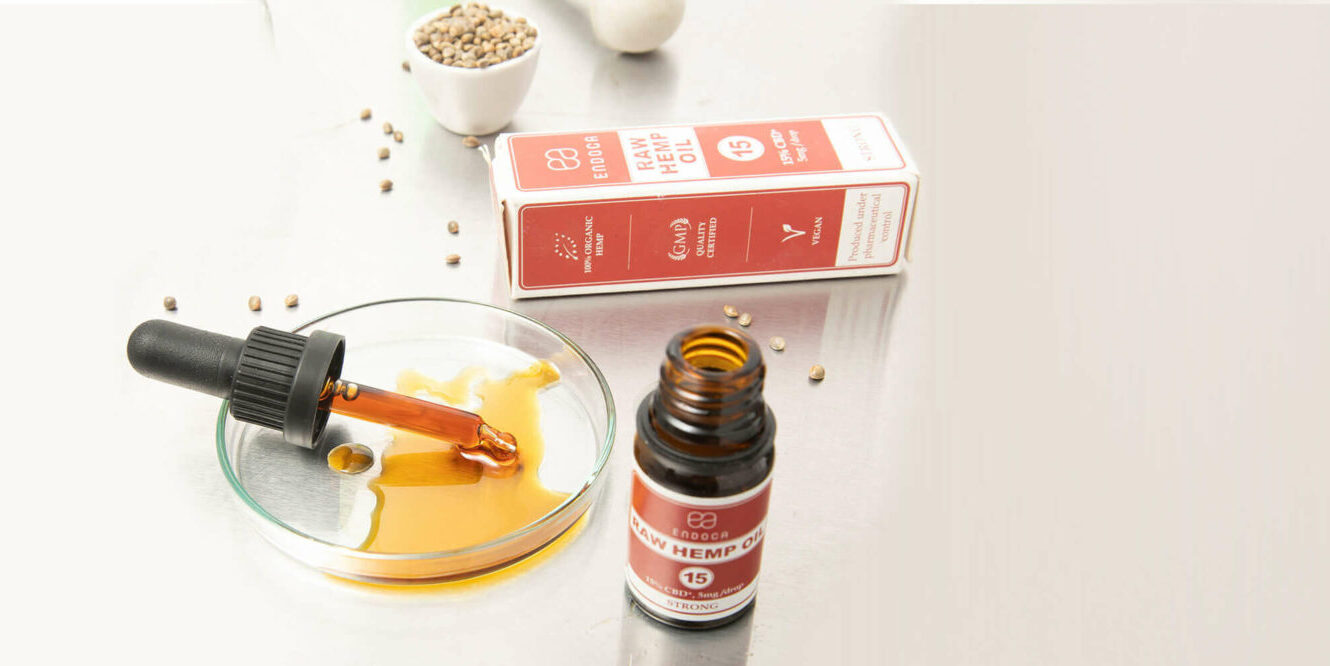
What Is CBD?
CBD is nature’s way to restore balance, calm, and overall well-being – naturally and without the high.
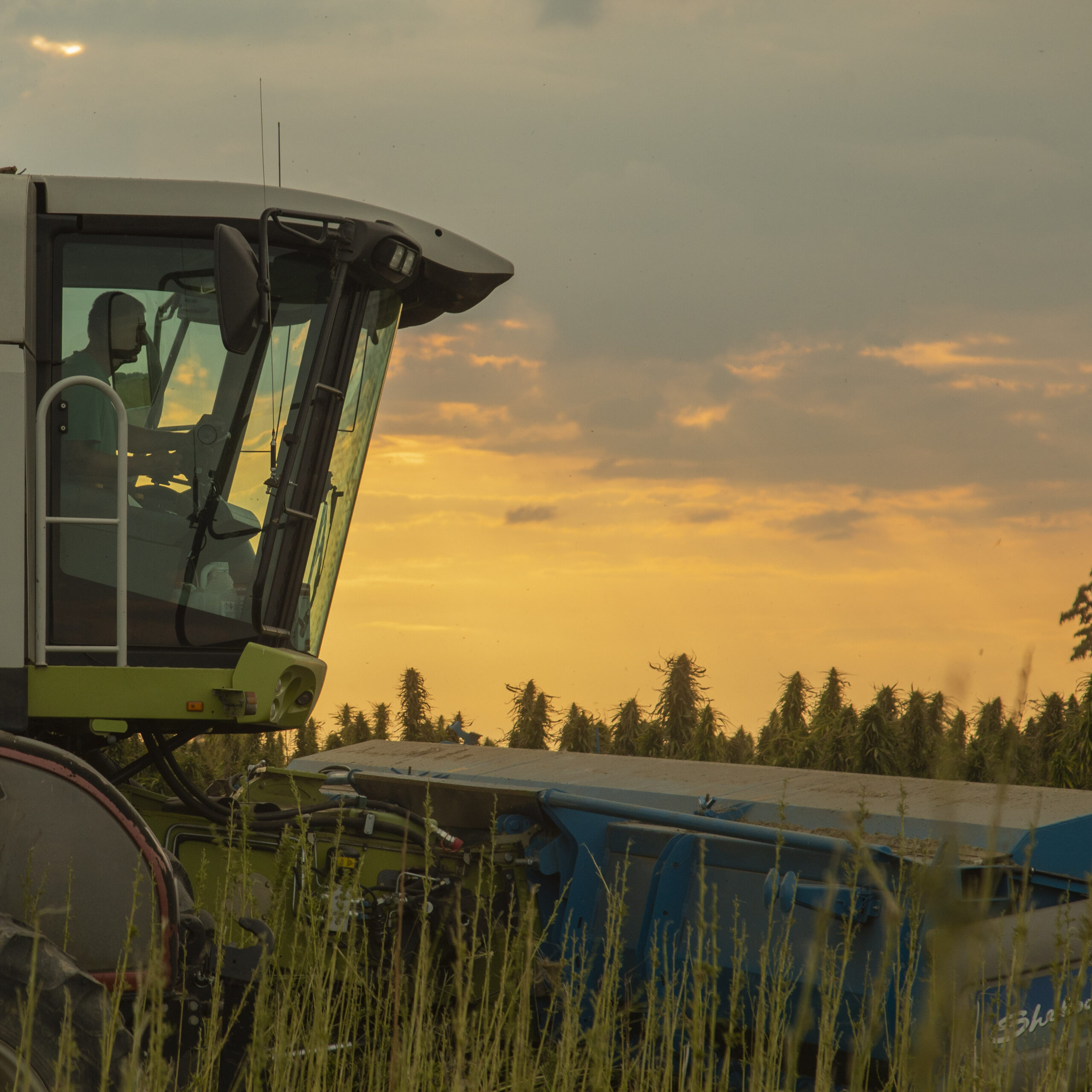
The Process
From seed to shelf, we grow organically, extract cleanly, and follow strict quality standards for purity.

Lab Testing
Every batch is third-party tested to ensure purity, safety, and the exact amount of CBD every time.
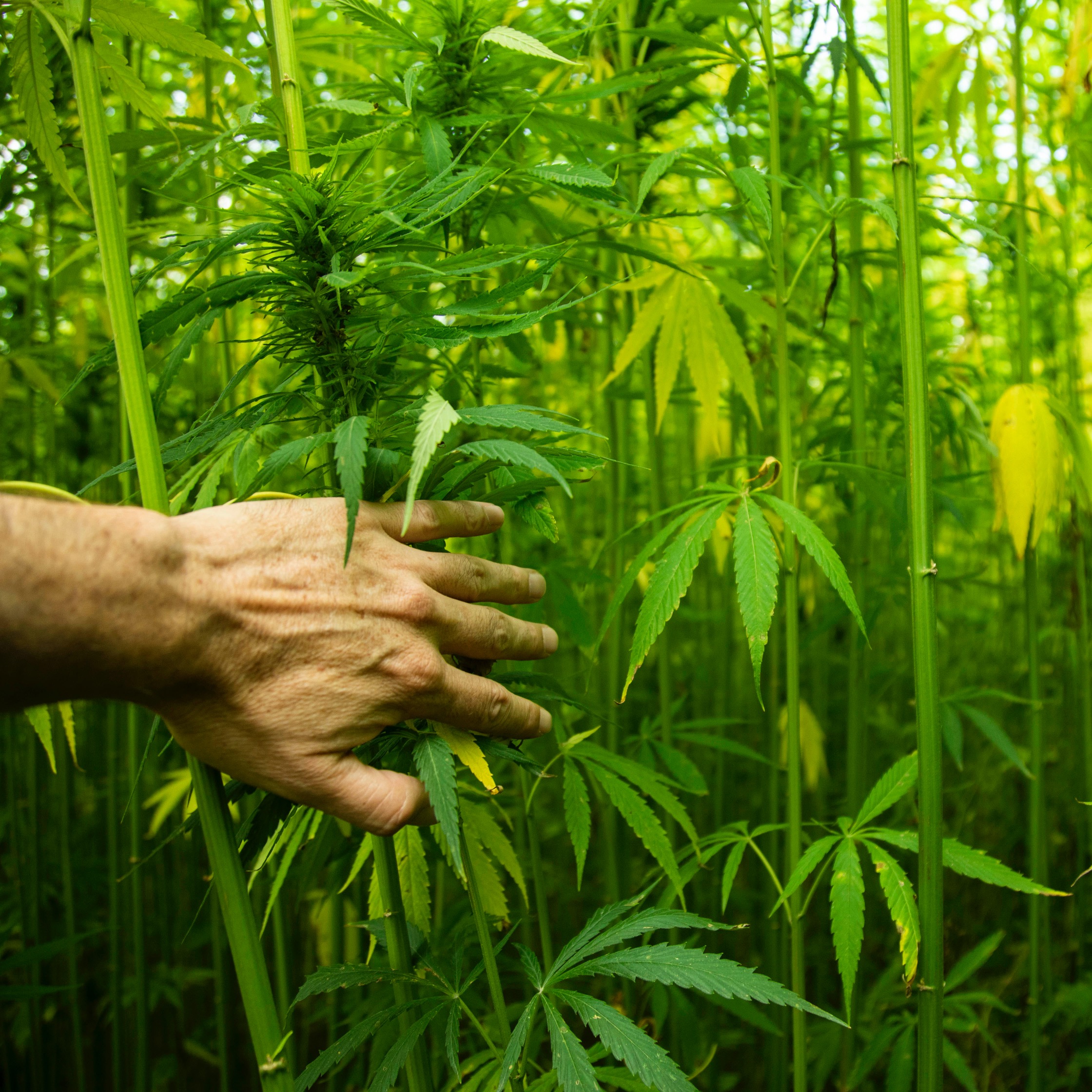
Our Values
Sustainability, transparency, and wellness guide every decision – for you and for the planet.
At a glance
What these two actually are
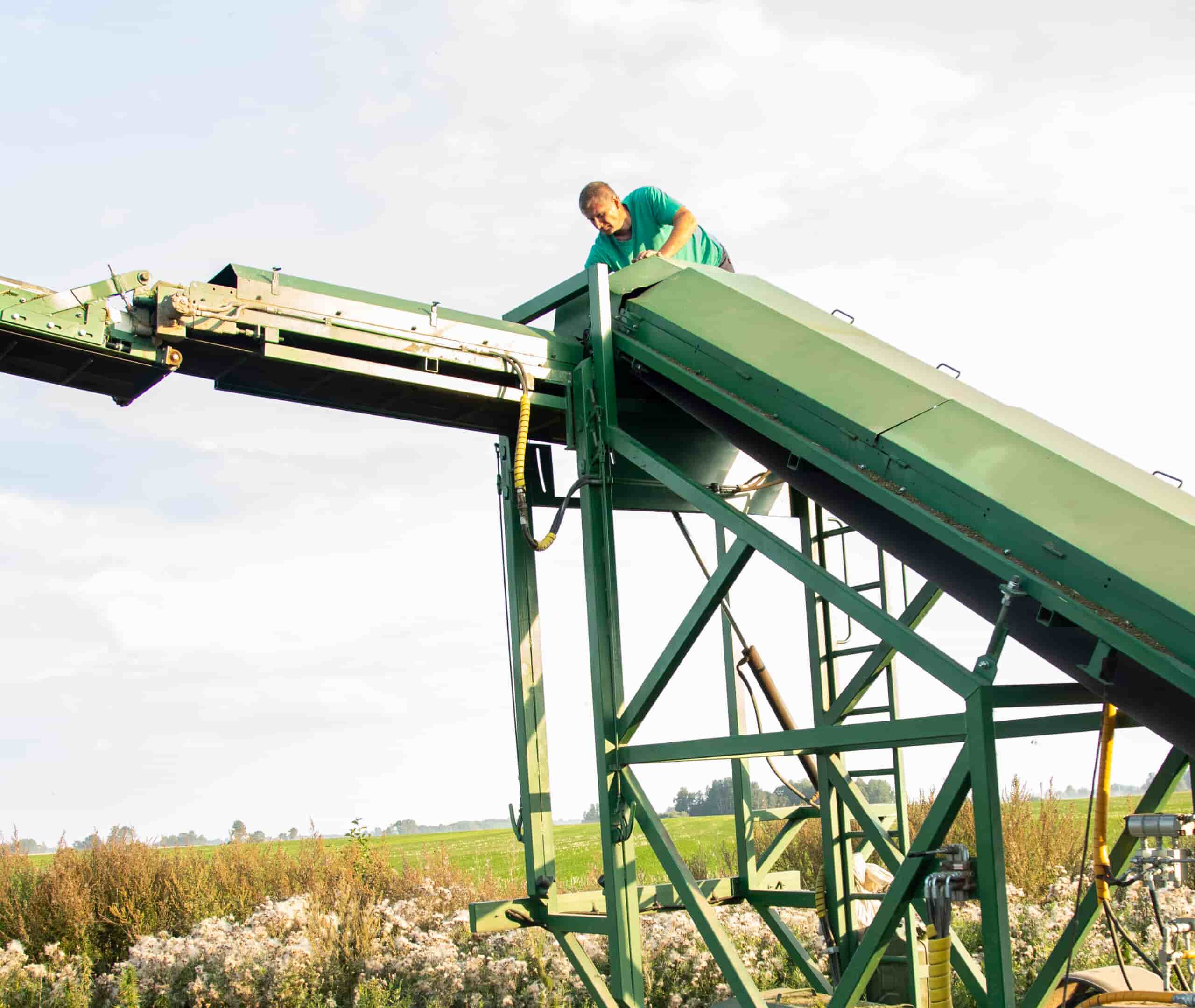
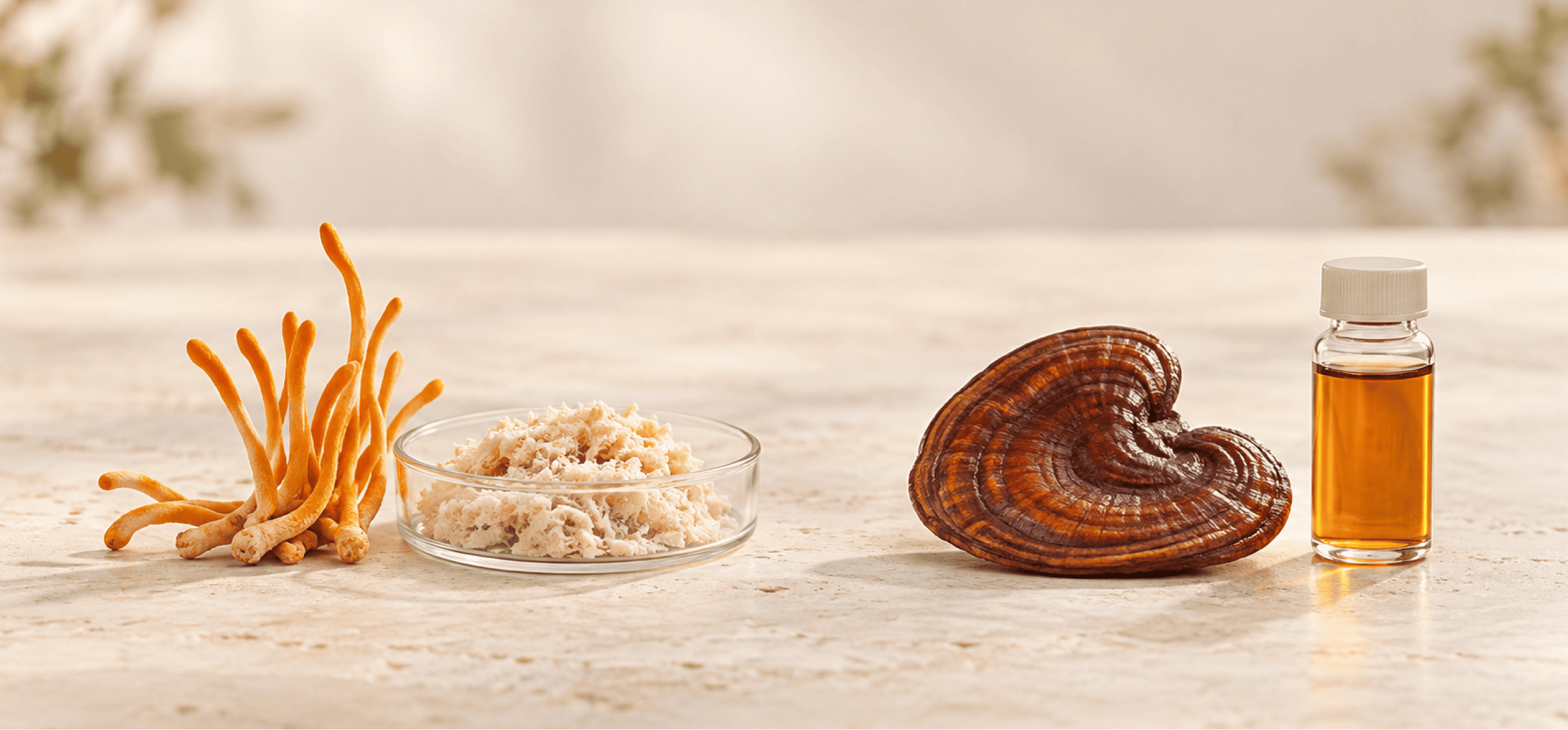
The difference starts with how many organisms each word covers. Reishi is one: Ganoderma lucidum, a bracket fungus of hardwood, and the part used is the fruiting body. Cordyceps covers several. Ophiocordyceps sinensis, until recently Cordyceps sinensis, is the wild caterpillar fungus collected as a stroma still joined to the mummified larva. Cordyceps militaris is a separate species raised indoors on grain or silkworm pupae.
Then there is Cs-4, which is neither of those. Cs-4 is a fermented mycelium published as Paecilomyces hepiali Chen, and it supplied most of the Chinese clinical work on cordyceps. The anamorph of O. sinensis is a different organism again, Hirsutella sinensis. A 2015 review of the Chinese cordyceps industry notes that the absence of a defined classification system confuses pharmaceutical scientists as well as shoppers.
The practical consequence is this. A jar labelled cordyceps may hold wild O. sinensis, a cultivated militaris fruiting body, Cs-4 mycelium, or mycelium grown on grain. Reishi varies by strain and substrate only. Cordyceps varies by species, by part and by process, and its marker compound moves with all three.
Beta-glucans, and why the number on the label may not mean what you think
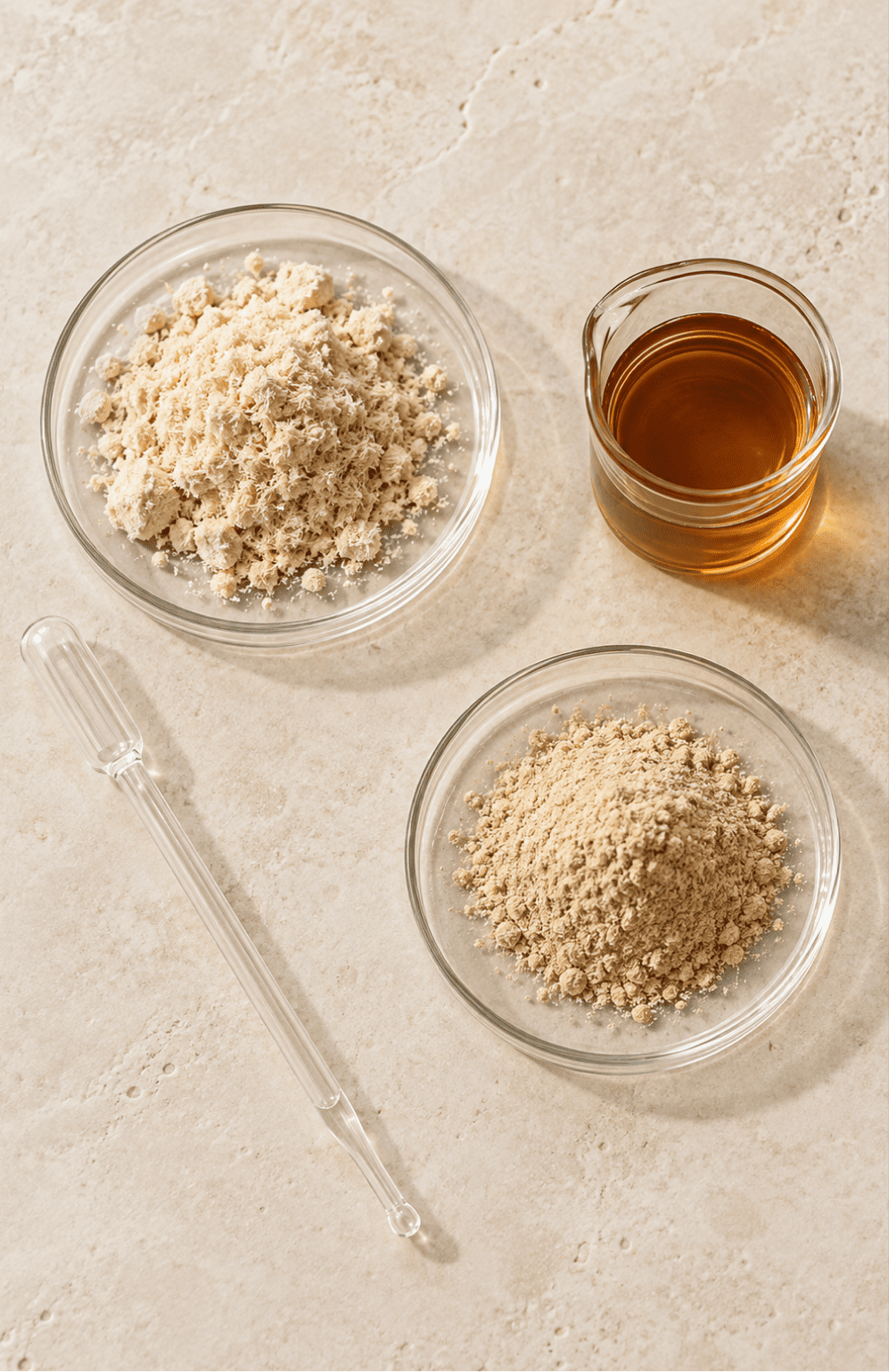
Reishi’s headline figure is beta-glucan, and it is arrived at as total glucan minus alpha-glucan. The subtraction is there because grain starch reads as alpha-glucan, so a crude polysaccharide figure inflates with substrate. Ganoderma lucidum fruiting bodies raised on five tree species returned 47.5 to 55.9 percent beta-glucan of dry weight on that assay.
Cordyceps does not use that figure. Its markers are nucleosides. The Chinese Pharmacopoeia standardises Ophiocordyceps sinensis on adenosine, while Cordyceps militaris is characterised by cordycepin, which is 3′-deoxyadenosine: adenosine with a single hydroxyl removed from the ribose. One hydroxyl group separates the two markers, and the species they identify are not the same.
In absolute terms neither fungus is nucleoside rich. An HPLC survey of six fungi recorded total nucleosides and nucleobases between 0.14 and 26.57 mg per g of dry matter, with Cordyceps sinensis, Cordyceps militaris and Ganoderma lucidum all below the three culinary species examined, and under 1 mg per g in the stipe and cap of G. lucidum. Spore-bearing tissue held far more than other parts of the same fungus, so part used moves the number again.
What the human evidence shows
Read the positives narrowly. A 20-person trial moved a submaximal threshold and left VO2 max alone. A 132-patient trial moved a clinician rating scale. The flat results are firmer: no HbA1c change at 16 weeks and no exercise change at 1 week.
What people get wrong
Choosing between them
The two were measured against different endpoints, which is the practical way to choose between them. Cordyceps was tested in exercise physiology: one 12-week trial in 20 older adults, using Cs-4 rather than a fruiting body. Reishi was tested as an oncology adjunct and on symptom scales, in small trials that two Cochrane reviews rated poor. If cordyceps is the choice, ask which species and which process, because one label word covers four different materials. For reishi, the question to ask is whether the extraction used two solvents or one.
Legal status and safety
Nothing about effect. Regulation (EC) 1924/2006 as it applies in Great Britain permits a health claim only where one sits on the authorised list, and no claim for cordyceps, reishi or any functional mushroom sits there. Nor does any mushroom beta-glucan: the authorised beta-glucan entries name oats, oat bran, barley and barley bran at 3 g a day, for blood cholesterol. What remains lawful is factual description, meaning the species, the part, the process, the measured marker content, and what the trials recorded.
Both are sold as food supplements, and a concentrated fungal extract may fall within Regulation (EU) 2015/2283 on novel foods as it applies in Great Britain, a question that turns on species, part used and process rather than on tradition.
On safety, the 16-week trial of reishi with and without cordyceps in 84 adults recorded no overall rise in adverse events on either active treatment, and the pooled reishi cardiovascular review recorded adverse events 1.67 times more frequent than placebo over 4 months, 95 percent CI 0.86 to 3.24, which is not statistically significant, with nausea, diarrhoea and constipation reported and none serious. There are no human safety data in pregnancy, breastfeeding or childhood and no interaction studies. Endoca’s CBD products are recorded on the FSA public list, which logs applications rather than approvals, under FSA advice of no more than 10 mg a day.
How Endoca tests for this
Endoca publishes a certificate of analysis per mushroom extract, backed by pesticide, heavy metal and mycotoxin screening to GMP standards and third party verification. The two figures a careful buyer would want are absent: no adenosine or cordycepin result for the cordyceps capsule, no beta-glucan or triterpene result for the reishi. Those are worth requesting rather than inferring from a species name. Endoca works from its own farm, own land and own extraction, since 2010.
Frequently asked questions
Usually Cordyceps militaris, cultivated indoors on grain or silkworm pupae, or a fermented mycelium such as Cs-4. Wild Ophiocordyceps sinensis is scarce. The three materials carry different marker compounds, so the species and the process are both worth asking about before buying.
By a single hydroxyl group. Cordycepin is 3′-deoxyadenosine, which is adenosine missing one hydroxyl on the ribose ring. Ophiocordyceps sinensis is standardised on adenosine in the Chinese Pharmacopoeia, while cordycepin is the marker tied to Cordyceps militaris, so each marker names a different species.
A fermented mycelial cordyceps material published as Paecilomyces hepiali Chen, and the preparation behind most Chinese clinical research on cordyceps. It is not a fruiting body. Cs-4 at 333 mg three times daily is what the 12-week trial in 20 older adults gave.
Once. An 84-participant trial randomised adults with type 2 diabetes and metabolic syndrome to Ganoderma lucidum, Ganoderma lucidum with Cordyceps sinensis, or placebo at 3 g a day for 16 weeks, and recorded no change in HbA1c or fasting plasma glucose.
References
Chen S, Li Z, Krochmal R, Abrazado M, Kim W, Cooper CB. Effect of Cs-4 (Cordyceps sinensis) on exercise performance in healthy older subjects: a double-blind, placebo-controlled trial. J Altern Complement Med. 2010;16(5):585-590.
Hirsch KR, Smith-Ryan AE, Roelofs EJ, Trexler ET, Mock MG. Cordyceps militaris improves tolerance to high-intensity exercise after acute and chronic supplementation. J Diet Suppl. 2017;14(1):42-53.
Dong C, Guo S, Wang W, Liu X. Cordyceps industry in China. Mycology. 2015;6(2):121-129.
Yuan JP, Zhao SY, Wang JH, Kuang HC, Liu X. Distribution of nucleosides and nucleobases in edible fungi. J Agric Food Chem. 2008;56(3):809-815.
Klupp NL, Kiat H, Bensoussan A, Steiner GZ, Chang DH. A double-blind, randomised, placebo-controlled trial of Ganoderma lucidum for the treatment of cardiovascular risk factors of metabolic syndrome. Sci Rep. 2016;6:29540.
Tang W, Gao Y, Chen G, Gao H, Dai X, Ye J, Chan E, Huang M, Zhou S. A randomised, double-blind and placebo-controlled study of a Ganoderma lucidum polysaccharide extract in neurasthenia. J Med Food. 2005;8(1):53-58.
Klupp NL, Chang D, Hawke F, Kiat H, Cao H, Grant SJ, Bensoussan A. Ganoderma lucidum mushroom for the treatment of cardiovascular risk factors. Cochrane Database Syst Rev. 2015;(2):CD007259.
Cortina-Escribano M, Pihlava JM, Miina J, Veteli P, Linnakoski R, Vanhanen H. Effect of strain, wood substrate and cold treatment on the yield and beta-glucan content of Ganoderma lucidum fruiting bodies. Molecules. 2020;25(20):4732.
Qu Y, Zhao X, Liu H, Ren R, Qu W, Wang S, Ma G. From remedy to therapy: confronting the bioavailability bottleneck in Ganoderma lucidum translational research. Pharmaceuticals (Basel). 2026;19(8):1171.
Ko YF, Liau JC, Lee CS, Chiu CY, Martel J, Lin CS, Tseng SF, Ojcius DM, Lu CC, Lai HC, Young JD. Isolation, culture and characterization of Hirsutella sinensis mycelium from caterpillar fungus fruiting body. PLoS One. 2017;12(1):e0168734.
Regulation (EU) No 432/2012 establishing a list of permitted health claims made on foods, Annex, beta-glucans entries, as it applies in Great Britain.
Last reviewed 1 October 2026.
These statements have not been evaluated by the Food and Drug Administration. This product is not intended to diagnose, treat, cure, or prevent any disease.