
- Shop
- About Us

Our Story
From humble beginnings to a global mission – we grow, harvest, and craft hemp with care for people and planet.
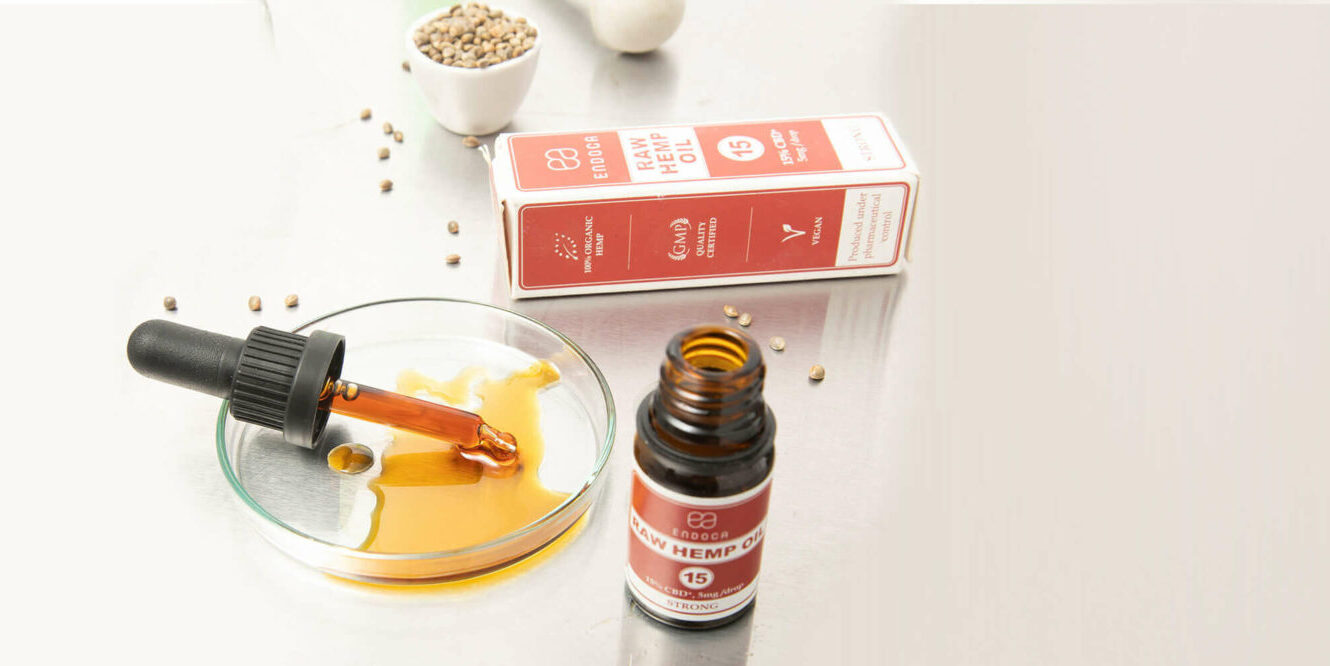
What Is CBD?
CBD is nature’s way to restore balance, calm, and overall well-being – naturally and without the high.
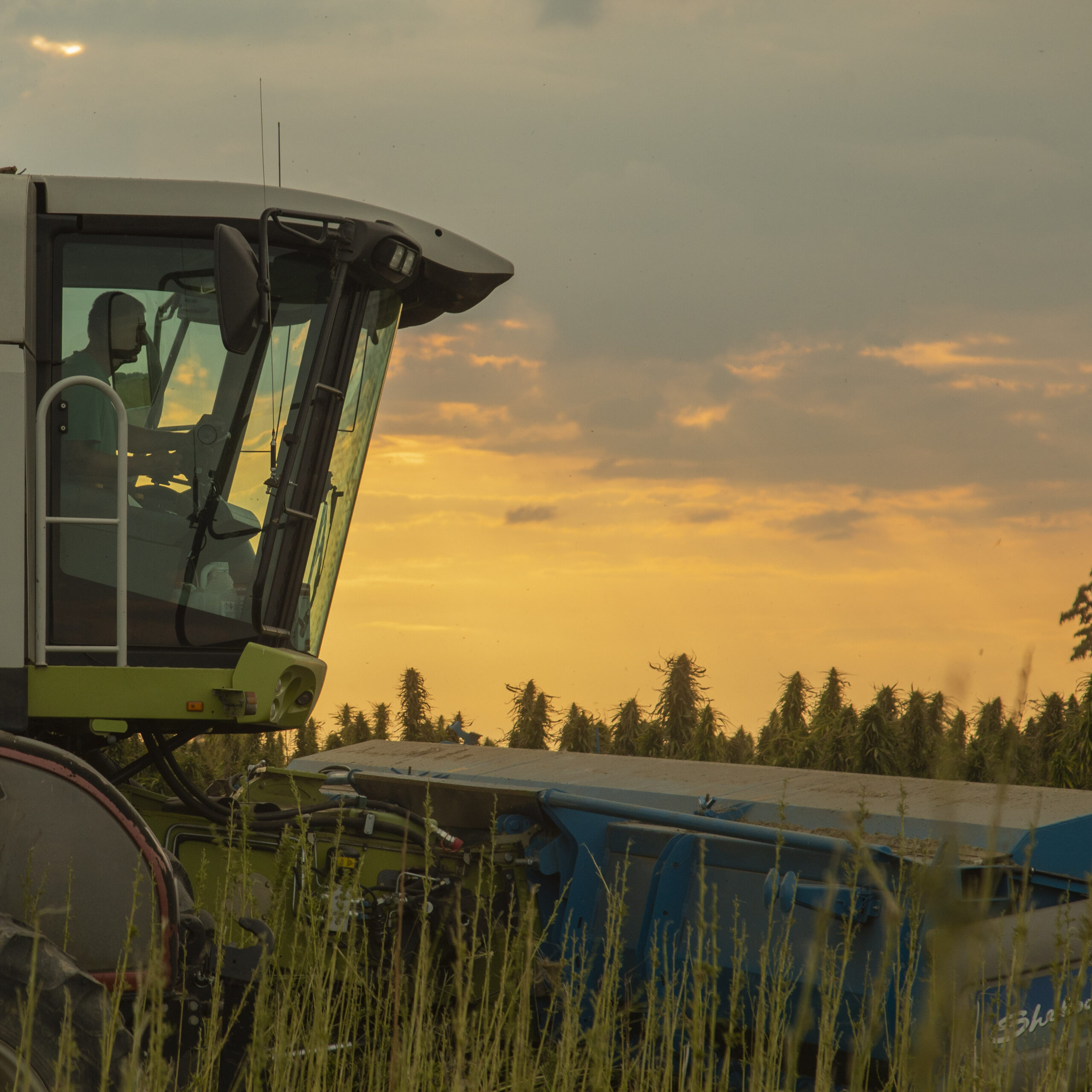
The Process
From seed to shelf, we grow organically, extract cleanly, and follow strict quality standards for purity.
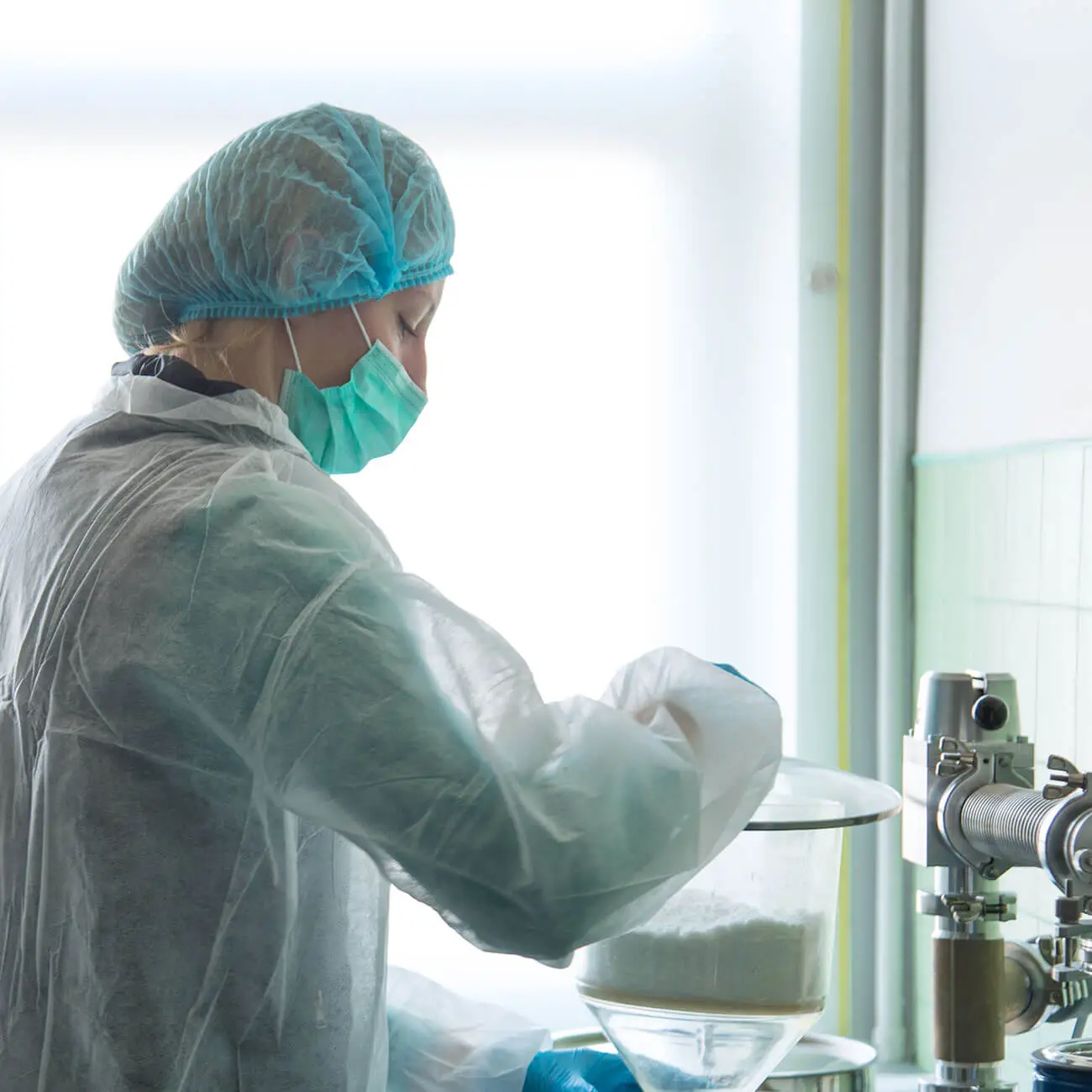
Lab Testing
Every batch is third-party tested to ensure purity, safety, and the exact amount of CBD every time.
Our Values
Sustainability, transparency, and wellness guide every decision – for you and for the planet.
At a glance
One substrate, three enzymes competing for it
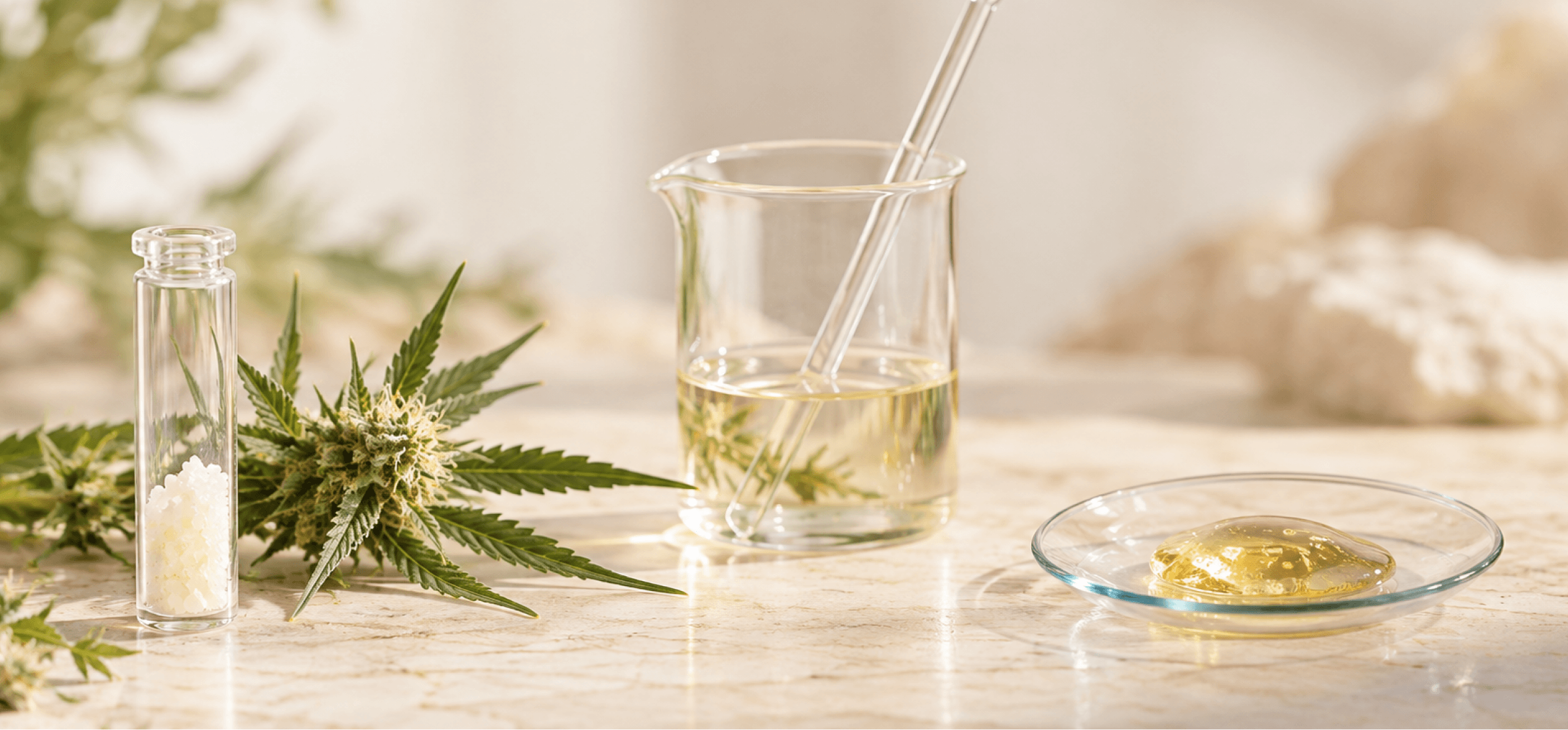
A cannabis plant does not synthesise CBD, THC or CBC. It synthesises CBGa, and three enzymes then compete to cyclise that single pool into CBDa, THCa or CBCa. Which of those enzymes a plant carries in working form is what fixes its chemotype long before harvest.
CBDA synthase was isolated and characterised in 1996 as a single polypeptide of 74 kDa with an isoelectric point of 6.1. It requires no coenzyme, no molecular oxygen, no hydrogen peroxide and no metal ion, which excludes it from being either an oxygenase or a peroxidase. It will also accept cannabinerolic acid, but the turnover number there is 0.03 per second against 0.19 per second for CBGa, so CBGa is the route that matters in a living plant.
That explains what a CBGa figure on a certificate of analysis represents. CBGa is unconsumed substrate, not a separate product the plant adds at the end. Varieties carrying a defective synthase accumulate it because nothing draws it down, and an earlier harvest leaves more behind. Heat then separates the two again, turning residual CBGa into CBG and CBDa into CBD.
What has actually been measured for each
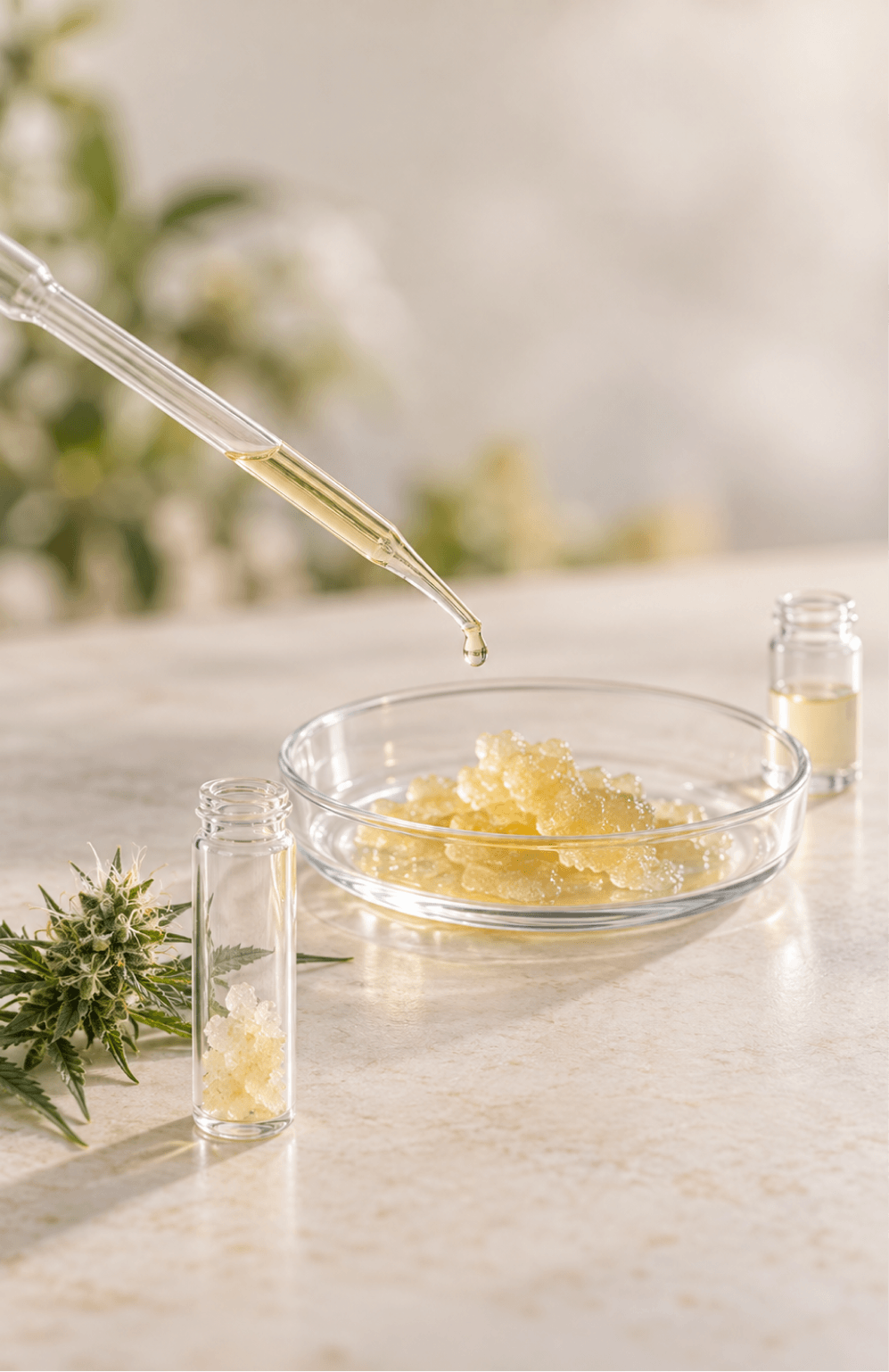
CBGa’s most potent recorded activity is nowhere near a cannabinoid receptor. Tested against store-operated calcium entry in several immune cell lines, the acid cannabinoids outperformed both CBD and THC, and CBGa was the most potent of them, blocking calcium release-activated calcium currents and reducing NFAT activation and interleukin 2 production in cultured human T lymphocytes. A second group reported CBGa as the strongest cannabinoid inhibitor of the TRPM7 channel, and showed the effect disappears when TRPM7’s kinase domain is not functional.
CBDa’s clearest result is at 5-HT1A, where it raised the maximum effect of a 5-HT1A agonist on GTP binding in rat brainstem membranes. The animal work that followed used strikingly low doses: 0.1 and 0.5 mg per kilogram in shrews, and 0.01 and 0.1 mg per kilogram in rats. Both acids were also shown to bind the SARS-CoV-2 spike protein at micromolar affinity in vitro.
None of that was measured in a person, and no claim about either compound is authorised here. What can be stated is what the assays recorded, which is what this page restricts itself to.
The evidence, side by side
The imbalance between the two columns is the useful part. CBDa carries the better animal pharmacology and the only human absorption figure of the pair, and that figure came from a mixture rather than from CBDa by itself. CBGa carries the more striking in vitro potency.
What people get wrong
Choosing between them
This is less a choice between two compounds than a choice about heat. An unheated full spectrum extract keeps CBDa as its principal cannabinoid with CBGa present in smaller amounts, because neither has been decarboxylated. Heat the same material and you get CBD and CBG instead.
Decide on that basis, and recognise that you are selecting a profile rather than an evidence base. CBDa has the larger body of animal work and the only human absorption measurement. CBGa has the most potent single in vitro result. Neither has an outcome measured in people.
Legal status and safety
Very little, and that is the honest position. Under Regulation (EC) 1924/2006 a nutrition or health claim may only be made if it appears on the authorised list, and no claim for CBD, CBDa or CBGa has been authorised. That rules out saying either acid supports, aids, helps or relieves anything.
What is permitted is a factual account of what was measured, in which system, at what concentration, which is the form every section above takes. CBDa increased 5-HT1A agonist activity in rat brainstem membranes describes an experiment. The same sentence rewritten as CBDa helps with nausea becomes an unauthorised claim, and the distinction is not cosmetic.
CBD extracts sold as food supplements are novel foods under Regulation (EU) 2015/2283, and that status covers acid-form extracts too. Products linked to validated applications appear on the Food Standards Agency public list while assessment continues, and as of the FSA board paper of September 2026 no authorisation had been granted, with three high-purity applications recommended to ministers.
Two figures govern the shelf. The FSA sets a provisional acceptable daily intake of 10 mg of CBD a day for healthy adults. Separately, a product must stay within the 1 mg per container limit for controlled cannabinoids, a controlled-drug boundary rather than a food one. Raw extracts deserve attention here, because the acid forms reach higher plasma concentrations than their neutral forms.
How Endoca tests for this
Our HPLC panel reports acid and neutral forms as separate analytes, which is the only way to demonstrate that an unheated extract really is unheated. A raw batch shows CBDa dominant with CBD and CBG low, and a decarboxylated batch shows the reverse. Where a cannabinoid sits below the limit of quantification we record it as such rather than estimating. A certificate cannot say what either acid does at a receptor.
Frequently asked questions
Yes. CBDA synthase converts CBGa directly into CBDa with a turnover number of 0.19 per second. The same CBGa pool also feeds THCa synthase and CBCa synthase, so all three acids compete for one substrate, and the enzymes a plant carries decide its chemotype.
Both, in very unequal amounts. An unheated CBD-type extract is dominated by CBDa because the plant converted most of its available CBGa before harvest. CBGa appears in smaller amounts as unconsumed substrate. Heating that material converts the CBDa to CBD and the residual CBGa to CBG.
CBDa does, and efficiently. In 15 healthy adults taking equal amounts of CBD and CBDa in one product, the acid reached peak plasma concentrations 19 to 25 times higher and reached them sooner. No comparable measurement in people has been published for CBGa, only work in dogs and horses.
There is no evidence either way, because neither acid has been through a controlled trial in people. What the data shows is that the acids are absorbed more readily and interact with a different set of targets. Faster absorption of a compound with no human outcome data establishes nothing.
References
Taura F, Morimoto S, Shoyama Y. Purification and characterisation of cannabidiolic-acid synthase from Cannabis sativa L. J Biol Chem 1996;271:17411-17416.
Taura F et al. Cannabidiolic-acid synthase, the chemotype-determining enzyme in fibre-type Cannabis sativa. FEBS Lett 2007;581:2929-2934.
Anderson LL et al. Cannabigerolic acid exhibits divergent effects on seizures in mouse models of epilepsy. Br J Pharmacol 2021;178:4826-4841.
Faouzi M et al. Acidic cannabinoids suppress proinflammatory cytokine release by blocking store-operated calcium entry. Function (Oxf) 2022;3:zqac033.
Suzuki S et al. Cannabigerolic acid (CBGA) inhibits the TRPM7 ion channel through its kinase domain. Function (Oxf) 2024;5:zqad069.
Bolognini D et al. Cannabidiolic acid prevents vomiting in Suncus murinus and nausea-induced behaviour in rats by enhancing 5-HT1A receptor activation. Br J Pharmacol 2013;168:1456-1470.
Zagzoog A et al. In vitro and in vivo pharmacological activity of minor cannabinoids isolated from Cannabis sativa. Sci Rep 2020;10:20405.
Elder HJ et al. Pharmacokinetics and pharmacodynamics of a hemp-derived full-spectrum oral cannabinoid product with a 1:1 ratio of cannabidiol to cannabidiolic acid. Cannabis Cannabinoid Res 2025;10:e299-e313.
De Petrocellis L et al. Effects of cannabinoids and cannabinoid-enriched Cannabis extracts on TRP channels and endocannabinoid metabolic enzymes. Br J Pharmacol 2011;163:1479-1494.
van Breemen RB et al. Cannabinoids block cellular entry of SARS-CoV-2 and the emerging variants. J Nat Prod 2022;85:176-184.
Food Standards Agency. CBD novel food applications: recommendations to ministers on first authorisations. FSA Board paper, September 2026.
Last reviewed 6 October 2026.
These statements have not been evaluated by the Food and Drug Administration. This product is not intended to diagnose, treat, cure, or prevent any disease.