
- Shop
- About Us

Our Story
From humble beginnings to a global mission – we grow, harvest, and craft hemp with care for people and planet.
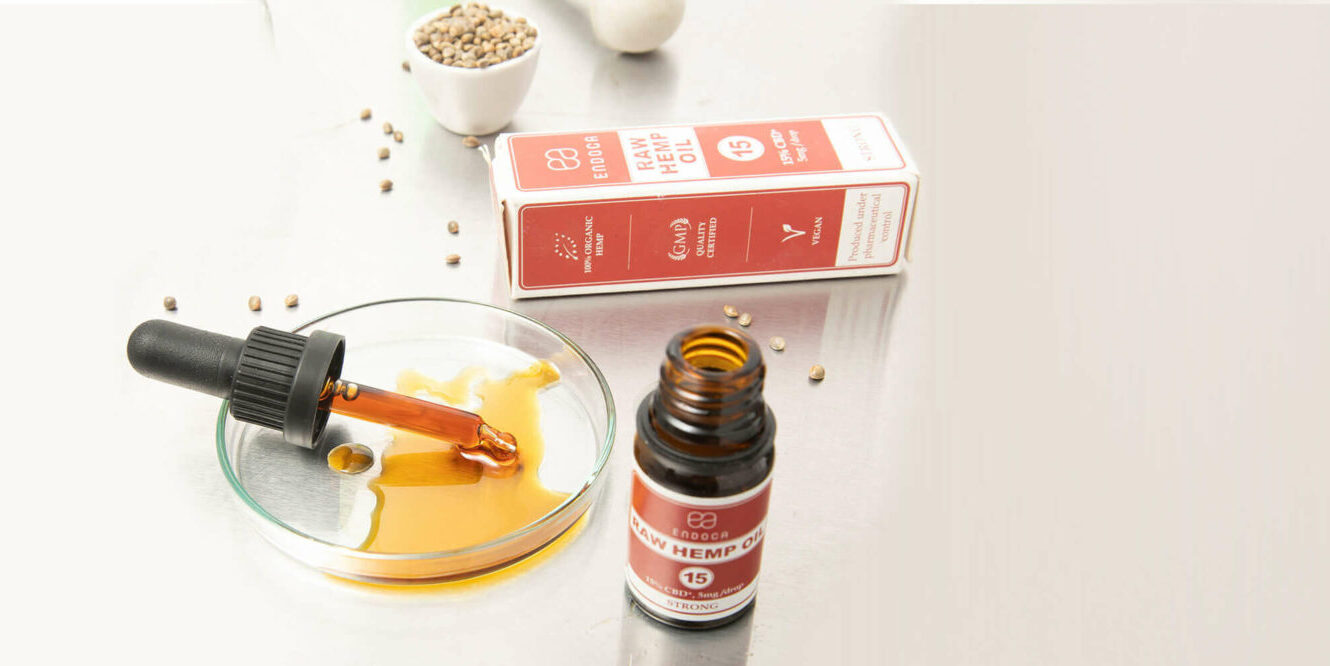
What Is CBD?
CBD is nature’s way to restore balance, calm, and overall well-being – naturally and without the high.
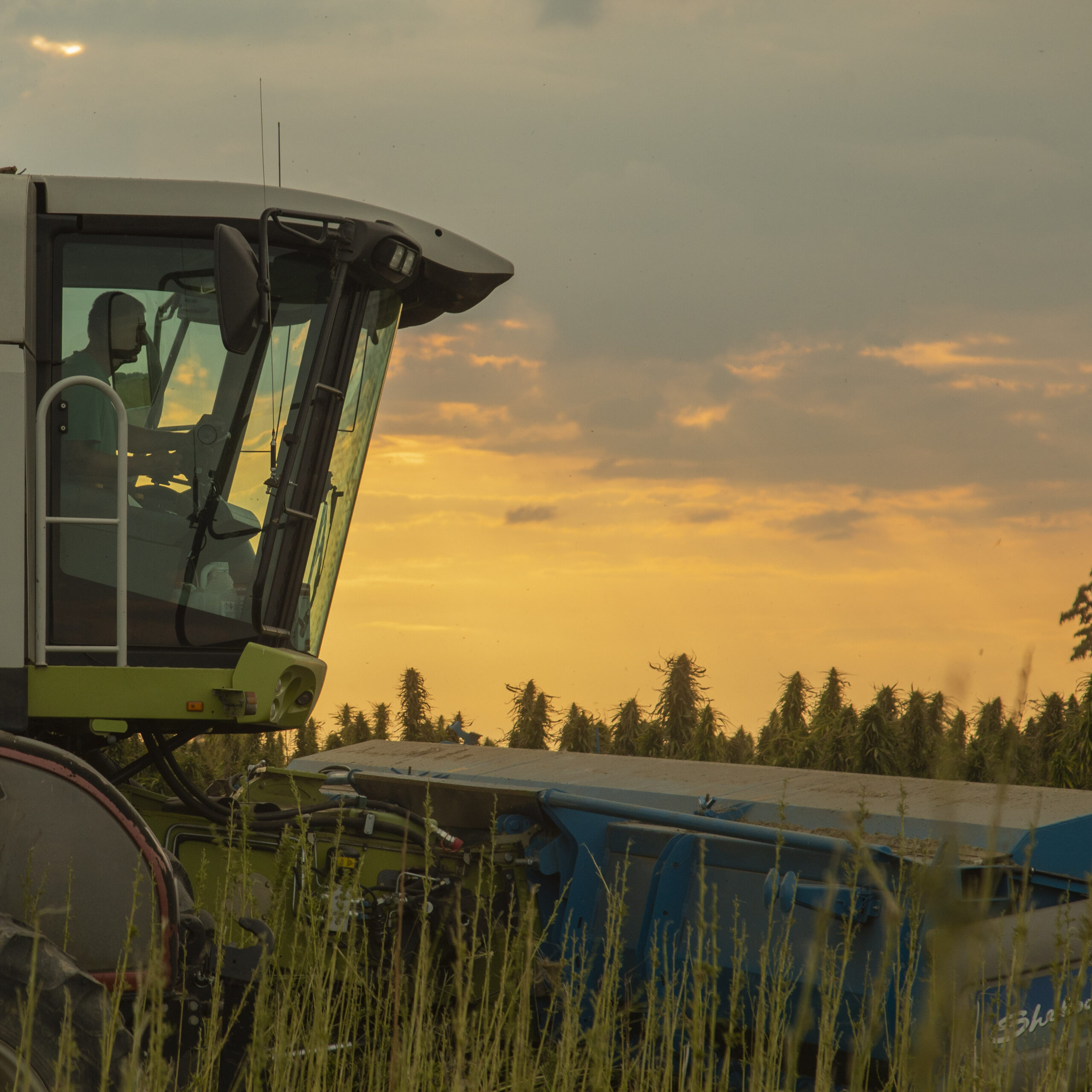
The Process
From seed to shelf, we grow organically, extract cleanly, and follow strict quality standards for purity.

Lab Testing
Every batch is third-party tested to ensure purity, safety, and the exact amount of CBD every time.
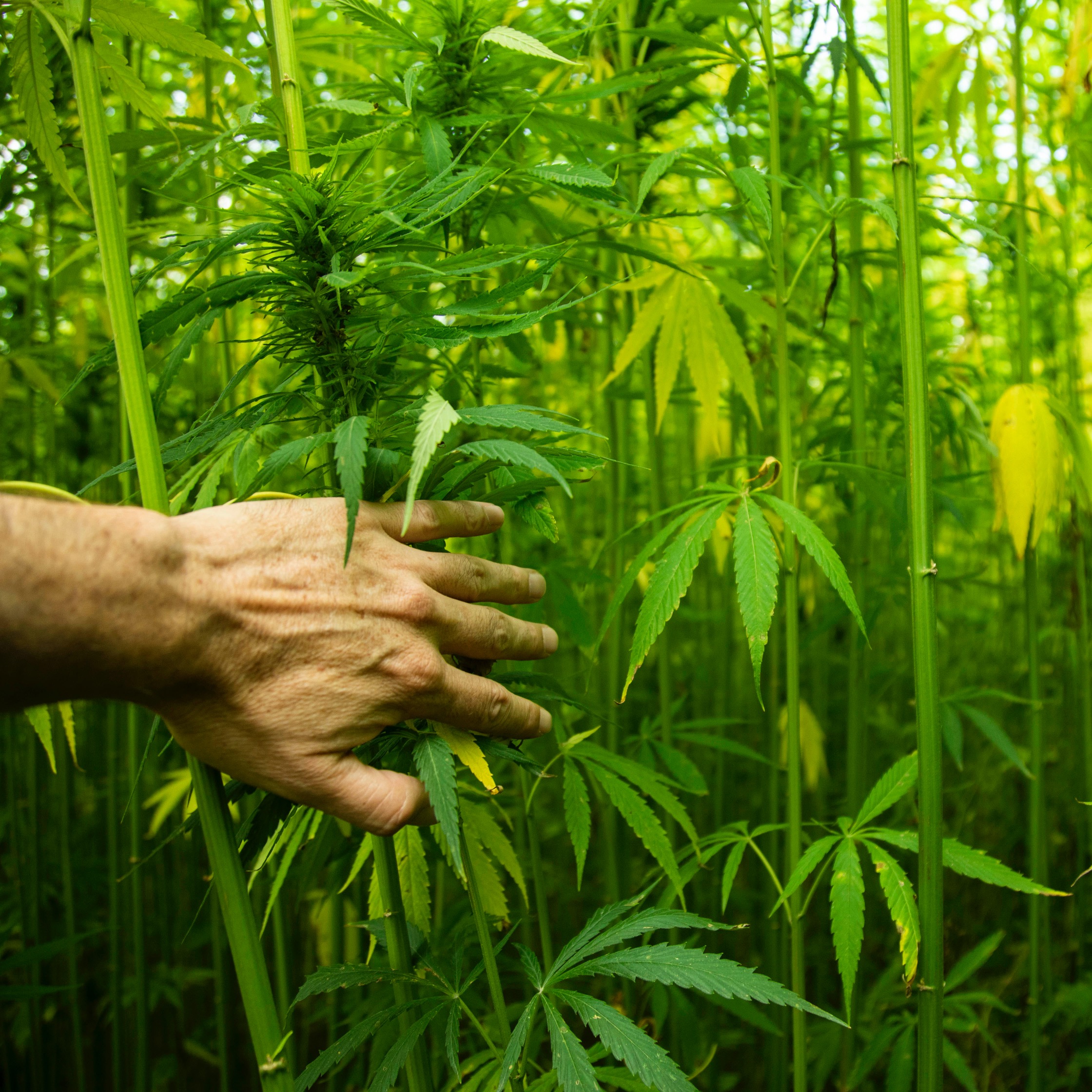
Our Values
Sustainability, transparency, and wellness guide every decision – for you and for the planet.
At a glance
Two unresolved questions, one for each compound
CBN’s open question is what is doing the work. On its own it is a weak partial agonist at CB1, reaching roughly 29 percent of maximum effect where THC reaches 72 percent. When rats were dosed with it, however, the metabolite 11-hydroxy-CBN reached brain concentrations equivalent to CBN itself, and that metabolite is a CB1 agonist with potency and efficacy comparable to THC. So CBN’s central activity may largely belong to what CBN becomes, which is a different statement from CBN acting at a receptor.
CBC’s open question is more fundamental: whether it reaches CB1 at all. A 2020 panel reported a Ki of 11 nanomolar at human CB1 and 68 percent of reference effect in a cAMP assay. The 95 percent confidence interval around that figure ran from 1.9 to 91 nanomolar, and the authors attributed the spread to incomplete competition with the radioligand, describing the system as noisy. A 2025 study using purified enantiomers found only the minus form activated CB2, with an EC50 of 1.5 micromolar, and CB1 activation appearing only at 30 micromolar, a concentration of no physiological relevance.
Those findings cannot both stand, and there is no study in people to settle the matter.
What each has been shown to be potent at
For CBN the answer requires looking past the parent molecule. CBN is a rat TRPA1 agonist and desensitiser, and it inhibits threshold sodium currents in dorsal root ganglion neurons in a functionally selective way. The potent cannabinoid-receptor activity, though, belongs to 11-hydroxy-CBN, and that is also the most plausible reason CBN can be weakly intoxicating at very high oral doses when its own CB1 efficacy is so low.
For CBC the strongest and least disputed figure is at CB2: a cAMP EC50 of 7.1 nanomolar reaching 76 percent of reference effect in cells expressing the human receptor. The enantiomer work qualifies that, because if only the minus form is active at CB2 then the potency of any batch depends on its enantiomeric composition, and which form the plant’s synthase predominantly makes has not been established. CBC also inhibits anandamide cellular uptake more strongly than CBD does.
Separately, CBC was incubated with human liver microsomes and its major metabolite identified as 2′-hydroxycannabicitran. Modelling predicted it would occupy the binding site of both cannabinoid receptors, and a binding assay then showed it binds neither.
The evidence, side by side
Read together, the columns describe a problem with the category rather than two product stories. CBN holds the only data in people, a missed primary outcome with positive secondary measures at a dose 60 to 100 times what products contain. CBC has no data in people and a receptor profile two laboratories describe differently.
What people get wrong
Choosing between them
On evidence, CBN leads only in the sense that something has been measured in people, and what was measured was a failure on the outcome the trial was built around. On mechanism, CBC has the cleaner and more potent CB2 result, with its CB1 position unresolved and its enantiomer composition unreported.
The more useful approach treats both as questions about the product. In a full spectrum extract, CBC is naturally occurring plant material and a low CBN figure indicates careful handling and storage. In an isolate, a large CBN number usually means THC was converted deliberately.
Legal status and safety
No health claim for either compound is authorised, so none may be made. Regulation (EC) 1924/2006 permits nutrition and health claims only from the authorised list, and neither CBN nor CBC appears on it. That rules out describing CBN as a sleep aid or CBC as anti-inflammatory, in any wording.
What remains permissible is a description of what was measured. A single 300 mg dose of CBN did not significantly change wake after sleep onset in 20 adults with diagnosed insomnia reports a trial outcome. CBN helps you sleep through the night would be an unauthorised claim, and one the trial itself contradicts.
Cannabinoid extracts sold as food supplements are novel foods under Regulation (EU) 2015/2283, and that covers extracts sold for CBN or CBC content. Products linked to validated applications sit on the Food Standards Agency public list while assessment continues, and as of the FSA board paper of September 2026 no authorisation had been granted. The FSA’s advised maximum is 10 mg of CBD a day for a healthy adult.
Two further points apply here. A product must stay within the 1 mg per container limit for controlled cannabinoids, which matters for CBN because the usual route to concentrated CBN runs through THC. And neither compound has published pharmacokinetic data in people, so no supplier can state what a labelled dose produces in plasma.
How Endoca tests for this
CBN and CBC both sit on the HPLC panel for every batch, and we publish them whatever they read. For CBN that usually means a low number, which is the useful part: a low CBN result in a CBD extract is evidence the material was harvested, extracted and stored without the oxidation that creates it. A certificate cannot tell you which CBC enantiomer dominates, because that is not a routine measurement.
Frequently asked questions
The one trial in people with diagnosed insomnia says not on its primary measure. Wake after sleep onset was not significantly reduced at 30 mg or 300 mg. Several secondary measures did improve at 300 mg, but that dose sits far above product levels.
Nobody can say, because no controlled study has given CBC to a person. In cells it is potent at CB2, a receptor not associated with intoxication, and its CB1 activity is disputed between laboratories. No reports of intoxication is not evidence that none occurs.
One reported a Ki of 11 nanomolar, but with a confidence interval spanning 1.9 to 91 nanomolar, which the authors put down to incomplete competition with the radioligand. Another, using purified enantiomers, saw CB1 activation only at 30 micromolar. No data in people arbitrates.
CBC occurs naturally as a product of CBCA synthase. CBN does not, in meaningful quantity, until THC has begun to oxidise. So a fresh full spectrum extract shows CBC and very little CBN, and substantial amounts of both usually indicate storage conditions or deliberate conversion.
References
Arnold JC et al. A sleepy cannabis constituent: cannabinol and its active metabolite influence sleep architecture in rats. Neuropsychopharmacology 2025;50:586-595.
Lavender IG et al. Cannabinol for acute treatment of insomnia disorder in a randomised placebo-controlled crossover trial. J Sleep Res 2026;35:e70284.
Showalter VM et al. Evaluation of binding in a transfected cell line expressing a peripheral cannabinoid receptor (CB2). J Pharmacol Exp Ther 1996;278:989-999.
Udoh M et al. Activation of CB2 receptors by (-)-cannabichromene but not (+)-cannabichromene. Cannabis Cannabinoid Res 2025;10:e94-e101.
Zagzoog A et al. In vitro and in vivo pharmacological activity of minor cannabinoids isolated from Cannabis sativa. Sci Rep 2020;10:20405.
De Petrocellis L et al. Effects of cannabinoids and cannabinoid-enriched Cannabis extracts on TRP channels and endocannabinoid metabolic enzymes. Br J Pharmacol 2011;163:1479-1494.
Ward AM et al. Cannabichromene’s major metabolite following incubation with human liver microsomes. Metabolites 2024;14:329.
Ghovanloo MR et al. Functionally-selective inhibition of threshold sodium currents and excitability in dorsal root ganglion neurons by cannabinol. Commun Biol 2024;7:120.
Food Standards Agency. CBD novel food applications: recommendations to ministers on first authorisations. FSA Board paper, September 2026.
Last reviewed 6 October 2026.
These statements have not been evaluated by the Food and Drug Administration. This product is not intended to diagnose, treat, cure, or prevent any disease.