
- Shop
- About Us
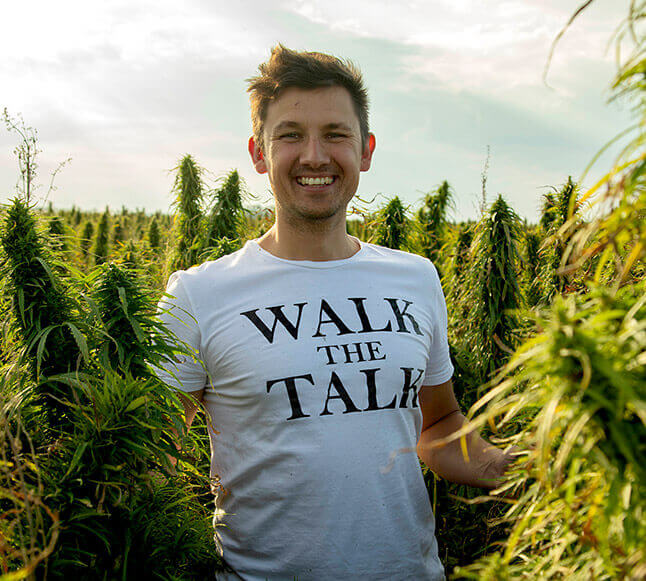
Our Story
From humble beginnings to a global mission – we grow, harvest, and craft hemp with care for people and planet.
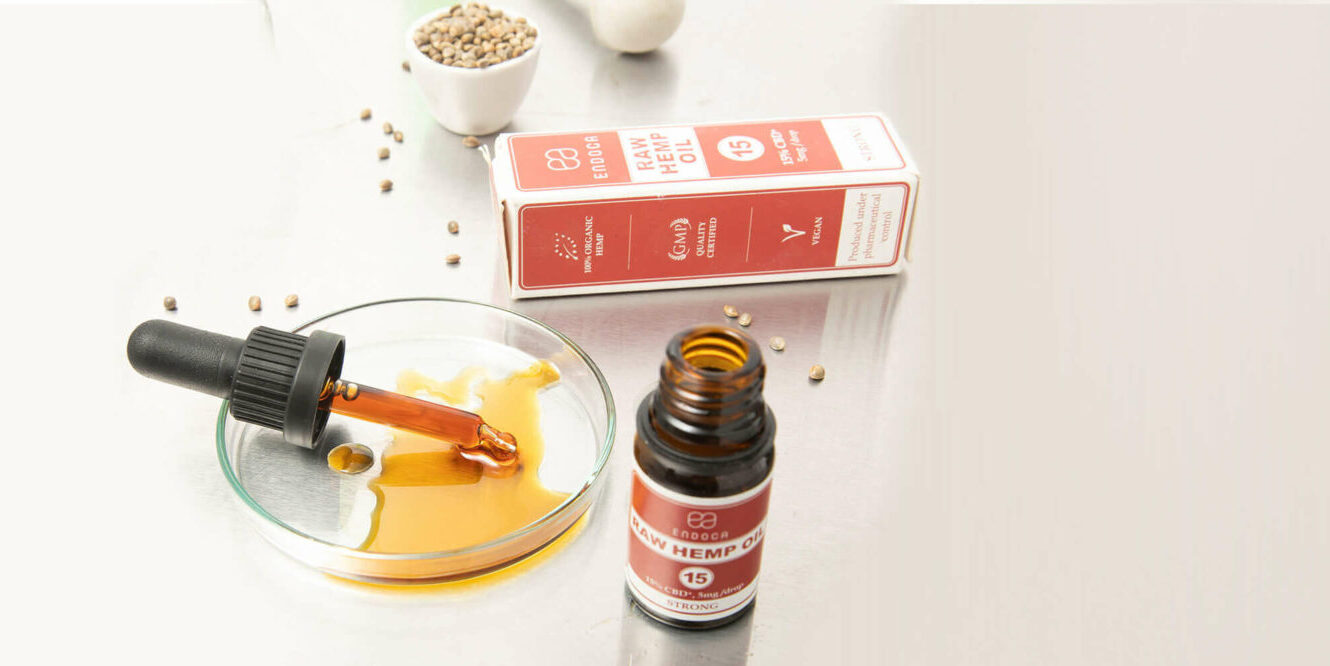
What Is CBD?
CBD is nature’s way to restore balance, calm, and overall well-being – naturally and without the high.
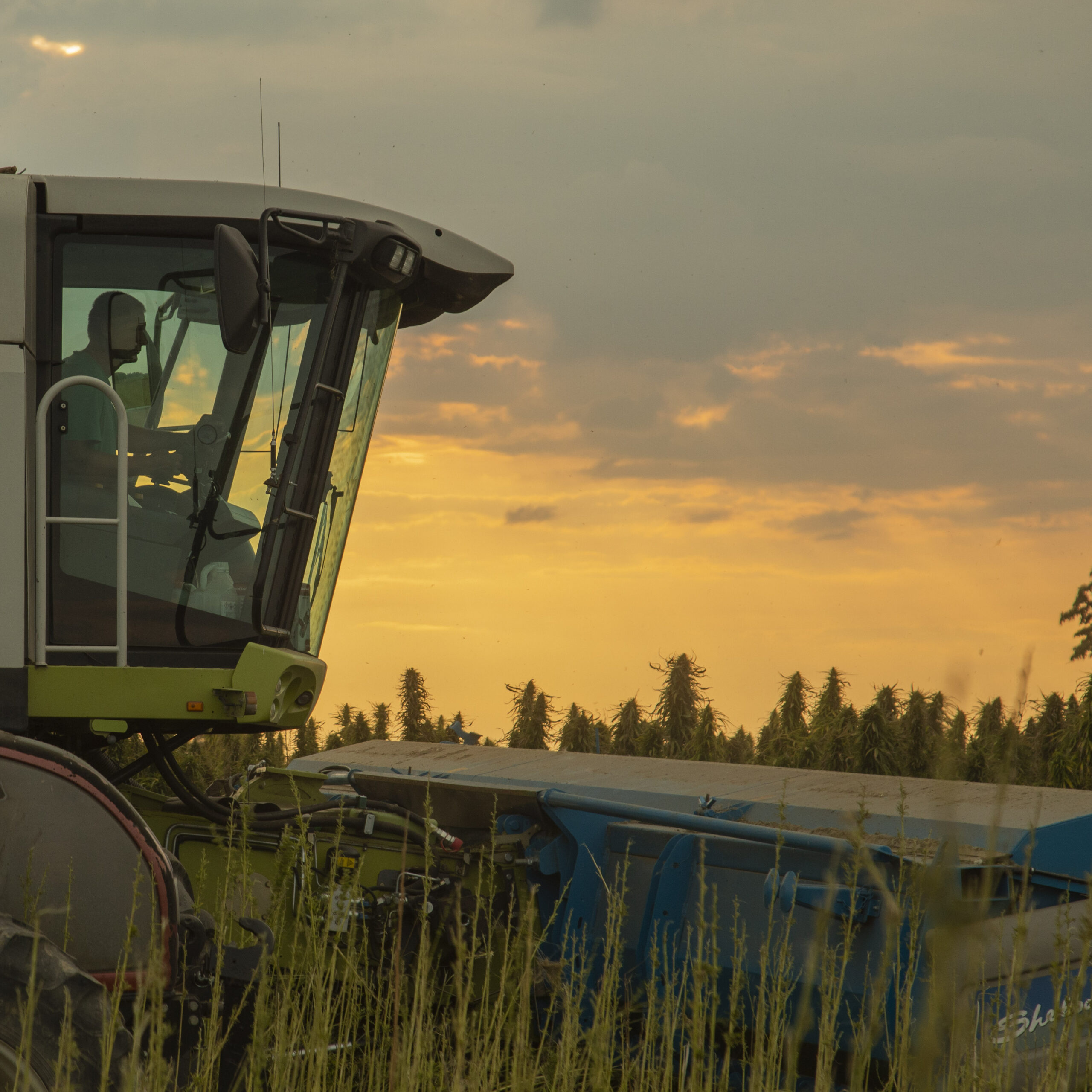
The Process
From seed to shelf, we grow organically, extract cleanly, and follow strict quality standards for purity.

Lab Testing
Every batch is third-party tested to ensure purity, safety, and the exact amount of CBD every time.
Our Values
Sustainability, transparency, and wellness guide every decision – for you and for the planet.
At a glance
Where CBG sits in the plant
Cannabis produces a single precursor, CBGA. Three enzymes then compete for it: THCA synthase, CBDA synthase and CBCA synthase. CBG is what remains of the CBGA those enzymes did not consume, after decarboxylation.
This is why CBG is scarce. In a typical high-CBD cultivar almost all the CBGA has been converted by harvest. Obtaining meaningful CBG requires either early harvesting, which sacrifices yield, or a cultivar bred without the converting enzymes. The cost of CBG raw material is a fact about plant biochemistry rather than a signal about potency.
The pharmacology
The most striking finding about CBG has nothing to do with cannabinoid receptors.
A 2010 paper in the British Journal of Pharmacology reported CBG acting as an alpha-2 adrenoceptor agonist with an EC50 of 0.2 nanomolar in mouse brain membranes. For context, THC binds CB1 at around 20 to 36 nanomolar, and that is considered potent. Alpha-2 adrenoceptors are the receptor family that clonidine and dexmedetomidine act upon clinically.
Two qualifications belong immediately beside that number. The same paper found CBG’s agonism substantially weaker in isolated tissue than in the binding assay, leaving its physiological relevance unresolved. And this is mouse tissue.
CBG is also a 5-HT1A antagonist with an apparent KB of 51.9 nanomolar. That is worth noting because it is the opposite direction to CBD, which is a weak agonist at the same serotonin receptor. Two compounds sold alongside each other, acting oppositely at one target.
At cannabinoid receptors CBG is unremarkable: CB1 affinity around 1.3 micromolar with weak partial efficacy, behaving as a competitive antagonist at higher concentrations. That is why it is not intoxicating.
CBD, by contrast, does little at cannabinoid receptors and rather more elsewhere, principally at the ENT1 adenosine transporter and at TRPA1.
The research, and the gap between them
Every CBG dosing figure currently on a label is therefore extrapolation rather than measurement, and we would rather state that than imply otherwise.
What people get wrong
Legal status and safety
No health claim for CBD, CBG, hemp extract or any cannabinoid is authorised under Regulation (EC) No 1924/2006. Article 10(3) additionally prevents non-specific wellbeing language, because such references are permitted only when accompanied by an authorised claim, and none exists. Regulation (EU) No 1169/2011 separately prohibits attributing disease-related properties to any food.
That is why this page describes molecular targets and published trials rather than telling you what either compound will do for you. Implied claims count too, including product names, category names, imagery and testimonials.
Both CBD and CBG fall within the EU Novel Food Catalogue entry covering cannabinoid-containing extracts of Cannabis sativa L. Neither is authorised. Placing an unauthorised novel food on the market is unlawful in every member state, and products currently on sale are there through inconsistent enforcement rather than through legality.
EFSA’s February 2026 provisional safe level of 0.0275 mg per kilogram of body weight per day, roughly 2 mg daily for a 70 kg adult, applies to CBD isolate of at least 98 percent purity. Safety could not be established for anyone under 25, for pregnant or breastfeeding women, or for people taking medication. No equivalent assessment exists for CBG.
National positions diverge. Germany’s BVL considers CBD food supplements not marketable. Denmark requires novel food authorisation. Sweden applies a narcotics overlay to THC-containing extracts. There is no single EU position.
In the UK, the Food Standards Agency’s public list covers products linked to novel food applications and functions as a tolerance rather than an authorisation, with a 10 mg daily advisory limit for pure CBD.
How Endoca tests for this
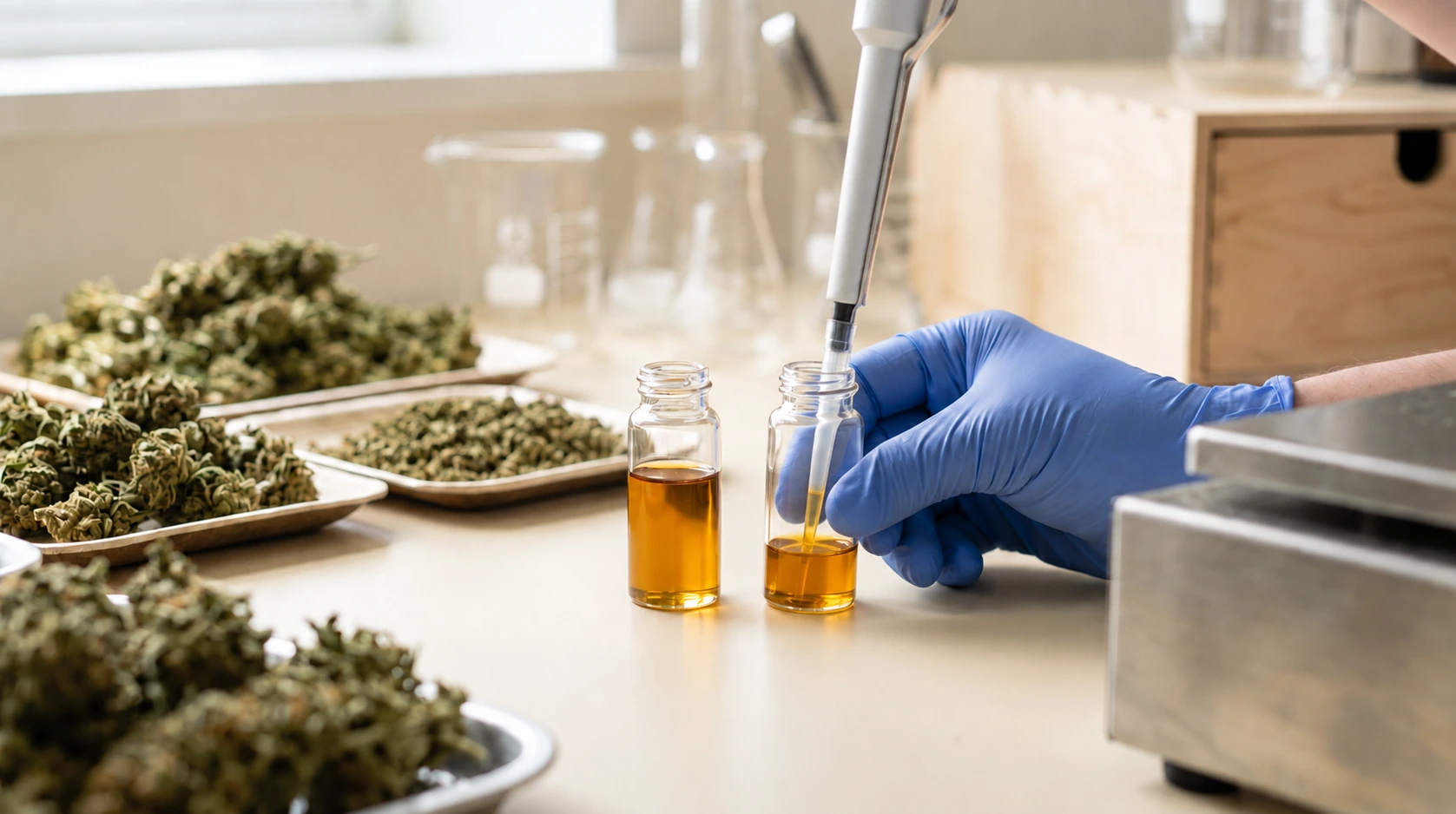
CBG content is straightforward to claim and harder to deliver, precisely because the raw material is scarce. A batch certificate should report CBD, CBDA, CBG, CBC, CBN, THC and THCA as separate measured figures, from a third-party laboratory, with the batch code matching your product.
Endoca grows its own hemp, extracts with supercritical CO2 and publishes a certificate for every batch. Under EU rules, that measured data is close to the whole of what we are lawfully able to tell you about a cannabinoid product.
Frequently asked questions
No. Its CB1 affinity is around 1.3 micromolar with weak partial efficacy.
They are commonly combined and no interaction problem is documented. No evidence shows the combination performs better than either alone.
The plant converts nearly all of its CBGA into other cannabinoids, so obtaining CBG means sacrificing yield or using a specialised cultivar.
There is no published human pharmacokinetic study, so no evidence-based answer exists. The single human trial used 20 mg.
Because no health claim for any cannabinoid is authorised in the EU, and Article 10(3) also excludes general wellbeing language.
References
Cascio MG, Gauson LA, Stevenson LA, Ross RA, Pertwee RG. Br J Pharmacol 2010;159:129-141.
Cuttler C, Stueber A, Cooper ZD, Russo E. Sci Rep 2024;14:16163.
Zagzoog A et al. Sci Rep 2020;10:20405.
Walsh KB, McKinney AE, Holmes AE. Front Pharmacol 2021;12:777804.
Finlay DB et al. Front Pharmacol 2020;11:359.
Simei JLQ et al. Cannabis Cannabinoid Res 2024;9:1202-1216.
Moore RA et al. J Pain 2024;25:833-842.
EFSA Journal 2026;24:9862.
Last reviewed 1 September 2026.
Educational information about published research and European regulation. Not a health claim.