
- Shop
- About Us

Our Story
From humble beginnings to a global mission – we grow, harvest, and craft hemp with care for people and planet.
What Is CBD?
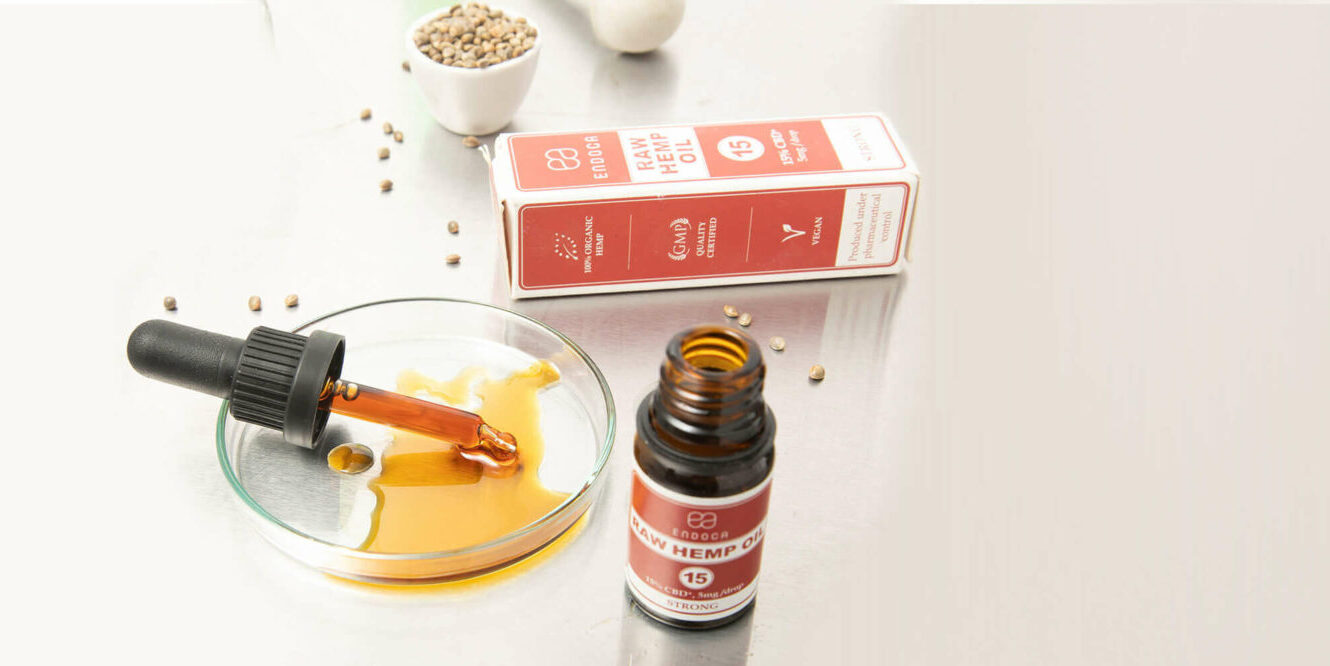
CBD is nature’s way to restore balance, calm, and overall well-being – naturally and without the high.
The Process
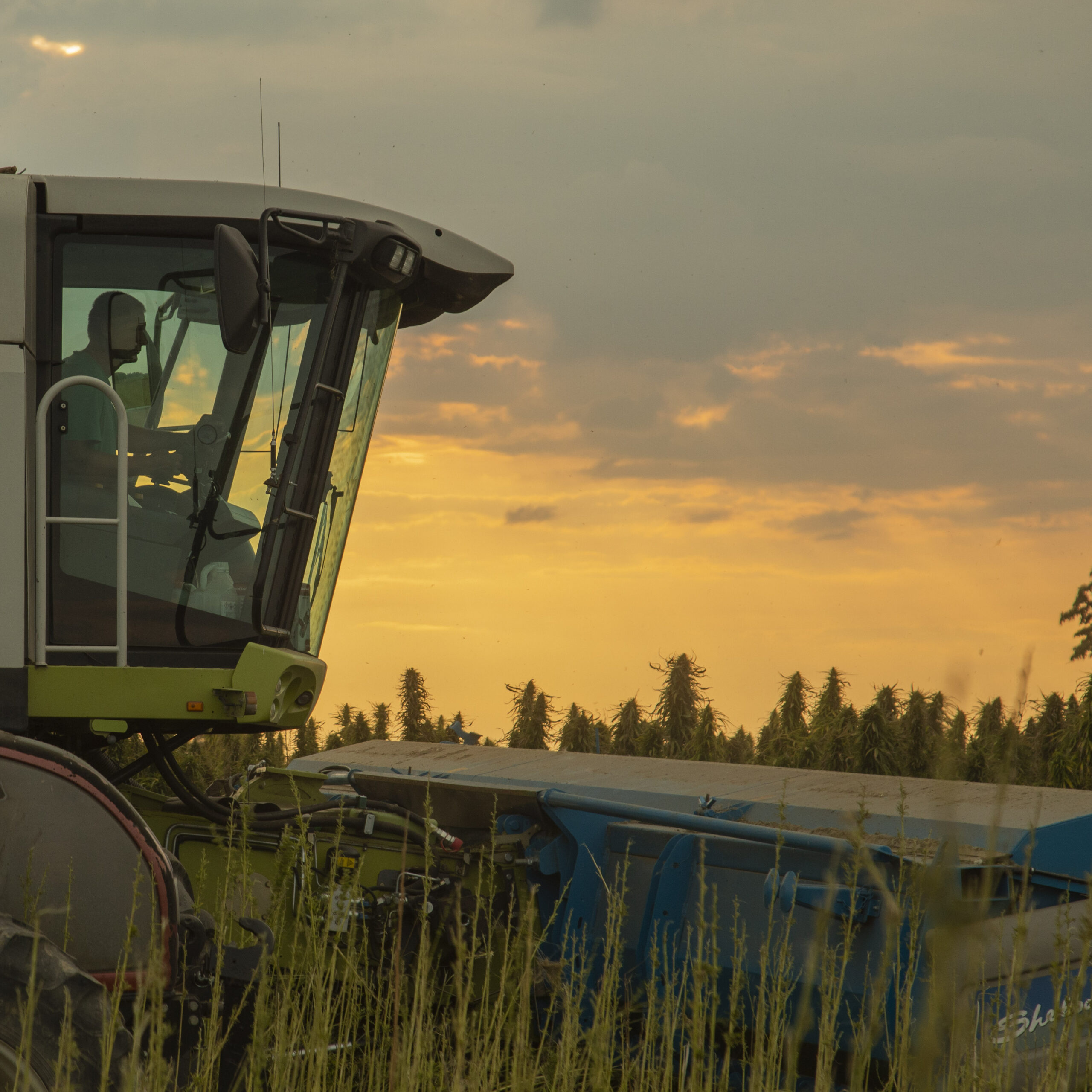
From seed to shelf, we grow organically, extract cleanly, and follow strict quality standards for purity.

Lab Testing
Every batch is third-party tested to ensure purity, safety, and the exact amount of CBD every time.
Our Values
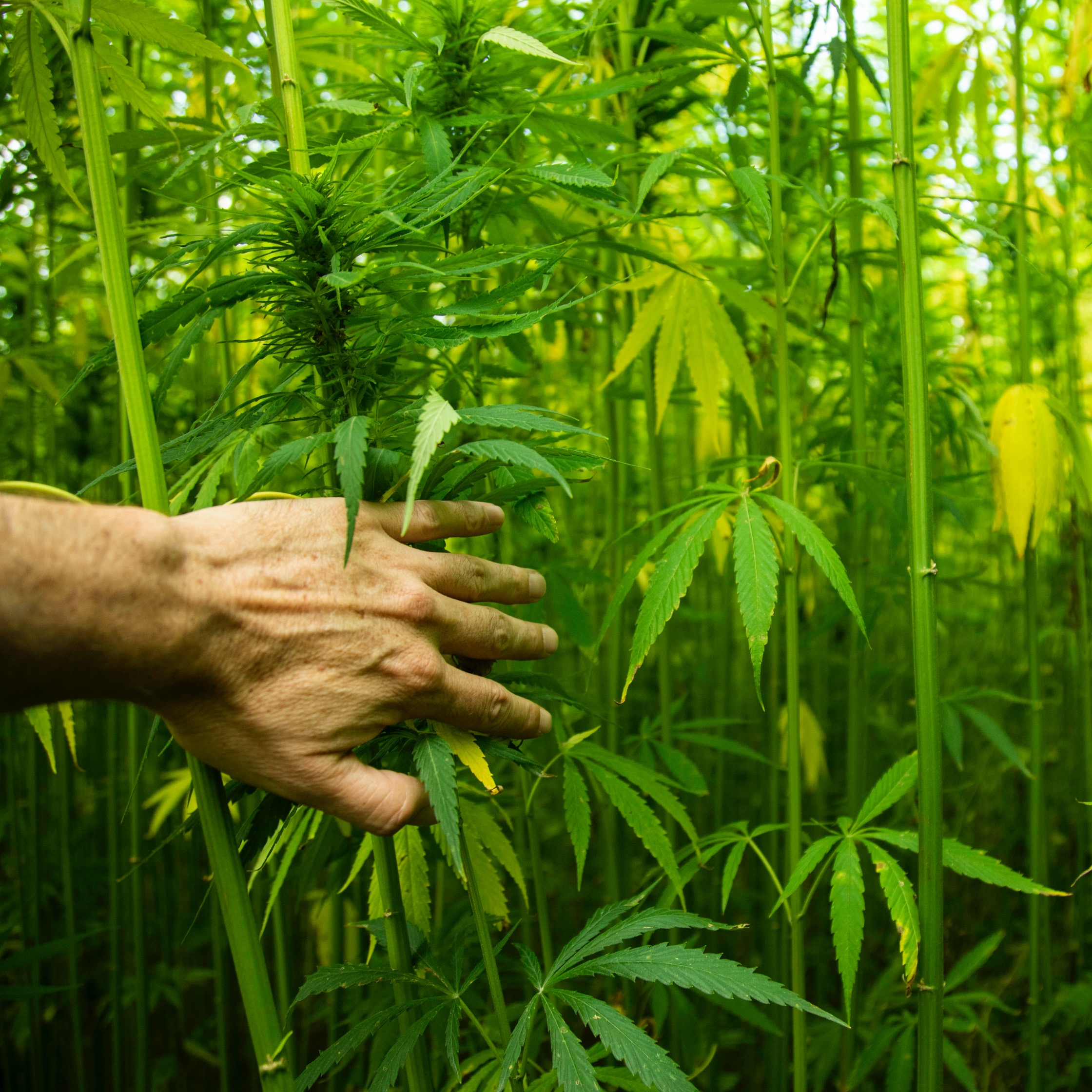
Sustainability, transparency, and wellness guide every decision – for you and for the planet.
At a glance
What actually differs
Two things: how much carrier oil was added, and whether the extract was heated. A paste is the oleoresin more or less as it leaves extraction, which is why it is thick and needs a wide bore applicator rather than a pipette. An oil is the same material let down in hemp seed oil until a drop carries a predictable milligram figure. At matched percentages the cannabinoid content per gram is identical, which is the point most comparisons miss.
Heat is the more interesting difference. In a raw extract the dominant compound is CBDa, the acid precursor, not CBD, and converting it means decarboxylating. That is not free. In hemp extracts held at 110 degrees Celsius, the sum of acid plus neutral cannabinoid measured fell by 18.05 percent on completion, rising to 25.2 percent at 130 degrees Celsius. A raw paste keeps the CBDa; a decarboxylated oil trades some total measurable cannabinoid for CBD.
What outranks both choices is food. With a high fat, high calorie meal, cannabidiol peak plasma concentration rose 5-fold and total exposure 4-fold. No paste against oil comparison in humans exists.
Where the difference actually shows up
In dose control, and the arithmetic is unforgiving. Endoca’s dosing ring releases roughly 0.5 g on a half turn. At 30 percent that is about 150 mg of CBD plus CBDa in one portion, and at 50 percent about 250 mg. A drop of 15 percent oil is about 5 mg. The two formats are not on the same scale of granularity, which is why a paste is a poor place to start and a reasonable place to end up.
In what is actually in the container. Raw extract is CBDa dominant, and CBDa is not CBD. Across dogs, cats and horses, oral CBDa reached substantially higher peak plasma concentrations than CBD at comparable doses, with roughly 3 to 7 fold higher Cmax in dogs. A 2023 review of that literature states plainly that there is a dearth of information regarding CBDa in the human literature.
And in handling. A paste is sticky, it stains, the ring needs turning with warm hands, and it tastes strongly of the plant. An oil does none of that. Those are the differences a buyer will actually notice.
What the human evidence shows
The gap is the comparison itself. Paste against oil has never been run in humans, so nobody can say which is better absorbed, and the CBDa advantage rests on animal data with a stated absence of human evidence. At the same percentage, a gram of each carries the same milligrams.
What people get wrong
Choosing between them
Start on oil and move to paste only if the arithmetic calls for it. A dropper at about 5 mg per drop lets you work in small steps; an applicator ring at 250 mg a half turn does not. Once a daily amount is settled and counting drops has become tedious, the paste holds the same milligrams in less volume. Choose raw against decarboxylated on what is in the container rather than on the word: raw extract is CBDa dominant and standard extract is CBD dominant, and those are different compounds.
Legal status and safety
Nothing that sounds like a benefit. CBD paste and CBD oil are sold as food supplements, and no health claim for CBD has been authorised under Regulation (EC) No 1924/2006, so any statement that a paste supports or relieves anything is not permitted.
What may be stated is what was measured: the percentage, the milligrams of CBD and CBDa per gram, the ingredients and the batch results. The Food Standards Agency advises that healthy adults take no more than 10 mg of CBD a day, which is worth holding next to a half turn of a 50 percent extract.
A CBD extract is a novel food under Regulation (EU) 2015/2283 and needs authorisation before it may be sold. The FSA has stated that there are currently no authorised CBD extracts or isolates on the market; what is sold legally is linked to a credible application on the FSA public list, which records applications rather than approvals.
Concentration also raises the controlled drug question. THC must stay within the exempt product definition in regulation 2(1) of the Misuse of Drugs Regulations 2001, which allows no more than 1 mg of a controlled drug in any component part, demonstrated on finished goods rather than on the raw extract.
How Endoca tests for this
For these two formats the certificate of analysis matters most, because it is the only way to tell a raw extract from a decarboxylated one. Endoca’s batch COAs report CBD and CBDa separately, alongside minor cannabinoids, total THC, pesticides, heavy metals, residual solvents and microbes. What a COA cannot tell you is how much you will absorb, because that has not been established for CBD in humans by any route except smoking. Endoca works from its own farm, own land and own extraction, since 2010.
Frequently asked questions
Not by format. Strength is the percentage, or the milligrams per gram, and a 30 percent paste and a 30 percent oil carry identical content per gram. Paste does reach higher at the top of the range, up to 50 percent.
Heat. Raw extract is unheated and dominated by CBDa, the acid precursor. Regular extract has been decarboxylated, converting CBDa into CBD. They are different compounds, not different grades, and a certificate of analysis reporting them separately is how you tell them apart.
Work in milligrams, not turns. The dosing ring releases about 0.5 g on a half turn and 1 g on a full turn, so a 30 percent extract gives roughly 150 mg per half turn. Calculate before dispensing, not after.
In animals, yes. Oral CBDa reached roughly 3 to 7 fold higher peak plasma concentrations than CBD in dogs, with similar patterns in cats and horses. A 2023 review of that work states there is a dearth of information on CBDa in the human literature.
References
Millar SA, Stone NL, Yates AS, O’Sullivan SE. A systematic review on the pharmacokinetics of cannabidiol in humans. Front Pharmacol. 2018;9:1365.
Wang M, Wang YH, Avula B, et al. Decarboxylation study of acidic cannabinoids: a novel approach using ultra-high-performance supercritical fluid chromatography/photodiode array-mass spectrometry. Cannabis Cannabinoid Res. 2016;1(1):262-271.
Schwark WS, Wakshlag JJ. A One Health perspective on comparative cannabidiol and cannabidiolic acid pharmacokinetics and biotransformation in humans and domestic animals. Am J Vet Res. 2023;84(5):ajvr.23.02.0031.
Johnson DA, Funnell MP, Heaney LM, et al. Cannabidiol oil ingested as sublingual drops or within gelatin capsules shows similar pharmacokinetic profiles in healthy males. Cannabis Cannabinoid Res. 2024;9(5):e1423-e1432.
Williams NNB, Ewell TR, Abbotts KSS, et al. Comparison of five oral cannabidiol preparations in adult humans: pharmacokinetics, body composition, and heart rate variability. Pharmaceuticals (Basel). 2021;14(1):35.
Epidyolex 100 mg/ml oral solution. Summary of product characteristics, sections 4.2 and 5.2. Jazz Pharmaceuticals.
Food Standards Agency and Food Standards Scotland. Food Standards Agency and Food Standards Scotland update consumer advice for CBD, 12 October 2023.
Regulation (EU) 2015/2283 on novel foods, as retained in Great Britain law.
The Misuse of Drugs Regulations 2001, SI 2001/3998, regulation 2(1), definition of exempt product.
Last reviewed 1 October 2026.
These statements have not been evaluated by the Food and Drug Administration. This product is not intended to diagnose, treat, cure, or prevent any disease.