
- Shop
- About Us

Our Story
From humble beginnings to a global mission – we grow, harvest, and craft hemp with care for people and planet.
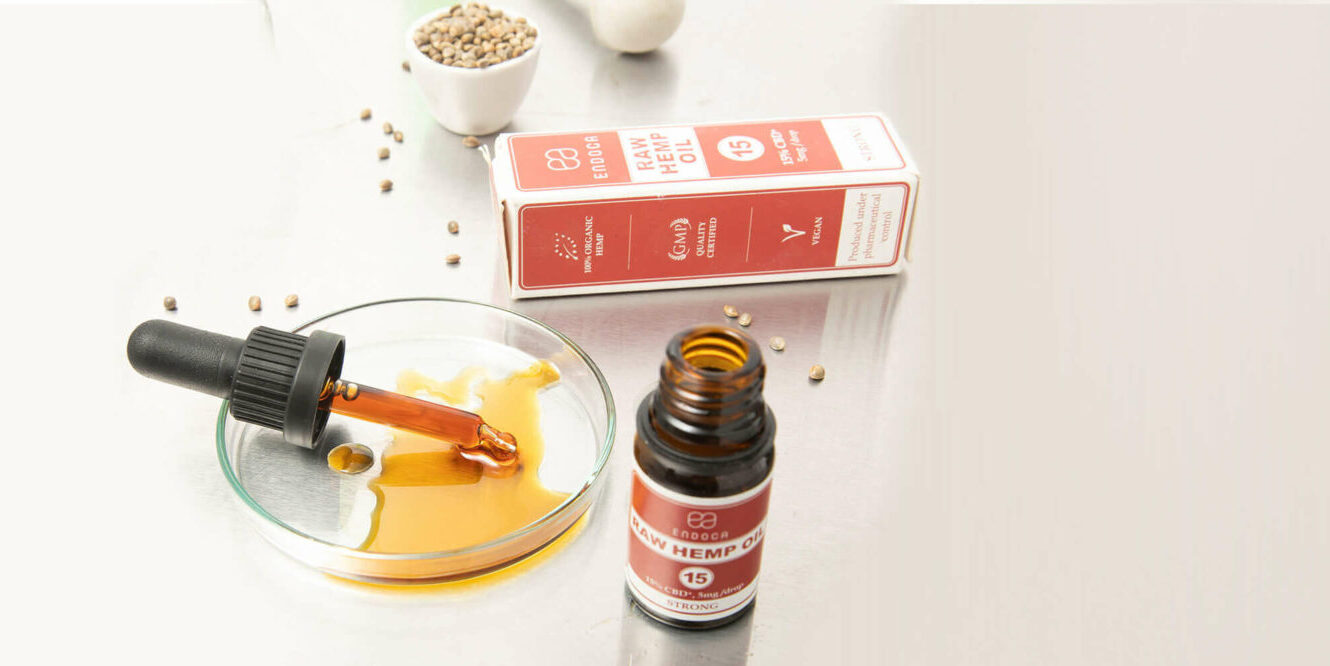
What Is CBD?
CBD is nature’s way to restore balance, calm, and overall well-being – naturally and without the high.
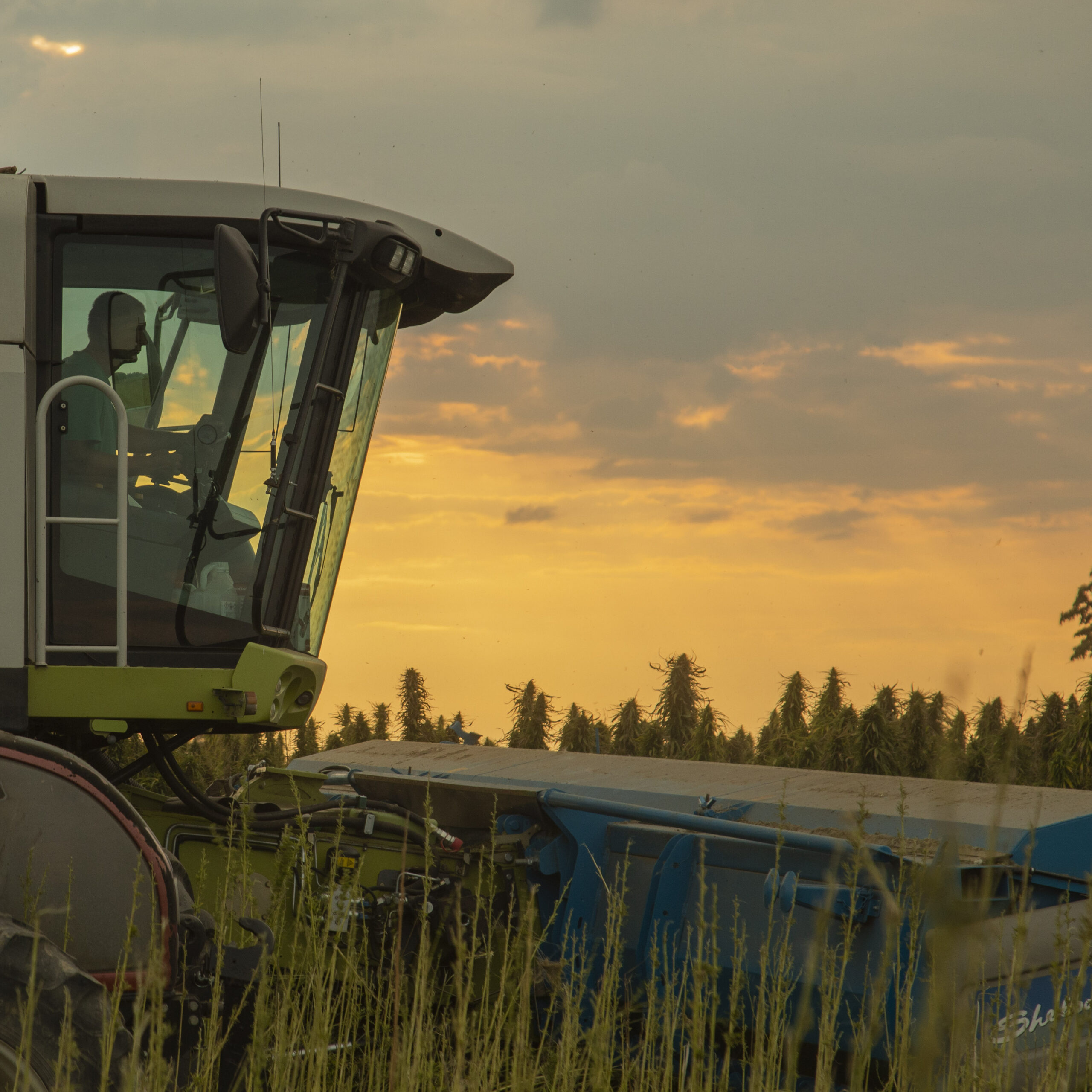
The Process
From seed to shelf, we grow organically, extract cleanly, and follow strict quality standards for purity.

Lab Testing
Every batch is third-party tested to ensure purity, safety, and the exact amount of CBD every time.
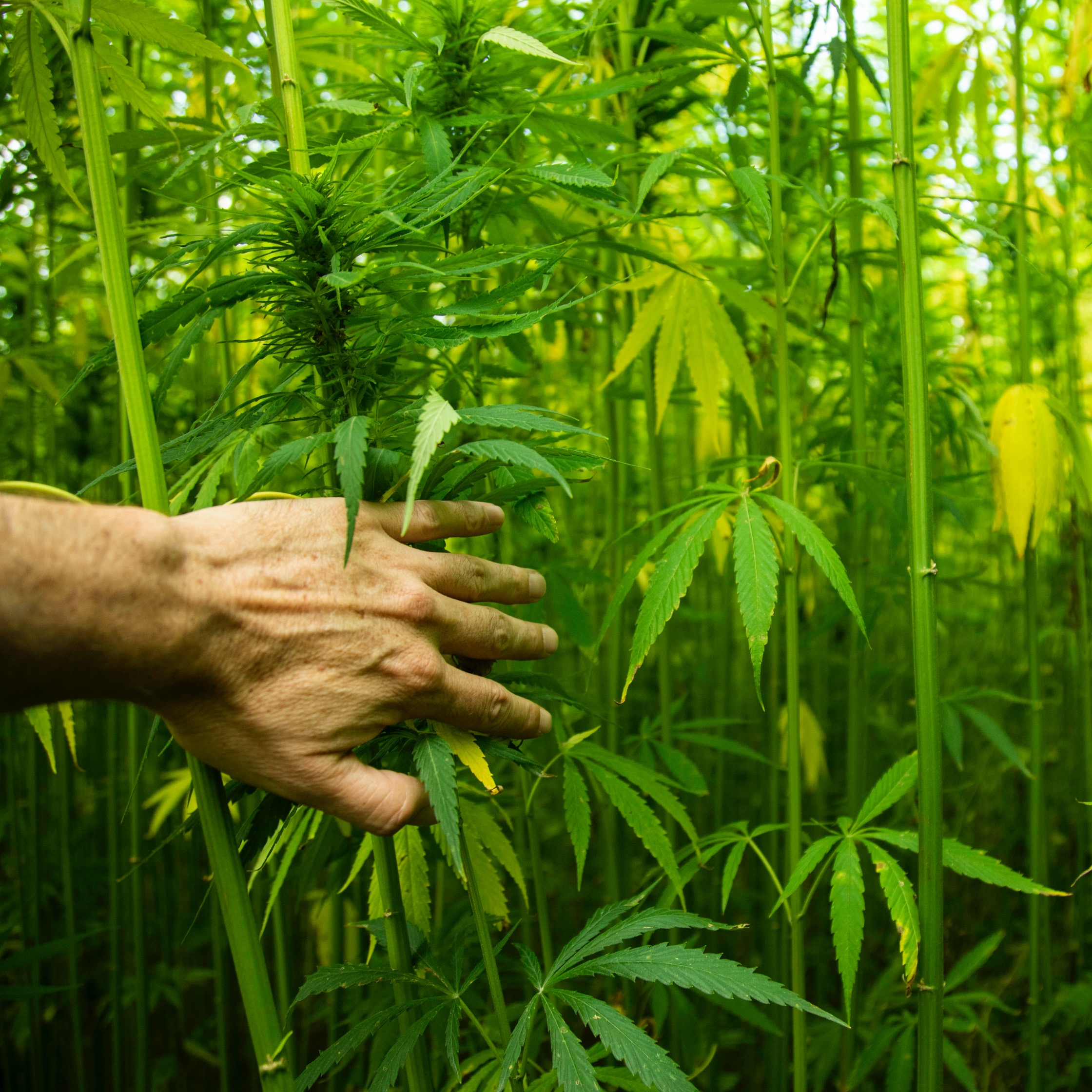
Our Values
Sustainability, transparency, and wellness guide every decision – for you and for the planet.
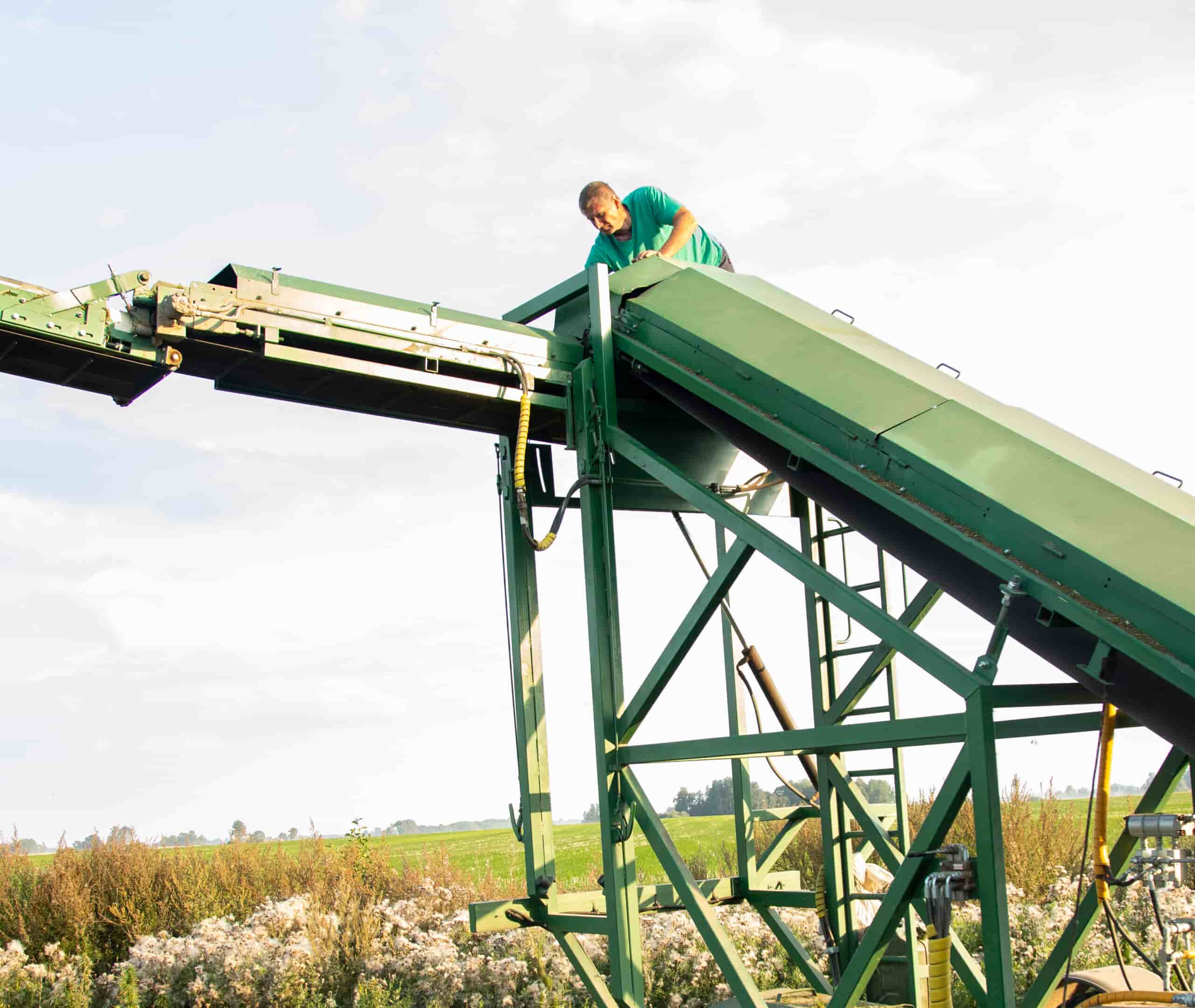
At a glance
How each one arises
Cannabis builds CBGA, then three enzymes compete for it. THCA synthase makes THCA, CBDA synthase makes CBDA, and CBCA synthase makes CBCA, which decarboxylates to CBC.
CBG is what is left over. In a typical high-CBD cultivar, almost none is, which is why CBG products cost more.
CBC is a genuine third branch, parallel to THC and CBD rather than downstream of them. It is present at low levels in most extracts.
Mechanism, with the disagreement stated
CBG’s most striking measurement is alpha-2 adrenoceptor agonism at an EC50 of 0.2 nanomolar, from a 2010 study in mouse brain membranes. The same study found the effect substantially weaker in isolated tissue, leaving its physiological relevance open. CBG is also a 5-HT1A antagonist at a KB of 51.9 nanomolar. At cannabinoid receptors it is weak and, at higher concentrations, antagonistic.
CBC’s literature is contradictory in a way worth being open about. A 2019 paper in the British Journal of Pharmacology found CBC does not activate CB1 at all and is a selective CB2 agonist with higher efficacy there than THC. A 2020 paper reported a CB1 binding affinity of 11 nanomolar along with functional activity. Both cannot be right. The reasonable summary is that CBC is a CB2-preferring agonist whose CB1 activity is disputed.
Where CBC is clearly potent is TRPA1, at an EC50 of 0.09 micromolar, among the strongest of the phytocannabinoids tested in that study. Notably, CBC’s anti-inflammatory and gut motility effects in mouse models operated through TRPA1 rather than through cannabinoid receptors.
A further complication for CBC: a 2025 study showed its two mirror-image forms behave differently at CB2, and commercial CBC is not necessarily one form.
The evidence
Neither has published human pharmacokinetics. Every dosing figure on a CBC or CBG label is an estimate rather than a measurement.
What people get wrong
Legal status and safety
No health claim for CBC, CBG or any cannabinoid is authorised under Regulation (EC) No 1924/2006, and Article 10(3) excludes general wellbeing language. Regulation (EU) No 1169/2011 prohibits attributing disease-related properties to food.
For two compounds where the human evidence is one small trial and nothing respectively, the legal constraint and the honest description of the science happen to coincide.
Both fall within the EU Novel Food Catalogue entry covering cannabinoid-containing extracts of Cannabis sativa L. Neither is authorised, and no cannabinoid novel food has been authorised anywhere in the EU.
EFSA’s February 2026 provisional safe level covers CBD isolate of at least 98 percent purity. There is no European safety assessment of CBC or CBG.
National enforcement diverges. Germany treats cannabinoid food supplements as not marketable. Denmark requires novel food authorisation. Spain’s enforcement has pushed the category towards external-use products.
How Endoca tests for this
CBC and CBG both appear on our batch certificates alongside CBD, CBDA, CBN, THC and THCA. For minor cannabinoids especially, a laboratory number tied to a batch code is the only meaningful statement about content, because at these levels “contains CBC” can mean almost anything.
Frequently asked questions
Neither has enough human evidence to answer that.
No.
Low natural abundance and the isolation work required.
Usually both, at low levels. Check the certificate of analysis.
References
Cascio MG et al. Br J Pharmacol 2010;159:129-141.
Udoh M et al. Br J Pharmacol 2019;176:4537-4547.
Zagzoog A et al. Sci Rep 2020;10:20405.
De Petrocellis L et al. Br J Pharmacol 2011;163:1479-1494.
Cuttler C et al. Sci Rep 2024;14:16163.
Simei JLQ et al. Cannabis Cannabinoid Res 2024;9:1202-1216.
Last reviewed 1 September 2026.
Educational information about published research and European regulation. Not a health claim.