
- Shop
- About Us
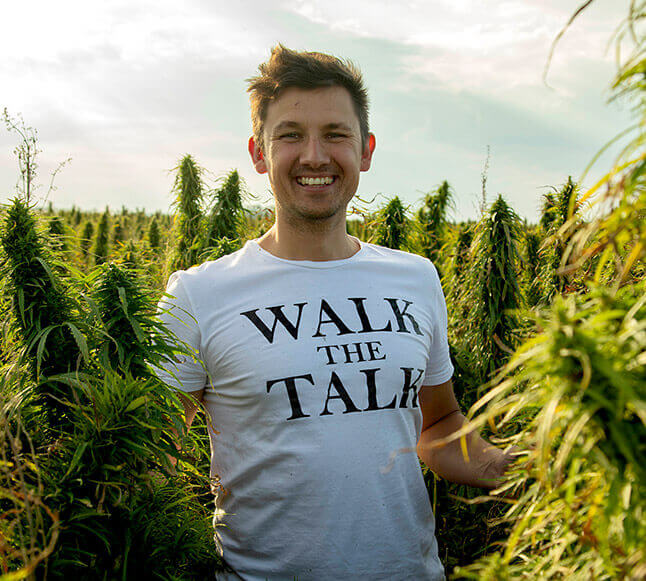
Our Story
From humble beginnings to a global mission – we grow, harvest, and craft hemp with care for people and planet.
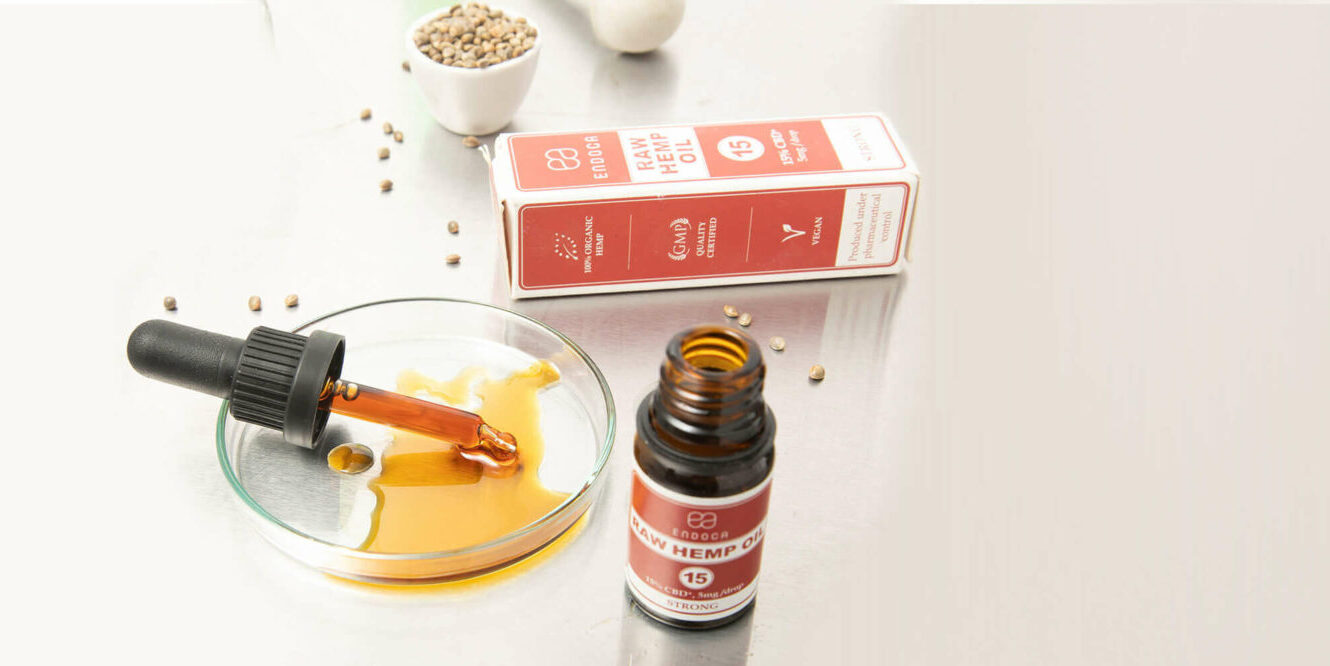
What Is CBD?
CBD is nature’s way to restore balance, calm, and overall well-being – naturally and without the high.
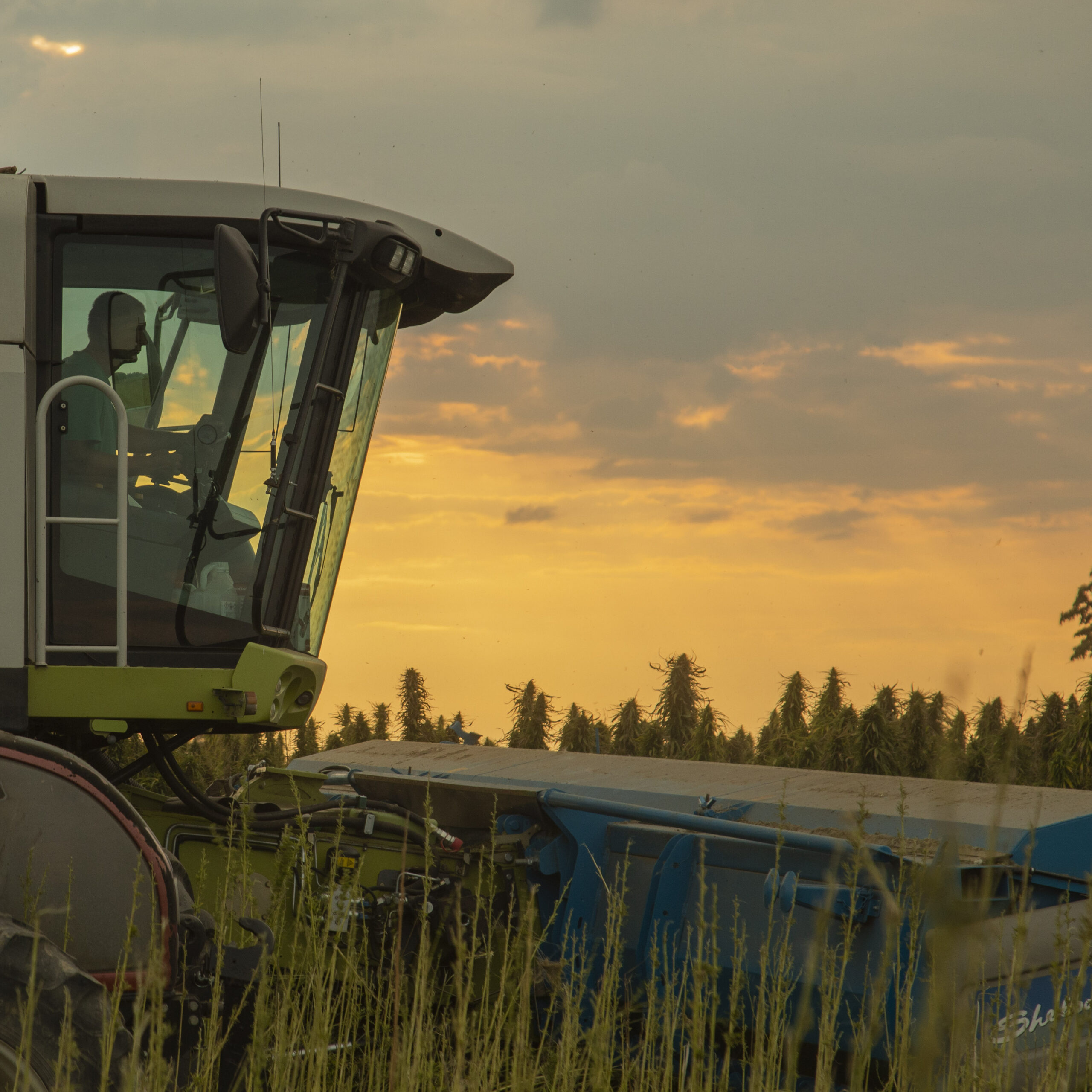
The Process
From seed to shelf, we grow organically, extract cleanly, and follow strict quality standards for purity.

Lab Testing
Every batch is third-party tested to ensure purity, safety, and the exact amount of CBD every time.
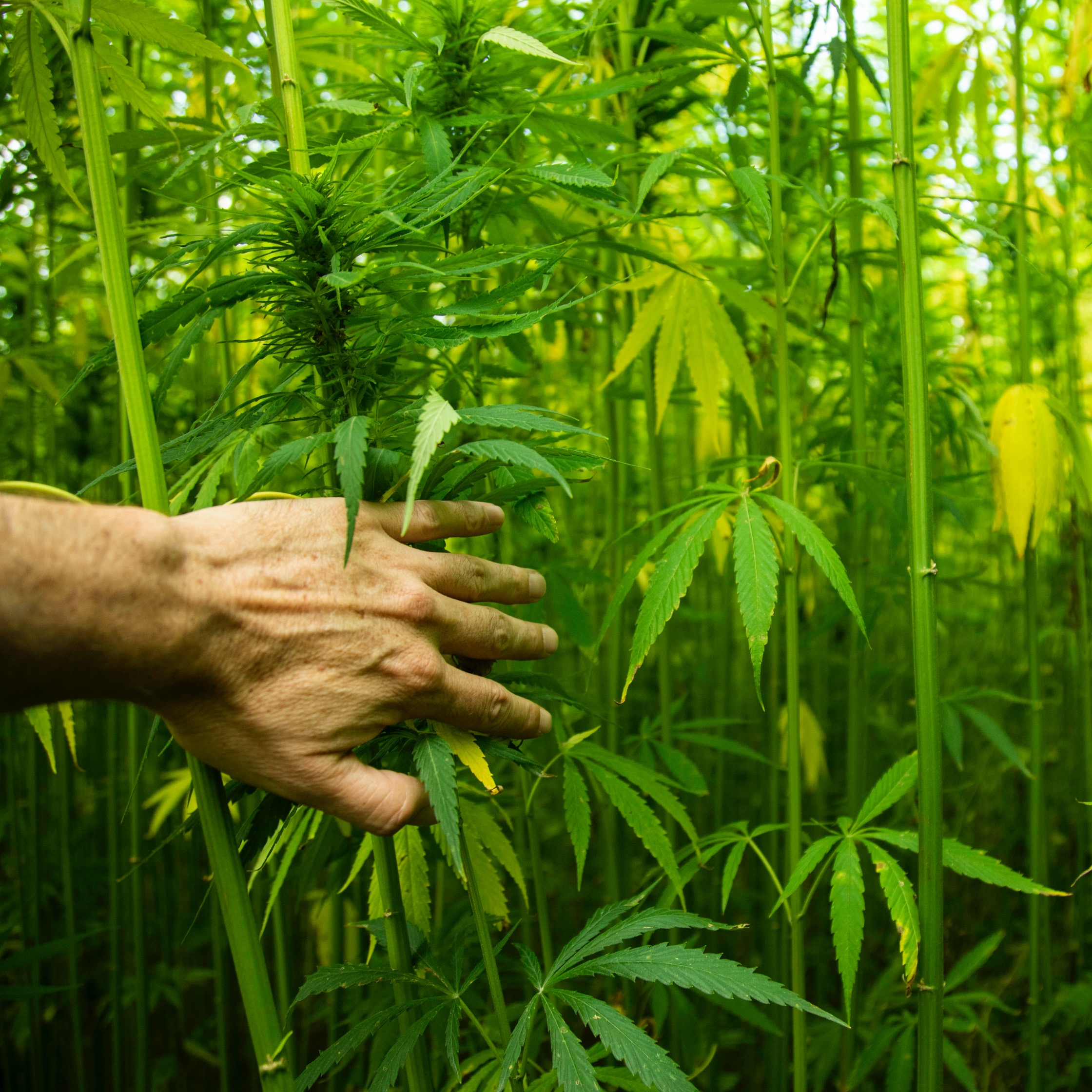
Our Values
Sustainability, transparency, and wellness guide every decision – for you and for the planet.
At a glance
The propyl branch
Most familiar cannabinoids carry a five-carbon side chain inherited from olivetolic acid. A second, smaller family carries a three-carbon chain built from divarinolic acid instead. These are the varins: CBDV, THCV and CBGV.
The varin pathway segregates genetically, so a plant either carries it or largely does not. That is why CBDV is scarce in ordinary hemp and why varin-rich cultivars are bred deliberately.
CBDV and CBD are therefore siblings rather than parent and child. Same overall architecture, two fewer carbons.
Pharmacology
CBDV has no meaningful CB1 activity, which is why it is not intoxicating. At CB2 it has reasonable affinity at 140 nanomolar and a notably low cAMP EC50 of 5.0 nanomolar, though with partial efficacy. Its most potent TRP channel action is TRPA1 at 0.42 micromolar.
It also shows signalling bias at CB2, though two research groups reported the bias in opposite directions using different methods. That is a reminder to treat single-source pharmacology carefully.
There is no published human pharmacokinetic study of CBDV.
Where the evidence is unusual
Most writing about minor cannabinoids has to say that no human trials exist. CBDV is the exception, and the exception is instructive.
A failed trial is not the same as a useless compound, and precision matters.
The epilepsy trial used a specific dose in a specific population with a specific seizure type. It tells you that CBDV at 1,600 mg daily does not reduce focal seizures more than placebo. It does not tell you CBDV does nothing at all.
But it does something more useful than most minor cannabinoid literature: it puts a real boundary on the claim space. A properly powered trial at a substantial dose returning a p value of 0.648 is more informative than a hundred favourable cell culture studies.
Compounds are not good or bad in general; they work or fail at specific things.
Legal status and safety
No health claim for CBDV, CBD or any cannabinoid is authorised under Regulation (EC) No 1924/2006, and Article 10(3) excludes general wellbeing language. Regulation (EU) No 1169/2011 prohibits attributing disease-related properties to food.
For CBDV specifically, the epilepsy and autism associations that circulate would in any case be medicinal claims, which move a product out of food law entirely and into the medicines regime under Directive 2001/83/EC.
CBDV falls within the EU Novel Food Catalogue entry covering cannabinoid-containing extracts and is not authorised. EFSA’s February 2026 provisional safe level applies to CBD isolate of at least 98 percent purity and does not cover CBDV.
How Endoca tests for this
We do not sell a CBDV product, and the reason is on this page. When a cannabinoid has been given two properly designed human trials and failed both, the responsible thing is to say so rather than to build a product line on the mechanistic literature that preceded them.
Frequently asked questions
No. It has no meaningful CB1 activity.
Usually only in trace amounts, unless the cultivar carries the varin pathway.
Different compounds, populations and seizure types. They are not interchangeable.
Not for efficacy in anything tested so far.
References
Brodie MJ et al. Cannabis Cannabinoid Res 2021;6:528-536.
Eibach L et al. Clin Pharmacol Ther 2021;109:1055-1062.
Pretzsch CM et al. Transl Psychiatry 2019;9:313.
Zagzoog A et al. Sci Rep 2020;10:20405.
De Petrocellis L et al. Br J Pharmacol 2011;163:1479-1494.
Moore RA et al. J Pain 2024;25:833-842.
Last reviewed 1 September 2026.
Educational information about published research and European regulation. Not a health claim.