- Free Shipping On Orders Over 100€
- 30-Day Money Back Guarantee
- Organic & Third Party Tested

- Shop
Shop By Benefits
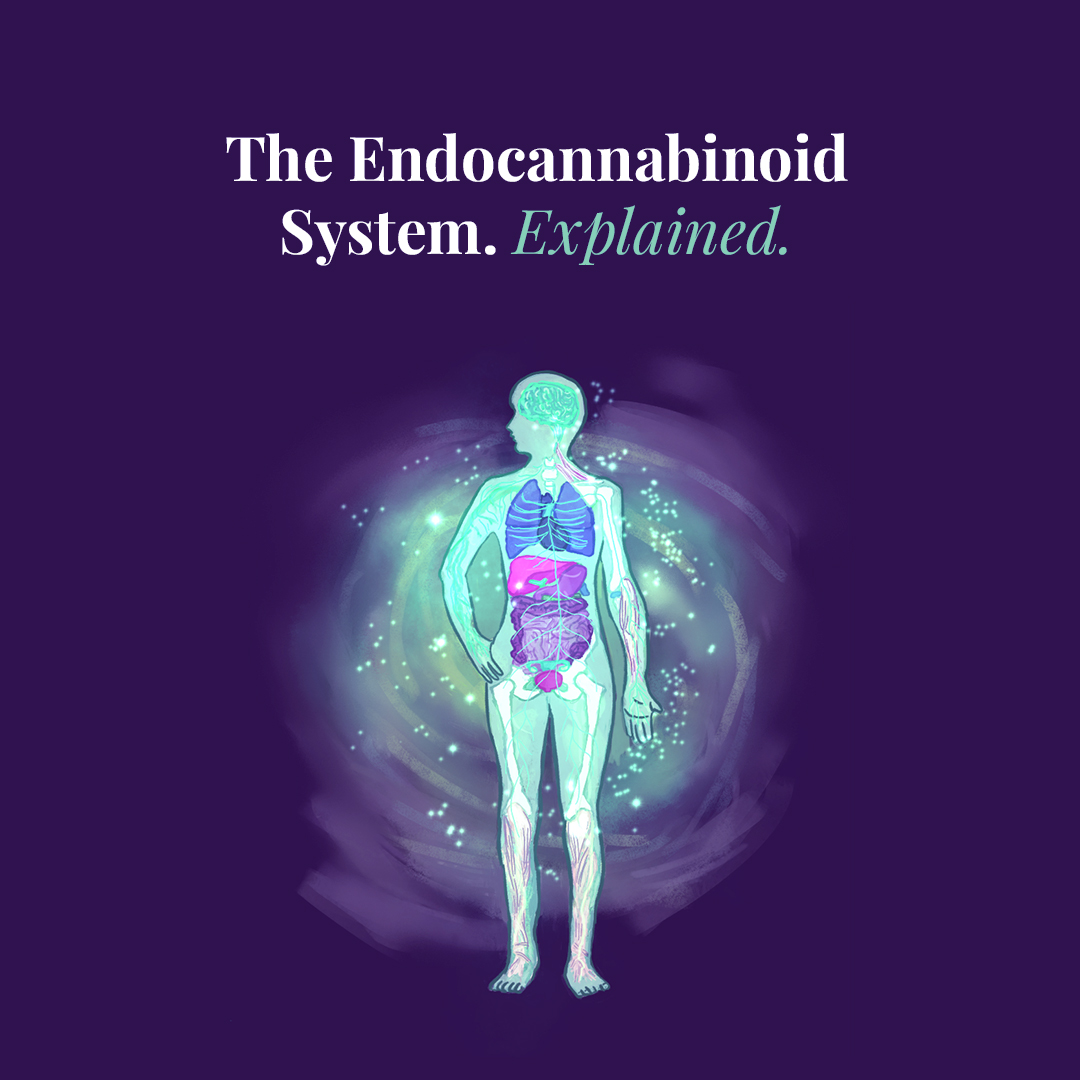
Learn About CBD
New to CBD? Start your journey here.
Watch Our YouTube Channel
Science, wellness, and product education.
- Buy 1 – Get 1 Free
- About Us
About Endoca

Our Story
From humble beginnings to a global mission – we grow, harvest, and craft hemp with care for people and planet.

What Is CBD?
CBD is nature’s way to restore balance, calm, and overall well-being – naturally and without the high.

The Process
From seed to shelf, we grow organically, extract cleanly, and follow strict quality standards for purity.

Lab Testing
Every batch is third-party tested to ensure purity, safety, and the exact amount of CBD every time.
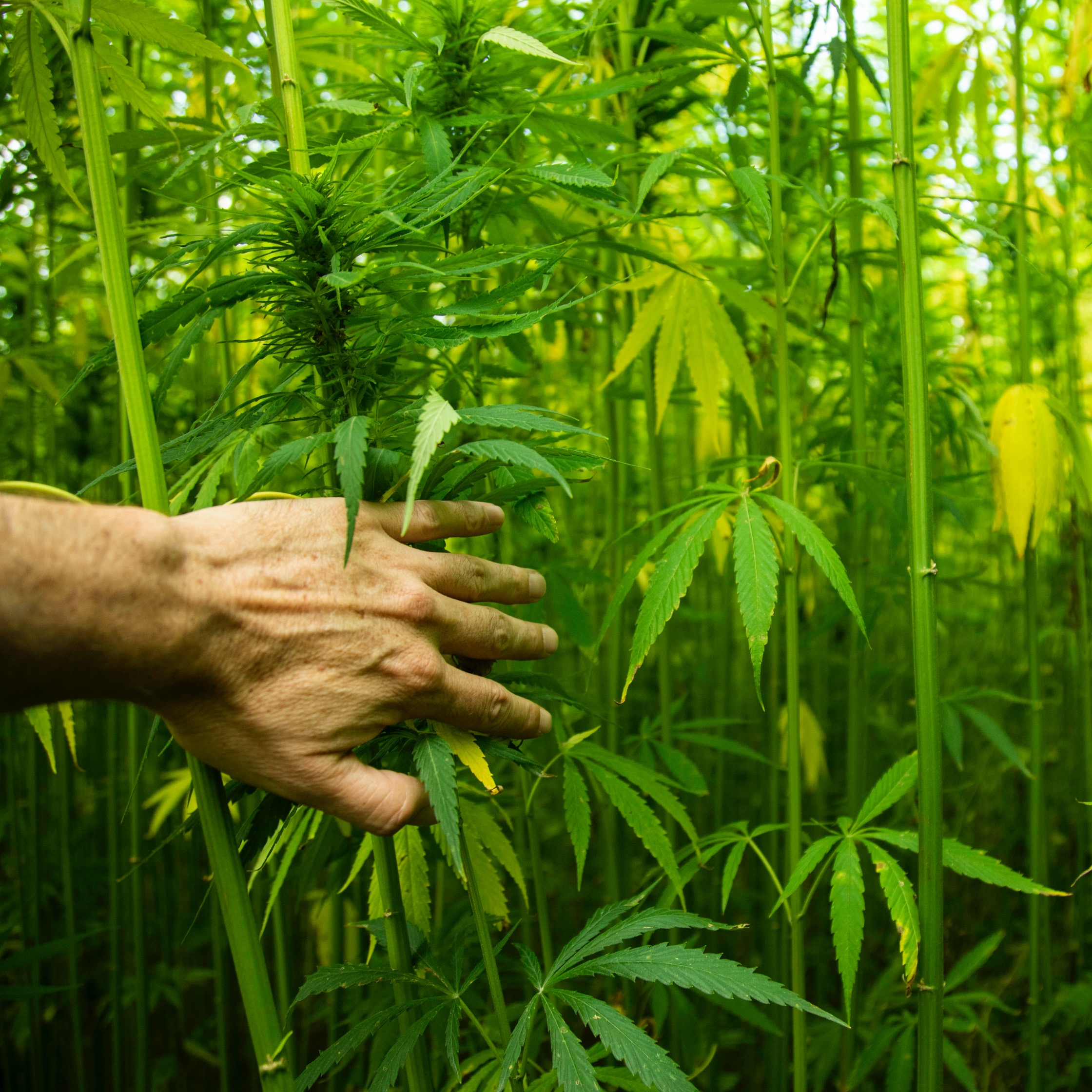
Our Values
Sustainability, transparency, and wellness guide every decision – for you and for the planet.
- Contact us
- Blog
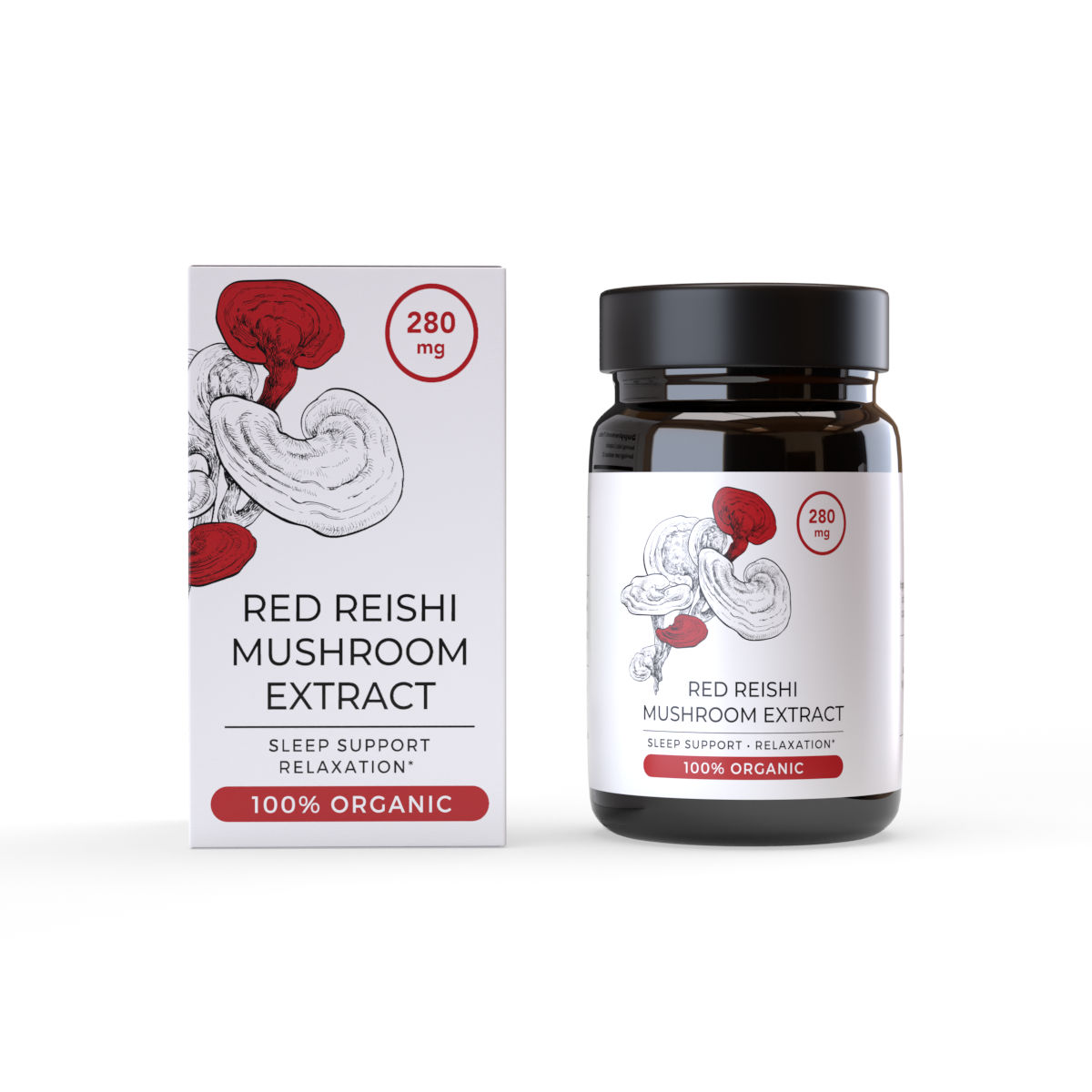
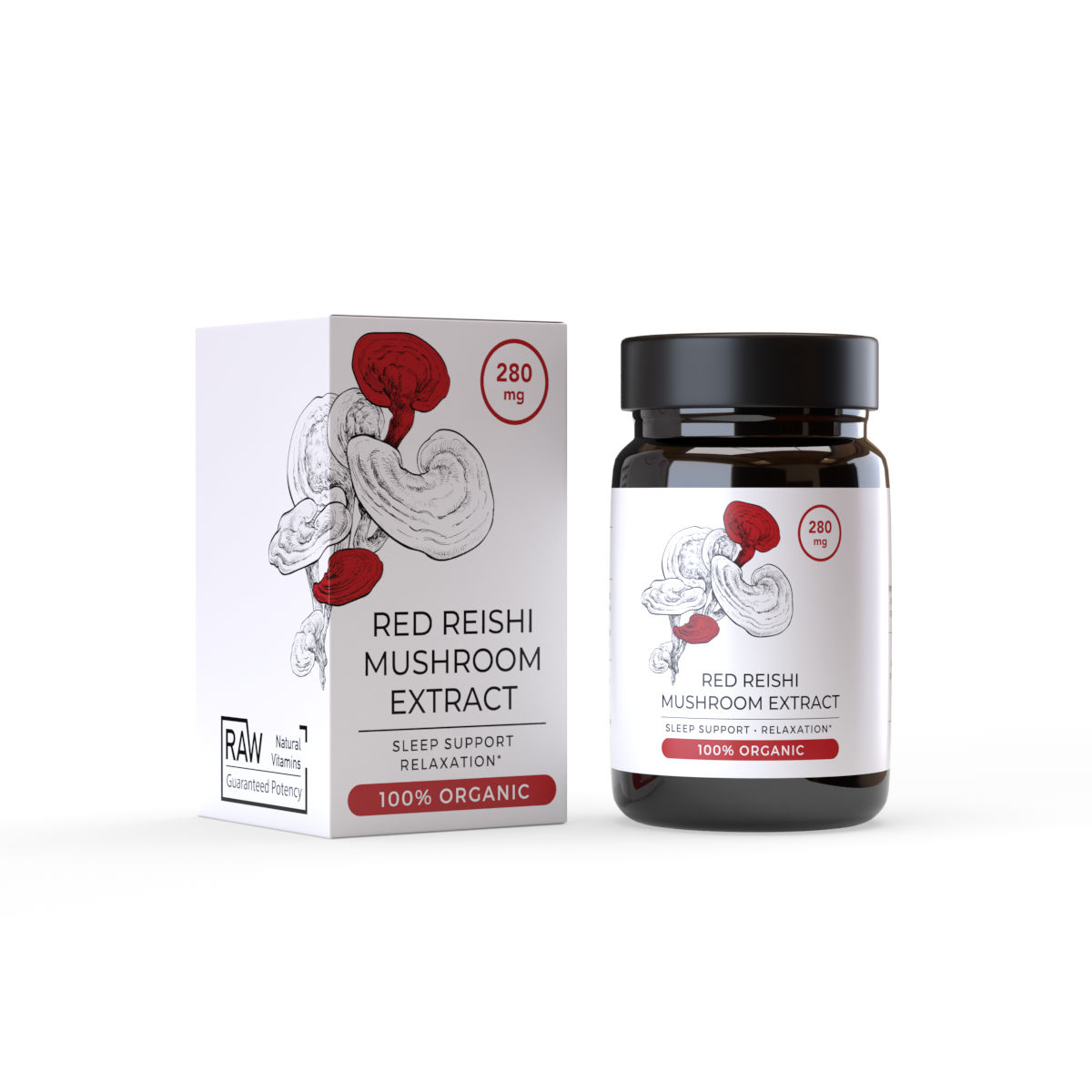
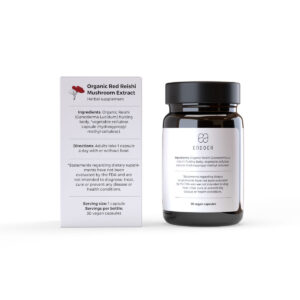
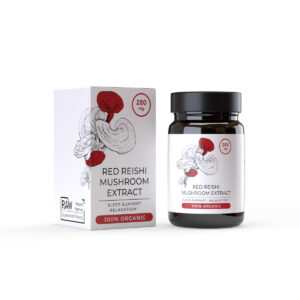
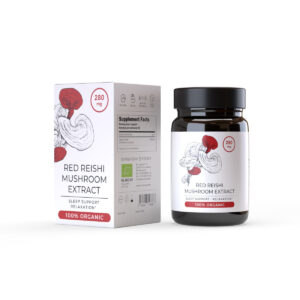
Red Reishi Mushroom Extract
✔️ Vitality & Longevity*
✔️ Stress Support*
✔️ Immune Balance*
✔️ Holistic Wellness*
25 €
Out of stock
Free Returns
Free shipping on orders over €100
Happiness Guarantee
Organic Hemp
Organic Reishi Mushroom Extract – Calm, Balance & Immune Support
Reishi (Ganoderma lucidum) is a well-known functional mushroom traditionally used for its calming properties and ability to support overall wellness.
Endoca’s organic reishi mushroom extract is designed for those looking to promote relaxation, support sleep quality, and maintain a healthy immune system—naturally. Made from carefully selected organic ingredients, these vegan capsules are easy to include in your daily routine.
Crafted with purity and quality in mind, this supplement contains no unnecessary additives—just clean, plant-based support you can rely on.
Benefits
Supports relaxation and stress balance
Promotes healthy sleep quality
Supports normal immune system function
Natural source of bioactive compounds
Organic reishi mushroom extract
Vegan-friendly capsules
Free from artificial additives
Suggested Use
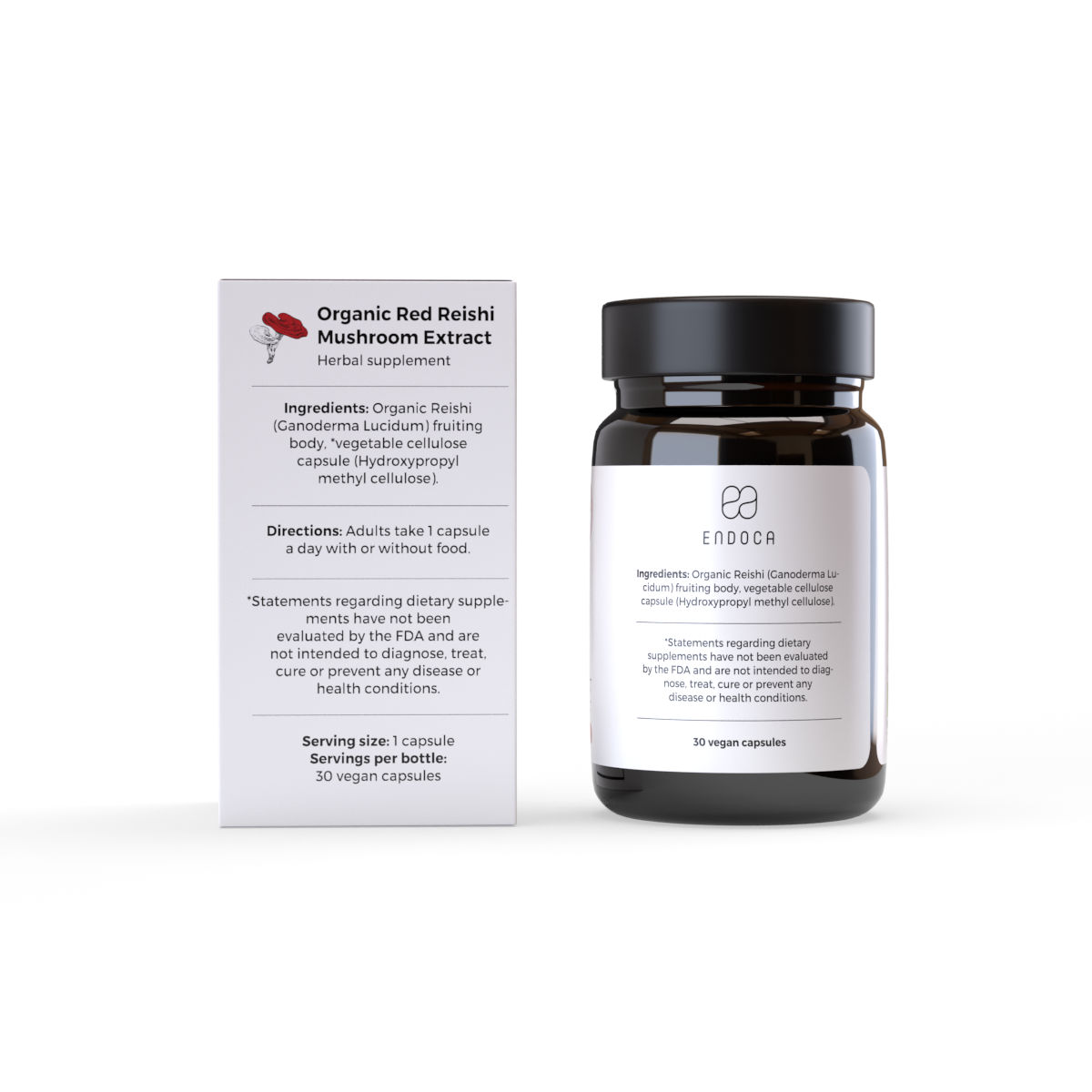
Adults take 1 capsule daily, with or without food.
Do not exceed the recommended daily dose.
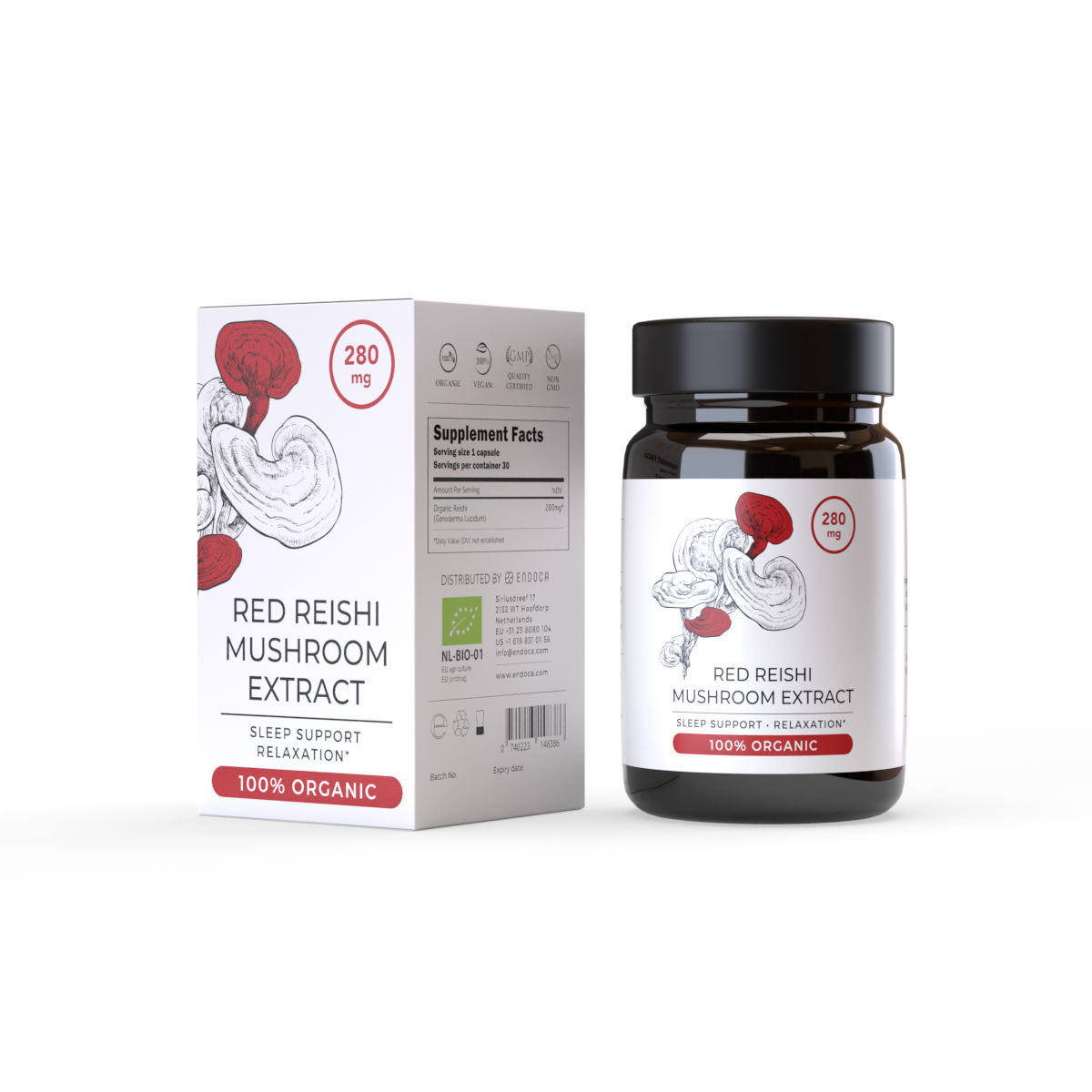
Organic reishi mushroom extract (Ganoderma lucidum)
Vegetable cellulose capsule (hydroxypropyl methylcellulose)
Nutritional Information
Serving size: 1 capsule
Servings per container: 30 vegan capsules
THE RAW PHILOSOPHY
ENDOCA is a pioneer in delivering Natural & Raw Vitamin solutions designed for instant biological recognition.
We offer a high-quality, reliable alternative to the synthetic isolates commonly used in the nutraceutical industry.
We guarantee quality and traceability 100% from the origin. By utilizing a “Raw” philosophy, we ensure our vitamins retain the complex structures and strength of plants grown in their natural environment.
RAW POTENCY TECHNOLOGY
- Thermal Protection: Low-temperature processing protects fragile live enzymes from heat degradation.
- Biological Integrity: Maintaining the natural activity and potency of raw nutrients.
- Expertise: More than 10 years in raw botanical extraction.
Our Raw Vitamins are backed by scientific evidence showing superior cellular uptake and metabolic support.
Because our extracts are never chemically isolated, they provide a synergistic matrix of co-factors and live enzymes that allow your body to use nutrients as nature intended.

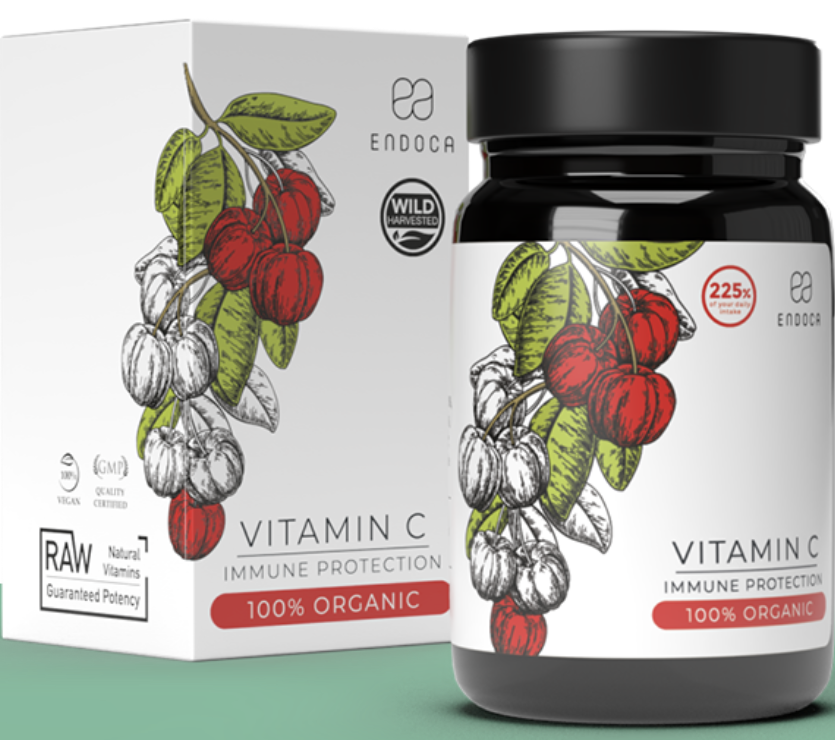
Organic Vitamin C
(Raw Extract)
THE SYNERGY:
Unlike synthetic ascorbic acid, our extract provides a
range of naturally occurring
polyphenols.
THE FUNCTION:
These polyphenols act as reducing agents that protect tissues from oxidative stress, ensuring the body recognizes and absorbs the vitamin instantly.
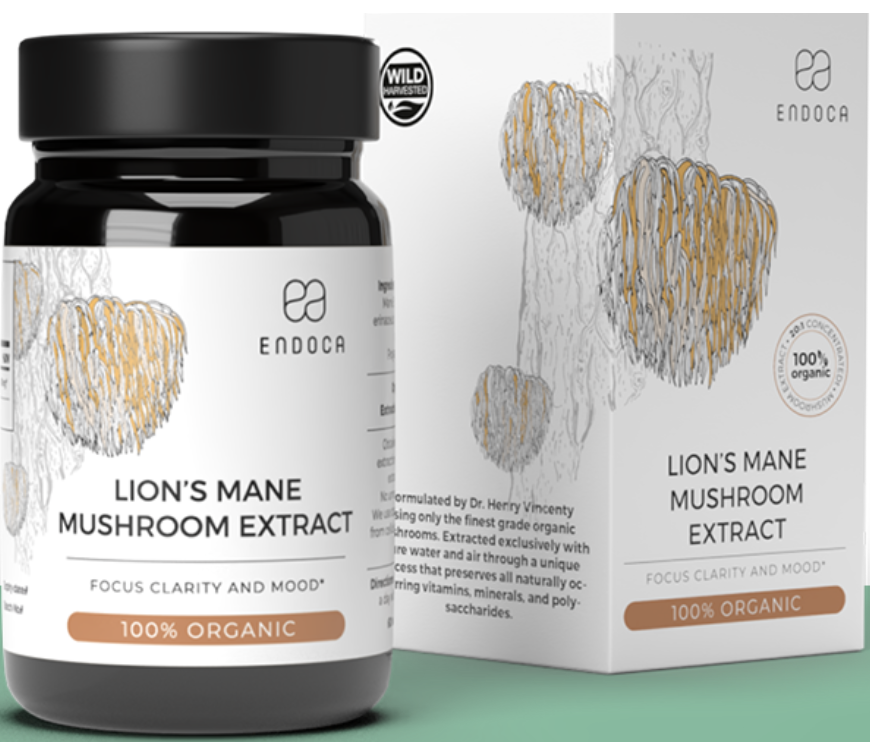
Lion’s Mane Mushroom
(Full Spectrum)
THE SCIENCE:
Backed by scientific evidence for neuronal preservation and mental health.
THE FUNCTION:
High levels of active compounds support the brain’s internal messaging system, allowing cognitive signals to move forward effectively.
Common Question
What are functional mushrooms?
How do functional mushrooms work?
What are the benefits of functional mushrooms?
How do I use mushroom supplements?
What makes Endoca mushroom extracts high quality?
What is the endocannabinoid system?
The endocannabinoid system is a homeostatic regulator that monitors brain activity and nearly all other physiological systems in the body. The system regulates pain, inflammation, memory, emotions, sleep, and metabolism.
It consists of a network of receptors in the brain and the central and peripheral nervous systems, along with cannabis-like compounds called endocannabinoids.
The system is often compared to a dimmer switch, constantly maintaining balance in the body when there is too much or too little activity.
Plant cannabinoids like CBD or THC interact with the endocannabinoid system, which researchers believe may explain the physiological effects reported from the use of the cannabis plant.
Researchers also suggest that when the system does not function properly, diseases can occur. This is called endocannabinoid deficiency and may be the root cause of conditions such as migraines, fibromyalgia, irritable bowel syndrome (IBS), and multiple sclerosis.
New studies have shown that active compounds from other plant species, such as carrots (Daucus carota), kava (Piper methysticum), New Zealand liverwort (Radula marginata), ginger (Zingiber officinale), and black pepper (Piper nigrum), contain compounds that interact with the endocannabinoid system.
What is a synthesis?
A synthase is an enzyme that catalyzes the synthesis of a molecule by combining two or more smaller molecules.
Synthases are responsible for building complex compounds in the body by catalyzing chemical reactions in which small units (such as amino acids, nucleotides, or sugars) are joined together to form larger, more complex molecules.
Synthase enzymes differ from synthetase enzymes in that synthetases require energy in the form of ATP to catalyze the reaction, whereas synthases typically do not require energy (ATP).
An example of a synthase is ATP synthase, which assists in synthesizing ATP during cellular energy production.
What is THC?
Tetrahydrocannabinol (THC) is one of the most prevalent and well-known cannabinoids naturally occurring in the cannabis plant. It is primarily recognized for its psychoactive effects, meaning it can alter perception, mood, and cognitive function—effects commonly associated with the sensation of being “high.” For this reason, cannabis strains bred for recreational use typically contain elevated levels of THC.
Despite its association with recreational cannabis, THC also possesses clinically relevant therapeutic properties. Research has demonstrated that THC can be effective in reducing chemotherapy-induced nausea and vomiting, making it a valuable treatment option for cancer patients undergoing such therapies. In addition, THC has shown potential in alleviating intraocular pressure in patients with glaucoma, which may help slow the progression of the disease.
Another notable benefit of THC is its ability to reduce certain types of chronic pain, particularly neuropathic pain, which is often difficult to manage with conventional medications. This makes THC of interest in the treatment of conditions such as multiple sclerosis, fibromyalgia, and nerve damage.
However, due to its psychoactive nature, the medical use of THC must be carefully managed and tailored to individual patient needs. Balancing its therapeutic benefits with possible side effects—such as altered cognition, drowsiness, or anxiety—is essential for safe and effective use in clinical settings.
What is THCa?
Tetrahydrocannabinolic acid (THCa) is the non-psychoactive, acidic precursor to THC, the well-known psychoactive compound found in cannabis. In its natural, raw form, cannabis—especially when freshly harvested—contains predominantly THCa, with very little active THC present.
The transformation of THCa into THC occurs through a process called decarboxylation, which typically involves the application of heat. This can happen during drying, baking, smoking, vaping, or cooking. When THCa is exposed to sufficient heat, a carboxyl group is removed from its molecular structure, converting it into THC, which can then interact more effectively with the body’s endocannabinoid receptors to produce psychoactive effects.
Because THCa itself does not produce a “high”, raw cannabis products—such as unheated extracts or fresh juice—are often marketed for those seeking potential anti-inflammatory or neuroprotective benefits without the intoxicating effects associated with THC.
Understanding the distinction between THCa and THC is important for both medical and recreational cannabis users, as the method of preparation significantly affects the chemical profile and physiological impact of the final product.
What is cannabidiolic acid?
Cannabidiolic acid (CBDa) is the natural, non-psychoactive precursor to cannabidiol (CBD), one of the most well-known cannabinoids derived from the hemp plant.
Found abundantly in raw and unprocessed hemp, CBDa is formed in the plant’s trichomes and represents a significant portion of its cannabinoid profile before any heat or processing is applied.
Chemically, CBDa differs from CBD by the presence of a carboxyl group (-COOH). When the plant material is heated during drying, extraction, cooking, or smoking, CBDa undergoes decarboxylation, a process in which it loses this carboxyl group in the form of carbon dioxide (CO₂), thereby converting into CBD—the form most commonly associated with wellness and therapeutic use.
While CBD has been widely studied, CBDa is emerging as a compound of interest in its own right. Early research indicates that CBDa may possess a range of potential therapeutic properties, including:
Anti-inflammatory effects, possibly making it helpful for conditions such as arthritis or inflammatory disorders.
Antioxidant capabilities, which may help protect cells from oxidative stress.
Anti-nausea action, with some studies suggesting effectiveness in reducing nausea and vomiting, particularly in chemotherapy patients.
Anxiolytic (anti-anxiety) potential, although more research is needed to confirm these effects in clinical settings.
CBDa is commonly found in raw CBD products, such as unheated CBD oils, tinctures, or fresh hemp juice, and is often sought after by those looking for the entourage effect in its most natural form.
Since it has not undergone decarboxylation, CBDa is often described as the “raw” or “inactive” form of CBD, though this does not mean it is biologically inactive—only that its interaction with the body differs from that of CBD.
As scientific interest grows, CBDa is gaining recognition as a valuable compound in its own right, and future studies are expected to shed more light on its unique mechanisms and health potential.
What is hemp oil?
Hemp oil is often used as another term for CBD oil, as both refer to extracts derived from the cannabis sativa plant, particularly from its flowers, leaves, and stalks.
These extracts typically contain cannabidiol (CBD) and other beneficial cannabinoids, terpenes, and plant nutrients, and are widely used for wellness and therapeutic purposes.
However, it’s crucial to understand the important distinction between hemp oil (CBD oil) and hemp seed oil, as the two are frequently confused—especially in product labeling and marketing.
Hemp seed oil is made by cold-pressing the seeds of the hemp plant, which do not contain cannabinoids like CBD or THC. While hemp seed oil is rich in healthy fats, such as omega-3 and omega-6 fatty acids, and offers nutritional benefits as a cooking oil or dietary supplement, it does not provide the therapeutic effects associated with CBD.
In contrast, CBD oil (hemp extract) is derived from the aerial parts of the hemp plant, including the flowers and leaves, where cannabinoids are naturally concentrated. This oil is commonly used in tinctures, capsules, creams, and other wellness products for its potential to support relaxation, sleep, pain relief, and more.
Understanding the difference between hemp seed oil and CBD oil is essential when choosing a product, especially since both are sometimes marketed simply as “hemp oil.” Consumers should always check the product’s label and ingredient list to confirm whether it contains CBD-rich extract or just nutritional seed oil—as the effects and uses are significantly different.
What is medicinal cannabis / marijuana?
Medical cannabis, also referred to as medical marijuana, describes the use of cannabis for treating diseases or managing symptoms. While widely discussed and increasingly accepted, there is no universally agreed-upon definition of what constitutes medical cannabis.
Traditionally, the term has referred to cannabis plants with high levels of THC (tetrahydrocannabinol)—the psychoactive compound known for its mind-altering effects.
However, as scientific understanding of cannabis has grown, researchers have identified over 100 additional cannabinoids, such as CBD (cannabidiol) and CBG (cannabigerol), that also appear to offer therapeutic potential. This broader cannabinoid spectrum has made it increasingly complex to define exactly what qualifies as “medical” cannabis.
If you’re curious about the specific differences between THC and CBD, and how they affect the body, you can read our detailed article:CBD vs THC
In the United States, the term medical marijuana is widely used by licensed dispensaries that legally sell cannabis under state-level regulations. These dispensaries often market their products as intended for medical use, although in practice, most cannabis sold through these channels is consumed for general, everyday use, not under physician supervision.
It is also important to note that only a small fraction of medical cannabis products on the market have undergone rigorous clinical testing or received official regulatory approval.
The studies that have been conducted often involve small sample sizes and yield inconclusive or preliminary results, making it difficult to draw firm conclusions about the safety and efficacy of most products currently available.
As research advances and regulations continue to evolve, the definition and standards of medical cannabis may become clearer, paving the way for more consistent quality and better-informed usage.
Does cannabis and hemp have other names?
Yes, cannabis—including both hemp and marijuana varieties—has accumulated a wide range of slang terms over the years.
These informal names vary by region, culture, and context, and are often used in casual or recreational settings. Some of the most common slang terms include marijuana, pot, weed, grass, ganja, dope, herb, reefer, skunk, and many others.
While these terms are widely recognized, it’s important to note that they don’t always distinguish between hemp (low-THC, often used for CBD products) and marijuana (high-THC, typically used for recreational or medical purposes).
As cannabis becomes more accepted in medical and legal frameworks, the use of more precise terms like cannabis, CBD, and THC is increasingly encouraged for clarity and professionalism.
Does Endocas products contain THC?
We have made it our mission to carefully select and cultivate cannabis and hemp strains that offer the highest concentrations of CBD and a rich profile of other beneficial cannabinoids, such as CBG, CBC, and CBDa.
At the same time, we ensure that these strains contain no detectable levels of THC, aligning with legal requirements and offering peace of mind to those who seek the therapeutic benefits of cannabis without psychoactive effects.
Our selection process is guided by rigorous testing, organic cultivation practices, and a commitment to purity and safety. By focusing on cannabinoid-rich, THC-free varieties, we aim to deliver high-quality, broad-spectrum products suitable for daily use, wellness support, and specialized needs—without the risk of intoxication or legal complications.
How do I pay?
At Endoca, we make payment simple and secure. All transactions are processed online through our trusted payment provider, ensuring top-level security for your personal and financial information.
We accept both MasterCard and Visa.
 How to pay with a credit card:
When you’re ready to complete your purchase, you’ll be directed to our payment provider’s secure checkout page. Simply enter your card number, expiration date, and CVC (security code). Once your payment is processed, we’ll immediately begin preparing your order.
 Paying by bank transfer:
You can also choose to pay via online bank transfer. After placing your order, you’ll receive our bank account details by email so you can complete the payment manually.
Note: If your payment doesn’t go through, please contact your bank to ensure your card is approved for international purchases, then try again.
And don’t forget: always include your order ID number when making a bank transfer so we can match your payment to your order quickly.
If you paid by bank transfer?
Please note that funds usually appear in our bank account around four business days after the customer has completed the transfer.
Once we have confirmed receipt of payment, we will immediately begin processing and shipping your Endoca products.
When is my products delivered
At Endoca, we take pride in ensuring that your order reaches you as quickly as possible.
Under normal circumstances, you can expect to receive your Endoca products within 3 to 5 business days. However, delivery times may vary depending on your location, especially in countries with special import or shipping regulations. We kindly encourage you to review our shipping terms and conditions for country-specific details.
While we strive to fulfill every order promptly, please note that unexpected delays may occur due to factors beyond our control—such as customs processing, weather disruptions, or carrier-related issues.
Should any such delay arise, we are committed to keeping you fully informed and will notify you as soon as we receive any relevant updates.