
No products in the cart.

- Shop
- About Us

Our Story
From humble beginnings to a global mission – we grow, harvest, and craft hemp with care for people and planet.
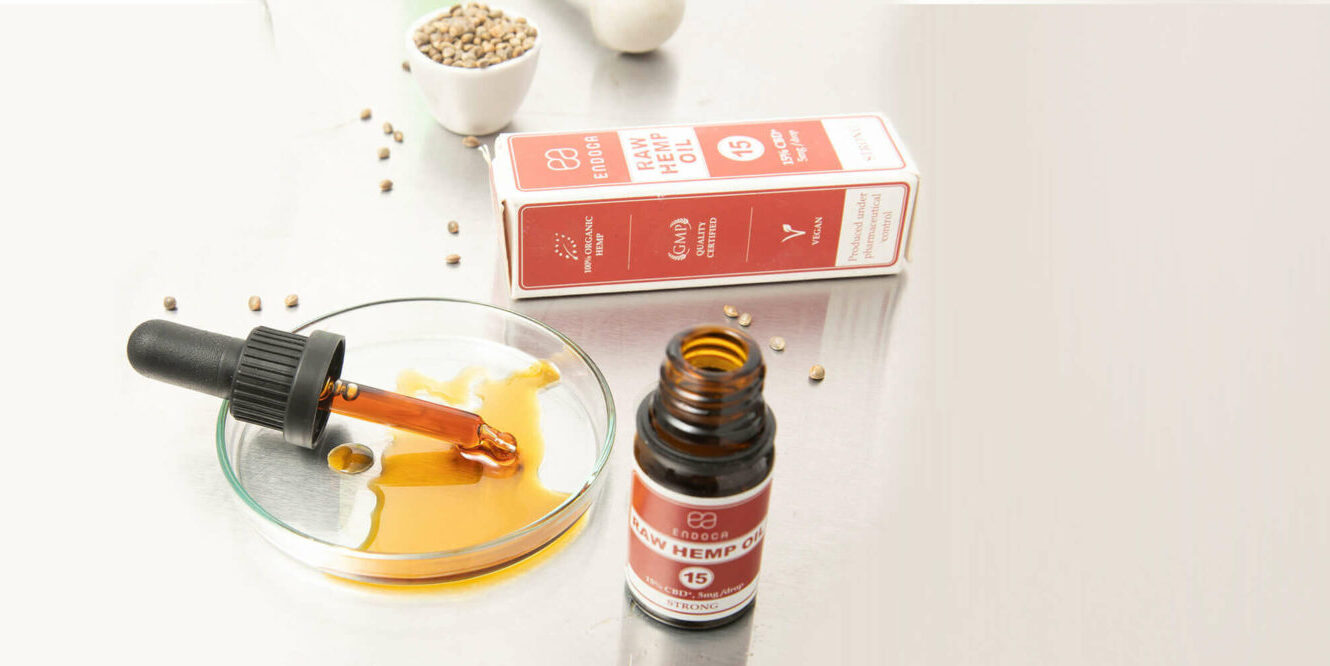
What Is CBD?
CBD is nature’s way to restore balance, calm, and overall well-being – naturally and without the high.
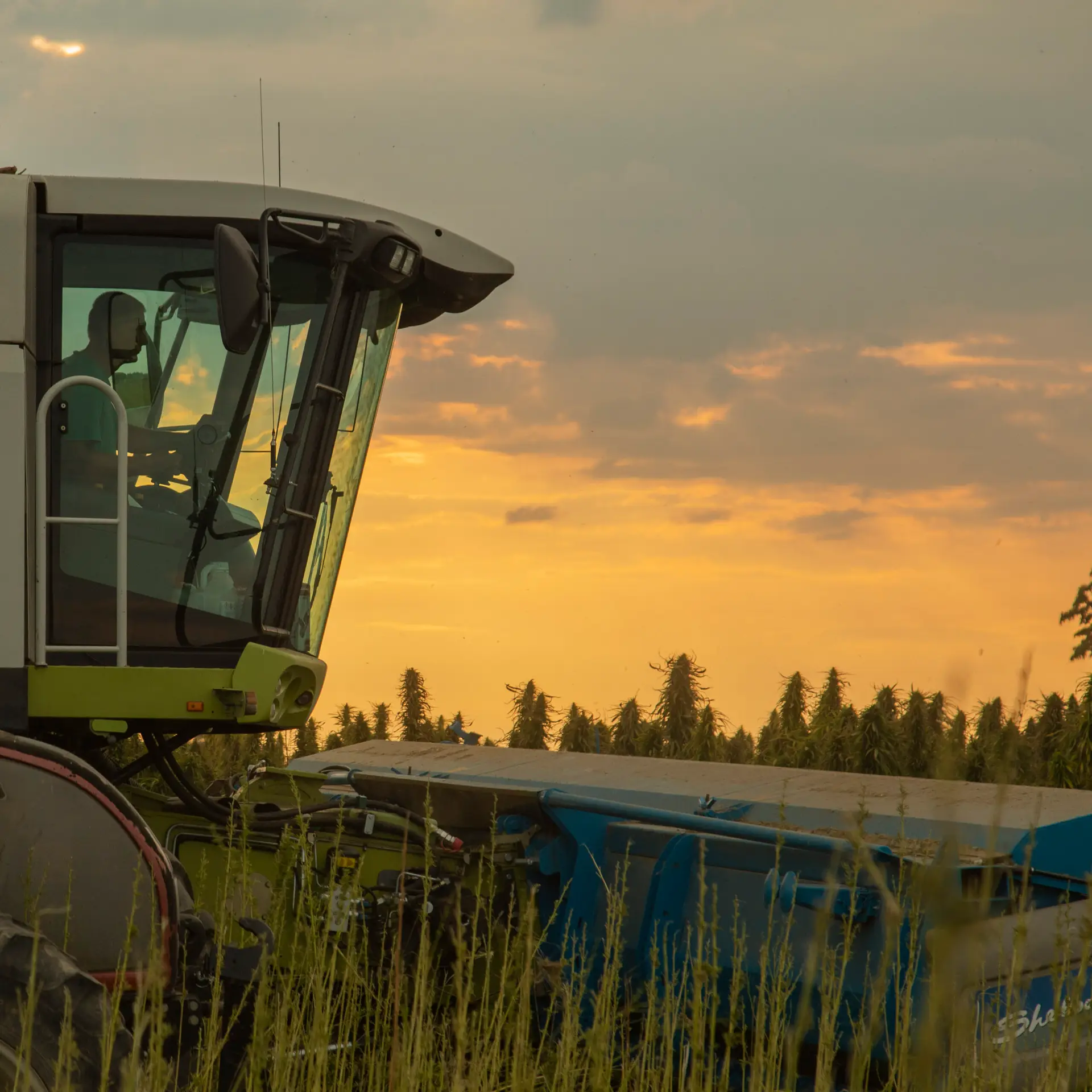
The Process
From seed to shelf, we grow organically, extract cleanly, and follow strict quality standards for purity.
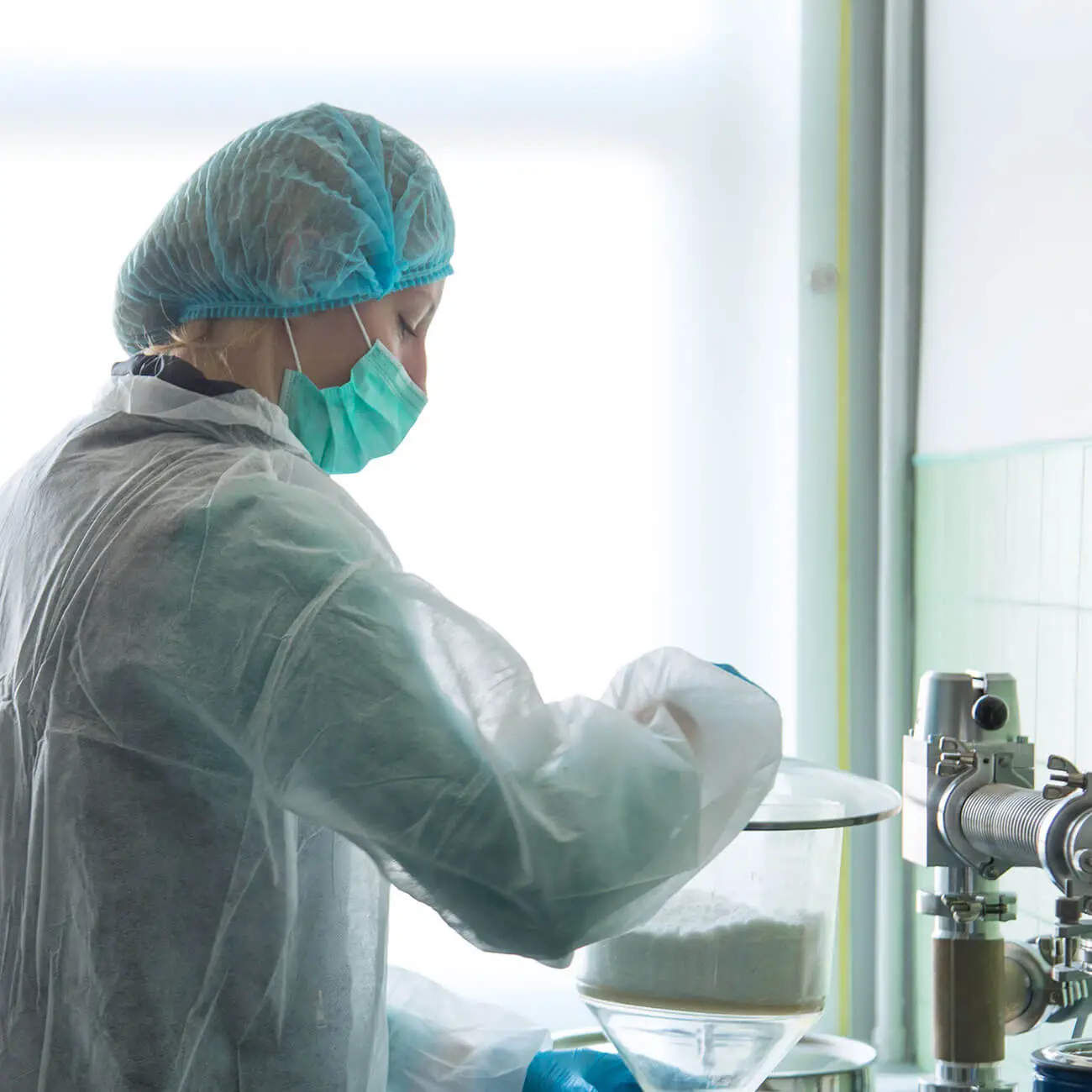
Lab Testing
Every batch is third-party tested to ensure purity, safety, and the exact amount of CBD every time.
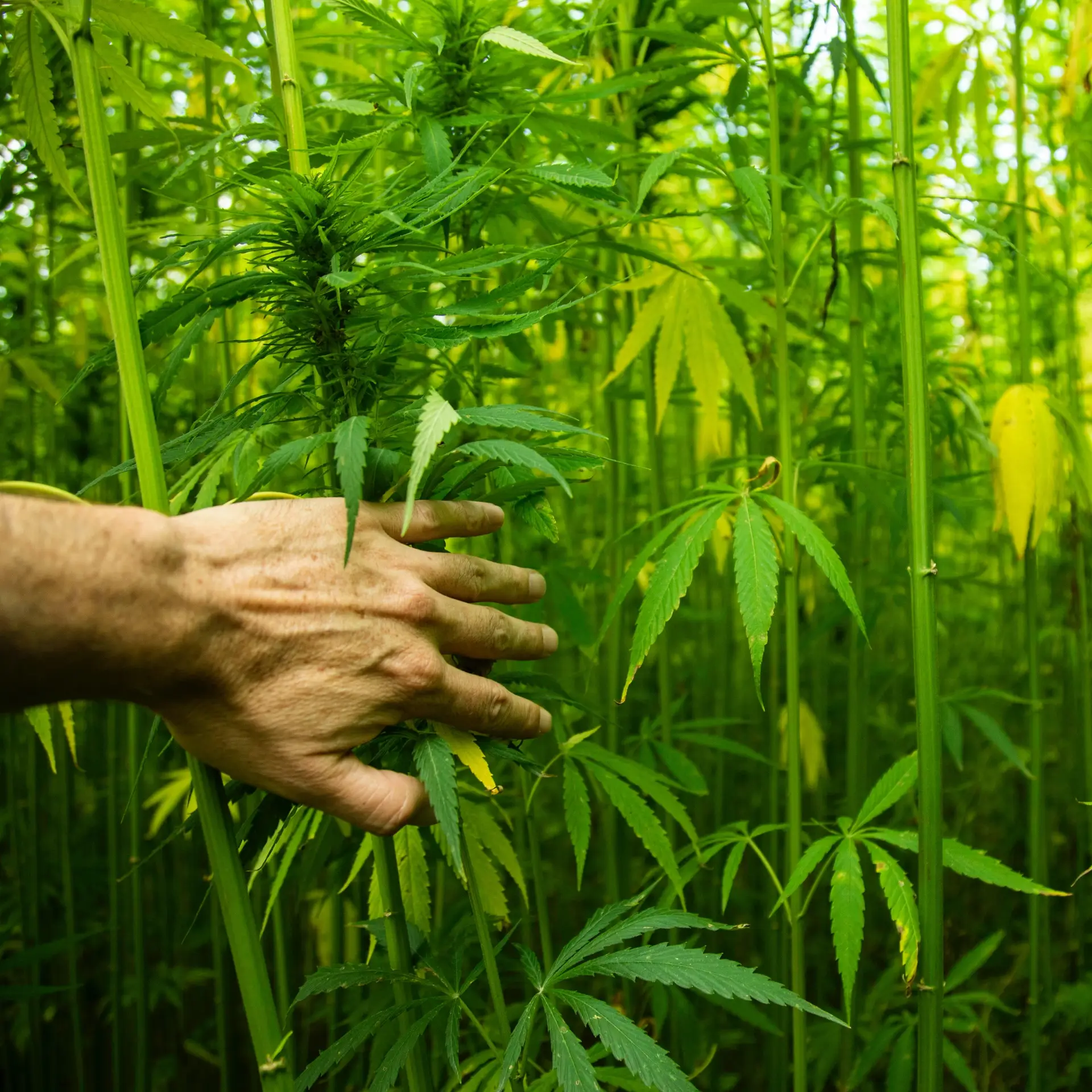
Our Values
Sustainability, transparency, and wellness guide every decision – for you and for the planet.
At a glance
What actually differs
The route. Oil is oral: it is swallowed, it meets hepatic first-pass metabolism through CYP2C19 and CYP3A4 and then UGT1A7, UGT1A9 and UGT2B7, and it produces measurable plasma CBD within hours. A topical acts where you put it, and the human data on how much gets anywhere else is thin. In the largest controlled study, 46 healthy adults used a CBD cream, lotion, patch, balm or gel twice daily for 9 days. Transdermal absorption was observed for three of the five active products, concentrations peaked after 7 to 10 days, and the highest came from the lotion, which held the most CBD and a vitamin E permeation enhancer.
A 2021 position paper reviewing dermal CBD reached the blunter version of the same point: no good quality human in vivo data existed, dermal absorption was likely under 10 percent of oral, and there was not enough information to carry out a risk assessment. Meanwhile the oral side has a lever nobody can offer for a topical. A high-fat, high-calorie meal raised peak CBD concentration 5-fold and total exposure 4-fold at 750 and 1,500 mg doses.
Where the difference actually shows up
It shows up in what you can reasonably expect. A cream is an oil-in-water emulsion; Endoca’s Salve with 250mg-750mg CBD and Whipped Body Butter are built from botanical oils and waxes with no water phase, which is why they are labeled salve and butter. That changes feel and spread, not pharmacology. What it does not change is the dose problem: nobody can tell you how many milligrams a smear delivers, because amount, area and skin all vary and none of it has been measured in a human.
The clinical picture is mixed and small. A 4-week randomized trial in 29 people with symptomatic peripheral neuropathy used a topical CBD oil at 250 mg per 3 fluid ounces and reported statistically significant reductions in intense pain, sharp pain, and cold and itchy sensations. A crossover trial in 15 adults found topical CBD gel did not speed muscle function recovery or reduce soreness after muscle-damaging exercise. A 2026 systematic review of three trials in chemotherapy-induced peripheral neuropathy, including one topical CBD arm, found no improvement over placebo. One small positive, two negatives.
What human data exists for each format
CBD oil
Hemp oil drops at 69 mg CBD per mL produced a peak plasma CBD of 24.0 ng/mL at 4 hours in 8 healthy males.
A high-fat, high-calorie meal raised peak CBD concentration 5-fold and total exposure 4-fold at 750 and 1,500 mg doses.
The absolute oral bioavailability of swallowed CBD is unknown, so even the oil side of this comparison rests on relative plasma figures.
CBD cream
In 46 adults applying five commercial CBD topicals twice daily, blood CBD was measurable for three of the five and peaked after 7 to 10 days.
A 4-week randomized trial in 29 people with peripheral neuropathy using topical CBD at 250 mg per 3 fluid ounces reported lower intense and sharp pain scores.
A 2021 review of dermal CBD found no good quality human in vivo data and could not complete a risk assessment.
A crossover trial in 15 adults found topical CBD gel did not speed recovery of muscle function or reduce soreness after exercise.
Only one of these two formats has a measured systemic profile, and they answer different questions anyway. On the topical side, systemic absorption is small, slow and absent for some products entirely, the local dose is unmeasurable, and the trial record is one small positive against two negatives. Anyone promising a topical effect size is ahead of the evidence.
What people get wrong
01A CBD cream gets CBD into your bloodstream.
For three of five commercial topicals tested in 46 adults it did, at low concentrations and only after 7 to 10 days of twice-daily use. For the other two it did not register at all.
02A stronger cream means more CBD reaching the tissue.
Nobody has measured how much of a topical reaches any target tissue in a human. The 2021 dermal review found no good quality in vivo data, so the milligram figure on a jar describes the jar.
03Topical CBD cannot show up on a drug test.
Blood THC stayed undetectable across all five topicals in the 46-person study and no urine sample met federal workplace criteria, but nine participants had oral fluid THC at or above 2 ng/mL. Different sample, different thresholds.
Choosing between them
These are not substitutes, so the choice is about what you are trying to do rather than which is stronger. Use the oil when you want a measurable amount in your system on a schedule you control, 5 mg at a time. Use a salve or the body butter when you want something on a specific patch of skin, and judge it on how the skin feels rather than on an absorption claim. If someone sells you a topical on the basis of bloodstream levels, the evidence does not support them. Patch test a new topical on a small area first.
Legal status and safety
Legal status in the United States
Hemp-derived CBD at or below 0.3 percent delta-9 THC left controlled substance status under the 2018 Farm Bill, and from 11 December 2026 Public Law 119-37 applies a total THC test with a 0.4 mg per container cap on finished products, excluding cannabinoids synthesized outside the plant. From there the formats diverge. An ingestible is a food and supplement question, and FDA has not concluded CBD can lawfully be sold in a dietary supplement. A topical sold to moisturize or soften skin is a cosmetic, while a topical sold to treat pain is an unapproved new drug, which is why this page reports trial results rather than making product claims.
Safety
Topical CBD was well tolerated across the 46-person study, with no detectable blood THC, though nine participants showed oral fluid THC at or above 2 ng/mL. The 2021 dermal review was more cautious: there was not enough pharmacokinetic or toxicity information to perform a risk assessment, and repeated application could accumulate in skin layers and diffuse slowly afterwards. For the oil, the relevant points are interaction through CYP2C19 and CYP3A4 and the gastrointestinal adverse events seen at high trial doses.
How Endoca tests for this
The extract going into the drops and into the salve comes from hemp grown on our own land and processed with our own supercritical CO2 equipment, with batch reports published since 2010 at lab.endoca.com. HPLC sets the cannabinoid numbers, NMR confirms them, and the pesticide, heavy metal and mycotoxin screen covers more than 200 compounds. For a topical the limit of that certificate is sharper than usual: it states what is in the jar, and no laboratory method tells you what crosses skin.
Frequently asked questions
Sometimes, in small amounts, slowly. In 46 adults using five commercial CBD topicals twice daily, blood CBD was measurable for three of the five products and peaked only after 7 to 10 days of use. For the remaining two it was not detected at all.
The trial record is thin for both and mixed for topicals. A 4-week trial in 29 people with peripheral neuropathy reported lower pain scores with topical CBD, while a muscle recovery crossover and a 2026 review of chemotherapy-induced neuropathy trials found no benefit over placebo.
Not as such. The topical range is the Salve with 250mg-750mg CBD, the Whipped Body Butter at 450mg-1500mg CBD and the Mint Muscle Salve. Those are oil and wax formulations rather than water-based creams, which changes how they feel and spread.
No published human study answers that. The amount applied, the area covered and the condition of the skin all vary, and the 2021 dermal review found no good quality human in vivo data. The milligram figure on the jar describes the jar’s contents.
References
01
Zamarripa CA, Tilton HE, Lin S, Cone EJ, Winecker RE, Flegel RR, Kuntz D, Beals M, Jacques M, Clark M, Welsh ER, Wagner L, Bonn-Miller MO, Vandrey R, Spindle TR. Pharmacokinetics and pharmacodynamics of five distinct commercially available hemp-derived topical cannabidiol products. J Anal Toxicol 2024;48:81-98.
02
Committee on Toxicity. Position paper on the potential risk of CBD in CBD food products: dermal and inhalation exposure. TOX/2021/16, March 2021.
03
Xu DH, Cullen BD, Tang M, Fang Y. The Effectiveness of Topical Cannabidiol Oil in Symptomatic Relief of Peripheral Neuropathy of the Lower Extremities. Curr Pharm Biotechnol 2020;21:390-402.
04
Mendes A, Cuvelier G, Anthierens A, Locquenies A, Gauchet N, Maboudou P, Heyman E, Berthoin S, Gamelin FX. Topical application of cannabidiol for muscle recovery after exercise-induced muscle damage: a randomized, double-blinded pilot study. J Cannabis Res 2026;8:63.
05
Datta A, Erridge S, Mukherjee A, Acharya I, Vasooja D, Anand U, Anand P, Sodergren MH. Cannabinoids in the Treatment of Chemotherapy-Induced Peripheral Neuropathy: A Systematic Review of Randomized Controlled Trials. J Pain Palliat Care Pharmacother 2026;40:458-473.
06
Johnson DA, Funnell MP, Heaney LM, Cable TG, Wheeler PC, Bailey SJ, Clifford T, James LJ. Cannabidiol Oil Ingested as Sublingual Drops or Within Gelatin Capsules Shows Similar Pharmacokinetic Profiles in Healthy Males. Cannabis Cannabinoid Res 2024;9:e1423-e1432.
07
Millar SA, Stone NL, Yates AS, O’Sullivan SE. A Systematic Review on the Pharmacokinetics of Cannabidiol in Humans. Front Pharmacol 2018;9:1365.
08
FDA. EPIDIOLEX prescribing information, 2025.
09
Congressional Research Service. Changes to the Statutory Definition of Hemp and Issues for Congress. IF13136, updated 17 August 2026.
Last reviewed 1 October 2026.
These statements have not been evaluated by the Food and Drug Administration. This product is not intended to diagnose, treat, cure, or prevent any disease.