
No products in the cart.

- Shop
- About Us
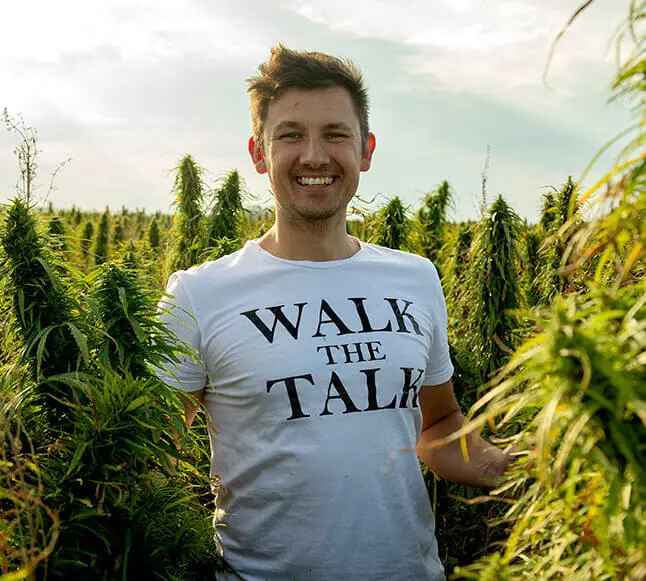
Our Story
From humble beginnings to a global mission – we grow, harvest, and craft hemp with care for people and planet.
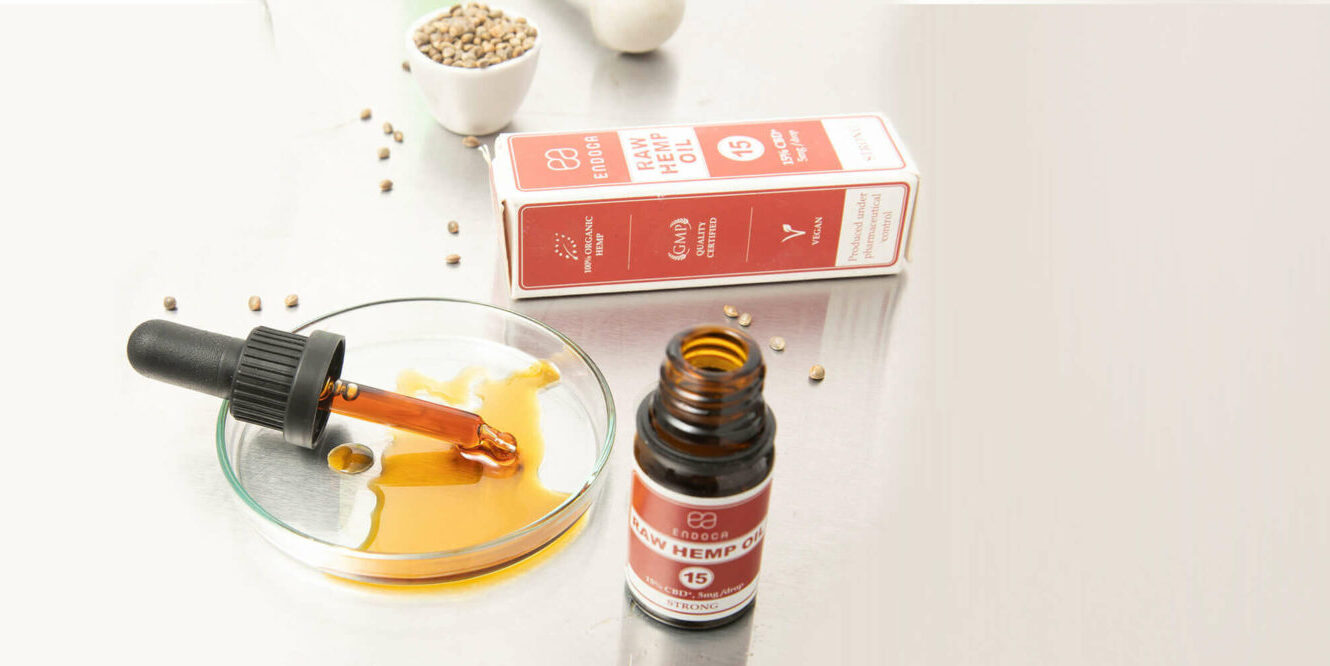
What Is CBD?
CBD is nature’s way to restore balance, calm, and overall well-being – naturally and without the high.
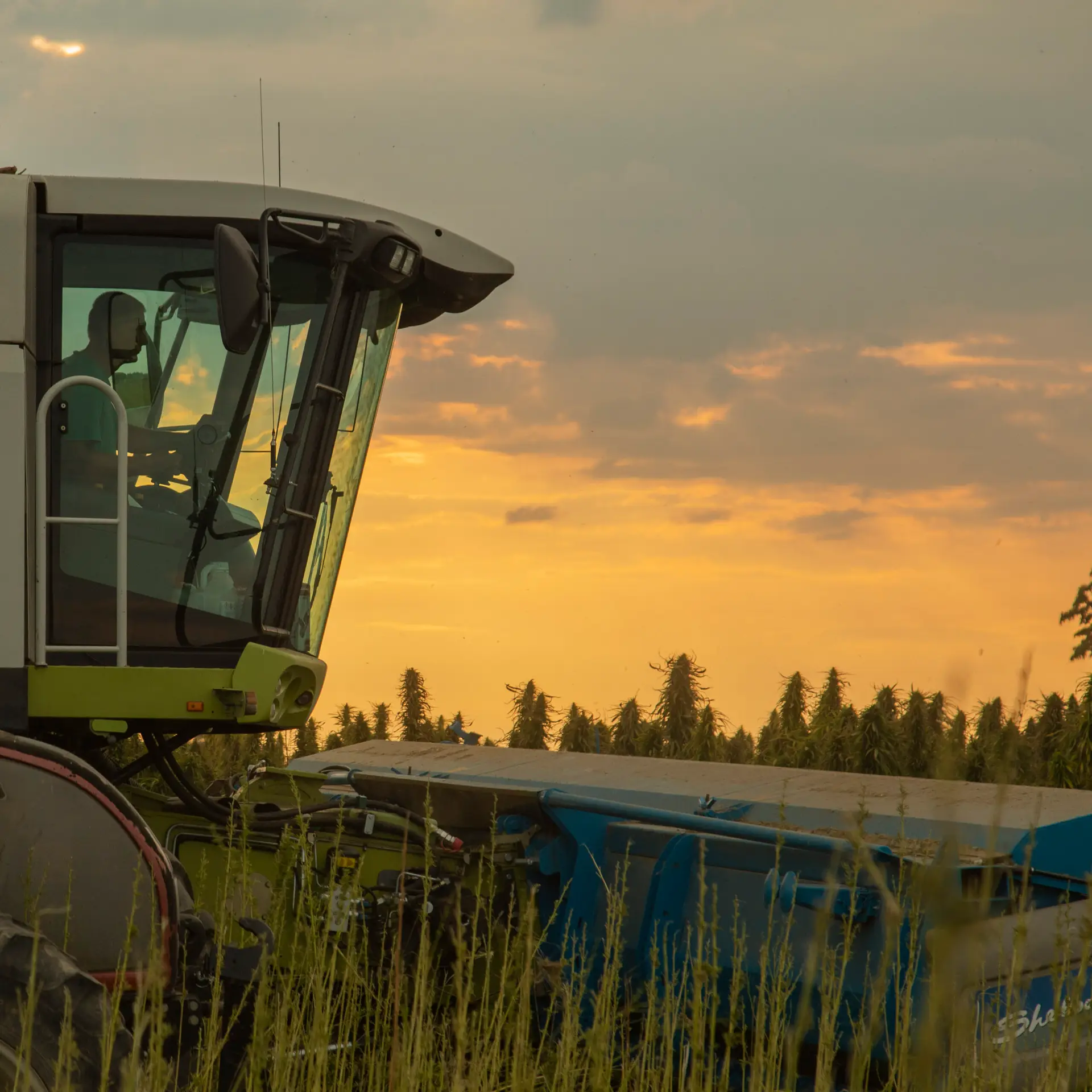
The Process
From seed to shelf, we grow organically, extract cleanly, and follow strict quality standards for purity.
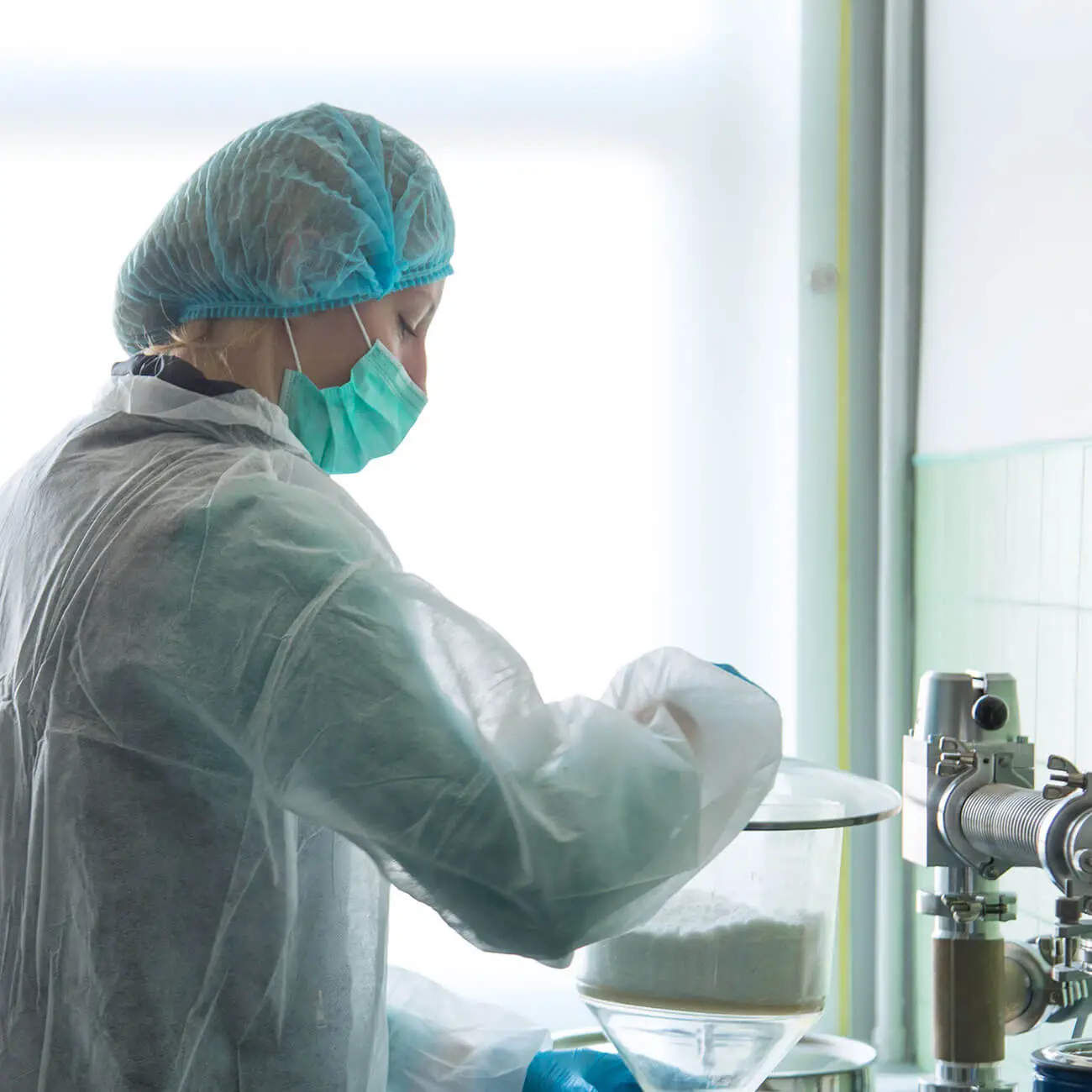
Lab Testing
Every batch is third-party tested to ensure purity, safety, and the exact amount of CBD every time.
Our Values
Sustainability, transparency, and wellness guide every decision – for you and for the planet.
At a glance
What actually differs
The dividing line is water. A balm is anhydrous: plant oils, butters and waxes, nothing else. A cream is multiphase, and the European Pharmacopoeia classifies it by its continuous phase, a hydrophilic cream carrying water as the continuous phase with an oil in water emulsifier. Water brings two obligations: an emulsifier, and an antimicrobial preservative, because the pharmacopoeia requires that the need for and the efficacy of the chosen preservative be demonstrated.
What neither formulation changes much is where the CBD ends up. In vitro, CBD and cannabinol permeate human skin about 10 times more readily than delta-8-THC, which still leaves CBD a lipophilic molecule meeting a barrier built to exclude them. Applied to excised human skin for 24 hours, CBD from colloidal formulations stayed below the limit of detection in the receptor fluid underneath.
For scale, the largest modifier of CBD exposure ever measured in humans has nothing to do with format. A high fat, high calorie meal raised cannabidiol peak plasma concentration 5-fold and total exposure 4-fold when the drug was swallowed. Nothing comparable has been shown for anything rubbed on.
Where the difference actually shows up
It shows up in handling, not pharmacology. An anhydrous balm leaves an occlusive film that stays where it is put, which is why balms are chosen for small, high friction areas such as knuckles, heels and cuticles. A cream spreads much further per gram and sinks in quickly, which is why it is the usual choice for shoulders, legs and backs, and why most people find it easier to use before getting dressed.
It also shows up in what can go wrong. The CBD is rarely the irritant in a topical. The preservative often is. Methylisothiazolinone positivity reached 5.97 percent of patch tested patients across European dermatology clinics in 2015, then fell to 4.72 percent in 2016 and 2.96 percent in 2017 after it was banned from leave-on cosmetics. A balm with no water needs no such preservative. A cream does, and which one is chosen is a genuine safety variable.
Where it does not show up is dose. Neither format has a dose that means anything in milligrams of circulating CBD, because that measurement has never been made in humans.
What the human evidence shows
CBD balm
No human study reports an absolute bioavailability for CBD applied to skin in a balm or any other anhydrous base.
A 2024 study in 46 adults applied five commercial topical CBD products, including a 0.67 percent balm; peak whole blood CBD ran from undetectable to 2.0 ng/mL.
None of the five topical CBD products in that study produced discernible pharmacodynamic effects.
CBD cream
In 29 adults with lower limb peripheral neuropathy, a cream delivering 250 mg CBD per 3 fluid ounce container separated from placebo over 4 weeks on intense pain (p = 0.009).
The authors of that 29 patient neuropathy trial said it may be underpowered and called for larger multicenter trials.
After 24 hours on excised human skin, CBD from colloidal aqueous formulations stayed below the limit of detection in the receptor fluid.
Topical CBD has almost no human pharmacokinetic data. No absolute oral bioavailability for CBD has ever been established either; the one figure in the literature is 31 percent, for smoking. The largest transdermal CBD trial, 212 children on a gel at 250 or 500 mg daily, missed its primary endpoint.
What people get wrong
01A balm is just a thicker cream.
They are different categories. A cream is a multiphase emulsion containing water, an emulsifier and a preservative. A balm is oils and waxes with none of those three.
02CBD cream gets CBD into your bloodstream.
Across five commercial topical CBD products applied by 46 adults, peak whole blood CBD ran from undetectable to 2.0 ng/mL and none produced discernible pharmacodynamic effects.
03A higher CBD percentage means more gets through the skin.
In that 2024 study the 9.52 percent CBD patch did not give the highest blood and urine levels. A 4.03 percent lotion did. Vehicle and contact time matter.
Choosing between them
Choose by area and by feel, because the CBD evidence does not separate them. A balm suits small, dry, high friction spots: knuckles, heels, elbows, cuticles. It stays where it is put, needs no preservative, and has the shorter ingredient list. A cream suits large areas and daytime use. If you have ever reacted to a cosmetic, start with the balm, and patch test on the inner forearm for 48 hours either way. What you should not do is choose between them expecting a difference in how much CBD reaches your blood. That difference has not been shown to exist.
Legal status and safety
Legal status in the United States
A CBD balm or cream sold for appearance or cleansing is a cosmetic under the Federal Food, Drug, and Cosmetic Act. FDA does not approve cosmetics in advance, and states that no cannabis derived ingredient is currently prohibited or restricted by regulation for cosmetic use. Under the Modernization of Cosmetics Regulation Act of 2022, firms must register facilities, list products, hold safety substantiation records, and report serious adverse events within 15 business days.
The hemp definition is also changing. Public Law 119-37 moves the test to total THC below 0.3 percent dry weight, with no more than 0.4 mg of THC per container, from 11 December 2026.
Safety
The realistic risks of a topical are local. Patch test on the inner forearm and wait 48 hours before applying widely. Avoid broken skin, the eye area and mucous membranes. Fragrance components and botanical oils are recognized contact sensitizers, and in creams the preservative is often the likelier culprit.
Because systemic absorption from a consumer topical has not been established, there is no human data on drug interactions from a balm or cream. That absence is neither reassurance nor warning.
How Endoca tests for this
Every Endoca batch carries a certificate of analysis, and it is worth knowing what it settles. For a salve or body butter the COA reports the cannabinoid content of the extract used and screens for pesticides, heavy metals, residual solvents and microbiological contamination. What no COA measures is skin penetration: no assay tells you how many milligrams crossed the stratum corneum, because that question has not been answered in humans. Endoca works from its own farm, own land and own extraction, since 2010.
Frequently asked questions
No. Strength is the milligrams of CBD declared per jar or per ml, and a balm can be weaker or stronger than a cream. What a balm does differently is sit on skin as an occlusive film instead of spreading thin and absorbing.
Barely, and not usefully. In 46 adults applying five commercial topical CBD products, peak whole blood CBD ranged from undetectable to 2.0 ng/mL, and none produced discernible pharmacodynamic effects. Anyone promising systemic effects from a cream is describing something that has not been measured.
Because a cream contains water and a balm does not. Water supports microbial growth, so an emulsion needs an antimicrobial preservative system, and the pharmacopoeia requires its need and efficacy to be demonstrated. An anhydrous oil and wax base gives microbes nothing to grow in.
A balm, on handling grounds. An anhydrous oil and wax film resists washing off longer than a cream that has already lost its water phase, and a shorter ingredient list means fewer candidate allergens. That is an argument about occlusion, not about the CBD.
References
01
Millar SA, Stone NL, Yates AS, O’Sullivan SE. A systematic review on the pharmacokinetics of cannabidiol in humans. Front Pharmacol. 2018;9:1365.
02
Zamarripa CA, Tilton HE, Lin S, et al. Pharmacokinetics and pharmacodynamics of five distinct commercially available hemp-derived topical cannabidiol products. J Anal Toxicol. 2024;48(2):81-98.
03
Lapteva M, Faro Barros J, Kalia YN. Cutaneous delivery and biodistribution of cannabidiol in human skin after topical application of colloidal formulations. Pharmaceutics. 2024;16(2):202.
04
Stinchcomb AL, Valiveti S, Hammell DC, Ramsey DR. Human skin permeation of Delta8-tetrahydrocannabinol, cannabidiol and cannabinol. J Pharm Pharmacol. 2004;56(3):291-297.
05
Xu DH, Cullen BD, Tang M, Fang Y. The effectiveness of topical cannabidiol oil in symptomatic relief of peripheral neuropathy of the lower extremities. Curr Pharm Biotechnol. 2020;21(5):390-402.
06
Berry-Kravis E, Hagerman R, Budimirovic D, et al. A randomized, controlled trial of ZYN002 cannabidiol transdermal gel in children and adolescents with fragile X syndrome (CONNECT-FX). J Neurodev Disord. 2022;14(1):56.
07
Uter W, Aalto-Korte K, Agner T, et al. The epidemic of methylisothiazolinone contact allergy in Europe: follow-up on changing exposures. J Eur Acad Dermatol Venereol. 2020;34(2):333-339.
08
European Pharmacopoeia monograph 0132. Semi-solid preparations for cutaneous application. Council of Europe, Strasbourg.
09
Epidiolex (cannabidiol) oral solution. US prescribing information, section 12.3 Pharmacokinetics. Greenwich Biosciences, 2018.
10
US Food and Drug Administration. FDA regulation of cannabis and cannabis-derived products, including cannabidiol. Accessed 1 October 2026.
11
Modernization of Cosmetics Regulation Act of 2022. Public Law 117-328, Division FF, Title III, Subtitle E.
Last reviewed 1 October 2026.
These statements have not been evaluated by the Food and Drug Administration. This product is not intended to diagnose, treat, cure, or prevent any disease.