
No products in the cart.

- Shop
- About Us

Our Story
From humble beginnings to a global mission – we grow, harvest, and craft hemp with care for people and planet.
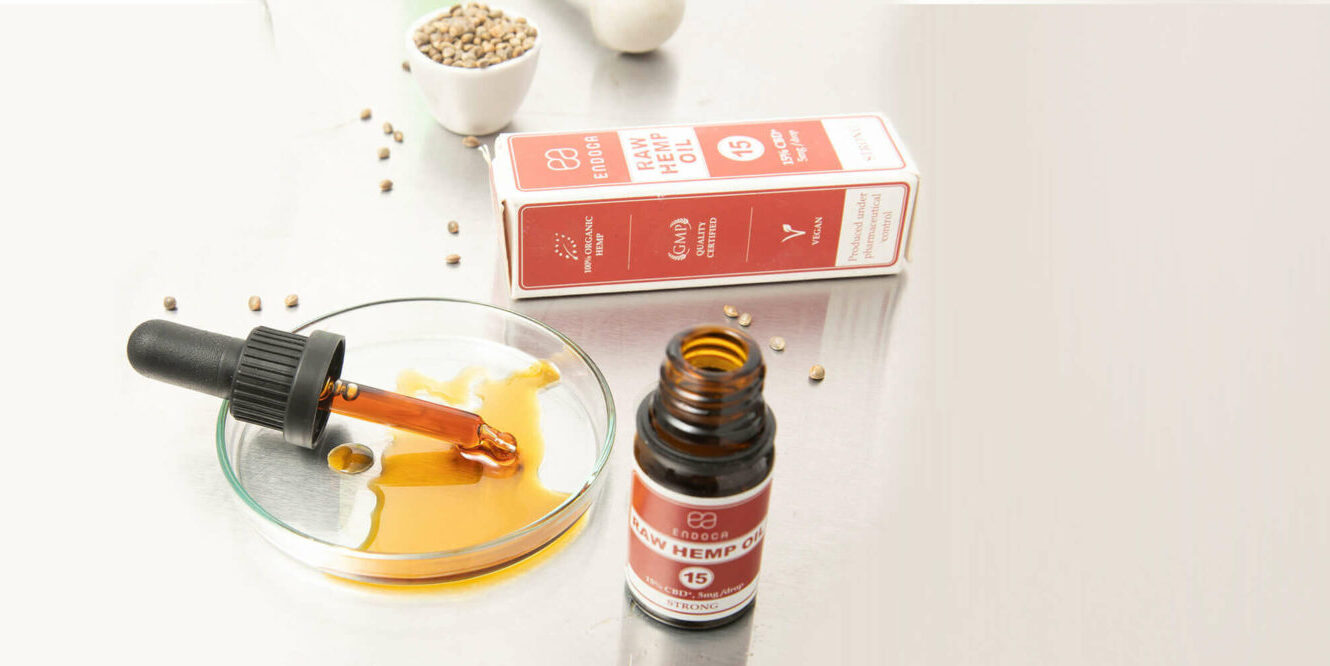
What Is CBD?
CBD is nature’s way to restore balance, calm, and overall well-being – naturally and without the high.
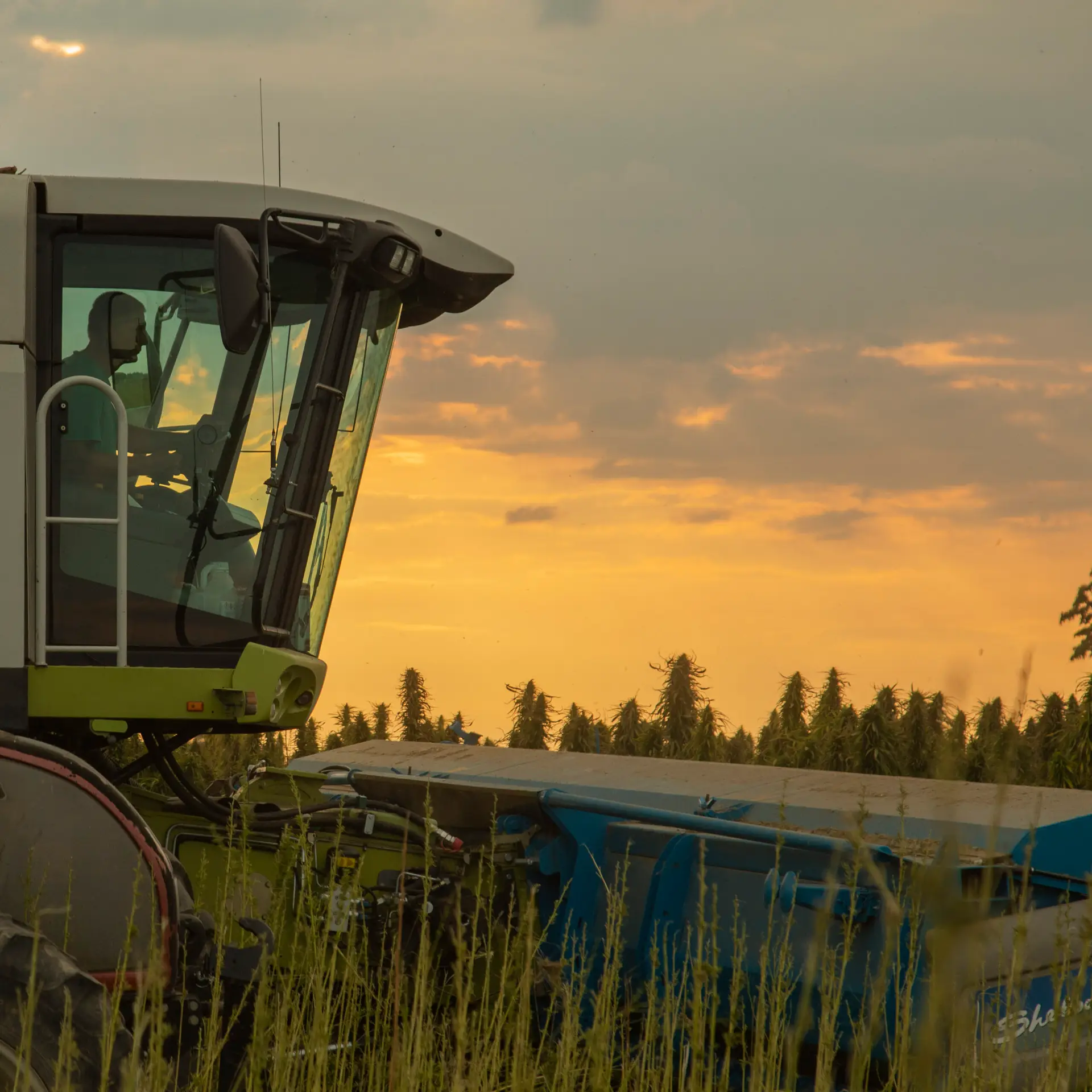
The Process
From seed to shelf, we grow organically, extract cleanly, and follow strict quality standards for purity.
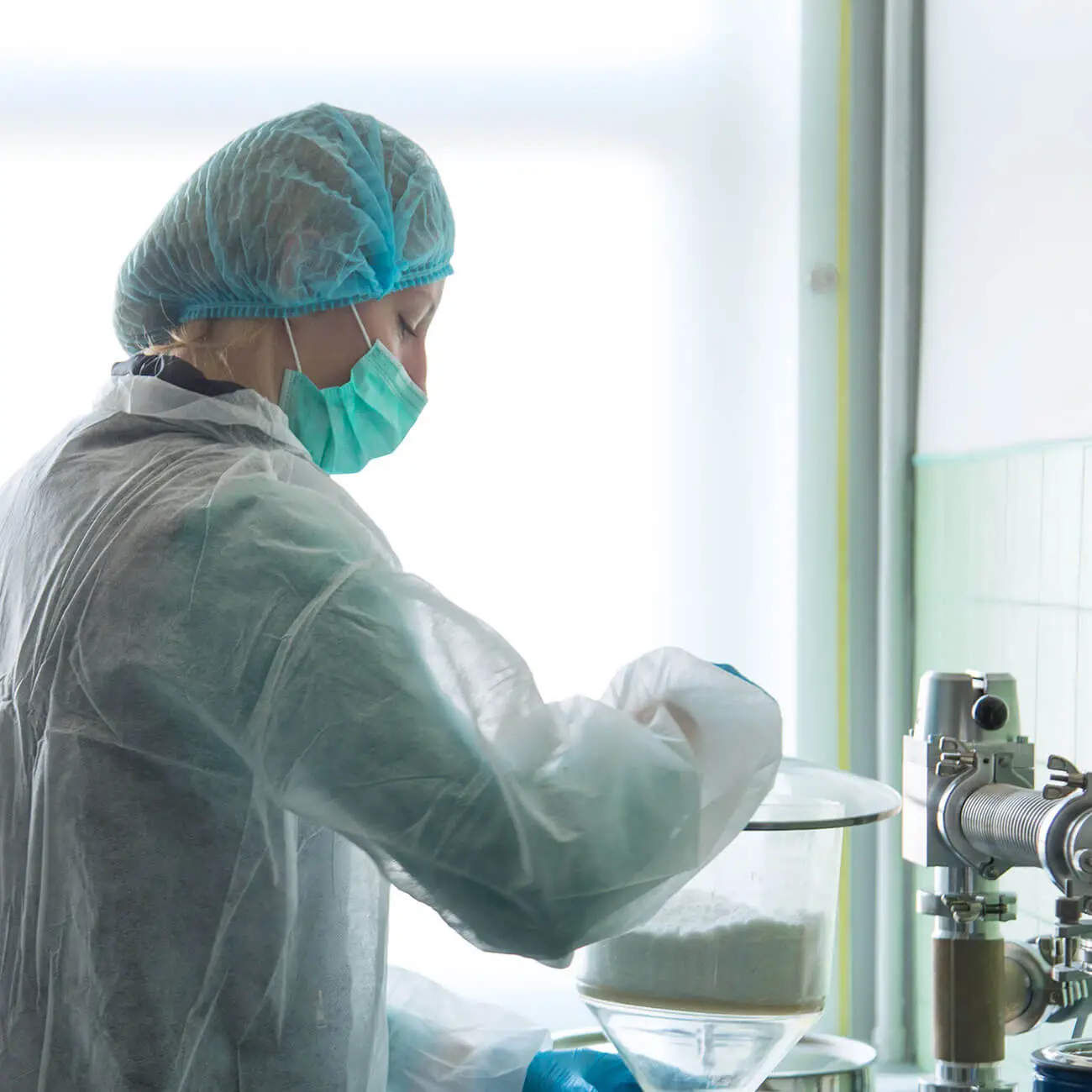
Lab Testing
Every batch is third-party tested to ensure purity, safety, and the exact amount of CBD every time.
Our Values
Sustainability, transparency, and wellness guide every decision – for you and for the planet.
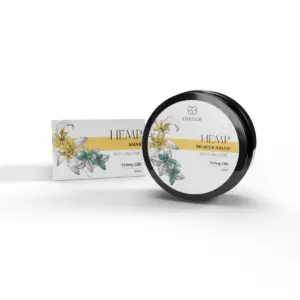
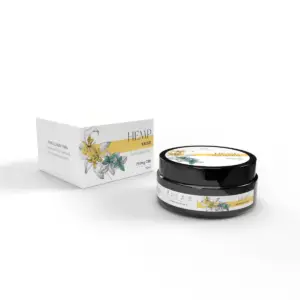
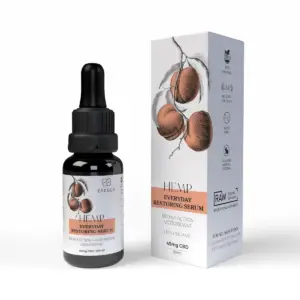
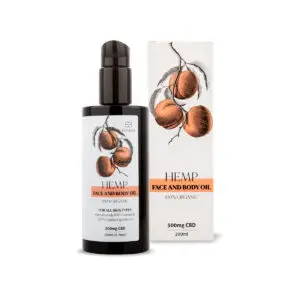
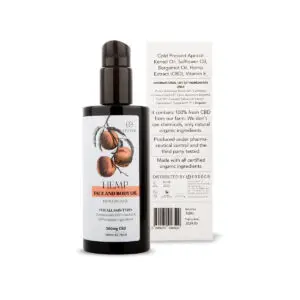
CBD Face and Body Oil 1.5MG CBD/ML
Price range: 10.00 US$ through 49.00 US$ — or subscribe and save up to 30%This product has multiple variants. The options may be chosen on the product page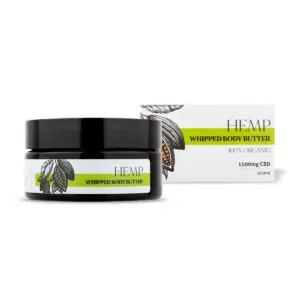
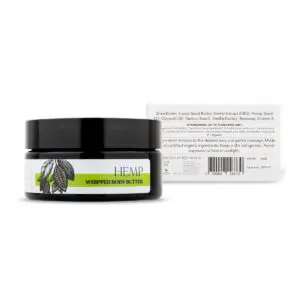
WHIPPED BODY BUTTER, 450MG-1500MG CBD
Price range: 31.00 US$ through 82.00 US$ — or subscribe and save up to 30%This product has multiple variants. The options may be chosen on the product page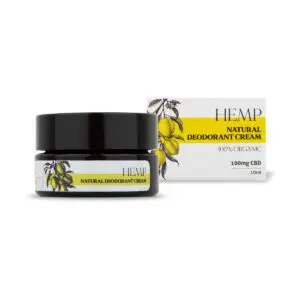

Not All CBD Topicals Are Created Equal
A topical is mostly its base, and the base is where this category economises. Mineral oil and silicone are cheap, they feel expensive on the back of a hand, and they sit on skin rather than going into it. Ours are built from cold-pressed plant oils, butters and beeswax instead, which is a slower formulation and a shorter ingredient list. The hemp extract is our own CO2 extract from our own crop rather than something bought in by the drum.
Formats behave differently and the differences are real rather than marketing. A balm is wax-heavy and firm. A salve is wax and oil, dense enough to stay where you put it. A whipped butter is aerated so it spreads across a large area. A serum is light enough to absorb into a face. Choosing between them is a question of how much skin you are covering and how much you want it to sink in, and the CBD content is almost beside the point in that decision.
Every batch is independently tested for cannabinoid content and purity, which is not standard practice in cosmetics and arguably should be. Nobody regulating a body butter requires it. We do it because the same extract goes into products people swallow, and running two standards across one crop would be indefensible. Certificates are published against batch numbers on the lab testing page.

100% Organic
Organic hemp extract and plant oils without unnecessary additives

Third Party Tested
Every batch is independently tested for purity and cannabinoid content

Highest Quality
Produced in GMP-certified facilities with rigorous quality control

Plant Oil Base
No Mineral Oil, No Silicone, No Parabens

Global Shipping
Fast and Discreet Delivery
Compare Endoca CBD Topicals
Five of the eight, chosen to cover the range from the densest salve to the lightest serum, compared by format, CBD content, where each is used and what it is built on.
| PRODUCT | FORMAT | CBD CONTENT | BEST FOR | BASE |
|---|---|---|---|---|
| Salve with 250mg to 750mg CBD | Dense salve | 250mg in 10ml, 750mg in 30ml | Hands, elbows, feet, anywhere specific | Beeswax and plant oils |
| Mint Muscle Salve 30ml | Salve with mint | Full spectrum extract | After exercise, on large muscle groups | Beeswax, plant oils, mint |
| Whipped Body Butter | Whipped butter | 450mg in 30ml, 1500mg in 100ml | All-over body, very dry skin | Food-grade butters and oils |
| CBD Face and Body Oil | Light oil | 1.5mg per ml, 300mg per bottle | Massage and large areas | Plant oils, paraben-free |
| Hemp Face Serum | Facial oil | Organic CBD, 10ml and 30ml | Face, morning or night | Apricot kernel oil, safflower oil, vitamin E |
What Are CBD Topicals
A CBD topical is any product with cannabidiol formulated into it that you put on skin rather than swallow. Salve, balm, butter, cream, lotion, serum, oil, soap and deodorant are all topicals, and the words get used interchangeably in shops and precisely by the people who make them. What separates them is the ratio of wax to oil to water and how much air was beaten into the result.
Ours are oil-based rather than emulsions, which is a deliberate choice with consequences you will notice. Cannabinoids are fat-soluble, so an oil or a butter carries them without needing an emulsifier system to hold water and oil together. That takes several ingredients out of the formula. It also means the products feel heavier and take a moment to work in, because there is no silicone doing the instant dry finish that a supermarket lotion gives you.
Applied to skin, cannabinoids act in the area they are applied rather than passing into general circulation the way something swallowed does. That is the meaningful difference between this collection and the oils, and it is why plenty of people keep one of each rather than choosing. What a topical is for, in the regulatory sense, is cleansing, beautifying, promoting attractiveness and altering appearance. That is the whole statutory definition of a cosmetic and this page stays inside it.
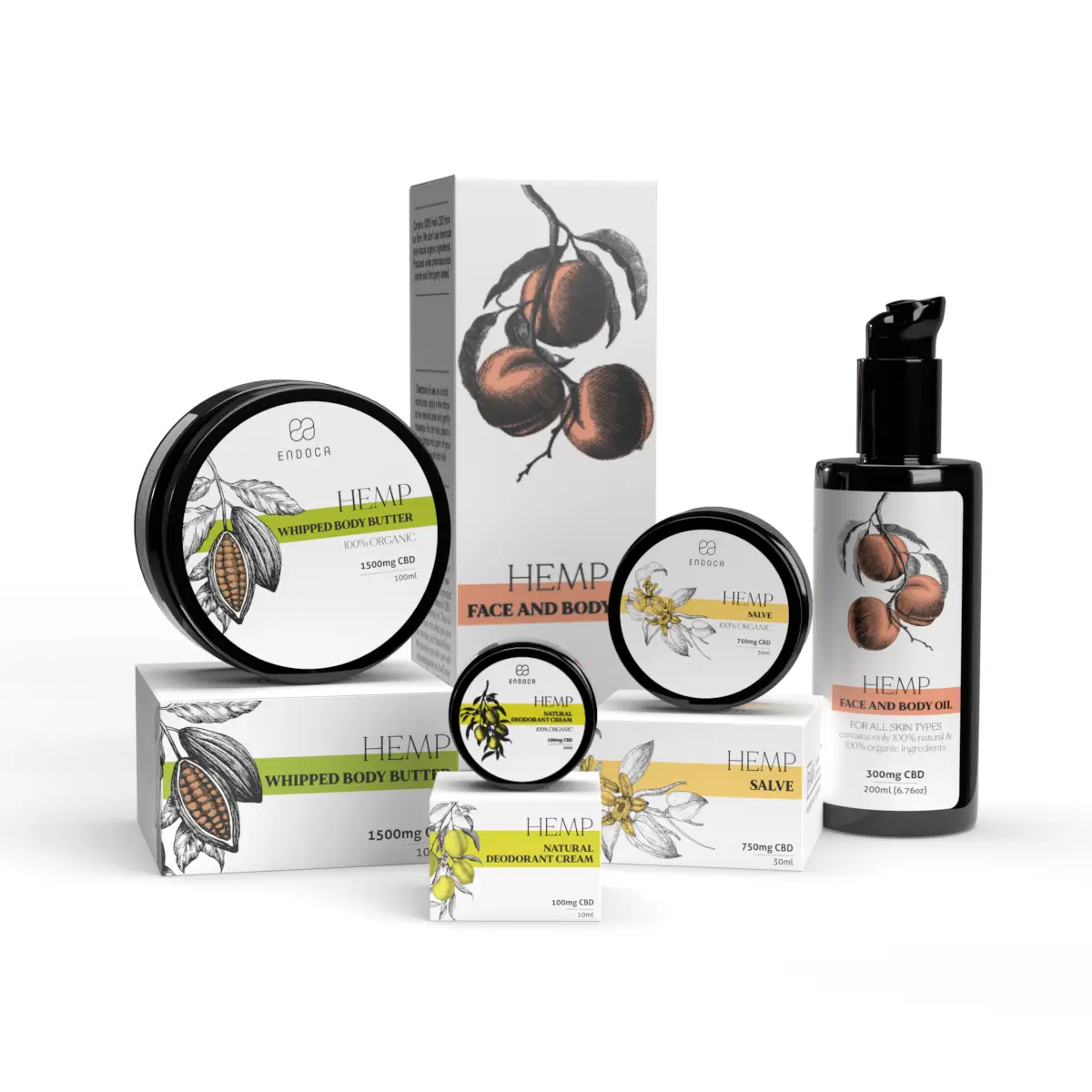
What Can CBD Topicals Be Used For?
Pick by texture and by how much skin you are covering. The base does most of the work in a topical, and a serum and a body butter are built to do quite different jobs even though both carry the same extract.
Everything below describes format and coverage. None of it describes an effect on the body, because a cosmetic that is marketed as affecting the structure or function of the body stops being a cosmetic and becomes a drug.
- Somewhere Specific: The Salve is the densest thing we make and stays where you put it, which is why people keep it for hands, elbows and feet rather than spreading it thin.
- After Exercise: Mint Muscle Salve is the same idea with mint in it, made for larger muscle groups and the part of the day when you have stopped moving, and it also sits in our recovery and muscle support collection.
- Large Areas: Whipped Body Butter in 30ml and 100ml, and the Face and Body Oil in a bottle large enough for massage, both cover ground a salve would not.
- Face: Hemp Face Serum is the lightest formula in the range, with apricot kernel and safflower oils and vitamin E, and it absorbs rather than sitting on the surface.
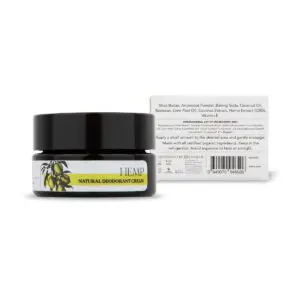
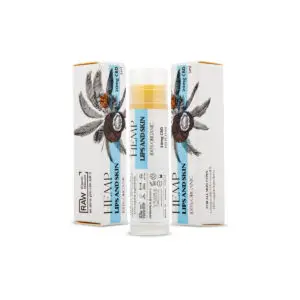
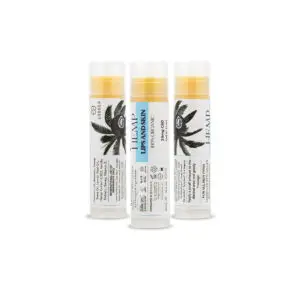
- Everything Else: Lip balm, a natural deodorant with 10mg CBD per ml, and a hemp soap round out the range for the parts of a routine that are not skincare exactly.
If you want cannabidiol as part of a routine taken internally as well as applied, the oils and capsules cover that side and the two are entirely compatible.
FAQ
Frequently Asked Questions
Salve, balm or butter, what actually separates them?
Wax content and air. A balm is firmest, a salve is wax and oil and holds its place, a butter has been whipped so it spreads further and lighter. All three are oil-based here. The choice follows how much skin you are covering.
Is CBD cream the same as CBD salve?
In everyday use people say both for the same thing. Technically a cream is an emulsion of water and oil and a salve is oil and wax with no water in it. Everything in this collection is the second kind, which is why the textures are richer than a lotion.
How much should I apply?
Less than you would think, and then give it a moment. There is no silicone in these formulas to create an instant finish, so a small amount worked in properly goes further than a large amount sitting on top.
Can I use the body products on my face?
The serum is formulated for the face and the Face and Body Oil is designed for both. The salves and the butter are body products. Nothing here would harm facial skin, it is a question of what each texture is built for.
Are these products vegan?
Not all of them. The salves and the lip balm use beeswax. The Face and Body Oil and the serum are plant oils only. Ingredient lists are on each product page and they are short enough to read in full.
Does CBD absorb through skin?
Skin is a barrier by design, and topically applied cannabinoids act locally in the area they are applied rather than entering general circulation in the way a swallowed product does. That local action is the entire reason the format exists as something separate from an oil.
Why an oil base rather than a cream?
Because cannabidiol is fat-soluble and disperses naturally through oils and butters. An emulsion needs an emulsifier system to hold two phases together, which adds ingredients whose only job is to stop the product separating. Leaving water out avoids all of that.
What is vitamin E doing in the serum?
Two jobs. It is an antioxidant on skin, and it slows the plant oils in the formula from oxidizing in the bottle. Oil-based skincare contains it so often because it protects both the user and the shelf life.
Are topicals tested to the same standard as the oils?
Yes, every batch, for cannabinoid content and purity. Cosmetics regulation does not require batch testing at this level. We run it because the extract is the same one that goes into the ingestible range.
Do topicals contain THC?
The full spectrum products state less than 0.2%, the same as the rest of the range. Applied to skin rather than swallowed, the question of intoxication does not arise in the way people sometimes expect it to.
Could a topical affect a drug test?
Topical application is the lowest-risk route in the range on that measure, though no product can be guaranteed against every testing threshold. If you are tested at work, the isolate and broad spectrum products are the safer choice and our drug test article explains why.
What is the difference between hemp seed oil and CBD in a topical?
Hemp seed oil is pressed from the seed and carries essentially no cannabinoids. It is a carrier, and a good one. CBD comes from flower and leaf. A product listing only hemp seed oil is not a CBD product, and that distinction is used loosely across this industry.
How are cosmetics regulated in the US?
Under the FD and C Act, with no pre-market approval required, and now under MoCRA, which added facility registration, product listing, safety substantiation and adverse event reporting. The binding constraint on a page like this one is what may be claimed rather than what may be sold.
Which size should I order?
The salve and the serum both come in 10ml and 30ml, the body butter in 30ml and 100ml. The smaller size of each is the sensible way to find out whether a texture suits you before committing to the larger jar.
Will these melt in transit?
Oil and wax formulas soften in heat and firm up again as they cool, which changes texture slightly without affecting the product. In summer it is worth letting a parcel stand somewhere cool before opening it.
How long do they last once opened?
The period-after-opening symbol on each product is the guide. There are no parabens in these formulas, so they rely on the natural stability of oils and waxes rather than a synthetic preservative system. Lids closed, away from a sunny shelf.
Can I subscribe to topicals?
Yes, and the subscriber saving applies as it does everywhere else. Intervals here tend to run longer than they do for oils, because a jar of body butter outlasts a bottle of drops by a wide margin.