




No products in the cart.

Hemp oil vs CBD oil comes down to one thing: which part of the plant it came from. Hemp seed oil is pressed from the seeds and contains essentially no CBD. CBD oil is extracted from the flowers, leaves and stalks, where the cannabinoids actually are. The confusion exists because both are sold as “hemp oil.”
If you have ever stared at two bottles with almost identical labels and very different prices, this guide is for you. It explains what each product is, why the naming is such a mess, and exactly how to tell which one is in the bottle before you pay for it.
What is hemp seed oil?
Hemp seed oil is a food oil. Hemp seeds are cold pressed, crushed and filtered to create a light golden oil with a mild, nutty flavor. Nothing about the process is designed to capture cannabinoids, and the seeds barely contain any to begin with.
It is used the way you would use any other culinary oil, and it is valued for its nutritional profile rather than for anything cannabis related:
- A high content of omega-3 and omega-6 essential fatty acids, in a ratio often cited as around 3:1
- Gamma-linolenic acid, which is relatively uncommon in food oils
- Vitamin E and various minerals
- No CBD, no THC, and no psychoactive effect of any kind
You will find it in salad dressings, smoothies, supplement capsules and a great many skincare products, where it is popular because it absorbs quickly and does not clog pores. It is a perfectly good product. It is simply not CBD, and it should not be priced as though it were.
What is CBD oil?
CBD stands for cannabidiol, a plant compound found in the cannabis plant. Cannabis is rich in more than 80 plant compounds called cannabinoids, which are of interest because of the way they interact with the body’s endocannabinoid system.
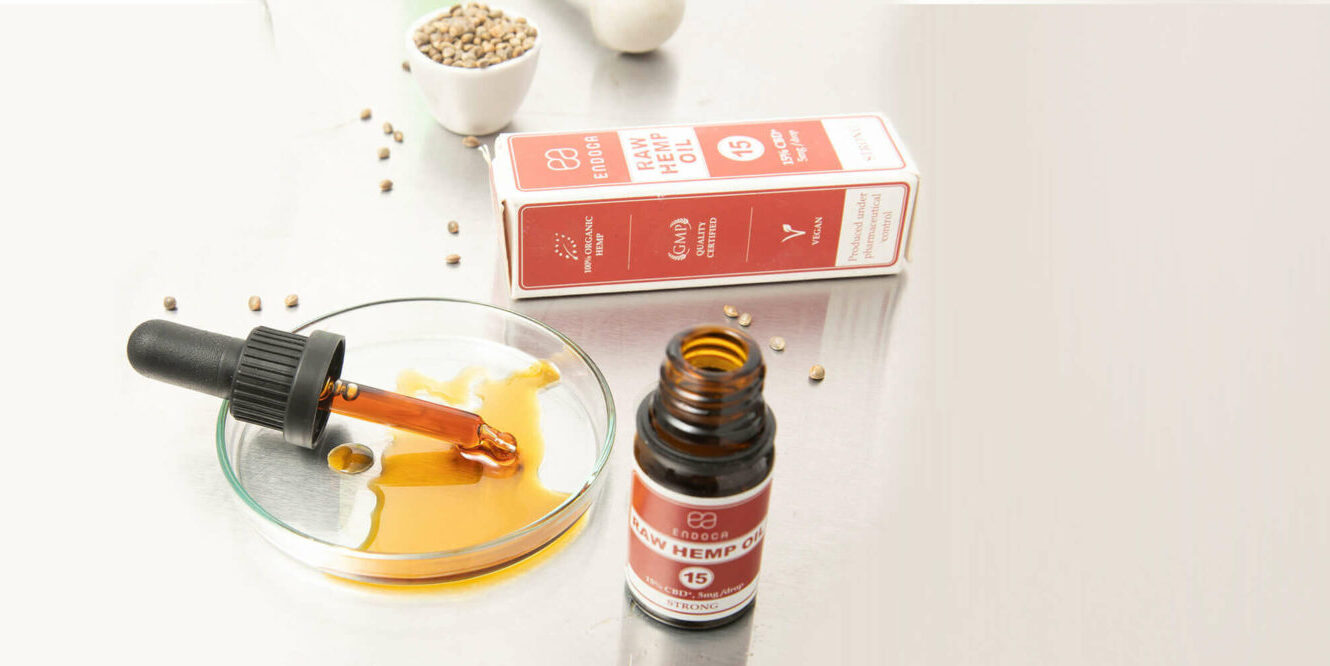
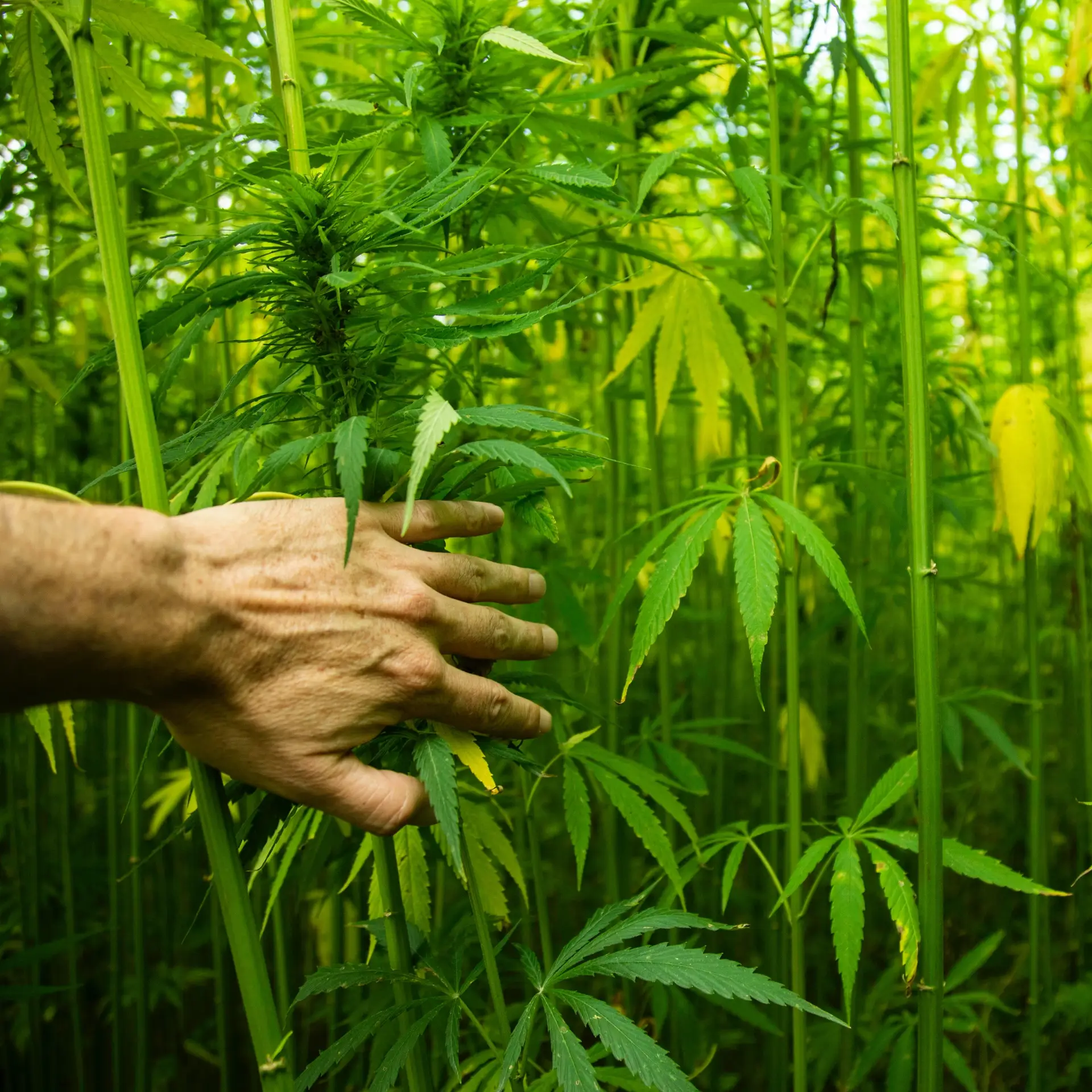
CBD oils are made by extracting cannabidiol from raw plant material. The hemp variety of cannabis is normally used because it is naturally high in cannabidiol and low in THC, at or below 0.3% in the United States. The extract comes from the plant’s flowers, leaves and stalks, not the seeds.
Extraction can be done in several ways. Solvent washing uses alcohol to strip the cannabinoids from the plant material, while supercritical CO2 extraction uses pressurized carbon dioxide and no chemical solvents, which is why it is generally considered the cleaner method. Our extraction process goes through this step by step.
What ends up in the bottle is usually one of two things:
- A full or broad spectrum extract, containing CBD alongside other cannabinoids, plant waxes, flavonoids and terpenes.
- An isolate, a crystalline powder in which CBD has been separated from all other cannabinoids and plant material, then blended into a carrier oil.
One point worth knowing as a consumer: cannabidiol can also be extracted from high-THC cannabis, commonly called marijuana. THC is a controlled substance in most parts of the world, so it matters where your product came from. Reputable brands state this clearly.
Hemp oil vs CBD oil: the key differences
| Hemp seed oil | CBD oil | |
|---|---|---|
| Part of the plant used | Seeds only | Flowers, leaves and stalks |
| Extraction method | Cold pressing | CO2 or solvent extraction, then blended into a carrier oil |
| CBD content | Essentially none, usually trace at most | Stated in milligrams on the label, commonly 300 mg to 4,000 mg per bottle |
| Typical price | Low, comparable to other food oils | Substantially higher, priced by CBD content |
| What it is used for | Cooking, nutrition, skincare | Wellness supplement, taken under the tongue or in capsules |
| Where you will find it sold | Supermarkets, health food aisles, general online marketplaces | Specialist CBD retailers and brand websites |
| Ingredients list name | Cannabis sativa seed oil | Hemp extract, cannabidiol, CBD, or full spectrum hemp extract |
| Lab report | Not usually provided | Should have a batch certificate of analysis |
Why the labels get confused
The confusion is not accidental, and it is worth understanding where it comes from.
Part of it is genuinely linguistic. Both products come from the same plant, so “hemp oil” is a technically defensible description of either one. The term has been used loosely for years to mean hemp seed oil in a food context and CBD extract in a wellness context, and neither camp is going to give the phrase up. “Hemp extract” adds another layer, because it usually does mean a cannabinoid extract, but it is not a regulated term.
The other part is commercial. Several large online marketplaces restrict or prohibit the sale of CBD products. Sellers who want to trade there work around it by describing a product as “hemp oil” and printing a large number on the front of the bottle, often a total quantity of oil in milligrams rather than a CBD content. A shopper sees “hemp oil 5,000 mg,” assumes it means CBD, and buys a bottle of seed oil at a wellness price. Read the ingredients on those listings and you will frequently find nothing but Cannabis sativa seed oil.
The result is a product category where two very different things share a name, and where the ambiguity is profitable for some sellers. That is why reading the label properly is not optional.
How to tell which one you’re actually buying
You can settle this in under a minute with four checks. Work through them in order, and stop as soon as one of them fails.
1. Read the ingredients list, not the front of the bottle
This is the single most reliable test. If the ingredients say Cannabis sativa seed oil and nothing else, you are looking at hemp seed oil with no CBD in it. If they say hemp extract, full spectrum hemp extract or cannabidiol, there are cannabinoids in the bottle. Marketing text on the front is not an ingredients list.
2. Look for a CBD content stated in milligrams
A real CBD product tells you how much CBD is in it, either per bottle or per serving, in milligrams. Be careful with large numbers that are not attached to the word CBD. “1,500 mg hemp oil” usually refers to the total weight of oil in the bottle and tells you nothing at all about cannabinoid content. What you want to see is a phrase like “1,500 mg CBD per 10 ml bottle.”
3. Check for a certificate of analysis
Any credible CBD brand publishes a batch-specific certificate of analysis from an independent laboratory, showing the cannabinoid profile and screening for pesticides, heavy metals, mycotoxins and residual solvents. It should be easy to find, tied to the batch number on your bottle, and recent. Hemp seed oil products almost never have one, because there is nothing to test for. If a product is sold as CBD and cannot show you a report, treat that as your answer. Ours are published on our lab testing page.
4. Be wary of a price that is too low
Extraction, testing and cannabinoid content all cost money. Hemp seed oil is a commodity food oil and costs a fraction of what CBD extract costs. If a bottle claiming thousands of milligrams is priced like a supermarket cooking oil, the arithmetic does not work, and the most likely explanation is that you are buying seed oil. As the original advice on this page put it, if you find hemp oil that is particularly cheap, always check the ingredients to make sure it has not been mislabeled.
Which one should you choose?
They serve different purposes, so the question is really what you are trying to do.
Choose hemp seed oil if you want a nutritious food oil with a good omega-3 and omega-6 profile, or a light plant oil for skincare. It is inexpensive, widely available, and does exactly what it says.
Choose CBD oil if you are specifically interested in cannabinoids and the endocannabinoid system. Expect to pay more, expect a stated milligram content, and expect a lab report. If you live somewhere cannabis is not legal, choose a hemp-derived product and check that the brand says clearly where the extract came from, because a high-THC extract can create legal problems for you.
You do not have to pick only one. Plenty of people cook with hemp seed oil and separately take CBD oil as a supplement. Just do not pay CBD prices for a food oil.
Frequently asked questions about hemp oil and CBD oil
Is hemp oil the same as CBD oil?
Not usually. “Hemp oil” most often means hemp seed oil, which is pressed from the seeds and contains essentially no CBD. Some brands do use “hemp oil” to describe a cannabinoid extract, which is why the term is unreliable. Check the ingredients list rather than the product name.
Does hemp seed oil contain CBD?
No, or only trace amounts from incidental contact with plant material during processing. Cannabinoids are produced in the resin glands on the flowers and leaves, not in the seeds. A product made only from seeds cannot deliver a meaningful amount of CBD however large the number on the front of the bottle is.
Why is CBD oil so much more expensive than hemp oil?
Because of what goes into it. CBD oil requires cannabinoid-rich plant material, an extraction process such as supercritical CO2, purification, and independent laboratory testing of every batch. Hemp seed oil is cold pressed from a cheap agricultural commodity. The price gap reflects a genuine difference in production.
Will either one get you high?
No. Hemp seed oil contains no THC to speak of. Hemp-derived CBD oil contains at most trace THC, at or below 0.3% in the United States, which is not enough to produce a high. Extracts taken from high-THC cannabis are a different matter, which is why it is worth knowing where a product was sourced.
Can you cook with CBD oil?
You can add it to food, but heating it is not ideal. Cannabinoids degrade with prolonged heat, so high-temperature cooking wastes what you paid for. Stirring it into something already prepared, or taking it under the tongue, makes better use of the product. Hemp seed oil is the better choice for actual cooking, though it is best used unheated too.
If you have decided you want cannabinoids rather than a food oil, the next step is to read a lab report before you buy anything. Compare the batch certificates on our CBD oil range and you will see exactly what “hemp extract” is supposed to look like on paper.


Comments are closed