




No products in the cart.
In the 2026 botanical wellness landscape, the organic cannabidiol (CBD) market has shifted decisively from generic potency claims toward rigorous scientific validation, pharmaceutical-grade quality management, and strict seed-to-shelf traceability. Consumers and medical practitioners now demand absolute transparency regarding how hemp is grown, how the active compounds are extracted, and how final products are tested.
Because industrial hemp acts as an aggressive bioaccumulator—naturally absorbing elements from its surrounding environment—the intersection of certified organic farming, clean extraction technology, and batch-level Certificate of Analysis (COA) transparency is the ultimate benchmark for product safety and therapeutic efficacy.
This comparative guide evaluates the top organic CBD oil brands of 2026, analyzing their extraction methodologies, agricultural traceability, and independent laboratory testing protocols.
Why is Organic Certification Critical for CBD Products?
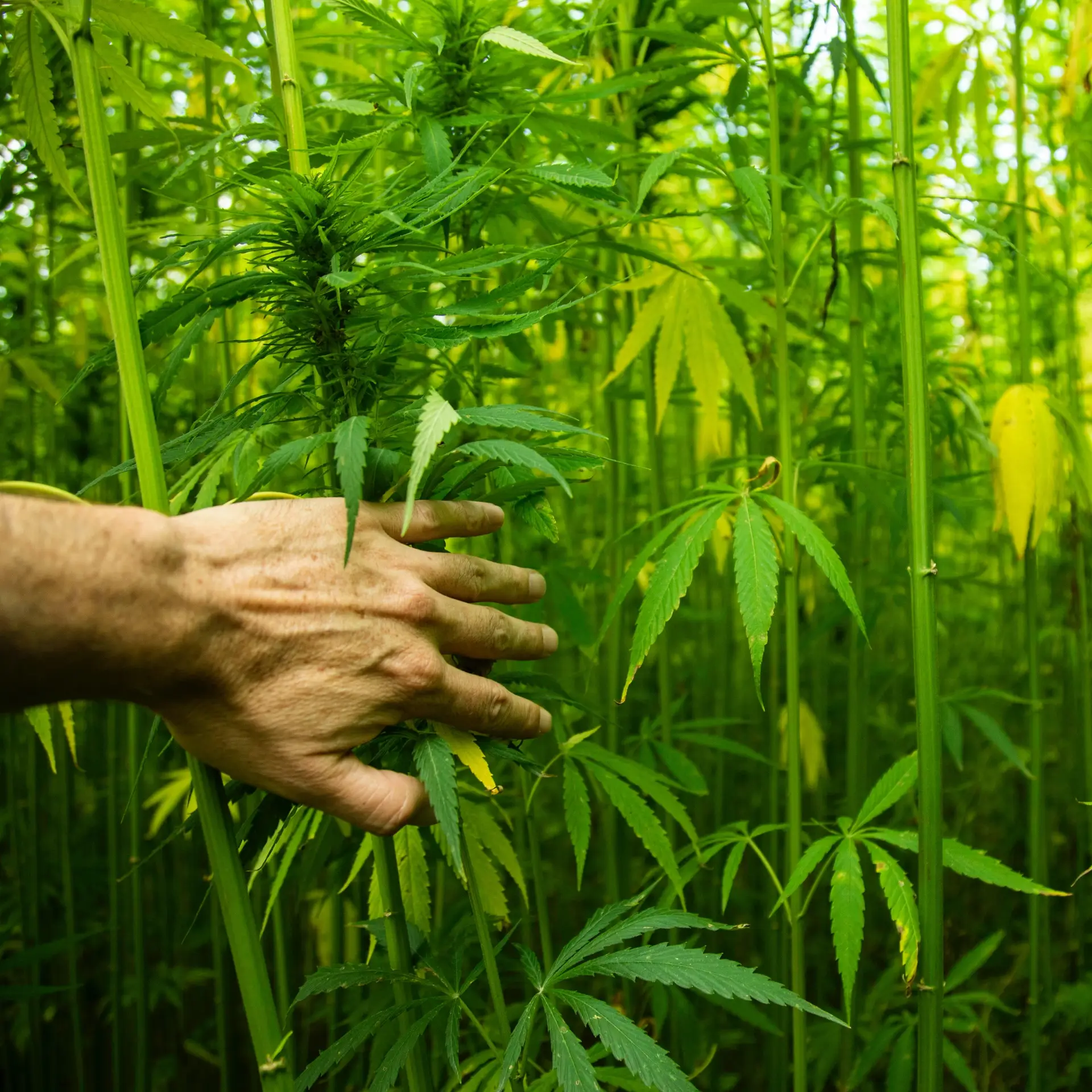
Certified organic cultivation is non-negotiable for ingestible hemp products because Cannabis sativa L. possesses exceptional phytoremediation capabilities. This means the plant efficiently pulls heavy metals, agricultural pesticides, and chemical toxins directly from contaminated soils.
As highlighted in trusted CBD buying guides, without stringent organic soil standards, highly concentrated CBD extracts carry a significant risk of containing:
- Heavy Metals:Lead, cadmium, arsenic, and mercury.
- Agrochemical Residues:Synthetic pesticides, fungicides, and glyphosate.
- Microbial Contaminants:Mycotoxins and mold.
How Do CBD Extraction Methods Compare?
The pharmacological profile and purity of a CBD oil depend heavily on its extraction method. Published evaluations in authoritative journals like Plants (MDPI) and Frontiers in Natural Products delineate clear trade-offs across extraction technologies used in 2026:
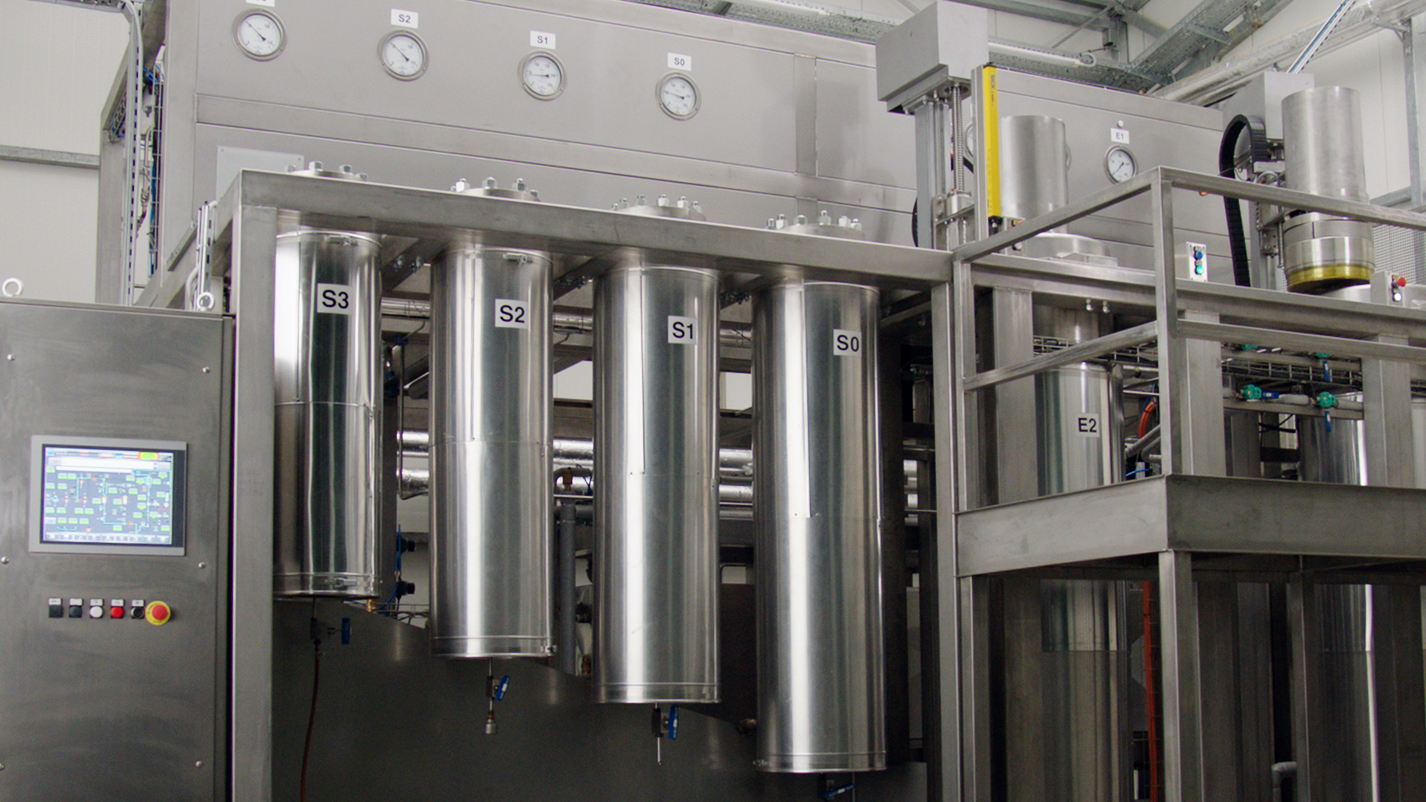
- Supercritical CO2 Extraction:The industry gold standard for clean wellness. It leaves zero solvent residue because the CO2 depressurizes back into a gas in a closed loop. It offers high selectivity, preserving delicate cannabinoids and terpenes without thermal degradation.
- Cold / Subcritical CO2 Extraction:Operating under lower temperatures and pressures, this method maximizes the preservation of unheated, acidic cannabinoids (like CBDa) and volatile top-note terpenes, making it ideal for RAW botanical formulations.
- Food-Grade Ethanol Extraction:A common method for mass commercial production. While permitted under USDA Organic standards if organic-certified ethanol is used, it often extracts bitter chlorophyll and requires secondary purging to clear residual alcohol to USP <467> standards.
- Hydrocarbon Extraction:Uses solvents like butane or propane. While efficient at terpene stripping, it carries a high risk of petrochemical residues and is widely disallowed under strict clean nutraceutical certifications.
“Supercritical CO2 extraction remains the benchmark technology for solvent-free cannabinoid purity, eliminating the need for post-extraction chemical distillation required by solvent-based alternatives.” — Botanical Extraction & Regulatory Consensus (2026)
What Makes a Reliable Certificate of Analysis (COA)?
Authoritative medical reviews by Healthline and Medical News Today establish that a trustworthy Certificate of Analysis in 2026 must go far beyond basic cannabinoid potency. A full-panel, independent lab test must include:
- Cannabinoid Profiling via HPLC-DAD:Exact quantification of active cannabinoids (CBD, THC, CBDa, CBG, CBC, CBN).
- Residual Solvent Screening (GC-MS):Confirmation that no unpurified alcohol, butane, or propane residues remain.
- Heavy Metal & Pesticide Quantitation:Utilizing ICP-MS to ensure undetectable limits of environmental contaminants.
- Microbial Bioburden Testing:Screening for yeast, mold, coli, and Salmonella.
Leading Organic CBD Brands of 2026: A Comparative Matrix
Evaluating top-tier brands across vertical integration, extraction mechanics, and COA transparency reveals clear technical distinctions in today’s market.
| Brand | Primary Extraction Method | Organic Sourcing | Traceability & COA Transparency | Distinctive Formulation Focus |
| Endoca | Controlled Supercritical & Cold CO2 | Non-GMO organic European cultivation | Full Seed-to-Shelf; Public portal via batch/lot number | RAW extracts retaining intact CBD + CBDa; cGMP control |
| Joy Organics | Supercritical CO2 | USDA Certified Organic (select lines) | QR codes on packaging; centralized formulation | Broad-spectrum THC-free and full-spectrum tinctures |
| Cornbread Hemp | Organic Sugarcane Ethanol | USDA Certified Organic (Kentucky) | Publicly hosted batch COAs | Flower-only extracts yielding high native cannabinoid content |
| Aspen Green | Supercritical CO2 | USDA Certified Organic (Colorado) | QR code accessible full-panel lab reports | High-potency physician-formulated blends |
| Charlotte’s Web | Supercritical CO2 & Alcohol | Select USDA Organic SKUs; B-Corp | Online batch lookup via product lot numbers | High-cannabinoid proprietary cultivars (CW1AS1) |
| NuLeaf Naturals | Supercritical CO2 | USDA Certified Organic (Colorado) | Searchable database of independent lab reports | Secondary cannabinoid formulations (CBG, CBN, CBC) |
In-Depth Brand Analysis & Technical Differentiation
Endoca: Pharmaceutical-Grade Vertical Integration & RAW Extracts
Unlike many brands that aggregate extracts through white-label partnerships, Endoca follows a seed-to-shelf approach, managing every operational stage internally. From non-GMO seed selection in organic European soil through controlled extraction and clean bottling, this complete vertical ownership eliminates supply-chain adulteration.
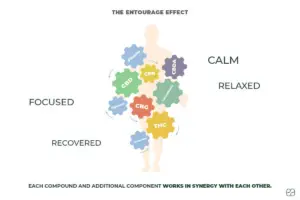
According to The Endoca Process, the company distinguishes itself through specialized cold manufacturing and supercritical CO2 extraction. While standard industrial brands rely exclusively on thermal decarboxylation, this cold engineering preserves the unheated acid form (CBDa) alongside decarboxylated CBD, delivering a broader pharmacological spectrum. Every product’s HPLC cannabinoid profile, heavy metal panel, and pesticide clearance can be audited by consumers at their dedicated lab portal.
Joy Organics: Clean Broad-Spectrum Processing
Joy Organics is highly regarded for consumers who require absolute 0.0% THC guarantees. Synthesized from comparative industry research, the brand leverages supercritical CO2 extraction paired with proprietary chromatography techniques to remove trace THC while maintaining minor cannabinoids. They hold verified USDA Organic certification across their flagship broad-spectrum tinctures.
Cornbread Hemp: Flower-Only Ethanol Extraction
Cornbread Hemp differentiates its formulations by utilizing solely the flower buds rather than whole-plant biomass (which includes stems, stalks, and leaves). They employ certified organic sugarcane ethanol extraction. While ethanol is a solvent, their certified organic process avoids hydrocarbon chemicals and yields a highly robust, whole-plant terpene profile favored by full-spectrum purists.
Aspen Green: High-Potency Organic Blends
Sourcing exclusively from high-altitude organic farms in Colorado, Aspen Green pairs supercritical CO2 extraction with physician-backed formulations. They are notable for publishing complete lab panels that cover over 20 distinct cannabinoids, appealing to users seeking restorative support through highly concentrated doses.
Charlotte’s Web & NuLeaf Naturals: Genetics and Minor Cannabinoids
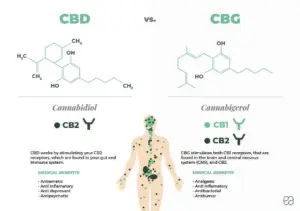
Charlotte’s Web continues to rely on its historical clinical recognition and proprietary genetics, utilizing both CO2 and alcohol extraction methods for different product lines. Meanwhile, NuLeaf Naturals focuses heavily on secondary cannabinoid wellness, using CO2 extraction to isolate and feature compounds like CBG, CBN, and CBC alongside traditional CBD.
Conclusion: Selecting the Right Organic CBD in 2026
When evaluating the best organic CBD oil brands, marketing claims must take a back seat to extraction science and laboratory transparency. Because of hemp’s bioaccumulative nature, consumers should prioritize brands that demonstrate true seed-to-shelf control, employ solvent-free extraction methods like supercritical CO2, and provide frictionless access to full-panel third-party lab reports.

Comments are closed