


No products in the cart.
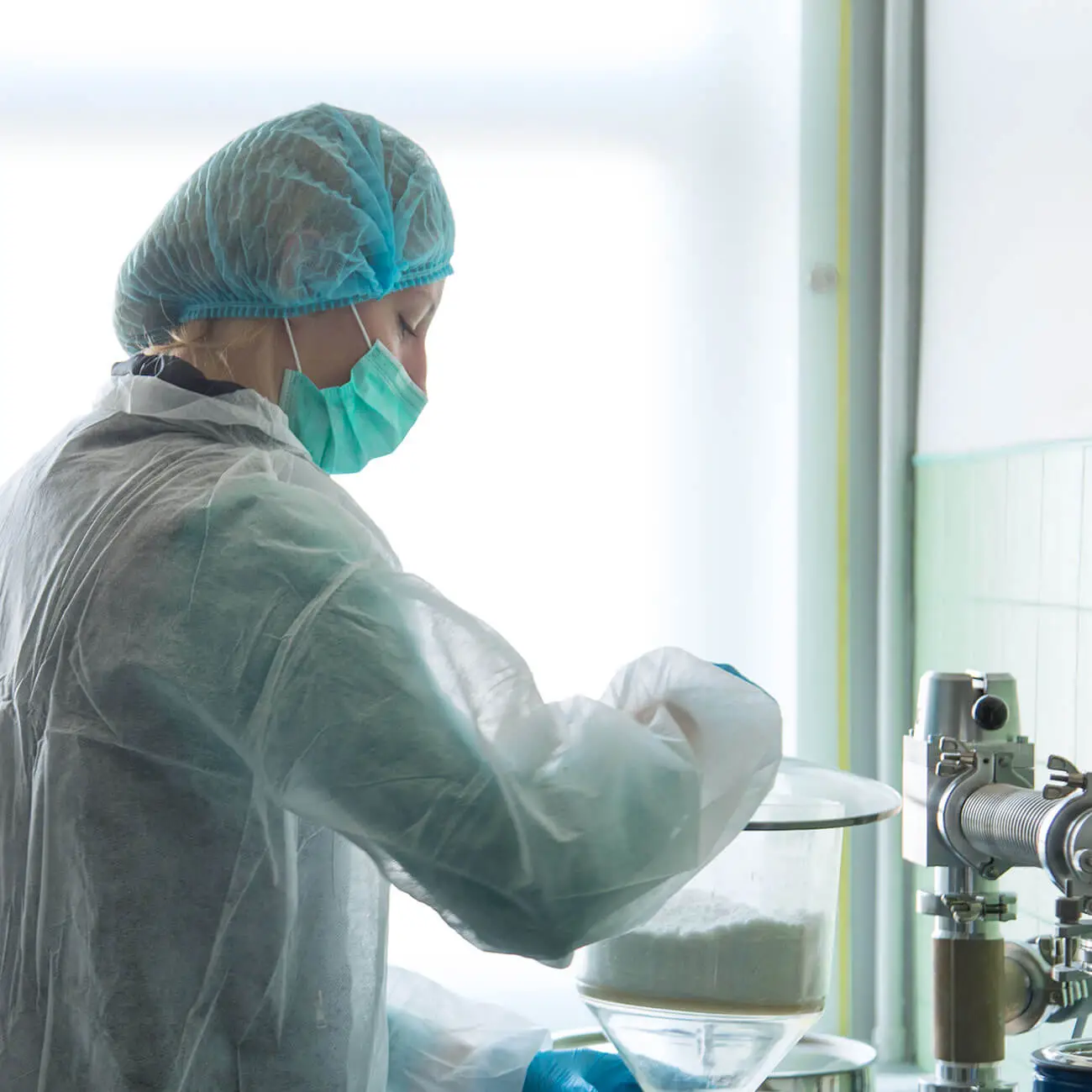
“Extract” does real work in that phrase, and it’s worth knowing what it means before you buy. A lot of the mushroom supplement market sells mycelium grown on grain and milled up with the grain still in it, which means part of what you’re swallowing is starch. Endoca’s seven single-species capsules are extracts instead, made by hot water extraction to open cell walls human digestion can’t. Here’s how each one is actually produced.
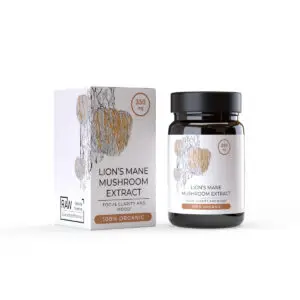
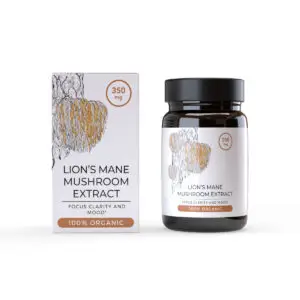
1. Lion’s Mane Mushroom Extract (Hericium erinaceus): 350mg per Capsule
Lion’s Mane Extract starts the same way every capsule on this list does: organic mushroom, hot water extraction to open the chitin cell walls that human digestion can’t break down on its own, then the resulting liquid is concentrated and dried into a powder. Endoca’s capsule delivers 350mg of that extract powder per serving, in a vegan cellulose capsule rather than gelatin. Lion’s mane is the species most people on this list already know by name, given how often it turns up in the wider functional mushroom conversation. One note worth flagging before you click through: this particular extract has been out of stock at the time of writing, while the gummy version of the same species remains available.
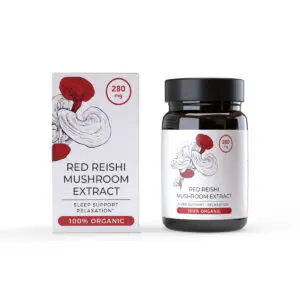
2. Red Reishi Mushroom Extract (Ganoderma lucidum): For Evening Routines
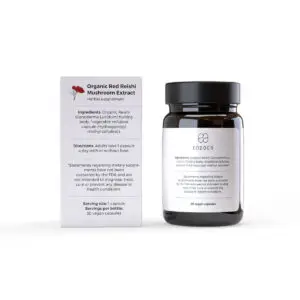
Reishi has one of the longest documented histories of any species on this list, used in East Asian traditional practice for centuries, generally prepared as a hot water decoction rather than eaten directly, since the fruiting body is famously tough and bitter. Endoca’s Red Reishi Extract follows the same extraction logic as the rest of the range: organic Ganoderma lucidum, hot water extracted to draw out the triterpenoids the species is known for, then encapsulated. It’s positioned as an evening-routine capsule, distinguishing it from the more daytime-oriented species elsewhere on this list, though as with every product here, no specific outcome is promised for taking it at that time.
3. Chaga Mushroom Extract (Inonotus obliquus): 370mg High-Concentration Extract
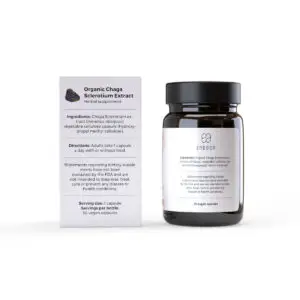
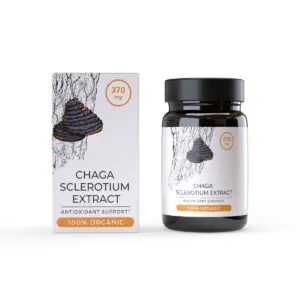
Chaga is unusual among functional mushrooms in that it isn’t really a fruiting body at all: it’s a dense, clinker-like mass called a sclerotium that grows on birch trees in cold northern climates, and it’s what gets extracted rather than a conventional cap-and-stem mushroom. Endoca’s capsules pack 370mg of chaga extract each, drawn from organic Inonotus obliquus through the same hot water process used across the range, which concentrates the beta-glucans and other polysaccharides that chaga is generally valued for. The species also naturally carries B-complex vitamins, vitamin D, potassium, amino acids, and fiber as part of its nutrient profile, which is part of why it’s framed as an everyday-use capsule rather than an occasional one.
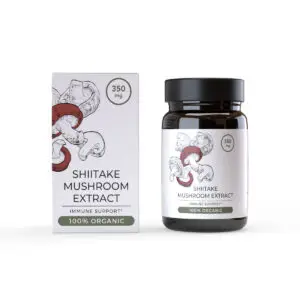
4. Shiitake Mushroom Extract (Lentinula edodes): 350mg per Capsule
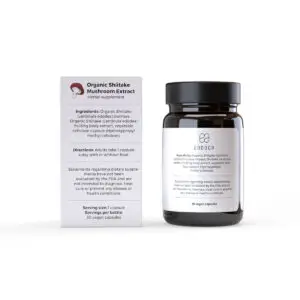
Shiitake is the species on this list you’ve most likely already eaten as food, since it’s a mainstay of East Asian cooking well beyond the supplement aisle. Endoca’s capsule states its numbers unusually precisely: 10,500mg of potent extract goes into each bottle, working out to 350mg per capsule, made from organic Lentinula edodes through the same hot water extraction as the rest of the range. Shiitake carries triterpenoids, nucleotides, and phenolic compounds, along with amino acids including lysine, threonine, and valine, which is a denser published compound profile than several of the less-studied species on this list.
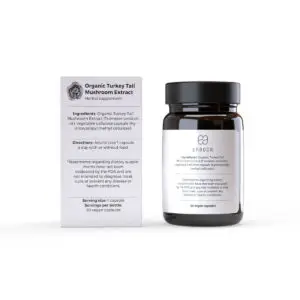
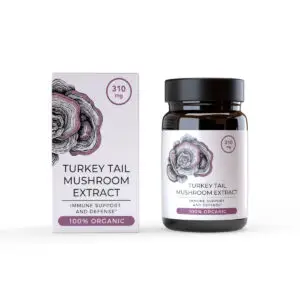
5. Turkey Tail Mushroom Extract (Trametes versicolor): Hot Water Extracted Capsules
Turkey tail gets its name honestly: it’s a thin, fan-shaped bracket fungus with concentric bands of color that genuinely resemble a turkey’s tail feathers, and it grows on dead wood almost everywhere in the world, which makes it one of the more recognisable fungi even to people who’ve never looked for a mushroom extract before. Endoca’s capsule is made from organic turkey tail through the same hot water extraction and drying process as the rest of the range. Because the fruiting body itself is too tough and woody to eat directly, extraction isn’t just a convenience for this species, it’s essentially the only practical way to consume it at all.
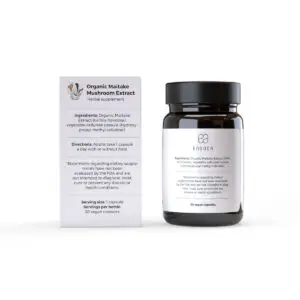
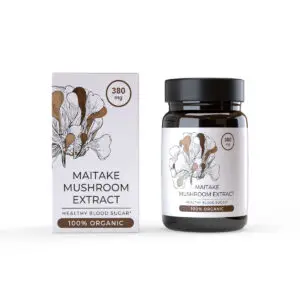
6. Maitake Mushroom Extract (Grifola frondosa): 380mg per Capsule
Maitake, sometimes called “hen of the woods” for its ruffled, overlapping shape, grows in large clusters at the base of oak and other hardwood trees and has a long culinary history in Japan alongside its supplement use. Endoca’s Maitake Extract delivers 380mg of organic Grifola frondosa extract per vegan capsule, made through the same hot water extraction used across the range to concentrate the compounds locked inside the mushroom’s chitin cell walls. It’s the highest single stated extract weight of the seven capsules on this list, though a higher weight on its own doesn’t tell you the standardization percentage, which is the more meaningful number to compare when it’s published.
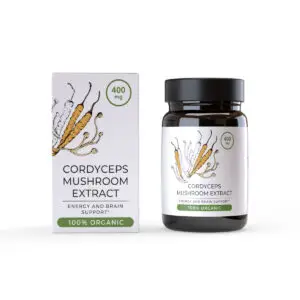
7. Cordyceps Mushroom Extract (Cordyceps militaris): Cultivated, Not Wild-Harvested
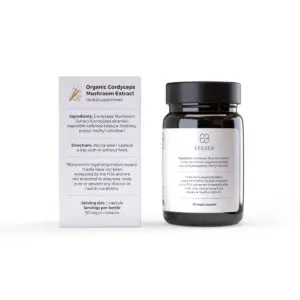
Wild cordyceps is famously rare and expensive, historically harvested at high altitude in the Himalayas, which is why virtually every cordyceps supplement on the market today, Endoca’s included, uses Cordyceps militaris grown under controlled cultivation instead of the wild Ophiocordyceps sinensis species. That distinction matters for consistency: a cultivated species can be extracted and standardized the same way batch after batch, using the same hot water extraction as the rest of Endoca’s range, in a way wild-harvested material never reliably can. The organic extract is encapsulated for a daily routine, and as with the rest of this list, the extraction method is what turns a tough, fibrous fungus into something your digestion can actually use.
How to Choose the Right Functional Mushroom Extract
The extraction method is the part of this category most brands don’t explain, and it’s the part that actually determines what ends up in the capsule. Hot water extraction, applied consistently across all seven species here, is what turns a tough, woody fungus into something your body can absorb, and a stated extract weight or standardization percentage is what lets you compare one product against another honestly. If you’re choosing between species rather than formats, start with which mushroom you’re actually curious about, since the production method is the same story told seven times.
Mushroom Extract FAQs
What’s the difference between a mushroom extract and mushroom powder?
Powder is often just the dried, ground fruiting body or mycelium, sometimes grown on grain that’s milled in along with it. An extract, like the seven capsules here, has gone through hot water extraction to concentrate the compounds locked inside the mushroom’s cell walls, which is what a standardization percentage is actually measuring.
Why is Cordyceps militaris used instead of wild cordyceps?
Wild cordyceps (Ophiocordyceps sinensis) is rare, expensive, and harvested at high altitude, which makes consistent supply and consistent extraction nearly impossible. Cordyceps militaris can be cultivated under controlled conditions, which is why it’s the species used in most cordyceps supplements on the market, Endoca’s included.
Are Endoca mushroom extract capsules vegan?
Yes. Endoca uses vegan cellulose capsules across this range rather than gelatin, consistent with the rest of its supplement line.
Can I open a capsule and add the powder to food or a drink?
Endoca doesn’t publish guidance either way for this specific product, so this article won’t recommend it. If you’d rather not swallow a capsule, a mushroom gummy is the format Endoca actually built for that kind of use.
Why do some of these extracts state a standardization percentage and others don’t?
It varies by product page. Where Endoca publishes a specific figure, like chaga’s beta-glucan content or lion’s mane’s polysaccharide standardization, this article states it. Where the page doesn’t give a number, this article doesn’t invent one.
What does “hot water extraction” actually remove from the mushroom?
It’s less about removing something and more about breaking down chitin, the tough material in mushroom cell walls that human digestion can’t process on its own, so the compounds inside become available rather than passing through unused.



Comments are closed