No products in the cart.

- Shop
- About Us

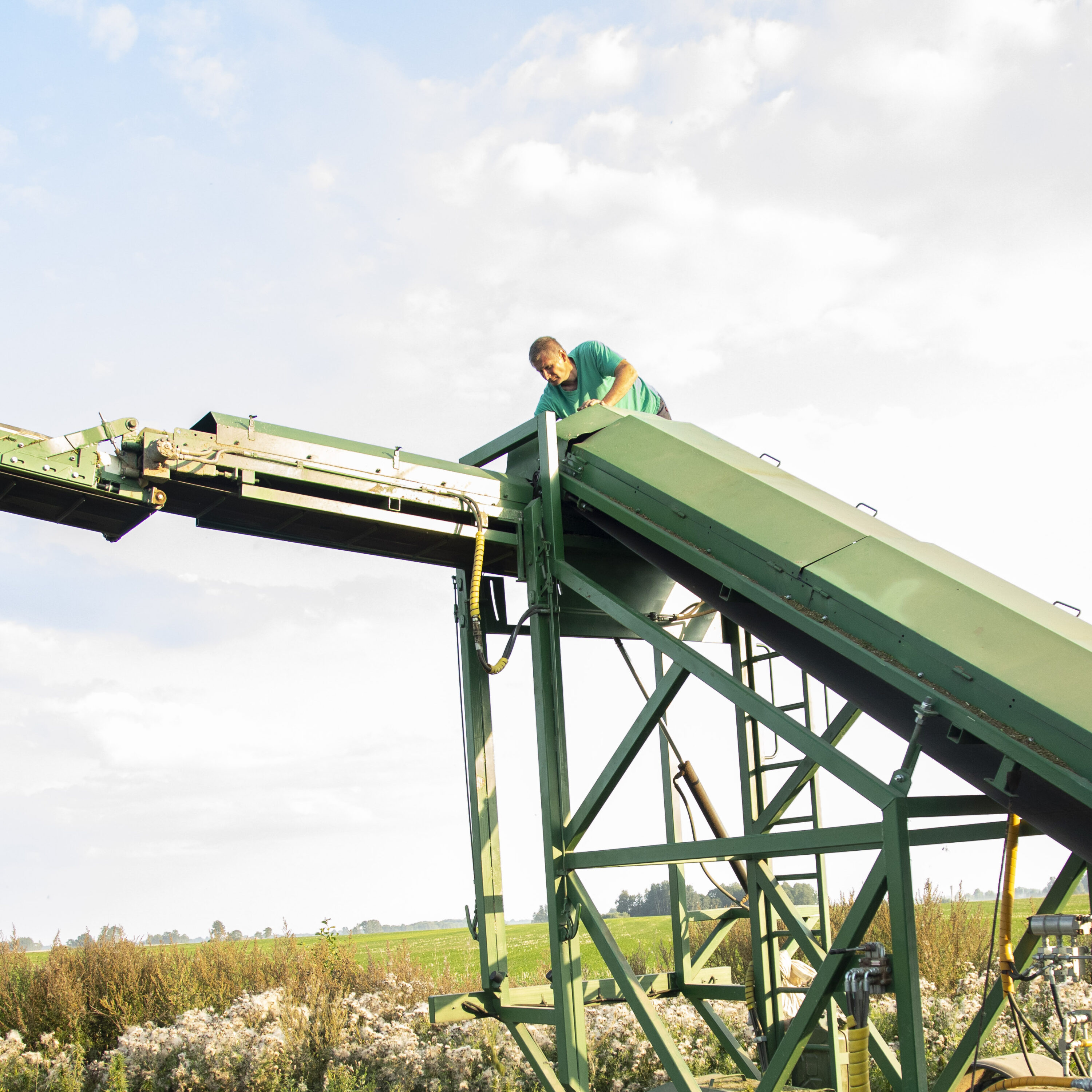
Our Story
From humble beginnings to a global mission – we grow, harvest, and craft hemp with care for people and planet.
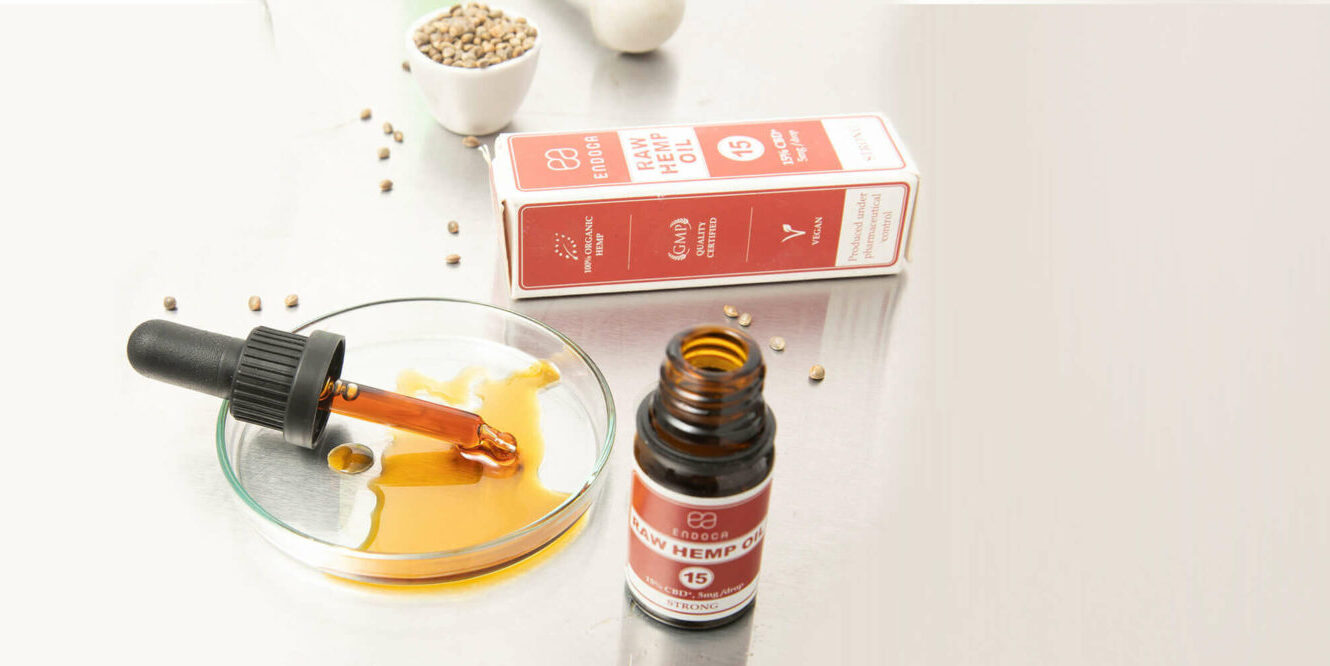
What Is CBD?
CBD is nature’s way to restore balance, calm, and overall well-being – naturally and without the high.
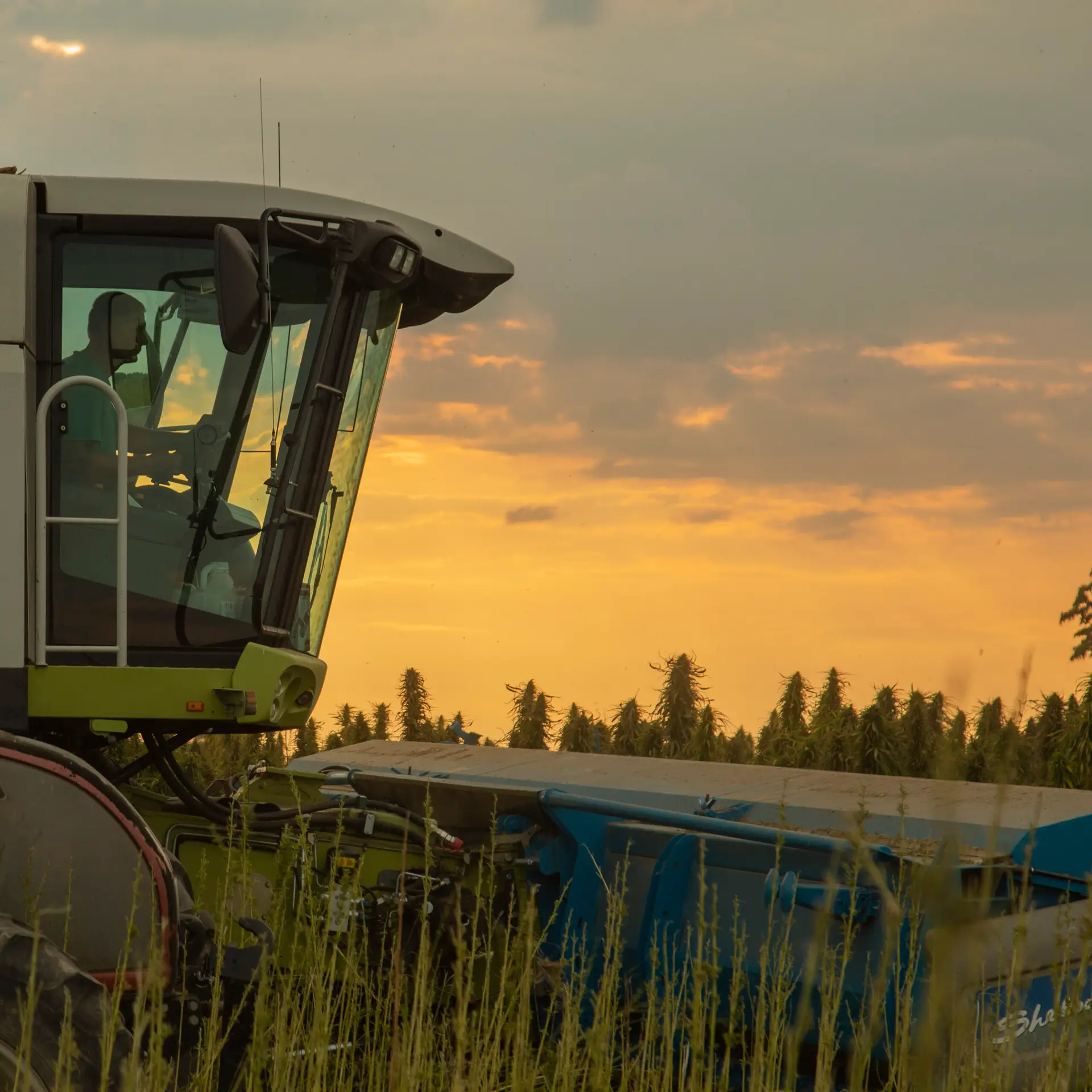
The Process
From seed to shelf, we grow organically, extract cleanly, and follow strict quality standards for purity.
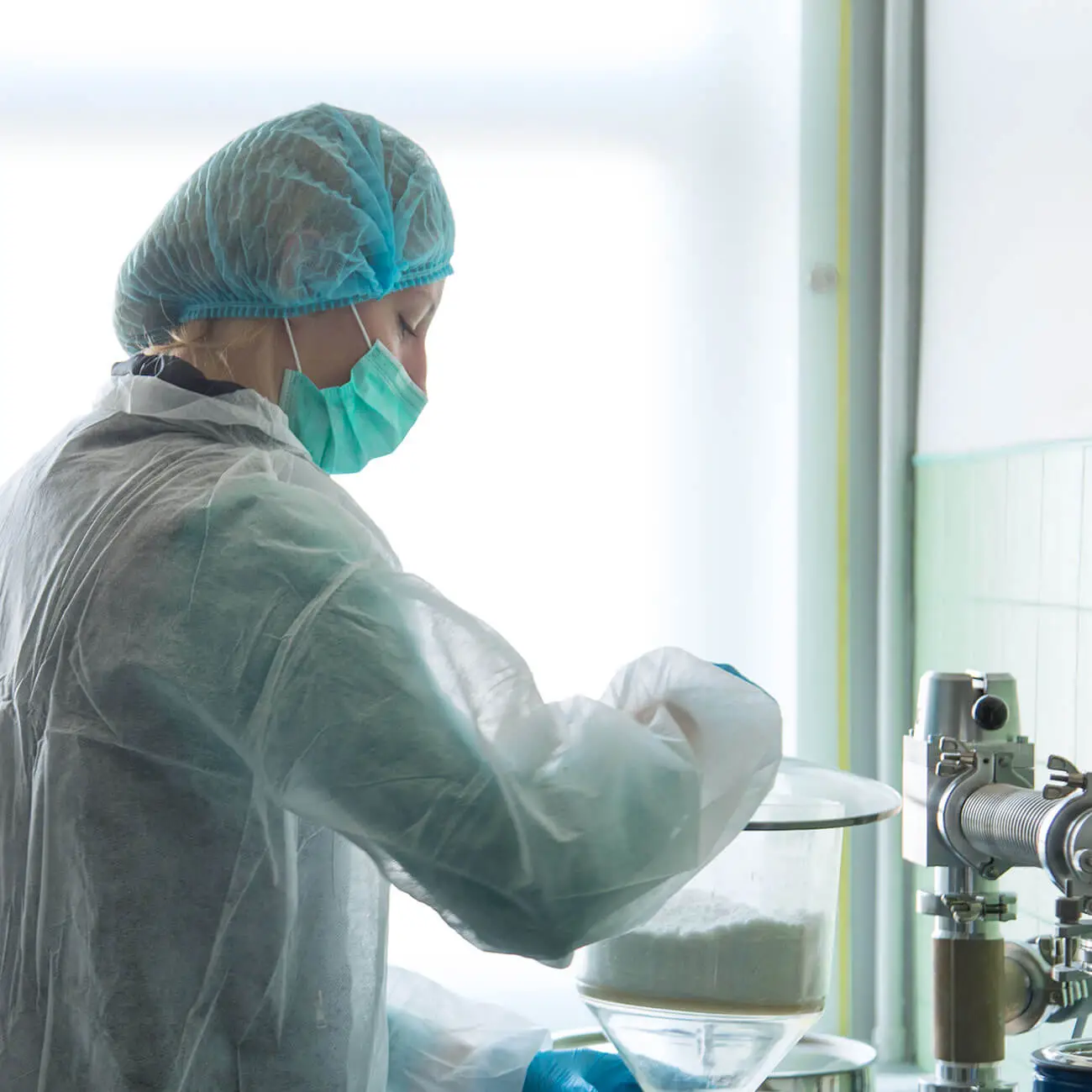
Lab Testing
Every batch is third-party tested to ensure purity, safety, and the exact amount of CBD every time.
Our Values
Sustainability, transparency, and wellness guide every decision – for you and for the planet.
At a glance
Why THCa is not intoxicating, and why that is conditional
THCa
At CB1 its functional activity is weak: an EC50 above 10 micromolar with a maximum effect of 35 percent, and negligible activity in some assay systems entirely.
In mice its brain to plasma ratio is 0.04 or less, meaning it barely gets into the central nervous system.
A 2017 study in the British Journal of Pharmacology found the cannabinoid acids bind and activate PPAR-gamma more potently than their decarboxylated forms, and that THCa was neuroprotective in Huntington's disease models through a PPAR-gamma dependent pathway.
It also has anti-inflammatory effects in colon epithelium that were blocked by a GPR55 antagonist rather than by CB1 or CB2 antagonists.
The metabolic work showing reduced adiposity and improved glucose tolerance is in diet-induced obese mice.
CBD
CBD has no equivalent property.
Heating CBD does not produce anything intoxicating.
CBD, by contrast, has been characterized across dozens of targets and has an actual clinical dataset, positive in epilepsy and largely negative in pain.
So in the bottle, THCa is not an intoxicant.
The problem is that the carboxylic acid group is not permanent. Heat drives it off. A lighter does it. An oven does it. A vaporiser does it. Even room temperature does it slowly over months. What remains is delta-9 THC.
This is why cannabis testing uses a total THC calculation, delta-9 THC plus 0.877 times THCa. The 0.877 accounts for the mass of the carbon dioxide that leaves. It exists precisely because THCa is a THC delivery system with a delay built in.
Setting the legal question aside, THCa is not simply inert.
There is one reported CB2 binding figure of 1.3 nanomolar that looks dramatic. It sits alongside other studies reporting THCa as inactive above 10 micromolar in a different assay. Do not take the striking number without the conflict.
There is no controlled human trial of isolated THCa. None.
Still weighing up the options? See CBDA vs THCA, CBD vs THC or Delta-8 vs CBD. Endoca products related to this comparison: Raw CBD + CBDa products.
What people get wrong
01THCa gives you the benefits of cannabis without the high.
Only if you never heat it, and most consumption routes involve heat.
02THCa is federally legal.
Under the current delta-9-only test, arguably. From November 2026, no. And because no THCa sample is entirely free of THC, possession has always carried some risk.
03THCa is just raw THC so it is the same thing.
Pharmacologically they are quite different. The conversion is what links them, not their activity.
Legal status and safety
Legal status in the United States
Until 12 November 2026, the federal definition of hemp in the 2018 Farm Bill turns on delta-9 THC only, measured by dry weight. A product high in THCa but low in delta-9 THC can satisfy that test on paper while converting to a meaningfully intoxicating amount of THC on heating. That gap is the origin of the THCa flower market.
From 12 November 2026, Section 781 of Public Law 119-37 closes it. The definition becomes total THC including THCA, at no more than 0.3 percent dry weight for intermediate products, with a finished-product cap of 0.4 mg total THC per container. A one-month delay to 11 December had passed the Senate but not the House as of 1 September 2026, and that delay as drafted does not postpone every element.
There is a further complication. FDA was required to publish lists of cannabinoids by 10 February 2026 and had not done so as of late August. Congressional researchers have said so publicly. The thresholds are therefore difficult to apply with confidence even as the date approaches.
The honest summary for anyone buying THCa products: this category is built on a legal distinction that is scheduled to disappear, and the date is close.
CBD is not the target of that change, but raw and cold-processed CBD extracts retain acid-form cannabinoids including THCA, so their total THC figure can be higher than their delta-9 figure suggests. That is a certificate of analysis question, not a marketing question.
Safety
CBD’s profile is characterized: liver enzyme elevations in around 9 percent of epilepsy trial patients, and significant cytochrome P450 inhibition.
THCa has essentially no human safety data. Its main safety consideration is that it becomes THC, with THC’s effects on cognition, coordination and driving.
How Endoca tests for this
Every Endoca certificate of analysis reports THC and THCA as separate figures. From November 2026 the number that matters federally is the combination, calculated as delta-9 THC plus 0.877 times THCA. We publish both so you can do that calculation yourself rather than take our word for it. Any brand that reports only delta-9 THC is, from that date, reporting the less relevant number.
Frequently asked questions
Not as it is. Heating it converts it to THC, which does.
Full-spectrum and raw extracts contain small amounts. Check the certificate of analysis.
It converts to THC in the body to some degree, and heated THCa certainly will. Treat it as a risk.
The mass ratio used to convert THCA into its THC equivalent, accounting for the carbon dioxide lost during decarboxylation.
No. THCa is the plant’s natural acid precursor. Delta-8 is an isomer usually manufactured from CBD.
Heat removes a carboxyl group and converts THCa into THC, a process called decarboxylation. This is why raw THCa is not intoxicating but becomes so when smoked, vaped or cooked.
Conversion is driven mainly by heat, not digestion. The limited research so far suggests only small amounts of swallowed THCa become THC, but a product’s total THC figure is still the safer number to check.
References
01
Nadal X et al. Tetrahydrocannabinolic acid is a potent PPAR-gamma agonist. Br J Pharmacol 2017;174:4263-4276.
02
Anderson LL et al. Pharmacokinetics of phytocannabinoid acids and anticonvulsant effect of cannabidiolic acid in a mouse model of Dravet syndrome. J Nat Prod 2019;82:3047-3055.
03
Zagzoog A et al. Sci Rep 2020;10:20405.
04
Garcia-Valverde MT et al. Front Chem 2022;10:1038729.
05
Congressional Research Service. Legal Sidebar LSB11381, 22 December 2025.
Last reviewed 1 September 2026.
These statements have not been evaluated by the Food and Drug Administration. This product is not intended to diagnose, treat, cure, or prevent any disease.