No products in the cart.

- Shop
- About Us
Our Story
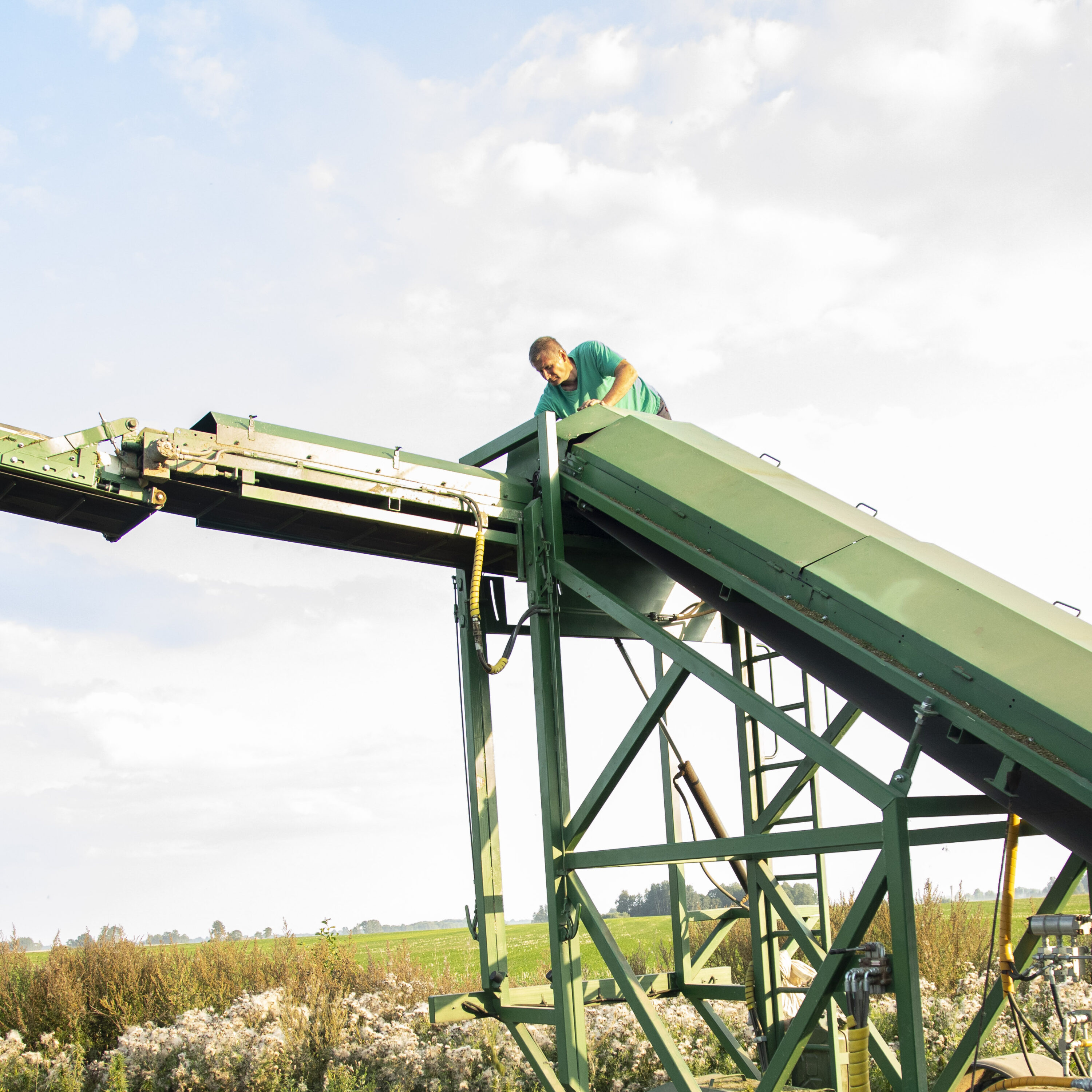
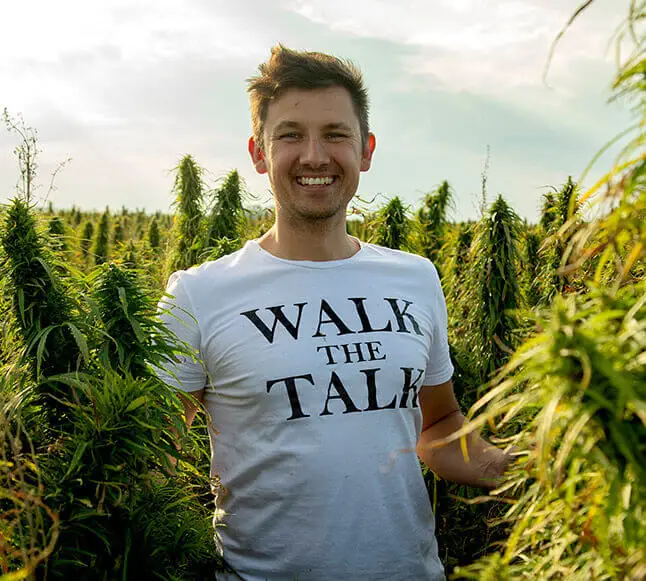
From humble beginnings to a global mission – we grow, harvest, and craft hemp with care for people and planet.
What Is CBD?
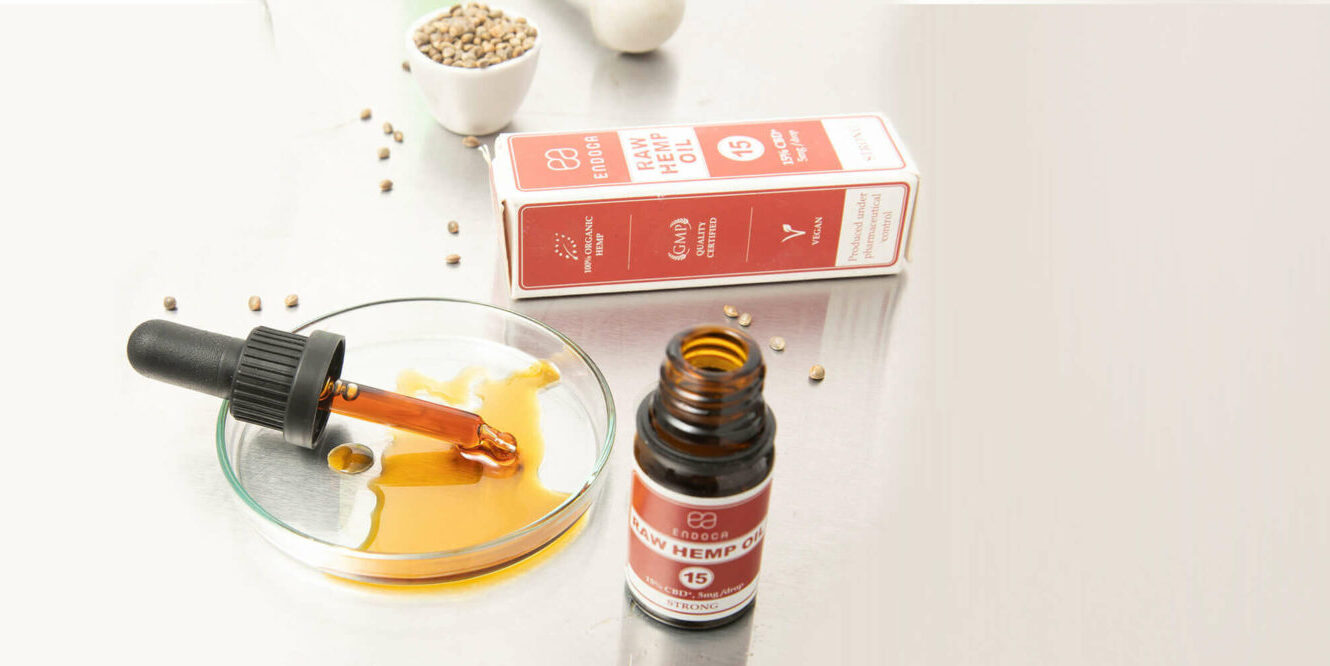
CBD is nature’s way to restore balance, calm, and overall well-being – naturally and without the high.
The Process
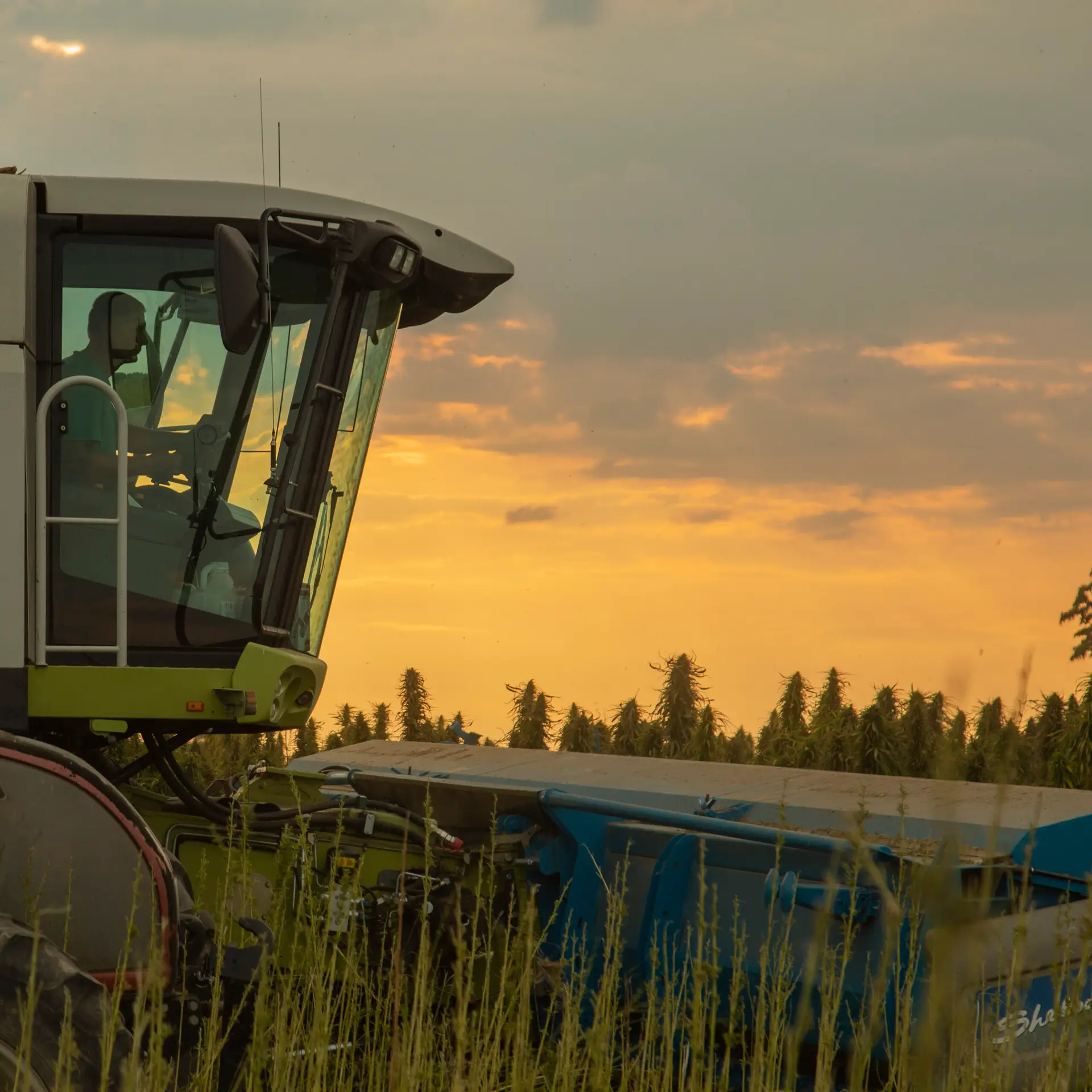
From seed to shelf, we grow organically, extract cleanly, and follow strict quality standards for purity.
Lab Testing
Every batch is third-party tested to ensure purity, safety, and the exact amount of CBD every time.
Our Values
Sustainability, transparency, and wellness guide every decision – for you and for the planet.
At a glance
Delta-8 is manufactured, not harvested
This matters more than it sounds.
Delta-8 THC is a structural isomer of delta-9 THC, with the double bond in a different position. It is the more thermodynamically stable of the two. Crucially, it is not a decarboxylation product, so unlike THC there is no acid precursor the plant makes in quantity.
In natural hemp, delta-8 is undetected in most samples and appears only sporadically, plausibly as an analytical artefact or a processing by-product, according to EFSA’s 2025 assessment.
Commercially, delta-8 is made by treating CBD with acid, which cyclises it. A 1981 study showed acid treatment of pure delta-9 THC produced a mixture of 97 percent delta-8 and 3 percent delta-9. That is a chemical conversion carried out in a facility, not an extraction.
The quality consequence is documented. A 2022 analysis of ten commercial delta-8 products found impurities in concentrations far beyond what the certificates of analysis declared. The acid-catalysed conversion generates by-products whose toxicology nobody has studied.
CBD is extracted rather than converted. It is present in hemp in quantity, as CBDA, and the process removes it from the plant rather than building it in a reactor.
The potency claim, tested properly
Delta-8
Delta-8 is a CB1 partial agonist, the same mechanism as delta-9. Its CB1 affinity is 1.8 to 7.7 times weaker depending on the study; in the single assay that measured both, 36 nM against delta-9's 20 nM.
At equal 20 mg doses, delta-8 produced significantly weaker drug effects, less impairment and a smaller heart rate rise than delta-9.
At 40 mg delta-8 against 20 mg delta-9, there were no pharmacodynamic differences at all. Doubling the dose completely erased the gap.
Both 20 mg and 40 mg delta-8 produced drug-liking comparable to 20 mg delta-9, meaning comparable misuse potential.
Delta-8 also has higher oral bioavailability than delta-9, around 9 percent against 6 percent, with higher peak concentration and total exposure at the same dose.
CBD
CBD does not activate CB1 and is not intoxicating.
Its clinical record is mixed but substantial: strong evidence in three rare epilepsy syndromes at doses of roughly 700 to 1,400 mg a day, largely negative evidence in pain across 16 randomized trials, and a modest anxiety signal at high acute doses.
The marketing position is that delta-8 is roughly half-strength THC, and therefore a milder experience. The pharmacology gives that claim partial support and then takes most of it back.
Then a 2025 study in Drug and Alcohol Dependence tested it head to head. Nineteen healthy adults with no recent cannabinoid exposure, double-blind crossover, brownies containing 10, 20 or 40 mg delta-8, 20 mg delta-9, or placebo. The findings:
EFSA’s 2025 assessment worked from that trial and derived a relative potency point estimate of 1.0 to 1.4, set a relative potency factor of 1, and applied the same acute reference dose to the sum of delta-8 and delta-9 THC.
The trial authors flagged why this matters: people who use these products generally perceive delta-8 as less harmful and less intoxicating than delta-9.
The two are not really alternatives to each other. One is an intoxicant and one is not.
Still weighing up the options? See CBD vs THC or THCa vs CBD. For more background, read our guide on whether CBD shows up on a drug test. Endoca products related to this comparison: THC-free CBD.
Legal status and safety
Legal status in the United States
This is genuinely unsettled, and it is about to stop being.
Until 12 November 2026, the position rests on the courts rather than the agencies. DEA has held that synthetically derived tetrahydrocannabinols remain Schedule I. The Ninth Circuit in 2022 and the Fourth Circuit in 2024 held that delta-8 products under 0.3 percent delta-9 THC are hemp regardless of how they were made.
From 12 November 2026, Section 781 of Public Law 119-37 expressly excludes cannabinoids synthesized or manufactured outside the plant. That captures the conversion chemistry behind essentially all commercial delta-8. Notably, the Senate-passed one-month delay does not postpone this element.
At state level, more than twenty states restrict or ban intoxicating hemp products. Federal preemption challenges have failed in the Fourth and Eighth Circuits. There is no single nationwide statement anyone can make about delta-8 legality.
CBD from hemp is not the target of the November change, though FDA continues to hold that CBD is not lawful as a dietary supplement ingredient.
How Endoca tests for this
We do not make delta-8 products, and this page is the explanation rather than a competitive swipe. Delta-8 requires converting CBD in an acid reaction, and published analysis shows commercial products carrying undeclared by-products. We extract cannabinoids that the plant produces and publish what the lab finds. That is a different business, and we would rather be clear about which one we are in.
Frequently asked questions
They are not comparable in that way. Delta-8 is intoxicating and CBD is not.
At equal doses it produces weaker effects. Double the dose and the difference disappears entirely, and EFSA treats them as equipotent for risk assessment.
Yes. Standard tests detect THC metabolites and do not distinguish the isomers reliably.
It is barely present in natural hemp. Commercial delta-8 is manufactured from CBD.
CBD inhibits the enzymes that clear THC compounds, so combining them may increase rather than reduce intoxication.
Yes. Delta-8 THC activates the CB1 receptor and is intoxicating. CBD is not, which is the core difference between the two.
Not necessarily. Many regulators treat delta-8 as a controlled THC and several countries and US states restrict or ban it, even where hemp CBD is allowed. Check the rules for your location before buying.
References
01
Zamarripa CA et al. Pharmacodynamic comparison of delta-8-THC and delta-9-THC. Drug Alcohol Depend 2025;272:112676.
02
EFSA CONTAM Panel. Health-based guidance value for delta-8-THC. EFSA Journal 2025;23(11):e9735.
03
Tagen M, Klumpers LE. Review of delta-8-THC. Br J Pharmacol 2022;179:3915-3933.
04
Ray SD et al. Analysis of commercial delta-8-THC products. Molecules 2022;27:6924.
05
Congressional Research Service. Report R48637, 20 August 2025.
06
Congressional Research Service. Legal Sidebar LSB11381, 22 December 2025.
Last reviewed 1 September 2026.
These statements have not been evaluated by the Food and Drug Administration. This product is not intended to diagnose, treat, cure, or prevent any disease.