
No products in the cart.

- Shop
- About Us
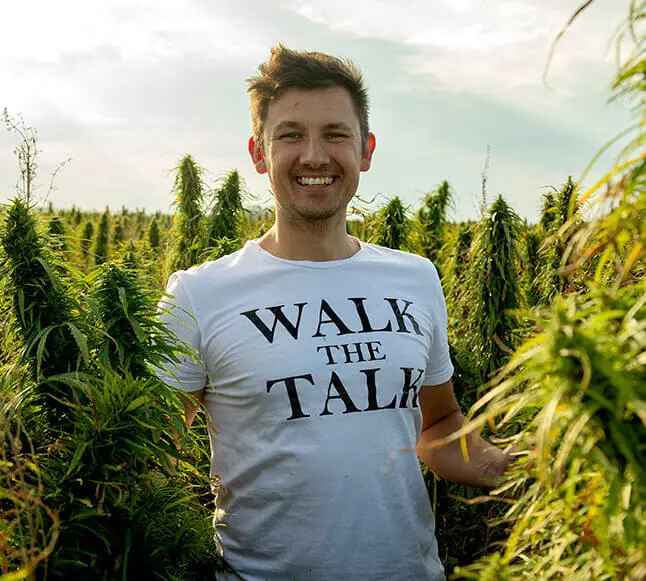
Our Story
From humble beginnings to a global mission – we grow, harvest, and craft hemp with care for people and planet.
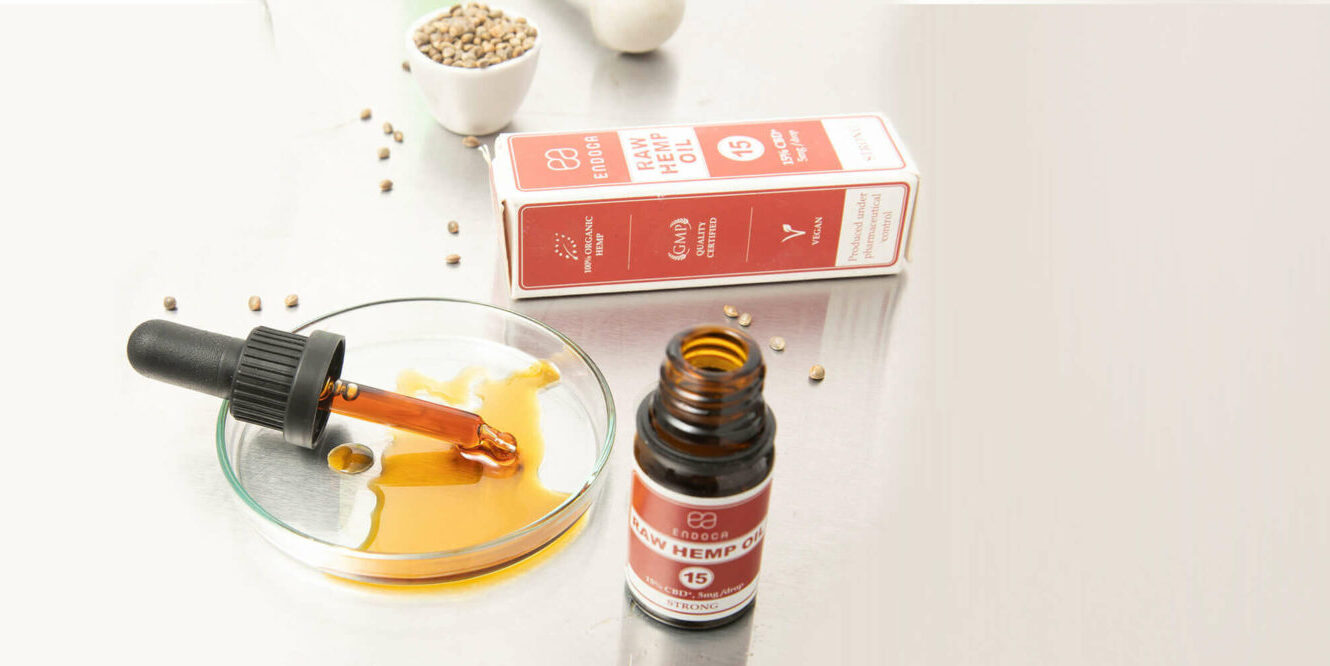
What Is CBD?
CBD is nature’s way to restore balance, calm, and overall well-being – naturally and without the high.
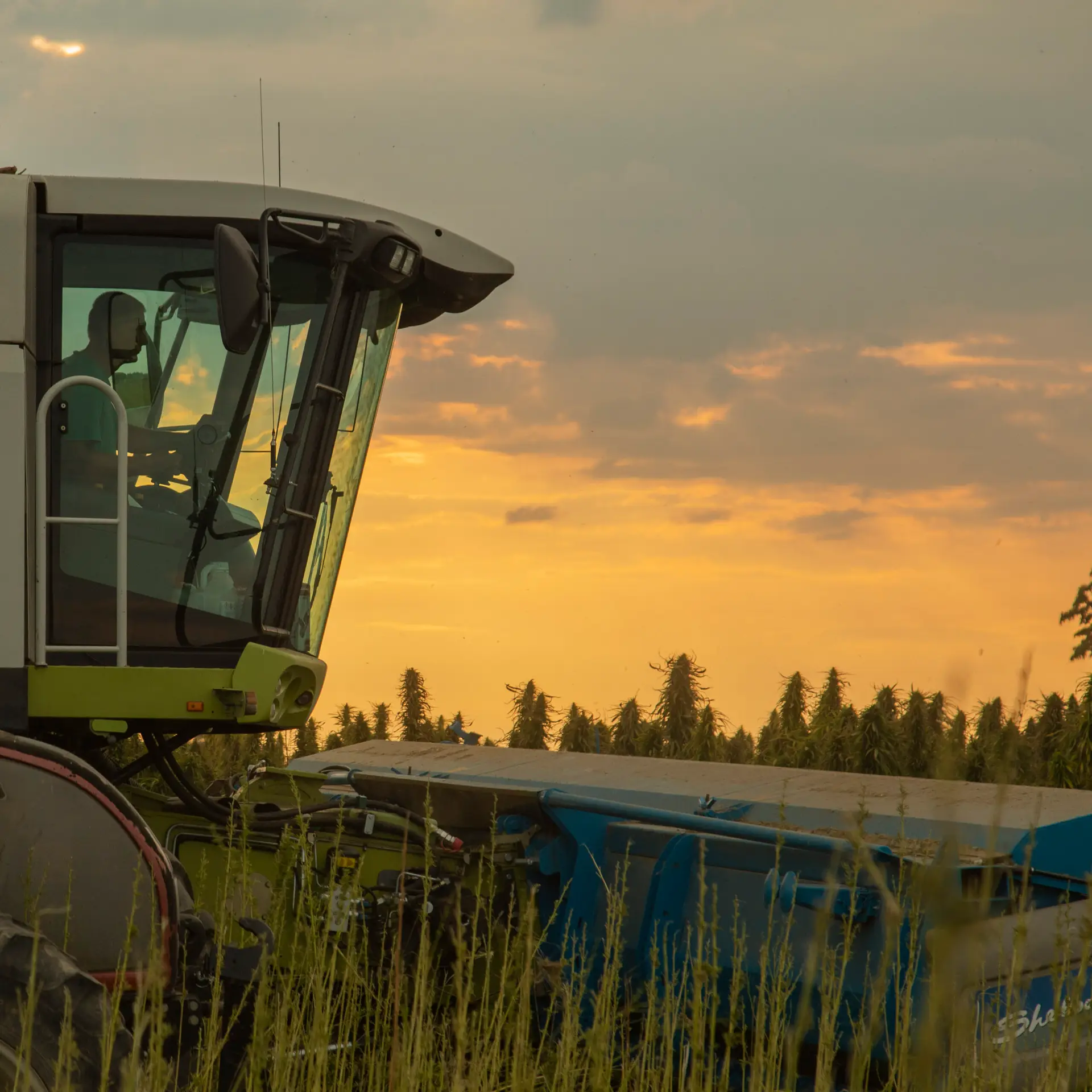
The Process
From seed to shelf, we grow organically, extract cleanly, and follow strict quality standards for purity.
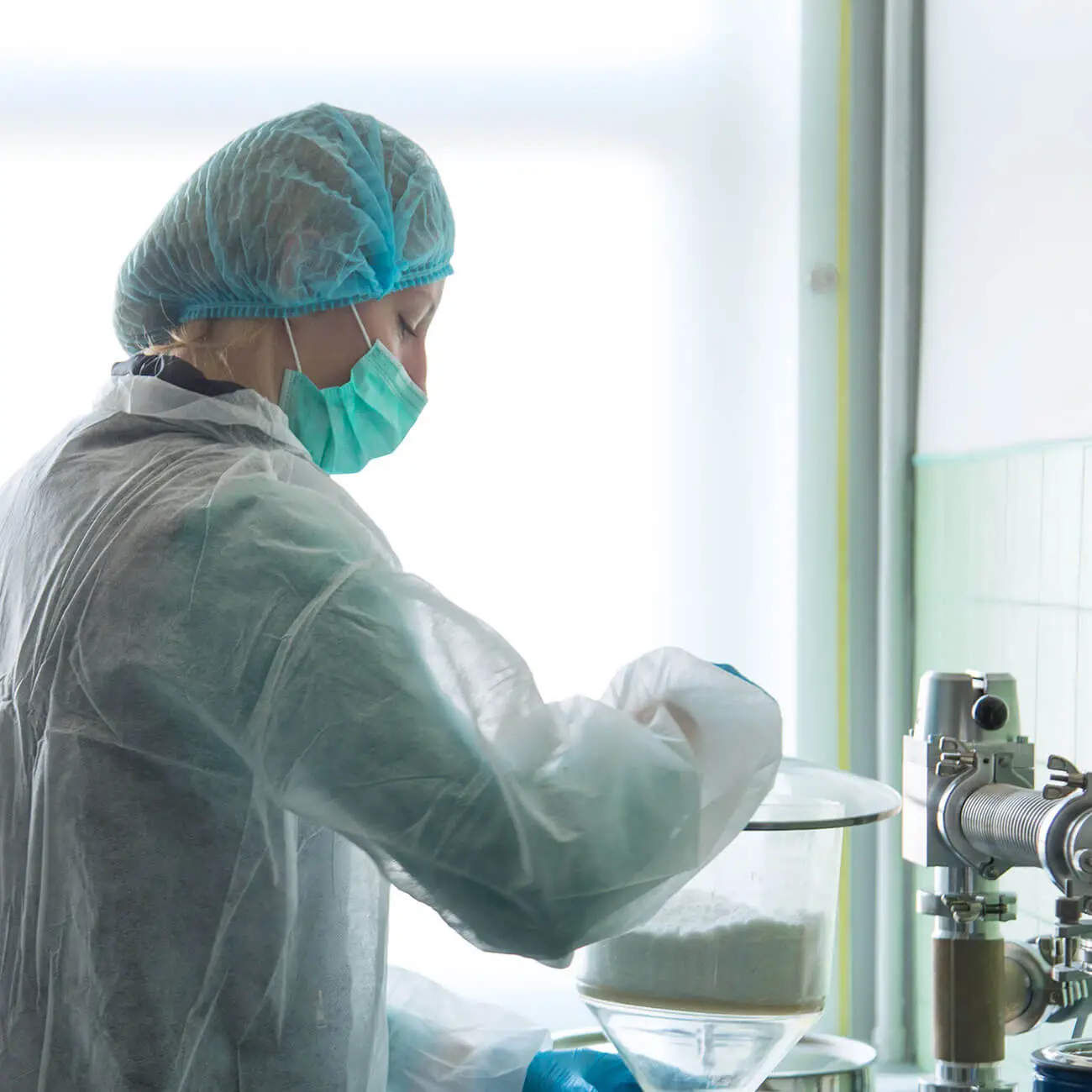
Lab Testing
Every batch is third-party tested to ensure purity, safety, and the exact amount of CBD every time.
Our Values
Sustainability, transparency, and wellness guide every decision – for you and for the planet.
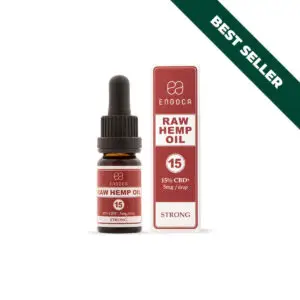
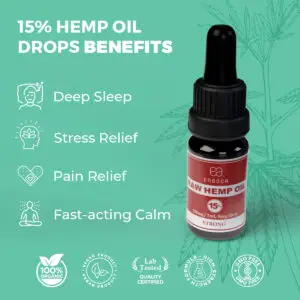
RAW CBD+CBDa Oil 150mg (Strong)
Price range: 26.00 US$ through 246.00 US$ — or subscribe and save up to 30%This product has multiple variants. The options may be chosen on the product page
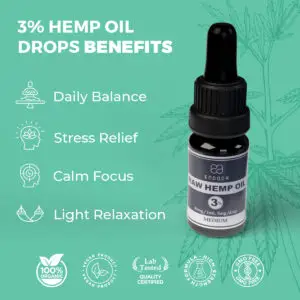
RAW CBD Oil 30mg (Medium)
Price range: 31.00 US$ through 83.00 US$ — or subscribe and save up to 30%This product has multiple variants. The options may be chosen on the product page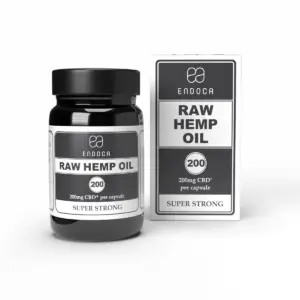
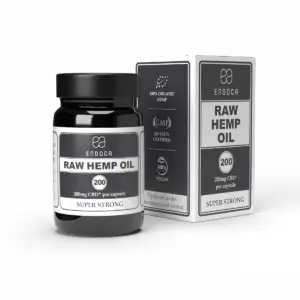
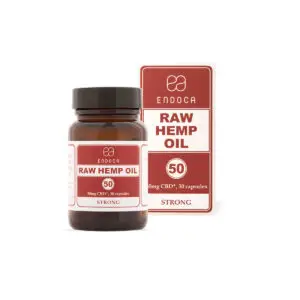
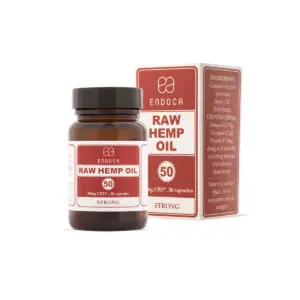
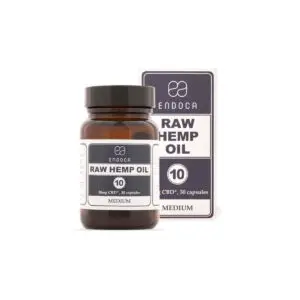
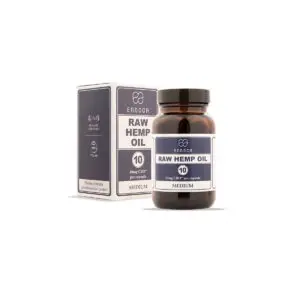
10MG RAW CBD CAPSULES (MEDIUM)
Price range: 31.00 US$ through 89.00 US$ — or subscribe and save up to 30%This product has multiple variants. The options may be chosen on the product page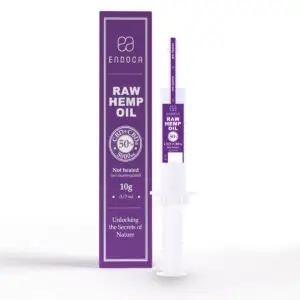
Not All RAW CBD Is Created Equal
Most of this industry sells one thing and calls it CBD. What the plant actually produces is CBDa, the acid form, and heat is what converts one into the other. Applying that heat is standard, cheap and irreversible. Choosing not to apply it means running a second production line, holding two sets of inventory and explaining the difference to every customer who asks. That is why only two of the fifteen competitors reviewed in your audit sell a CBDa range at all.
RAW here means exactly one thing and it is worth pinning down, because the word gets stretched elsewhere. It means the extract was never heated after supercritical CO2 extraction. Not gently heated. Not heated in one step of the process. The CBDa the plant made is still in the bottle, and so are the plant waxes and the chlorophyll, which is why the RAW products are darker and thicker than their heated counterparts. That colour is a signal rather than a defect.
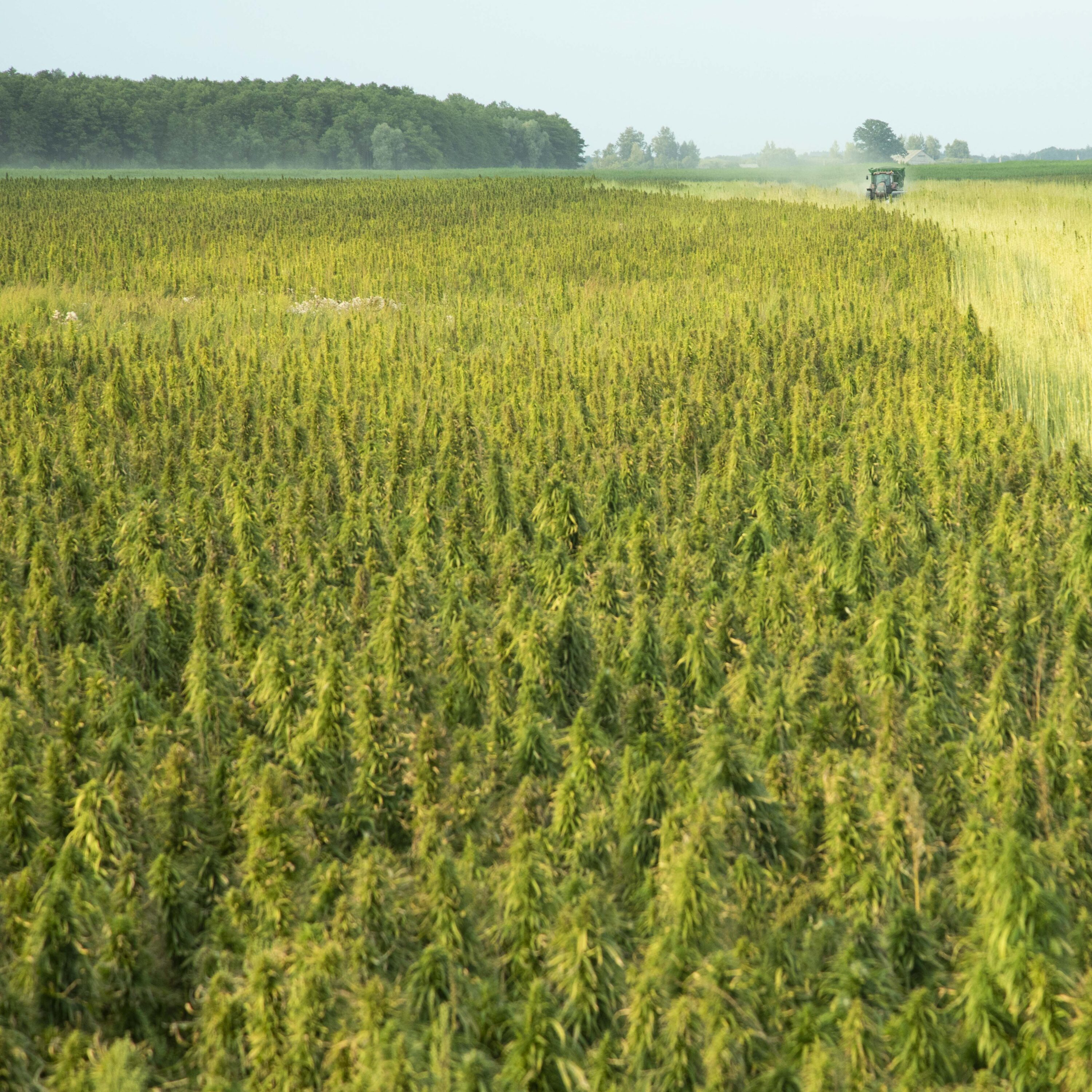
Because we grow the hemp and run the extraction ourselves, we know which harvest each batch came from and how it was handled between the field and the bottle. On a product defined by what was not done to it, that chain matters more than it does on a refined one. Every batch carries an independent certificate reporting CBD and CBDa separately, which is the only way to verify that a product sold as RAW actually is.

100% Organic
Organically grown hemp without unnecessary pesticides

Third Party Tested
Every batch is independently tested for purity and cannabinoid content

Highest Quality
Produced in GMP-certified facilities with rigorous quality control

Never Heated
CBDa Intact, As The Plant Made It

Global Shipping
Fast and Discreet Delivery
Compare Endoca RAW CBD and CBDa
Five across the formats, chosen to show the range from a first RAW bottle to the strongest concentrate, compared by format, strength, who each suits and what is in it.
| PRODUCT | FORMAT | STRENGTH | BEST FOR | KEY COMPOUNDS |
|---|---|---|---|---|
| RAW CBD Oil 30mg (Medium) | Oil, 10ml | 3%, 1mg per drop | A first RAW bottle | CBD and CBDa, terpenes, plant waxes |
| RAW CBD+CBDa Oil 150mg (Strong) | Oil, 10ml | 15%, 5mg per drop | An established RAW routine | CBD and CBDa, terpenes, omega-3 and omega-6 |
| 10MG RAW CBD Capsules (Medium) | Softgel capsules | 10mg per capsule | RAW without a dropper | CBD and CBDa, terpenes |
| 200MG RAW CBD Capsules (Extra Strong) | Softgel capsules | 200mg per capsule | High content in one capsule | CBD and CBDa, terpenes, plant waxes |
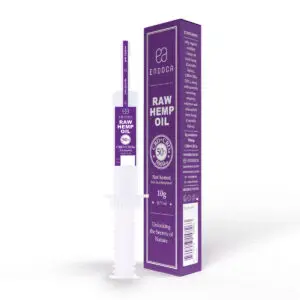
| 5000mg CBD RAW Extract | Concentrate in a syringe | 50%, 500mg per ml | The strongest thing we make | CBD and CBDa, terpenes, plant waxes |
What Is RAW CBD and CBDa
CBDa is cannabidiolic acid, and it is what a living hemp plant actually contains. Every cannabinoid begins as an acid, built by the plant with a carboxyl group attached. Apply heat and that group comes away as carbon dioxide, leaving the neutral form behind. CBDa becomes CBD. THCa becomes THC. The reaction is called decarboxylation and it is so routine that most of this market never mentions the acid forms exist.
A RAW product is one where that reaction was never allowed to happen. The extract comes out of the CO2 vessel and goes straight into the bottle, the capsule or the syringe. What you get is a mixture rather than one compound or the other, because some conversion happens slowly at room temperature no matter what anyone does, which is why the certificate reports both figures separately rather than one total.
Whether CBDa behaves differently from CBD in a person is a live research question and not a settled one. There is laboratory work suggesting the two are not interchangeable and there is not yet the human evidence that would let anyone tell you what that means. We make RAW products because they are closer to the plant as it grew and because customers ask for them. Anyone offering you a more definite reason is going beyond what has been shown.
What Can RAW CBD and CBDa Be Used For?
The formats here mirror the heated range almost exactly, so the practical choice is the same one you would make anywhere else in the shop. Control, convenience or concentration.
What follows describes the products and who each format suits. It does not describe an effect, and the honest position on CBDa specifically is that the evidence is not there to describe one.
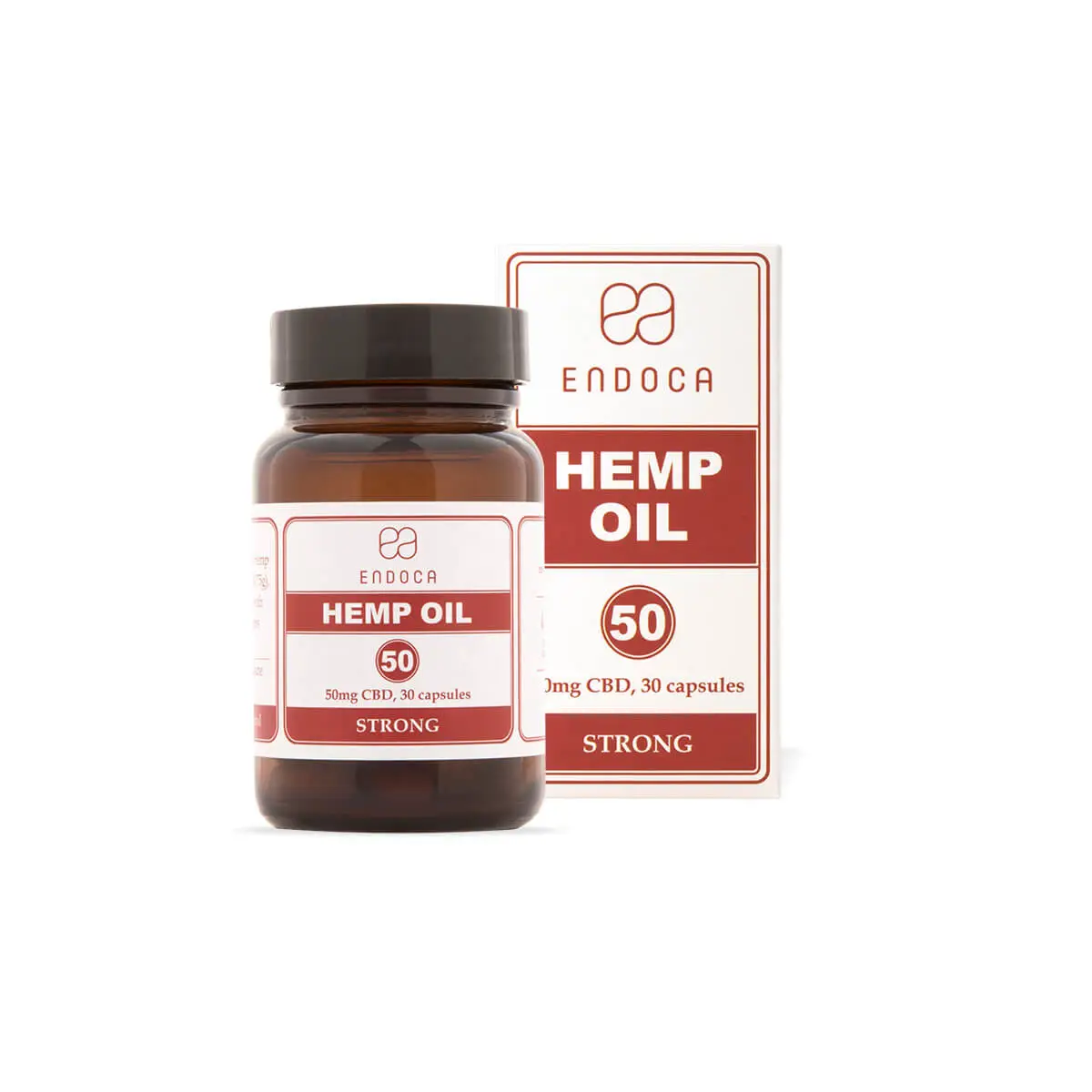
- A First RAW Bottle: RAW CBD Oil 30mg at 1mg per drop is the gentlest entry, and the easiest way to find out whether you can get on with how RAW extract tastes.
- An Established Routine: RAW CBD+CBDa Oil 150mg is the same extract at five times the concentration, for people who already know their count.
- Nothing To Measure: RAW capsules run 10mg, 50mg and 200mg per softgel, which covers a first routine through to a high content in a single capsule.
- The Concentrate: RAW extracts run 20% to 50% in a graduated syringe with no carrier oil, and the 5000mg is the strongest product on this site.
- Animals: The pet oils are RAW as well, at 30mg and 150mg per ml with a 200mg concentrate, and every question about giving them to an animal goes to your vet first.
If the darker colour and stronger taste of RAW are not for you, the heated versions of the same products sit alongside them throughout the shop and the cannabidiol content is identical.
FAQ
Frequently Asked Questions
What does RAW mean on an Endoca product?
That the extract was never heated after CO2 extraction, so CBDa is still present alongside CBD. It is a processing statement rather than a marketing one, and the certificate for each batch reports both compounds separately so you can verify it.
What is CBDa?
Cannabidiolic acid, the form cannabidiol takes in the living plant before heat converts it. It is the precursor rather than a stronger or weaker version, and the two are different molecules rather than two names for the same one.
Why is RAW oil darker and thicker?
Because nothing was removed and nothing was cooked. Chlorophyll, plant waxes and the acid cannabinoids all survive, and they are what give RAW products their colour and their heavier texture.
Does RAW taste different?
Yes, and more strongly. RAW extract tastes greener and more bitter than a heated one because more of the plant is still present. If that is the barrier, the heated versions are the same formula without it.
Which RAW product should I start with?
The 30mg oil, at 1mg per drop. It is the lowest strength in the RAW line and it gives you the finest control while you work out whether the format suits you.
What is decarboxylation?
The reaction that converts an acid cannabinoid into its neutral form by removing a carboxyl group, driven by heat and time. It happens quickly under controlled heat and slowly at room temperature, which is why a RAW product’s ratio shifts a little over its life.
Is CBDa the same as CBD?
No. They are different molecules with different shapes, and shape is what determines how a compound interacts with anything in the body. Whether that difference matters in practice is exactly the open question, and the honest answer is that the human research is not there yet.
Does CBDa convert to CBD in the bottle?
Slowly, yes. Some conversion happens at room temperature over time no matter how a product is stored, which is why our certificates report CBD and CBDa as separate figures rather than combining them into one number.
How is the ratio verified?
Independent laboratory testing on every finished batch, using chromatography that separates and quantifies each cannabinoid. Certificates are published against batch numbers, and on a RAW product that separation is the whole point of the document.
Does a RAW product contain more THC?
No. It contains THCa rather than THC in the same trace proportion, which is the acid form of the same compound. That distinction becomes important on 11 December 2026, when the federal measure changes to total THC and explicitly includes THCa. See the flags in this document.
Will RAW CBD make me feel intoxicated?
No. Neither cannabidiol nor cannabidiolic acid is intoxicating, and the trace acid THC present is far below any level associated with intoxication.
Is CBDa legal?
It sits within the federal hemp framework as a hemp derivative today. The December 2026 change to the definition is the thing to watch here rather than anything about CBDa itself, and the compliance section of this package covers it.
Could RAW products affect a drug test?
A screen looks for THC metabolites, and a full spectrum RAW product carries trace acid THC. A positive result cannot be ruled out. If you are tested at work, the THC-free collection is where you should be looking instead.
How should RAW products be stored?
Cool, dry and out of direct light, more carefully than their heated counterparts. Heat and time are what convert CBDa into CBD, so a warm shelf slowly turns a RAW product into something closer to the heated version.
Do RAW concentrates need refrigerating?
No. Cold makes the paste stiffer and harder to dispense from the syringe, so a cupboard is a better place for it than a fridge.
Can I subscribe to RAW products?
Yes, with the subscriber saving. Because RAW products change slowly on the shelf, a delivery schedule that matches how fast you actually use them is worth more here than elsewhere in the shop.
Where is the certificate?
On the lab testing page, listed by batch number, with CBD and CBDa reported separately. If a certificate for a RAW product shows only a combined figure, it is not telling you what you need to know.