
No products in the cart.

- Shop
- About Us

Our Story
From humble beginnings to a global mission – we grow, harvest, and craft hemp with care for people and planet.
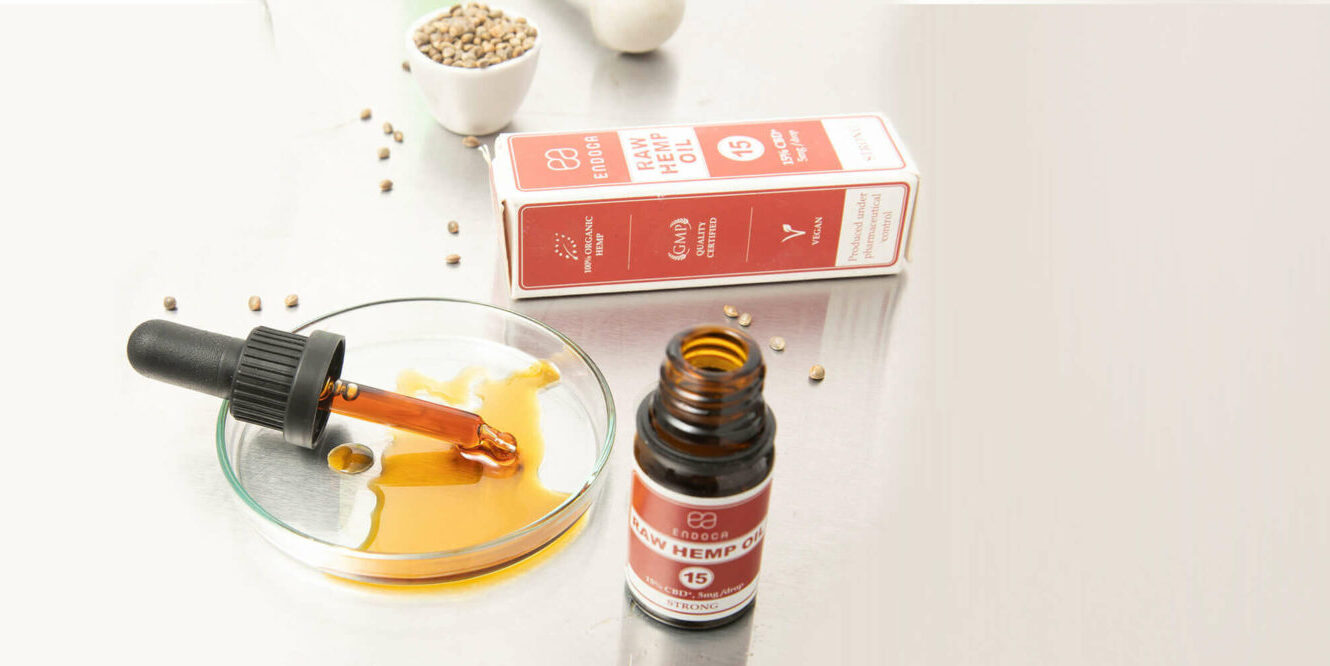
What Is CBD?
CBD is nature’s way to restore balance, calm, and overall well-being – naturally and without the high.
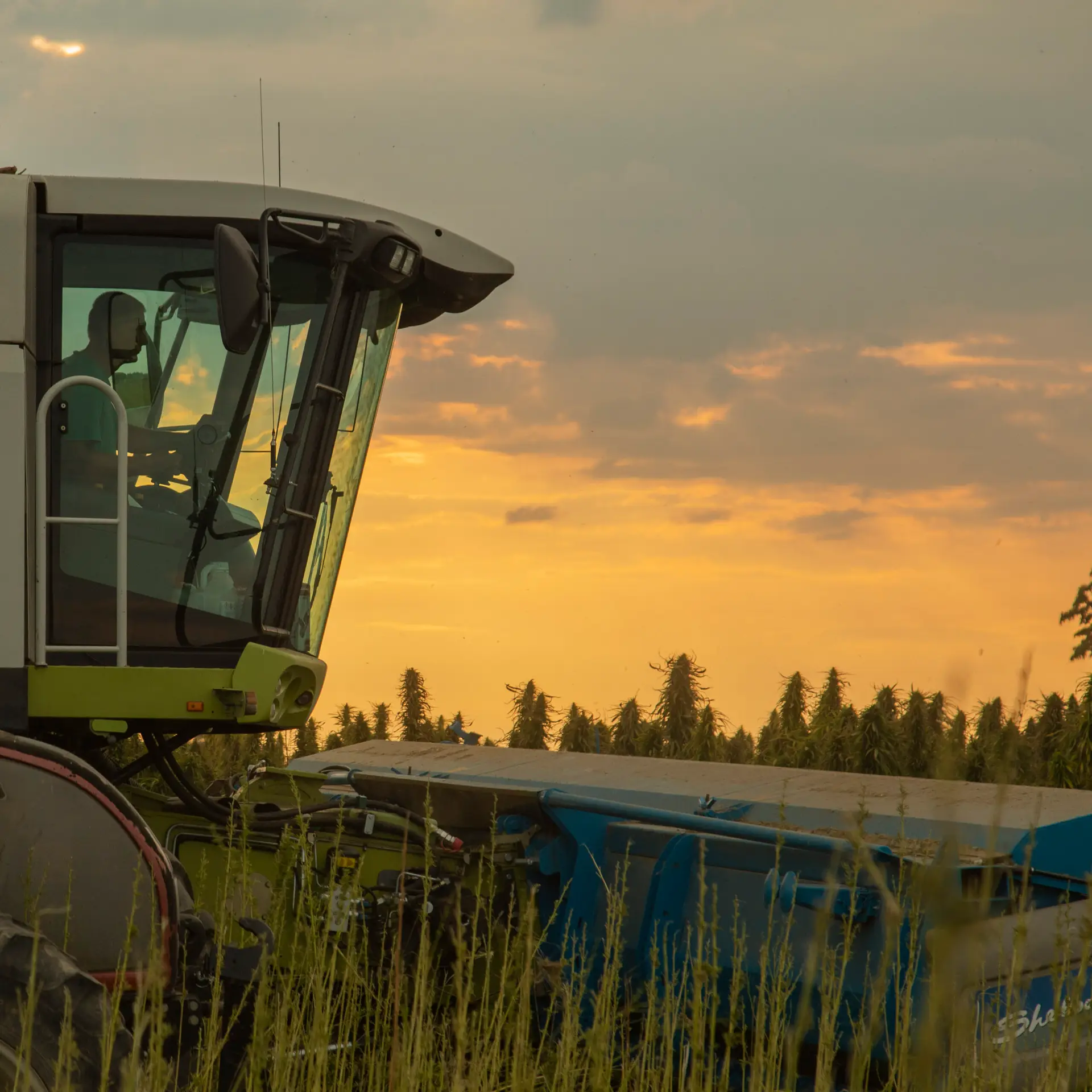
The Process
From seed to shelf, we grow organically, extract cleanly, and follow strict quality standards for purity.

Lab Testing
Every batch is third-party tested to ensure purity, safety, and the exact amount of CBD every time.
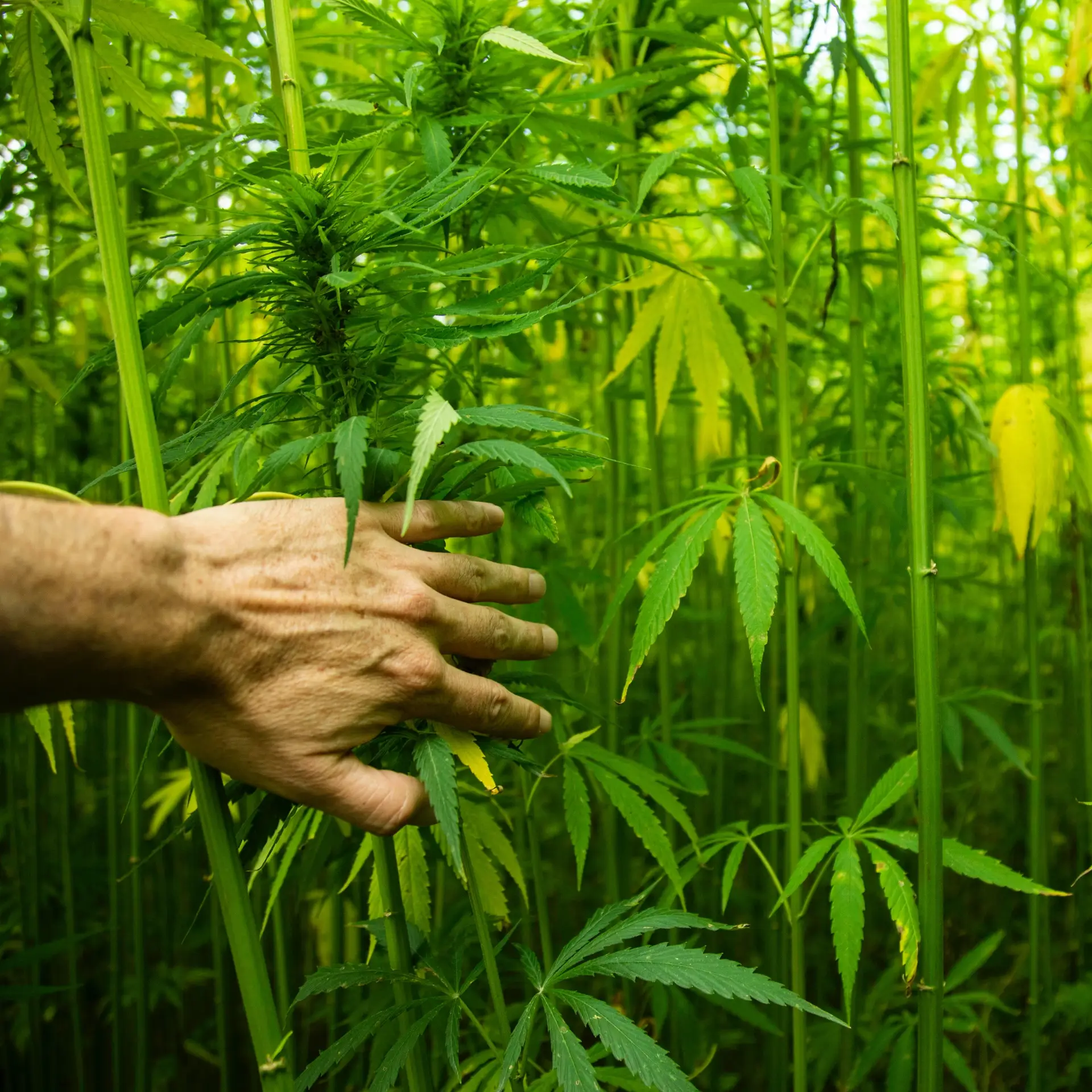
Our Values
Sustainability, transparency, and wellness guide every decision – for you and for the planet.
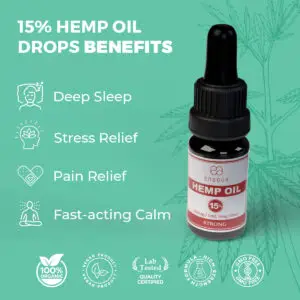
CBD Oil 150mg (Strong)
Price range: 129.00 US$ through 348.00 US$ — or subscribe and save up to 30%This product has multiple variants. The options may be chosen on the product page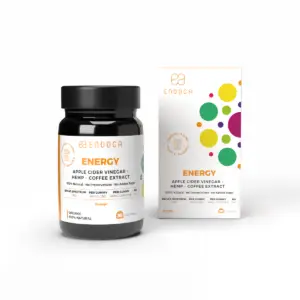
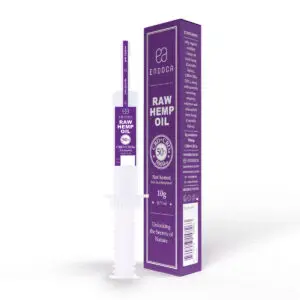
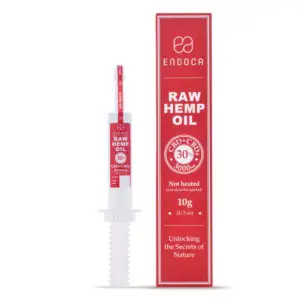
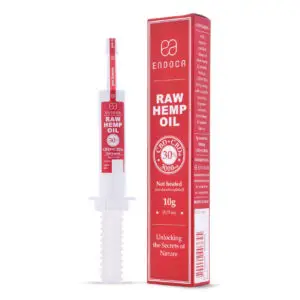
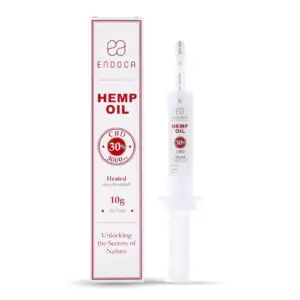
Not All Strong CBD Is Created Equal
Strength is the easiest number in this industry to print and the least useful one on its own. A jar advertising 1200mg tells you what the whole container holds. A bottle advertising 3000mg tells you the same. Neither tells you what one drop or one gummy carries, which is the only figure that lets you compare two products or repeat what you did yesterday. Everything on this page states both, and where a range does not state both we would read that as the answer.
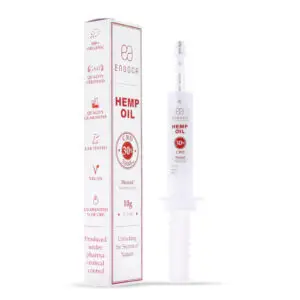
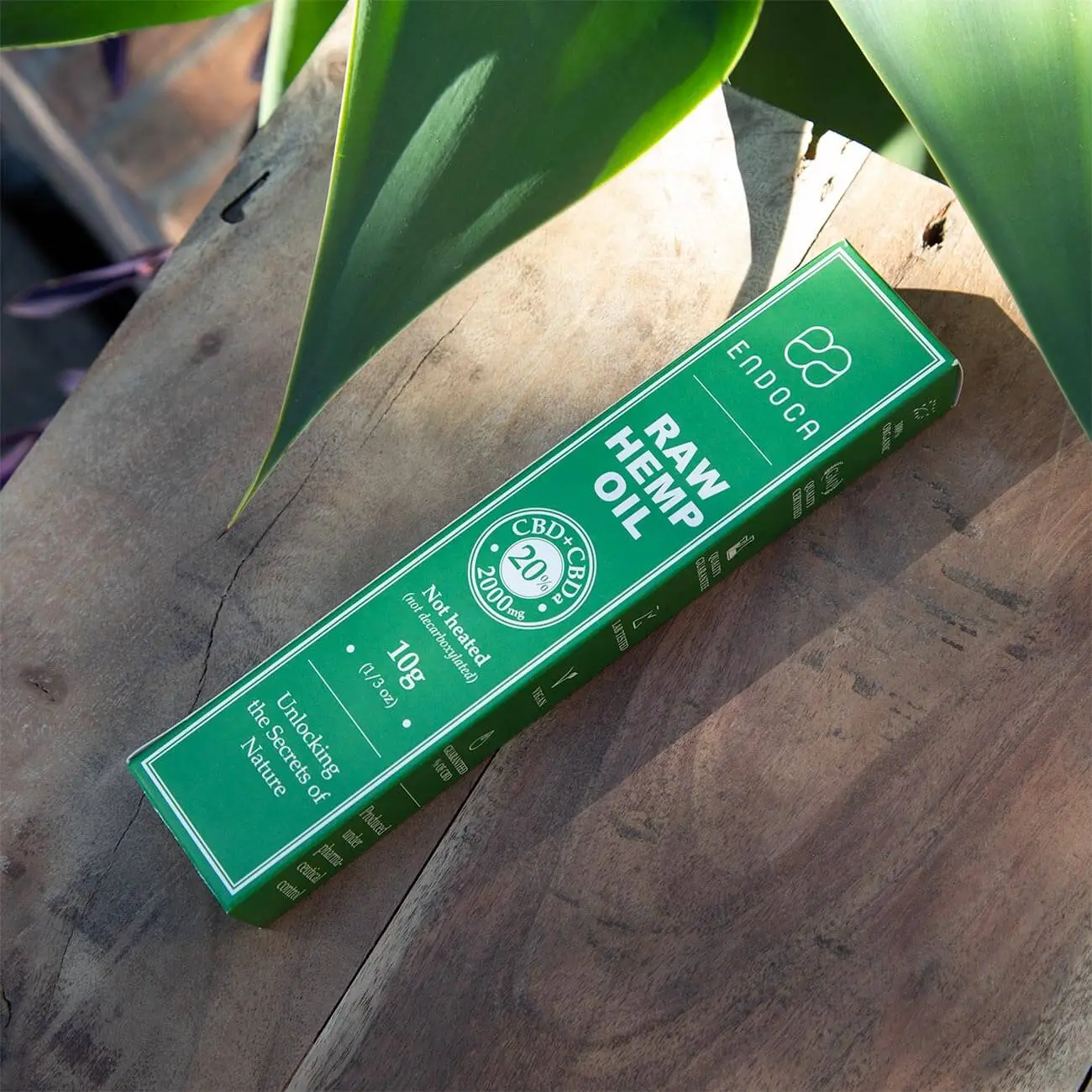
What makes a product strong here is concentration rather than volume. The 3000mg oil is a 10ml bottle at 30%, which is 10mg in each drop. The 200mg RAW capsule holds in one softgel what twenty of the 10mg capsules hold. The 5000mg extract is a 50% paste dispensed against a graduation mark rather than a dropper, because a paste that thick cannot be poured. Same crop, same CO2 extraction, same certificates as everything else. More of it per unit.
This collection exists because the products were hard to find rather than because more is better. If you have not taken cannabidiol before, nothing on this page is where you should start, and the 3% oil in the main collection is. We would rather write that in the trust block than have you buy the biggest number on the site and conclude the whole category is not for you.

100% Organic
Organically grown hemp without unnecessary pesticides

Third Party Tested
Every batch is independently tested for purity and cannabinoid content

Highest Quality
Produced in GMP-certified facilities with rigorous quality control

Stated Two Ways
Per Container and Per Drop or Capsule

Global Shipping
Fast and Discreet Delivery
Compare Endoca High-Potency Products
Five of the ten, one from each format, compared by concentration, what a single unit carries, who it suits and what the container holds in total.
| PRODUCT | FORMAT | CONCENTRATION | PER UNIT | PER CONTAINER |
|---|---|---|---|---|
| CBD Oil 3000mg (Strong) | Oil, 10ml | 30% | 10mg per drop | 3000mg |
| RAW CBD+CBDa Oil 150mg (Strong) | Oil, 10ml | 15% | 5mg per drop | 1500mg |
| 200MG RAW CBD Capsules (Extra Strong) | Softgel capsules | Fixed per capsule | 200mg per capsule | Stated on the pack |
| 5000mg CBD RAW Extract | Concentrate in a syringe | 50% | 500mg per ml | 5000mg |
| THC Free CBD Gummies Restore | 30 gummies | Broad spectrum | Stated on the label | 1200mg |
What Is High-Potency CBD
High-potency means concentrated rather than large. A 10ml bottle at 30% and a 10ml bottle at 3% hold the same volume of liquid and ten times the difference in cannabidiol. The percentage tells you the concentration, the milligram figure per drop or per capsule tells you what you are actually taking, and the total on the front of the pack is the two multiplied together. Reading all three is how you compare two products honestly.
The reason concentration matters beyond arithmetic is practical. At 3% you would count thirty drops to reach what three drops of the 30% gives you, and thirty drops is not a routine anyone keeps. The same logic runs through the CBD capsules and the concentrates. A 200mg capsule exists because swallowing twenty capsules is not a plan, and a 50% paste exists because a bottle of oil strong enough to compete with it would need a very small dropper and a very steady hand.
What high potency does not mean is better, faster or more effective, and we are not going to imply any of those. It means more cannabidiol per unit, which is useful to somebody who has already worked out what they take and tedious for somebody who has not. If you are in the second group, start in the standard range and come back here when counting drops has become the annoying part.
What Can High-Potency CBD Be Used For?
Sorted by format, because the choice at this end of the range is the same one it is anywhere else and only the numbers have moved.
Nothing below is a recommendation about how much to take. The label carries what a unit contains and the decision after that is yours, ideally with advice from somebody qualified if you take medication.
- The Strongest Oil: CBD Oil 3000mg is 30% at 10mg per drop, which is the most concentrated bottle we make and a very small number of drops.
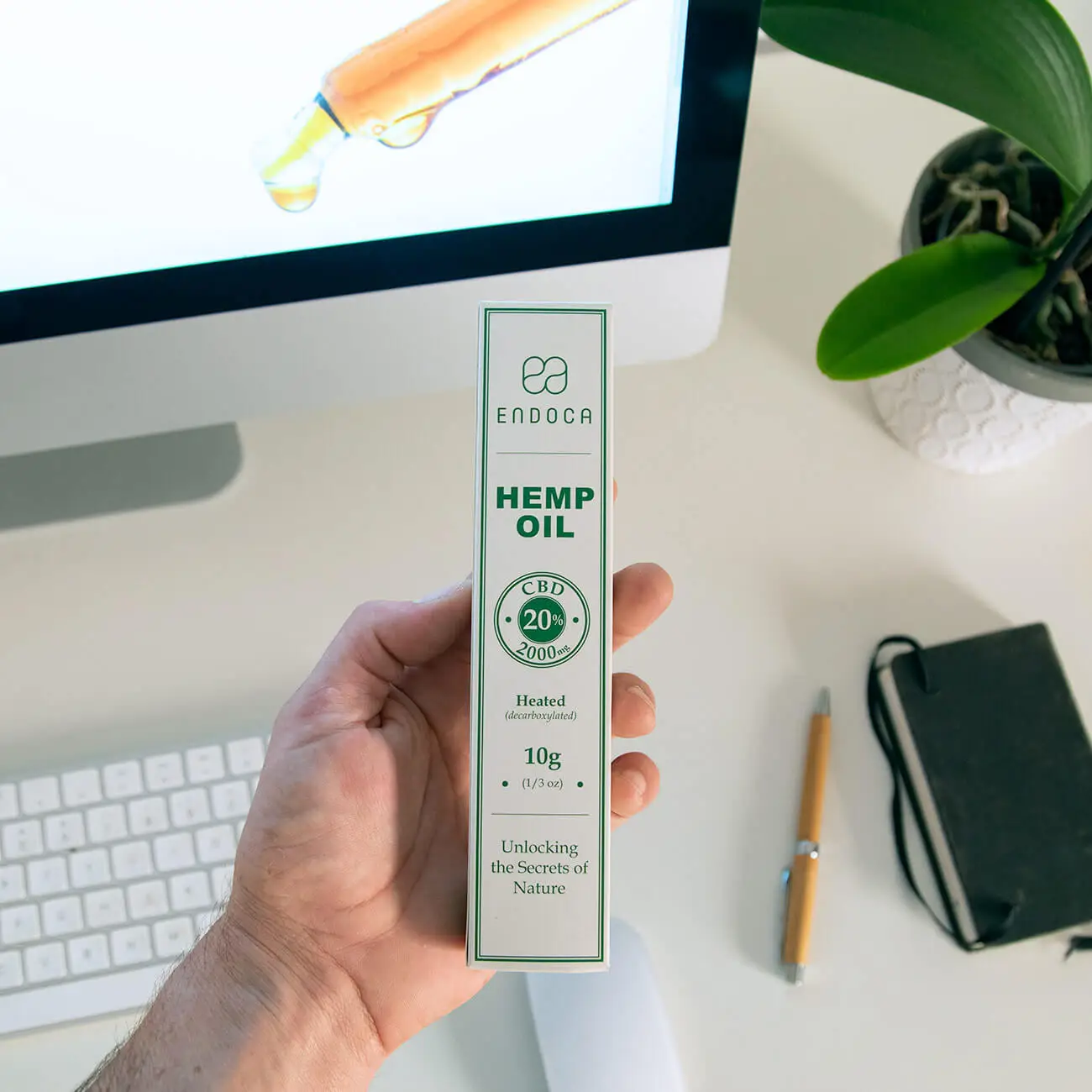
- RAW At Strength: RAW CBD+CBDa Oil 150mg keeps CBDa intact at 15%, for people who want the unheated extract without counting thirty drops.
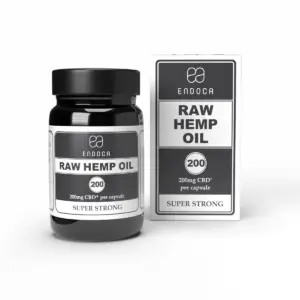
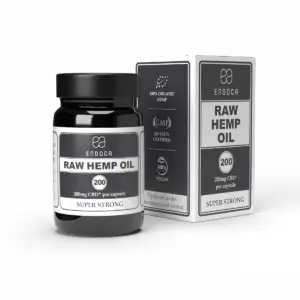
- One Capsule: 200MG RAW CBD Capsules put in a single softgel what twenty of the 10mg capsules carry, with nothing to measure at all.
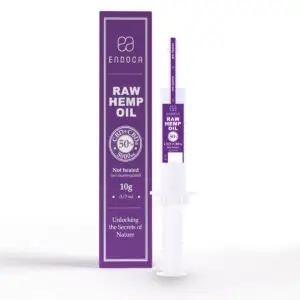
- No Carrier At All: The 5000mg RAW Extract is a 50% paste from a graduated syringe, and it is the most concentrated product on this site by some distance.
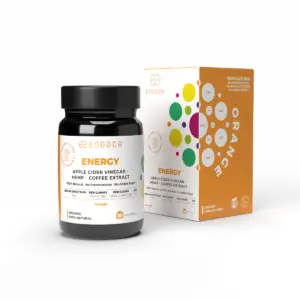
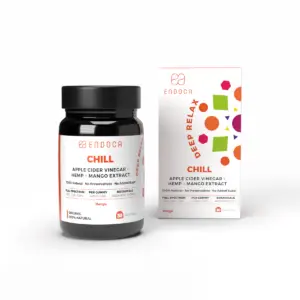
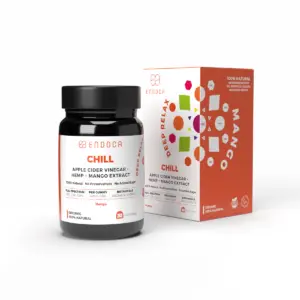
- Gummies At 1200mg: Restore, Energy and Chill each hold 1200mg per jar, which is where the high dose gummy searches are actually pointing.
If any of this reads as more than you were looking for, that is the correct reaction and the standard oils collection is where to start instead.
FAQ
Frequently Asked Questions
What does 3000mg actually mean?
That the whole 10ml bottle contains 3000mg of cannabidiol, which works out at 30% concentration and 10mg in each drop. The container figure is the one brands print largest and the per-drop figure is the one you need.
Is a stronger product better?
No, it is more concentrated. What it buys you is fewer drops or fewer capsules for the same amount, which matters once a routine is settled and matters not at all before then.
Where should I start if I am new to this?
Not here. The 3% oil at 1mg per drop in the standard collection gives you the finest control while you find out what suits you. Moving up later is easy and moving down after starting too high is discouraging.
How do I compare a gummy jar with an oil bottle?
By what one unit carries rather than by what the container holds. A 1200mg jar of thirty gummies and a 3000mg bottle of three hundred drops are not comparable on their front labels, only on their per-unit figures.
Does high potency taste stronger?
Yes, for the oils and the concentrates. More extract per millilitre means more of everything that carries the taste. The gummies mask it with fruit and the capsules avoid the question entirely.
Why is a concentrate a paste rather than an oil?
Because at 50% there is very little room left for carrier. What comes out of the extraction is thick, dark and closer to a resin than a liquid, which is why it is dispensed from a graduated syringe rather than poured.
Does a higher concentration change absorption?
Concentration and absorption are separate questions. How a product is taken, under the tongue or swallowed, does more to affect the route than how concentrated it is. What concentration changes is how much you handle to get where you are going.
Why does residual solvent matter more at this end?
Because concentrating a plant concentrates everything in it. What would sit as a trace in a 3% oil is many times more concentrated once you reach a 50% paste. CO2 extraction leaves nothing behind to concentrate, which is the reason we have never used anything else.
Is the certificate different for a strong product?
Same testing, and arguably more consequential. Every batch reports the full cannabinoid profile alongside heavy metal, pesticide and microbial screens. At high concentration those screens are doing more work than the cannabinoid figure is.
Does a stronger product contain more THC?
In absolute terms, yes, because the proportion is stated against a larger quantity of extract. Our full spectrum products state less than 0.2%, and 0.2% of a lot is more than 0.2% of a little. That distinction becomes a legal one on 11 December 2026 and the flags below explain why.
Could high-potency products affect a drug test?
The risk rises with concentration and with frequency, which makes this the part of the range where a positive result is most plausible. Anyone tested at work should be in the THC-free collection instead, and our drug test article explains what a screen actually measures.
Will a strong CBD product make me feel intoxicated?
No. Concentrating cannabidiol does not make it intoxicating, and the trace THC remains far below the level at which that question arises.
Is there a legal limit on how strong CBD can be?
Federal law defines hemp by THC content rather than by cannabidiol concentration, so there is no ceiling on CBD strength as such. What changes on 11 December 2026 is how THC is measured and capped, and a concentrated product is where that bites hardest.
How long does a high-potency product last?
Longer than you expect, because you use less of it. A 10ml bottle holds roughly three hundred drops whatever its concentration, so the 30% oil lasts as long as the 3% at a tenth of the drop count.
Is buying strong cheaper per milligram?
Generally yes, which is the practical argument for this end of the range once you know what you take. The per-milligram figure is worth calculating before assuming the larger number is the better value.
How should concentrates be stored?
Cool, dry, out of direct light, and not in a fridge. Cold stiffens a paste and makes it difficult to dispense against the graduation mark.
Can I subscribe at long intervals?
Yes, and most people at this end do. A high-potency product on a monthly schedule usually arrives before the last one is finished, so set the interval to how fast you actually get through it.