

No products in the cart.

The real CBD cream benefits are cosmetic ones. A CBD cream is a moisturizer that carries hemp extract, so it hydrates, softens and helps skin look calmer and more even. It works in the surface layers of your skin, not in your bloodstream.
This guide is for anyone deciding whether to add a CBD face cream or body cream to a routine they already have, and which format to choose. It covers what is actually in these products, how cream, salve and balm differ, and what you can reasonably expect.
What is CBD cream?
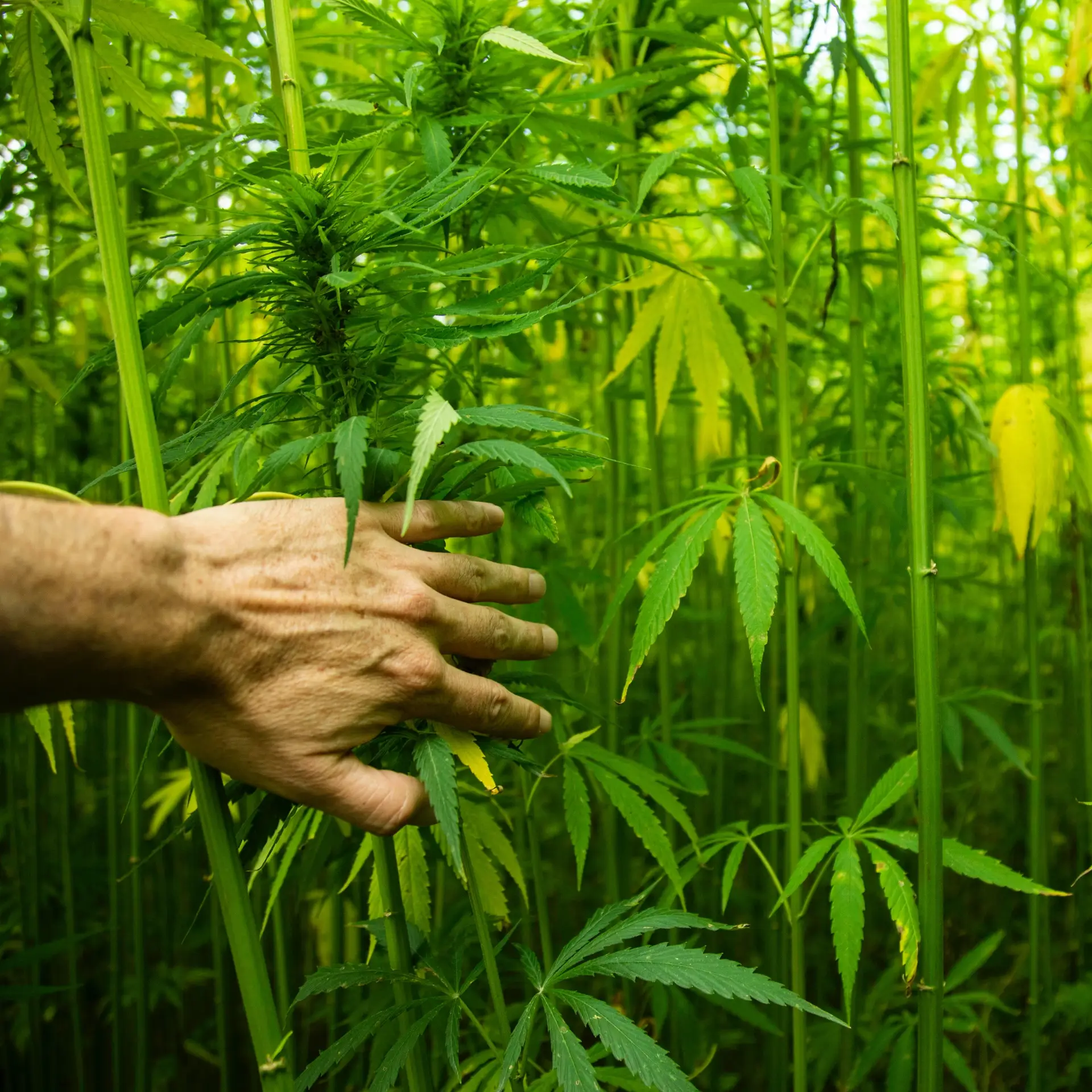
CBD cream is a topical skincare product that blends oils, butters, waxes and water with hemp extract. Cannabidiol, usually shortened to CBD, is a compound that occurs naturally in cannabis plants including hemp. It is non-intoxicating, so a CBD cream will not make you feel high, and it is normally suspended in a carrier oil such as coconut, olive or hemp seed oil to help it spread and absorb.
One distinction is worth getting right before you buy anything. CBD oil is not the same as hemp seed oil. CBD oil is richly concentrated in cannabidiol, while hemp seed oil is pressed from the seeds and contains only trace amounts. Hemp seed oil is a genuinely good skincare ingredient in its own right, rich in omega 3, 6 and 9, but a product listing hemp seed oil alone is not a CBD product. If you want to understand the compound itself first, start with our explainer on what CBD is.
Strengths vary widely. Topical formulas on the market start at around 20 mg of CBD per container and run up to 1500 mg, and the right number depends far more on the size of the area you are covering than on any idea of a correct dose.
Hemp on the skin is also not a new idea. Early records show cannabis extract being used as a common salve in ancient China around 2700 BC. What has changed is the extraction and the testing, not the basic premise.
What CBD cream does for the skin
Here is the honest version, without the marketing. A CBD cream does most of its visible work the way any good moisturizer does, and the hemp extract adds a set of plant compounds on top of that.
It holds moisture in
This is the effect you will notice first and the one that is easiest to see. The oils, butters and waxes in a CBD cream sit on the skin and slow water loss, which is why dry or flaky skin looks better within minutes of applying one. Well hydrated skin also reflects light more evenly, so it reads as smoother and less dull.
This is also the sensible answer to searches for CBD cream for wrinkles. A cream cannot change the structure of your skin. What it can do is keep skin comfortably hydrated, and hydrated skin makes fine lines less noticeable. That is a cosmetic effect, not a medical one, and any brand promising more than that is overselling.
It carries antioxidants onto the skin
Hemp extract contains antioxidant compounds, and full spectrum extracts bring vitamin E, plant waxes and fatty acids along with the cannabidiol. Antioxidants in skincare are there to help defend the skin surface against everyday environmental exposure, the kind that leaves skin looking tired and uneven rather than the kind that causes disease.
It suits skin that reacts easily
People with reactive skin often do well with short ingredient lists, and this is where a simple hemp-based salve or cream has a practical advantage. There is less in it to react to. A formula built on coconut oil, hemp seed oil, hemp extract and vitamin E, with no fragrance blend, no parabens and no sulfates, gives sensitive skin fewer variables. Many people report that skin feels calmer and less tight after using one, though skin is individual and a patch test is still the right first step.
Your skin has its own cannabinoid receptors
Your skin is your body’s largest organ, and it contains part of the endocannabinoid system, the signaling network that CBD interacts with elsewhere in the body. Researchers have described a functioning endocannabinoid system in the skin that appears to play a role in how skin cells behave (Trends in Pharmacological Sciences, 2009).
This is genuinely interesting, and it is also where most CBD skincare marketing gets ahead of the evidence. Research into what topical CBD does at these receptors in living human skin is still early, and it does not yet support claims about treating any skin condition. Applied to the skin, CBD does not enter your bloodstream in any meaningful amount. It stays local.
CBD cream vs CBD salve vs CBD balm
These three words get used almost interchangeably in CBD marketing, which is unhelpful, because the differences are real and they come down to how much water and wax the formula contains.
| CBD cream | CBD salve | CBD balm | |
|---|---|---|---|
| Base | Oil and water emulsion, plus butters | Oil and wax, no water | Wax-heavy, no water, highest wax ratio |
| Texture | Light to medium, spreads easily | Thick, slightly greasy, softens with body heat | Firm and solid at room temperature |
| Absorption | Sinks in fastest, minimal residue | Slower, leaves a protective film | Slowest, sits on the surface as a seal |
| Typical use | Face and whole body, daily moisturizing | Hands, elbows, knees, rough or very dry patches | Lips and small exposed areas in cold or wind |
| Endoca product | Whipped Body Butter, CBD Face and Body Oil | Salve 250-750mg CBD, Mint Muscle Salve | CBD Lip Balm 20mg |
A short rule of thumb: the more wax a product contains, the longer it stays where you put it and the less of your body you will want to cover with it. Creams are for routine. Salves and balms are for specific patches.
CBD face cream vs body cream
The skin on your face is thinner, more exposed and more prone to congestion than the skin on your arms and legs, so the two deserve different textures.
For the face, lighter formats work better. Serums, facial oils and light lotions absorb without leaving a heavy film, and they layer under anything else you use. Endoca’s Hemp Face Serum and the CBD Face and Body Oil both fall into this group. The face and body oil is a lightweight formula built on apricot kernel oil, which brings fatty acids along with vitamins A and E, and it is free of parabens and mineral oil.
For the body, thicker is fine and often better. Body butters and salves are the right choice for hands, elbows, knees, heels and any patch of skin that stays dry no matter what you do. You can apply them generously, which matters, because these products only work where you actually put them.
One practical note: if you have acne-prone skin, introduce any rich, oil-based product on the face slowly and watch how your skin responds over a week or two rather than a day or two.
What is in Endoca’s CBD skincare
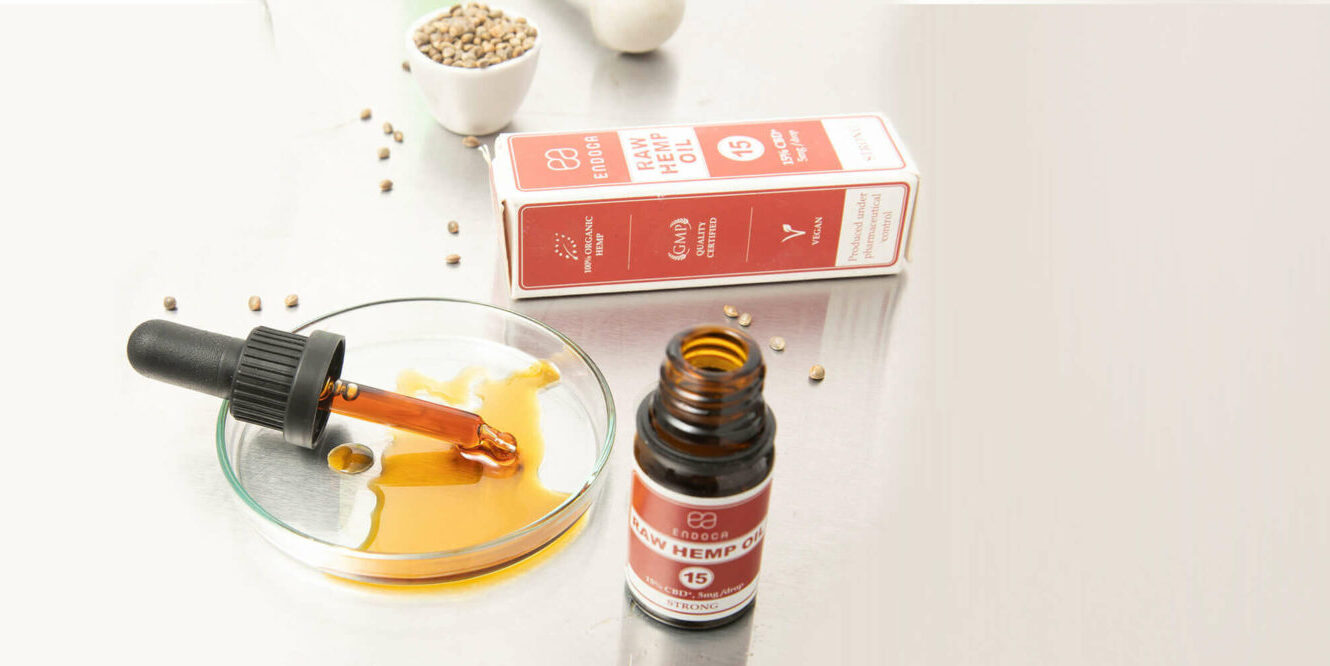
Endoca grows its own hemp, extracts with supercritical CO2 and manufactures under GMP conditions, which means the hemp extract in the skincare comes from the same supply chain as the oils. Every batch is screened for more than 200 pesticides as well as heavy metals and mycotoxins, and the results are published, so you can read the batch lab reports before you buy. If you want the detail on how the extract is made, the process is documented here.
The extract itself is full spectrum, which is worth understanding because it is the main formulation choice in CBD skincare:
- Full spectrum extract keeps the whole profile of the plant: CBD, minor cannabinoids, terpenes, flavonoids, plant waxes, omegas and vitamin E, with only a trace of THC. You get the plant nutrients as well as the cannabidiol.
- Broad spectrum has the THC stripped out. The removal process can also strip out some of the other plant compounds along the way.
- CBD isolate is cannabidiol alone. It makes sense if you are sensitive to terpenes or want a formula with no THC at all, but you lose the rest of the plant.
Across the range, the recurring ingredients are safflower oil, coconut oil, shea and cocoa butter, apricot kernel oil, bergamot oil, hemp seed oil, vanilla extract, CO2-extracted oat oil and vitamin E, with no parabens and no sulfates. The current CBD skincare range includes:
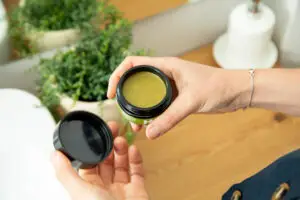
- Salve, 250mg to 750mg CBD in 10ml and 30ml. Coconut oil, hemp seed oil, hemp extract, lemon peel oil, vanilla extract and vitamin E. The thicker option for hands, elbows and dry patches.
- Mint Muscle Salve, 750mg CBD, 30ml. The same salve format with a mint note, made for larger areas after activity.
- Hemp Face Serum, 40mg CBD, 30ml. The lightest format in the range, for daily facial use.
- CBD Face and Body Oil, 1.5mg CBD per ml. Apricot oil based, with antioxidants, fatty acids, vitamin A and vitamin E.
- Whipped Body Butter, 450mg to 1500mg CBD, 100ml. Rich, for full body use on dry skin.
- Hemp Soap. A hemp-based cleansing bar for people who want the whole routine on the same base.
How to apply CBD cream
There is not much technique to this, but a few things make a noticeable difference.
- Patch test first. Apply a small amount to the inside of your forearm and leave it for 24 hours before using it on your face or on a large area.
- Apply to clean skin. Cleanse and pat dry. Anything already sitting on the skin gets in the way.
- Apply while skin is slightly damp. A cream applied just after washing traps the water that is still on the surface, which is the single easiest way to improve the result.
- Use more than you think on the body, less than you think on the face. Thin films of salve do very little. On the face, a pea-sized amount of serum or oil is usually enough.
- Massage until it disappears. Work it in for 30 seconds or so rather than dabbing it on.
- Be consistent. Hydration effects build over days of regular use and disappear if you stop.
- Keep it away from your eyes, and store the product somewhere cool and dry, out of direct sunlight, so the oils stay stable.
Some people use topicals alongside CBD taken by mouth, on the reasoning that skin health starts from the inside. That is a personal preference rather than a requirement, and if you want to explore it, the CBD oil range is the usual starting point. Speak to your doctor before adding CBD in any form if you are pregnant, breastfeeding, or taking prescription medication.
Frequently asked questions about CBD cream benefits
Does CBD cream get you high?
No. CBD is non-intoxicating, and topical products are not absorbed into the bloodstream in any meaningful amount. Even full spectrum creams contain only trace THC, far below any level that could produce an intoxicating effect, and applying it to your skin does not change that.
How long does it take to see results from CBD cream?
The moisturizing effect is immediate, and skin usually looks and feels better within minutes. Any change in overall skin texture or evenness follows the same timeline as any other moisturizer, which means a few weeks of consistent daily use rather than a few days.
What is the difference between CBD cream and CBD salve?
A CBD cream contains water as well as oil, so it is lighter, spreads further and absorbs faster. A CBD salve is oil and wax with no water, which makes it thicker and longer lasting on the skin. Creams suit daily all-over use, salves suit dry patches.
Can I use CBD cream on my face every day?
Yes, provided the format suits your skin. A light serum or facial oil is better suited to daily facial use than a thick body salve. Patch test first, introduce it gradually if your skin is acne-prone, and stop if you see any irritation.
Will CBD cream show up on a drug test?
Topical CBD is very unlikely to affect a drug test, because it stays in the skin rather than entering the bloodstream. If you are tested regularly and want to remove any doubt, choose a product made with CBD isolate or broad spectrum extract instead of a full spectrum one.
How much CBD should a cream contain?
There is no established topical dose. What matters more is the size of the area you are covering. A 20mg lip balm is appropriate for lips, while a 750mg salve makes sense for hands, elbows and knees. Compare the mg per ml rather than the headline number on the jar.
If you are starting out, pick the format before the strength: a light serum or facial oil for the face, a salve or body butter for dry patches. You can see the full range, with published lab reports for every batch, in Endoca’s CBD skincare collection.


Comments are closed