No products in the cart.

- Shop

- About Us

Our Story
From humble beginnings to a global mission – we grow, harvest, and craft hemp with care for people and planet.
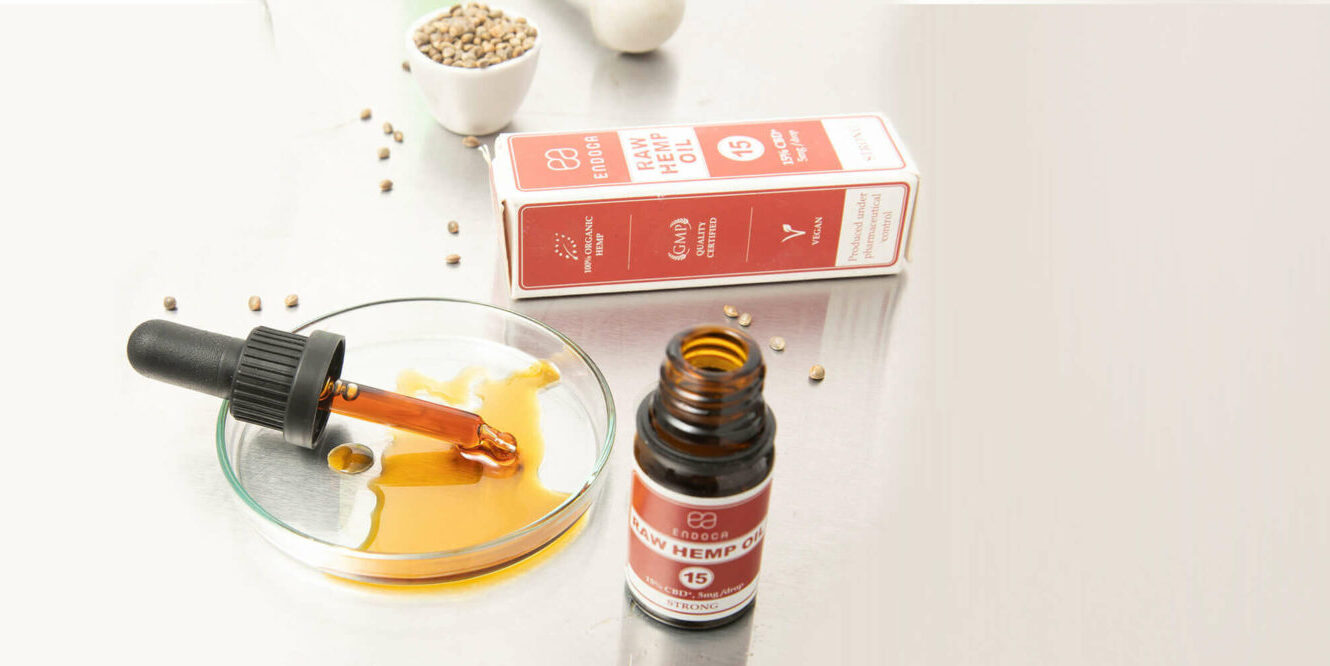
What Is CBD?
CBD is nature’s way to restore balance, calm, and overall well-being – naturally and without the high.
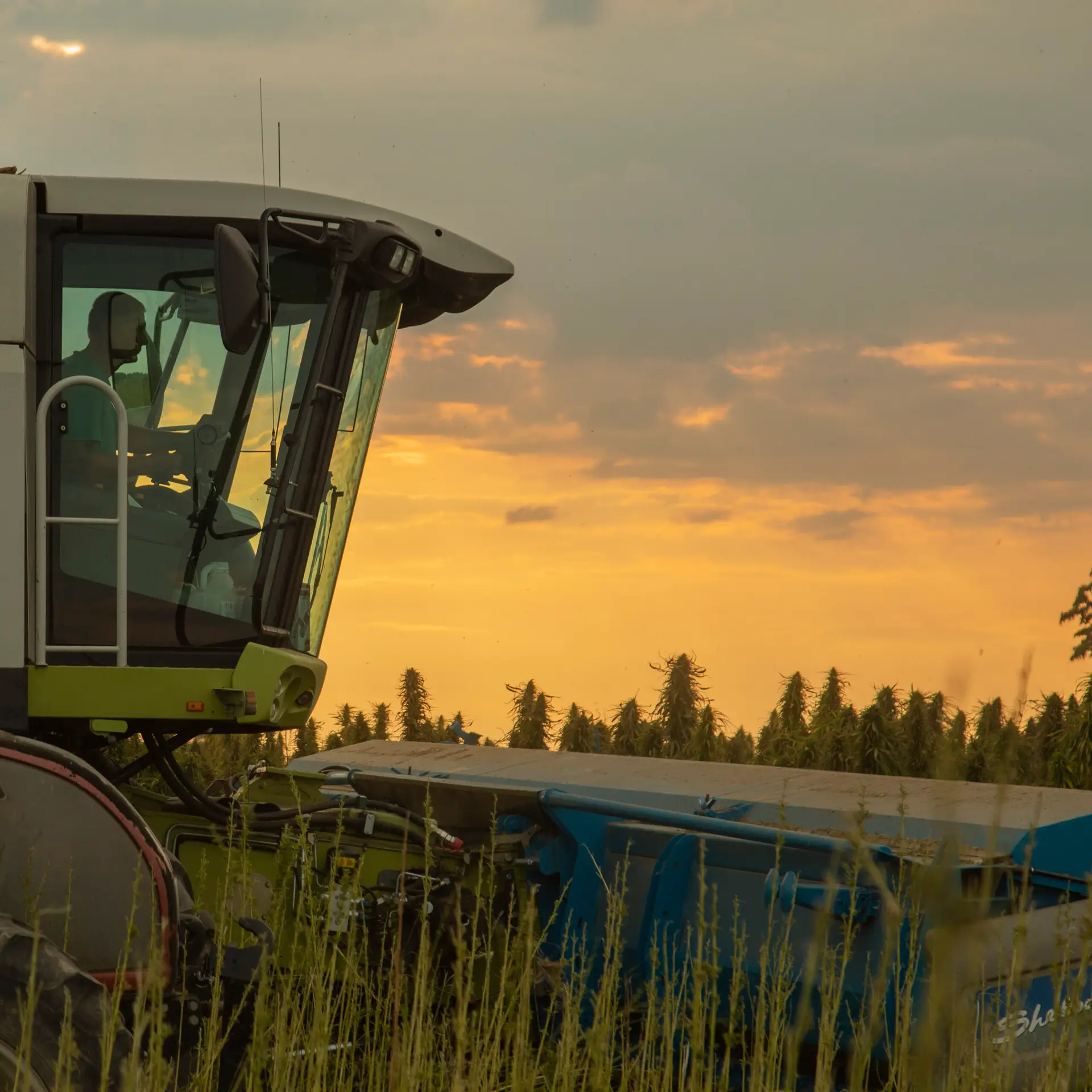
The Process
From seed to shelf, we grow organically, extract cleanly, and follow strict quality standards for purity.

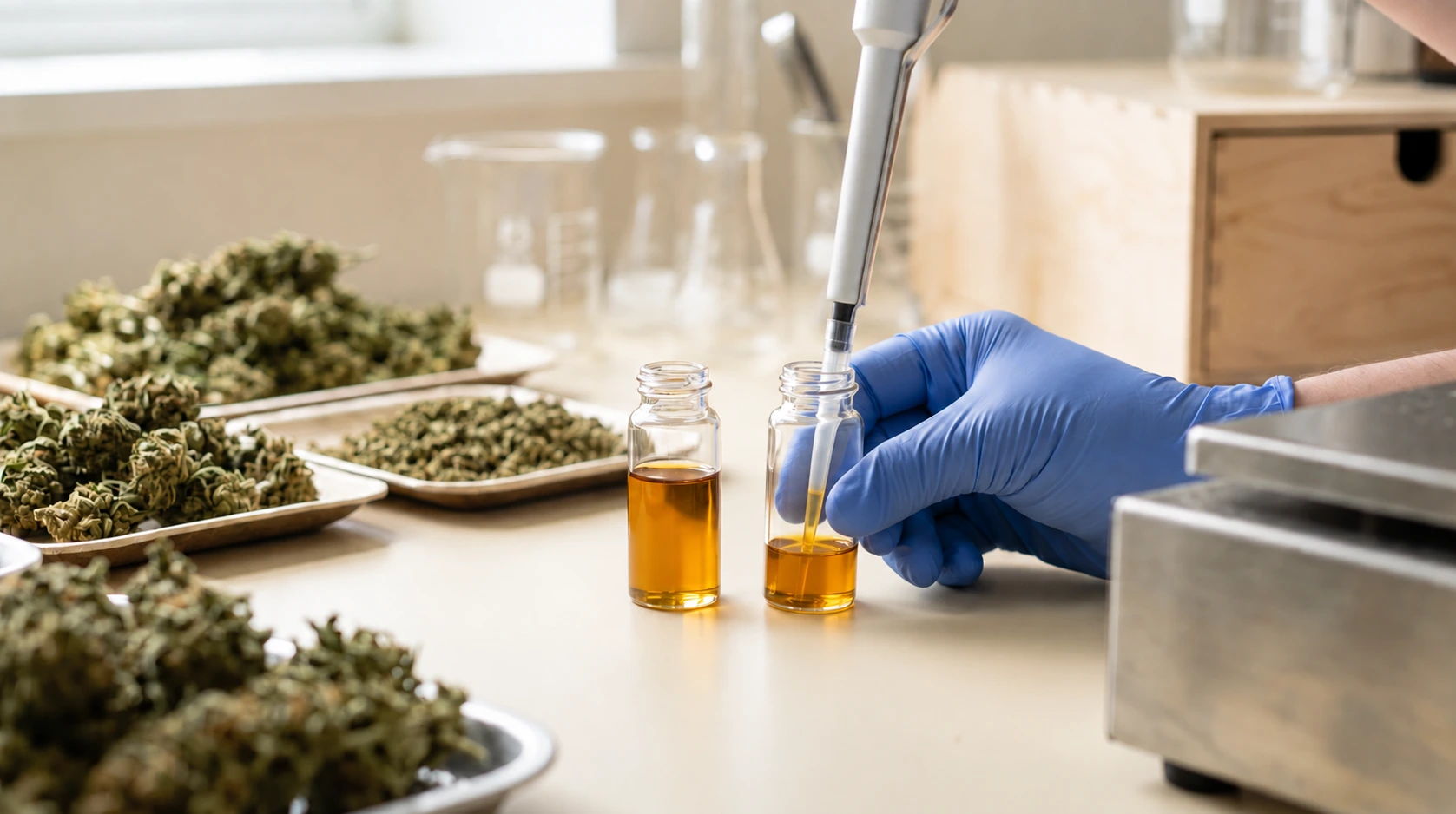
Lab Testing
Every batch is third-party tested to ensure purity, safety, and the exact amount of CBD every time.
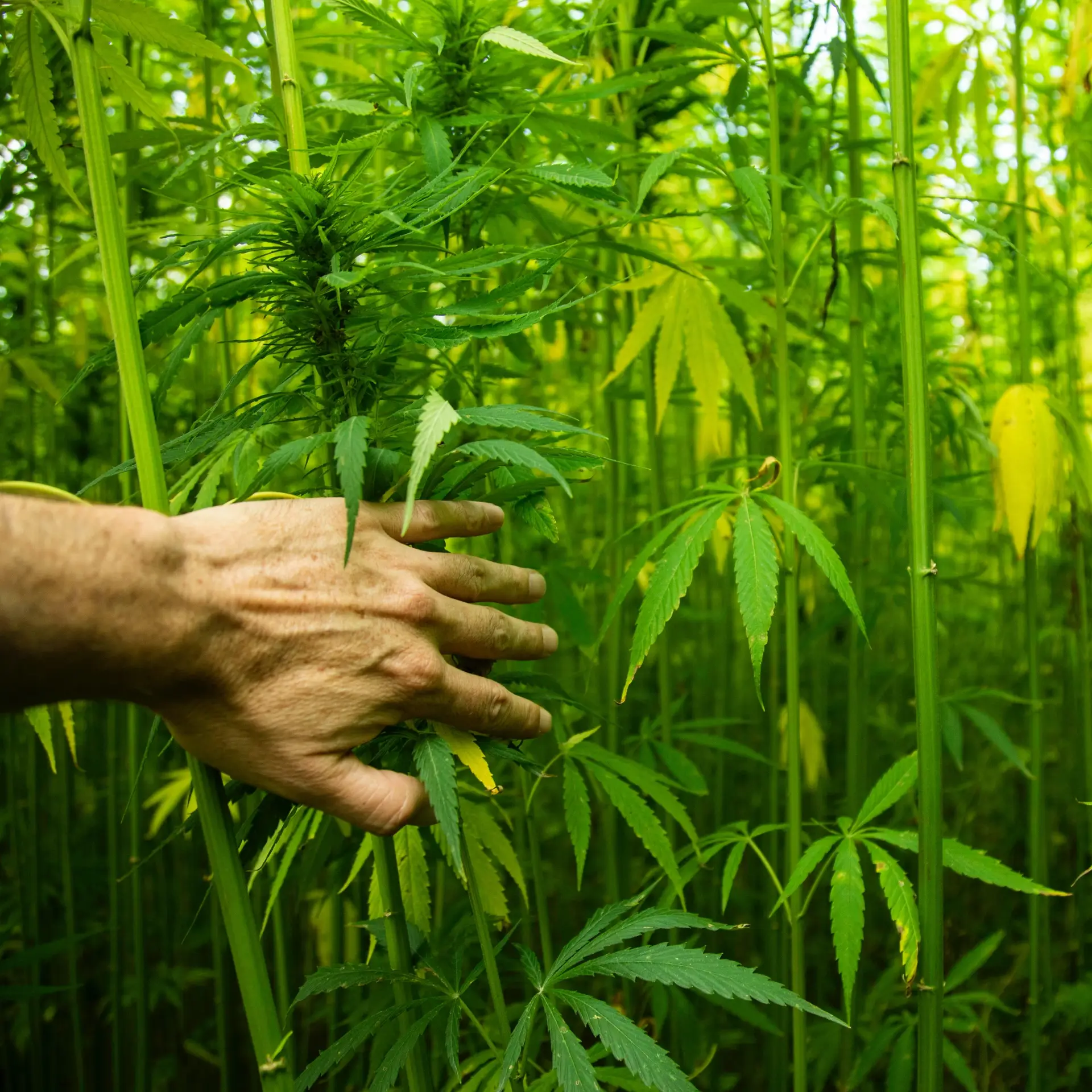
Our Values
Sustainability, transparency, and wellness guide every decision – for you and for the planet.
At a glance
Where CBG sits in the plant
CBG has a nickname in the industry, the mother cannabinoid, and for once the nickname is accurate rather than decorative.
Cannabis makes one precursor called CBGA. Three different enzymes then compete for it. THCA synthase turns it into THCA. CBDA synthase turns it into CBDA. CBCA synthase turns it into CBCA. Whatever is left over decarboxylates to CBG.
Which is why CBG is scarce. In a normal high-CBD hemp cultivar, almost all the CBGA has already been converted by the time you harvest. Meaningful CBG content requires either harvesting early, before the synthases have finished their work, or growing a cultivar bred to lack them. That scarcity is the reason CBG isolate costs more than CBD isolate, and it is a fact about botany rather than about potency.
The pharmacology, and one number that stands out
The single most interesting thing about CBG has nothing to do with cannabinoid receptors.
A 2010 paper in the British Journal of Pharmacology found CBG acts as an alpha-2 adrenoceptor agonist with an EC50 of 0.2 nanomolar in mouse brain membranes. For scale, THC binds CB1 at around 20 to 36 nanomolar, and that is considered a potent interaction. Alpha-2 adrenoceptors are the same family that clonidine and dexmedetomidine act on, which are drugs used clinically for blood pressure and sedation.
Two caveats belong immediately next to that number. The same paper found CBG showed agonism far more potently in the binding assay than in isolated tissue, so how much of this translates into a real physiological effect is unresolved. And this is mouse tissue, not people.
CBG’s other notable action is 5-HT1A antagonism, with an apparent KB of 51.9 nanomolar. That is worth noticing because it points in the opposite direction to CBD, which is a weak 5-HT1A agonist. Two compounds sold side by side on the same shelf, doing opposite things at the same serotonin receptor.
At cannabinoid receptors, CBG is unimpressive. CB1 affinity around 1.3 micromolar with weak partial efficacy, and it behaves as a competitive antagonist at 10 micromolar. This is why it is not intoxicating.
CBD, by contrast, does very little at cannabinoid receptors and quite a lot elsewhere: blocking the ENT1 adenosine transporter, agonizing TRPA1 at 0.09 micromolar, and interacting with TRPV1, 5-HT1A and GPR55.
What the human evidence actually shows
CBD
CBD has been tested in humans repeatedly, with mixed and instructive results.
Strong evidence in three rare epilepsy syndromes, which produced an FDA-approved medicine.
Weak to absent evidence in pain, where 15 of 16 randomized trials with verified pharmaceutical CBD showed no benefit over placebo.
A modest anxiety signal in meta-analysis, at doses of 300 to 800 mg.
Essentially no adequate trial evidence for sleep.
CBG
CBG has one placebo-controlled human trial.
It found a reduction in reported anxiety and stress, better verbal memory recall, no subjective drug effects and no impairment.
It is also a single small crossover in healthy volunteers rather than a clinical population, conducted remotely, and its authors include a researcher with long-standing cannabis industry affiliations.
Everything else you will read about CBG, and there is a lot of it, is in vitro or rodent work: inflammatory bowel models, glaucoma, MRSA, Huntington's, multiple sclerosis, Parkinson's, ALS.
There is also no published human pharmacokinetic study of CBG.
Here is where the two part company sharply, and where most comparison articles quietly mislead.
This means every CBG dosing recommendation currently in circulation, including the ones on product labels, is extrapolation rather than measurement. We would rather say that than pretend otherwise.
What people get wrong
01CBG is stronger than CBD.
Stronger at what? At CB1 it is weaker. At alpha-2 adrenoceptors it is dramatically more potent, but CBD barely acts there, so the comparison is not really a contest. Potency at a receptor and usefulness to a person are different things.
02CBG is the mother cannabinoid, so it does everything the others do.
Being a biosynthetic precursor says nothing about pharmacology. CBGA is chemically upstream of THCA and CBDA. That is a fact about how the plant builds molecules, not about what the finished molecules do in your body.
03CBG is clinically proven for [condition].
One trial, 34 healthy people, 20 mg, one outcome domain. Nothing else in humans.
04Take CBG and CBD together for the entourage effect.
The entourage effect, as it is used in marketing, has not held up well. Two studies designed specifically to test whether cannabis terpenes modulate cannabinoid receptor activity found they do not. A 2024 scoping review concluded the literature provides limited evidence for it as a stable and predictable phenomenon. Cannabinoid interactions that are real tend to be pharmacokinetic, meaning one compound changes how fast another is cleared.
Choosing between them
If you want the compound with the most human data behind it, that is CBD, and it is not close.
If you are interested in CBG, the honest framing is that you are trying something with genuinely intriguing pharmacology and one small supportive study, at a dose nobody has properly characterized in humans. Some people find that a reasonable thing to do. It should be a decision made with the evidence in view rather than around it.
Practically, CBG products cost more per milligram because the raw material is scarcer. Products described as full-spectrum will contain small amounts of CBG alongside CBD; a dedicated CBG product concentrates it deliberately.
Still weighing up the options? See CBGA vs CBG, CBD vs CBG vs CBN or CBG vs CBN. Endoca products related to this comparison: CBN and CBG sleep formula and Full-spectrum CBD oil.
Legal status and safety
Legal status in the United States
Both are non-intoxicating cannabinoids from hemp, and under the 2018 Farm Bill both are lawful federally provided the source material stays under 0.3 percent delta-9 THC by dry weight.
From 12 November 2026, Section 781 of Public Law 119-37 changes the test to total THC including THCA, excludes cannabinoids synthesized outside the plant, and caps finished products at 0.4 mg total THC per container. Naturally extracted CBG and CBD are not the target of that change, but products carrying them alongside meaningful THC content may be. A Senate-passed one-month delay had not cleared the House as of 1 September 2026.
FDA’s position that CBD is not lawful as a dietary supplement ingredient is unchanged. CBG has not been the subject of an equivalent determination, which is a gap rather than a green light.
Safety
CBD’s safety profile is reasonably well characterized: liver enzyme elevations in around 9 percent of epilepsy trial patients, and meaningful cytochrome P450 inhibition that creates drug interaction potential.
CBG’s safety profile in humans rests on one trial of 34 people at a single dose. Reported as well tolerated. That is all anybody actually knows.
If you take prescription medication, speak to your prescriber before adding either.
How Endoca tests for this
CBG content is easy to claim and harder to deliver, precisely because the raw material is scarce. Every Endoca batch carries a third-party certificate of analysis giving the measured content of CBD, CBDA, CBG, CBN, THC and THCA, tied to the batch code on the bottle. If a CBG product does not come with a lab report showing an actual CBG number, there is no way to know it contains any.
Frequently asked questions
No. Its CB1 affinity is roughly 1.3 micromolar with weak partial efficacy, far too weak to produce intoxication.
They are commonly combined and no interaction problem is known. There is also no evidence that combining them produces a better result than either alone.
Because the plant converts almost all of its CBGA into other cannabinoids. Harvesting enough CBG means sacrificing yield.
Nobody can answer this from data. The only human trial used 20 mg. There is no published human pharmacokinetic study.
The single human trial reported improved verbal memory recall alongside its main findings. One study in 34 healthy people is not a basis for a focus claim.
There is not enough evidence to say. CBD has been studied in several human anxiety trials; CBG has one small human study. Anyone choosing CBG for anxiety is going on early data, not settled evidence.
At the receptor level they behave differently: CBG binds more directly to CB1 and CB2 and acts on alpha-2 adrenergic receptors, while CBD mainly works indirectly. Whether those lab differences translate into different effects in people has not been established.
References
01
Cascio MG, Gauson LA, Stevenson LA, Ross RA, Pertwee RG. Evidence that the plant cannabinoid cannabigerol is a highly potent alpha-2-adrenoceptor agonist. Br J Pharmacol 2010;159:129-141.
02
Cuttler C, Stueber A, Cooper ZD, Russo E. Acute effects of cannabigerol on anxiety, stress and mood. Sci Rep 2024;14:16163.
03
Zagzoog A et al. In vitro and in vivo pharmacological activity of minor phytocannabinoids. Sci Rep 2020;10:20405.
04
Walsh KB, McKinney AE, Holmes AE. Minor Cannabinoids: Biosynthesis, Molecular Pharmacology and Potential Therapeutic Uses. Front Pharmacol 2021;12:777804.
05
Finlay DB et al. Terpenoids From Cannabis Do Not Mediate an Entourage Effect by Acting at Cannabinoid Receptors. Front Pharmacol 2020;11:359.
06
Simei JLQ et al. Does the “Entourage Effect” in Cannabinoids Exist? Cannabis Cannabinoid Res 2024;9:1202-1216.
07
Moore RA et al. Cannabidiol (CBD) for Pain. J Pain 2024;25:833-842.
08
Congressional Research Service. Legal Sidebar LSB11381, updated 22 December 2025.
Last reviewed 1 September 2026.
These statements have not been evaluated by the Food and Drug Administration. This product is not intended to diagnose, treat, cure, or prevent any disease.