No products in the cart.

- Shop
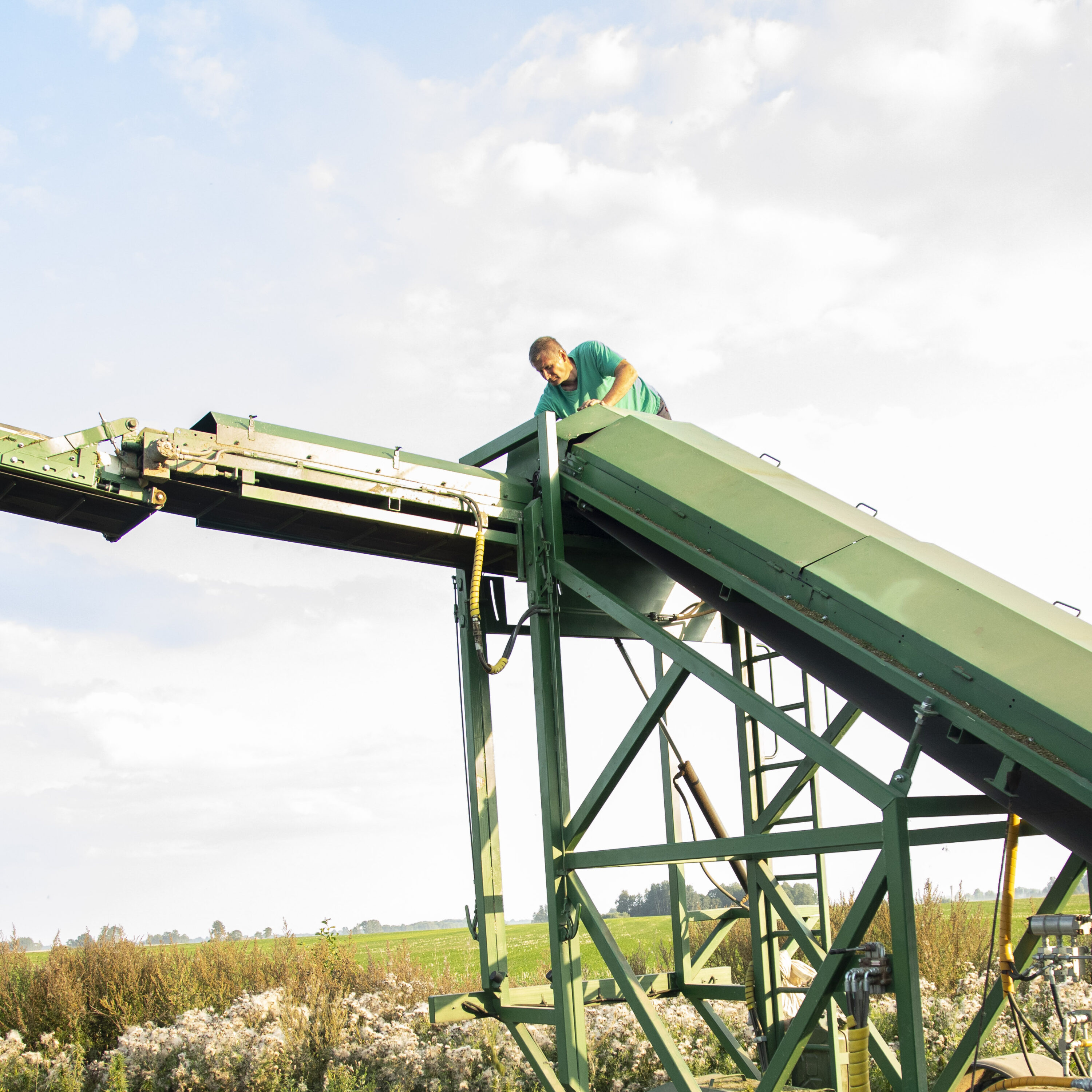
- About Us
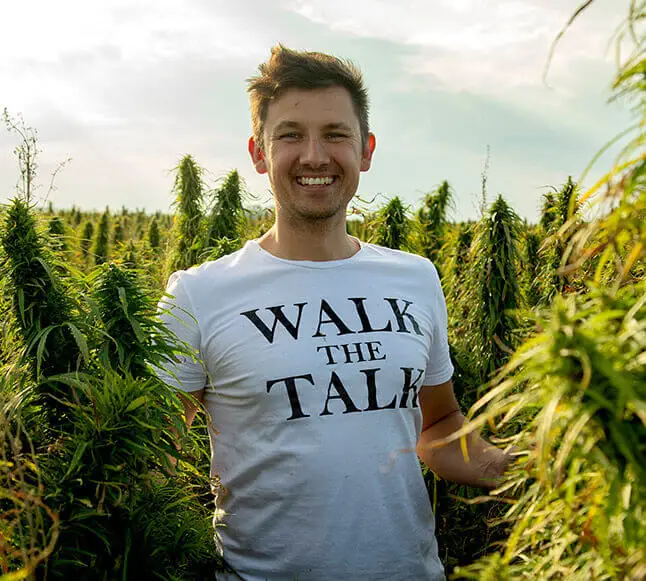
Our Story
From humble beginnings to a global mission – we grow, harvest, and craft hemp with care for people and planet.
What Is CBD?
CBD is nature’s way to restore balance, calm, and overall well-being – naturally and without the high.
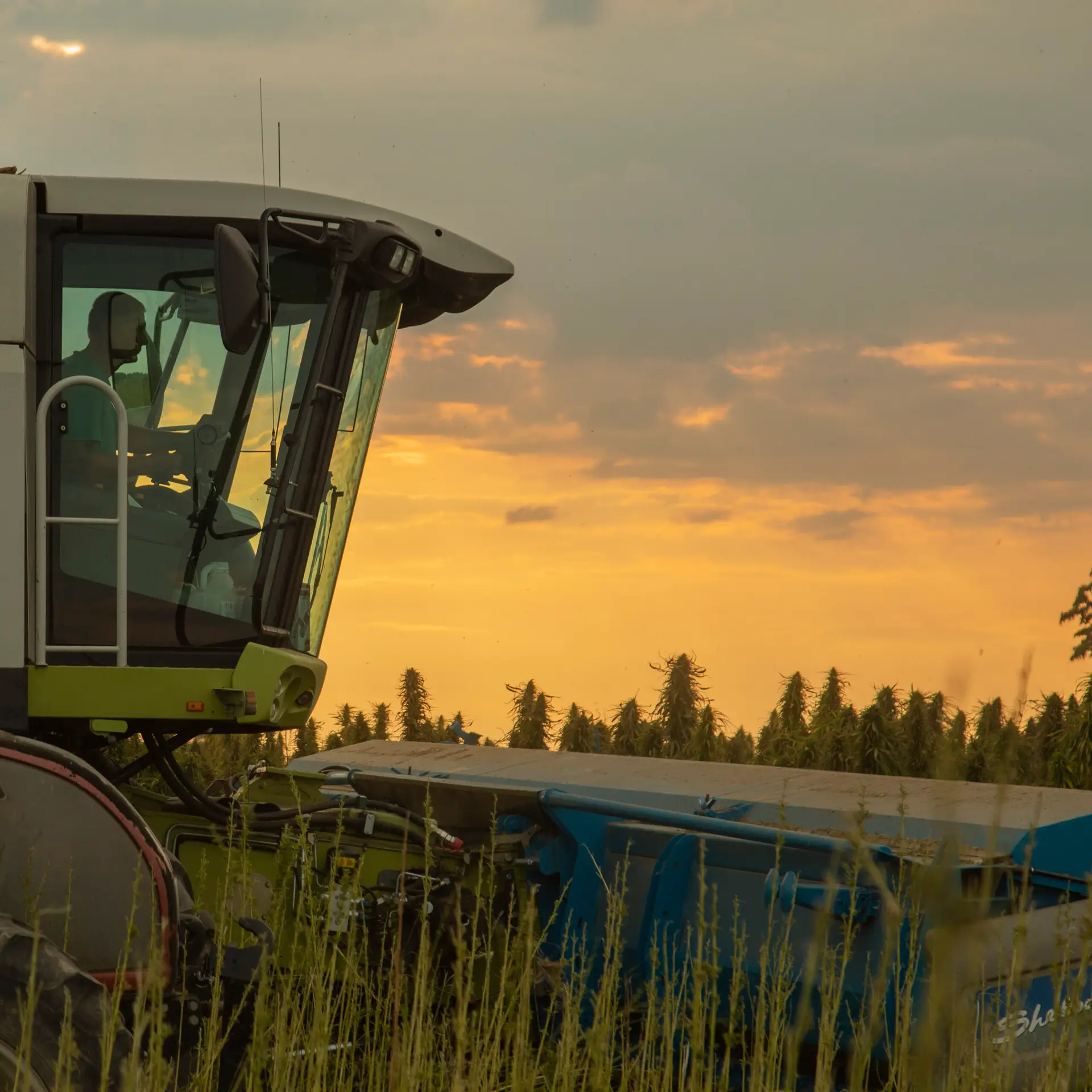
The Process
From seed to shelf, we grow organically, extract cleanly, and follow strict quality standards for purity.

Lab Testing
Every batch is third-party tested to ensure purity, safety, and the exact amount of CBD every time.
Our Values
Sustainability, transparency, and wellness guide every decision – for you and for the planet.
At a glance
The propyl branch
Most cannabinoids you have heard of have a five-carbon side chain, inherited from a molecule called olivetolic acid. There is a second, smaller family with a three-carbon chain, built instead from divarinolic acid. Those are the varins: CBDV, THCV, CBGV.
The varin pathway segregates genetically, meaning a plant either has it or largely does not. That is why CBDV is scarce in ordinary hemp and why varin-rich cultivars are bred deliberately.
CBDV and CBD are therefore siblings rather than parent and child. Same overall shape, two fewer carbons.
Pharmacology
CBDV has no meaningful CB1 activity, which is why it is not intoxicating. At CB2 it has reasonable affinity at 140 nanomolar and a notably low cAMP EC50 of 5.0 nanomolar, though with partial efficacy. Its most potent TRP channel action is TRPA1 at 0.42 micromolar.
It also shows signalling bias at CB2, favouring one pathway over another, although two research groups reported the bias in opposite directions using different methods. That is a reminder to treat single-source pharmacology claims carefully.
There is no published human pharmacokinetic study of CBDV.
Where the evidence is unusual
CBDV
GW Pharmaceuticals ran a Phase 2 randomized controlled trial in 162 adults with inadequately controlled focal seizures, using 800 mg CBDV twice daily against placebo.
Seizure frequency fell 40.5 percent on CBDV and 37.7 percent on placebo. The treatment ratio was 0.95 with a confidence interval of 0.78 to 1.17, and a p value of 0.648.
Mean pain intensity was 0.62 points higher on CBDV than on placebo. No effect on rescue medication use, pain characteristics or quality of life.
There are single-dose studies showing CBDV modulates the balance of glutamate and GABA in the brain and alters striatal connectivity in adults with and without autism.
They are not efficacy trials and they do not show CBDV treats autism, although you will see them cited as if they do.
CBD
It succeeded in epilepsy, which is why Epidiolex exists.
It largely failed in pain, where 15 of 16 randomized trials using verified pharmaceutical CBD showed no benefit over placebo.
Most articles about minor cannabinoids have to say “no human trials exist.” CBDV is the exception, and the exception is instructive.
A failed trial is not the same as a useless compound, and it is worth being precise.
The epilepsy trial used a specific dose in a specific population with a specific seizure type. It tells you CBDV at 1,600 mg a day does not reduce focal seizures more than placebo. It does not tell you CBDV does nothing at all.
But it does something more useful than most minor cannabinoid literature: it puts a real boundary on the claim space. When a compound has been given a properly powered trial at a substantial dose and produced a p value of 0.648, that is meaningful information, and it is more informative than a hundred favorable cell culture studies.
Compounds are not good or bad in general. They work or fail at specific things.
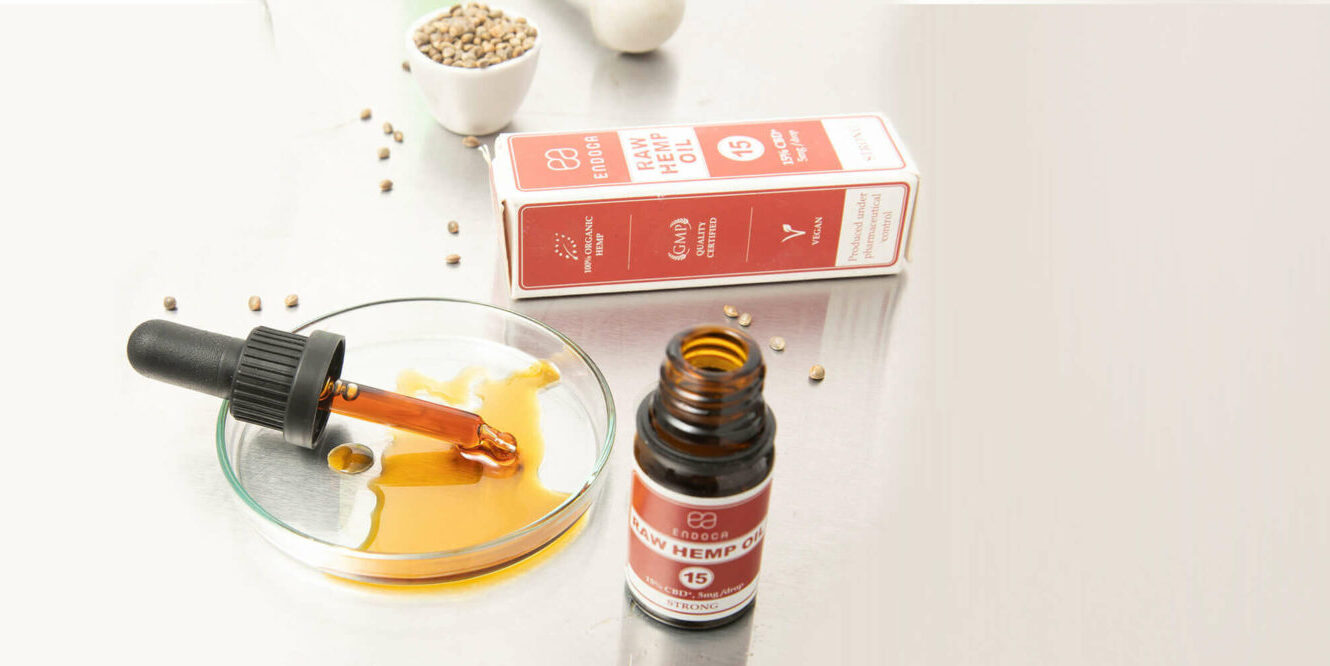
Still weighing up the options? See CBDV vs THCV, THCV vs CBD or CBDa vs CBD. Endoca products related to this comparison: Full-spectrum CBD oil.
What people get wrong
01CBDV treats epilepsy.
The Phase 2 trial failed.
02CBDV helps neuropathic pain.
That trial failed too, with pain slightly worse on the active arm.
03CBDV is a promising autism treatment.
Only biomarker studies exist. No efficacy trial has been run.
04CBDV is a more potent CBD.
Different side chain, different receptor profile, no comparative human data.
Legal status and safety
Legal status in the United States
CBDV from hemp is treated on the same basis as CBD under the 2018 Farm Bill, provided source material stays under 0.3 percent delta-9 THC by dry weight. From 12 November 2026 the federal test becomes total THC including THCA, and cannabinoids synthesized outside the plant are excluded. Naturally extracted CBDV is not the target of that change.
How Endoca tests for this
We do not sell a CBDV product, and the reason is on this page. When a cannabinoid has been given two properly designed human trials and failed both, the responsible thing is to say so rather than to build a product line on the mechanistic literature that preceded them.
Frequently asked questions
No. It has no meaningful CB1 activity.
Usually only in trace amounts, unless the cultivar carries the varin pathway.
Different compounds, different populations and different seizure types. The two are not interchangeable.
There is no human evidence supporting a benefit, and two trials showing none for what was tested.
CBDV is the varin form of CBD: the same structure with a shorter side chain. The plant makes it from CBGVA rather than CBGA. It is non-intoxicating and usually present only in trace amounts in hemp.
No. The shorter side chain changes how the molecule behaves, and CBDV has its own, separate trial record. Results for CBD cannot be assumed to apply to CBDV.
References
01
Brodie MJ et al. Randomized, Double-Blind, Placebo-Controlled Study of Cannabidivarin in Focal Seizures. Cannabis Cannabinoid Res 2021;6:528-536.
02
Eibach L et al. Cannabidivarin for HIV-Associated Neuropathic Pain. Clin Pharmacol Ther 2021;109:1055-1062.
03
Pretzsch CM et al. Effects of cannabidivarin on brain excitation and inhibition. Transl Psychiatry 2019;9:313.
04
Zagzoog A et al. Sci Rep 2020;10:20405.
05
De Petrocellis L et al. Br J Pharmacol 2011;163:1479-1494.
06
Moore RA et al. Cannabidiol (CBD) for Pain. J Pain 2024;25:833-842.
Last reviewed 1 September 2026.
These statements have not been evaluated by the Food and Drug Administration. This product is not intended to diagnose, treat, cure, or prevent any disease.