
No products in the cart.

- Shop
- About Us
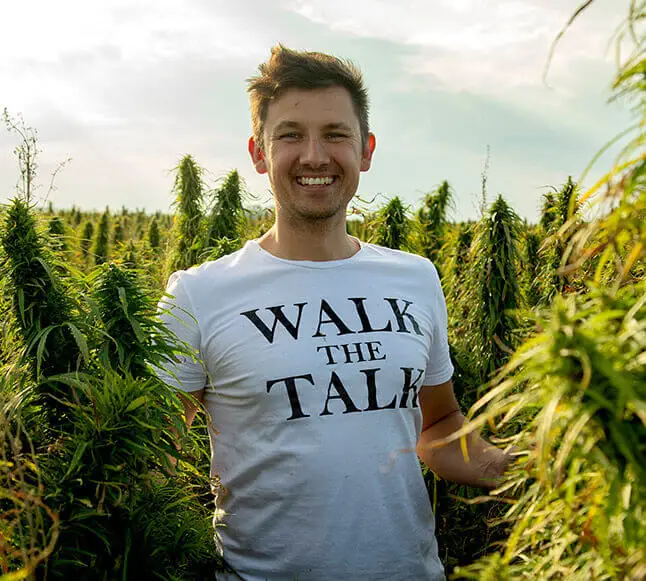
Our Story
From humble beginnings to a global mission – we grow, harvest, and craft hemp with care for people and planet.
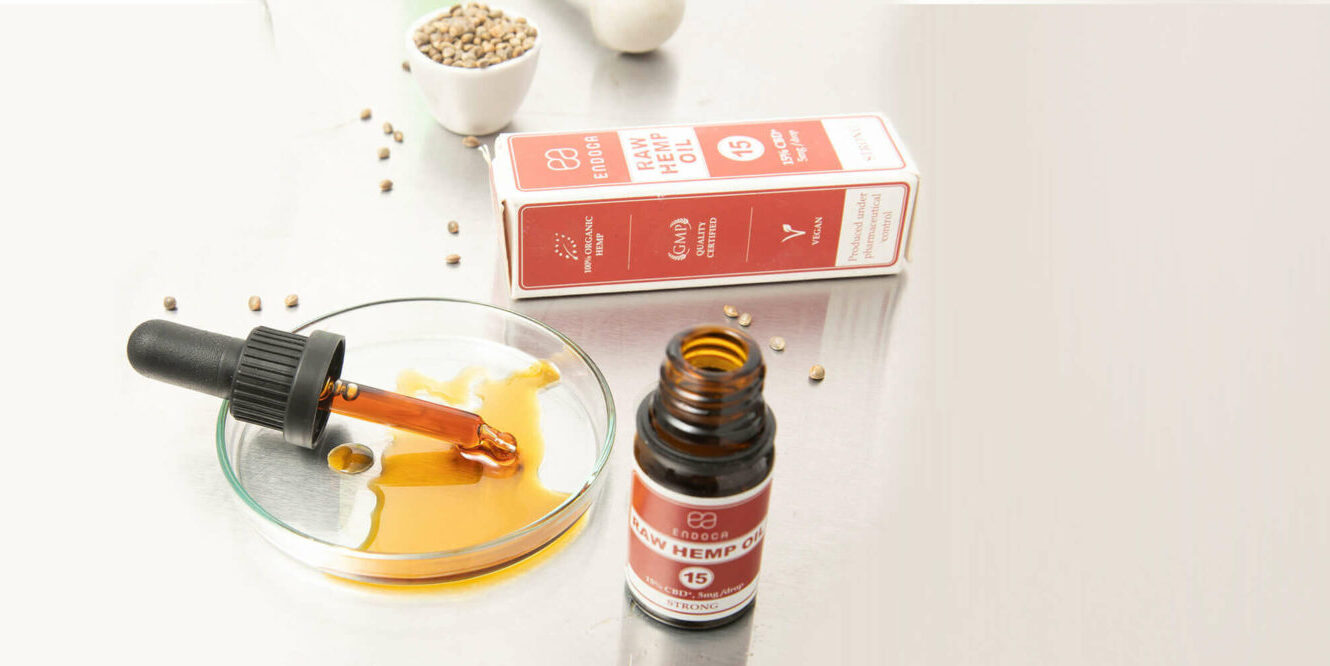
What Is CBD?
CBD is nature’s way to restore balance, calm, and overall well-being – naturally and without the high.
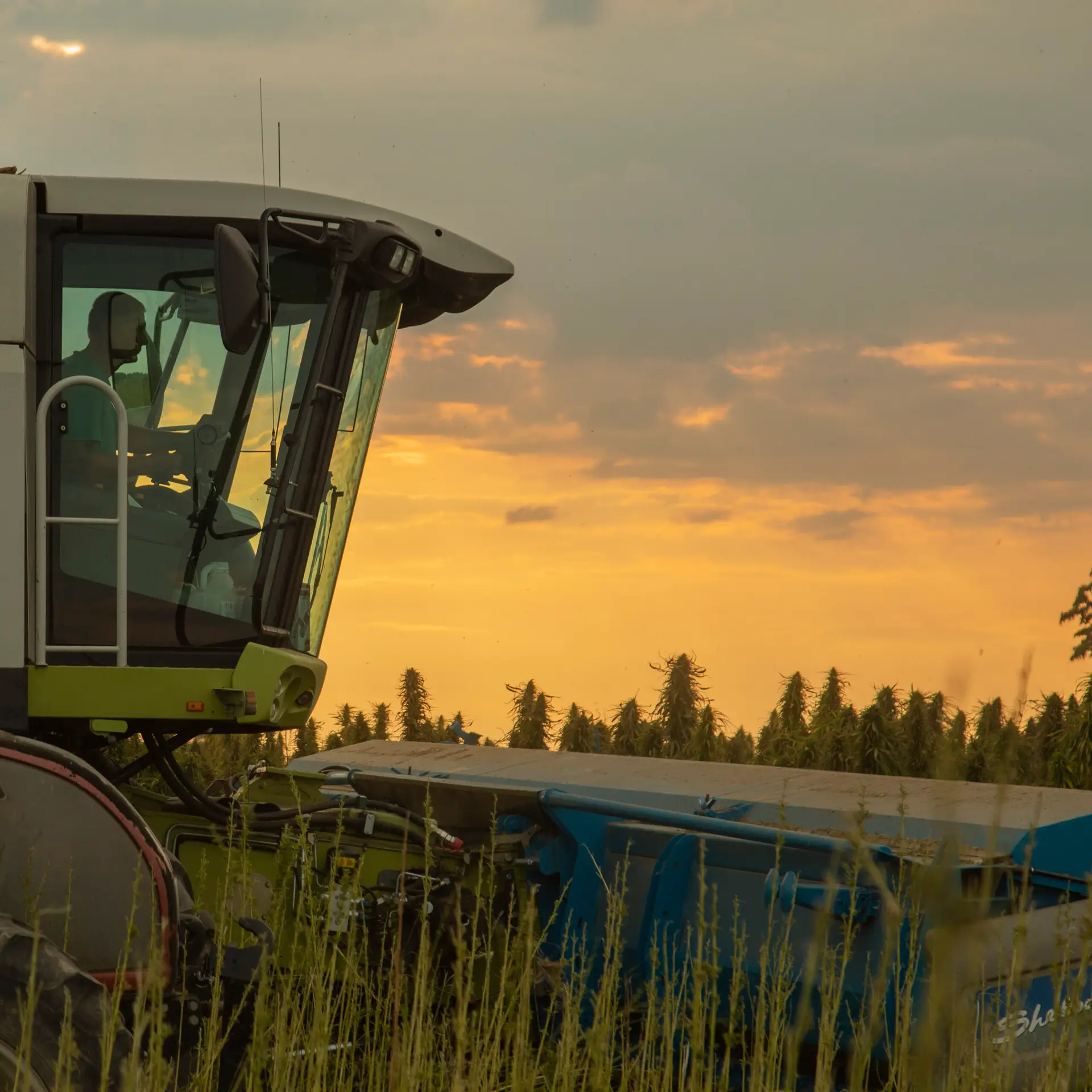
The Process
From seed to shelf, we grow organically, extract cleanly, and follow strict quality standards for purity.
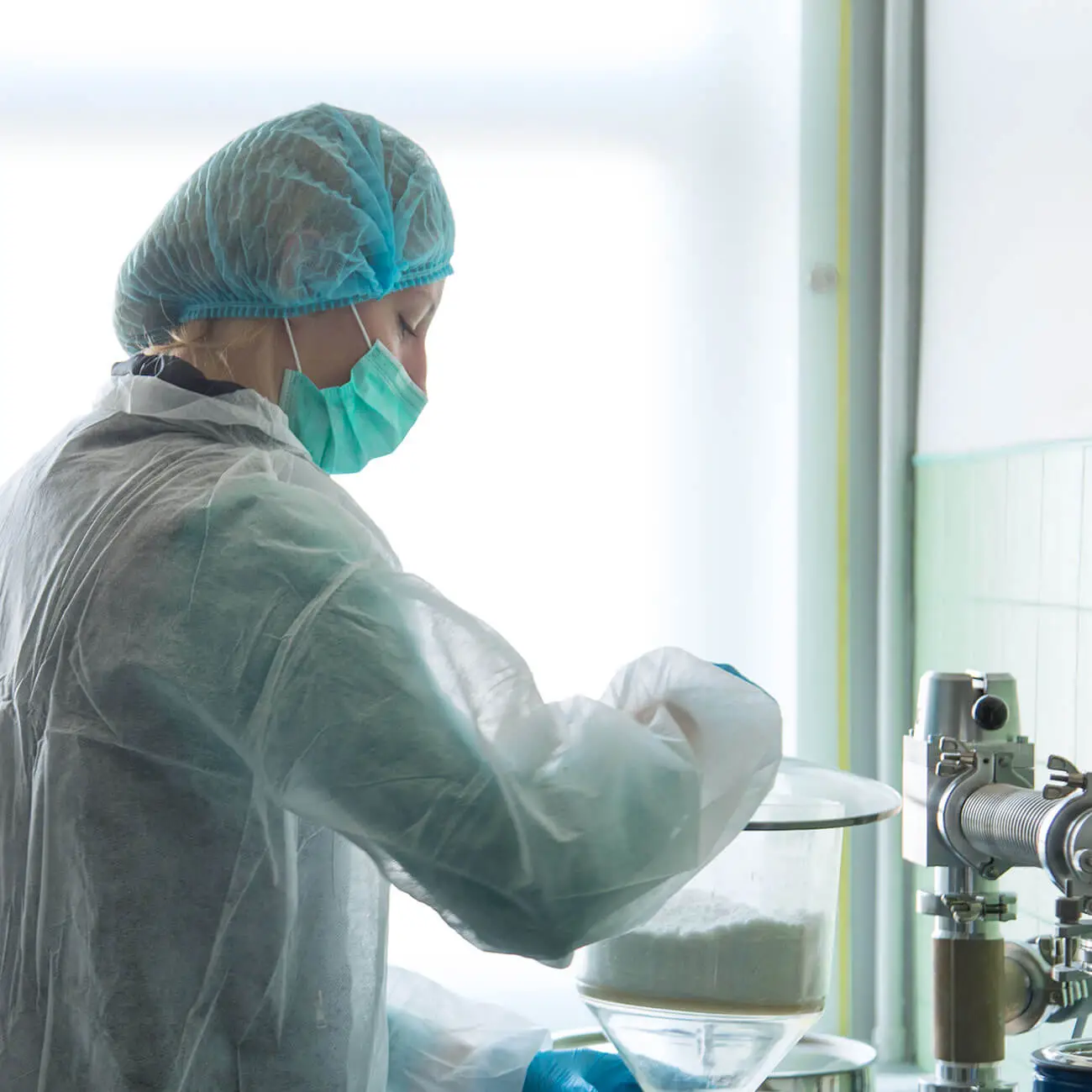
Lab Testing
Every batch is third-party tested to ensure purity, safety, and the exact amount of CBD every time.
Our Values
Sustainability, transparency, and wellness guide every decision – for you and for the planet.

At a glance
Decarboxylation, and why it matters here
Living cannabis makes acids. The plant produces CBDA through a dedicated enzyme, and CBDA is what sits in the trichomes of a fresh plant.
Apply heat, or simply enough time, and a carbon dioxide group breaks off. CBDA becomes CBD. This is decarboxylation, and it is why raw cannabis behaves differently from heated cannabis, and why extraction temperature is a formulation decision rather than a technicality.
So CBD is a degradation product of CBDa, not the other way around. A raw or cold-processed extract keeps more CBDa. A heated one converts most of it.
The absorption finding, reported carefully

A 2025 study in Cannabis and Cannabinoid Research gave 15 healthy adults oral soft gels containing roughly equal parts CBD and CBDa, at three dose levels. Across all doses, peak plasma concentration for CBDa was 19 to 25 times higher than for CBD, and time to peak was up to twice as fast.
That pattern has now been reported across species: dogs, horses, goats and macaques all absorb CBDa better than CBD.
Two caveats belong with that finding, and reputable reporting includes them.
First, it was a co-administration study. Both compounds were given together in the same product rather than in separate arms. It is strong evidence, but it is not a formal head-to-head bioequivalence comparison, and the authors themselves called for studies directly comparing the two.
Second, and more important, blood is not brain. A 2019 study in mice found that all the cannabinoid acids, including CBDa, were rapidly absorbed into plasma but reached brain to plasma ratios of 0.04 or less. They are ionised at physiological pH and cross the blood-brain barrier poorly. Only when CBDa was reformulated in a specialised vehicle did its brain to plasma ratio rise to 1.9, and only in that formulation did it show activity in a seizure model.
So “19 to 25 times more bioavailable” is accurate about the bloodstream and potentially misleading about anything happening in the central nervous system.
They are different drugs, not two strengths of one
CBDa
CBDa selectively inhibits COX-2, with an EC50 around 2 micromolar and roughly ninefold selectivity over COX-1.
CBDa is a far more potent 5-HT1A agonist for anti-nausea effects, roughly a thousand times more potent than CBD in rodent models of nausea-induced behavior.
There is no human efficacy trial of CBDa.
What exists is human pharmacokinetics, rodent pharmacology and cross-species absorption data.
CBD
CBD does not do this.
CBD has an anticonvulsant clinical dataset.
This is the part most CBDa marketing skips.
Add those up and CBDa is a different compound with a different target profile. Calling it “more bioavailable CBD” is like calling aspirin “more bioavailable paracetamol.”
The anticonvulsant work in a Dravet syndrome mouse model is genuinely interesting, but it only worked in the specially formulated vehicle that got CBDa into the brain. That is an important asterisk on any claim built from it.
What people get wrong
01CBDa is just raw CBD.
Chemically it is the precursor, and it has targets CBD does not.
02CBDa is more bioavailable so you need less.
Higher plasma levels do not necessarily mean more of anything reaching the tissue where an effect would occur.
03Raw CBD is more natural so it is better.
More native to the plant, yes. Better is an empirical question nobody has answered in humans.
Choosing between them
If you want the compound with clinical data, that is CBD.
If the COX-2 and 5-HT1A pharmacology interests you, CBDa is a genuinely distinct compound rather than a marketing variant, and raw or cold-processed extracts are how you get it. That is a reasonable thing to try with the uncertainty understood.
Many full-spectrum products contain both, because incomplete decarboxylation is normal. The certificate of analysis will list CBD and CBDA separately, and the ratio tells you how the extract was processed.
Legal status and safety
Legal status in the United States
CBDa from hemp is treated on the same footing as CBD under the 2018 Farm Bill, provided source material stays under 0.3 percent delta-9 THC by dry weight.
There is a wrinkle worth knowing. From 12 November 2026, Section 781 of Public Law 119-37 changes the federal test to total THC including THCA. Because raw and cold-processed extracts retain acid-form cannabinoids, including THCA, a raw product could carry more total THC under the new accounting than its delta-9 figure suggests. Anyone making or buying raw extracts should look at THCA on the certificate of analysis, not just THC.
How Endoca tests for this
Our Raw range is cold-processed specifically to retain CBDa alongside CBD, and every batch certificate reports both separately, along with THCA. That separation matters more from November 2026 than it did before, and it is exactly the sort of number a brand should be publishing rather than summarising.
Frequently asked questions
No. Its CB1 affinity is above 10 micromolar and its efficacy there is minimal.
Not appreciably. Decarboxylation is a thermal process, not a metabolic one.
There is no human efficacy data to answer that. The absorption difference is real; what it means for effect is unknown.
They retain more of the plant’s original composition, including terpenes and chlorophyll that heating and refining remove.
Heating will drive decarboxylation, yes.
References
01
Elder HJ et al. Pharmacokinetics of carboxylated and decarboxylated cannabinoids in humans. Cannabis Cannabinoid Res 2025;10:e299-e313.
02
Anderson LL et al. Pharmacokinetics of phytocannabinoid acids and anticonvulsant effect of cannabidiolic acid in a mouse model of Dravet syndrome. J Nat Prod 2019;82:3047-3055.
03
Takeda S et al. Cannabidiolic acid as a selective COX-2 inhibitor. 2008.
04
Zagzoog A et al. Minor phytocannabinoid pharmacology. Sci Rep 2020;10:20405.
05
Walsh KB, McKinney AE, Holmes AE. Minor Cannabinoids. Front Pharmacol 2021;12:777804.
06
Congressional Research Service. Legal Sidebar LSB11381, updated 22 December 2025.
Last reviewed 1 September 2026.
These statements have not been evaluated by the Food and Drug Administration. This product is not intended to diagnose, treat, cure, or prevent any disease.