No products in the cart.

- Shop
- About Us

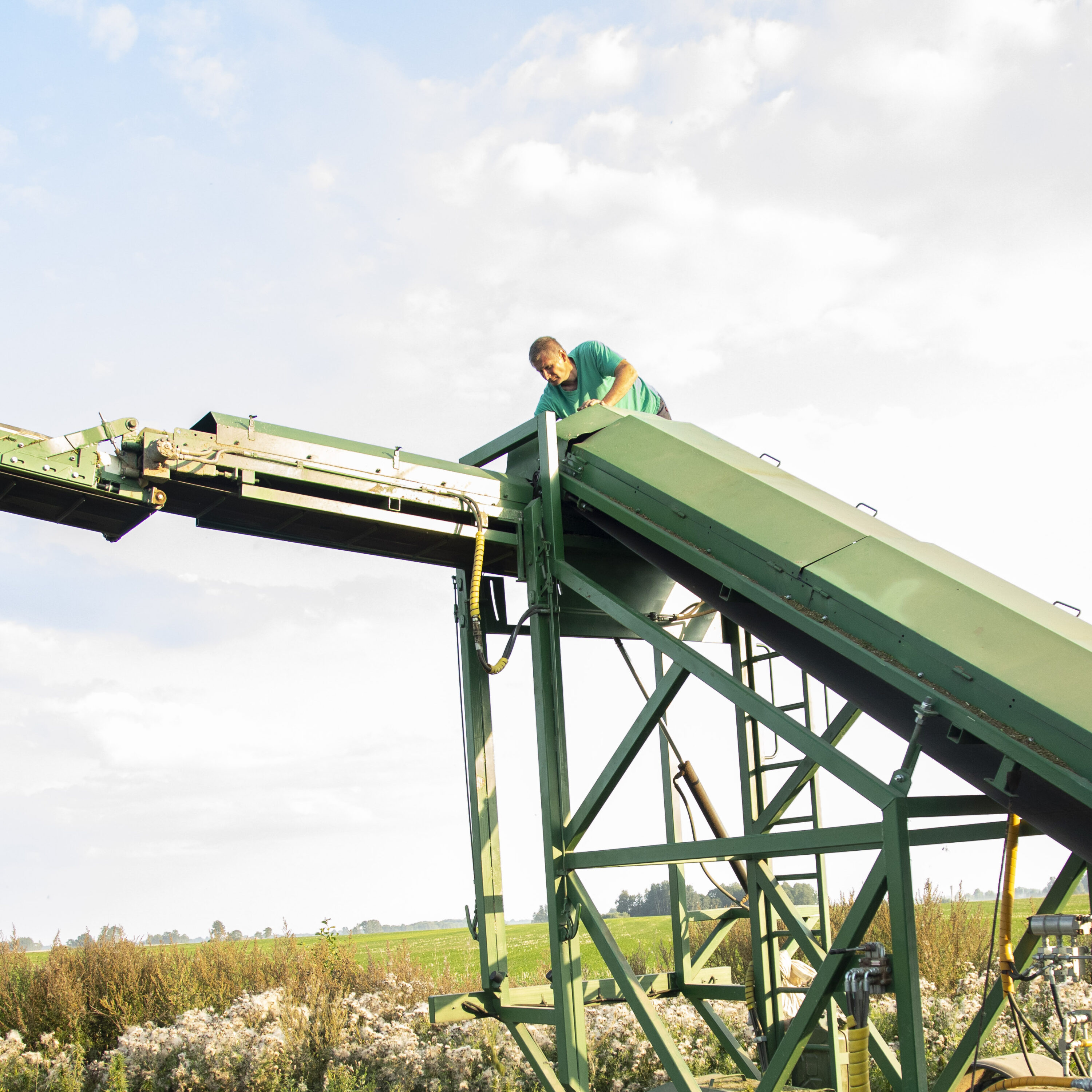
Our Story
From humble beginnings to a global mission – we grow, harvest, and craft hemp with care for people and planet.
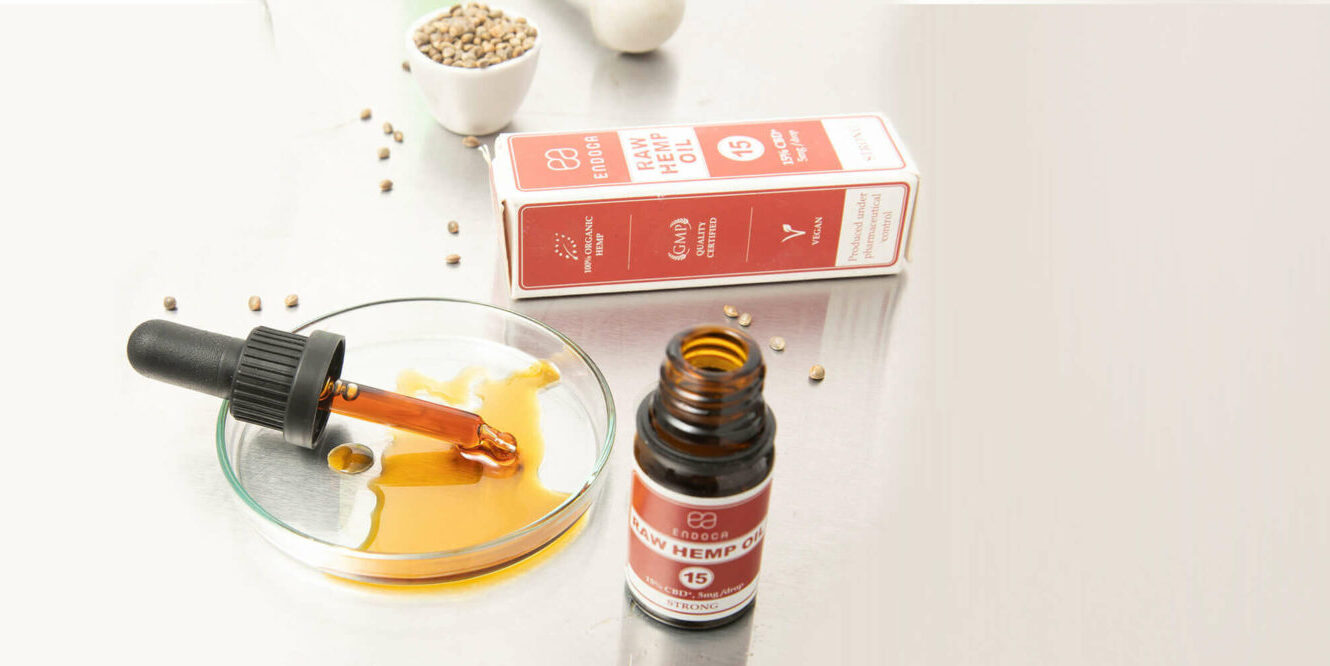
What Is CBD?
CBD is nature’s way to restore balance, calm, and overall well-being – naturally and without the high.
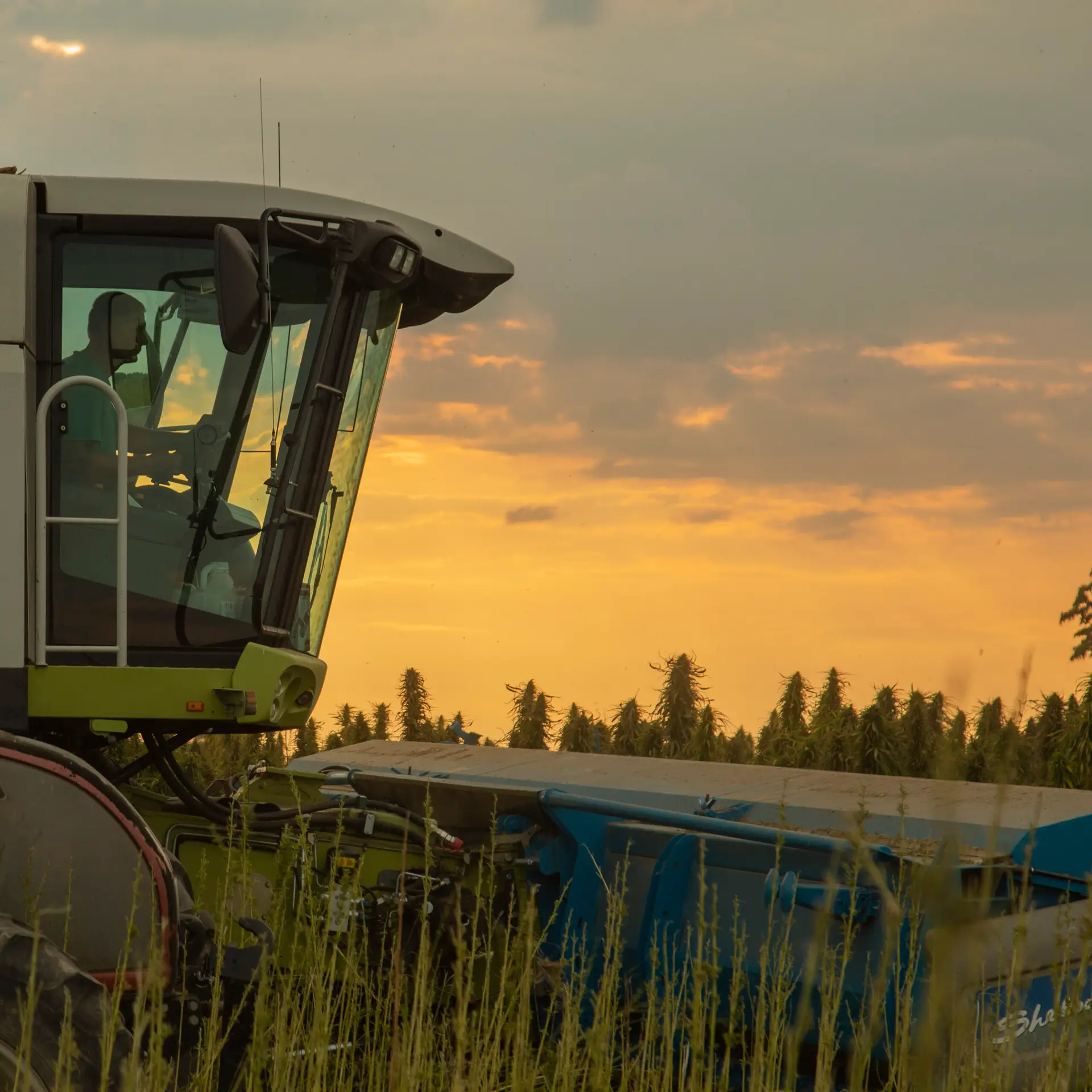
The Process
From seed to shelf, we grow organically, extract cleanly, and follow strict quality standards for purity.

Lab Testing
Every batch is third-party tested to ensure purity, safety, and the exact amount of CBD every time.
Our Values
Sustainability, transparency, and wellness guide every decision – for you and for the planet.
At a glance
How each one arises
Cannabis builds CBGA, then three enzymes compete for it. THCA synthase makes THCA. CBDA synthase makes CBDA. CBCA synthase makes CBCA, which decarboxylates to CBC.
CBG is what is left over. In a typical high-CBD cultivar, almost none is, which is why CBG products cost more.
CBC is a genuine third branch, parallel to THC and CBD rather than downstream of them. It is present at low levels in most extracts.
Mechanism, with the disagreement stated
CBG’s most striking measurement is alpha-2 adrenoceptor agonism at an EC50 of 0.2 nanomolar, from a 2010 study in mouse brain membranes. The same paper found the effect substantially weaker in isolated tissue, which leaves its physiological relevance open. CBG is also a 5-HT1A antagonist at a KB of 51.9 nanomolar. At cannabinoid receptors it is weak and, at high concentration, antagonistic.
CBC’s literature is contradictory in a way worth being upfront about. A 2019 paper in the British Journal of Pharmacology found CBC does not activate CB1 at all and is a selective CB2 agonist with higher efficacy than THC there. A 2020 paper reported a CB1 binding affinity of 11 nanomolar along with functional activity. Both cannot be correct. The reasonable summary is that CBC is a CB2-preferring agonist whose CB1 activity is disputed.
Where CBC is clearly potent is TRPA1, at an EC50 of 0.09 micromolar, among the strongest of the phytocannabinoids tested in that study. Notably, CBC’s anti-inflammatory and gut motility effects in mouse models went through TRPA1 rather than cannabinoid receptors, which suggests the CB1 argument may matter less than it looks.
A further complication for CBC: a 2025 study showed its two mirror-image forms behave differently at CB2, and commercial CBC is not necessarily one form.
The evidence
CBG
CBG has one placebo-controlled human trial: 34 healthy adults, 20 mg, published 2024, reporting reduced anxiety and stress and improved verbal memory.
Small, healthy volunteers, remote administration.
CBC
CBC has zero controlled human trials.
Everything published is cell culture or rodent.
Neither has published human pharmacokinetics. Every dosing figure on a CBC or CBG label is an estimate.
What people get wrong
01CBC is a potent anti-inflammatory.
In mice, through TRPA1. Untested in people.
02CBG is proven for gut health, glaucoma or MRSA.
Rodent and in vitro only. The one human trial looked at anxiety, stress and memory.
03Combining minor cannabinoids gives you the entourage effect.
The experiments designed to test that hypothesis found cannabis terpenes do not bind or modulate cannabinoid receptors, and a 2024 scoping review found limited evidence for it as a stable phenomenon.
Choosing between them
Neither has enough human data to justify a recommendation. CBG has one supportive small trial and a striking receptor number. CBC has interesting pharmacology and nothing in people.
Both occur naturally in full-spectrum hemp extract at low levels, which is the least expensive way to encounter either.
Still weighing up the options? See CBC vs CBD, CBG vs CBD or CBN vs CBC. Endoca products related to this comparison: Full-spectrum CBD.
Legal status and safety
Legal status in the United States
Both have been treated as lawful under the 2018 Farm Bill when derived from hemp under 0.3 percent delta-9 THC by dry weight. From 12 November 2026, Section 781 of Public Law 119-37 excludes cannabinoids synthesized outside the plant, which is relevant to synthetically produced minor cannabinoids rather than to naturally extracted ones. FDA has not yet published the lists required to apply the rule.
How Endoca tests for this
CBC and CBG both appear on our batch certificates of analysis alongside CBD, CBDA, CBN, THC and THCA. For minor cannabinoids especially, a lab number tied to a batch code is the only meaningful claim about content, because these compounds are present at levels where “contains CBC” can mean almost anything.
Frequently asked questions
Neither has enough human evidence to answer that.
No.
Low natural abundance and the isolation work required.
Usually both, at low levels. Check the certificate of analysis.
All three trace back to CBGA in the plant. Heating CBGA gives CBG, while different enzymes turn CBGA into CBDA and CBCA, which become CBD and CBC when heated. CBD has by far the most human research of the three.
Both occur together in full-spectrum hemp extracts, and no interaction is known. No study has tested whether the pair works better than either alone.
References
01
Cascio MG et al. Br J Pharmacol 2010;159:129-141.
02
Udoh M et al. Br J Pharmacol 2019;176:4537-4547.
03
Zagzoog A et al. Sci Rep 2020;10:20405.
04
De Petrocellis L et al. Br J Pharmacol 2011;163:1479-1494.
05
Cuttler C et al. Sci Rep 2024;14:16163.
06
Simei JLQ et al. Cannabis Cannabinoid Res 2024;9:1202-1216.
Last reviewed 1 September 2026.
These statements have not been evaluated by the Food and Drug Administration. This product is not intended to diagnose, treat, cure, or prevent any disease.