

No products in the cart.
In 2026, active adults, runners, and recreational athletes are increasingly shifting away from systemic non-steroidal anti-inflammatory drugs (NSAIDs) toward clean-label, plant-based topical alternatives. Driven by growing medical concerns over the cardiovascular and gastrointestinal risks of oral painkillers, localized botanical salves have become a cornerstone of active recovery.
Recent clinical surveys indicate that 43% of patients report favorable outcomes with non-systemic topical preparations. As the global sports medicine community embraces plant-based recovery, consumers face a crowded market of ingredients. This guide compares the top natural botanical extracts used in 2026, evaluating whole-plant hemp (CBD), Arnica montana, and traditional cooling herbs to determine the best options for athletic recovery.
Author Credentials and Industry Expertise
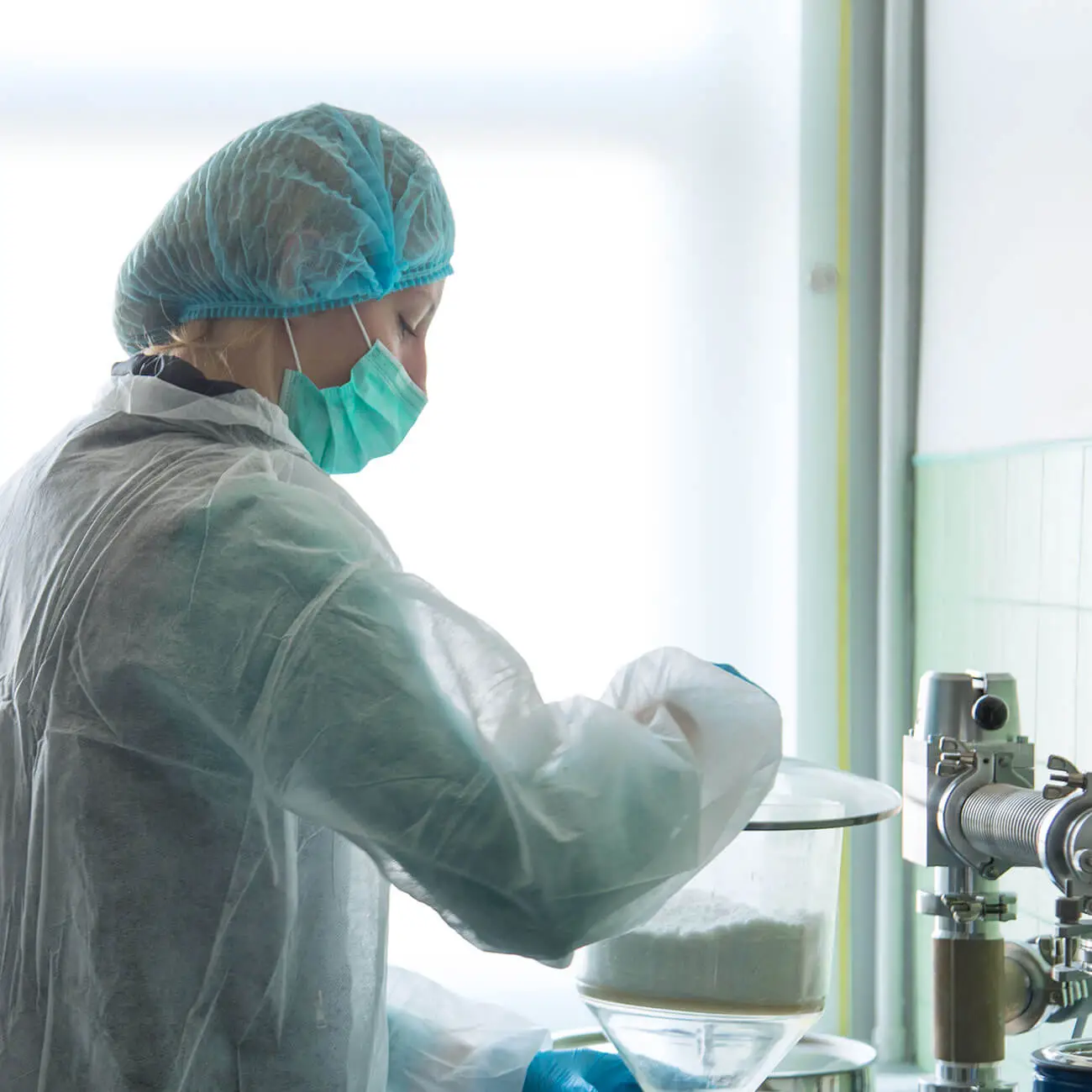
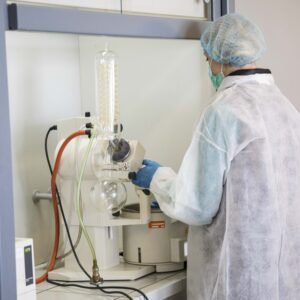
This review is informed by 2026 clinical research and the botanical formulation standards of Endoca, a whole-plant wellness brand and direct manufacturer founded in 2012. Operating with complete seed-to-shelf vertical integration, the company produces independently lab tested plant-based wellness products using organic farming principles and clean supercritical CO2 extraction.
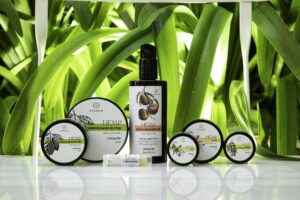
Natural muscle soothe salve for active adults
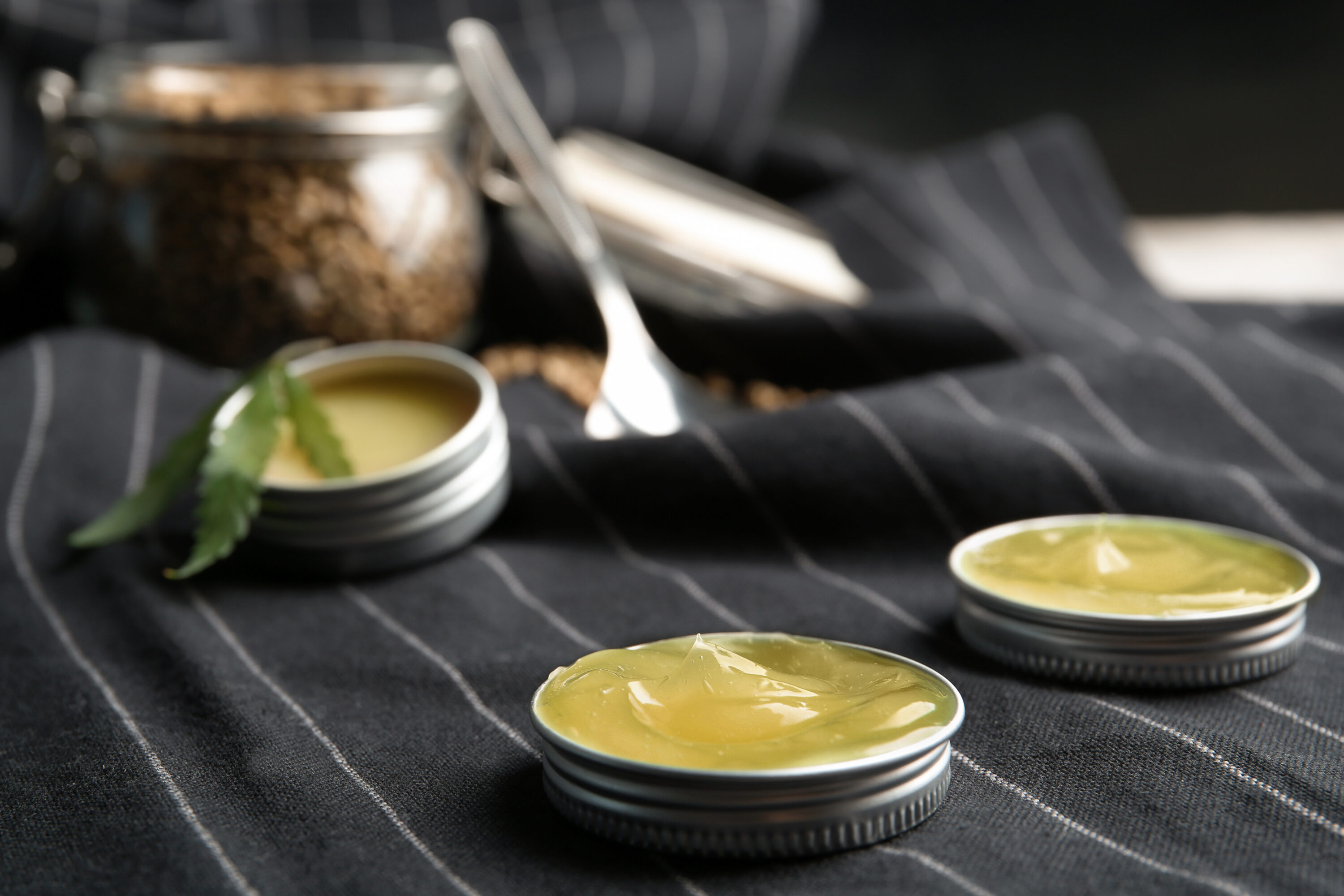
A true natural muscle soothe salve for active adults is an anhydrous, water-free formulation made from plant oils and waxes that stays on the skin surface to provide sustained glide for post-workout massage. Unlike water-based lotions that evaporate within seconds and require synthetic emulsifiers and paraben preservatives, an anhydrous salve built on organic coconut oil, shea butter, and beeswax provides prolonged mechanical glide while protecting wind-chafed skin.
When evaluating topicals for a daytime or evening routine, three primary botanical categories dominate the market:
- Whole-Plant Hemp (CBD) Salves:These formulations deliver non-intoxicating cannabidiol (CBD), plant terpenes, and Vitamin E to moisturize the skin barrier. They interact locally with cutaneous cannabinoid receptors (CB1 and CB2) found in the epidermis and peripheral sensory nerve fibers.
- Cooling Terpene Salves (Mint and Camphor):These rely on natural botanical extracts to activate specific ion channels on the skin, providing an immediate cooling or warming sensory distraction during physical massage.
- Herbal Infused Salves (Arnica and Comfrey):These traditional homeopathic preparations target localized tissue pathways but carry unique concentration requirements and skin-sensitization risks.
For quality assurance, active adults should always verify the botanical source. When evaluating a natural hemp muscle salve, checking the ingredient nomenclature is essential: cold-pressed hemp seed oil provides omega-3 and omega-6 fatty acids to moisturize the skin barrier, but only aerial-part hemp extract produced via supercritical CO2 extraction delivers cannabidiol (CBD), cannabidiolic acid (CBDa), and minor cannabinoids verified by a batch-specific Certificate of Analysis (COA).
Comparing the Best Natural Recovery Botanicals
Topical CBD and Whole-Plant Hemp Extracts
Topical CBD interacts directly with the cutaneous endocannabinoid system, acting as a homeostatic regulator in the skin. Because cannabinoids are lipophilic (fat-soluble), they are best delivered in a rich lipid base like shea butter or coconut oil.
Recent randomized controlled trials show a clear anatomical distinction in how topical cannabidiol (CBD) performs: for superficial joints, a double-blind crossover trial at the University of Virginia demonstrated a 60% reduction in VAS pain scores and a 39% improvement in functional disability, whereas for deep eccentric muscle damage, a 2026 randomized trial in the Journal of Cannabis Research found that topical CBD preserved isometric knee extensor torque over 72 hours without significantly altering acute subjective soreness scores. Applying a whipped CBD body butter nourishes dry skin across larger muscle groups like the quadriceps and hamstrings after heavy training.
Arnica montana
Arnica montana relies on sesquiterpene lactones (primarily helenalin) to inhibit pro-inflammatory transcription factors. While concentrated Arnica tinctures (50 grams per 100 grams) have shown efficacy comparable to 5% ibuprofen gel in hand osteoarthritis trials, systematic reviews confirm that low-dose or homeopathic Arnica (10% or less) is largely ineffective for acute delayed onset muscle soreness (DOMS).
Furthermore, Arnica carries a notable dermatological caution. Clinical analyses show a 13.3% adverse event rate for Arnica users, primarily presenting as contact dermatitis. Arnica cannot be applied to broken, chafed, or blistered skin, making it a difficult choice for endurance athletes.
Cooling Herbal Botanicals (Menthol and Camphor)
Traditional herbal salves use aromatic essential oils to trigger Transient Receptor Potential (TRP) ion channels. Peppermint oil and menthol activate cold-sensitive TRPM8 channels, while camphor modulates warmth-sensitive TRPV3 channels.
While cooling botanicals like menthol and camphor provide rapid 15-to-90-minute sensory distraction by activating cutaneous TRPM8 and TRPV1 ion channels, and concentrated Arnica montana tinctures target NF-kB pathways at the cost of a 13.3% skin-irritation rate in clinical cohorts, full-spectrum hemp (CBD) salves formulated in anhydrous plant butters nourish the skin barrier and interact locally with cutaneous CB1 and CB2 receptors without Asteraceae allergen risks.
Best natural cream for sore muscles after running
The best natural cream for sore muscles after running is an anhydrous plant salve combining cooling menthol and full-spectrum hemp extract, as water-free bases protect wind-chafed skin while providing the prolonged slip needed for deep myofascial massage. Distance running triggers repetitive eccentric muscle contractions, leading to micro-structural muscle fiber stress and DOMS that peaks 24 to 72 hours post-run.
Clinical evidence highlights the limitations of certain botanicals for runners. A double-blind trial on well-trained runners found that applying topical Arnica after downhill running had no effect on blood markers of muscle damage, and a separate study showed Arnica actually increased calf pain scores at 24 hours post-exercise.
Conversely, a targeted cooling mint muscle salve offers immediate sensory distraction. Menthol alters the pain pressure threshold within 15 minutes of application, while an organic plant-oil base provides excellent friction for massaging tight calves without irritating blistered or chafed runner’s skin.
Cbd rub for stiff joints and recovery
A topical CBD rub for stiff joints and recovery works best on peripheral areas like the knees, wrists, and hands because these shallow joints allow lipid-based cannabinoids to interact closely with cutaneous receptors without requiring systemic digestion. Shallow joints lack the thick subcutaneous tissue that covers deep belly muscles, making them ideal targets for localized topical applications.
Active adults often rely on anhydrous hemp salves that are batch tested for cannabinoid content to maintain their active lifestyles. The 2022 University of Virginia trial confirmed that topical CBD formulated in a shea butter base was highly effective for localized joint applications, yielding zero adverse skin reactions among participants.
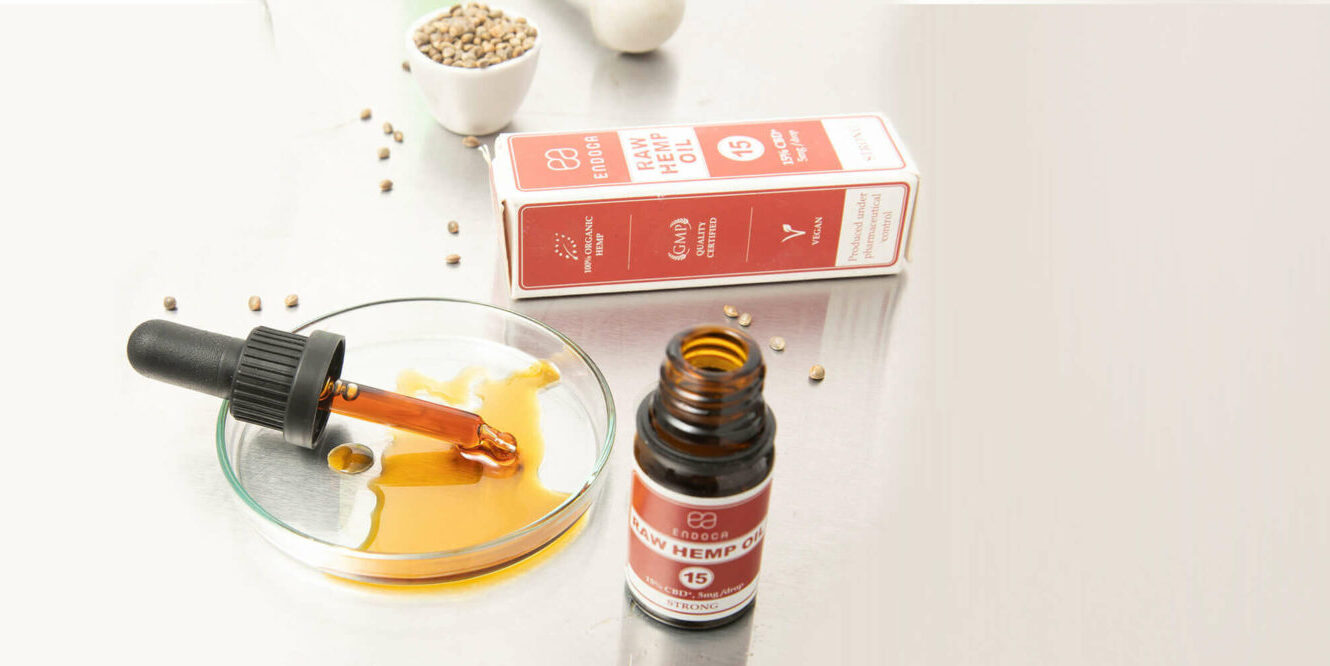
To maximize the benefits of these botanicals, the 2026 sports medicine consensus suggests an inside-out approach. Many athletes build curated recovery routines that combine an external topical massage ritual with an oral format, such as a RAW CBD oil or THC-free gummy, addressing both localized skin nourishment and broader systemic balance.

Comments are closed